Gravel Bikes
Merida Silex Review: A Gravel Bike Built for Rough Terrain
A detailed look at the Merida Silex, a carbon gravel bike with slack geometry, 45 mm tire clearance, and a clear appetite for rough, loaded adventure riding.
Introduction
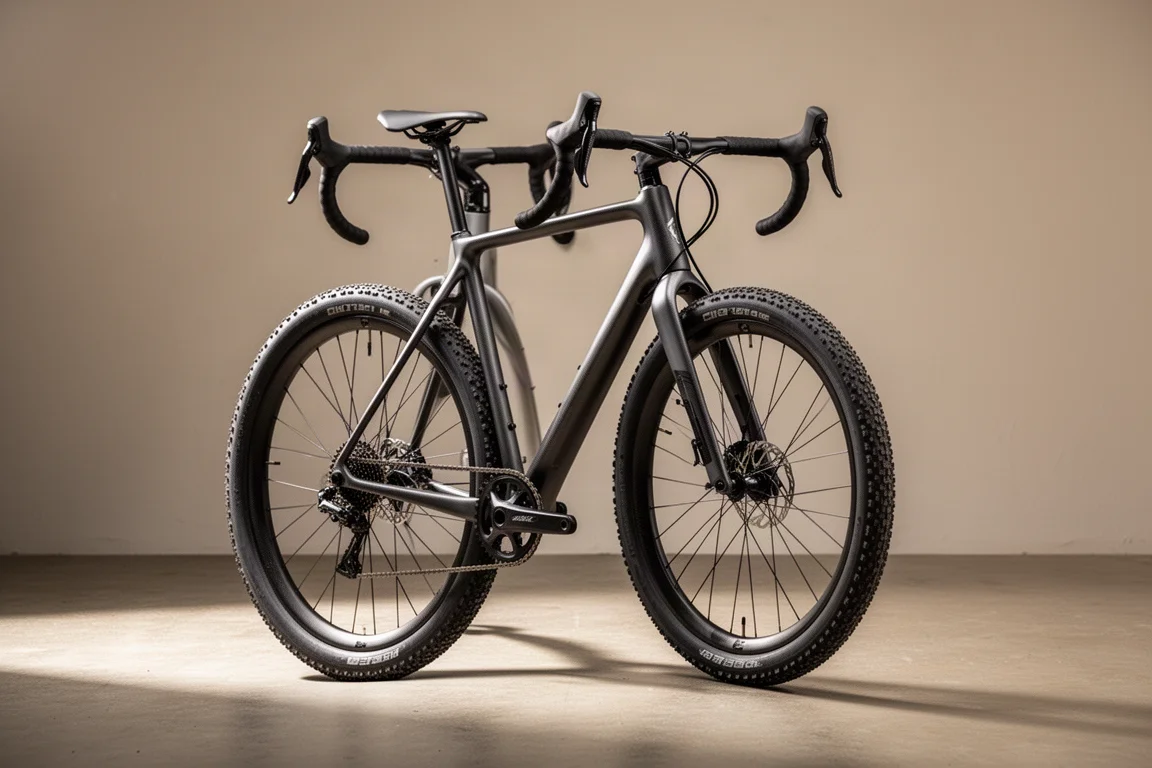
Merida has replaced the Silex with a thoroughly reworked gravel platform, and the changes go well beyond a fresh paint job. The new bike keeps a carbon frame and a lightweight build, but its geometry, tire clearance, and frame details have all been reshaped around a different idea of what gravel riding looks like.
The original Silex arrived in 2018, when gravel was still a young category, and it became known for a very tall front end that divided opinion. The new version keeps the underlying principle of a higher, more stable front end, but reaches it in a far more elegant way. The result reads as a gravel adventure and bikepacking machine, even though it appeared shortly after a high-profile gravel racing result.
The build covered here pairs a carbon frame with a Shimano GRX 12-speed mechanical disc brake groupset, Easton wheels, a flared drop handlebar, a carbon seat post, and Merida’s own saddle. On the scales it came in at 9.4 kg, which is respectable for a bike of this size and specification.
Who the Merida Silex Is For
This is a bike for riders whose plans rarely stop at smooth gravel. It suits long distance bikepacking trips, rough and technical descents, and the grey area where a mountain bike might otherwise seem like the sensible choice.
Riders coming from a road bike or a fast, race-oriented gravel bike will notice the difference immediately. The front end sits higher and closer to the rider, with a short stem and a wide handlebar. Riders coming from a mountain bike background are likely to feel at home far sooner, because the position and the handling philosophy will already be familiar.
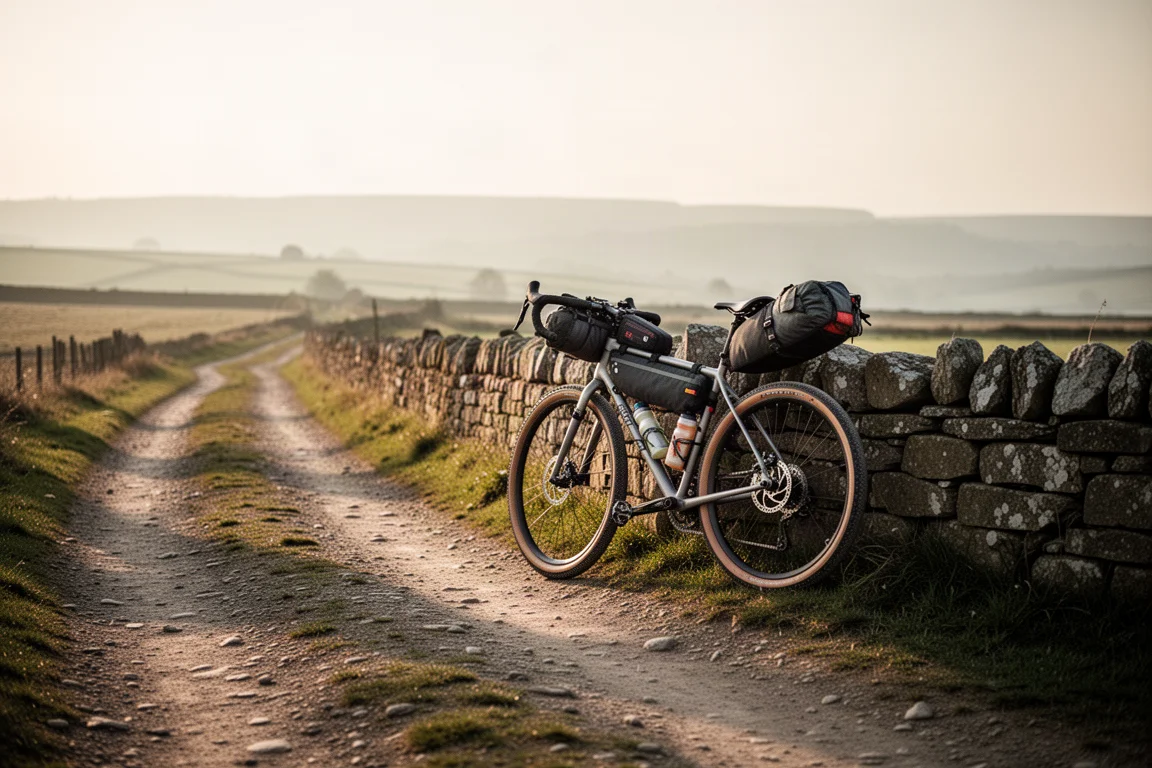
It is also a sensible option for anyone who wants one bike to cover commuting, mixed-surface exploring, and loaded adventures rather than a single narrow discipline.
Frame and Geometry Changes
The headline number is the head angle. At 69.5 degrees it is slacker than the roughly 71 or 72 degrees typical of race-focused gravel bikes, and it is 1.5 degrees slacker than the original Silex. That figure would not look out of place on a short travel mountain bike, and it is the clearest signal of what this bike is designed to do.
The head tube is also much shorter than the one on the 2018 original, which was notable for its very tall front end. A longer fork allowed Merida to shorten the head tube while keeping the front of the bike high, which improves the look of the bike considerably without abandoning the original intent. That longer fork also means the frame is compatible with a suspension fork without spoiling the geometry, opening the door to a suspension fork and dropper post setup for genuinely rough terrain.
Tire clearance has grown from 38 mm on the old bike to 45 mm here. The build shown runs 45 mm Maxxis Rambler tires, with clear space remaining around the tire at both the rear stays and the fork, which should help in muddy conditions.
Main Strengths
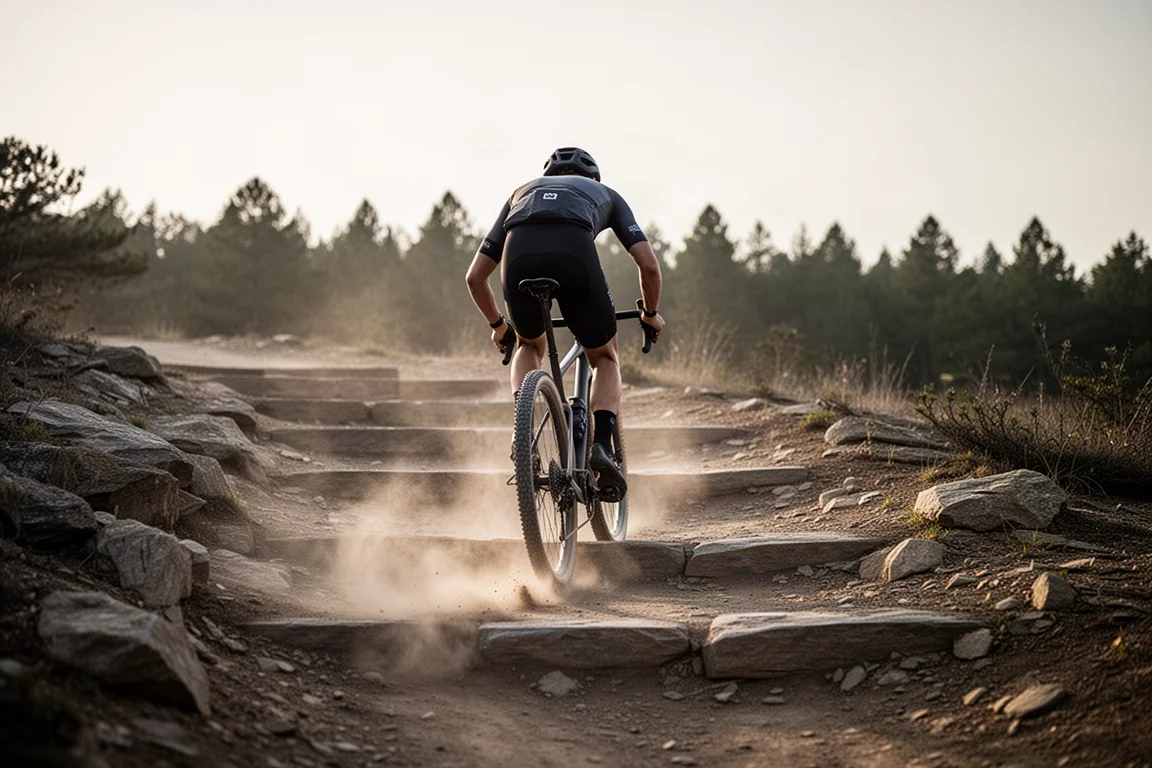
The defining strength is composure on descents. On the steeper, rockier, stepped trails that would leave many road-biased gravel bikes feeling jittery, the Silex stays calm and carries real authority through corners. There is plenty of scope to place the bike exactly where you want it, and it rarely feels like it is being knocked off line.
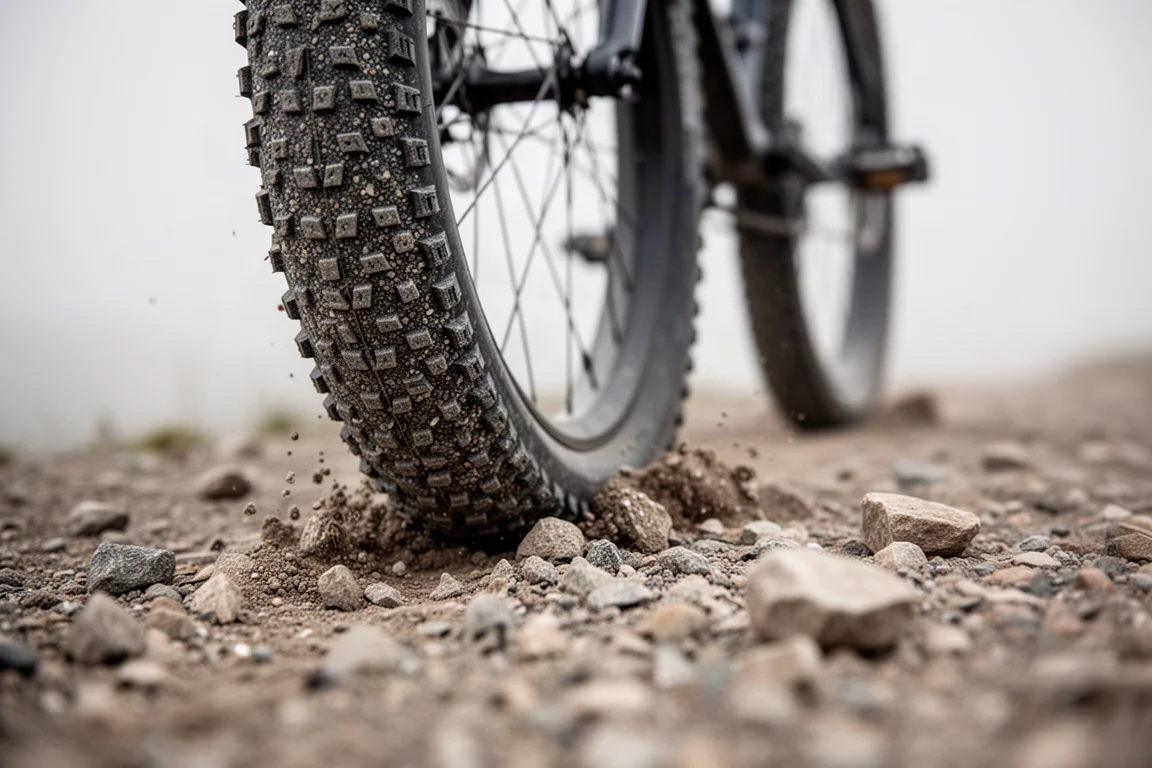
The weight helps elsewhere. At 9.4 kg the bike does not hold you back on climbs, and the wide-range 12-speed cassette takes care of the steep pitches. Shifting worked cleanly despite the internally routed cables.
Practical details stand out too. A threaded bottom bracket avoids the creaking that press-fit designs can develop. A conventional two-piece handlebar and stem means fit changes are straightforward, whether for sizing reasons or personal preference. There are generous fork mounts for bottles or luggage, mudguard mounts, and the internal cable routing through the top cap leaves the front of the bike clear for a bar bag, which is a genuine advantage when loading up for bikepacking.
Build Details and Component Choices
Cables and hoses run inside the frame and enter through the top cap, passing through the top headset bearing. That keeps the lines clean and frees up handlebar space, though it is a layout worth understanding before you plan any changes at the front end.
Braking is handled by 180 mm rotors front and rear, larger than the 160 mm front and 140 mm rear setup common on road and gravel bikes, and the calipers sit behind heat sinks mounted between the frame or fork and the caliper. Both are details borrowed from mountain bike design. The rotors promise more stopping power, while the heat sinks are intended to draw heat away from the calipers on long descents.
The rest of the build includes Easton wheels, a flared drop handlebar, a carbon seat post, and a Merida saddle. Because the stem and seat post are standard parts, it is possible to fit a suspension stem and a suspension seat post to soften the ride further.
How It Rides
The first impression is that the bike feels unusual. Coming from road-biased gravel bikes, the high front end, short stem, and wide handlebar feel very different from what a fast gravel bike usually offers. That impression fades quickly once the trail points downhill. On rough, mountain bike style descents the geometry clicks, and the calmness that felt strange on flat ground becomes the bike’s best quality.
Tire pressure matters here. Running the 45 mm tires at around 20 to 25 psi for the rider’s body weight gave good grip and comfortable ride quality. The bike only starts to feel harsh when carrying a lot of speed down fast technical trails with rock slabs, which is the point where a little suspension travel would be welcome.
The larger rotors did not produce a dramatic difference in feel on short descents with brief braking between corners. On longer, sustained descents where the brakes are dragged for extended periods, they may prove more useful. The heat sinks had little heat to manage in these conditions, so their real-world value is harder to judge.
Taken as a whole, the ride is highly capable. It encourages you to push further and harder than a typical racy gravel bike would, and it makes a strong case for itself anywhere the surface stops being smooth.
Things to Consider Before Buying
Tire clearance is the most obvious limitation. At 45 mm the Silex sits behind rivals offering 47 mm or even 50 mm and beyond. That is a meaningful gap for riders who want maximum volume for very rough terrain, or who like the idea of a bike that stays current as tire trends continue to grow.
The internal routing runs through the top headset bearing, which is a layout worth weighing up if you like to swap handlebars, stems, or headsets regularly. It is not a dealbreaker, but it does add a step to routine front-end changes.
The 180 mm rotors and the caliper heat sinks are interesting ideas, but the benefit of each is not clearly felt in everyday gravel riding. Riders who rarely wish for more braking power may see them as unnecessary complexity rather than a meaningful upgrade.
Finally, this is not the smoothest bike available over very rough ground. It is comfortable for most conditions, but at high speed on rocky trails it can feel jarring.
Buying Advice
The Silex range includes both carbon fibre and aluminium frame options, with prices starting from just over £1,200 at the entry point, which is accessible for a bike of this type and broadens its appeal well beyond dedicated gravel riders. The carbon build tested here sits higher in the range with a Shimano GRX 12-speed mechanical groupset.
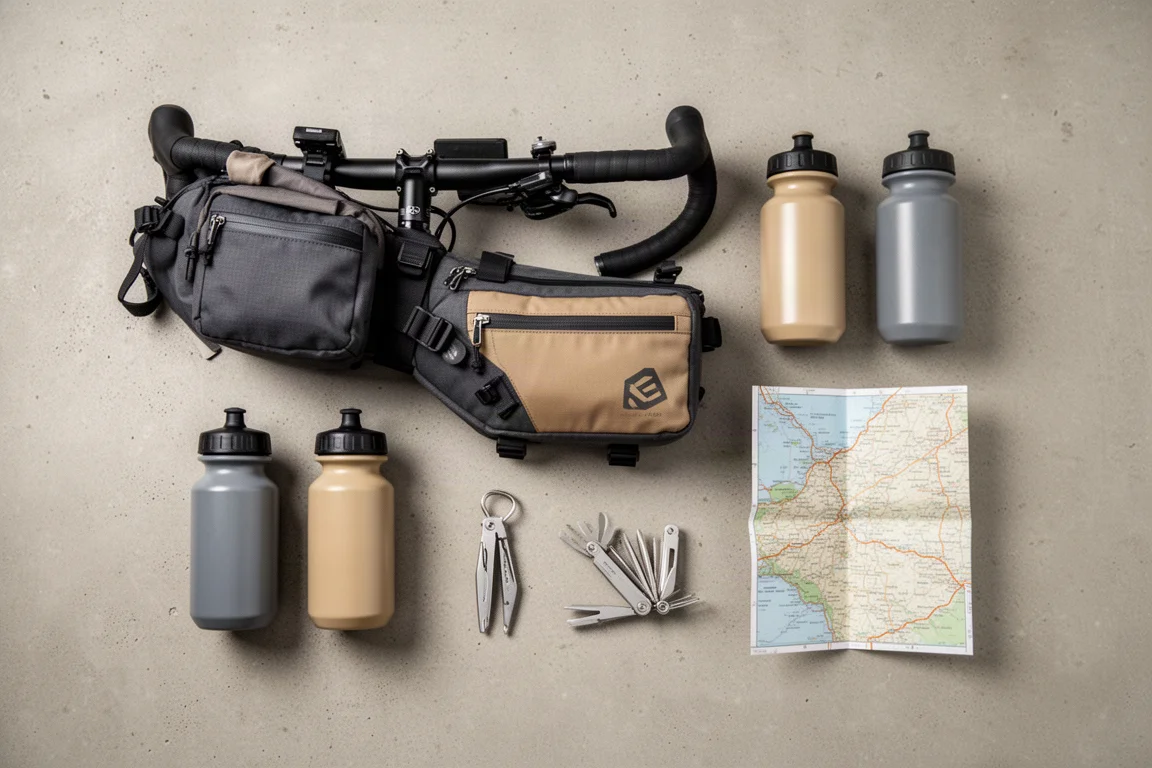
Buy this bike if your riding regularly leaves smooth gravel behind and you want stability, composure, and room for luggage rather than the sharpest possible race feel. If your priority is pure gravel racing, or the widest possible tire clearance, other options will suit you better. If you do choose the Silex, budgeting for a suspension stem or seat post later is a straightforward way to extend its comfort on long, rough adventures.
Conclusion
The Merida Silex is a coherent, capable gravel bike with a clear identity. Its slack geometry and high front end make rough descents feel calm and controlled, its 9.4 kg build keeps climbs manageable, and details like the threaded bottom bracket and generous mounting points make it a practical companion for long distance adventure riding. The main compromises are tire clearance and a few mountain-bike-inspired brake details whose benefits are hard to feel in normal gravel use. For riders who want one bike to explore far beyond the smooth stuff, it is a genuinely appealing package.
Product link
View more details for Merida Silex
This product is mentioned in the review. Check the specifications, options, and compatibility before buying.
View more details for Merida SilexFurther reading
Related Reviews
Gravel Bikes
3T Exploro Ultra Review: A Fast Gravel Bike Built for Big Tyres
A close look at the 3T Exploro Ultra, an aero carbon gravel bike designed around wide tyres, with road-like handling, a 980 g frame and genuine rough-terrain capability.
Gravel Bikes
3T Extrema Italia Review: Aero Gravel Speed With Room for 57 mm Tires
The 3T Extrema Italia pairs an aero frame with huge tire clearance, Italian-made carbon and a more comfortable ride than the RaceMax. Here is what to know before buying.
Gravel Bikes
3T Race Max 2 Italia Review: An Aero Gravel Race Bike Made in Italy
A closer look at the second-generation 3T Race Max 2 Italia, covering its aero updates, ride character, tire clearance, internal storage and who it suits.