Hand Tools
MechWorks vs Milwaukee Reciprocating Saw Blade Handle: Which One Deserves a Spot in Your Kit
A solid reciprocating saw blade handle is a small tool that earns its place. We compare the hard-to-find Milwaukee Sawzall handle with the MechWorks alternative that fills its shoes.
Introduction
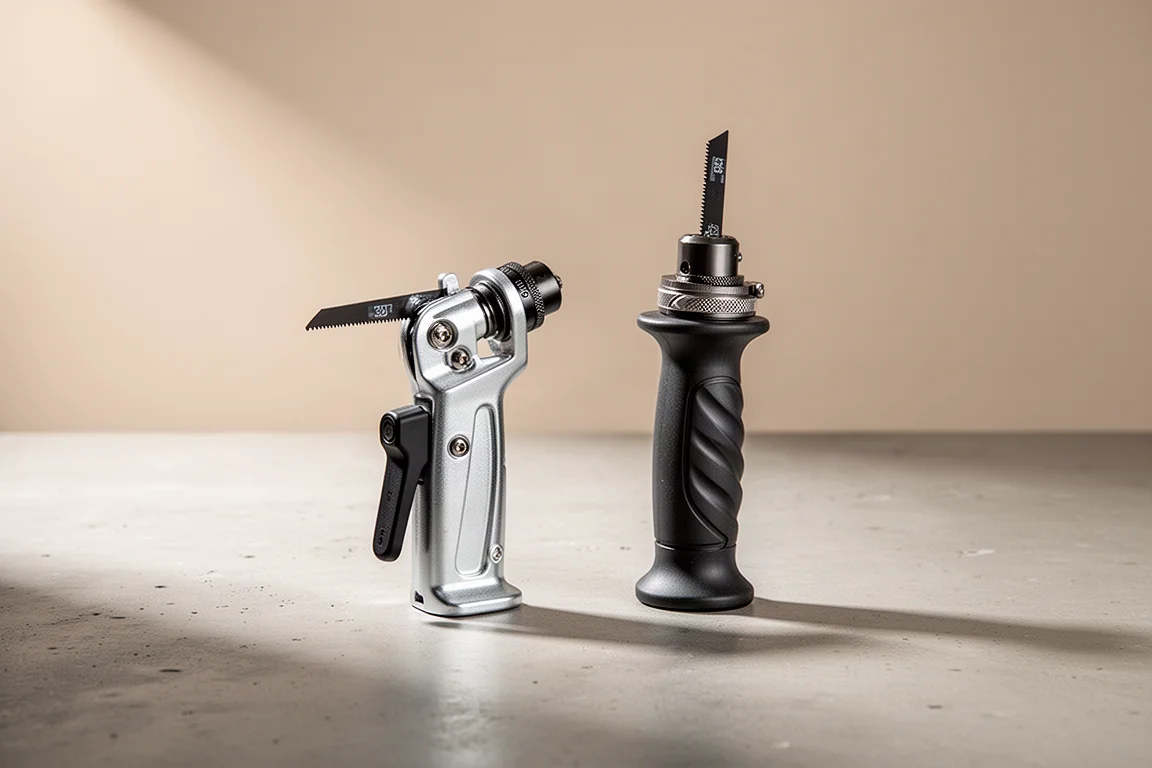
A good reciprocating saw blade handle is one of those small tools that quietly earns its keep. It turns a pile of loose recip blades into a compact manual saw you can use for pruning, quick cuts, repairs, or kit-based work where a full recip saw is overkill. The problem has always been finding a handle with a genuinely solid blade lockup, one that will not fold, pivot, or loosen mid-cut.
For years, the benchmark was the classic Milwaukee Sawzall blade handle. It is no longer easy to find, which is why the MechWorks handle has become the practical alternative. This comparison looks at how the two stack up on locking mechanism, build, and everyday use.
Evaluation Criteria
The focus here is narrow and practical: how securely the blade locks in, how easy the release is to operate, how stout the handle feels under load, and whether the handle supports the standard universal hook-style reciprocating blade shank. Folding designs and pivot mechanisms were deliberately avoided, because the whole point of this type of handle is a rigid, go-to-town tool you never have to second-guess.
The Milwaukee Sawzall Blade Handle
The classic Milwaukee handle uses the traditional Sawzall twist-and-lock mechanism. Inside, a locking pin or ball bearing releases tension and lets the blade seat, then a twist clicks it in and holds it solid. There is a small amount of rotational flex, but the lockup is dependable with anything that uses the standard hook-style reciprocating blade shank.
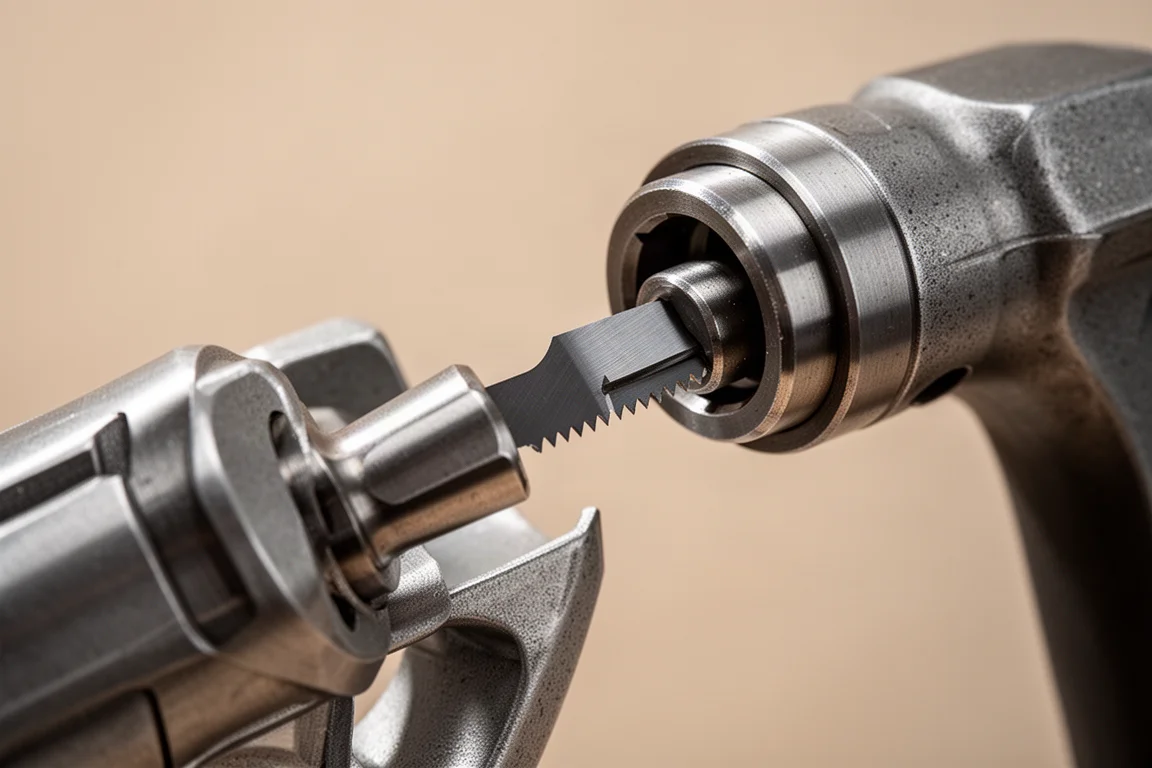
It also has large threads that accept an extension, which makes it genuinely useful for tree pruning with longer blades. The catch is availability: the part number is not listed anywhere, and the handle has not been brought back to market. Milwaukee’s current battery-powered Sawzall models use a side lever instead, so the classic handle design has quietly disappeared. As good as it is, if it is not being made, it does not matter how great it was.
The MechWorks Reciprocating Saw Blade Handle
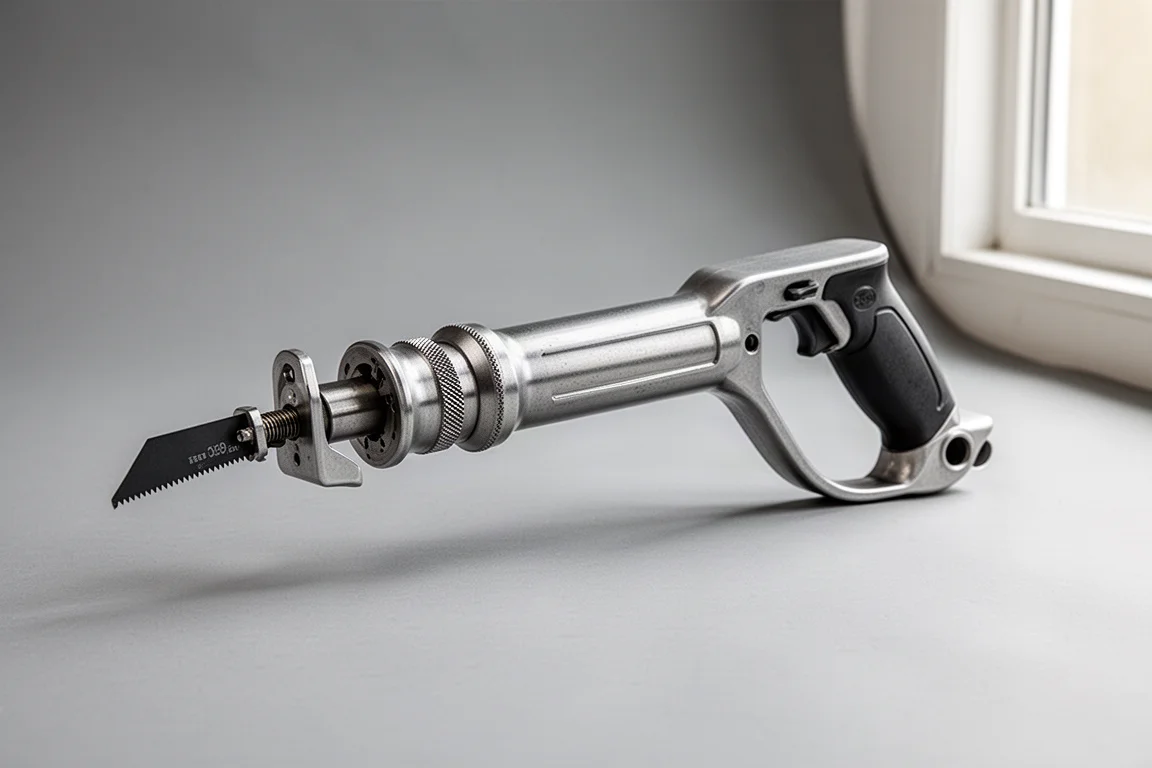
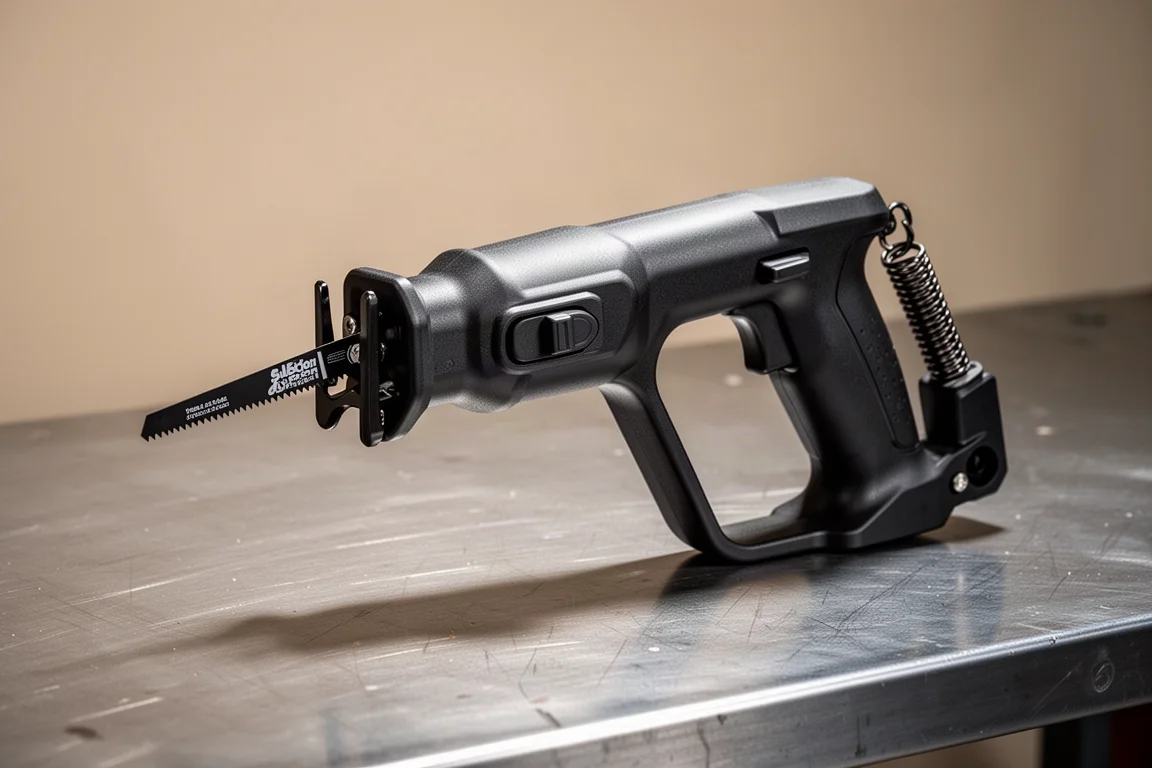
The MechWorks handle uses a very similar locking mechanism, but with a thumb stud on the side that lets you release the blade with one hand rather than grabbing it with two fingers. That single-hand release is reminiscent of the quick-release setups on other power tool chucks, and it is a genuine convenience when swapping blades often.
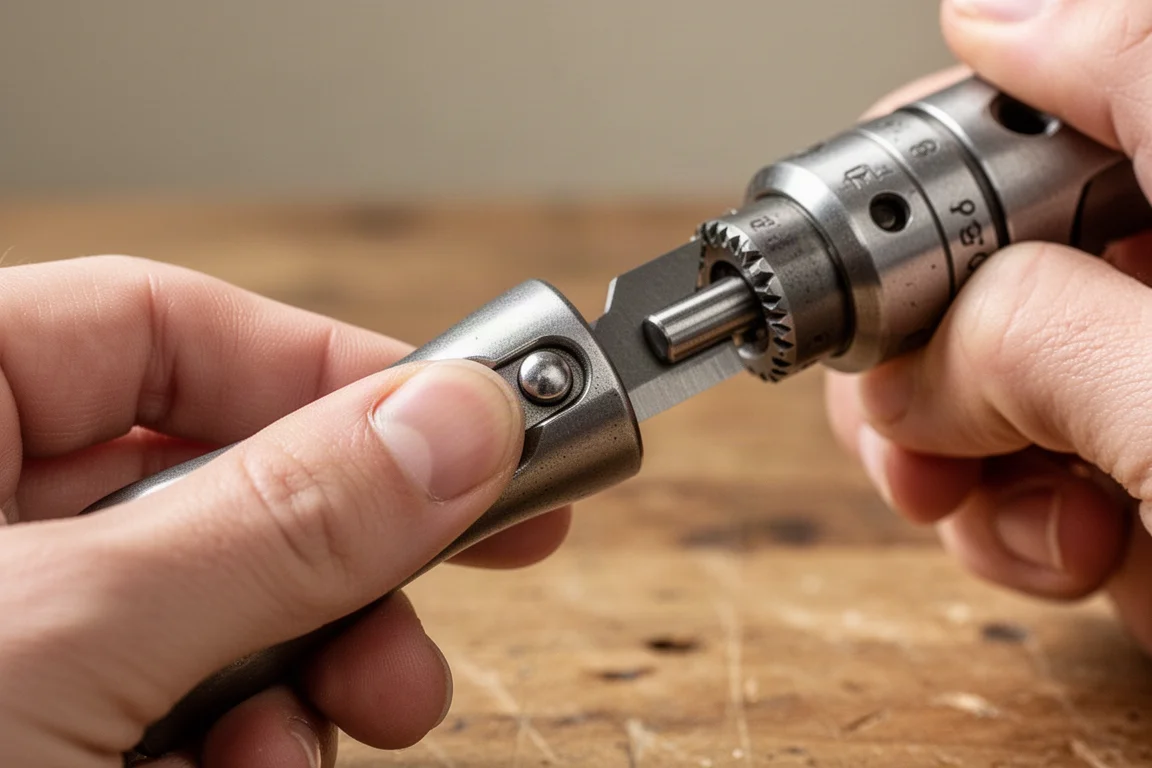
Lockup is solid. There is slightly more blade movement than the Milwaukee, but it locks in firmly and stays there. The handle is stout and carries a hefty, strong spring. One structural difference: the MechWorks uses a visible screw to hold its mechanism together, while the Milwaukee’s internals appear to be heat-set and flared through the handle. That suggests some potential inherent weaknesses over the long run, though nothing apparent out of the box. Note that it does not have the large threaded extension port the Milwaukee offered, so extension-based pruning is off the table unless the maker adds it.
Blades Included and Real-World Use
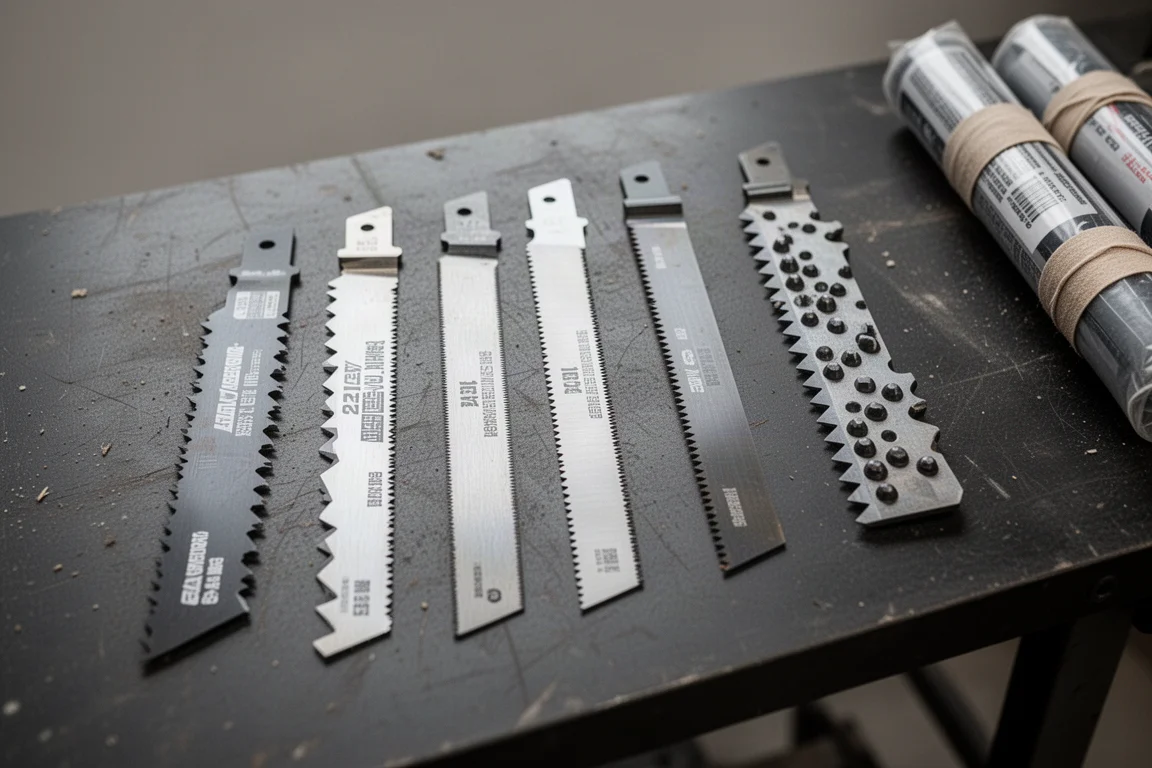
The MechWorks ships with six blades wrapped in plastic inside a storage tube. Two are 6-inch wood-cutting blades with 6 teeth per inch. Two more are 24 TPI and two are 18 TPI, essentially hacksaw-style blades for metal work.
The standout for general use is the included Sawzall Wrecker-style demolition blade. It is 6 inches long with a dual-tooth pattern: 7 larger teeth per inch followed by 11 smaller teeth per inch. That combination cuts wood cleanly and powers through an errant nail or screw if you hit one. On a powered recip saw it is obviously faster, but it works well by hand too.
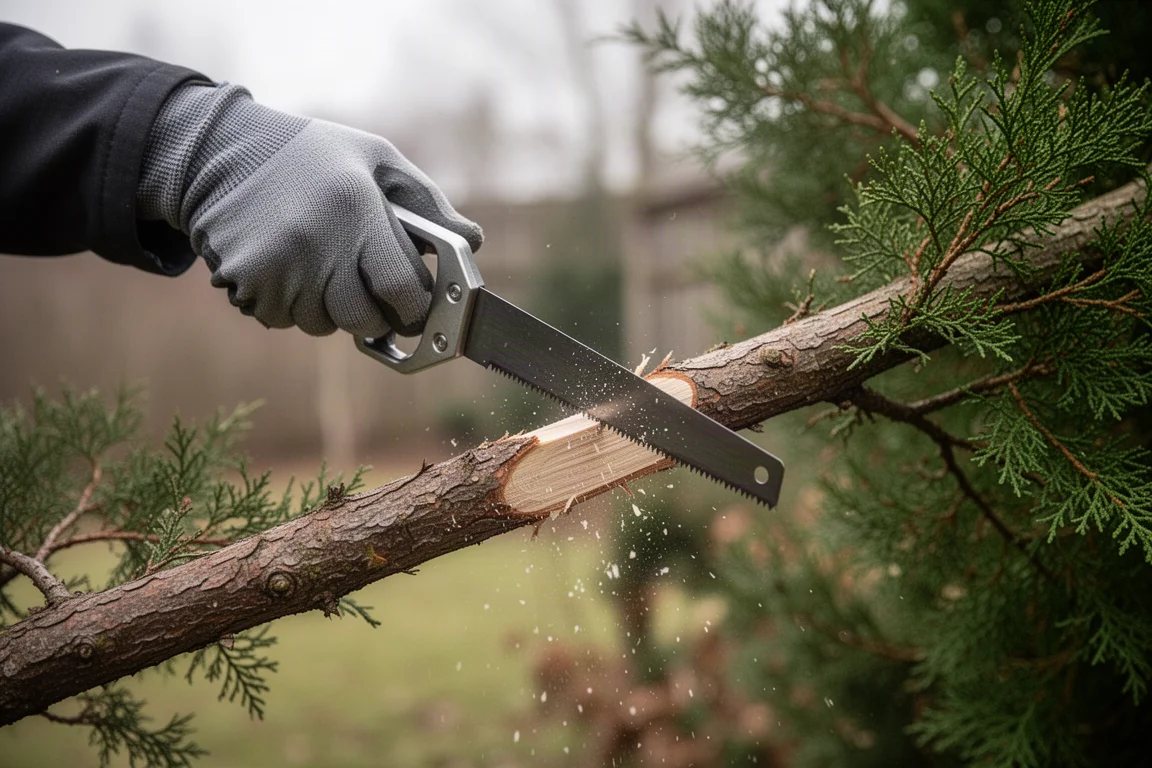
In actual use, the handle cut through juniper branches with the wood blade without complaint. The solid lockup is what makes the whole system work: one handle plus an assortment of blades covers mechanical repair, wood processing, pruning, and general alterations. That flexibility is why this kind of handle earns a permanent spot in overlanding and field kits.
Long-Term Durability and Buying Advice
The honest assessment: the MechWorks handle is not built quite the way the Milwaukee was. The screw-held mechanism and slightly greater blade flex are the two things to watch over time. But as far as available options go, it may be the only real choice in this category. Plenty of other handles fold or pivot, which defeats the purpose for anyone who wants a rigid tool that will not fail mid-cut.
At roughly $17 to $18 and made in China, expectations should be calibrated accordingly, including some questions about the included blades’ quality. If you want a dependable manual saw platform with a solid lockup for standard recip blades, this is currently the replacement for the classic Milwaukee design. If Milwaukee ever brings the original back, the calculus changes, but until then this fills the gap.
Conclusion
The Milwaukee Sawzall blade handle remains the reference design for twist-lock reciprocating blade handles, with its rock-solid lockup and threaded extension port, but it is effectively unavailable. The MechWorks handle is the practical answer: a strong, stout, rigid handle with one-hand blade release, a useful six-blade starter set, and a lockup you can trust. For anyone building a repair, pruning, or field kit around standard reciprocating blades, it is the sensible buy today.
Further reading
Related Reviews
Hand Tools
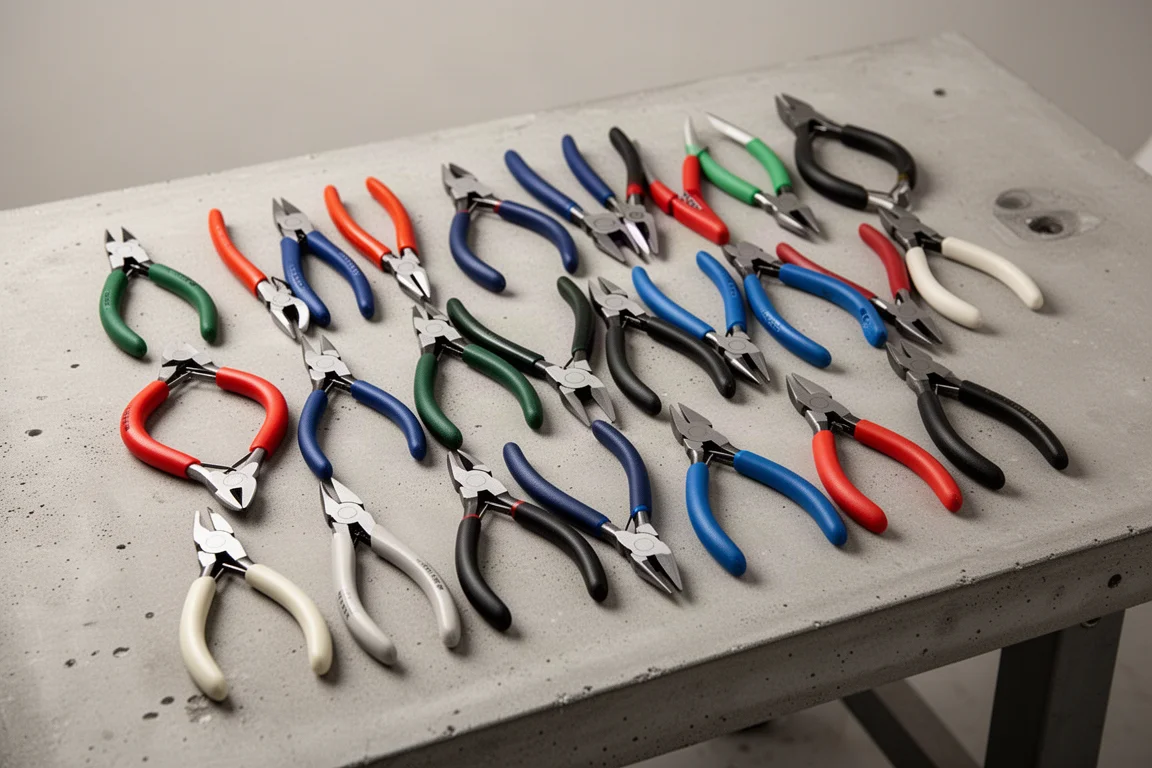
Best Diagonal Cutters 2026: 16 Pliers Tested for Cutting Power and Durability
We put 16 diagonal cutters through nail, screw, drill bit, and hex key tests to find the best value picks for your toolbox.
Hand Tools
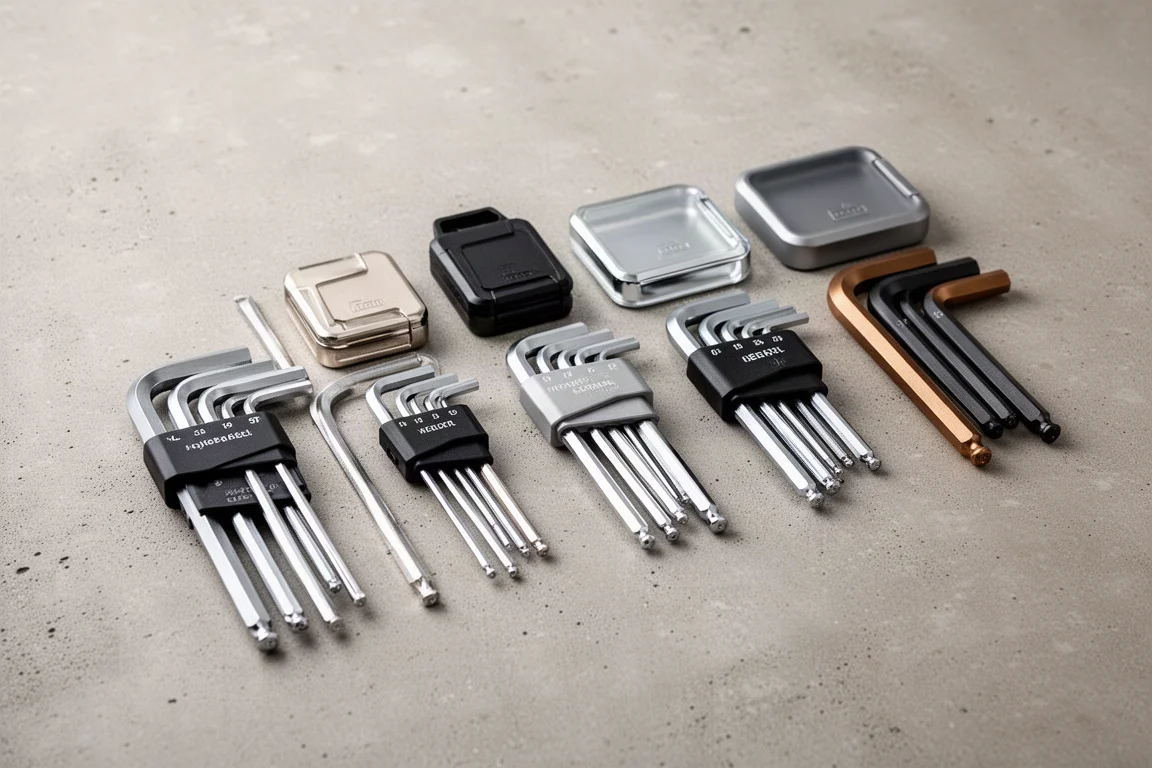
Best Hex L Key Sets 2026: Nine Sets Tested for Real-World Torque
Nine hex L key sets from budget to premium, tested for torque, fit, and durability. See which sets deliver real performance and which ones to skip.
Hand Tools
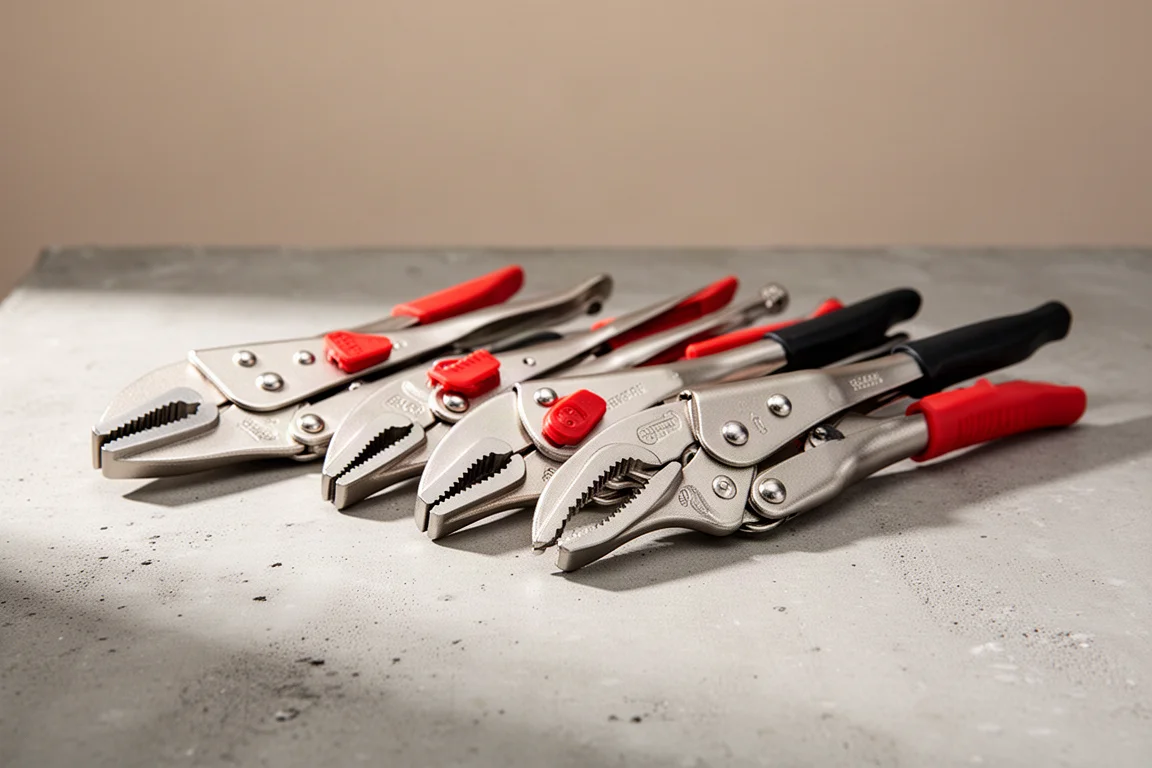
Best Locking Pliers 2026: Top Picks Tested for Grip and Durability
We tested 18 brands of 10-inch locking pliers for grip strength, jaw bite, build quality, and ease of release to find the best options for tough jobs.