Kitchen Knives
Mazaki Shirogami #2 Knife Lineup: Four Handmade Japanese Knives Worth a Close Look
A young Sanjo blacksmith, white carbon steel, and a batch of knives that the shop considers a clear step up. Here is what to know before buying.
Introduction
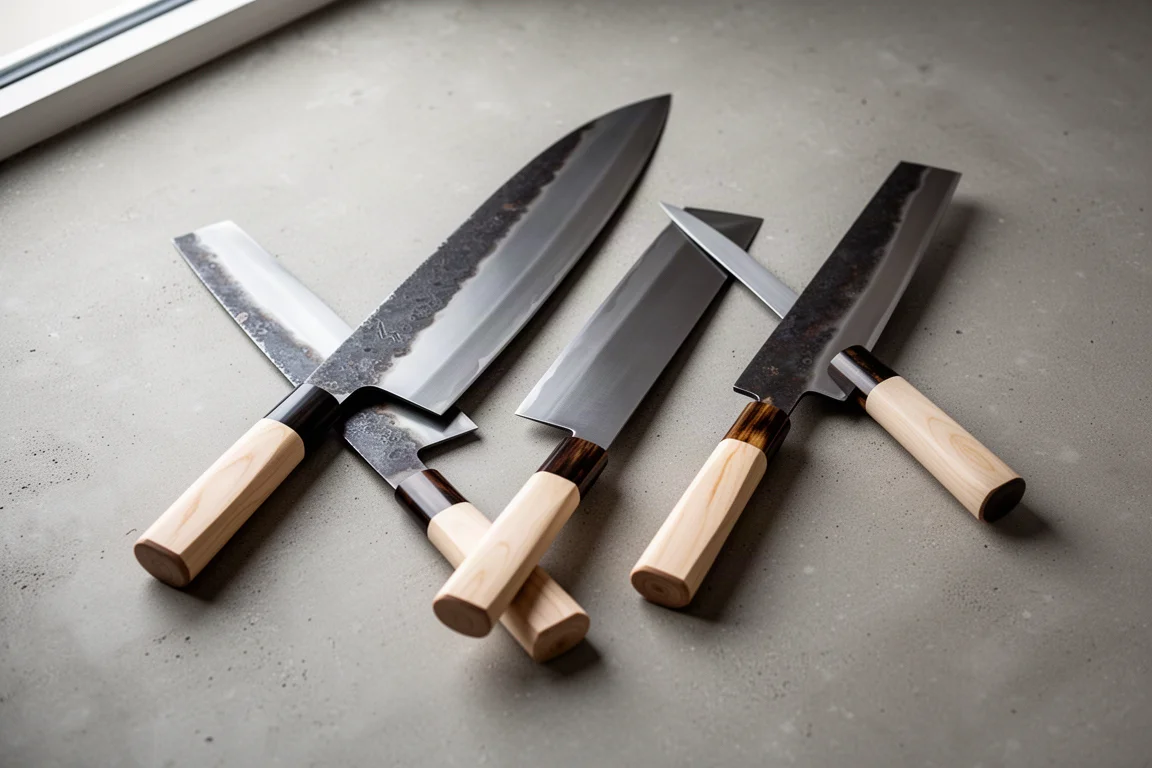
Some knives stand out because of who makes them as much as how they cut. Mazaki-san is a young blacksmith working out of the Sanjo region of Japan, and he handles every part of the knife making process himself: forge welding the steel, grinding, sharpening on natural stones, and even hand-chiselling the kanji. The current lineup we are looking at is made from Shirogami (white carbon) #2 steel clad in iron, and it covers an unusually wide range of shapes, from a giant slicer down to a small utility blade.
This is a listicle-style look at four knives from that lineup, with what each one does best and what you should know before committing to carbon steel.
What Makes Mazaki’s Knives Special
Every knife in this batch shares the same recipe: Shirogami #2 carbon steel forge welded in iron, ground noticeably thin behind the edge, with a beautiful distal taper running from the tang to the tip. The finish is a migaki (polished) look, and the handles are magnolia wood, though there is some variance across the lineup that we will get into below.
The fit and finish details are what set these apart. Hand-chiselled kanji, natural stone finishing, and careful thinning behind the edge all point to a maker who is closely involved in every step. These knives are also a step up from his previous batch: thinner at the spine, thinner behind the edge, a nicer distal taper, and a flatter profile overall. They are lighter too, which helps them move through ingredients more easily.
The Monster: 300mm Sujihiki
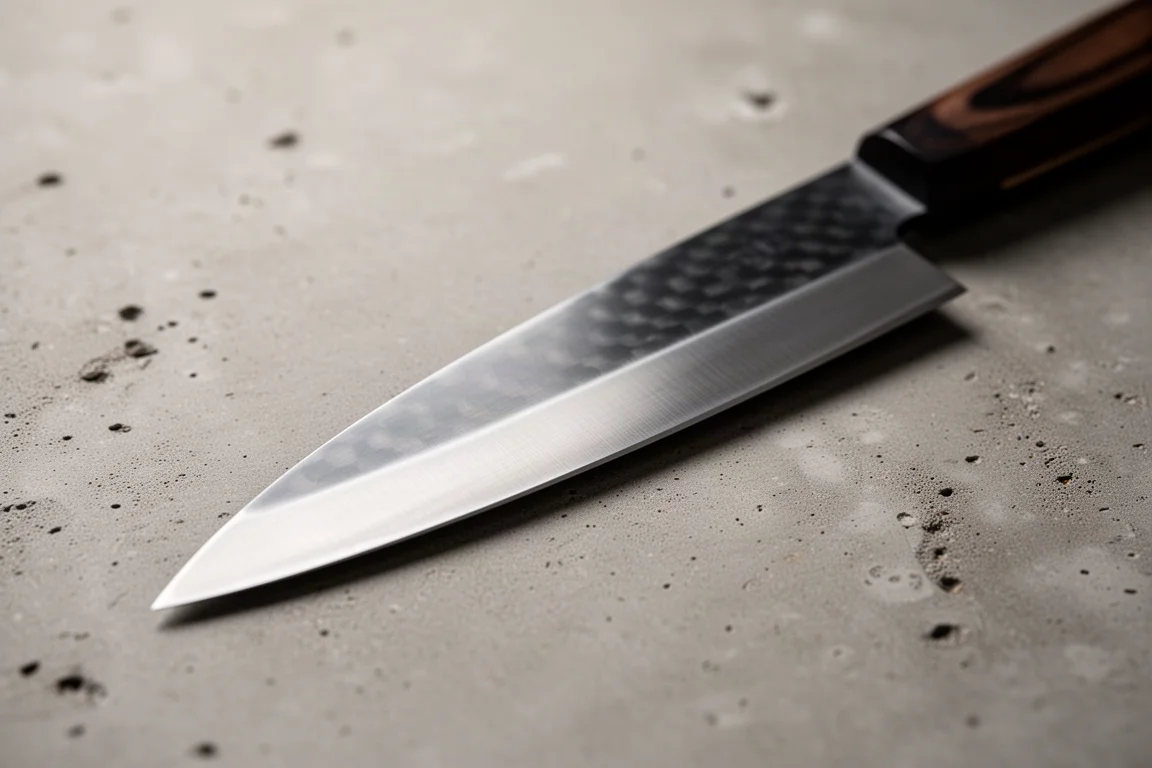
The 300mm sujihiki is the showpiece of the lineup. A slicer of this length is built for long, uninterrupted draws, which makes it a natural fit for slicing roasts, large cuts of meat, and anything where a clean single stroke matters.
It comes with a slightly different handle than the rest of the lineup: magnolia wood fitted with a real buffalo horn ferrule, and some pieces in the sujihiki and deba range use ash instead. These handles seem to generate less debate than the quince-and-magnolia ones on the other knives, and they look and feel genuinely nice.
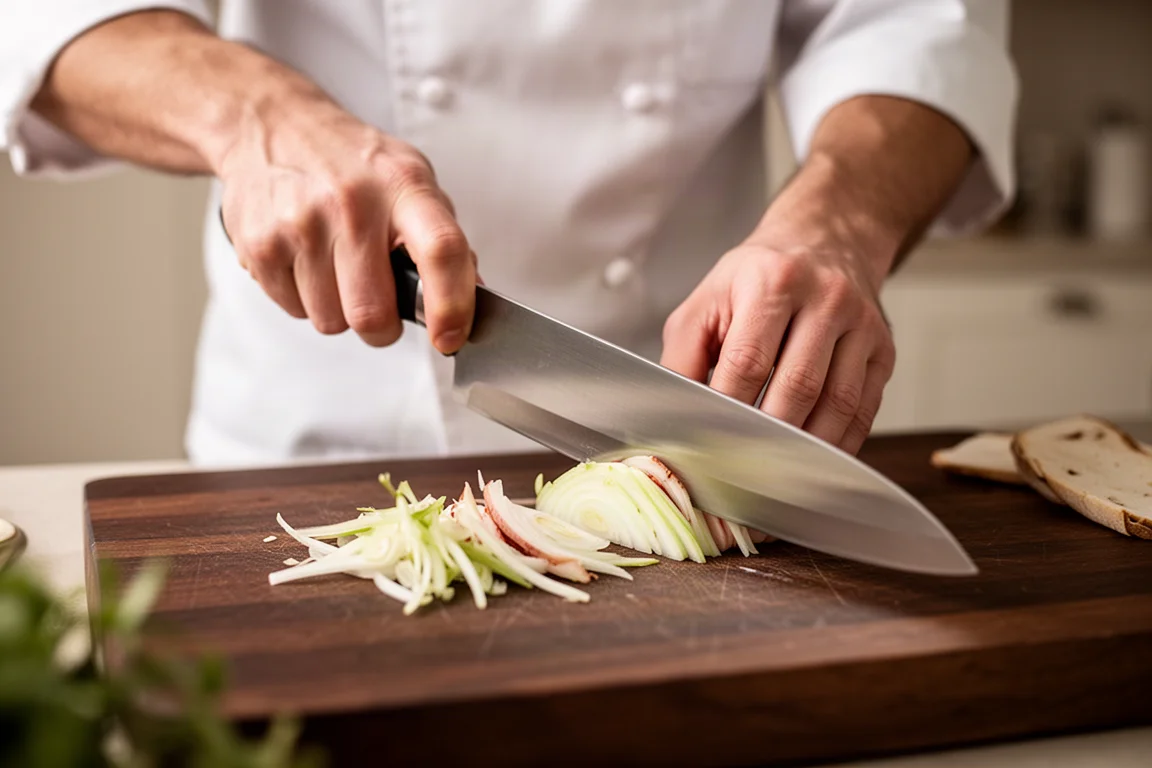
If you cook large roasts regularly or simply want one dramatic, high-performance slicing knife, this is the one that makes the strongest first impression.
The Vegetable Workhorse: 180mm Nakiri
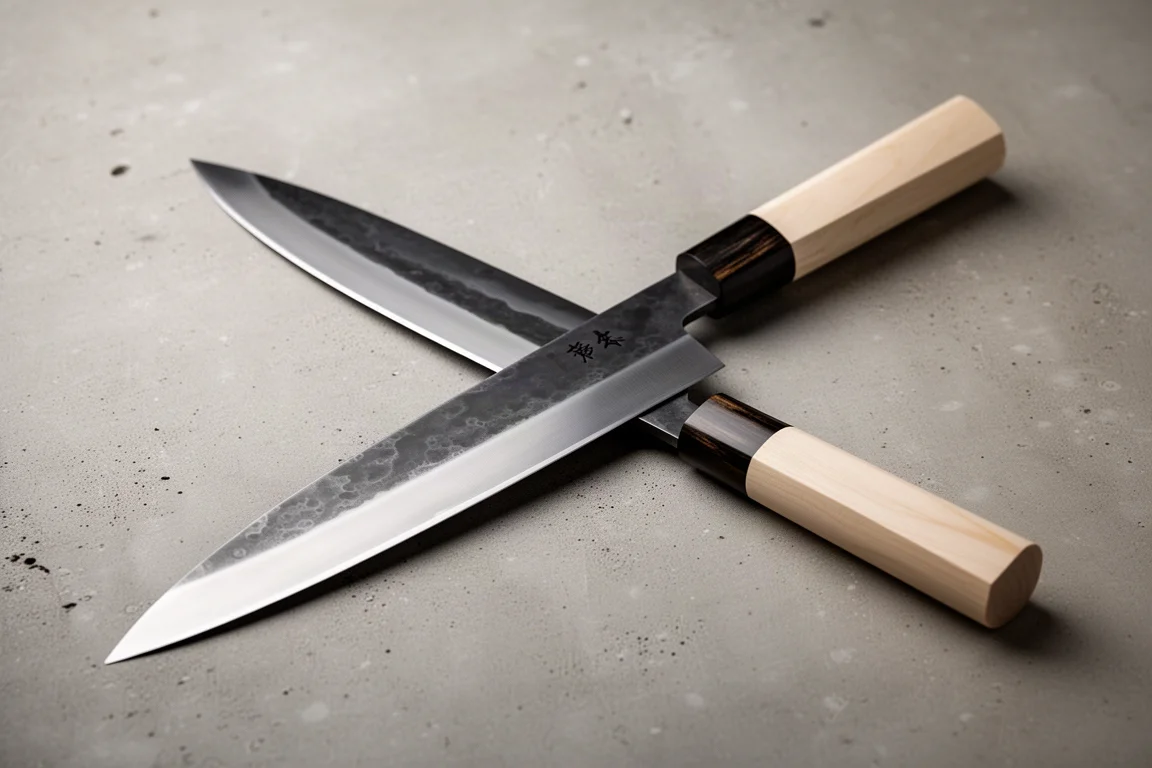
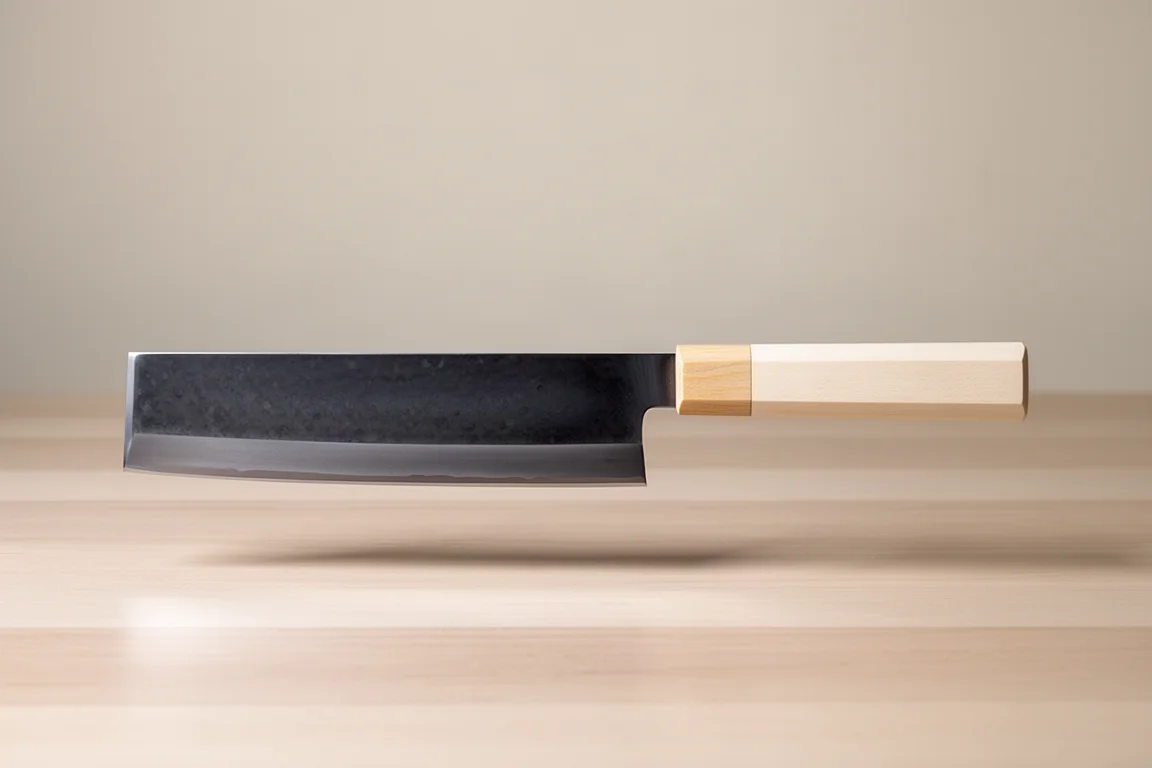
The 180mm nakiri is a big vegetable knife, and the flatter profile of this batch suits it particularly well. A flat blade edge means full contact with the cutting board, which is exactly what you want for consistent cuts through dense produce.
Like the rest of the lineup, it is thin behind the edge, so it moves through vegetables cleanly rather than wedging or cracking its way through. The magnolia handle here is the quince-ferrule style, which some users find a little chunky, though plenty of people, ourselves included, find it comfortable. Larger hands tend to agree.
The Versatile Middle Ground: 180mm Petty/Sujihiki
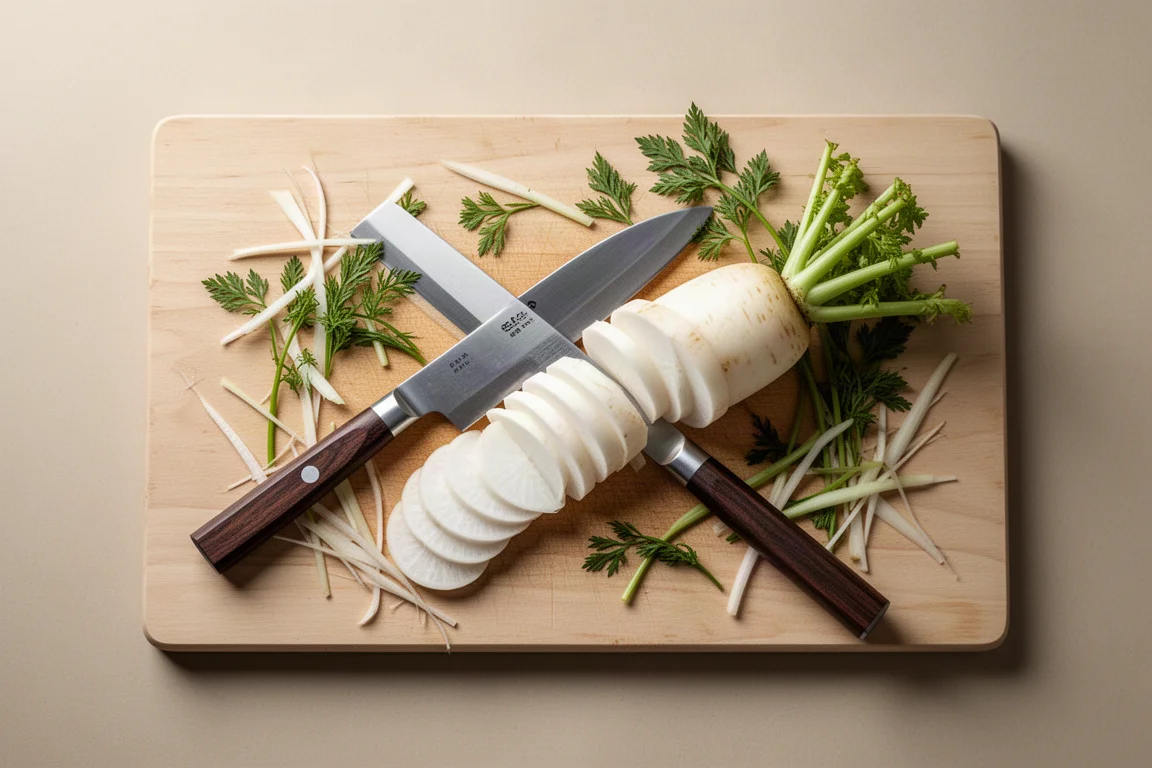
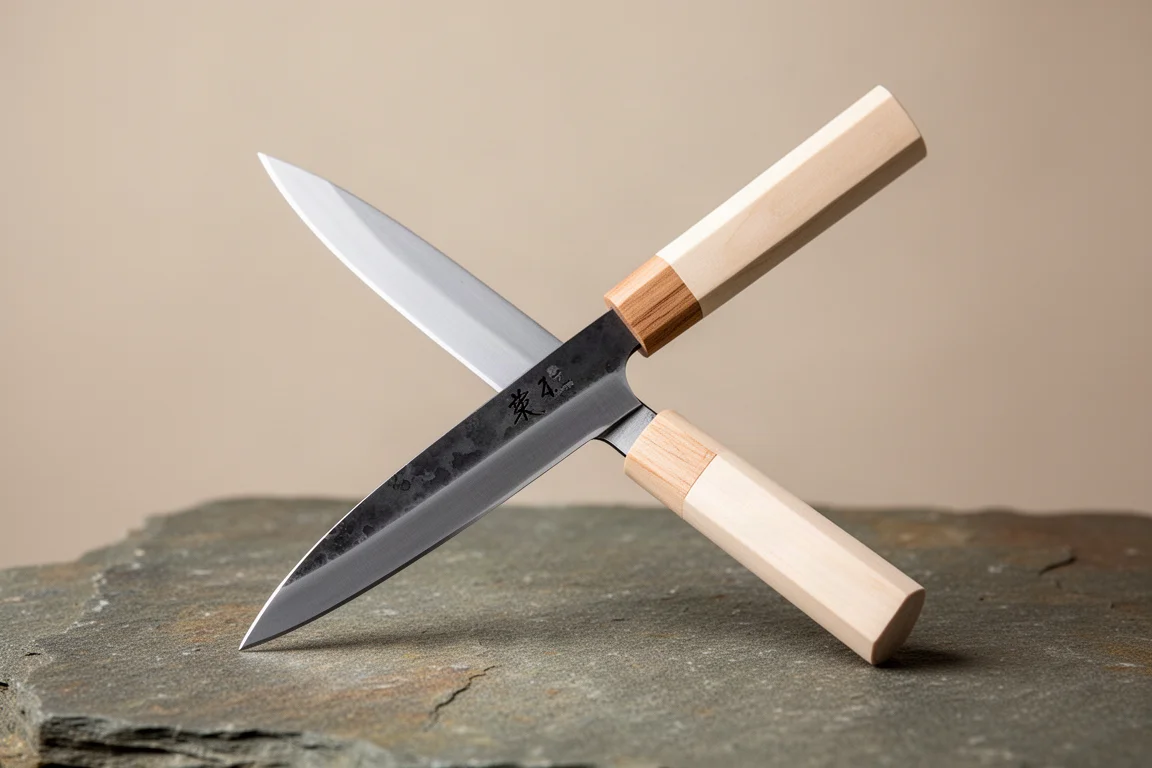
The 180mm petty/sujihiki is arguably the most versatile knife of the group. It is small enough to handle on a busy prep line, yet long enough for slicing steaks and similar tasks with a clean draw cut.
For a home cook who wants a single Mazaki knife that can do a bit of everything, or a line cook who wants something nimble and fun to work with, this shape makes a lot of sense. It carries the same thin grind and distal taper as the rest of the batch, so the cutting character is consistent across the lineup.
The Single-Bevel Option: Deba
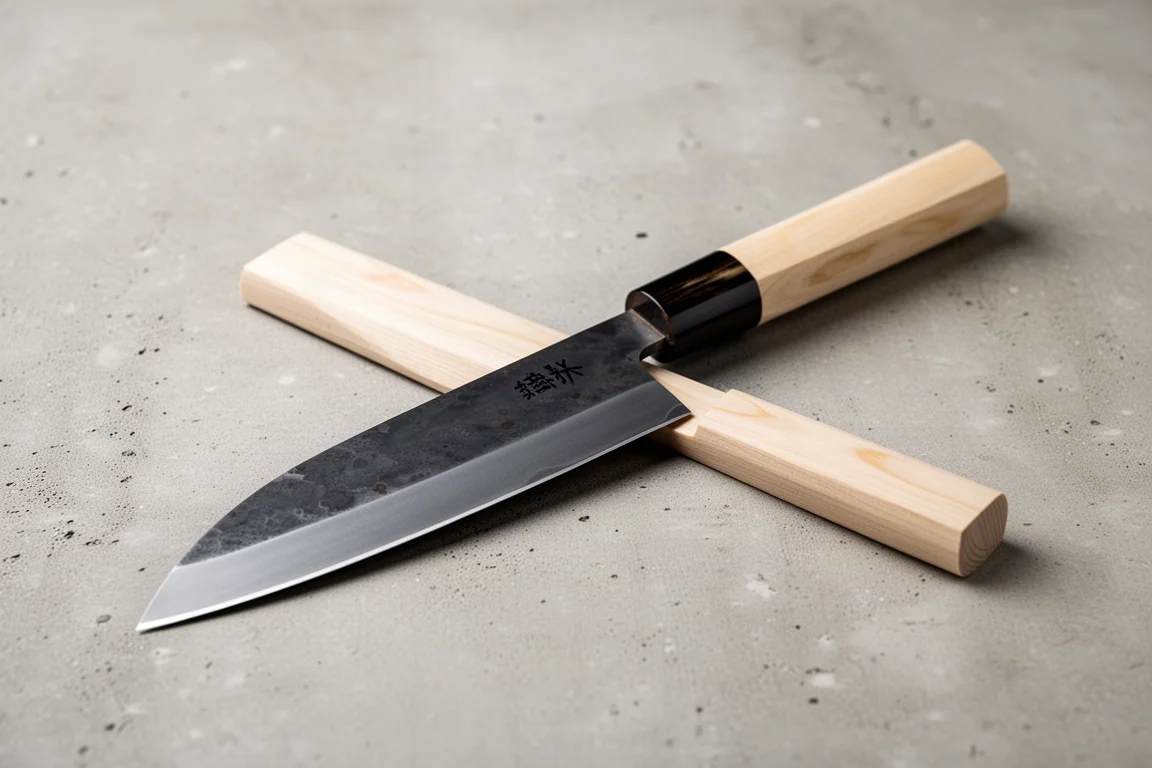
The deba is the traditionalist’s pick in this lineup, and Mazaki-san offers it in two sizes. This is a thick, single-bevel knife traditionally used for fish work, breaking down and filleting where heft and a strong edge matter.
All of the single-bevel knives in the range come with the real horn ferrule handles, with the deba sometimes appearing in ash. If you work with whole fish or simply want a proper traditional Japanese knife shape from a maker who does every step himself, this is the one to look at.
Things to Consider Before Buying
These are carbon steel knives with iron cladding, which means they are reactive. You will need to keep them wiped down, dry, and clean, and store them somewhere dry to avoid rust and discoloration. That maintenance burden is real, and it is the main trade-off for the cutting performance on offer.
They are also a little more delicate than thicker knives precisely because they are so thin behind the edge. If you are rough with your knives or chop through frozen food and bones, this is not the right line for you. The handles are another point of discussion: the quince and magnolia ones are a little chunky, which some buyers dislike, though people with larger hands generally find them comfortable. Balance sits forward, about an inch ahead of where the tang and handle meet, which is fairly typical for a Japanese knife.
On the plus side, these knives are an absolute pleasure to sharpen. The thin grind and carbon steel respond beautifully to stones, and the bevels polish up nicely, taking the knives even further than they arrive out of the box.
Conclusion
If you are chasing pure cutting performance and enjoy knife maintenance, the Mazaki Shirogami #2 lineup is a genuinely rewarding place to spend your money. The 300mm sujihiki is the statement piece, the nakiri is a superb vegetable knife, the 180mm petty/sujihiki is the versatile all-rounder, and the deba covers traditional fish work. Pick the shape that matches your cutting board, respect the steel, and these knives will reward you every time you pick them up.
Further reading
Related Reviews

Kitchen Knives
Best Chef's Knives 2026: 27 Popular Options Tested and Ranked
A comprehensive review of 27 chef's knives ranging from $18 to $380, with honest assessments of handle comfort, blade balance, and real-world performance.

Kitchen Knives
Best Chef's Knives Under $75: Two Tested Recommendations
Two practical 8-inch chef's knives that balance sharpness, comfort, and durability without premium pricing.

Kitchen Knives
Best Chef's Knives 2026: 27 Options Tested and Ranked
A comprehensive review of 27 chef's knives ranging from $18 to $380, with honest assessments of handle design, balance, blade profile, and real-world performance.