Cars
Maturo Stradale Review: A Lancia Delta Rally Car for the Road
A Dutch restorer with decades of rally experience turns the Lancia Delta Integrale into a road-going Group A experience, and the result is fascinating.
Introduction
The Lancia Delta Integrale occupies a special place in rally history: six consecutive World Rally Championship constructors’ titles and four drivers’ titles, two of them taken by a driver many fans still idolise. The road car is wonderful, but it is also an old car, and driving one today is a very different experience from the one many people remember from games and rally footage.
That gap is exactly what the Maturo Stradale aims to close. Built by a Dutch company with up to 25 years of experience preparing Lancias for rallying, it is far more than a straightforward restomod.
What the Maturo Stradale Actually Is
Maturo describes the project as taking the very best parts of the Group A experience, the emotion, the performance, the driver involvement, and combining them with bespoke finishing touches. You can specify any colour and interior finish, and the attention to detail runs deep: the door openers look identical to the originals but are now machined from billet aluminium instead of plastic.
The body starts as an original 16v or Evolution Integrale, which Maturo then completely dismantles. Rust and chassis cracking are endemic in these cars, and the firm has found some genuine horrors along the way, especially in cars previously fitted with much stiffer suspension. After stripping, the chassis is vapour blasted, then reinforced with more than 250 additional welds and plates, a custom roll cage is added, and the shell is primed for paint.
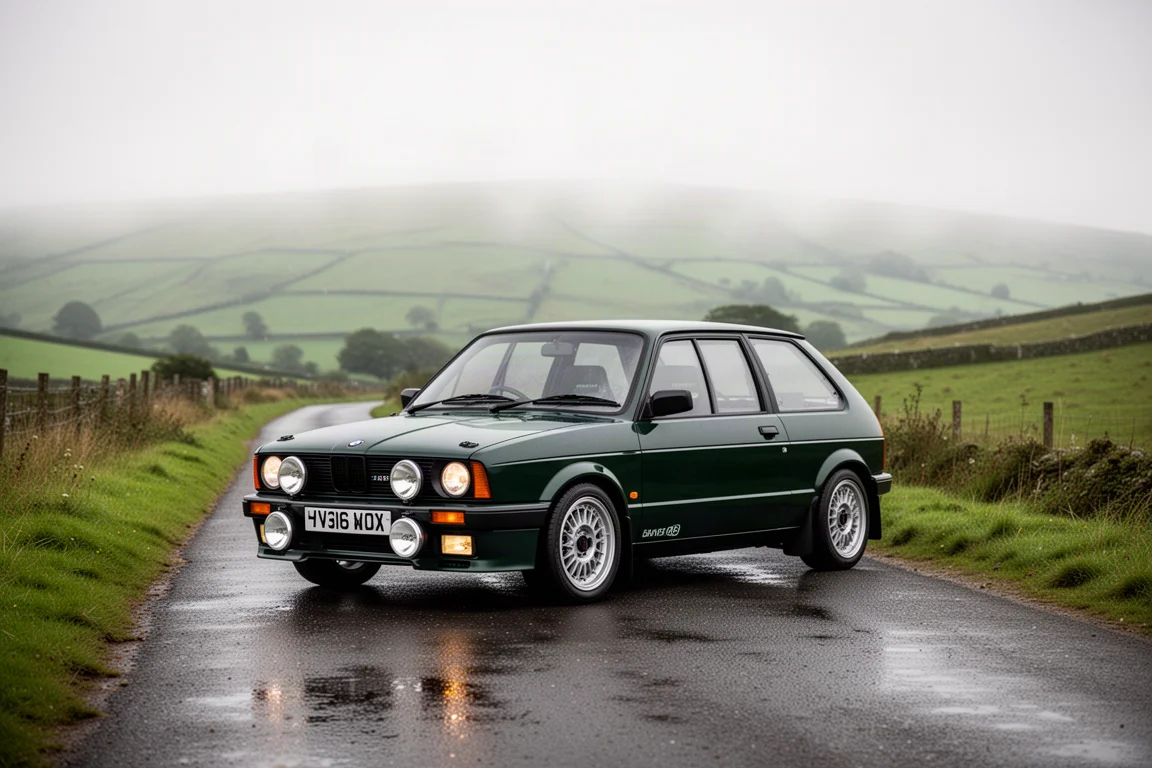
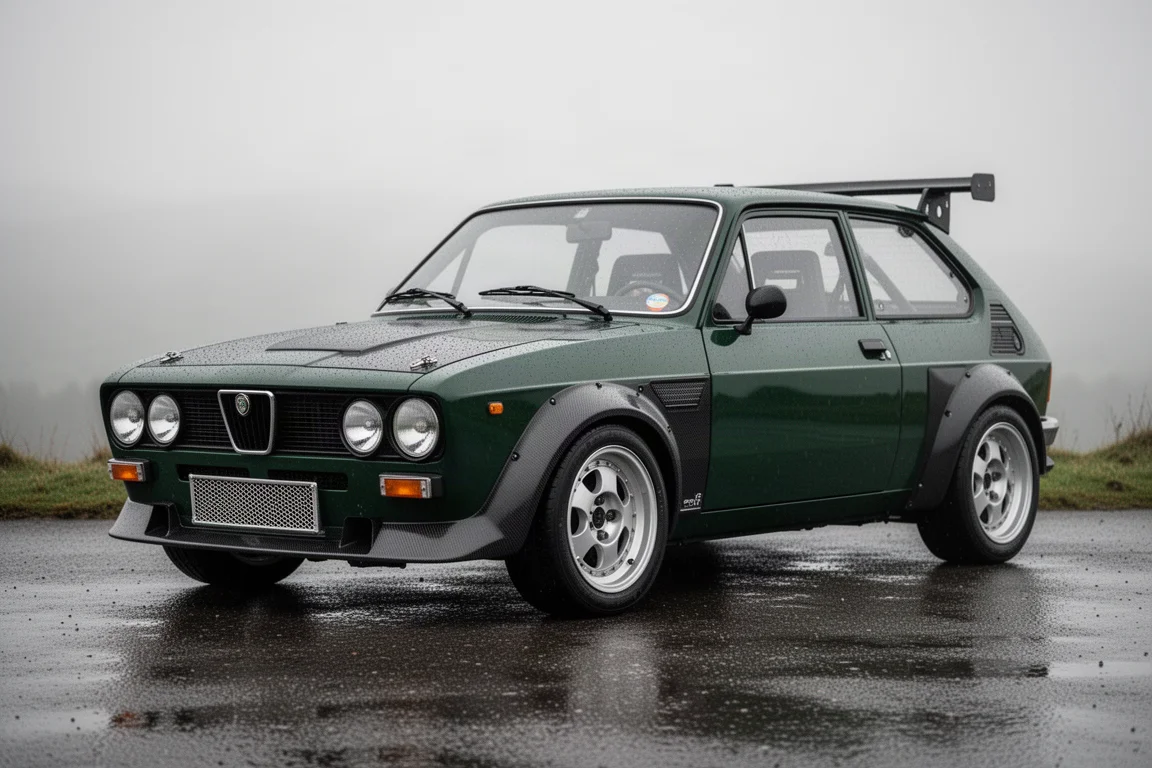
Maturo deliberately left the aesthetics alone, because the look is such a big part of the Integrale’s appeal. Still, there are subtle differences: a visible carbon weave in the paint on this dark green example, functional vents that the standard road car never had, mirrors moulded on the original Group A rally items, a Group A fuel filler, a fixed rear wing with solid supports, modernised rear lights, LED headlamps, and a uniform mesh grille. The wheels use four nuts rather than five, because the Group A rally cars always ran four, even on Evos. A full carbon fibre body option drops the weight to 1,220 kilos, referring to the panels rather than the structure, and a lighter club pack removes the rear seats and uses thinner glass.
Inside the Cabin
Inside, the first thing you notice is the seats, mounted much lower than a standard Integrale. That solves the tall driver’s usual complaint of peering out under the windscreen rail, and the result is a genuinely rally-esque driving position with a flat-but-workable pedal box and a hydraulic handbrake you release with a toggle switch, or simply yank mid-corner if you fancy swinging the rear axle around.
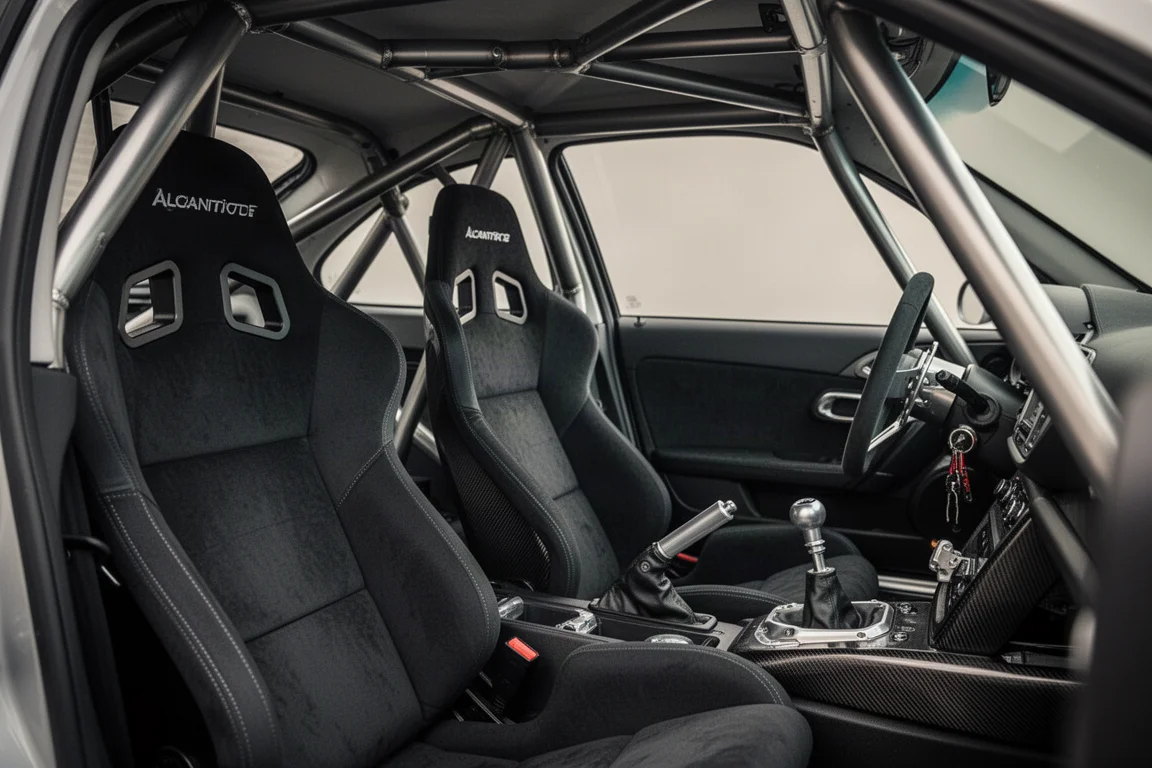
The dials carry Maturo branding but are essentially what was fitted to the Group A car, and the exposed gear linkage with its cast top is a lovely period touch. The roll cage dominates the cabin and is a serious piece of work, though one bar is removable so the rear seats remain usable. Elsewhere, familiar Delta architecture is dressed in carbon and Alcantara with clearly upgraded switchgear.
Engine and Group A Upgrades
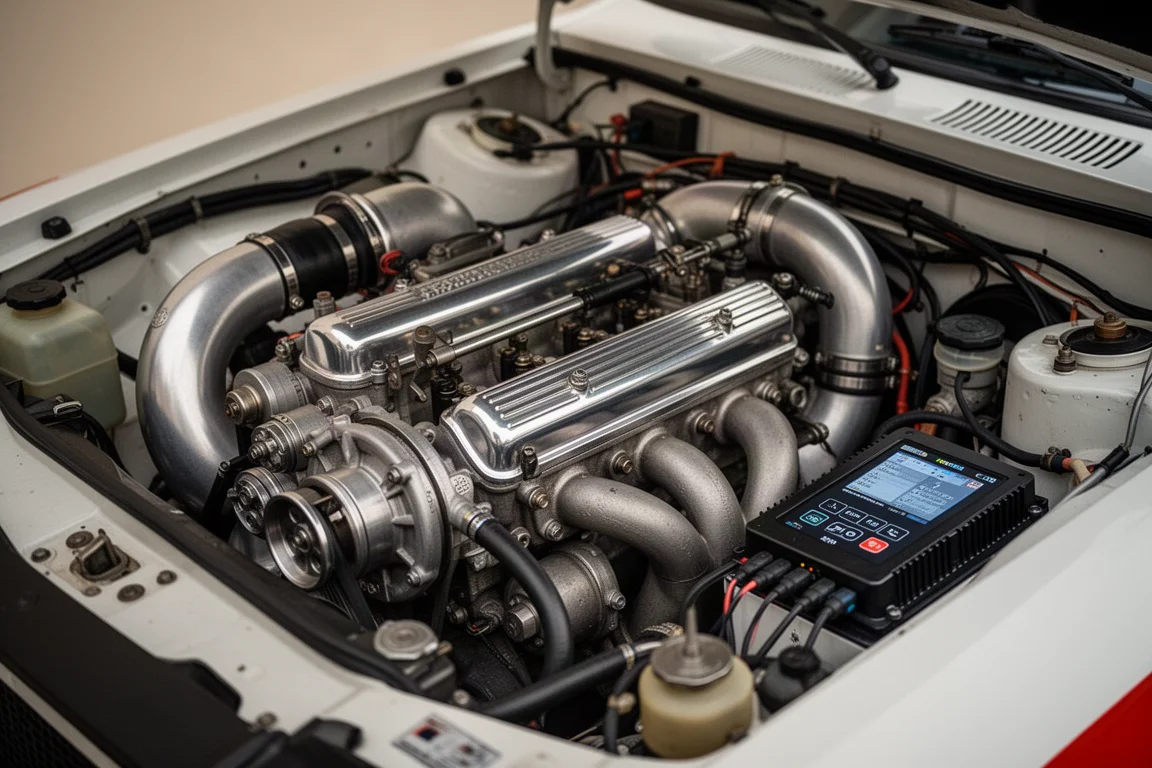
The engine follows Maturo’s Group A rally car recreations: steel conrods, forged pistons, a Group A turbocharger and one of the few modern concessions, a fully programmable ECU. That period-correct approach means more turbo lag than a modern performance turbo car, but it is authentically old school, with boost pushed to about 1.7 bar versus the standard road car, and there is genuine lag before the boost arrives.
The Stradale can be upgraded to full Group A specification across the board. On the engine, changes to the cylinder head and camshafts lift output from 360 to around 400 brake horsepower. A future dog box option is planned, at which point a launch-style button will liberate that full figure.
The drivetrain is substantially strengthened to cope with the extra forces: plated drive shafts, and disc front and rear in place of the standard torsion rear setup, with the full Prepay-stage style spec available as an option. Brakes use Maturo’s non-FIA rally car development: 335mm front discs with 272mm rears, upgraded pads and hoses. The suspension is Maturo’s re-engineered Group A setup with uprights, wishbones, hubs and bearings, and it costs 35,000 euros plus taxes as an option.
Steering is beautifully weighted with fantastic feedback, and an optional quicker-ratio steering rack dating back to 1993 is available on the options list. The clutch, however, is aggressive and noisy when depressed, though Maturo is working on a quieter, more tolerant unit. Personally, the testers’ view was that it suits the character of the car.
How It Drives
The first thing you notice is the volume. It is a noisy place to sit, not quite rally car loud, but not far short, and the experience is immensely visceral from the off.
Despite running on Michelin Pilot Sport 4S tyres, which are not especially aggressive or sticky, the car feels like a cat on tiptoes at every corner. Turn the wheel and the whole car just wants to change direction. Grip is genuinely surprising given the tyre choice, body roll is minimal with the damping set about halfway, and the pedals are excellent for heel-and-toe work. The damping adjusters are a motorsport fine-tuning tool rather than a comfort-versus-track switch, which tells you exactly what kind of car this is.
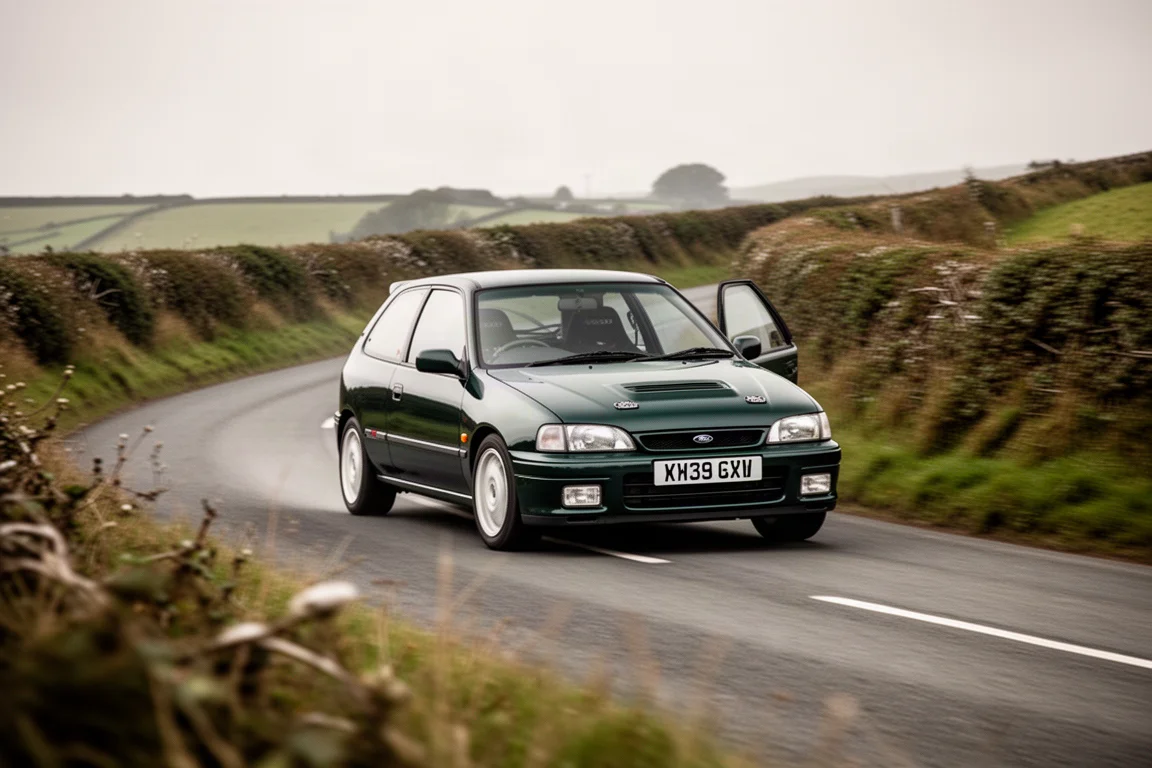
The gear change deserves special mention: a high-set lever right next to the steering wheel, and it is simply delicious to use. And here is the key point: this does not drive like the standard road-going Integrale. The essence remains, but the way it flies down a road, the concentrated hit of adrenaline, the sheer physicality and precise demands it makes on the driver are pure Group A rally car, and that is like nothing else.
Things to Consider Before Buying
Price is the obvious hurdle: the Stradale costs from 340,000 euros plus taxes. To be fair, virtually no restomod starts at less than 300,000 euros these days, and you have to weigh the man hours, components and craftsmanship involved. Production numbers will be very low.
You should also accept the character: turbo lag, a noisy cabin, an aggressive clutch and motorsport-focused damping are all part of the deal. If you want a modern performance car feel, this is not it. If you want the Integrale you always dreamed of owning and driving, it may well be worth every euro.
Buying Advice
Specify the carbon body if weight matters most to you, and consider the Group A suspension option seriously, since it is arguably where much of the magic lives. Tailor the driving position to you, and decide early whether the 400 horsepower head and camshaft upgrade fits your intentions, because the extra output is where the Stradale’s full character is unlocked.
Conclusion
The Maturo Stradale looks and feels like an Integrale, it even smells like one, yet it drives like the Group A legend the road car only hinted at. It is expensive, rare and uncompromising, but for a whole generation who fell in love with this car through rally footage and games, it is the dream made real.
Product link
View more details for Maturo Stradale
This product is mentioned in the review. Check the specifications, options, and compatibility before buying.
View more details for Maturo StradaleFurther reading
Related Reviews
Cars
Aston Martin V12 Vantage Review: A Last-of-the-Line V12 With Real Compromises
A £265,000, 690bhp farewell to the V12 era. We look at what the final V12 Vantage delivers on track and road, and where it falls short.
Cars
Chevrolet Corvette C8 Review: A Giant-Killing Mid-Engine Sports Car
The mid-engine Corvette C8 promises supercar looks, 475bhp, and a fast dual-clutch gearbox for around £80,000. We put it to the test on track.
Cars
Ferrari 812 Competizione First Impressions: The Most Powerful Naturally Aspirated V12 Ferrari Has Built
A track-biased, front-engine V12 berlinetta with independent rear wheel steering, serious aero work, and 830 horsepower. Here is what stands out from a first drive.