Gravel Bikes
Mason Bokeh Review: A Handmade Aluminium Gravel Bike Worth the Asking Price?
A detailed look at the Mason Bokeh, a handmade aluminium gravel bike with a refined carbon fork, generous mounts, and a ride that balances road speed with off-road composure.
Introduction
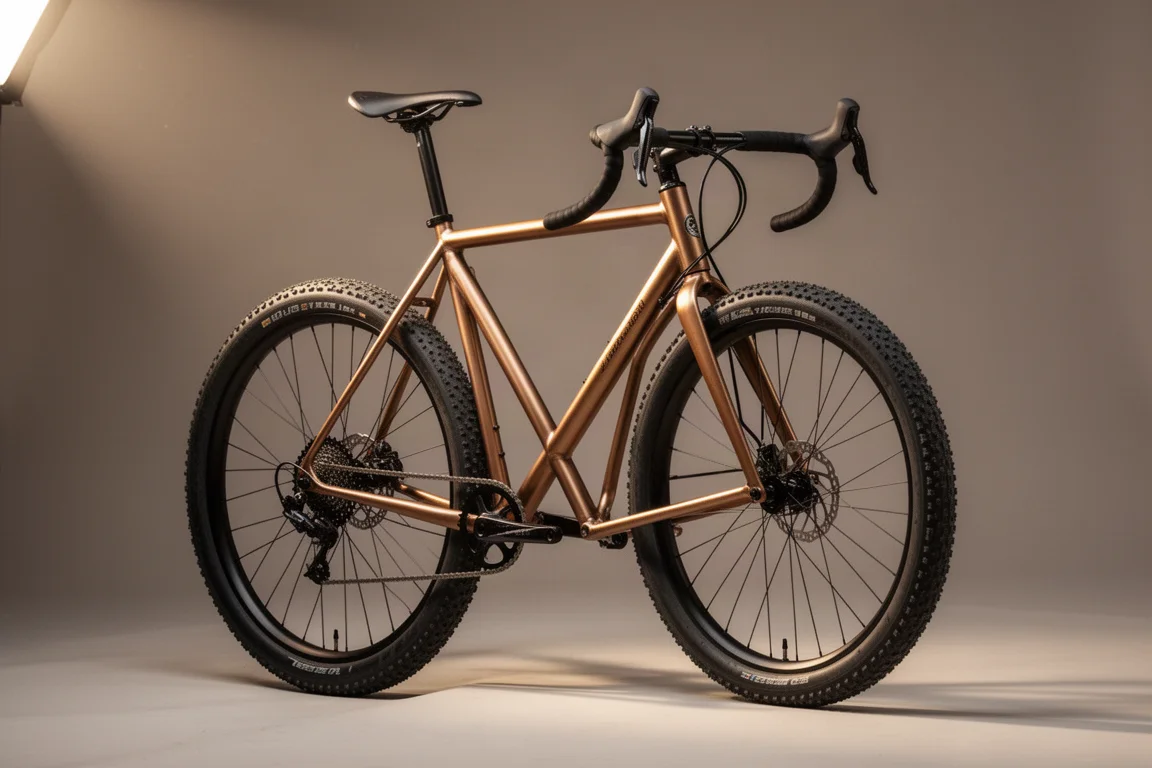
The Mason Bokeh is a handmade aluminium gravel bike, and the current generation is a careful update rather than a redesign. The frame is still built in Italy from triple butted aluminium with custom tube shapes throughout, and the underlying recipe that made earlier versions so well liked has been left largely intact.
The refinements are subtle but practical. New CNC machined dropouts blend smoothly into the frame, the rear cable and brake hose routing is now internal, and there are extra mounts for cargo and water carrying duties. Dynamo routing for front and rear lights now passes through the top tube. Up front sits a new carbon fibre fork with mounts for extra racks and cargo, and tyre clearance has grown to 700 x 45 or 650 x 55. The bike also arrives in a new Core Sepia finish.
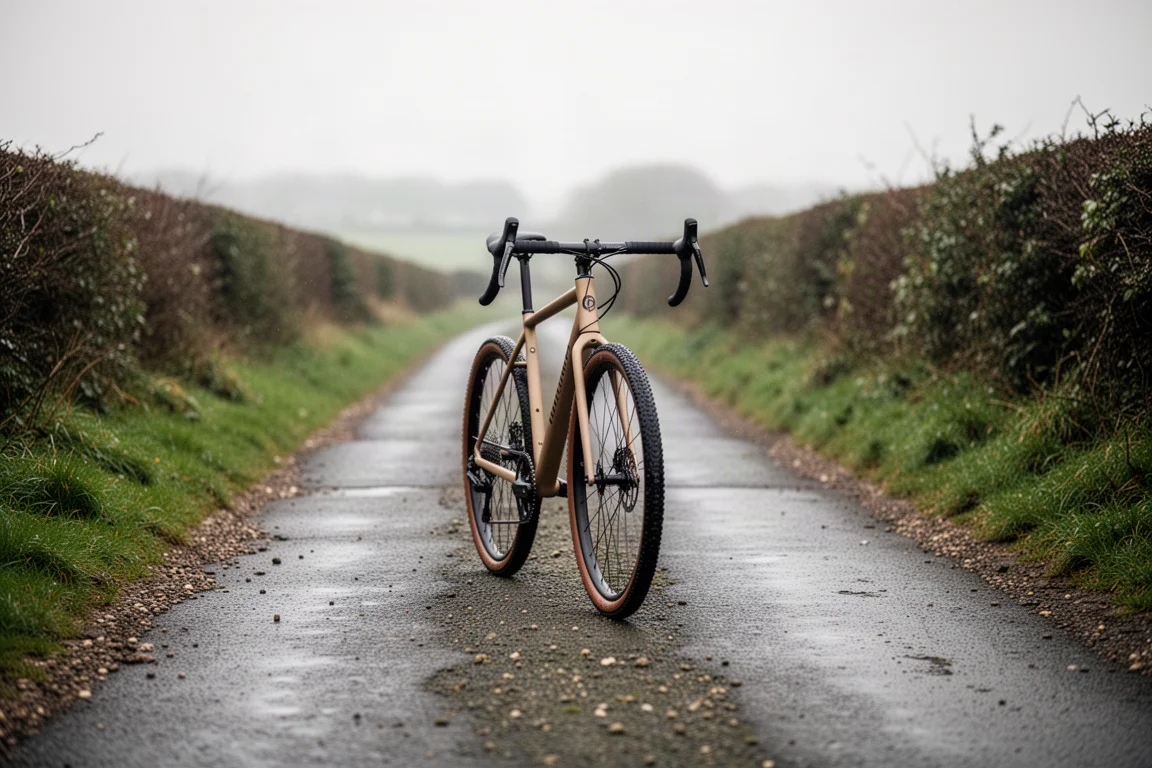
The ride character has not changed either, which is very much the point. This remains a bike that feels sporty, fast and agile on tarmac while staying calm and reassuring once the surface turns loose and broken.
Who This Bike Is For
The Bokeh suits riders who want a single bike to cover a wide range of ground. It is equally at home on a fast weekend road loop and on gravel tracks, farm lanes and long mixed-surface routes, and the generous mount set means it can be loaded up for multi-day bikepacking without much compromise.
It is also a strong candidate for someone buying a first or second gravel bike. The handling is balanced rather than extreme, so it rewards riders who want predictable behaviour across surfaces instead of a machine that only feels alive on steep, technical descents.
There is also the buying experience to consider. Mason is a small British company, and the bikes are sold in a way that lets buyers test ride and meet the people behind the brand, with a personal handover available if that matters to you. For plenty of riders, that direct relationship is part of the appeal.
Finally, it is a good fit for anyone who simply prefers the feel of a well-made aluminium frame. Aluminium done to this standard has a sprightly, communicative quality that some riders enjoy more than the smoother, more muted ride of carbon or steel.
Main Strengths
Ride quality is the headline. The Bokeh delivers a rare balance of road handling and speed with genuine off-road capability, and it does so without feeling nervous or vague in either environment. The frame is stiff enough to feel snappy under acceleration and to redirect quickly through corners, yet it never feels harsh or lifeless.
Climbing is a particular strength. The stiffness of the frame translates into efficient, eager progress uphill, and the measured weight of 9.3 kg for the build reviewed keeps it competitive against bikes with alternative frame materials, including lighter than a typical steel equivalent.
The versatility is genuinely broad. With the new carbon fork, the extra cargo and water mounts, the internal routing and the dynamo light routing through the top tube, the bike can be configured for commuting, light touring and multi-day off-road trips. Fitted with wide 2.1 inch mountain bike tyres, the front end clears them with room to spare.
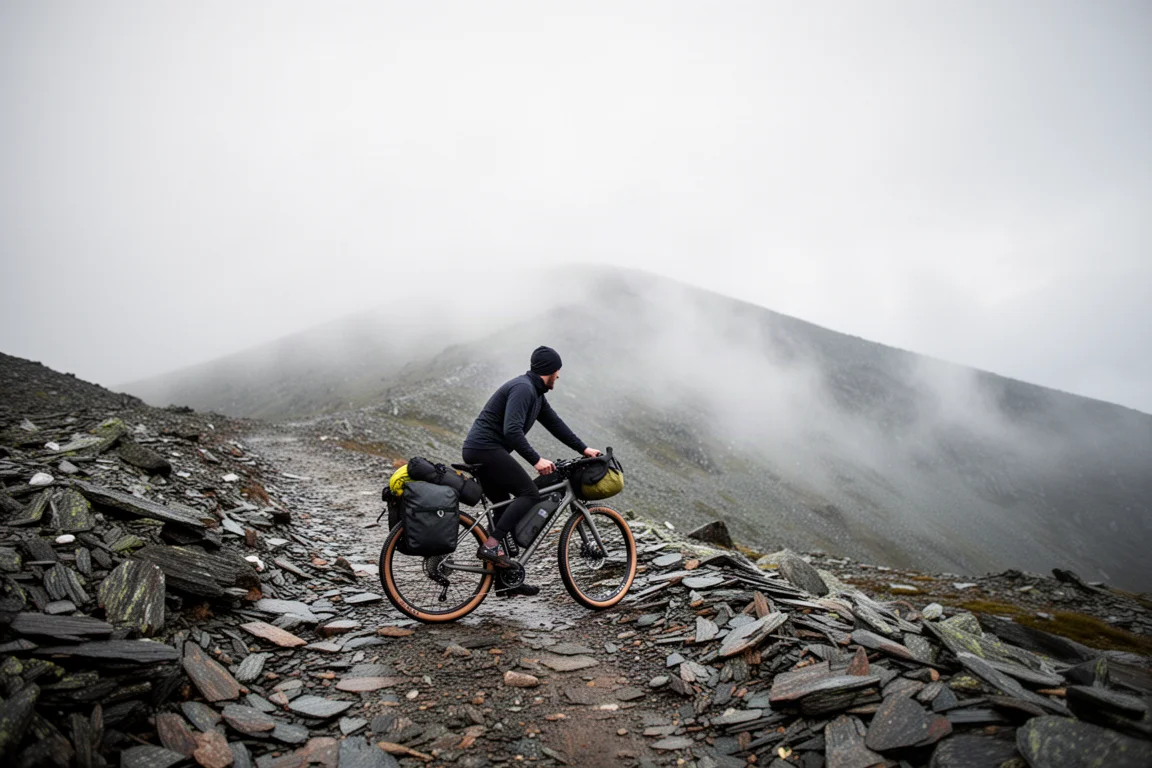
That capability was tested over a two-day bikepacking trip across Wales, covering a wide spread of surfaces from canal paths to windswept moorland and a rocky mountain descent. The toughest passage came over the Gap in the shadow of Pen y Fan, at 886 m the highest point in South Wales. On the wet, rocky sections the geometry offered less confidence than a slacker, more progressive design would, but the bike stayed composed, calm and pleasant throughout.
The craftsmanship also shows. The custom tube shapes, the clean CNC machined dropouts and the tidy internal routing give the frame a level of finish that is unusual at this end of the material spectrum, and the new colourway is genuinely attractive in person.
Things to Consider Before Buying
Price is the first thing to weigh up. A frame and fork package sits at around £1,500, while complete builds start from just over £3,200 with a Shimano GRX groupset and climb to over £4,000 with a SRAM Rival Explorer build. The configuration used here, with a Campagnolo Ekar groupset, Hunt wheels, Vittoria tyres and a Ritchey Venture Max flared drop handlebar, comes in at over £3,600. That is a significant amount of money for an aluminium bike, and there are cheaper routes into the gravel category.
Rear tyre clearance is the other real caveat. While the front end offers ample space, the tyre sits very close to the chainstays at the back. The absence of a chainstay bridge helps, and during riding in genuinely muddy conditions there was no issue with clearance or mud clogging. The concern is what happens if a wheel buckles on an adventure ride and cannot be trued perfectly, because there is very little leeway left once the tyre is running wide.
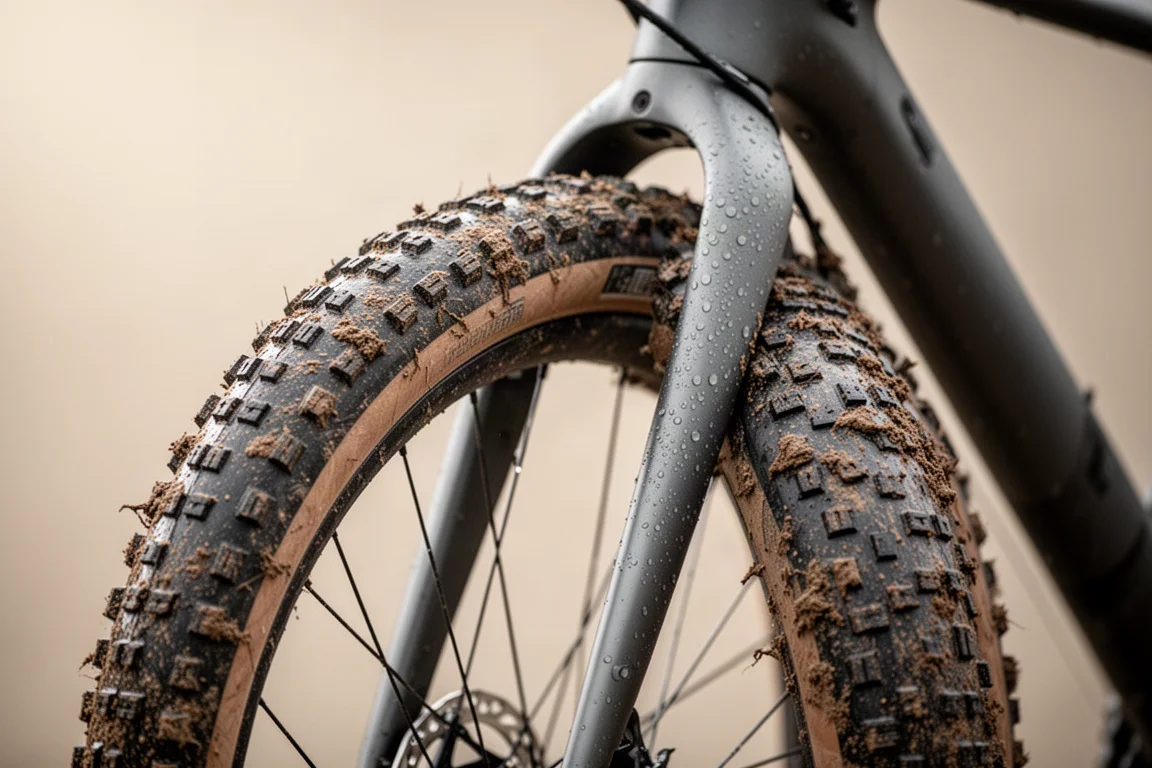
It is also worth setting expectations about terrain. The geometry has been left alone, and the bike is not the most capable option when a trail turns really rough, steep and technical. On those sections a mountain bike, or the steel version of the Bokeh that Mason offers with slacker geometry, would be the better tool. For the vast majority of mixed-surface riding, however, the current geometry remains a well-judged compromise.
Buying Advice
Value comparisons matter here. A Canyon Grizl with the same groupset as one of the Bokeh builds comes in around £300 cheaper, and its carbon fibre frame does a slightly better job of soaking up vibrations and impacts on rough trails and roads, with a split seatpost design adding a notable comfort benefit. On outright performance and comfort alone, that alternative is a defensible choice on paper.
What the Bokeh counters with is the experience around the bike. Mason is a small British company operating out of a barn in Brighton, where buyers can test ride and meet the people behind the brand, and a personal handover is available. Buying from a large direct-sales brand is a very different proposition, and for some riders that difference alone settles the decision.
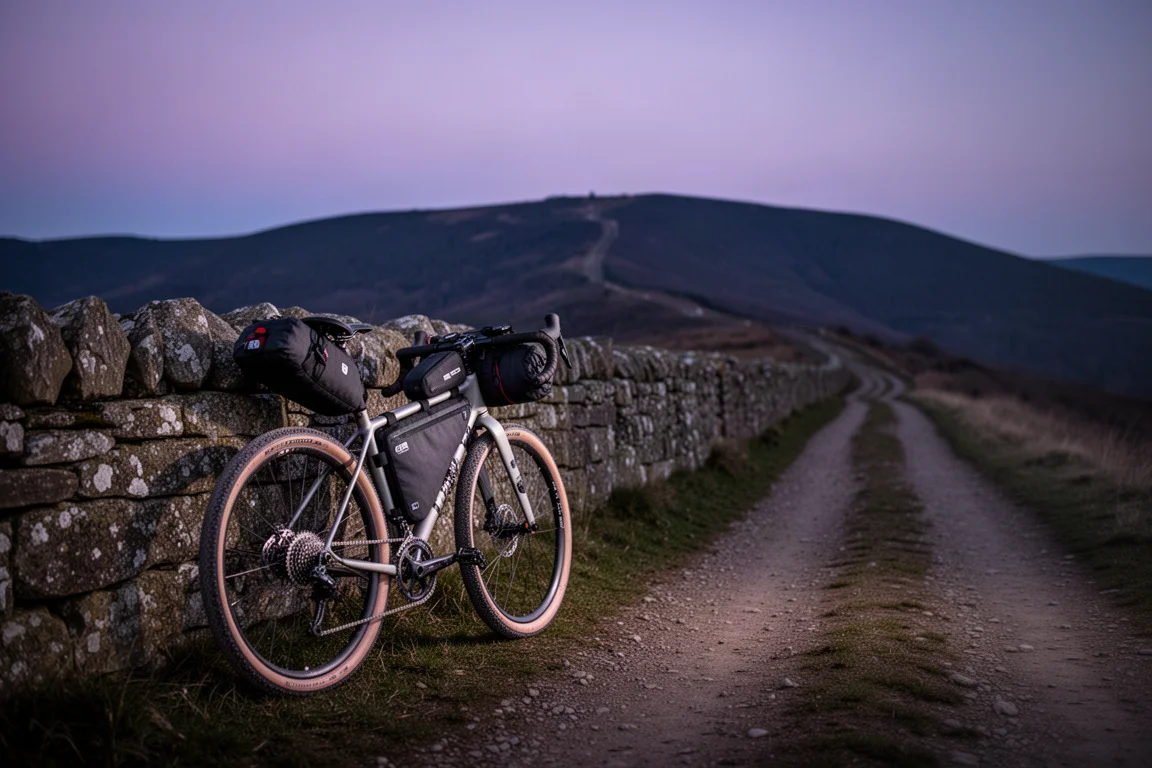
If your priorities are a versatile, quick and engaging gravel bike that can be raced on tarmac, loaded for bikepacking and ridden hard on mixed surfaces, the Bokeh makes a persuasive case. The 9.3 kg measured weight, the stiffness, the climbing manners and the breadth of mounting options all hold up well against the competition, and the frame is built to a standard that justifies a long ownership.
If rear tyre clearance, the aluminium frame material or the higher price are sticking points, it is worth looking at the cheaper carbon alternatives or Mason’s own steel version before committing. Both are reasonable paths, and neither makes the Bokeh a poor choice.
Conclusion
Despite a crowded gravel market and a changing sense of what a gravel bike should be, the Mason Bokeh retains a distinct charm. It looks striking, it rides beautifully, and it offers enough versatility and capability for almost any gravel adventure you might plan this year. There are better value options and more progressive geometries available, but the Bokeh still shines brightly and remains easy to recommend to the right rider.
Product link
View more details for Mason Bokeh
This product is mentioned in the review. Check the specifications, options, and compatibility before buying.
View more details for Mason BokehFurther reading
Related Reviews
Gravel Bikes
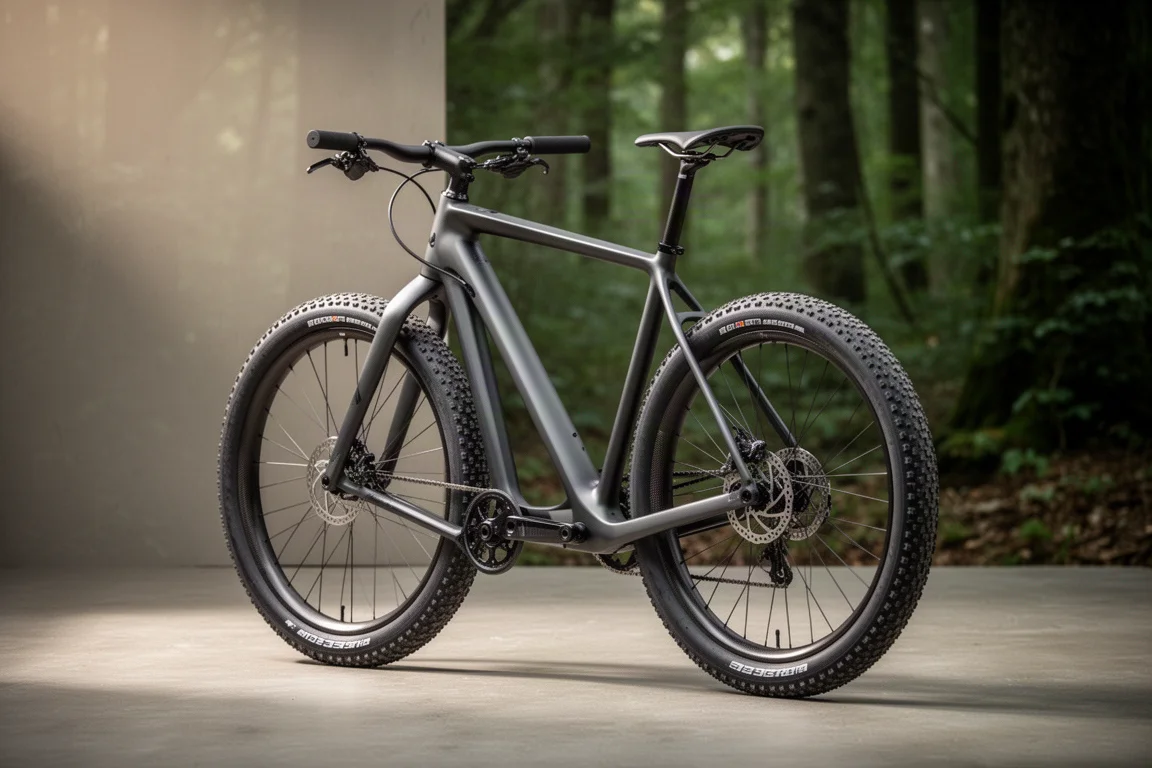
3T Exploro Ultra Review: A Fast Gravel Bike Built for Big Tyres
A close look at the 3T Exploro Ultra, an aero carbon gravel bike designed around wide tyres, with road-like handling, a 980 g frame and genuine rough-terrain capability.
Gravel Bikes
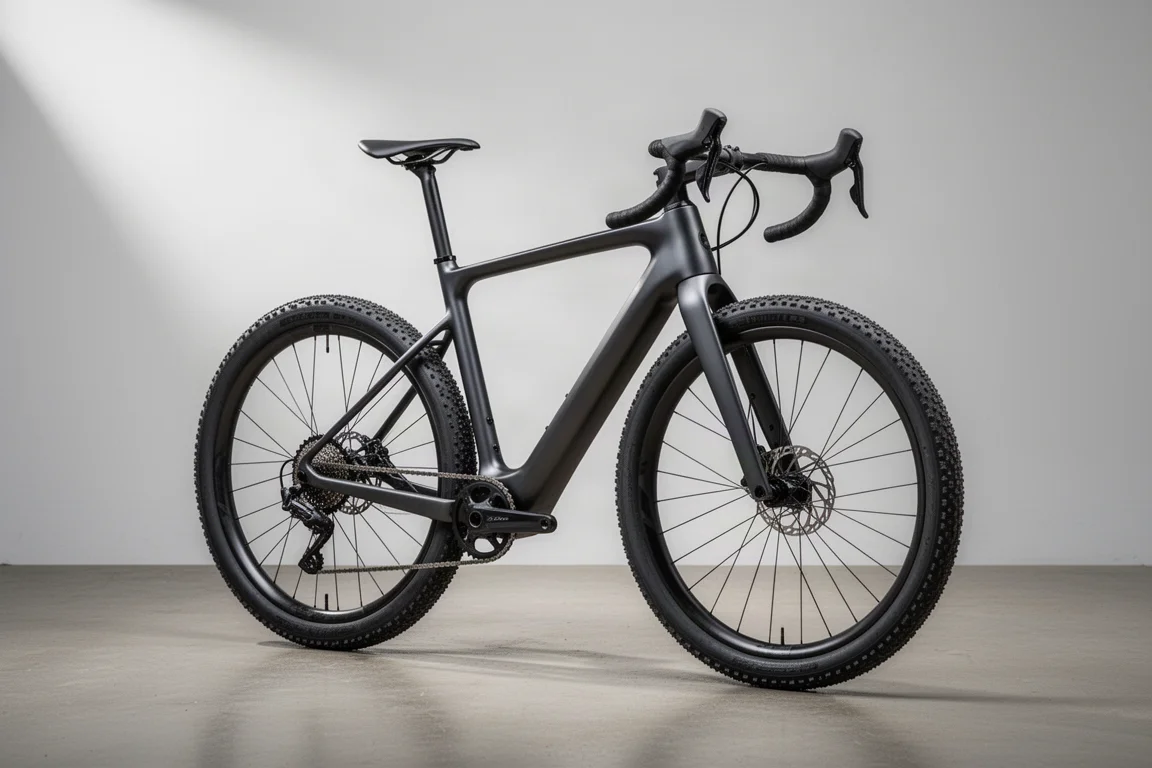
3T Extrema Italia Review: Aero Gravel Speed With Room for 57 mm Tires
The 3T Extrema Italia pairs an aero frame with huge tire clearance, Italian-made carbon and a more comfortable ride than the RaceMax. Here is what to know before buying.
Gravel Bikes
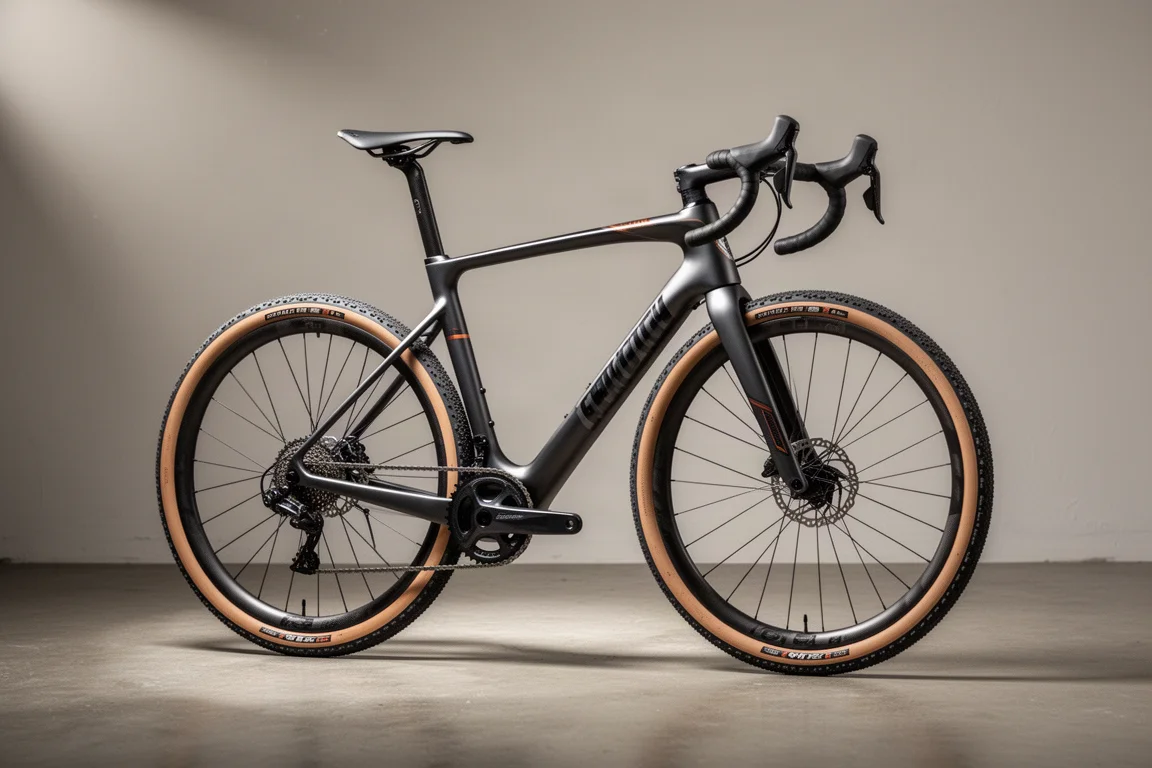
3T Race Max 2 Italia Review: An Aero Gravel Race Bike Made in Italy
A closer look at the second-generation 3T Race Max 2 Italia, covering its aero updates, ride character, tire clearance, internal storage and who it suits.