Kitchen Knives
Masakage Zero 240mm Gyuto Review: The One Japanese Knife Worth Starting With
A 240mm gyuto that handles everything from dense squash to fine garnish work, with a stainless-clad super steel core and a comfortable ironwood handle.
Introduction
Ask anyone building a Japanese knife collection where to begin and you will get a dozen answers. A more useful question is simpler: which knife will you actually reach for every day? For most home cooks and professionals alike, the answer is a 240mm gyuto, and the Masakage Zero 240mm gyuto is a standout example of the size done well.
This review looks at what a knife like this can do, how it compares to the smaller blades that often fill out a collection, and why it earns the title of the number one tool in the kitchen arsenal.
Why Start With a Knife You Use Every Day
A common mistake is buying a specialized carving knife first, only to use it every couple of months. A general-purpose kitchen knife, by contrast, gets used daily. Starting your collection with the knife that earns its keep at every meal simply makes more sense.
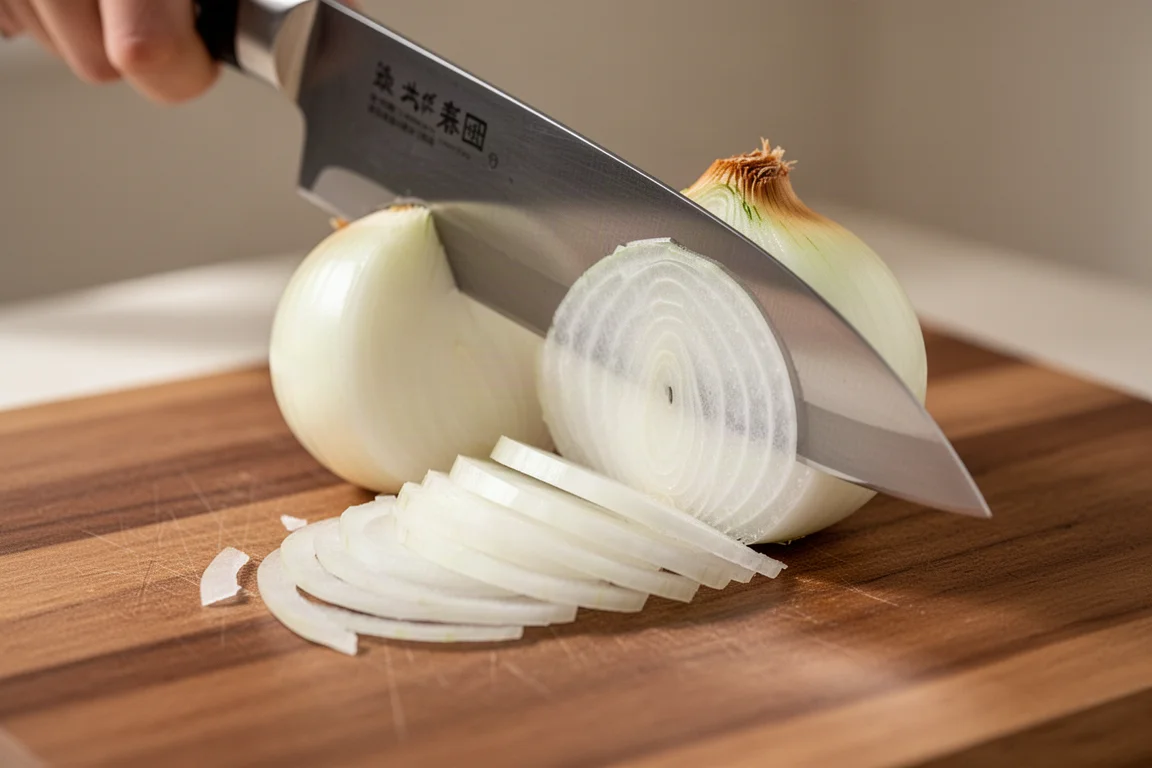
A 240mm gyuto fits that role perfectly. Its long blade lets you cut with a sliding motion, forwards or backwards, rather than shoving straight through food. That sliding length handles most average-sized pieces in one pass, and a really sharp edge means you are not chopping back and forth over the same onion. The cut is satisfying, accurate, and done in one movement.
Where a Straight Edge Excels: Vegetables and Leafy Greens
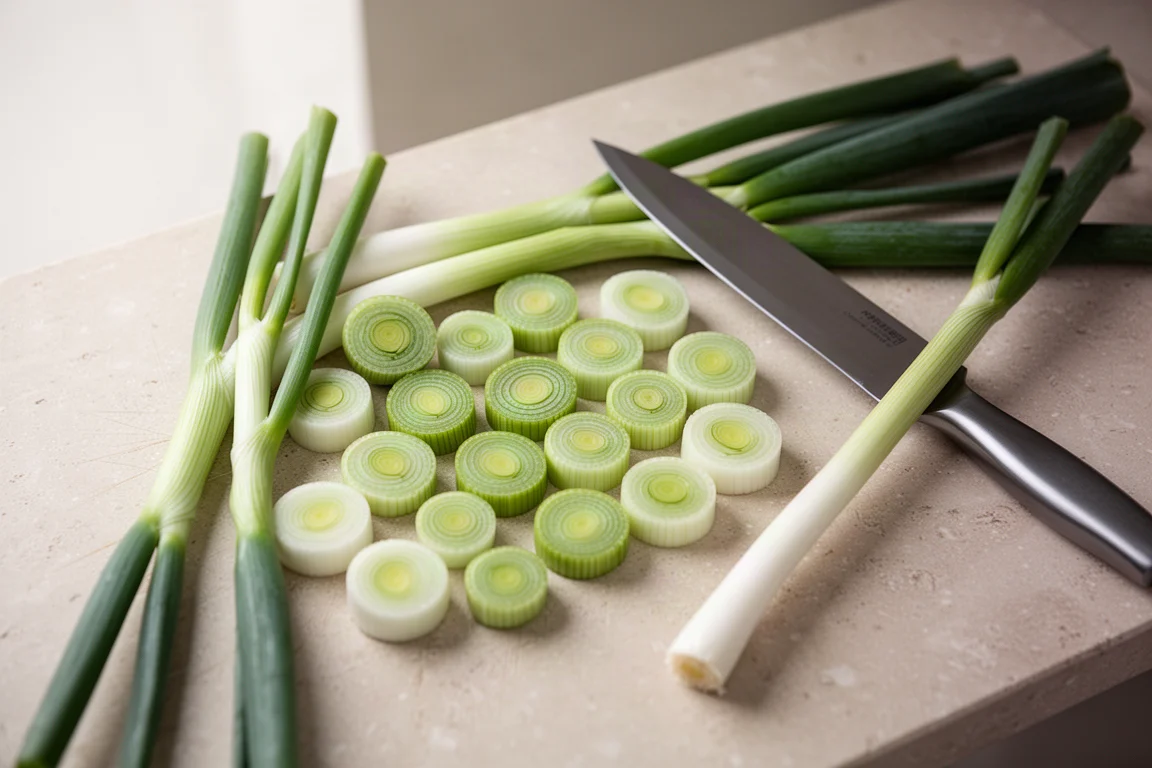
The 240mm gyuto is not the only knife worth owning, though. A nakiri, whose name translates roughly to leafy vegetable knife, is often bought as a vegetable-specific blade but turns out to be useful for practically everything in the kitchen. Its long straight edge shines on anything you want to stack up and chop straight through: cabbages, lettuces, and especially green onions, which are a great test of sharpness. With a straight edge you can simply push forwards through all the layers without stopping, rather than following a curved profile.
A longer handle also opens up two useful grips. Pull your hand up and over the blade and you can make really fine cuts with the tip; pull it back and you have power for rough chopping. It is a genuinely versatile shape, and it covers nearly everything you will find in a grocery store.
Fine Work and Garnish: Where Smaller Blades Earn Their Keep
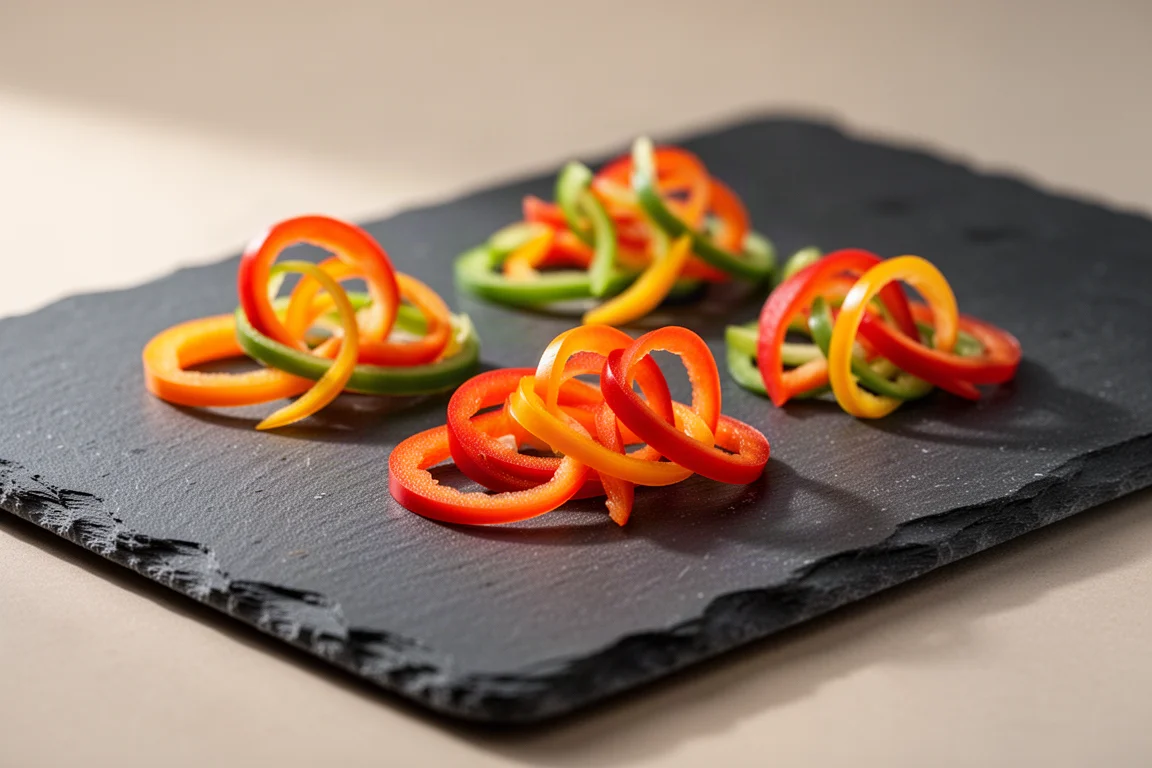
Where a nakiri falls short is its fine little tip. That gap is filled by a petty knife, around 150mm long with a tall heel. This is the tool for shaving garlic, quartering strawberries, building dessert garnishes, or making fine julienne and brunoise cuts of peppers. The nimble blade can lie flat to peel or unfold a pepper, yet still offers enough heel height for clean chopping, and it rolls smoothly with no dead thud at the heel.
It is also the knife you grab when you walk in starving after a long day and just need to cut a carrot or a piece of cheese quickly. Whether you are elevating your food or cutting something small in a hurry, a petty knife is an invaluable companion blade.
Everyday Home Cooking With a Big Blade
Back to the 240mm gyuto, because this is the knife that does it all. Dense vegetables like fennel and winter squash are notoriously hard on a blade, but with a thinner 240 you simply apply a little pressure and slide; you never hammer the knife through. Long, smooth movements produce even, thin slices, and splitting an onion, potato, or squash in half takes no effort at all.
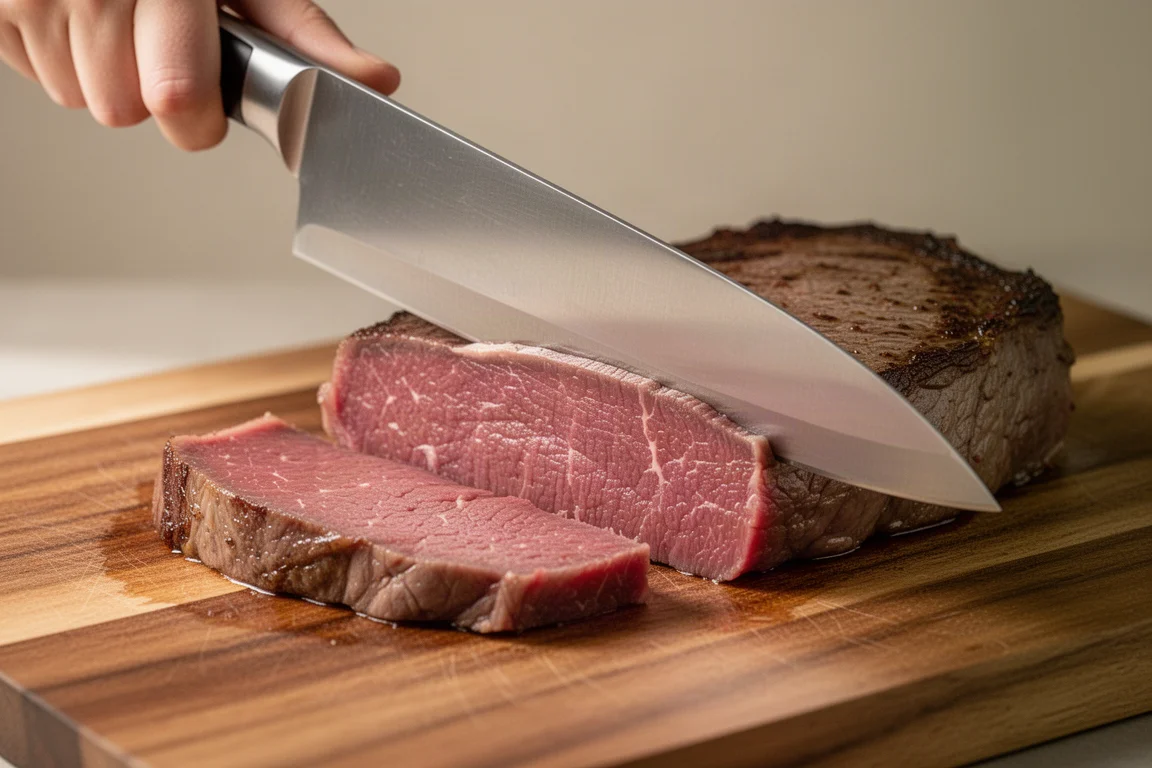
The same qualities matter at home. Batch-cooking pots of soup, portioning meat cleanly with a tall blade that follows through to the board, and getting an even cut rather than a doorstop-shaped steak all come down to length, height, and mass. Less pushing also means less fatigue and more safety.
What Makes the Masakage Zero Special
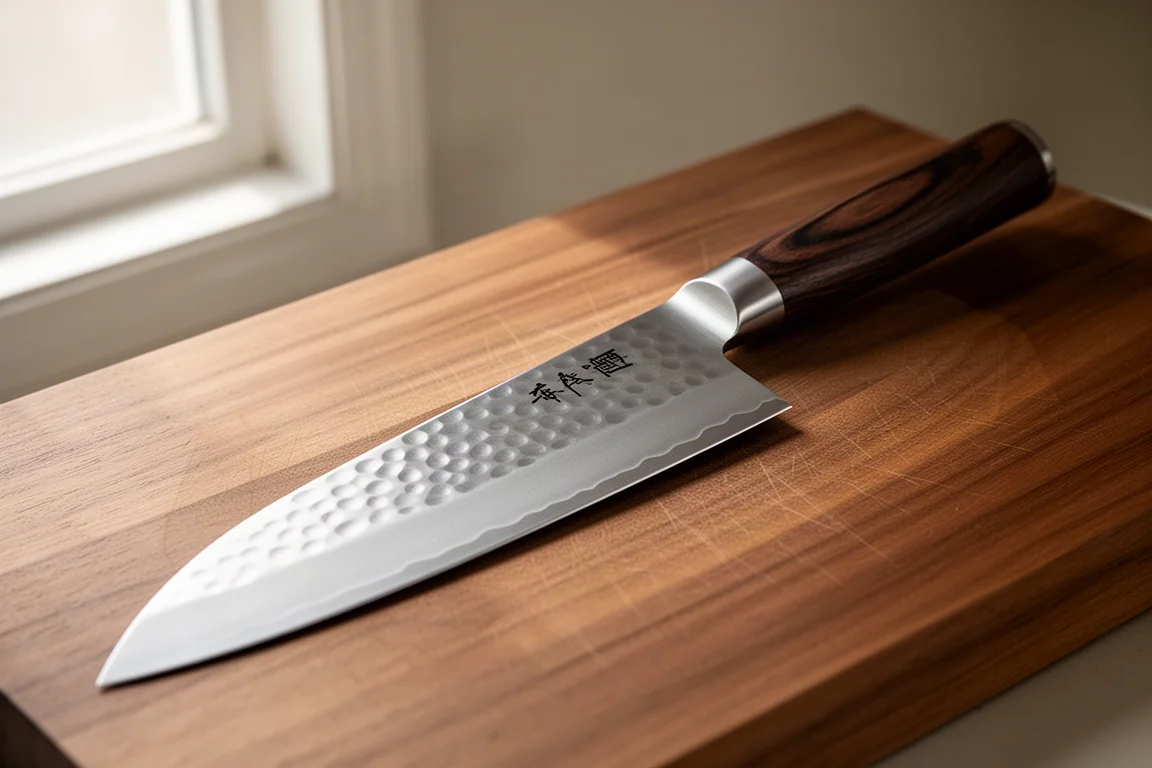
Among 240mm gyutos, the Masakage Zero stands out for a few concrete reasons. The ironwood handle is beautiful, comfortable, weighty in a good way, and resilient. The blade face carries a hammered texture that helps the knife glide through food, breaking surface tension the way tread breaks it on a tire.
The steel is the highlight: a stainless jacket over Aogami super steel, a carbon steel that is easy to sharpen, holds an edge for a remarkably long time, and takes a fresh edge back without fuss. Against something as dense as squash, the combination simply has no match.
Buying Advice
If you can only start with one Japanese knife, make it a 240mm gyuto. Every chef you will ever meet owns a knife this size and uses it daily. The trio of a 240 gyuto, a nakiri, and a 150mm petty covers almost everything a kitchen can ask of you, but the gyuto is the foundation that the other two build around. Get comfortable with a bigger knife early and it will make your life easier.
Conclusion
The Masakage Zero 240mm gyuto earns its place as a first knife and a forever knife. Super steel under a stainless jacket, a hammered blade face that slides through dense food, and a handle you will enjoy holding every day add up to a genuinely complete tool. Pair it with a nakiri and a petty later if you want, but start here.
Product link
View more details for Masakage Zero 240mm Gyuto
This product is mentioned in the review. Check the specifications, options, and compatibility before buying.
View more details for Masakage Zero 240mm GyutoFurther reading
Related Reviews

Kitchen Knives
Best Chef's Knives 2026: 27 Popular Options Tested and Ranked
A comprehensive review of 27 chef's knives ranging from $18 to $380, with honest assessments of handle comfort, blade balance, and real-world performance.

Kitchen Knives
Best Chef's Knives Under $75: Two Tested Recommendations
Two practical 8-inch chef's knives that balance sharpness, comfort, and durability without premium pricing.

Kitchen Knives
Best Chef's Knives 2026: 27 Options Tested and Ranked
A comprehensive review of 27 chef's knives ranging from $18 to $380, with honest assessments of handle design, balance, blade profile, and real-world performance.