Snowboarding
Marhar Lumberjack Review: A Wide All-Mountain Freestyle Board Built for Powder
A practical look at the Marhar Lumberjack, a wide all-mountain freestyle snowboard with a flat-to-rocker profile, strong powder float, and a lively, poppy ride.
Introduction
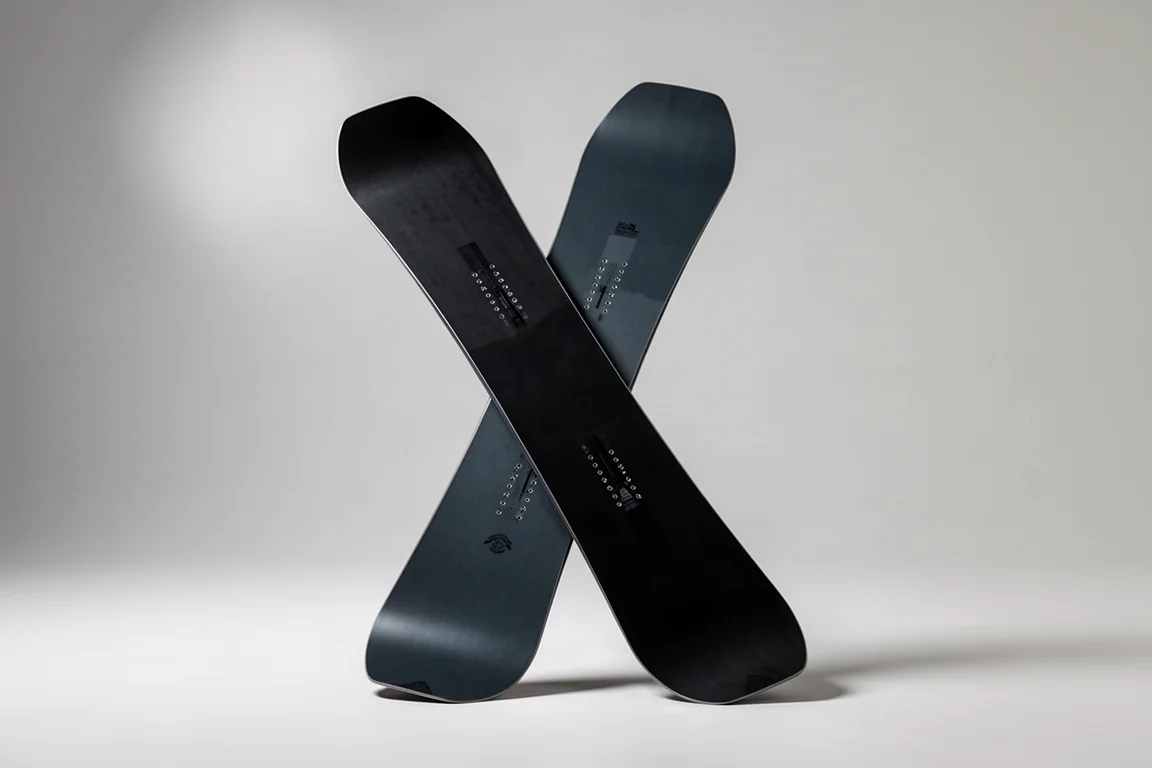
The Marhar Lumberjack is a wide, all-mountain freestyle snowboard that leans heavily toward powder. Its camber profile is flat through the insert packs with rocker in the tip and tail, a layout that keeps the middle of the board stable and planted while giving the ends a looser, more forgiving feel. That same shape helps with edge-to-edge power transmission and with float in deep snow. It is available in 152, 155, and 158.
The board was ridden at Copper Mountain across a genuinely mixed set of conditions: bluebird sunshine, blower powder, heavier hot powder, leftover powder, chopped chunder, and hero snow. That range matters, because a board that only behaves in one type of snow is a narrow tool, and the Lumberjack was asked to handle all of it in the same season.
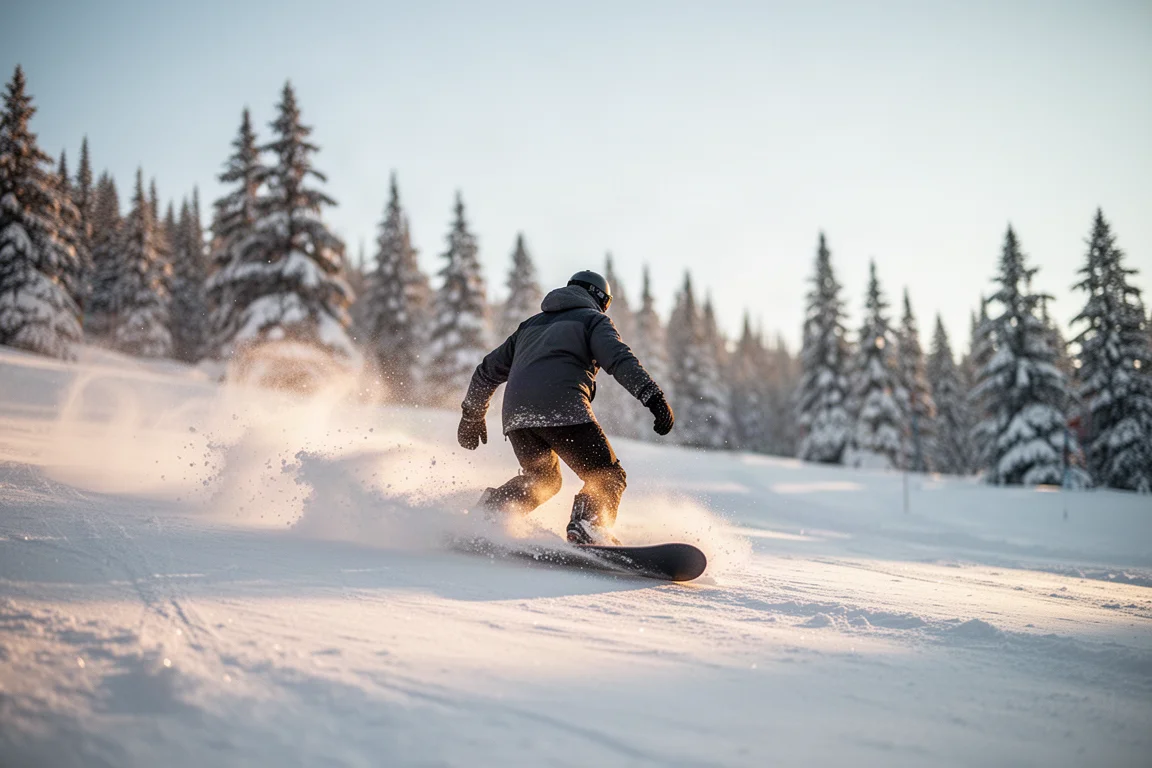
The short version is that the Lumberjack remains a genuinely fun, versatile deck with a powder twin soul, and the current core gives it a little more snap than earlier versions. A few details are worth understanding before you commit, particularly around stiffness and how the production model differs from the sample that was tested.
Who the Lumberjack Is For
The Lumberjack is aimed at the all-mountain freestyle rider who wants a wider board underfoot, and especially at the powder-focused rider who still wants to hit features, press, and play across the whole mountain.
It was originally designed as a wide powder twin, and that is arguably where it shines brightest. Other riders treat it as an all-mountain twin and get along with it well. Riders with bigger feet tend to love it, because the added width lets them downsize in length while still having a platform that supports them properly.
If you are looking for a narrow, quick-turning carver, this is not that board. If you want a wide, stable, playful twin that floats and still pops, the Lumberjack fits the brief.
Ride Character and On-Snow Strengths
The current core sits just past the middle of the road in flex. That stiffness has clear consequences on snow. The tip and tail keep a bit more play, which the rocker accentuates, while the midsection is stiffer and the torsional flex has been reduced, so the board is more rigid underfoot and more stable overall.
You do get some chatter at the tips, but most of it dissipates before it ever reaches the insert packs, so what you actually feel underfoot is close to nothing. Whether you are moving fast on a groomer or working through rutted, chopped-out terrain, the board plows through it. A good part of that composure comes from the width.
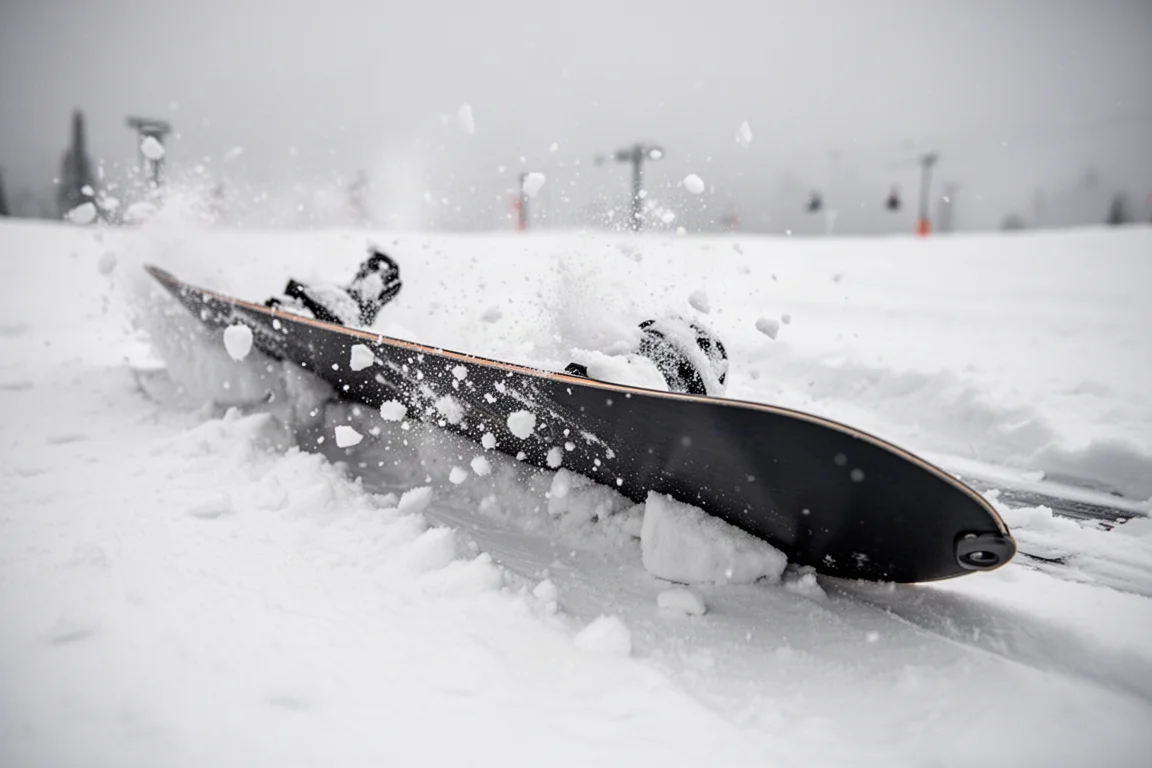
Importantly, stable does not mean dead. The Lumberjack stays lively rather than damp and lifeless. Stiffening the core also stiffened the tips, and the board keeps the skate-style pop it is known for. Roll back onto the tail and it engages and pops with more rebound than before, which is exactly what you want when you are loading up for a jump.
Powder Performance and Playful Presses
In powder, the flat-to-rocker profile does its job. The rocker in the nose and tail improves float, and the flat section underfoot keeps you supported and connected when you are driving through variable snow.
Buttering is where the shape and the width really come together. You can press deep into the nose and tail, get sideways, swivel around, and pop back out. The width gives you a stable platform to balance against, while the flat-to-rocker profile lets the ends break free easily.
On jumps, the board sails off the lip and pops at the last moment thanks to that skate-style snap, so you can go a little deeper and a little further into a takeoff with confidence.
Jibbing is the one area where you have to work a bit harder than on previous versions. It takes more force to lock into a press, and the board behaves more like a balancing act than something that cradles around a feature. Setting the board down outside the insert packs and pushing deliberately into your presses helps it lock in and snap out cleanly at the end. Riders who already know how to jib will not have a problem here, and the added width is a real advantage on features.
Camber Profile, Width, and Sizing
The profile is the defining feature here: flat through the inserts, rocker in the tip and tail. That combination delivers stability through the middle of the board, a looser feel at the ends, better edge-to-edge power transmission, and more optimal float in powder.
Width shapes the ride more than almost anything else. Edge-to-edge transitions are not the quickest, and that is simply proportionate to how wide the board is and how big your boots are. On a 152 with a size 10 boot, the fit feels right. On the same 152 with a size 8 boot, expect the board to feel sluggish, because the width becomes harder to manage. That is not a flaw so much as a sizing reality to plan around.

Carving is still on the menu. The board locks in underfoot, and with the torsional flex restored on the production model, it should hold a rail without much trouble. It will never be the fastest board edge to edge, and the width explains why.
Things to Consider Before Buying
The board tested here was a sample, and the core was reworked during the season. It came out stiffer, just past the middle of the road, and the torsional flex was reduced. That change had real effects: the board became more rigid and stable underfoot, but it also became harder to drive and steer with subtle edge pressure. At high speed with weight fully committed it would still carve, but it was less rewarding when you were trying to be gentle and nuanced with ankle-driven input.
That is also where the board took its hardest hit from the stiffer core. Some of the playfulness it was designed around was lost, and a lighter rider will notice the extra stiffness most.
The good news is that the feedback was acted on. The production version is expected to bring back a little more torsional flex and run slightly softer, which should restore the way the board cradles around features and make edge-to-edge driving feel more natural.
Two more things worth knowing. First, the tip chatter is real, even if it rarely reaches your feet. Second, the jib feel on the sample asked for more force than earlier models, so if jibbing is a big part of your riding, the softer production flex is the version you want.
Buying Advice
Buy the Lumberjack if you want a wide, powder-leaning twin that can still handle the whole mountain, pop off jumps, and butter with ease. It suits all-mountain freestyle riders, powder chasers, and big-footed riders who want to downsize without giving up support.
If you have smaller feet and you are looking at a shorter length, think carefully about sizing, because the width can make the board feel sluggish underfoot. And if subtle, quick edge-to-edge carving is your priority, the width will always work against you.
If you are cross-shopping, the closest comparisons in this space include the Lib Tech Golden Orca, the Bataleon Party Wave Twin, and the Ride Warpig. For bindings, the Rome Katana, the Ride C6, and the Union Ultra are all sensible pairings.
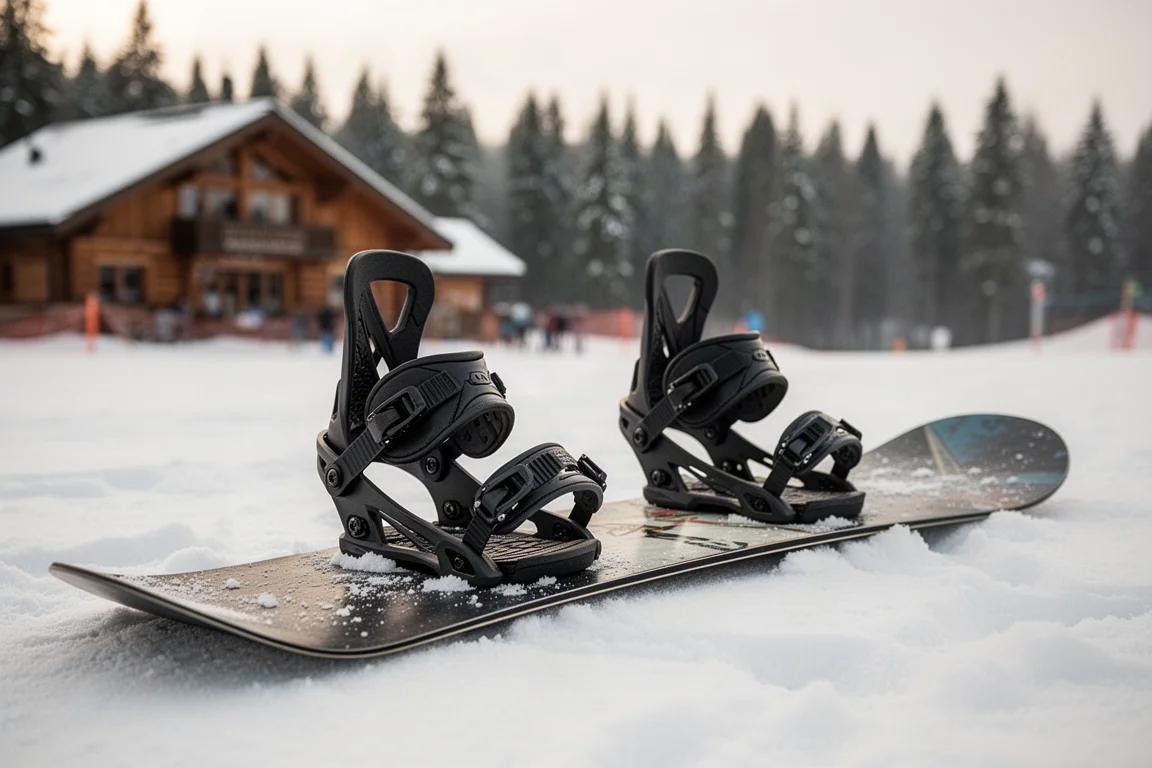
One extra option worth noting: custom graphics are available, and a personal graphic can be applied to any model in the range. If you want a board that looks like yours rather than everyone else’s, that is a genuine point in Marhar’s favor.
Conclusion
The Marhar Lumberjack is a wide all-mountain freestyle board with a powder twin heart, a flat-to-rocker profile, and a liveliness that survives even a stiffer core. It floats, it pops, it butters, and it plows through rough snow without transmitting much back to your feet.
The main caveat is the stiffness of the sample that was tested, and the fact that the production version is expected to soften slightly and regain some torsional flex. That should make it more forgiving on edge and more playful on features, which is exactly what this board was designed to be. For riders who want width, float, and a true party board that covers a lot of terrain, the Lumberjack makes a strong case.
Product link
View more details for Marhar Lumberjack
This product is mentioned in the review. Check the specifications, options, and compatibility before buying.
View more details for Marhar LumberjackFurther reading
Related Reviews

Snowboarding
2025 Snowboard Gear List: Five Picks That Earned Their Place on the Mountain
From Zeiss-lens goggles to a hybrid step-in binding, here are five pieces of 2025 snowboard gear that held up across a full season of riding.

Snowboarding
2026 Snowboard Gear List: Boards, Bindings, Boots and Outerwear Worth a Look
A season-ready snowboard setup built from the bottom up: base layers, Strafe outerwear, Ride and Union boots, Union bindings, and two new Capita boards.

Snowboarding
32 Cold World Review: A Playful Hybrid Camber Board for Park Laps
The 32 Cold World blends classic camber underfoot with flat nose and tail sections for a predictable, butter-friendly ride aimed at intermediate park riders.