Running Gear
Marathon Race Day Kit Tested: Shoes, Watches, Headphones and Hydration Tech
Five pieces of running kit put through a full marathon, covering comfort, GPS accuracy, battery burn, audio and sweat tracking.
Introduction
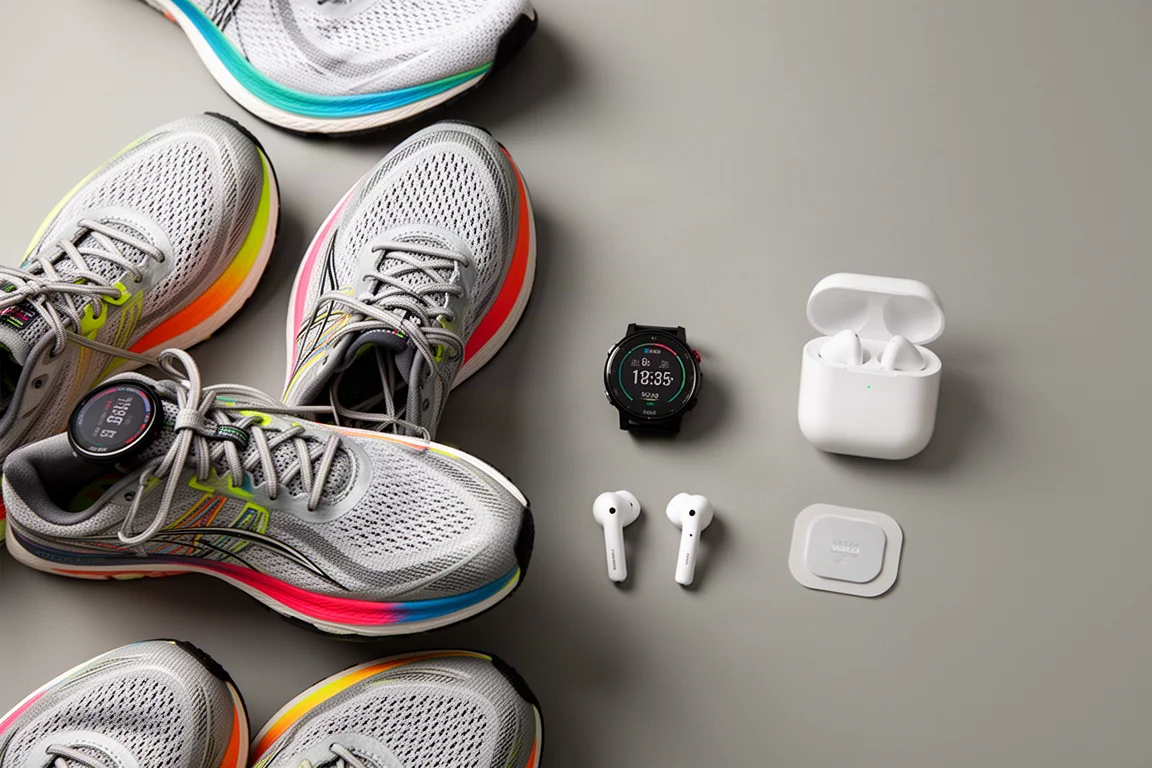
Race day is where gear earns its keep. We took a full marathon setup through a real race: a carbon racing shoe, two flagship GPS watches benchmarked against a chest strap, a pair of wireless earbuds with heart rate tracking, and a wearable hydration sensor. The conditions were windy and cold, the course was closed country roads, and the finish was a new personal best of 2:52:36. Here is how each piece of kit held up over 26.2 miles.
The Race: Chester Marathon
The race itself is worth a word. It is a well-organised UK marathon with roughly 5,000 runners, race numbers sent out ahead of time, and a spacious start set in the centre of a racecourse. A small funnel shortly before the start line lets runners off in natural smaller groups, which eases congestion nicely. After a short trip through the city centre, the course moves quickly onto closed country roads with a quiet, flowing rhythm, occasional village crowds for a boost, and a handful of testing hills around mile 17 and again near mile 24 on Sandy Lane. There is also a metric marathon and a family mile, so there is something for everyone. Small touches stand out: free race photos, an excellent post-race goodie bag, and a long sleeve top instead of a finishers tee, which was genuinely welcome in the cold.

Shoes: Asics Metaspeed Edge Tokyo
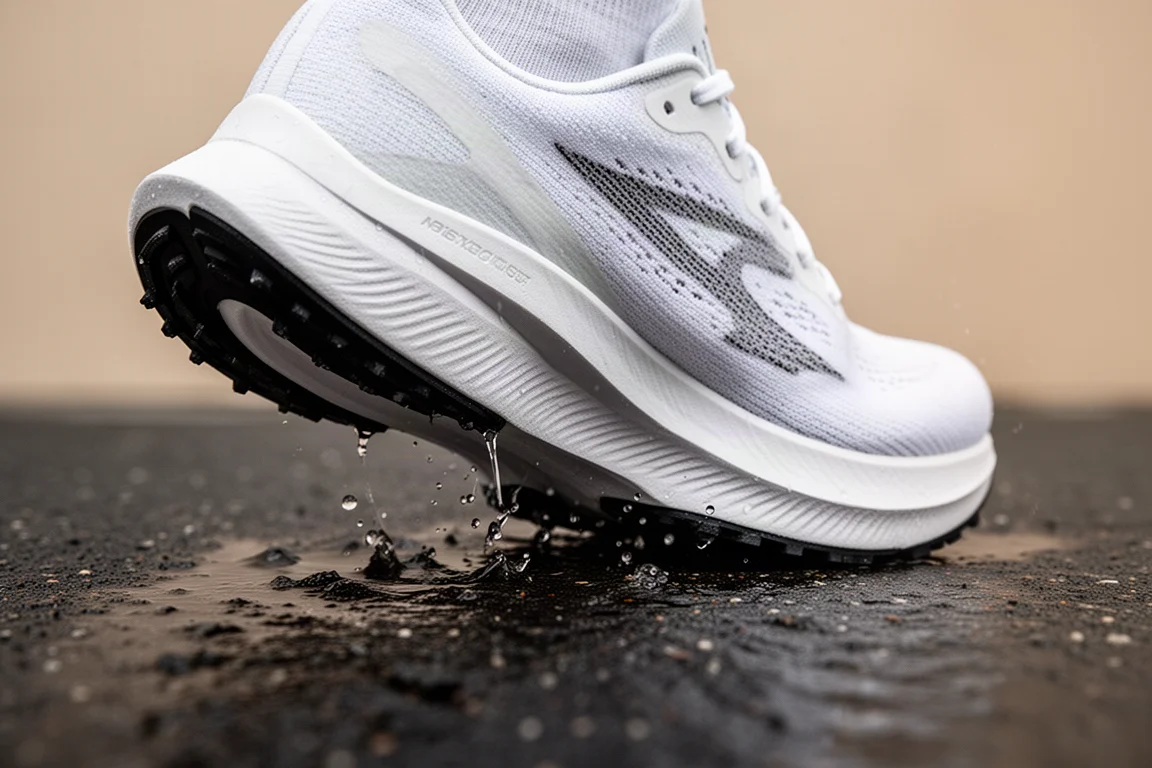
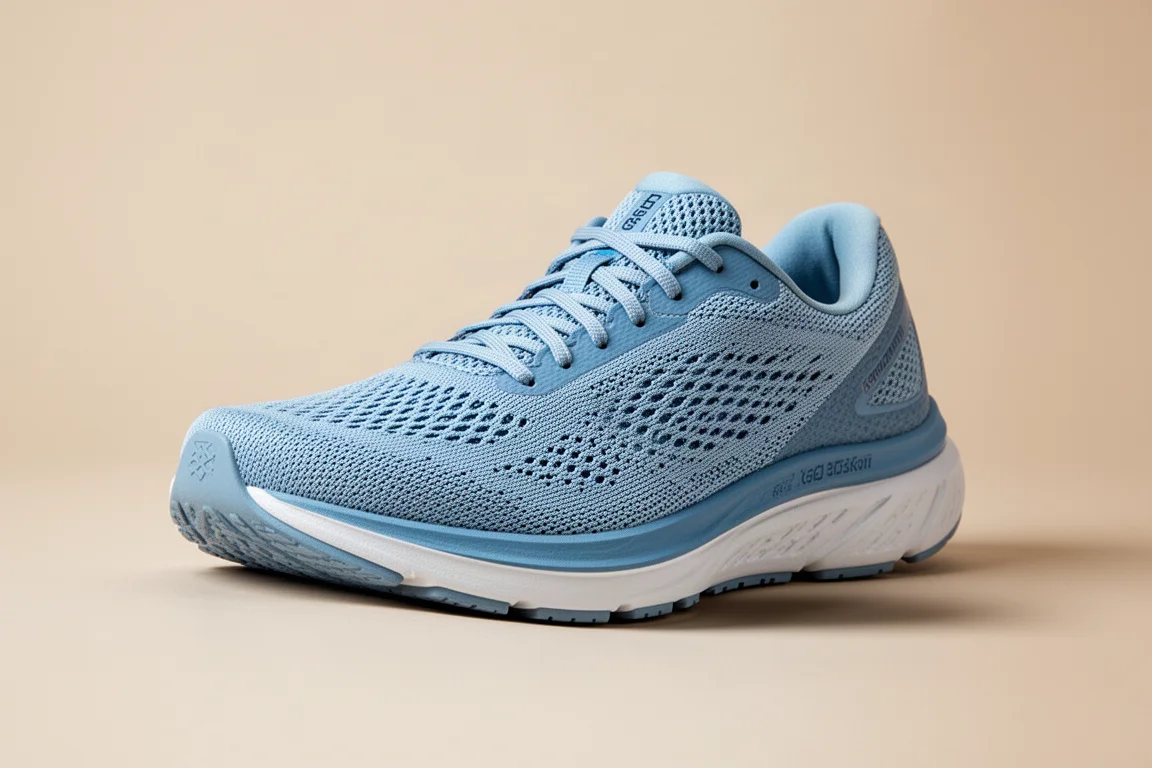
The Asics Metaspeed Edge Tokyo ran like a total dream from mile one to mile 26.2. The short version: it feels like the shoe almost was not there. The midsole is lively and returns real energy, while the cushioning does an excellent job of removing road impact. No foot fatigue, no rubbing, no black toenails. Just secure, comfortable racing.
Compared with the Metaspeed Sky Paris, which leans stiffer, snappier and poppier, the Edge delivers more bounce and softness while staying smooth and controlled rather than wild. The ride is light and punchy, but in a way you almost stop noticing, and that may be the biggest compliment a racing shoe can earn: it quietly delivered the result without ever getting in the way.
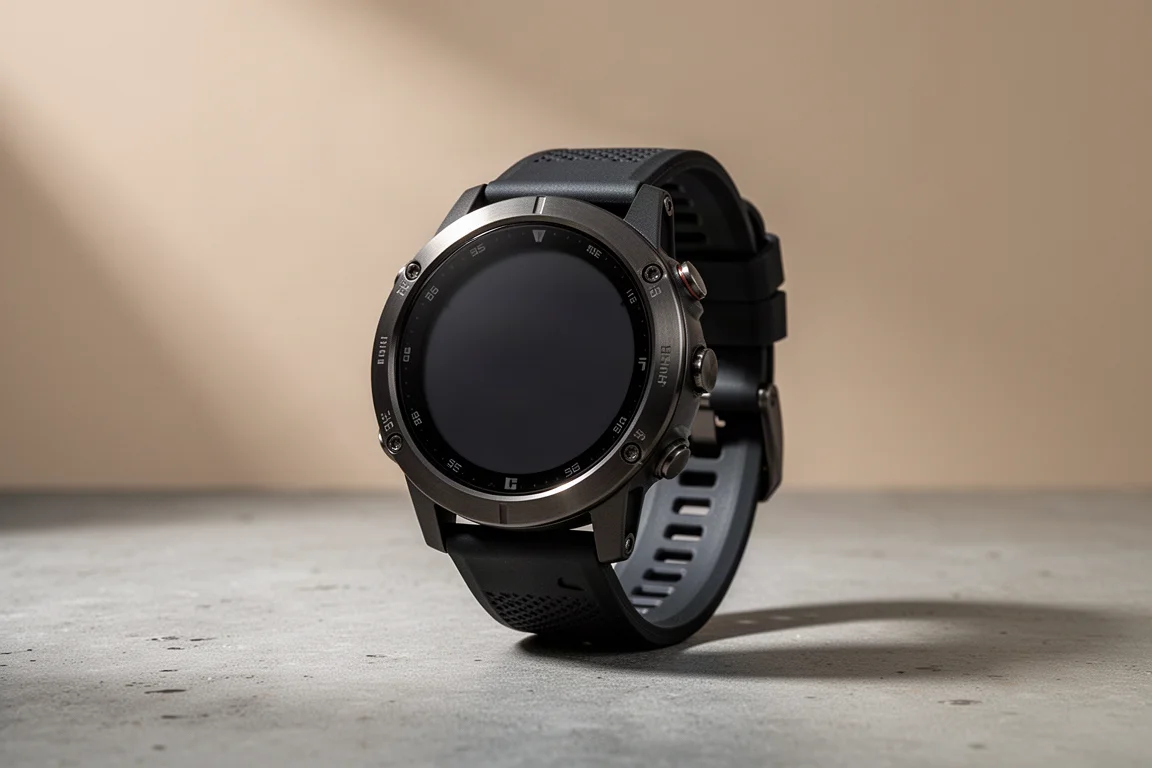
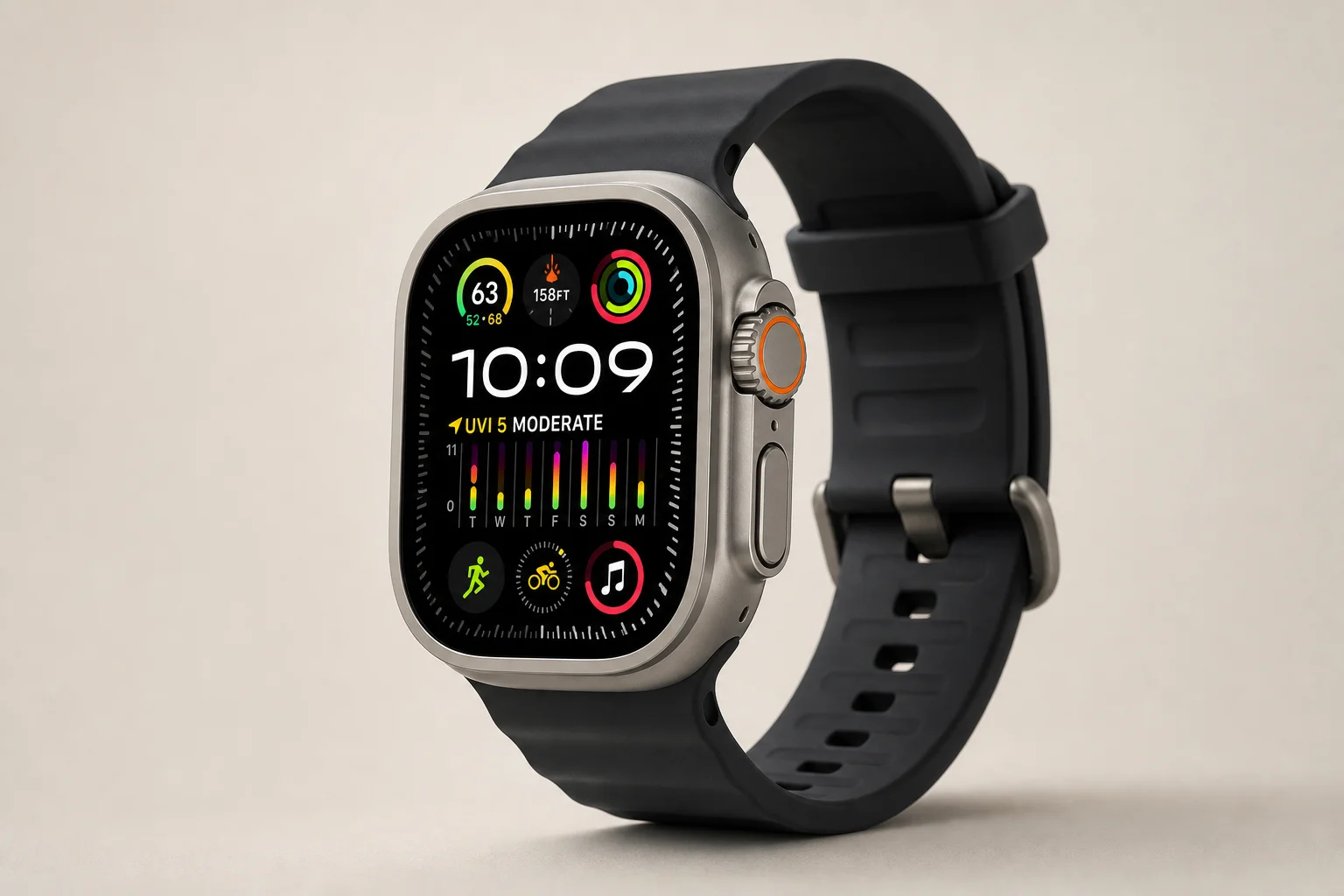
Watches: Garmin Fenix 8 Pro and Apple Watch Ultra 3
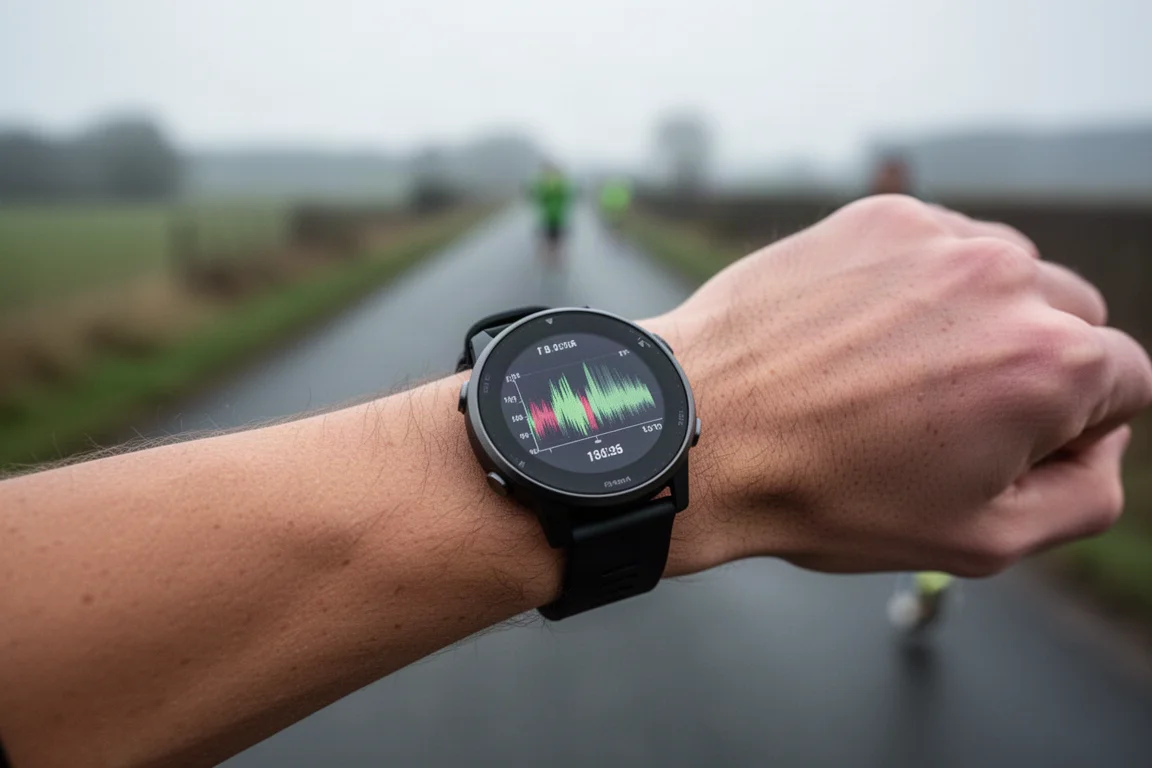
Both watches were set to maximum accuracy with multiband GPS, maximum brightness and always-on display. The benchmarking setup included a chest strap, and a third device strapped to a belt for reference. On GPS, both watches were massively impressive: they hit the mile markers almost spot on every single time, real-time pacing was reliably consistent, and final distances came in at 26.33 miles for the Apple Watch Ultra 3 and 26.26 for the Fenix 8 Pro. The GPS traces did deviate from the exact course at points on both, but in practice that had no effect on real-time performance at all.
Heart rate accuracy was equally strong. Averages from both watches and the chest strap were all within one beat of each other, and interestingly the chest strap produced a rogue high spike and struggled most early on, while the watches stayed solid. For battery, both watches came off charge at 100% at 7am on race morning and were at 98% at the start line. During the 2:52 race, the Apple Watch Ultra 3 burned 18% and the Fenix 8 Pro just 8%. A day and a half later, the Apple Watch sat at 42% while the Fenix 8 was still on 80%. The Apple performance is strong; the Fenix 8 Pro is excellent.
Headphones: Apple AirPods Pro 3
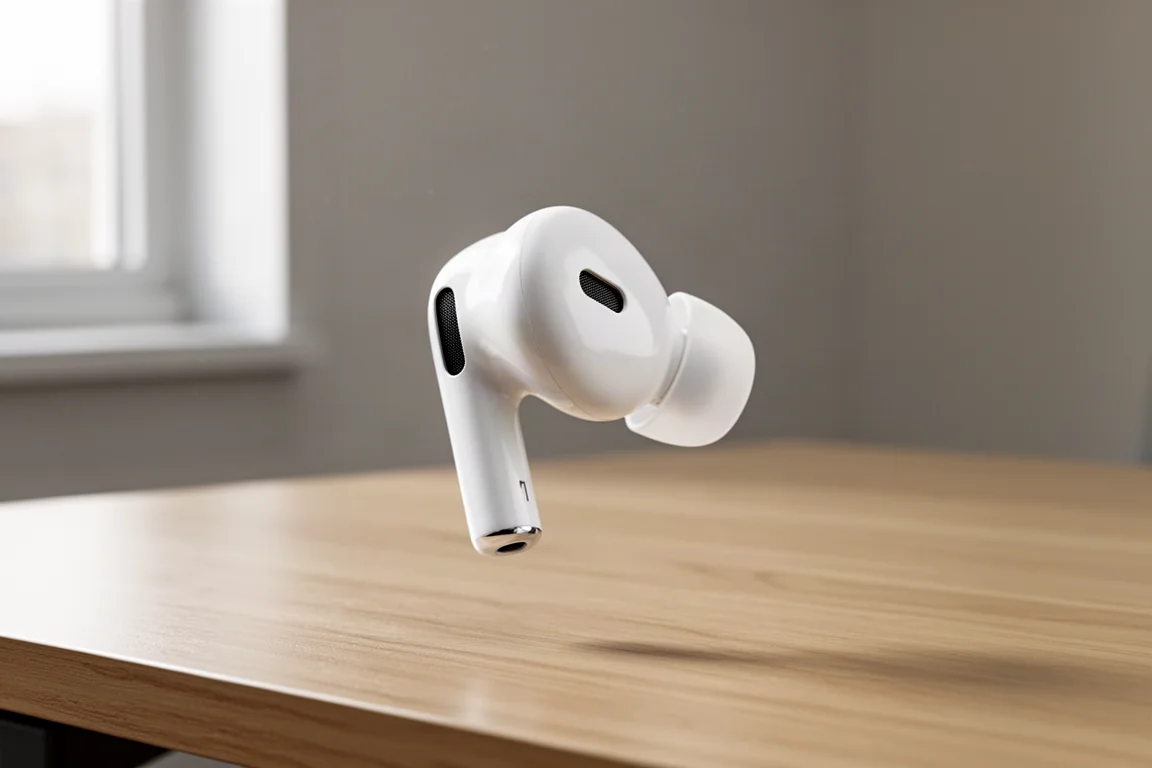
The AirPods Pro 3 are the best-fitting AirPods tested to date, with a locked-in fit from start to finish and not a single worrying jiggle over the full distance. That alone removes the biggest anxiety of racing with earbuds: the fear of one falling out mid-race. Audio was loud, well isolated and consistent, and the active noise cancellation did a good job against some horrendous winds.
Battery is the one number to note. With active noise cancellation on and volume pushed higher than expected over the full 2:52, the case and buds burned 45%, which is a bit faster than the reported 8 hours of playback. For a full marathon at race volume, that means less headroom than the headline figure suggests, but they held up top-notch on the day.
Hydration Tracking: Nix Solo
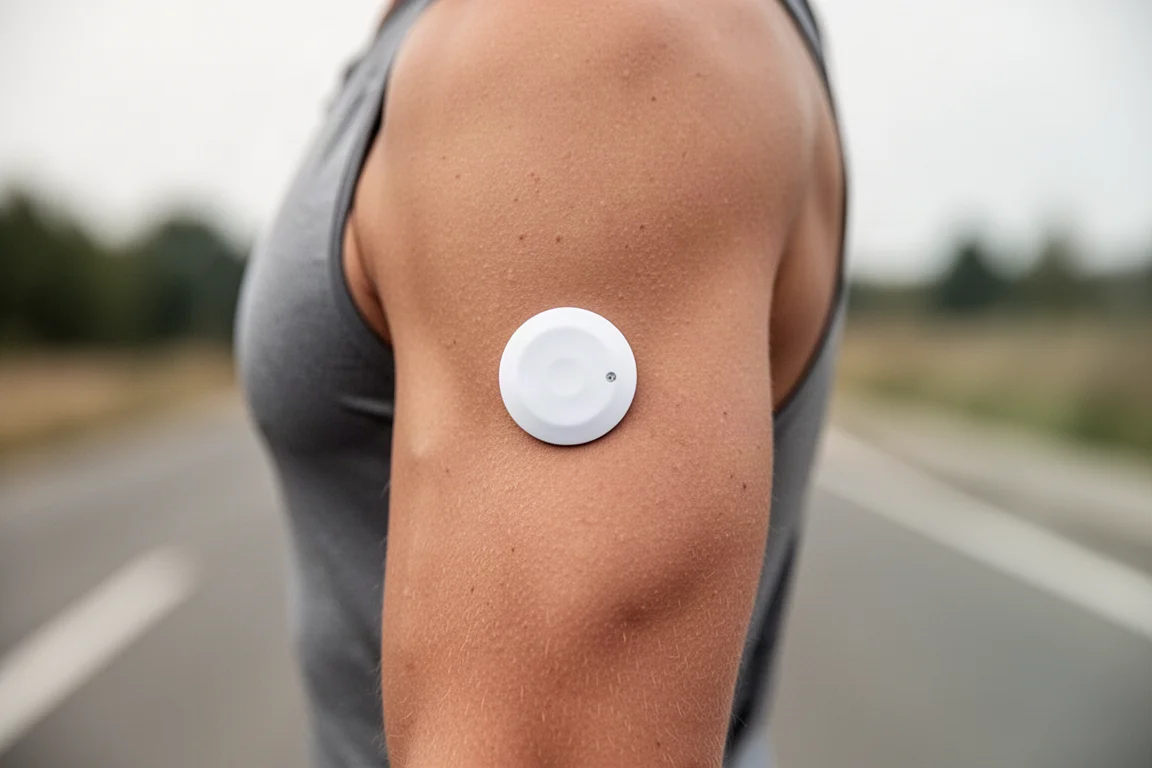
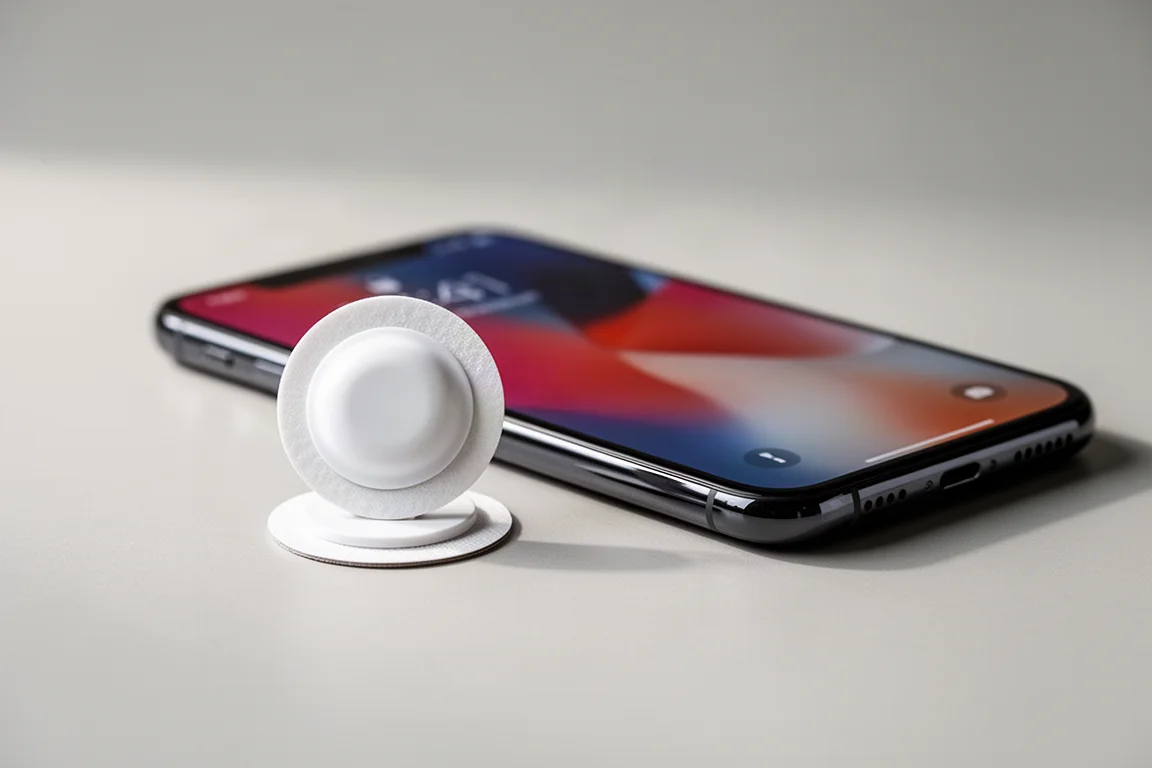
The Nix Solo is a wearable patch that aims to track fluid and electrolyte loss, including sodium. Across a 10K, a 100-mile event and now a marathon, it has been building a useful sweat profile. For the marathon it reported a litre and a half of fluid lost, 2,300 milligrams of electrolytes, and just short of 1,100 milligrams of sodium. Those averages line up closely with an independent sweat test that measured 635 mg of sodium per litre of sweat, which is encouraging.
The app builds a clear sweat rate and electrolyte loss profile, and knowing your averages across different conditions is genuinely useful information. Where it is less convincing is in the moment. You can set alerts at certain loss levels to prompt drinking, but in practice topping up by thirst and taking small amounts at aid stations worked fine, and overthinking it mid-race did not feel necessary. It is probably most valuable for longer endurance events where fluid management really matters. The bigger limitation is cost: the pods are single-use and fairly expensive, so building a multi-session sweat profile gets pricey quickly, and you cannot reuse a pod across a week of heat training.
Buying Advice
If you are picking one item from this lineup, match it to your priority. Racing with minimal interference points to the Metaspeed Edge Tokyo. Battery and GPS reliability over ultra-length events favour the Fenix 8 Pro, while the Apple Watch Ultra 3 remains a strong pick for iPhone users who want very good GPS in a smartwatch. The AirPods Pro 3 make sense if race-day fit and noise cancellation matter most, keeping an eye on battery at high volume. The Nix Solo is best approached as an occasional profiling tool for long events rather than an every-race accessory.
Conclusion
Across a windy, cold marathon, this kit delivered. The shoes disappeared underfoot, both watches nailed the mile markers with watch-quality battery efficiency, the earbuds stayed locked in, and the hydration sensor produced data that lined up with an independent sweat test. The main trade-offs are the AirPods’ faster-than-expected battery burn at race volume and the single-use cost of the hydration pods. Everything else did exactly what a runner hopes for on race day.
Further reading
Related Reviews
Running Gear
Best Running Caps 2026: Nine Tested Options for Summer and Winter
A comprehensive guide to nine running caps tested across different conditions, from lightweight summer options to waterproof winter choices.
Running Gear
Best Running Caps: A Guide to Summer and Winter Options
A comprehensive review of nine running caps for different conditions, styles, and preferences, from lightweight summer options to waterproof winter choices.
Running Gear
Best Running Gear 2026: Five Picks That Earn Their Place
Five running upgrades covering heart rate, audio, fuelling, carrying and weather protection, with the trade-offs worth knowing before you buy.