Running Gear
Marathon Race Day Gear Test: The Shoes, Watches, and Wearables We Took 26.2 Miles
Seven pieces of running kit tested over a full marathon, from carbon super shoes and dual-frequency sports watches to a sweat-sensing hydration wearable.
Introduction
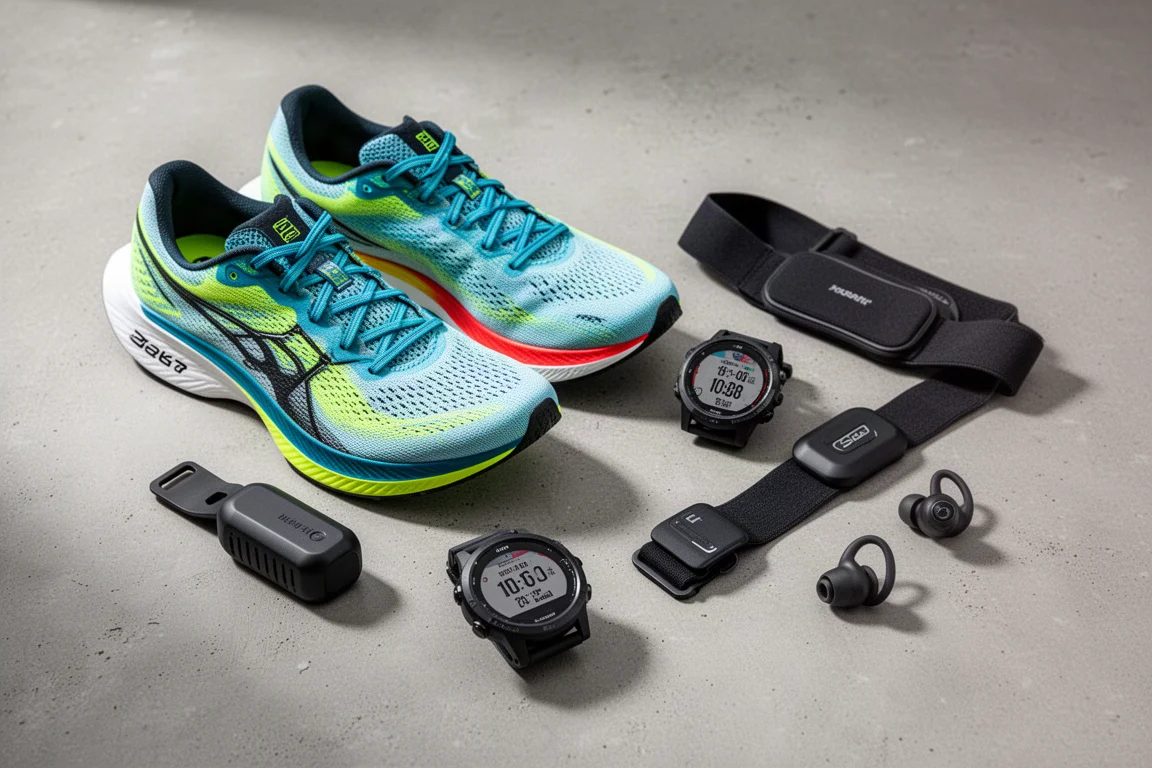
Racing a marathon is the most honest gear test there is. Over three hours of running, every weak point in a shoe, watch, or wearable eventually shows itself. This roundup covers a full race-day kit: carbon-plate racing shoes, two Polar watches going head to head with a Garmin, a chest strap, a hydration sensor, and a pair of heart-rate-tracking earbuds. Here is how each one held up.
The Race: Adidas Manchester Marathon
The event itself was well organized. Getting to the start area was simple, bag drop was relatively fuss-free, and there were smart touches like a bank of toilets placed almost right at the start line. With around 32,000 runners going off in waves, the early miles were still cramped and narrow, which made holding a steady pace genuinely difficult for the first 10K or so before things spread out.

Despite the fast-and-flat billing, there were a few testing hills around miles 16 and 20 to 22, some long dual-carriageway straights into headwinds, and big crowd support nearly all the way round. On balance, it is an easy race to recommend, and a solid alternative for anyone weighing up their spring marathon options.
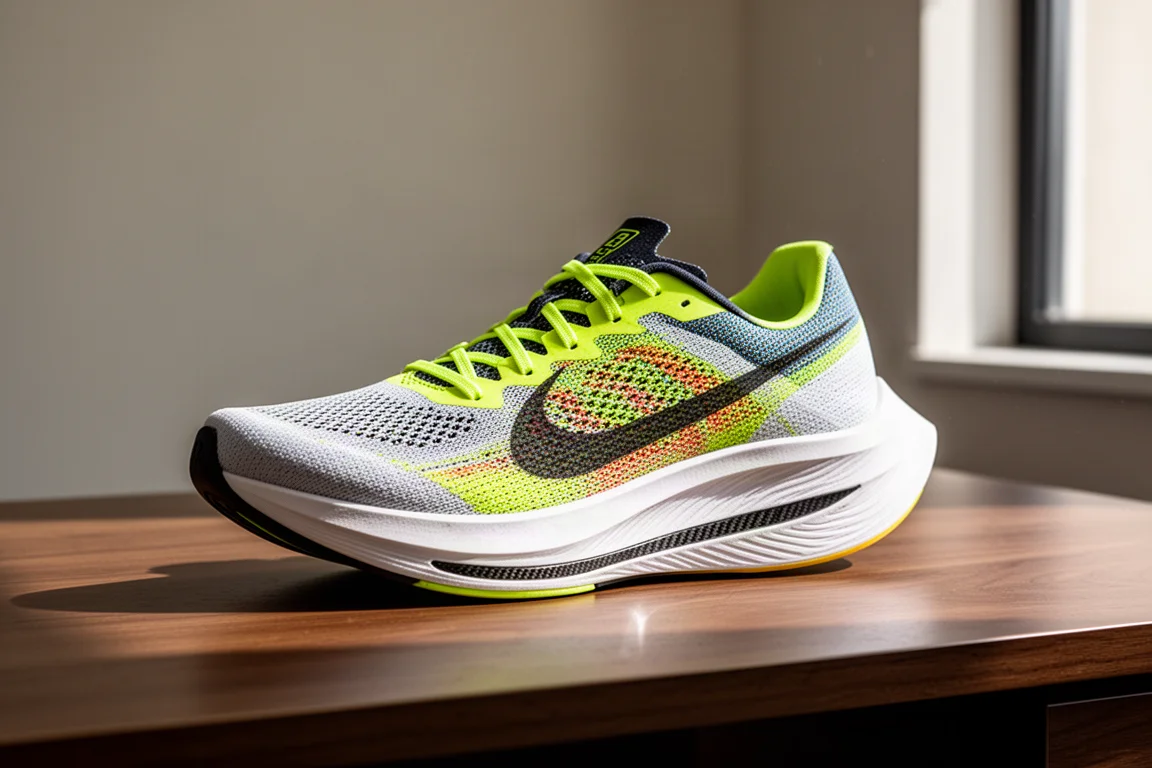
Best Racing Shoe: Adidas Adizero Metaspeed Sky Paris
This was a second marathon in the Adizero Metaspeed Sky Paris, chosen for its punchy, lightweight ride, good energy return from the foam, and a race fit that is snug without being cramped. On the day it delivered all of that: controlled energy from the midsole and plate combination from start to finish, no hot spots, no blistering, no black toenails, and no sense of the foot shifting inside the shoe.
Midfoot striking in good form rewards this shoe, engaging the midsole so the shoe responds with real immediacy. The main caveat is the narrower platform and low heel. When form got ragged in the final six miles, the shoe stayed reasonably well controlled, but heavier, slower, scruffier running may not be looked after here. If there is any doubt about running all out on a narrow platform, something more forgiving is the safer pick.
GPS Watches: Polar Vantage V3 and Grit X2 Pro vs Garmin Forerunner 965
Three watches ran the full distance on multiband dual-frequency settings for best GPS accuracy: the Polar Vantage V3, the Polar Grit X2 Pro, and the Garmin Forerunner 965, the latter paired with a Polar H10 chest strap. Distances between all devices landed within a couple hundredths of a mile of each other, which is remarkably tight for any multi-watch test.
Digging into the tracks, both Polar watches occasionally drifted wide off-road but generally stuck to the route nicely. Battery life was close too: the Grit X2 Pro used 7 percent over the three-hour race in best-accuracy mode, the Vantage V3 a slightly higher 8 percent. It is hard to find much separating these three on core GPS performance.
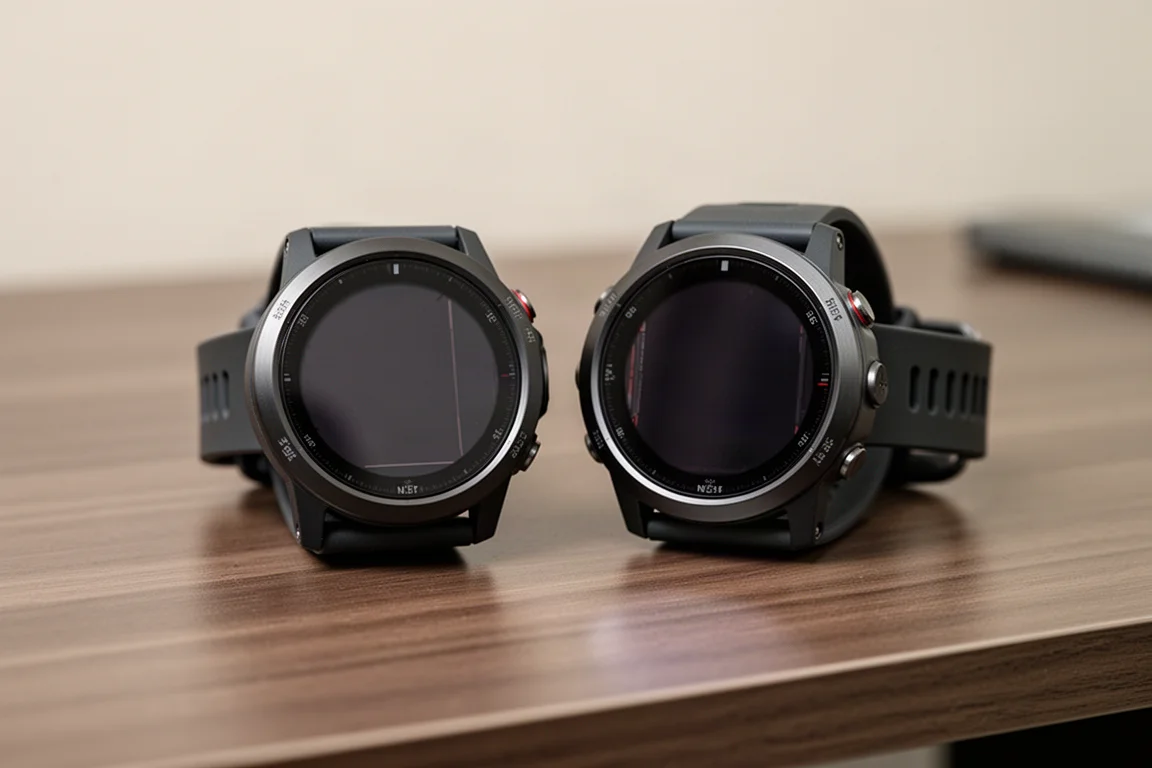
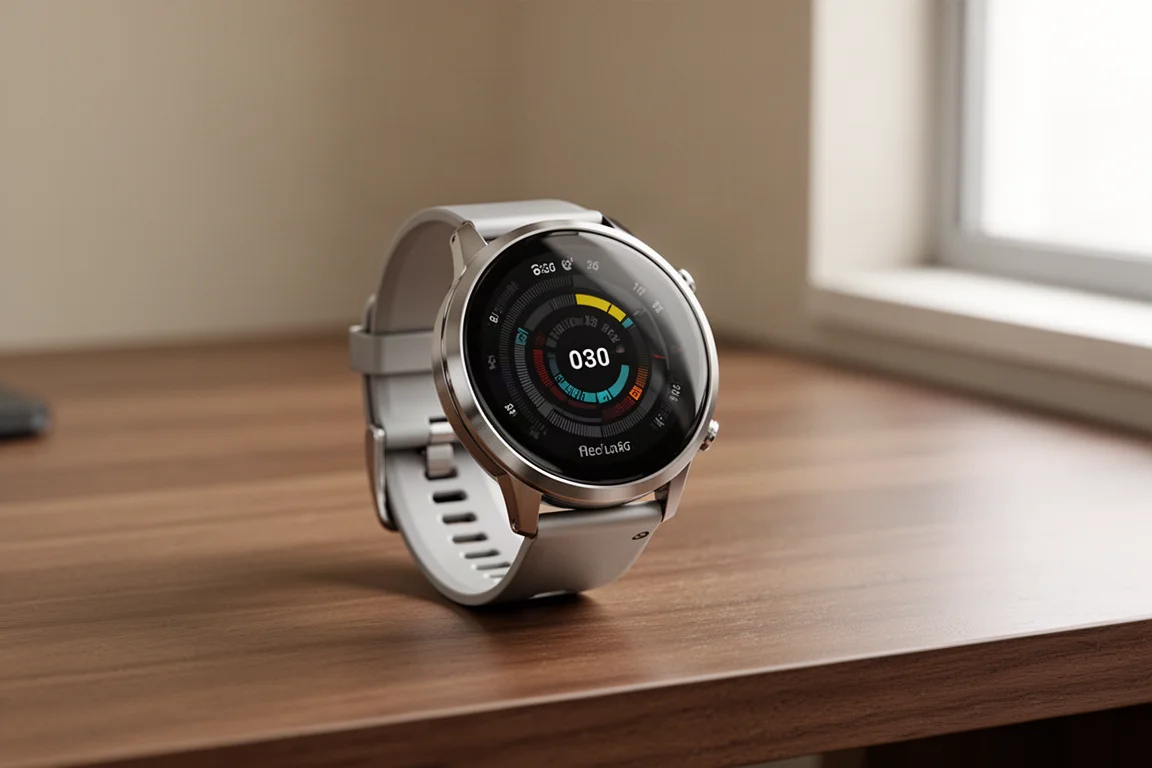
The Grit X2 Pro matched the H10 chest strap beat for beat once readings settled, making it the standout of the two Polar optical sensors on the day.
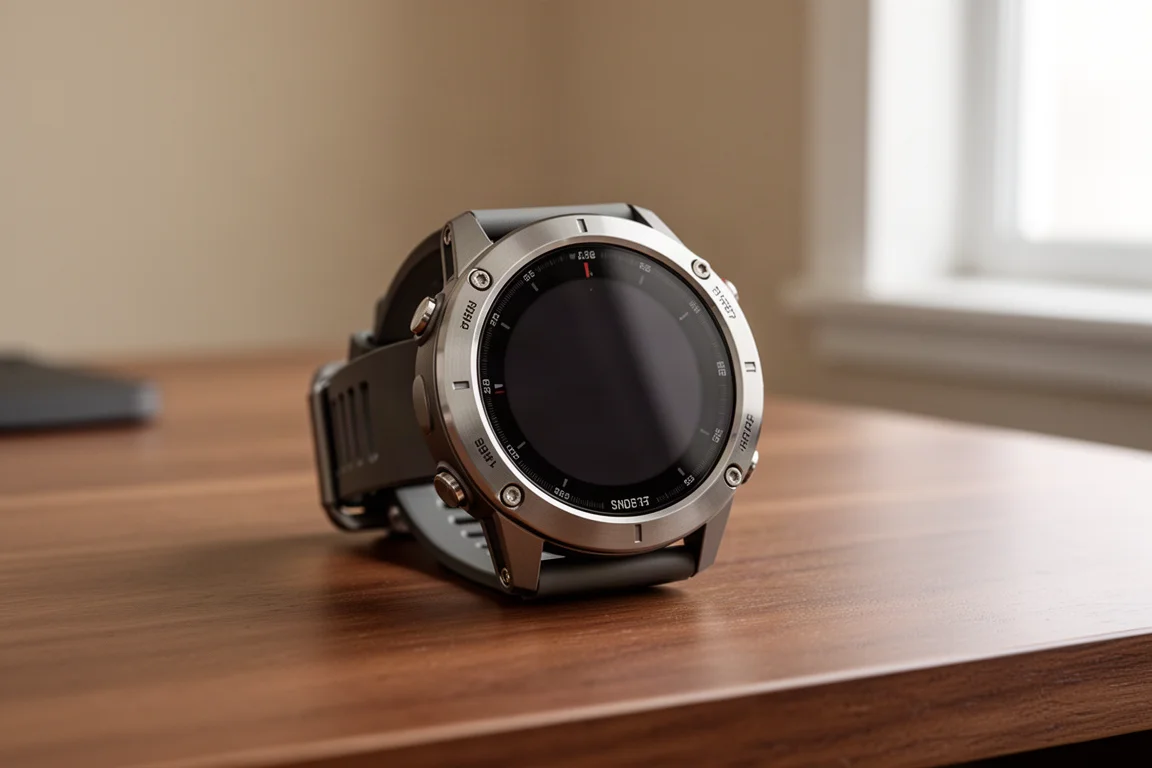
The Forerunner 965 delivered a rock-solid GPS performance alongside the H10 and remains the benchmark the others were measured against in this setup.
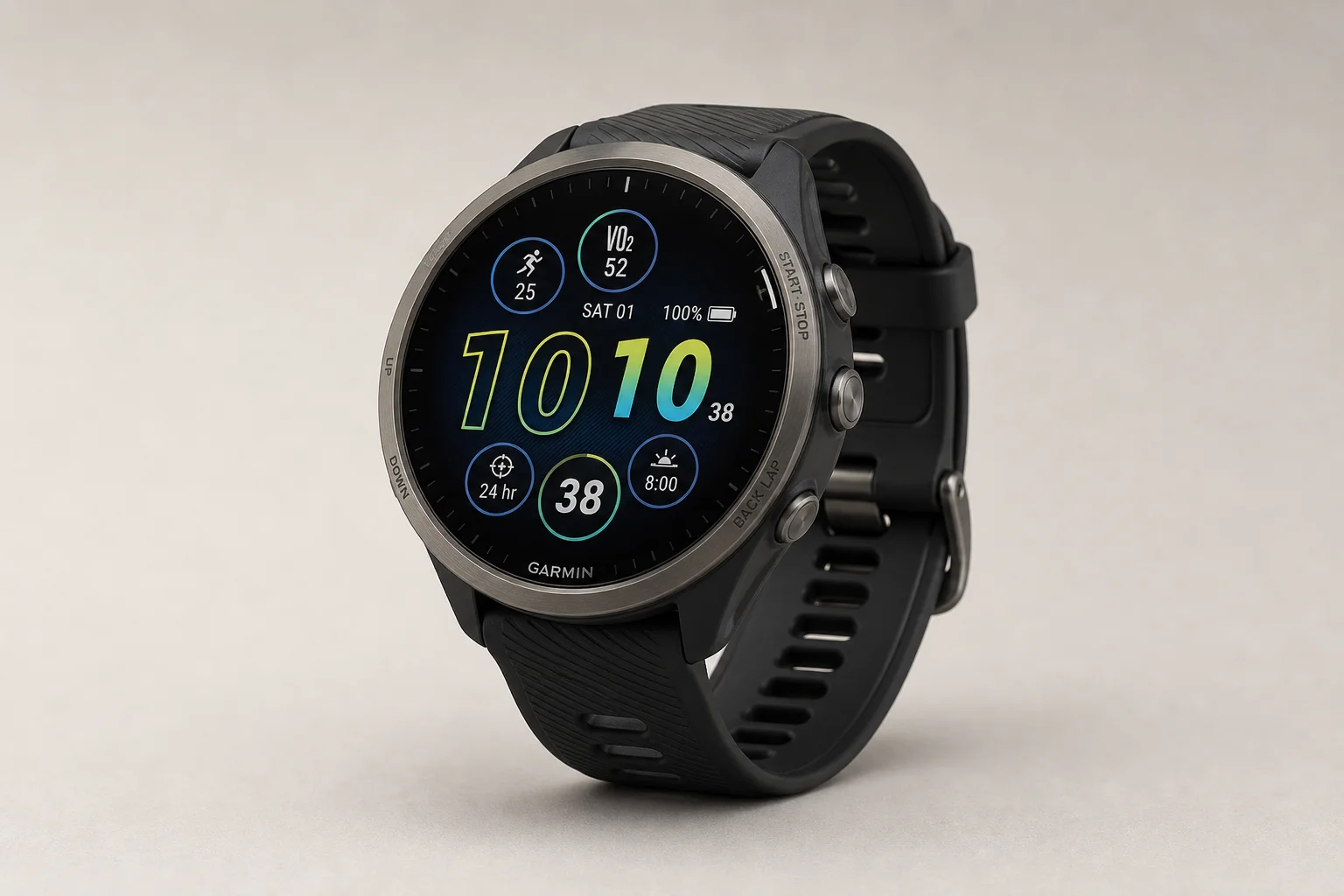
Chest Strap: Polar H10
Every optical sensor on test went rogue in the first few miles, spiking well above 180 bpm and in some cases toward 200. The Polar H10 also wobbled early but then settled and matched the Grit X2 Pro beat for beat for the rest of the race. That early-race instability across all sensors is worth knowing about, but once running settled, the H10 was the reference the other readings were judged against.
Hydration Tracking: FlowBio S1
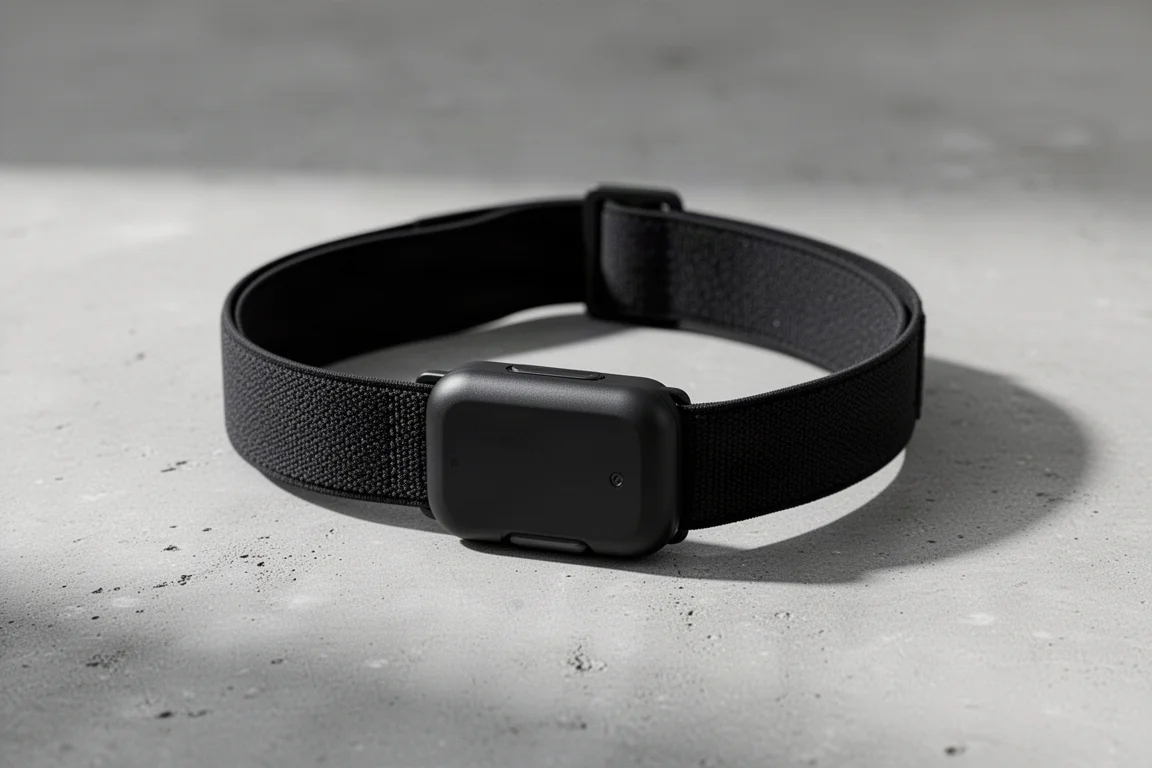
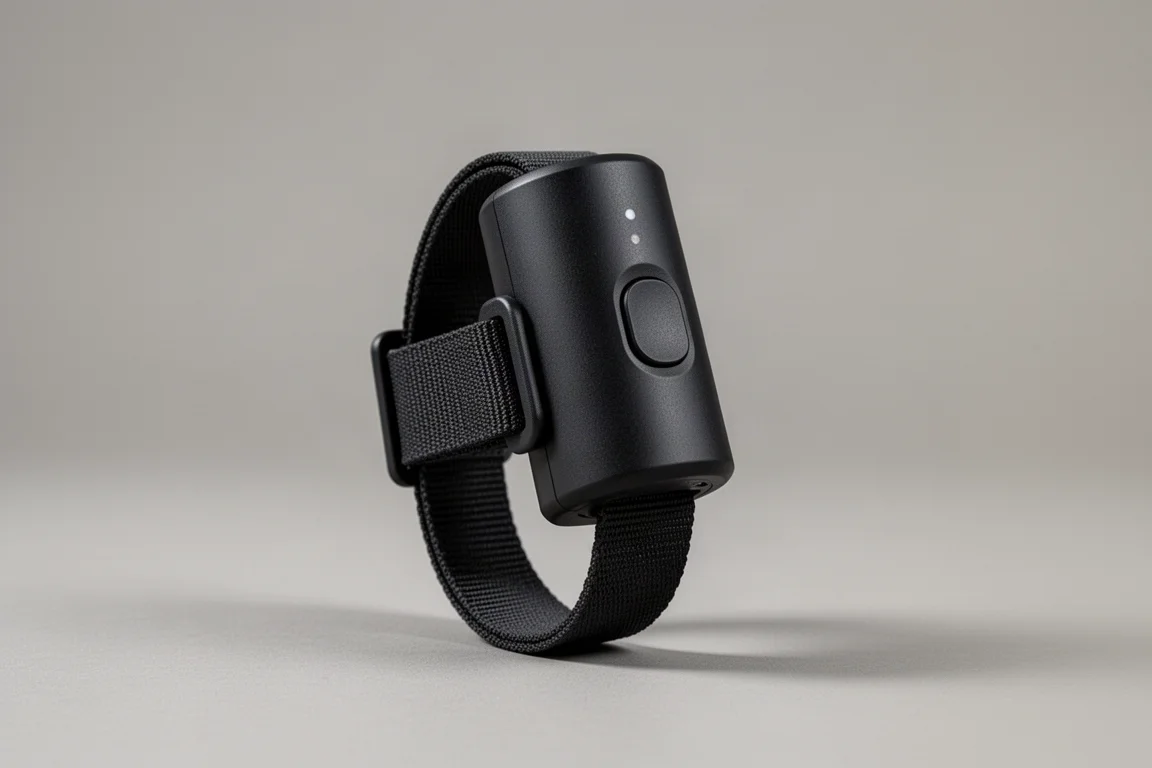
The FlowBio S1 is a sensor that measures hydration and salt loss through sweat. It clips to a chest strap or an arm strap, pairs over Bluetooth, and links to Garmin or Coros accounts to overlay run data. Right now it produces a post-run report covering total fluid loss, sweat rate, sodium loss, and the sodium concentration of sweat, with real-time alerts promised down the line.
Setup was straightforward, though the hardware has rough edges. The sensor is chunky on the tricep, the main button and flashing light codes are not especially user friendly, and the analysis step failed a couple of times before completing. On the run itself it disappeared from awareness, which is exactly what you want.

The report suggested a little over 2 liters of fluid and 22,000 mg of sodium lost, which read more like a rough indicator than a prescriptive target. The underlying tech is fascinating, but accuracy is hard to verify independently and the hardware could be more compact.
Heart Rate Audio: Sennheiser Momentum Sport
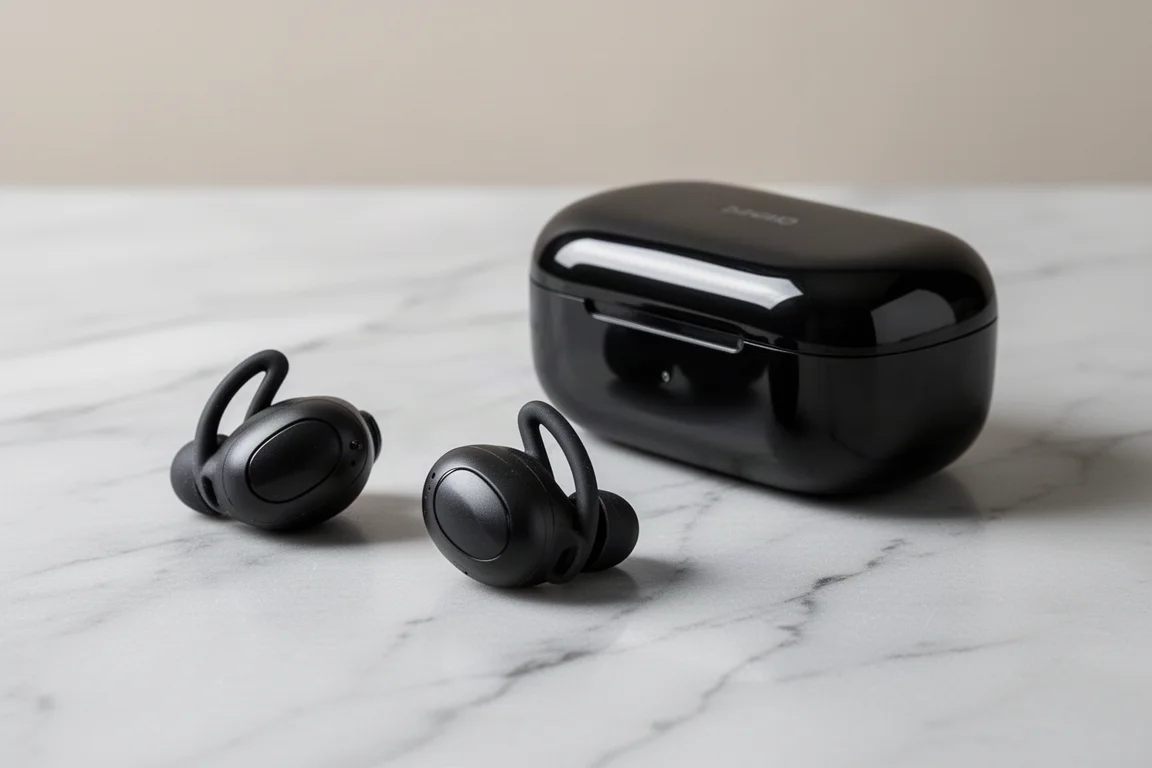
The Sennheiser Momentum Sport packs built-in heart rate tracking into a pair of sport earbuds. The fit was comfortable, audio performance was good, and the anti-wind setting genuinely helped on exposed headwind sections. Battery drain came in around 40 percent over the three-hour race, and the easy tap-on-the-cheek gesture for changing music worked nicely.
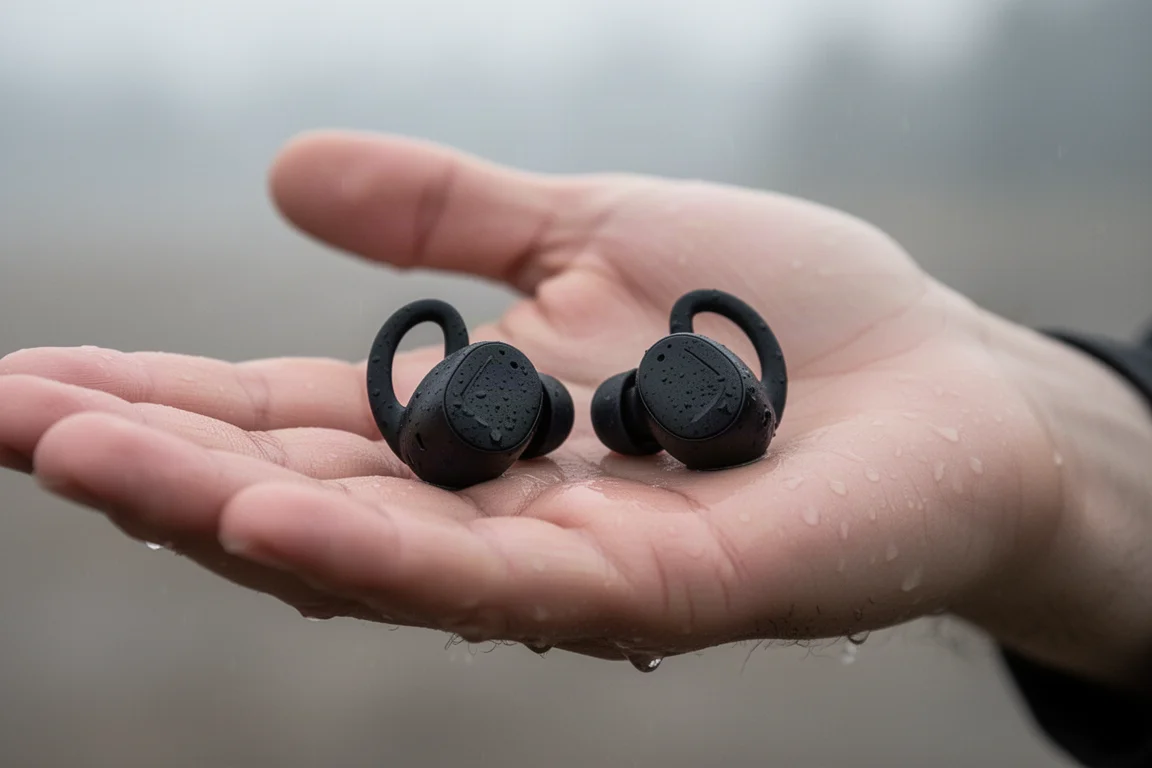
The heart rate tracking is the weak point. Readings were solid for the first ten minutes, then flatlined for the rest of the race with no warning or alert when the signal dropped out. If the optical heart rate is the main reason to buy these, treat that feature with caution and lean on the audio strengths instead.
Buying Advice
For racers confident in their form, the Adizero Metaspeed Sky Paris is a rewarding marathon shoe, but it demands good mechanics. Between the watches, all three GPS units were impressively close on accuracy, so choose on features and fit rather than raw GPS numbers. The Grit X2 Pro was the most consistent optical heart rate performer, though pairing any watch with a Polar H10 remains the most trustworthy path. The FlowBio S1 is best approached as an interesting early-access hydration tool rather than a finished essential, and the Momentum Sport is worth it for audio and comfort, not for race-day heart rate.
Conclusion
A full marathon separates good gear from good marketing quickly. The standout performers here were the Adizero Metaspeed Sky Paris for delivering exactly what was needed across 26.2 miles, the three dual-frequency watches for near-identical GPS accuracy, and the Polar H10 as the heart rate reference. The FlowBio S1 and Sennheiser Momentum Sport show real promise but both need refinement before they become race-day staples.
Further reading
Related Reviews
Running Gear
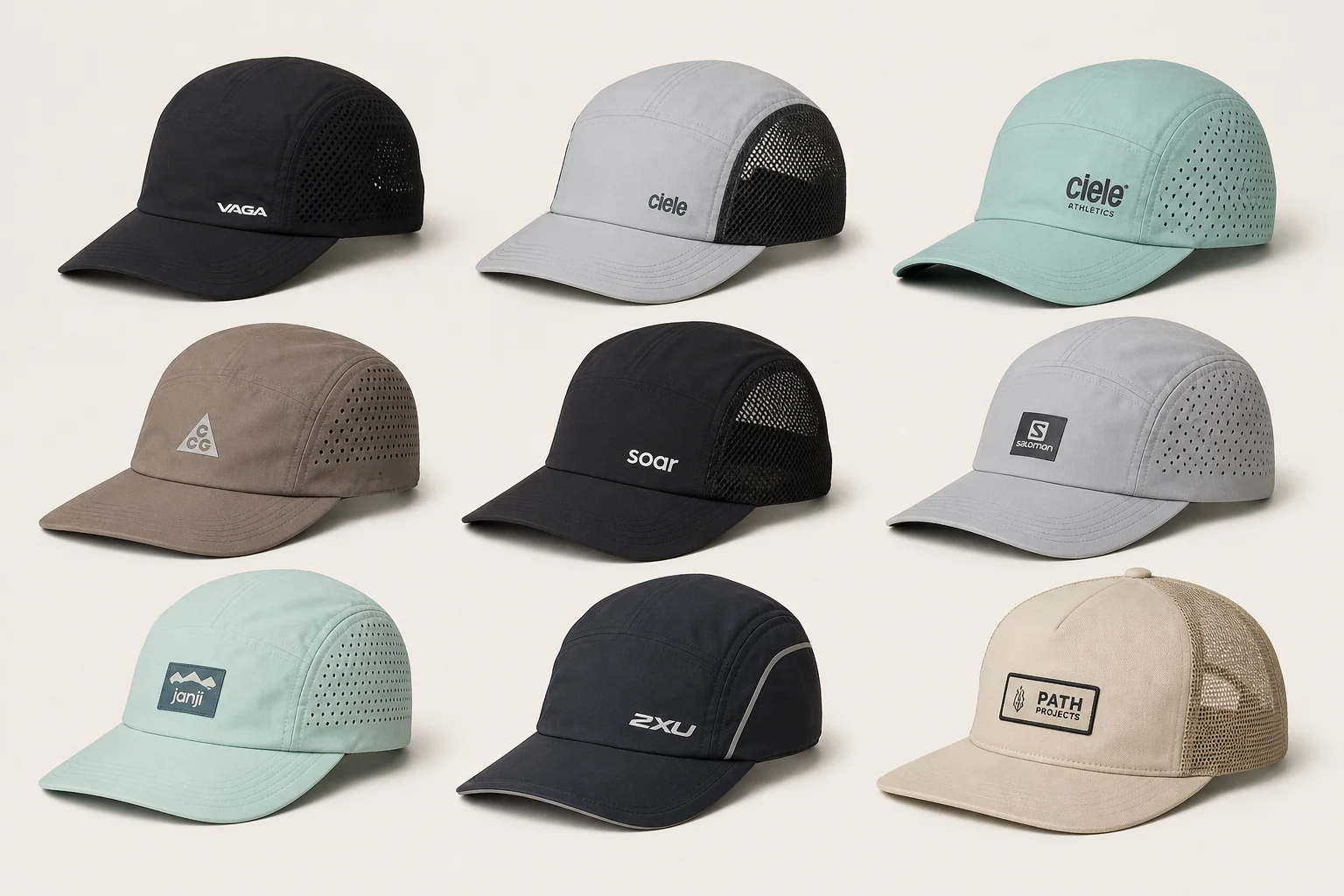
Best Running Caps 2026: Nine Tested Options for Summer and Winter
A comprehensive guide to nine running caps tested across different conditions, from lightweight summer options to waterproof winter choices.
Running Gear
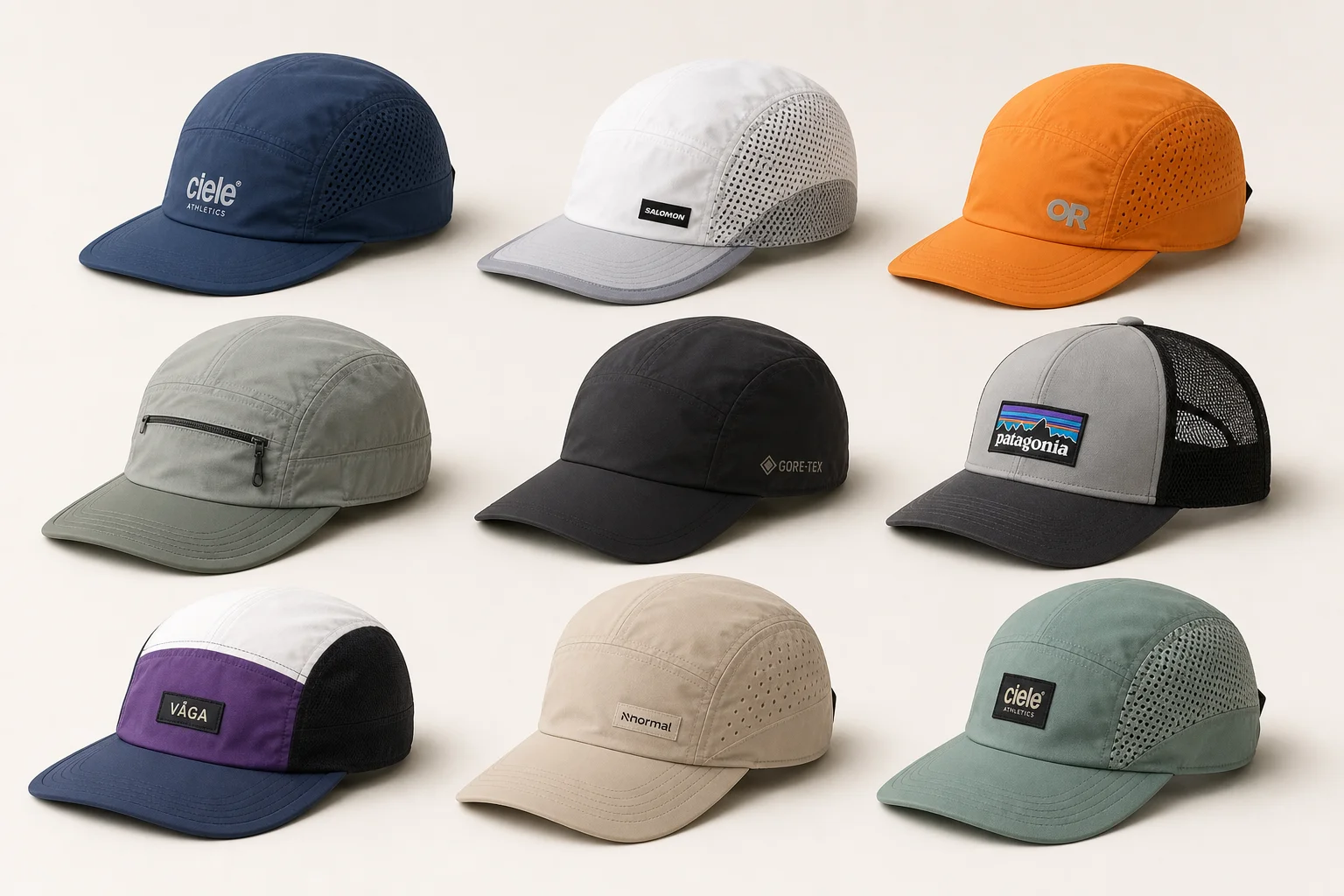
Best Running Caps: A Guide to Summer and Winter Options
A comprehensive review of nine running caps for different conditions, styles, and preferences, from lightweight summer options to waterproof winter choices.
Running Gear
Best Running Gear 2026: Five Picks That Earn Their Place
Five running upgrades covering heart rate, audio, fuelling, carrying and weather protection, with the trade-offs worth knowing before you buy.