Running Gear
Marathon Weekend Gear Lineup: Two Race Shoes, Four Watches and One Set of Open-Ear Headphones
A hands-on gear lineup from a real marathon weekend: two Asics race shoes, a four-watch battery and GPS test, and the Shokz Open Fit 2 with one notable flaw.
Introduction
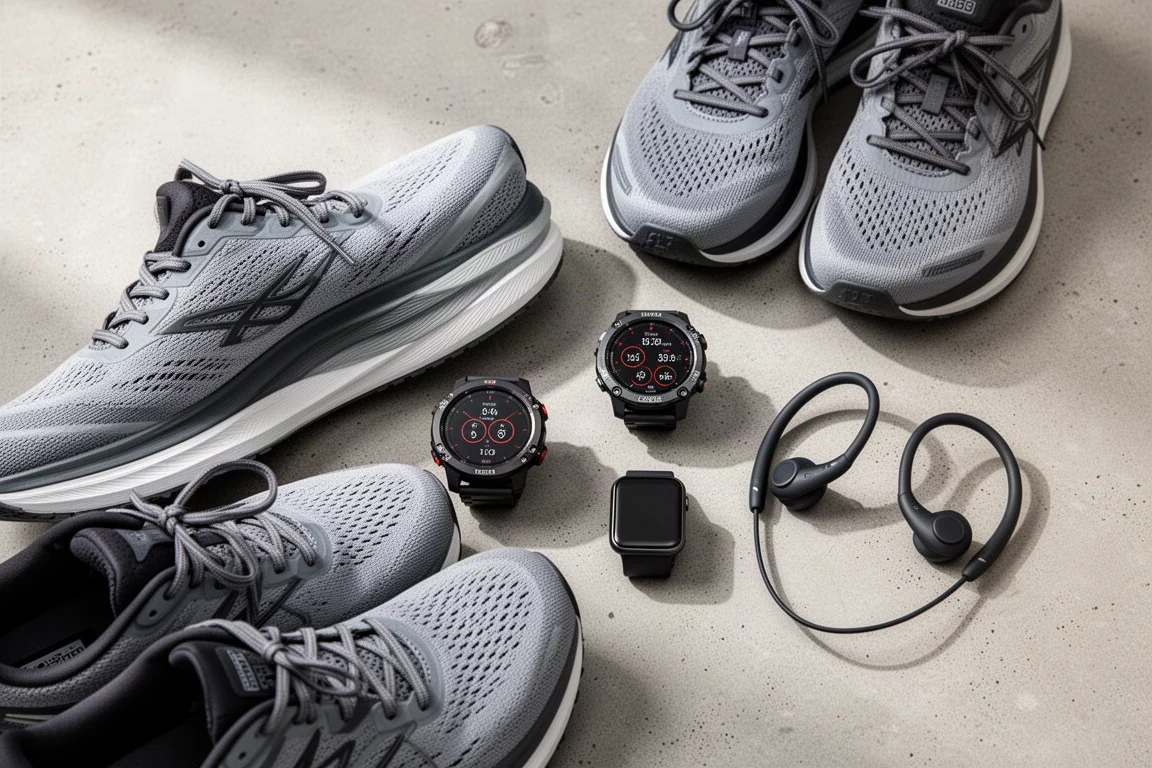
Some gear tests happen in a lab. This one happened over a full marathon weekend, with six products used exactly as they would be on race day: two pairs of marathon shoes, four GPS watches worn across two wrists, and a set of open-ear headphones. The race itself was a scenic, net-downhill road marathon with around 300 meters of climbing, which turned out to be a demanding real-world test for both shoes and watches.
The Shoes: Comfort First vs Race Day
One runner took a deliberately relaxed approach, targeting a comfortable four-hour finish rather than a personal best, and chose a shoe built for cruising rather than racing. The other went with a proper race-day shoe, chasing a fast time on a course that rewards good pacing.

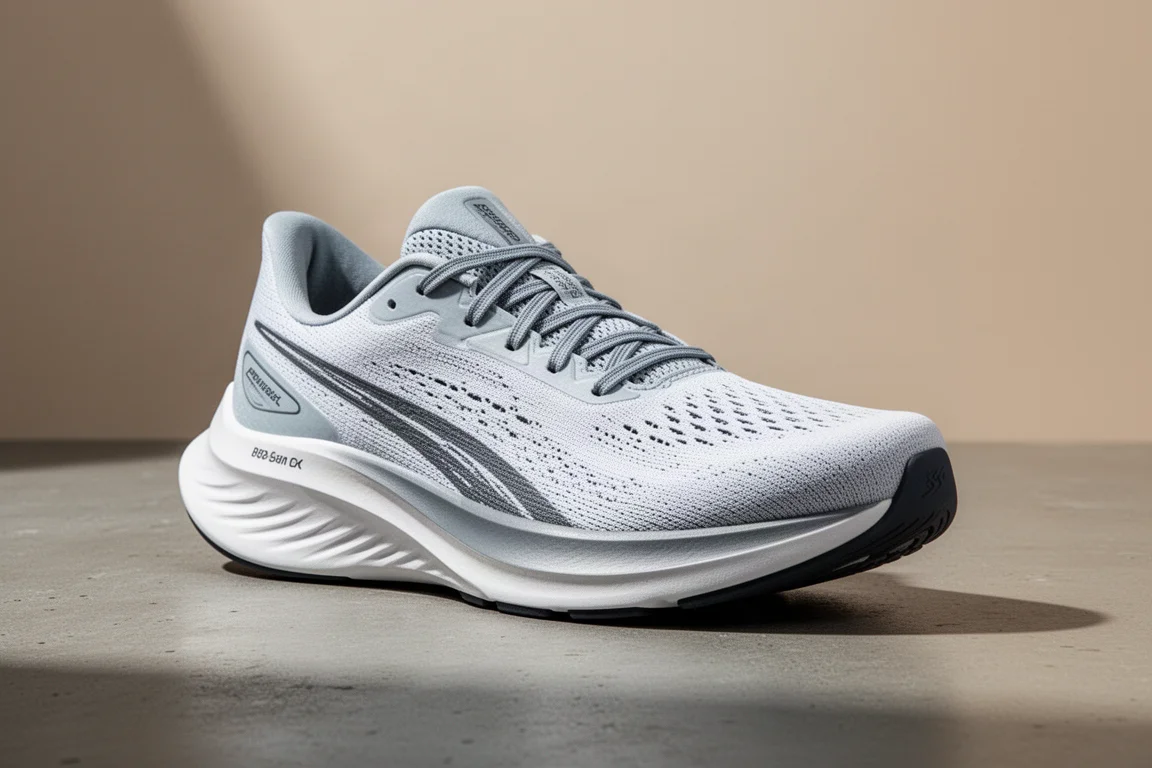
Asics Mega Blast
The Mega Blast was the comfort-first pick, and it delivered emphatically. The runner described smooth ride quality with a genuine bounce, a generous slab of foam underfoot, and comfort on every landing regardless of foot strike. Even when the pace dropped to around four minutes per kilometre over the last 3 kilometres, the shoe kept up without complaint. Notably, there was none of the usual end-of-race foot trouble: no rubbing, no collapsing cushioning, just comfortable feet at the finish line. The verdict was that for a four-hour marathon at a relaxed pace, it is clearly superior to a carbon-plated shoe designed for that pace, and that a faster time would have been possible in it too.
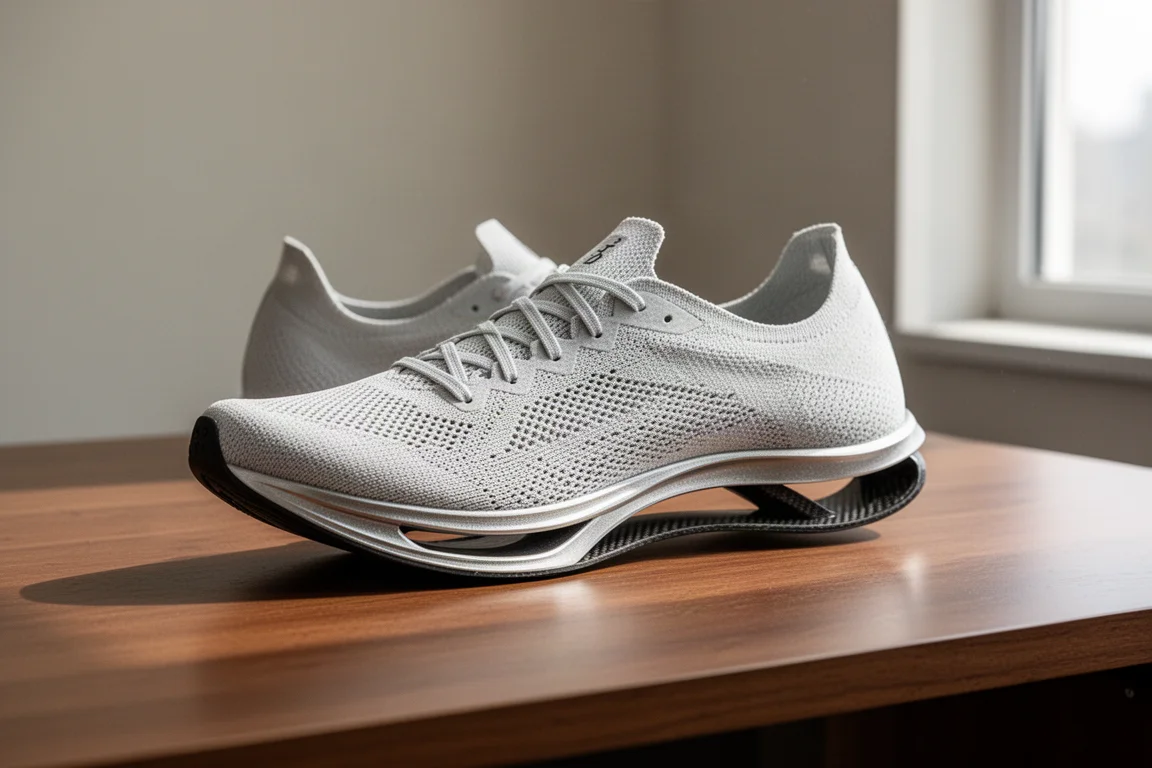
Asics Speed Sky Tokyo
The Speed Sky Tokyo was the race-day choice, and it is a favourite for good reason: the previous two marathon personal bests were set in its predecessor, the Sky Paris. The Sky Tokyo comes across as a slightly better, bouncier and lighter version of that shoe. The main consideration on this course was the long downhill first 10 miles, where a plated shoe can start to feel the plate under the forefoot on sustained descents. In practice it handled the downhills well, felt light and springy on the climbs, and still held a strong pace in the closing miles. The shoe is best suited to runners who normally race flat marathons and want that light, springy ride rather than maximum cushioning.
The Watches: A Four-Way Weekend Test
Four watches were worn across the weekend, charged together on Friday, and used through a parkrun, the marathon itself and two days of normal wear. That makes this one of the more honest battery and GPS comparisons you can run.
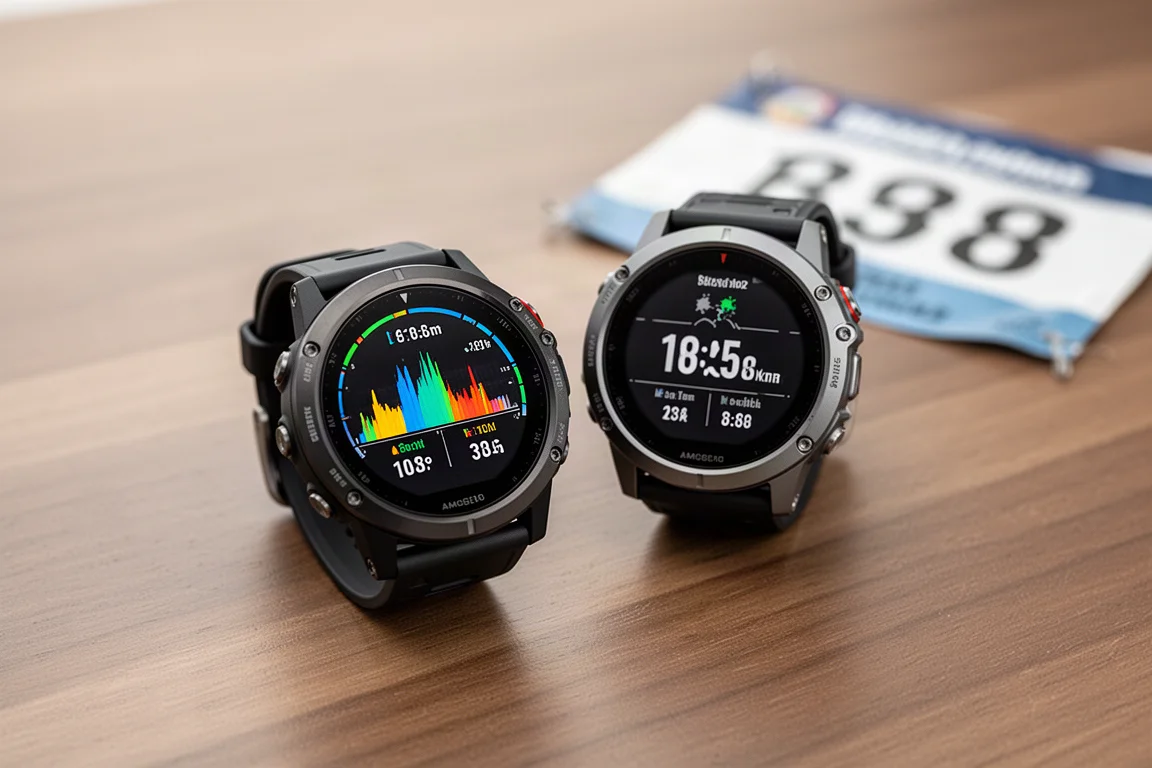
Amazfit T-Rex 3 Pro
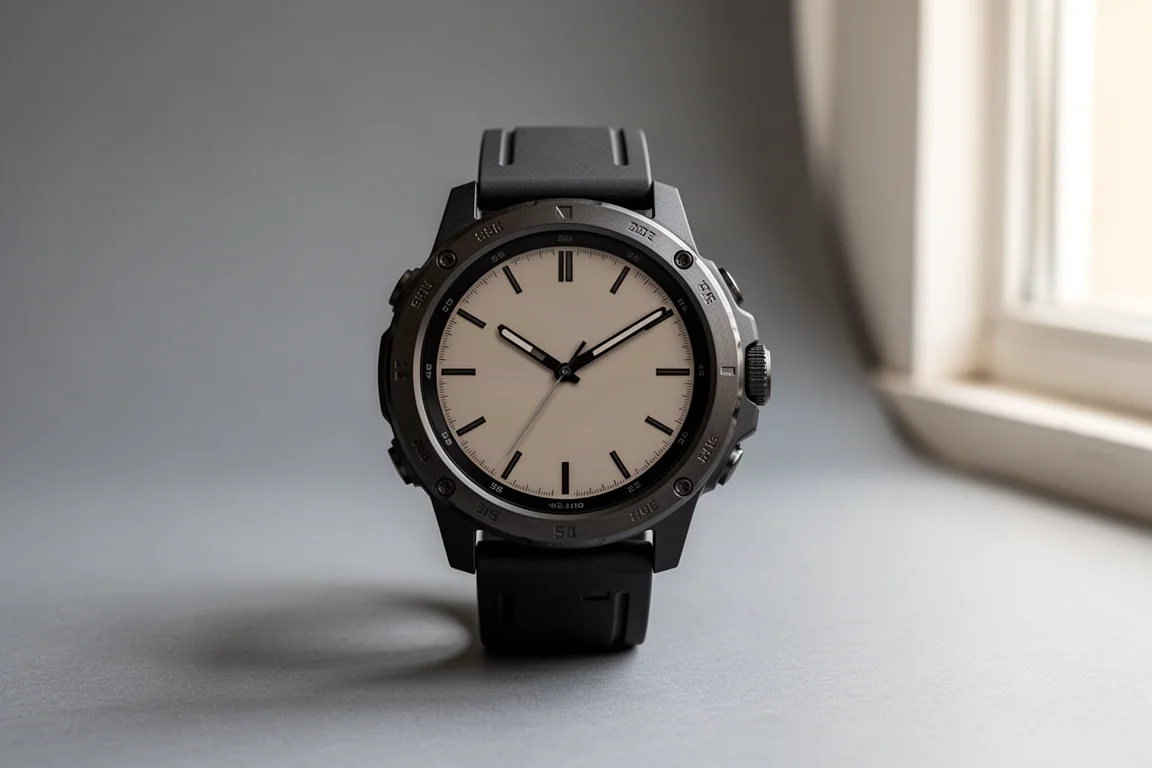
The T-Rex 3 Pro was the surprise of the weekend for a first-time Amazfit user. GPS distance came in at exactly 42.2 km, matching the course markers better than a much more expensive Garmin worn alongside it. Heart rate looked spot on too, which matters on a course with constant short climbs that force quick heart rate swings. It was worn for sleep tracking on top of everything else and still finished the weekend on 58 percent battery. For the money, it made a very strong impression.
Garmin Fenix 8 Pro
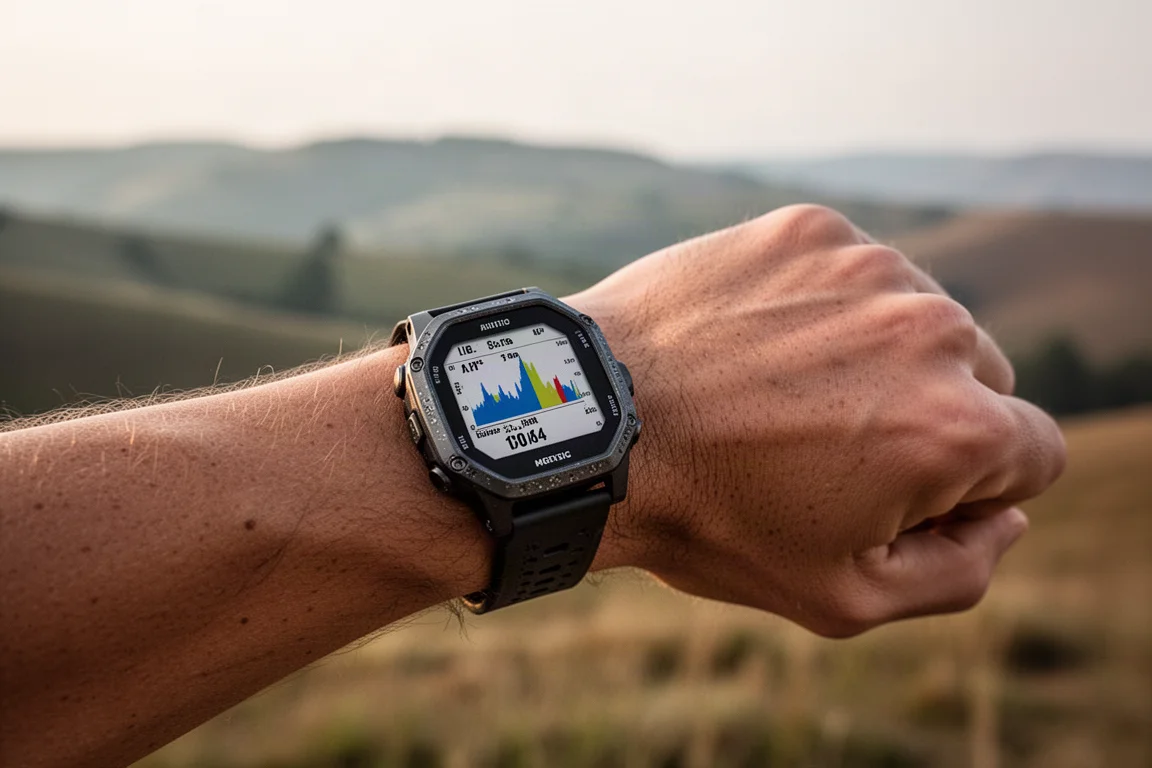
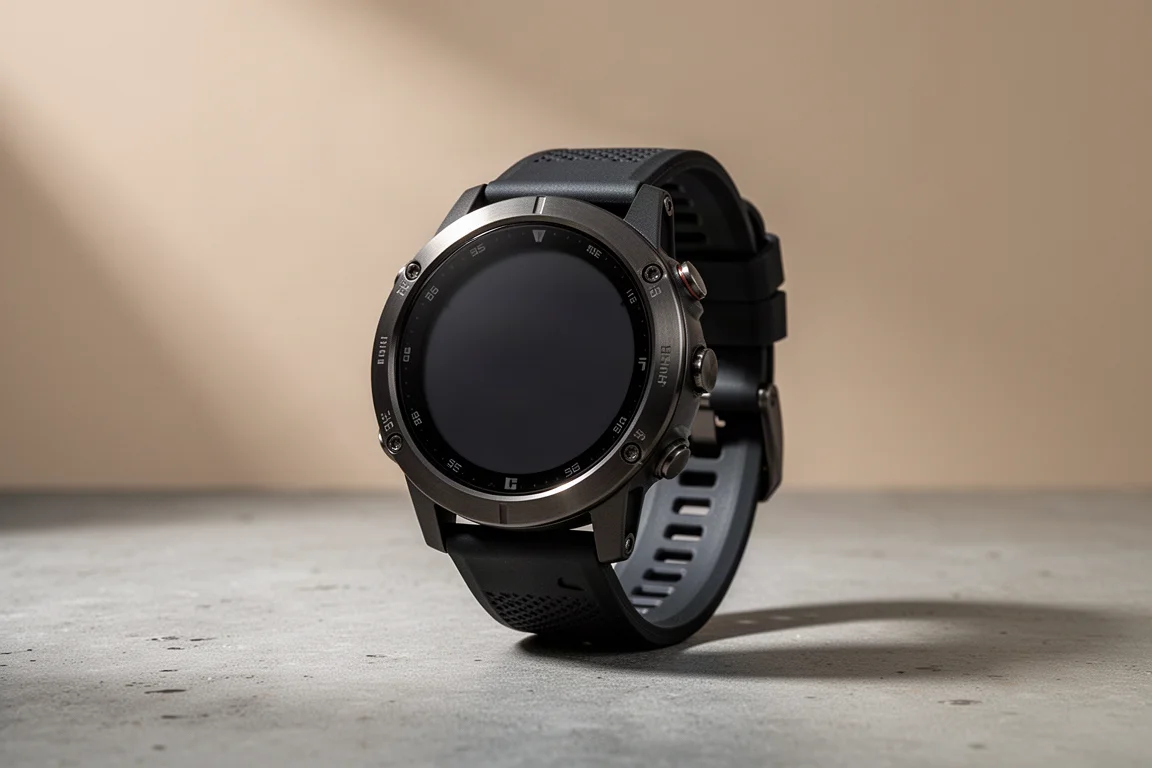
The Fenix 8 Pro AMOLED was the feature test, running LiveTrack throughout the marathon so a family member could follow along. That worked very well: the tracker showed live pace, elevation and heart rate, all generated by the watch itself with no phone on the runner. The trade-off is battery. LiveTrack plus multiband GPS drained about 9.43 percent per hour during the race, which works out to roughly 10.6 hours of tracking in the most power-intensive mode, close to Garmin’s stated 11 hours. GPS tracks were very accurate overall but came up slightly short of the official 26.2 miles, which can matter if you want the distance validated on Strava. Heart rate tracked well across the hills. After more than three days including a marathon, it was still at 33 percent.
Apple Watch Ultra 3
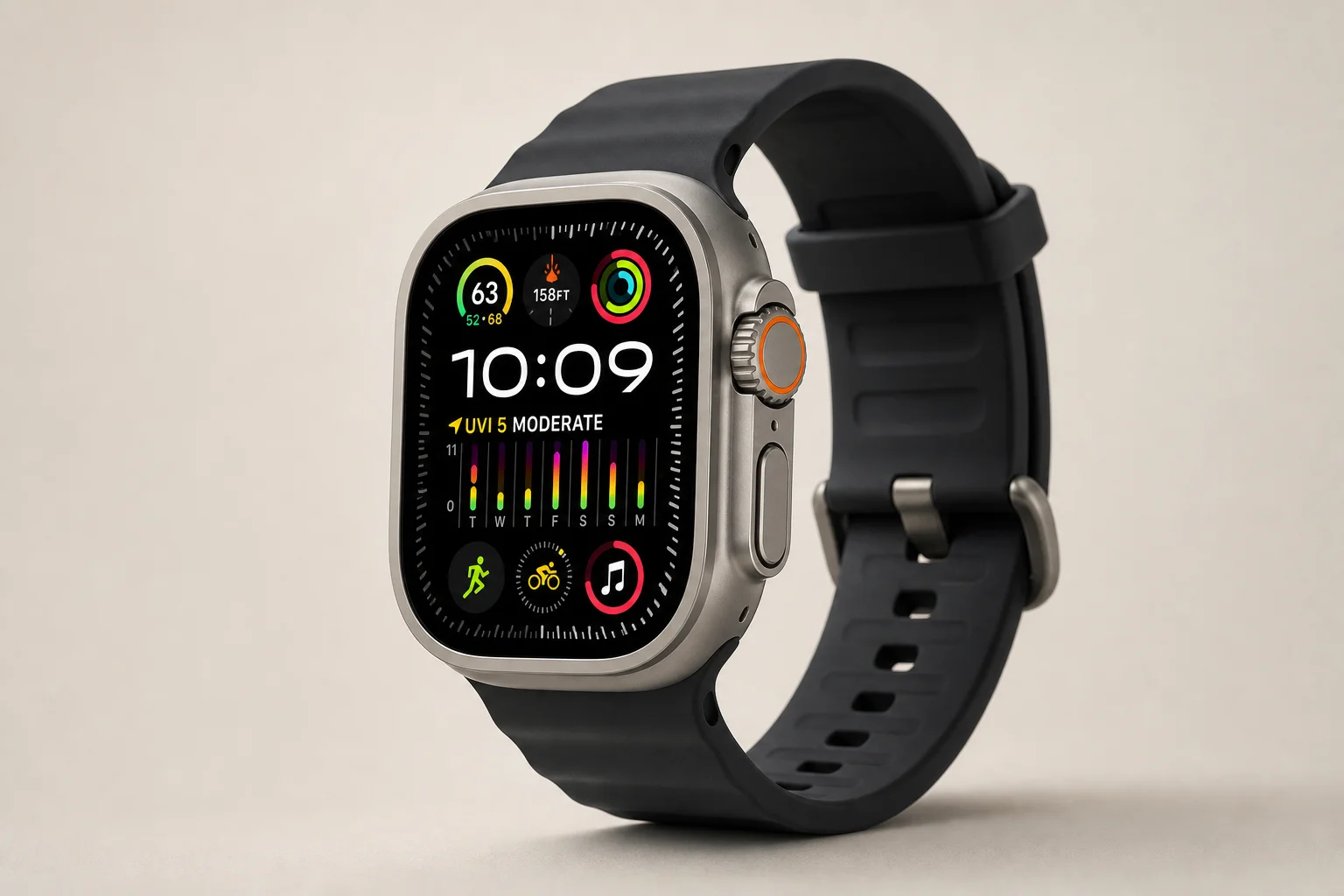
The Ultra 3 impressed on endurance for an Apple Watch. It made it through the entire marathon weekend, including the race with the always-on display in constant use, and finally died in the taxi home from the airport, more than three days after a single full charge. That is a clear battery step up from the previous Ultra generation. GPS ran slightly long compared with the official distance, with the watch tracking very close to the mile markers for most of the race. Heart rate agreed broadly with the Garmin, including the sharp climb at the end of the race. On race morning it sat at 51 percent while the Fenix was at 76 percent.
Headphones: Shokz Open Fit 2
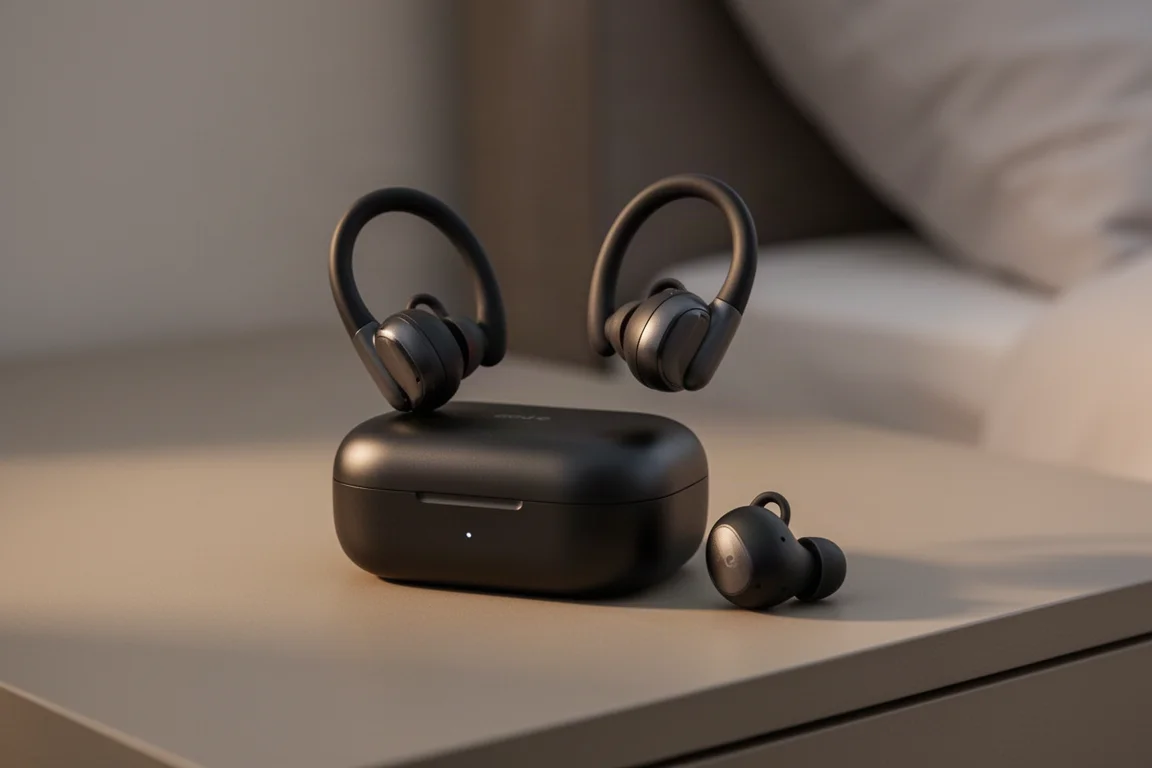
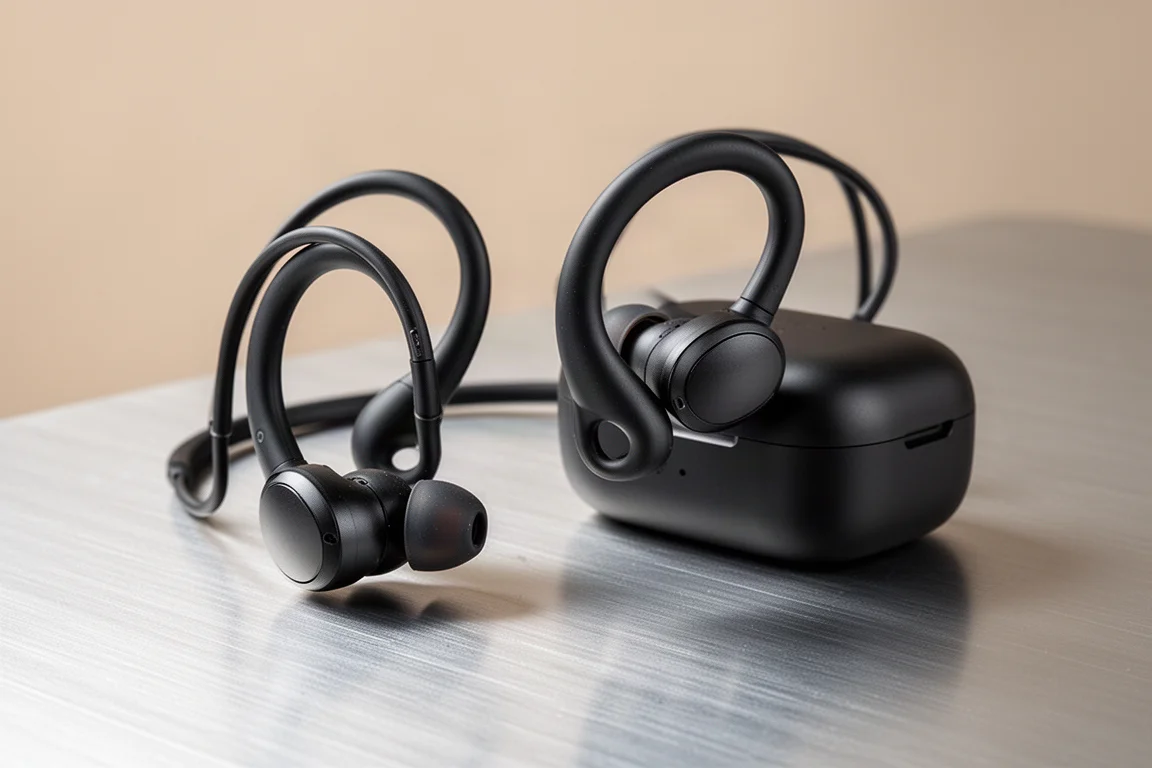
The Open Fit 2 open-ear headphones were the audio pick for the race, and on sound and comfort they performed well, lasting the full marathon on a single usable charge. The problem is charging reliability. These earbuds, and the Open Fit 2 Plus, can stop charging in their case while staying connected to the phone, which is exactly the kind of failure you only discover when you pull them out on race morning with one bud at five percent. A workaround involving cleaning the contact points got them charging again, but it is a real flaw worth knowing about before a race weekend.
Buying Advice
If you are running a marathon for the experience rather than a time, the Mega Blast is the clearer choice: comfort that lasts the full distance and no end-of-race foot problems. If you are racing hard and mostly on flatter courses, the Speed Sky Tokyo is the more focused tool. Among the watches, the T-Rex 3 Pro is the value pick with genuinely accurate GPS and heart rate, the Fenix 8 Pro is the one to buy if LiveTrack and safety tracking matter to you, and the Apple Watch Ultra 3 finally makes an untethered marathon weekend realistic for iPhone users. The Shokz Open Fit 2 remains a likeable open-ear option, but check the charging contacts carefully before every big race.
Conclusion
Six products, one marathon, and clear winners in each category. The Mega Blast owned the comfort role, the Speed Sky Tokyo held up as a proper race shoe, the T-Rex 3 Pro punched well above its price on accuracy, the Fenix 8 Pro and Ultra 3 split the feature-versus-battery contest, and the Open Fit 2 showed that even well-liked gear can carry one frustrating flaw. Match the product to the job and all of them make sense.
Further reading
Related Reviews
Running Gear
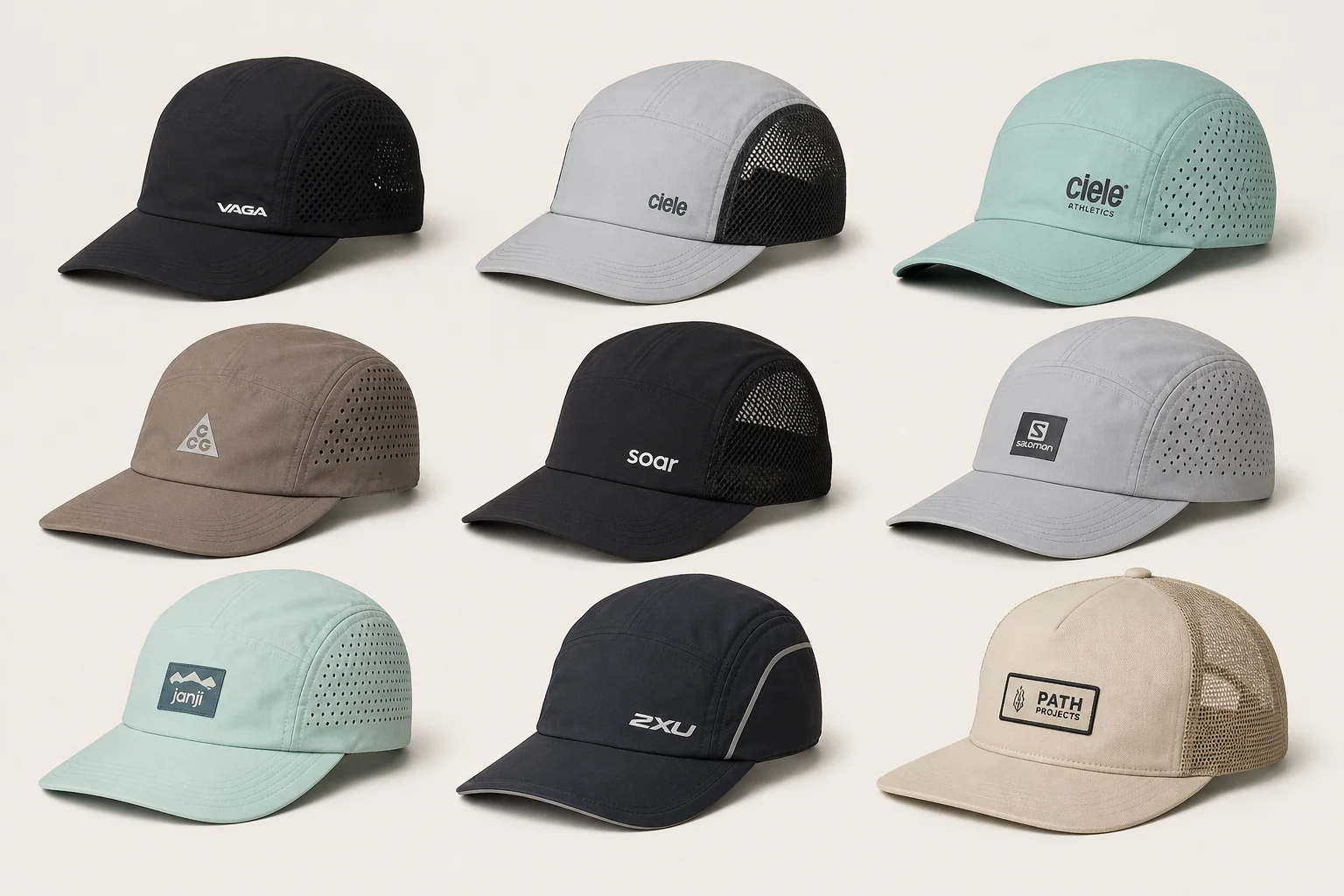
Best Running Caps 2026: Nine Tested Options for Summer and Winter
A comprehensive guide to nine running caps tested across different conditions, from lightweight summer options to waterproof winter choices.
Running Gear
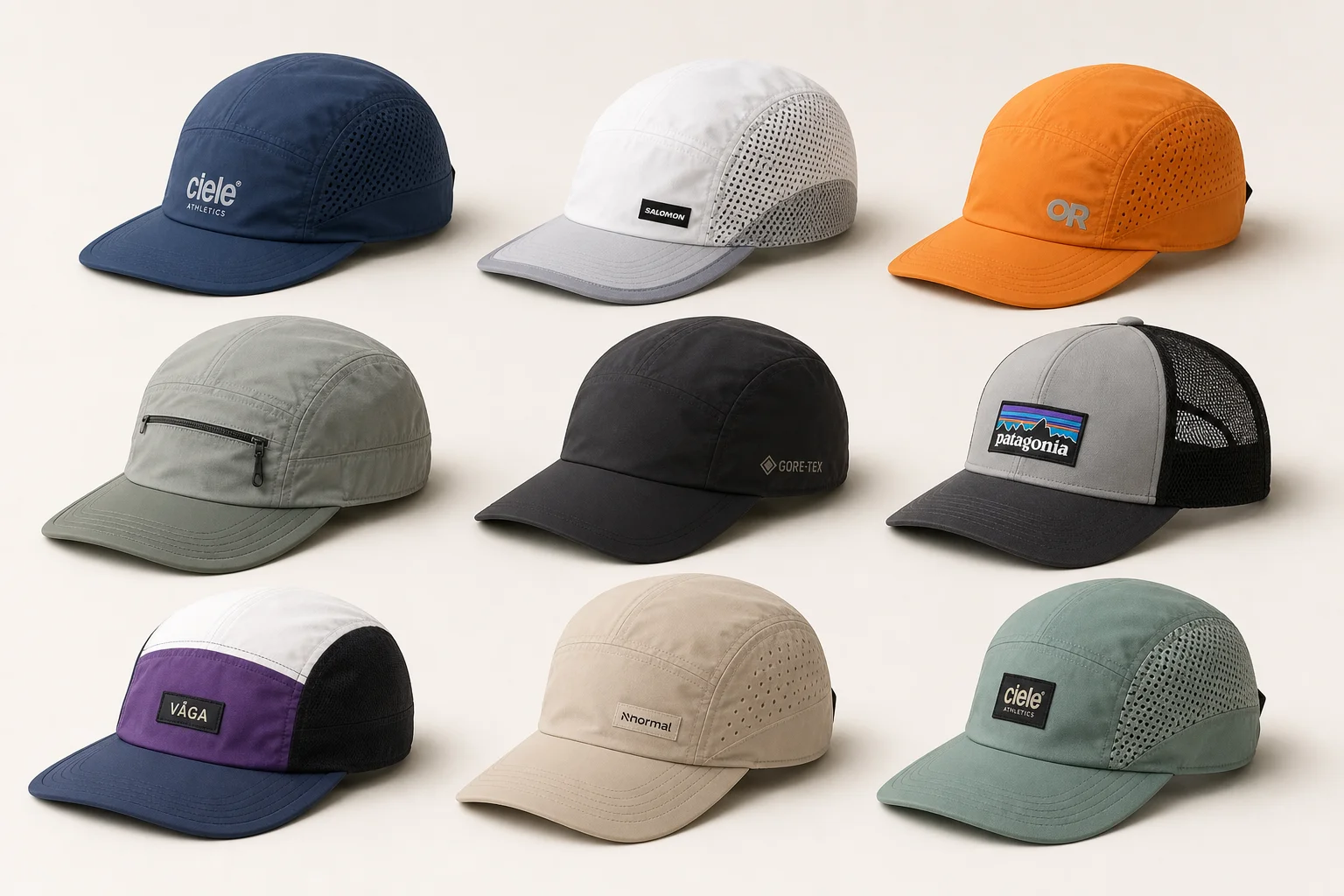
Best Running Caps: A Guide to Summer and Winter Options
A comprehensive review of nine running caps for different conditions, styles, and preferences, from lightweight summer options to waterproof winter choices.
Running Gear
Best Running Gear 2026: Five Picks That Earn Their Place
Five running upgrades covering heart rate, audio, fuelling, carrying and weather protection, with the trade-offs worth knowing before you buy.