Running Gear
Manchester Half Race Test: The Shoes, Watches and Audio We Ran With
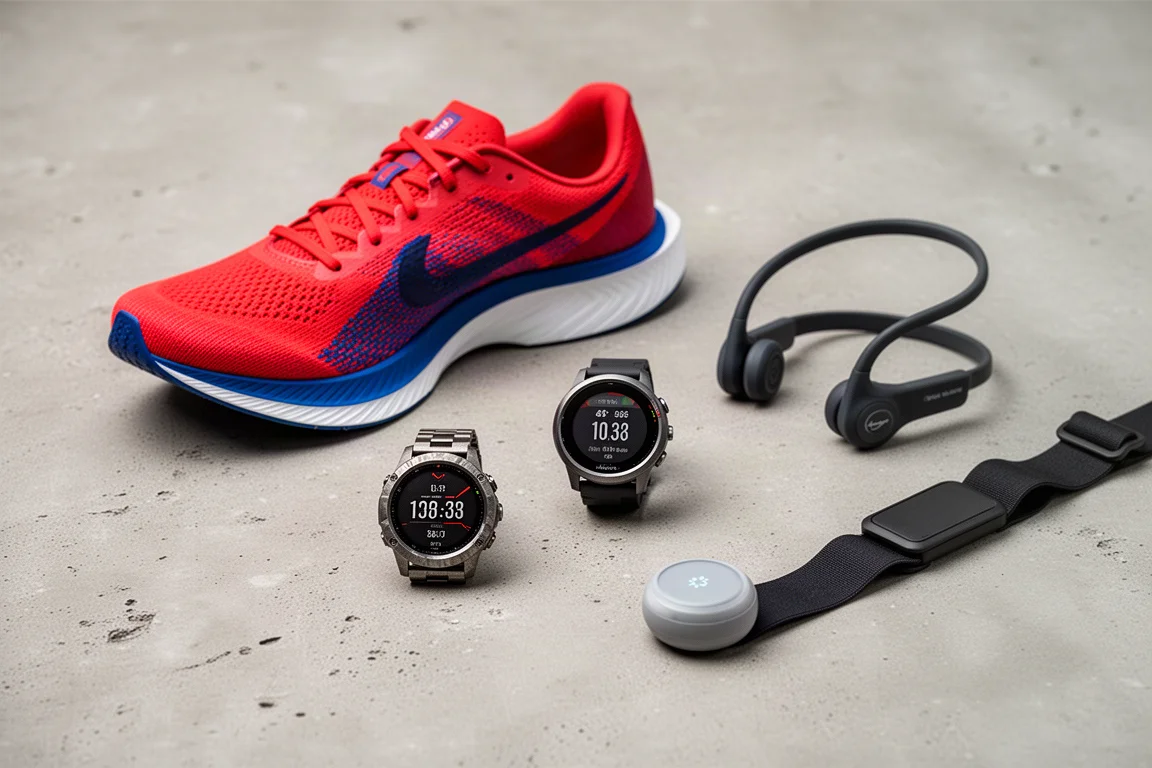
A race-day verdict on the Puma Deviate Nitro Elite 2, Apple Watch Ultra 2, Garmin Forerunner 965, Suunto Wing and a Core body temperature monitor, straight from a fast and flat half marathon.
Introduction
A half marathon is one of the best stress tests for race gear. It is long enough to expose comfort issues and battery quirks, but short enough that a bad shoe or a patchy watch cannot hide. At the Manchester Half, we put five products through exactly that test: a Puma racing shoe, two flagship running watches, a pair of bone conduction headphones, and a body temperature monitor.
The goal was simple. Run the race, keep an eye on how each item behaved under real conditions, and give an honest verdict on which ones deserve a place in your kit bag.
The Manchester Half: A Fast, Flat Course
The Manchester Half is a quick course. The climbs that count as hills here are barely noticeable inclines, so if you are chasing a personal best at the half marathon distance, this is a course worth looking at. The race itself was well organized overall, with a smooth race village, straightforward bag drop and minimal of the usual pre-start chaos.
One practical tip: it gets cold before the start, so bring old layers you are happy to throw away. Trams are the most reliable way to reach the start area, though there were some reported transport issues on race morning, so build in extra time.
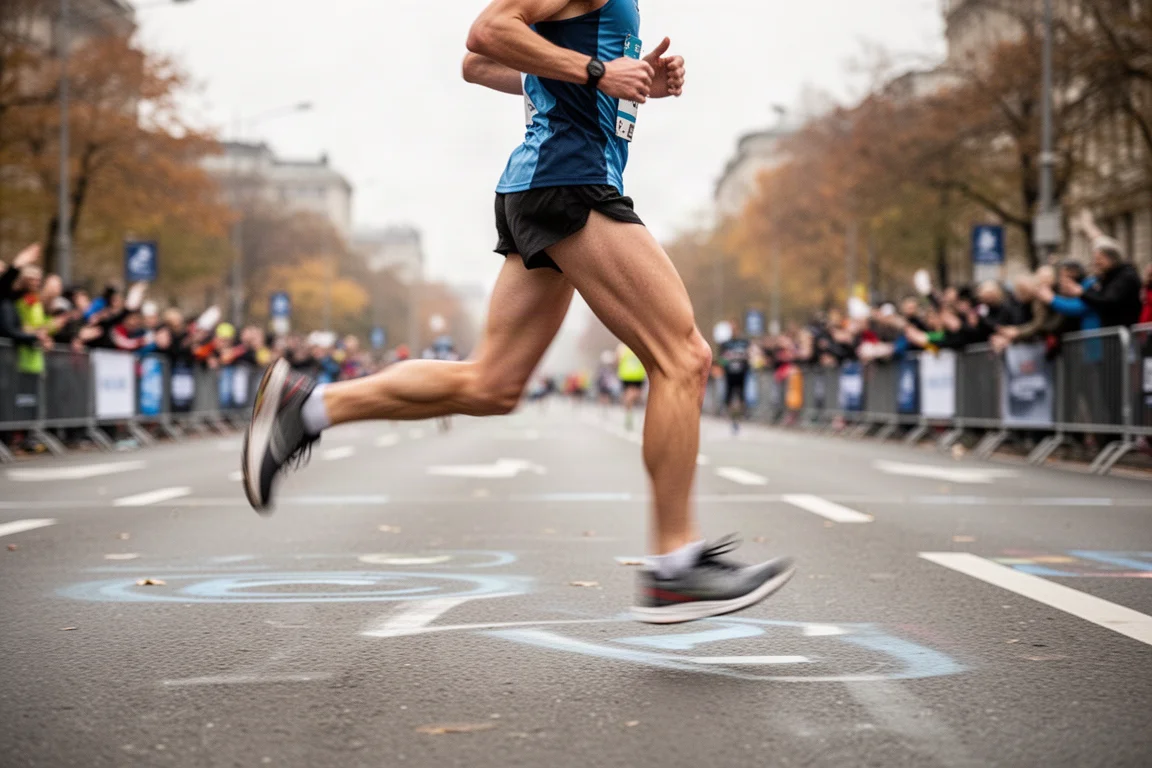
The finisher medal deserves a mention too, with different combinations of ribbon and medal carrying quotes from famous Mancunians. It is a thoughtful touch that adds character to a course that is already well suited to fast times.
Puma Deviate Nitro Elite 2
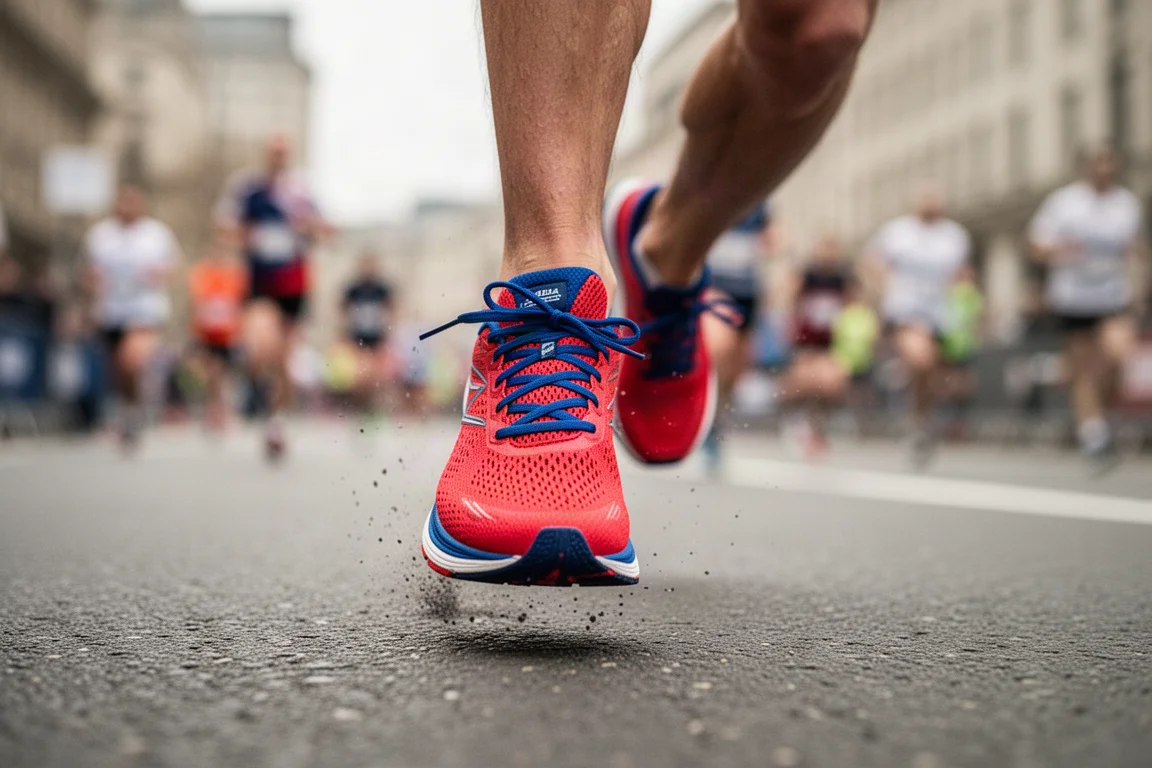
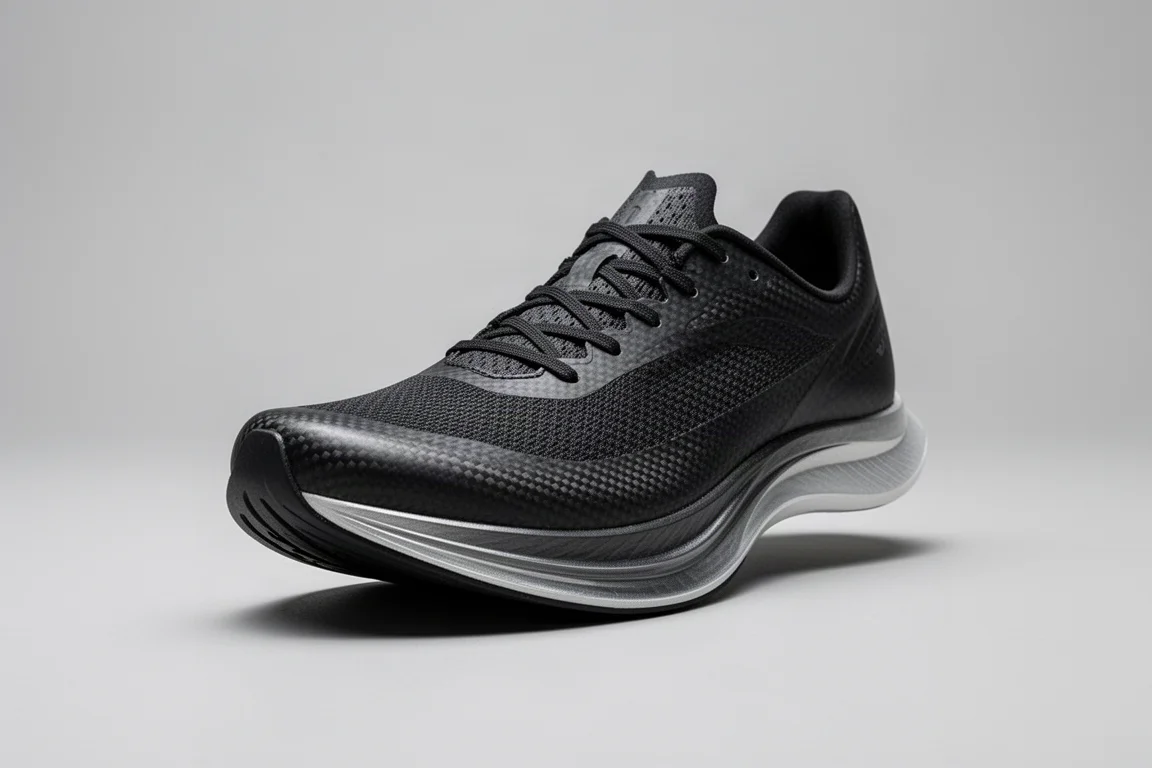
The Deviate Nitro Elite 2 stood out before the race even started because of its price. It retails around £175 and can often be found for considerably less, which makes it one of the more accessible carbon race shoes at a time when its rivals keep climbing in cost. Both shoes in the test pair weighed exactly 211g in a UK size 8, and the thin, airy upper keeps the weight down without losing structure.
On the run, the Nitro foam delivered the kind of consistent, responsive ride expected from Puma’s midsole technology, and the Puma grip outsole handled tight turns on the course with complete confidence. Hold and lockdown were secure despite a minimal heel design. The one hesitation came in the late stages of the race: the shoe felt reliable and stable, but it was waiting for a final pop of energy that never quite arrived, and the cushioning feels a touch conservative for distances beyond the half. It reads more like a fast training and speed work shoe that you can also race in, rather than the other way around.
Apple Watch Ultra 2
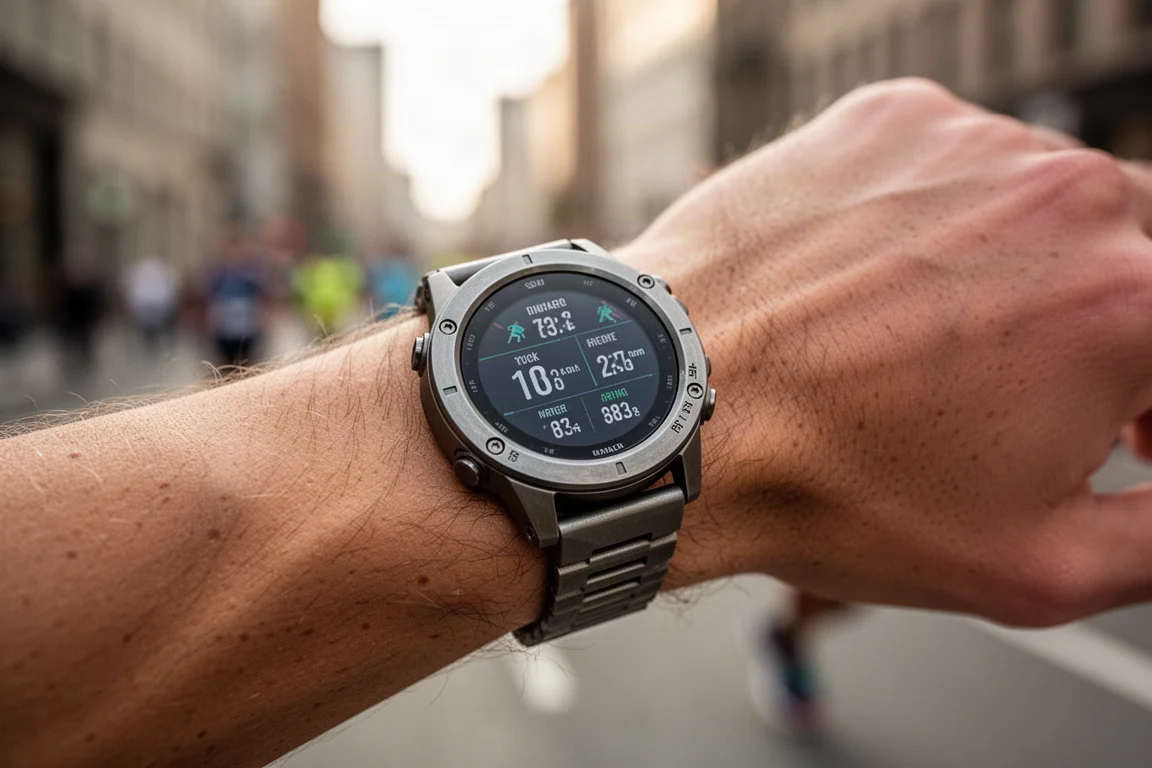
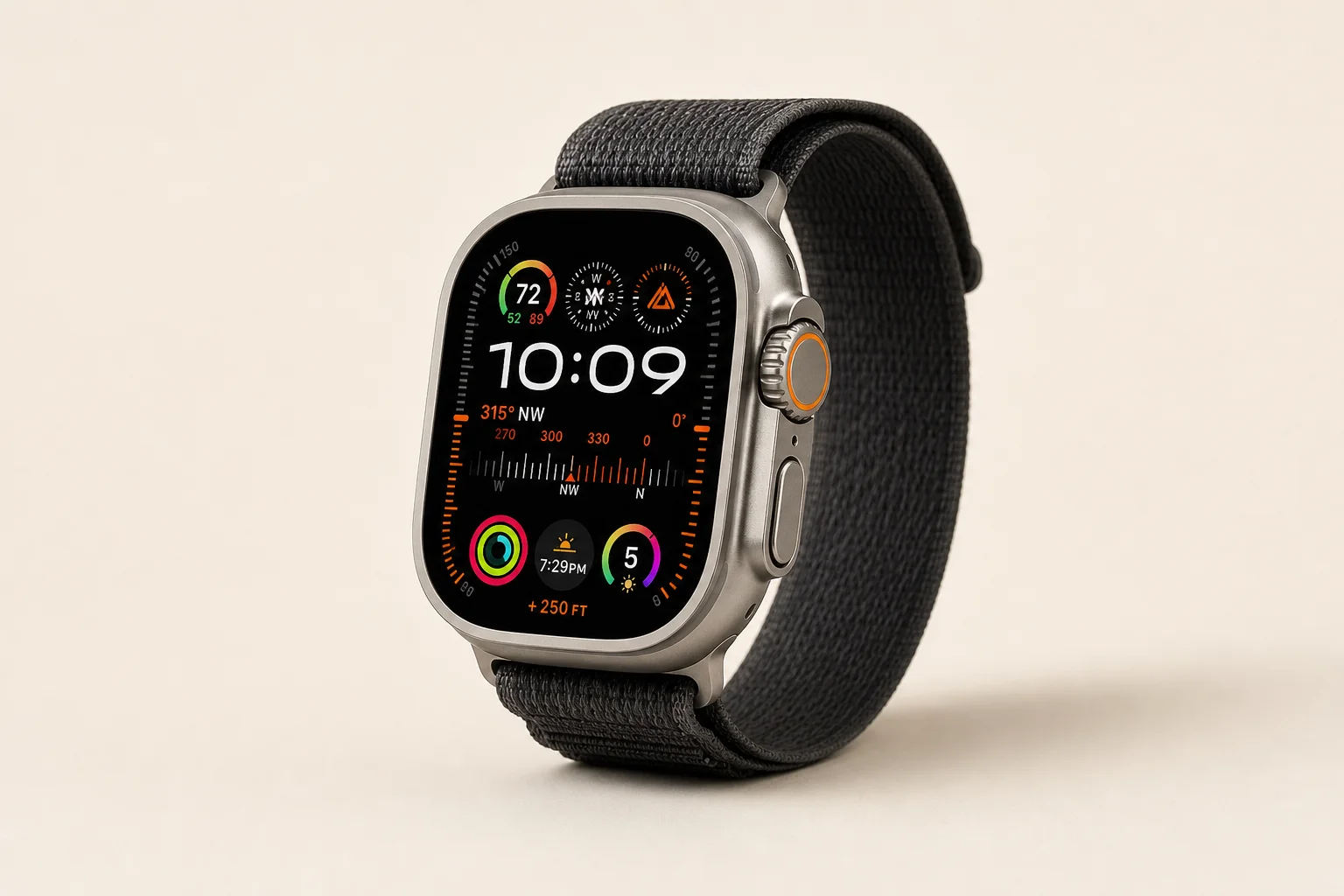
The Ultra 2 was tested with two main questions: how would its dual-band GPS hold up, and would heart rate tracking improve on the original Ultra’s mixed record? Both performed well. The measured distance landed slightly closer to the exact half marathon distance than the Garmin, the mapped route showed no major issues, and heart rate tracking was spot on when compared against a chest strap, even at higher intensities where the original Ultra sometimes struggled.
Battery life was equally reassuring. Starting the day at 100%, the watch still had 3% remaining the following day, having comfortably covered the race, a full day of smartwatch duties and overnight standby.
Garmin Forerunner 965
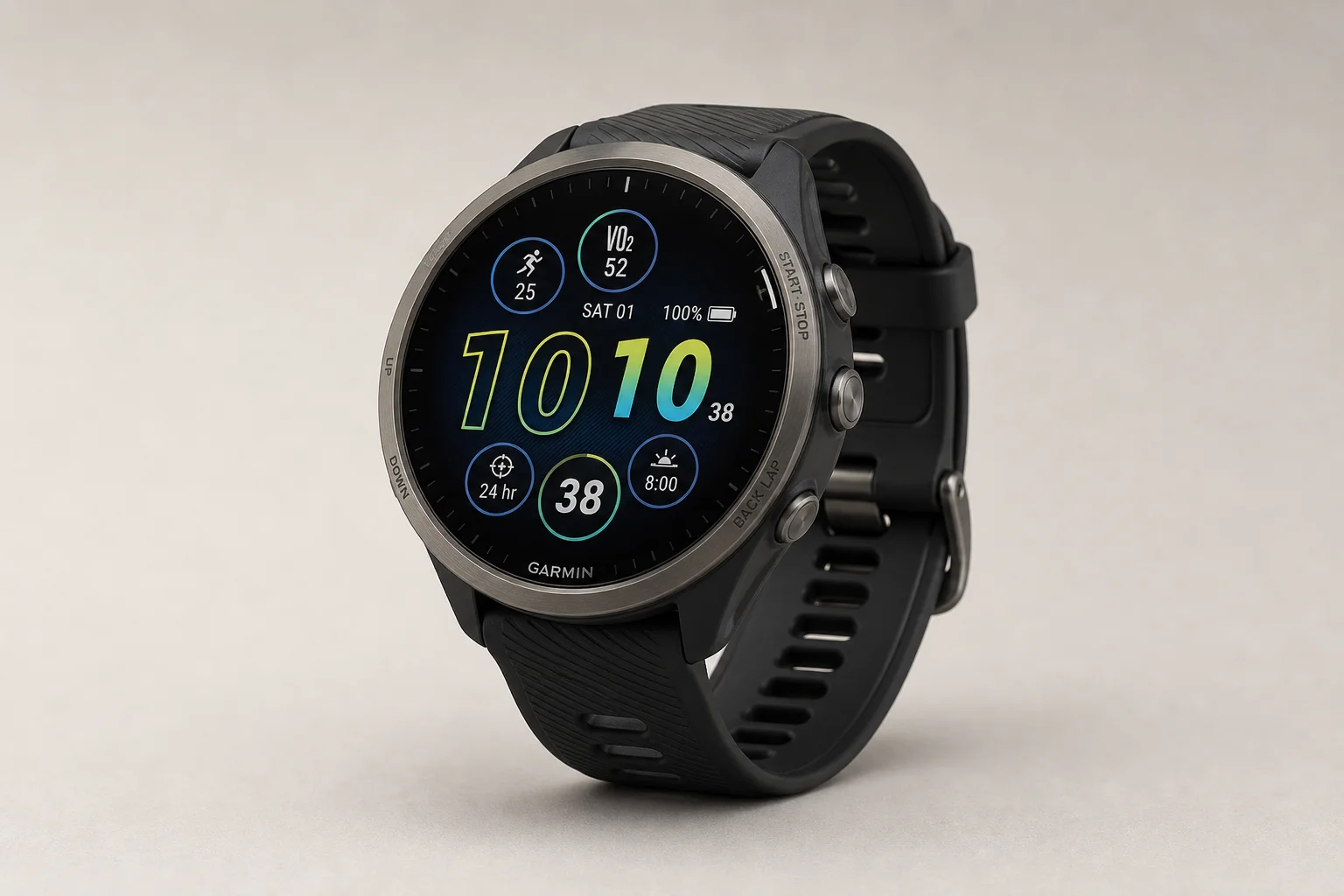
The Forerunner 965, a previous running watch of the year pick, behaved exactly as expected. Its GPS distance came in slightly over the official half marathon figure, and its splits were a little quicker than the Apple Watch in places near the start, but the overall story told by both watches was essentially the same. The mapped route in the companion app looked clean, with only minor drift behind course markers.
Paired with a Garmin HRM Pro Plus chest strap, the 965 delivered reliable heart rate data throughout, and its battery drop over the race weekend was in line with expectations. For runners who want a dedicated training watch with strong data depth, it remains an easy recommendation.
Suunto Wing
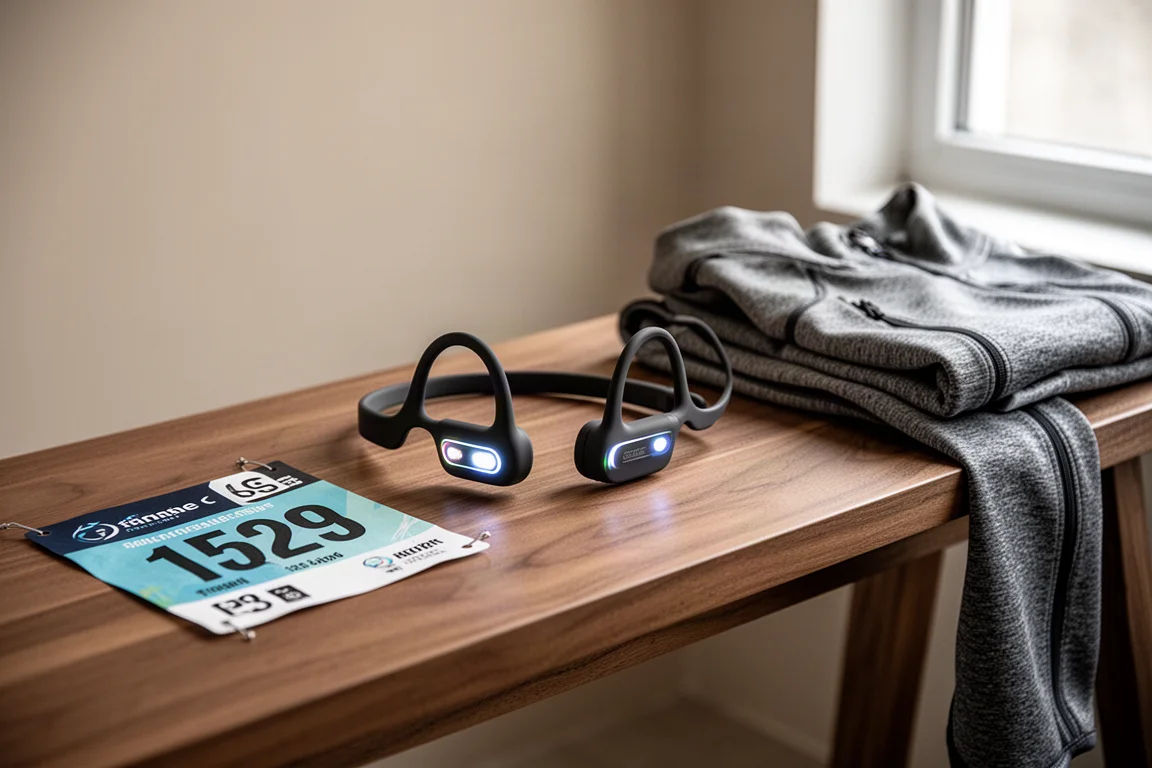
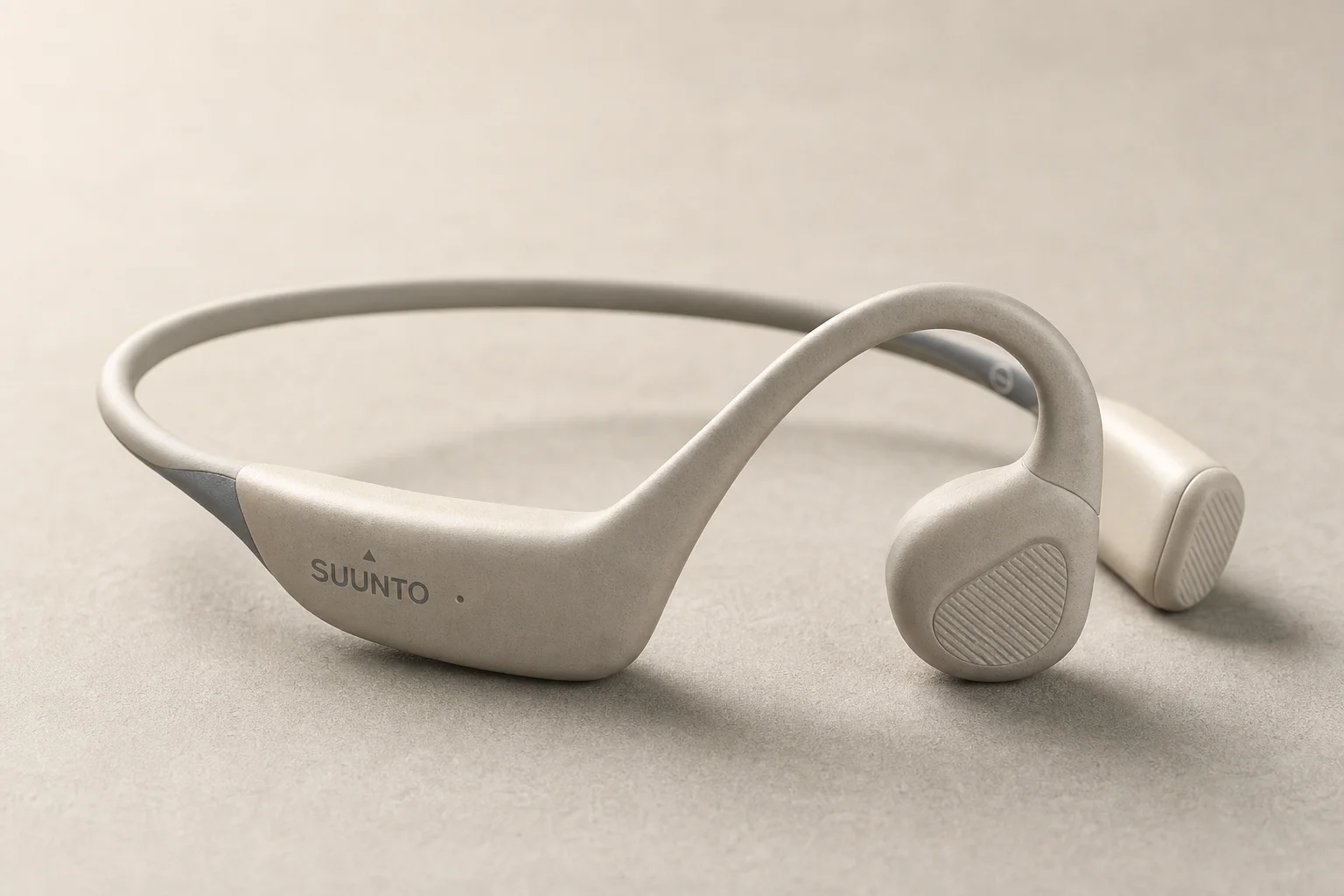
The Suunto Wing is Suunto’s first pair of headphones, an open-ear bone conduction design aimed at runners who want to stay aware of their surroundings while still soaking up race atmosphere. They stayed put for the entire race, felt comfortable and secure, and the balance between awareness and music volume was genuinely good.
Sound quality was solid but not exceptional. It did not outperform the Shokz OpenRun Pro or several cheaper bone conduction options tested recently. In the outdoor sound mode, which boosts loudness at the cost of battery, the charge dropped from 100% to around 46% over a single race, so longer runs would need the standard mode and lower volume. Extra features like built-in lighting for visibility and head gesture controls are nice touches, but at a price close to the OpenRun Pro, the value case is harder to make.
Core Body Temperature Monitor
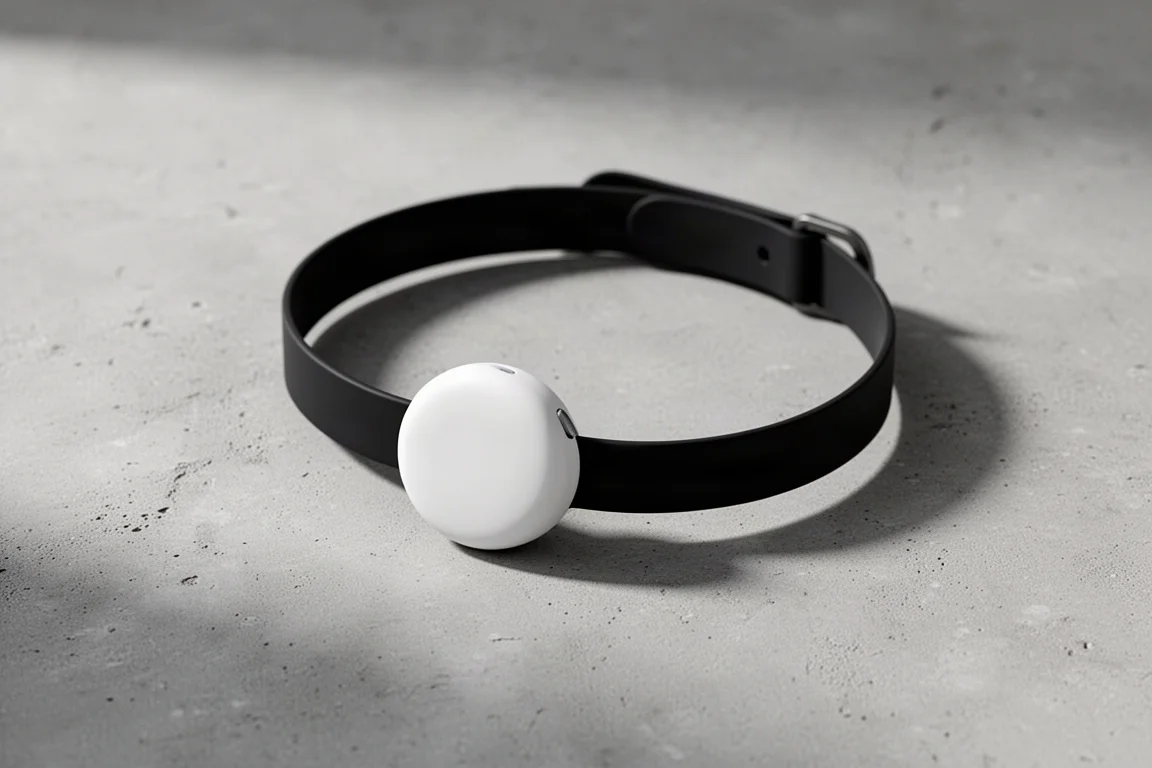
The Core is a wearable body temperature monitor, popular in cycling and increasingly pitched at runners. It pairs with a chest strap such as the HRM Pro Plus, allowing body temperature data to be correlated with heart rate information. It was worn throughout the race as part of a wider data collection effort.
The verdict here is deliberately reserved. Temperature data only becomes useful once clear trends emerge across multiple sessions, so this is a device that needs deeper analysis before a recommendation. Runners interested in heat adaptation and physiological data should watch this space rather than buying on impulse.
Buying Advice
If you want one race shoe that is easier on the wallet than most carbon-plated rivals, the Deviate Nitro Elite 2 is a dependable choice, especially at the half marathon distance. For watches, both the Ultra 2 and the Forerunner 965 delivered accurate distances, clean routes and trustworthy heart rate data, so the choice comes down to whether you want a full smartwatch or a dedicated trainer. The Suunto Wing suits runners who value awareness and comfort, but shoppers on a budget should also look at cheaper bone conduction options. The Core monitor is best left for now unless you are committed to analyzing long-term physiological data.
Conclusion
The Manchester Half proved a strong proving ground. The Puma racing shoe delivered a reliable, comfortable ride at a friendlier price than most competitors, both flagship watches measured the race accurately, and the Suunto Wing stayed comfortable and secure while keeping the course atmosphere audible. None of these products is perfect, but each earned its place on the start line.
Further reading
Related Reviews
Running Gear
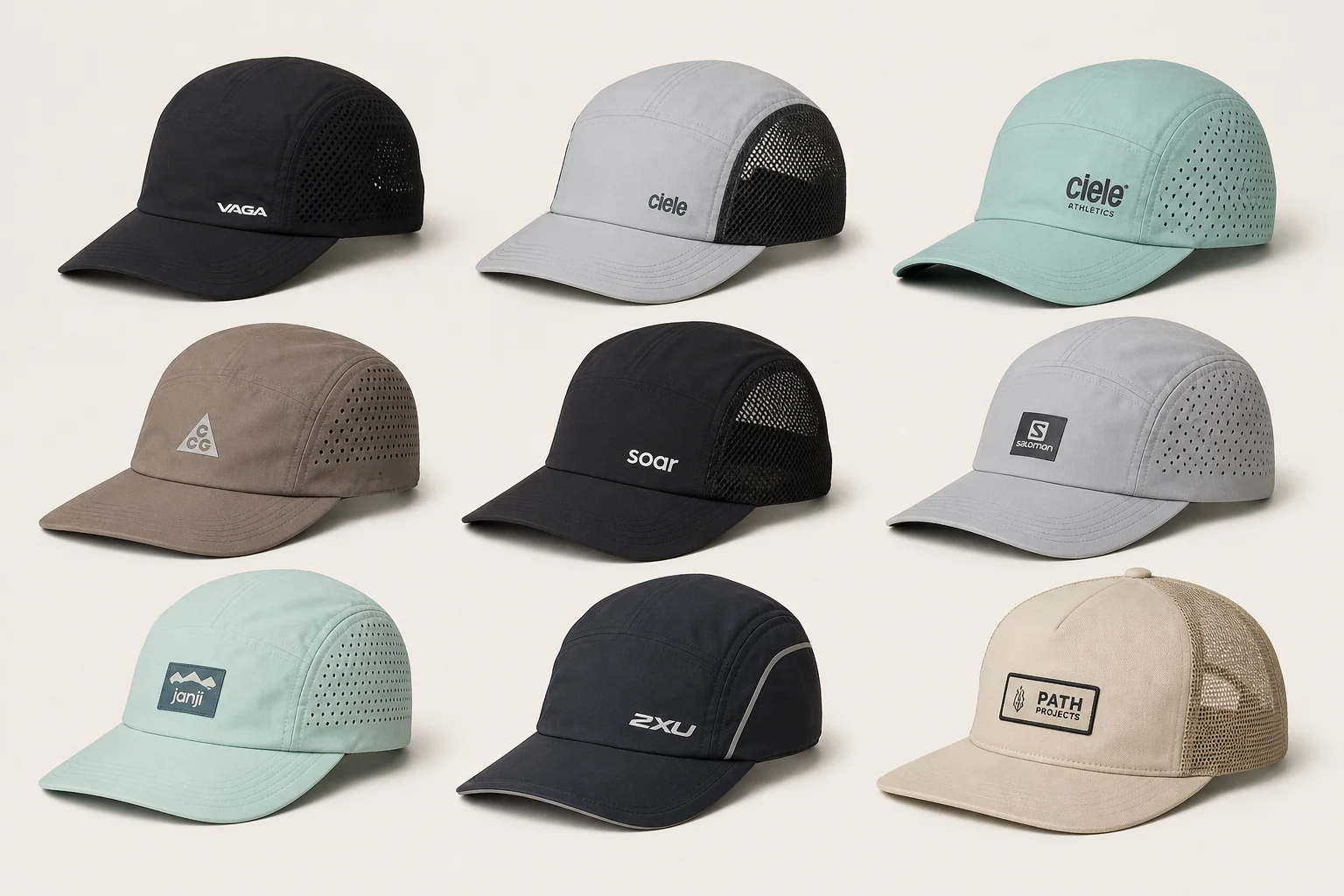
Best Running Caps 2026: Nine Tested Options for Summer and Winter
A comprehensive guide to nine running caps tested across different conditions, from lightweight summer options to waterproof winter choices.
Running Gear
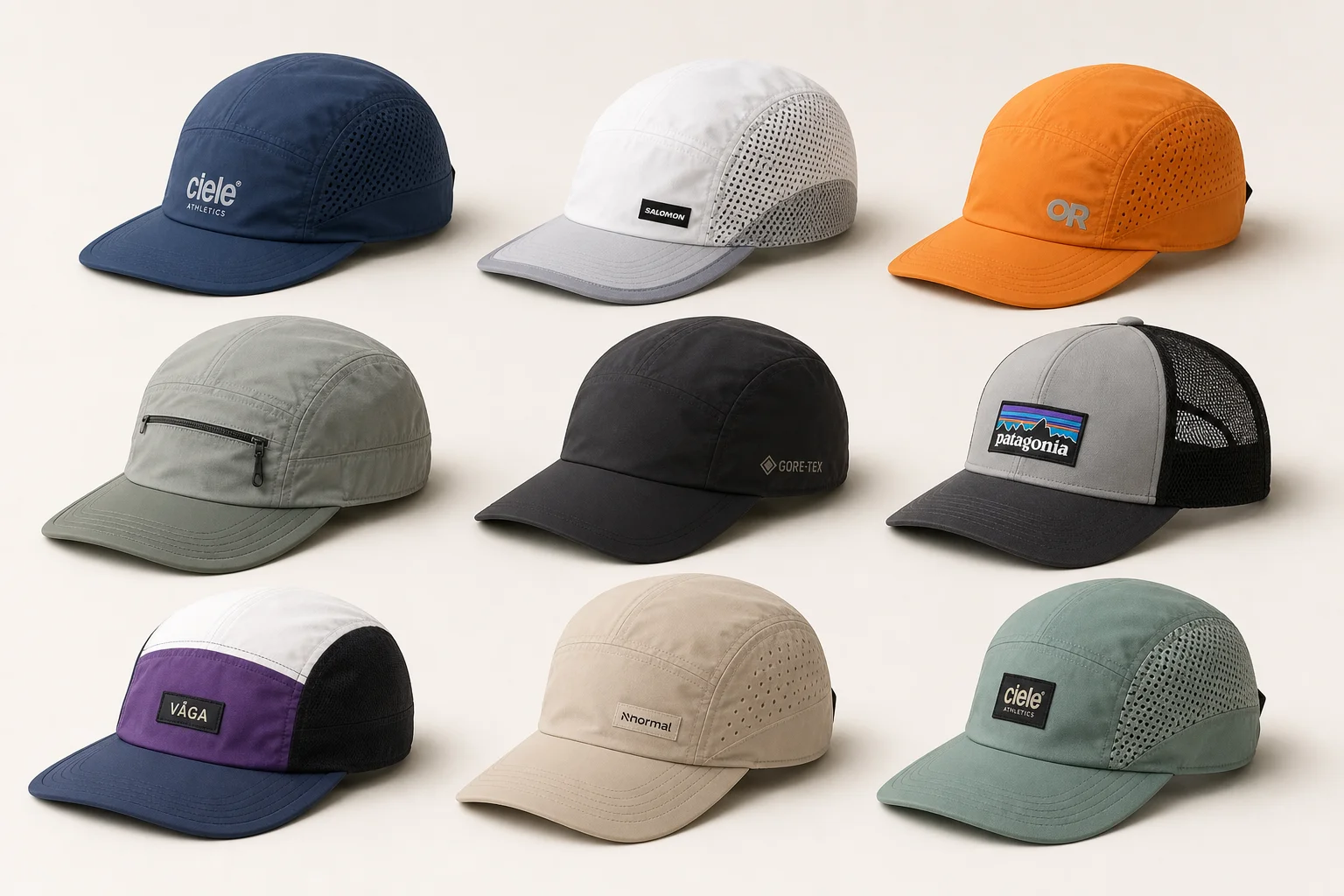
Best Running Caps: A Guide to Summer and Winter Options
A comprehensive review of nine running caps for different conditions, styles, and preferences, from lightweight summer options to waterproof winter choices.
Running Gear
Best Running Gear 2026: Five Picks That Earn Their Place
Five running upgrades covering heart rate, audio, fuelling, carrying and weather protection, with the trade-offs worth knowing before you buy.