Power Tools
Makita XWT13 Review: A Compact Half-Inch Impact Wrench Built for Access, Not Raw Power
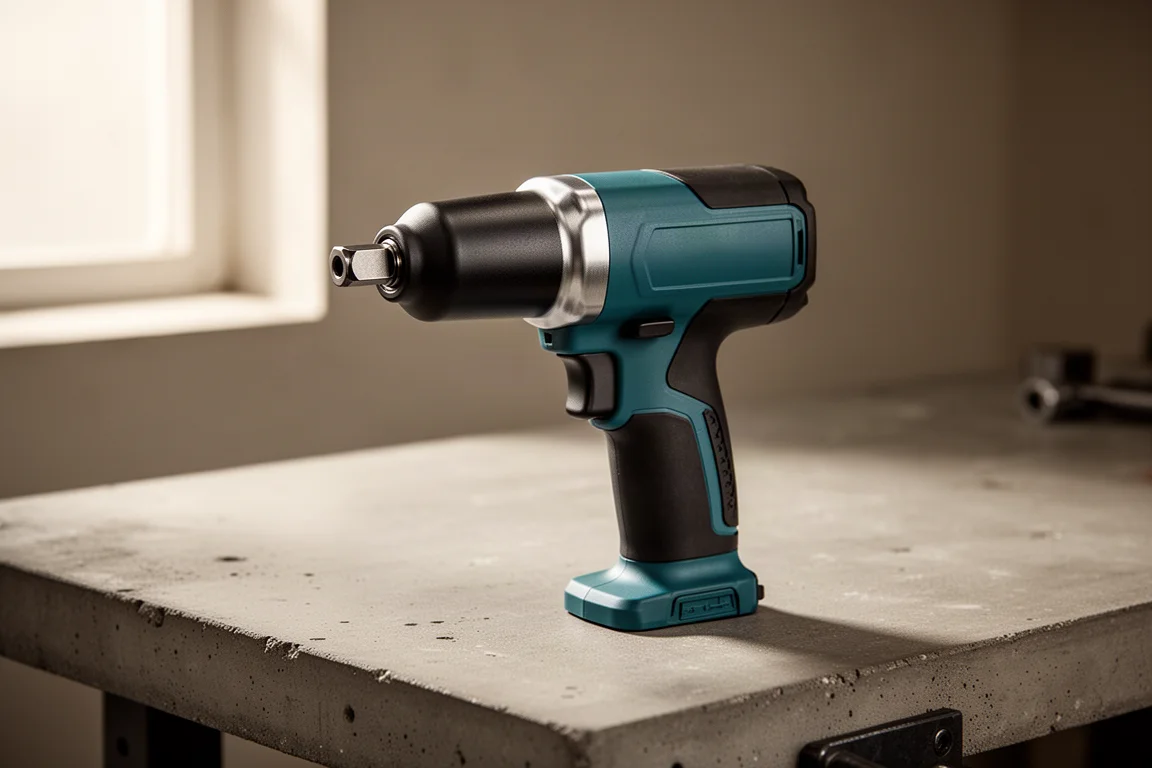
The Makita XWT13 pairs a half-inch pin detent anvil with one of the thinnest heads in the compact impact wrench class, making it a handy general-purpose tool for automotive work.
Introduction
Some tools earn their place in a kit not by raw power, but by fitting where nothing else can. The Makita XWT13 is one of those. It is the half-inch anvil version of a compact impact wrench family that many enthusiasts already know well, and it has a reputation for being genuinely hard to find at a discount. It is sold through mainstream retailers, but it almost never goes on sale or clearance, which is why a good deal on one tends to be worth grabbing immediately.
This is not a powerhouse. In fact, it is one of the least powerful compact impact wrenches you can buy from just about any brand. But it offers something more valuable in certain situations: an unusually thin head that reaches into tight spaces where mid-torque and high-torque tools simply will not fit. If you have ever wondered whether a half-inch version of this compact design is worth hunting down, here is what you need to know.
Who This Product Is For
The XWT13 is aimed at people doing general-purpose automotive and mechanical work rather than heavy fastening. Think removing regular nuts and bolts, working on body panels and hoods, light exhaust work, swapping an alternator, or handling brake jobs on a pickup. These are tasks where power is not the bottleneck, but access is.
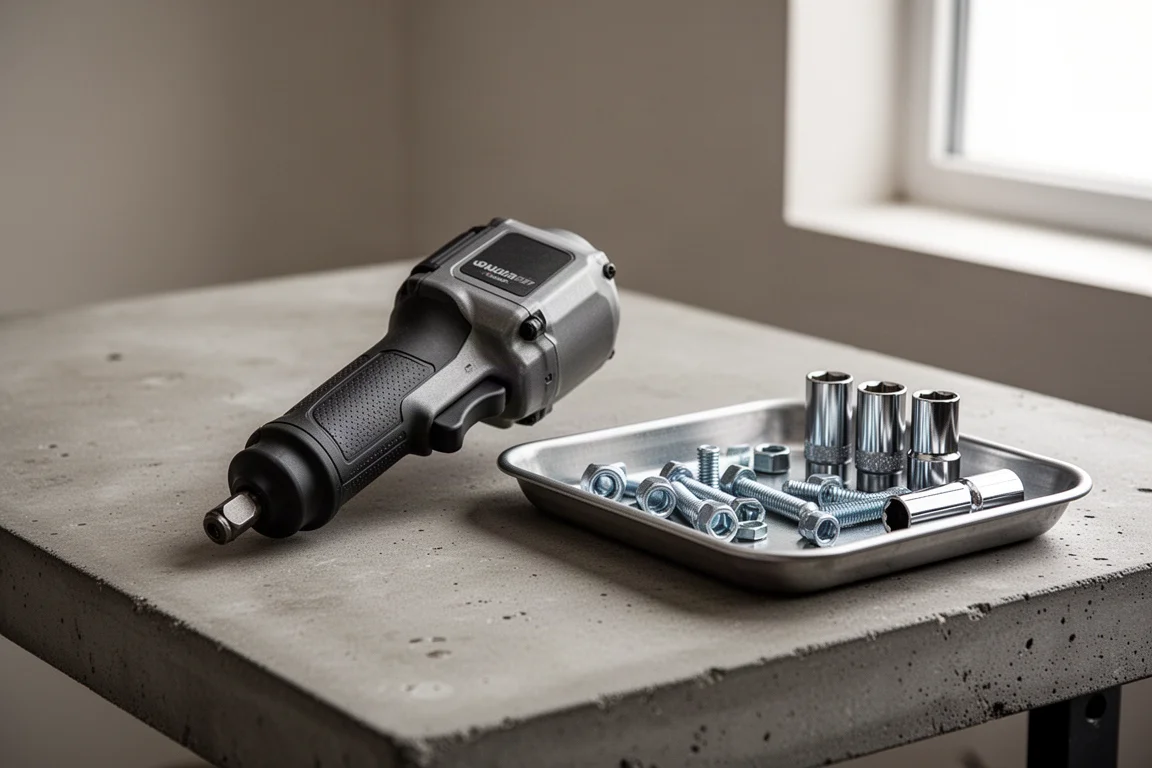
It also suits buyers who already like the Makita platform. Makita cordless tools have a strong reputation for long-term reliability, and this tool is the kind of thing you can buy even used, knowing the platform will keep working for years. A well-used example from a few years back is still essentially just getting broken in by Makita standards.
Main Strengths
The headline feature is the head design. The body is long, but the head itself is very thin, which makes the tool far more maneuverable in confined engine bays and chassis areas than bulkier impact wrenches. The half-inch anvil also means you can run larger half-inch-drive sockets directly, without stacking a three-eighths-to-half-inch adapter that would make the tool significantly longer.
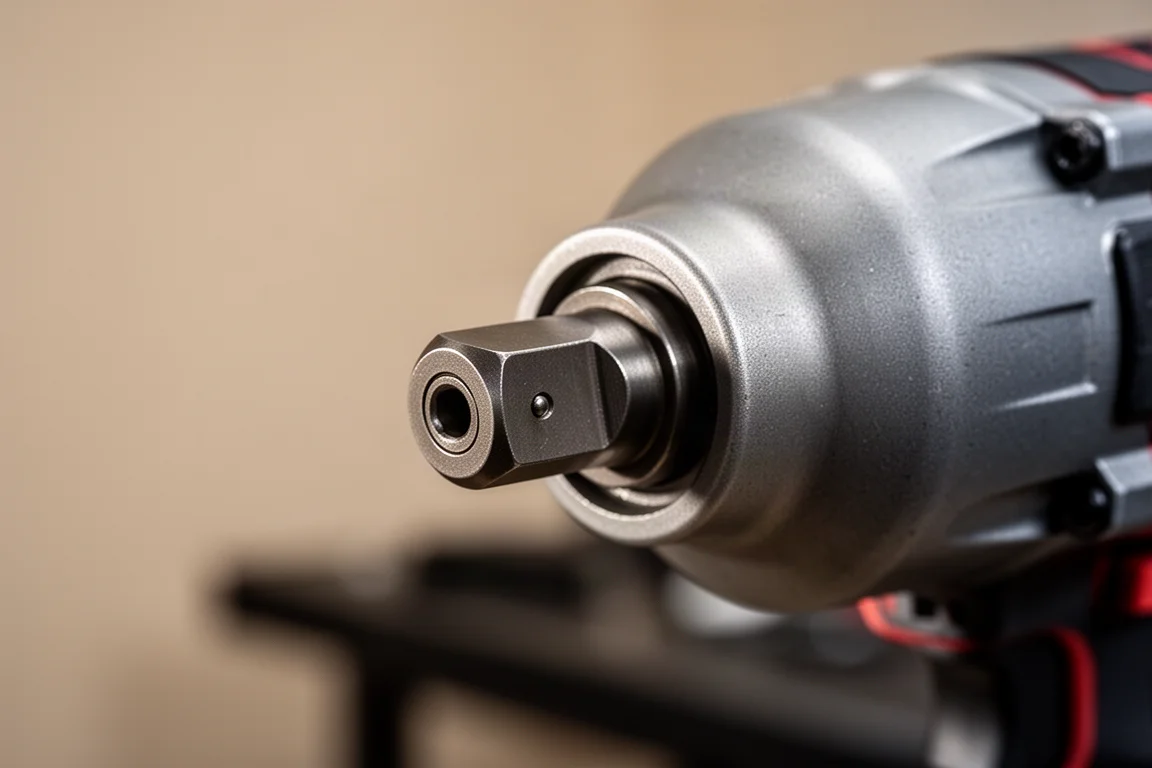
Speaking of the anvil, this version uses a pin detent style retention. Makita also makes this compact design with a three-eighths-inch anvil, which is far more common and typically cheaper, plus a quarter-inch version that, as far as available, only exists in the 12-volt CXT lineup. The power ratings across the half-inch and three-eighths-inch versions are identical; only the anvil changes.
One caveat on the internals: this tool uses a brushed motor. If you want maximum efficiency and runtime, that is a limitation to keep in mind, though for light-duty fastening work it is not a dealbreaker.
Things to Consider Before Buying
The biggest thing to understand is what this tool is not. It will not remove a lug nut torqued down by a mid-torque wrench. It is simply not designed for that. If you need serious breakaway power, a mid-torque or high-torque impact wrench is the right tool for the job.
Price is the second consideration. The three-eighths-inch version can often be found on the used market for around 60 dollars or less with patience, but the half-inch versions rarely sell for under 100, and new retail pricing generally sits in the 150 to 160 dollar range. It essentially never goes on sale or clearance, so a genuinely good deal is uncommon and tends to disappear quickly.
Real-World Use Cases
In practice, this is the tool that comes out when the job is more about access than torque. Brake work is a great example: it fit into spots where larger impacts simply could not reach, making jobs like replacing brake parts dramatically easier.
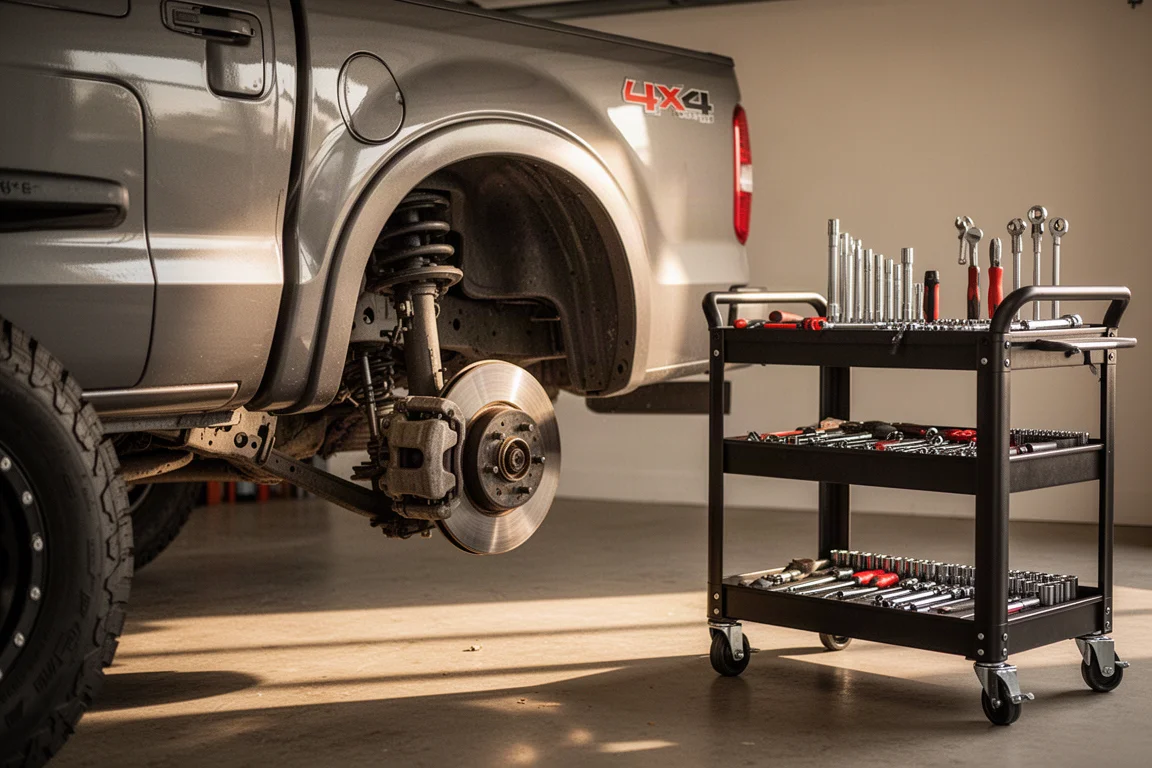
It is equally useful for lighter automotive tasks like hood bolts, light exhaust work, and alternator swaps, where fasteners are not seized or rusted solid. For anything heavily corroded or high-torque, you will want to step up to a more powerful wrench, but for everyday non-rusted hardware, it does the job comfortably.
Buying Advice
Buy this tool if you regularly do general automotive or mechanical work in tight spaces and want the convenience of a half-inch anvil on a compact, thin-headed wrench. Skip it if you are shopping purely on power, because there are stronger compact options at similar prices.
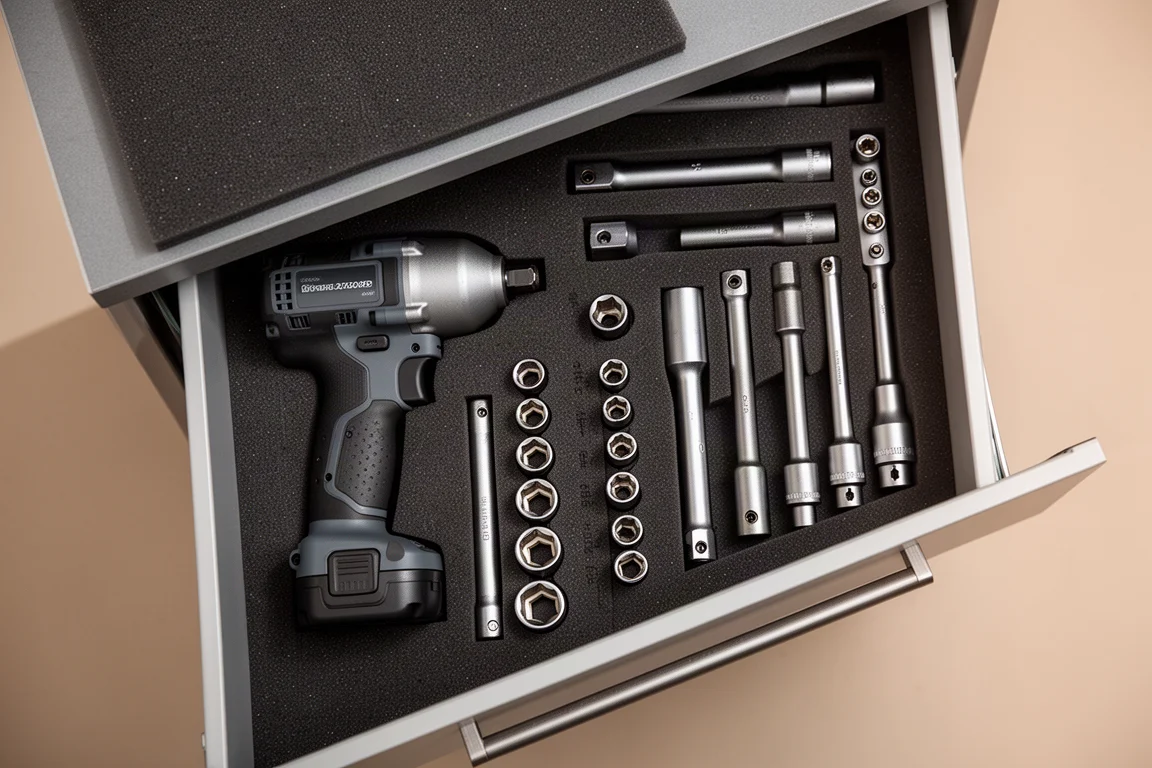
Because discounts are rare, the practical strategy is to watch the used market patiently and act when a fair deal appears. The tool’s design has been around long enough that well-cared-for examples are common, and on this platform, age alone is not much of a concern.
Conclusion
The Makita XWT13 is a specialist in the best sense: it trades raw torque for a thin, maneuverable head and the convenience of a half-inch anvil. For general-purpose bolt removal in tight spaces, it is a genuinely useful addition to a toolkit. Just go in knowing its limits, and be ready to move fast when a good deal shows up, because it rarely does.
Product link
View more details for Makita XWT13
This product is mentioned in the review. Check the specifications, options, and compatibility before buying.
View more details for Makita XWT13Further reading
Related Reviews
Power Tools
Best 1-Inch Pistol Impact Wrenches: Three Heavy-Duty Options Compared
We compare three 1-inch pistol impact wrenches, from a budget-friendly Harbor Freight model to a premium Caterpillar unit, to help you choose the right one.
Power Tools
Best 3/4-Inch Impact Wrenches 2026: Five Contenders Compared
We compare five 3/4-inch impact wrenches across price and performance, from a budget Amazon option to Snap-on's most powerful model yet.
Power Tools
Best Budget Cordless Tools 2026: Walmart Finds That Punch Above Their Price
We tested five cordless tools from Walmart, including a high-torque impact wrench that trades blows with Milwaukee and a $35 duster that outperforms its price class.