Power Tools
Makita XPH14 vs XPH12 vs Metabo HPT DS18DDX: Picking the Right 18V Drill
A top-tier hammer drill, a mid-range favorite, and a subcompact daily driver compared on weight, size, and real-world masonry work.
Introduction
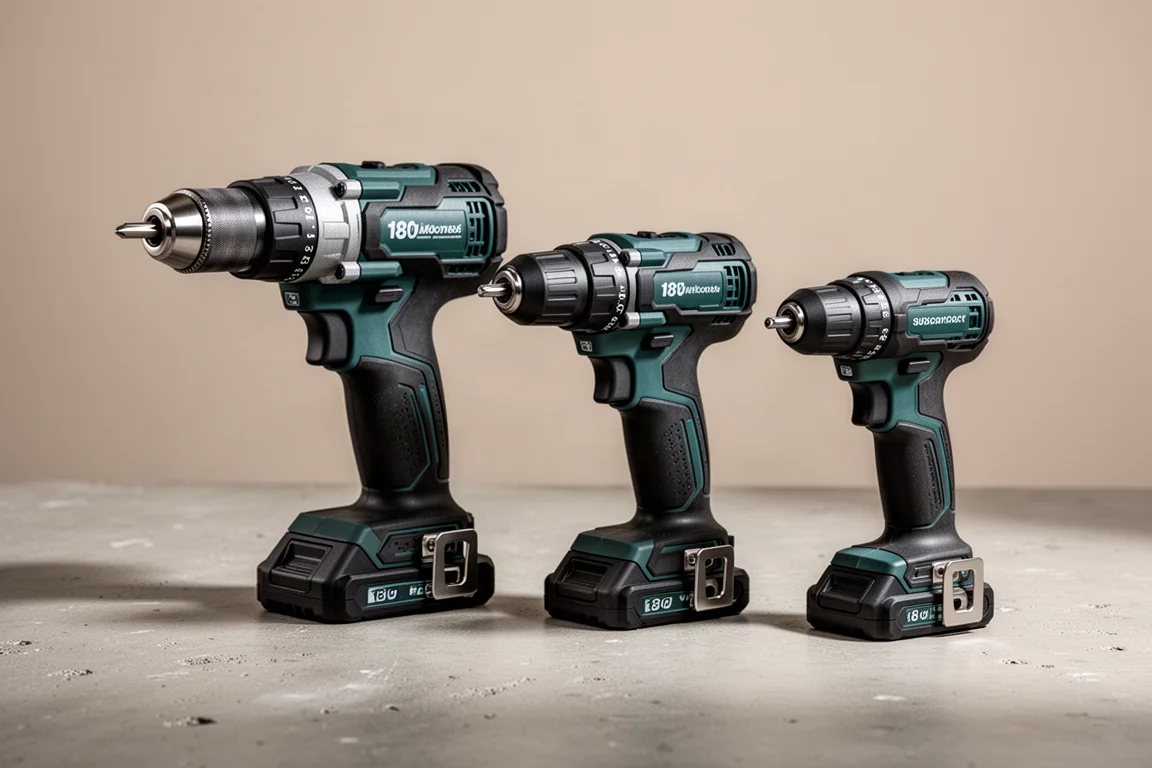
Choosing an 18V drill sounds simple until you realize how many categories there are. Full-size hammer drills, mid-range compacts, and subcompact models all overlap in capability, and the right pick depends far more on your workload than on brand loyalty. Three drills illustrate that spectrum well: the Makita XPH14 as the current top of Makita’s LXT hammer drill line, the Makita XPH12 as a proven mid-range option, and the Metabo HPT DS18DDX as a lightweight subcompact that trades hammer function and raw power for everyday comfort.
What a Full-Size Hammer Drill Is Actually For
Any top-tier hammer drill, whether from Makita, Milwaukee, or DeWalt, carries a weight penalty because the hammer mechanism demands a rugged build. The XPH14 sits right in that category, and that toughness pays off in one specific scenario: small to medium masonry work. Drilling pilot holes for Tapcon-style masonry screws, working through concrete or brick in 3/16 and 5/32 sizes, is exactly where a hammer drill outshines a compact SDS, because it also handles wood, spade bits, and general drilling far better.
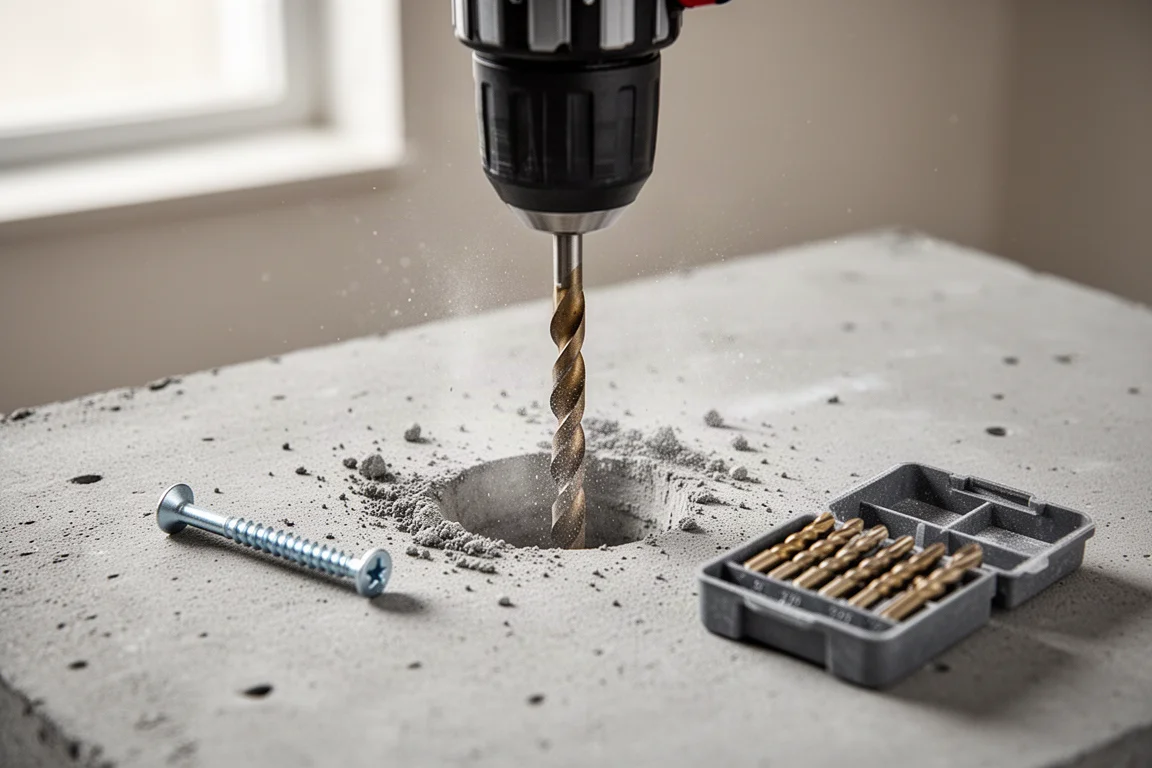
If your masonry work is occasional but your general drilling is constant, a full-size hammer drill covers both without needing a second tool.
Size and Weight Compared
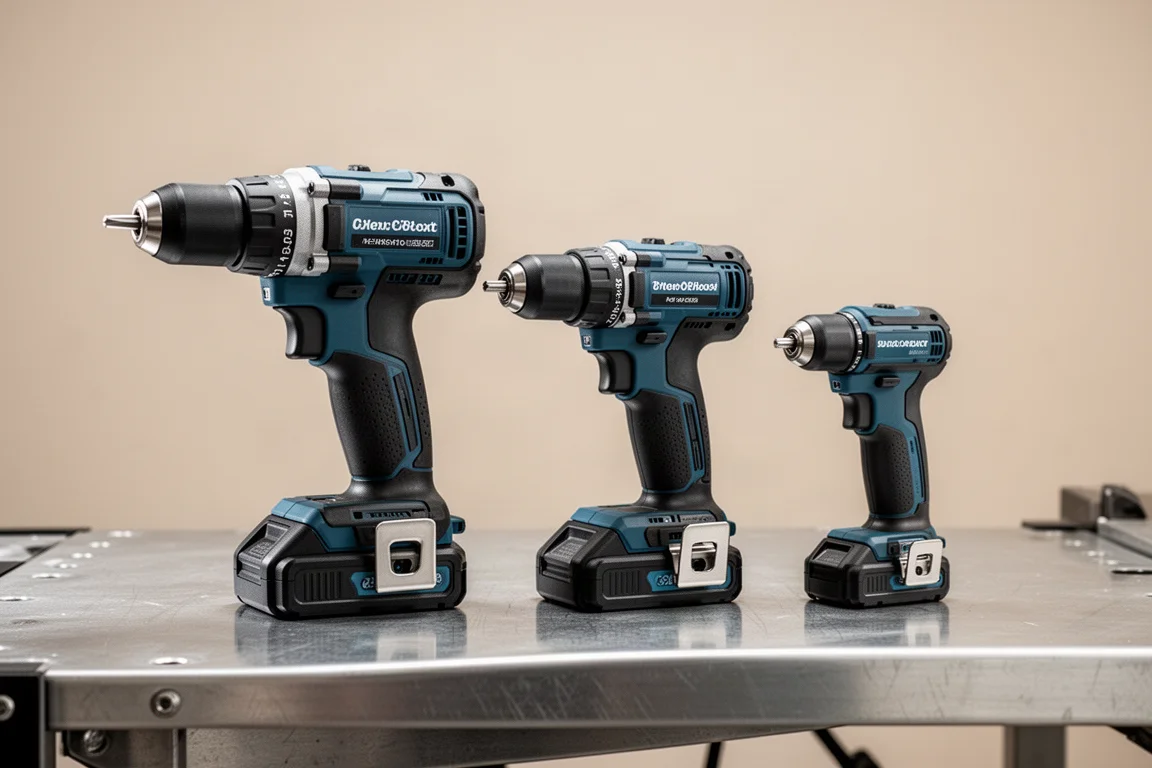
With a 5.0Ah battery attached, the XPH14 weighs five pounds 0.6 ounces. That is genuinely heavy, and over-the-shoulder or overhead work becomes tiring quickly. The XPH12, running the same 5.0Ah battery, comes in almost a full pound lighter, which is a meaningful difference over a long day.
The Metabo HPT DS18DDX weighs just two pounds 11.5 ounces, roughly half the XPH14, making it an easy daily driver. The trade-offs are clear: no hammer function and noticeably less power.
On size, the XPH14 measures about seven to seven and a half inches front to back, around ten and a half inches tall, and about three and a half inches wide at the battery. The subcompact Metabo is dramatically shorter and narrower, though only about an inch shorter in length than you might expect.
The Mid-Range Option: Makita XPH12
The XPH12 is a smaller, lighter, less heavy-duty hammer drill that still delivers the hammer function for occasional masonry. It keeps the key features that matter: drill mode, hammer mode, and multiple clutch and speed settings, while shaving almost a pound off the top-tier model. For riders of the middle path, buyers who want hammer capability most of the time but work overhead or all day, it hits a comfortable balance between power and fatigue.
The Subcompact: Metabo HPT DS18DDX
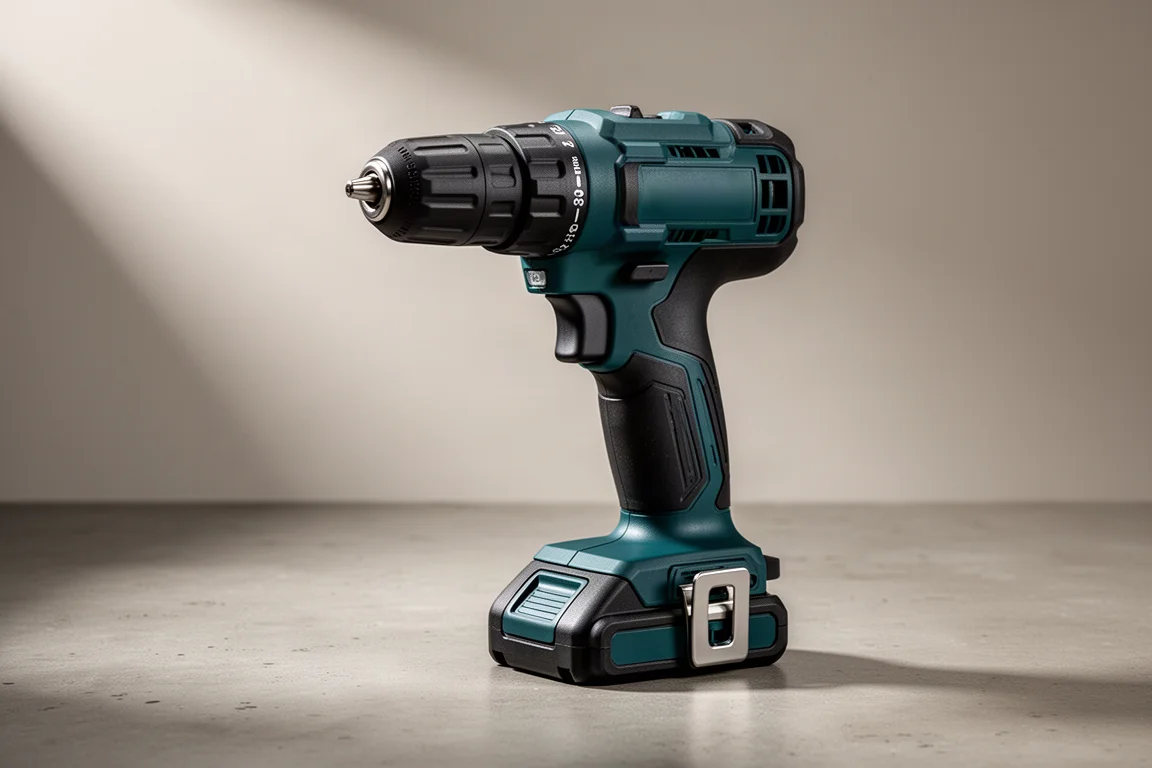
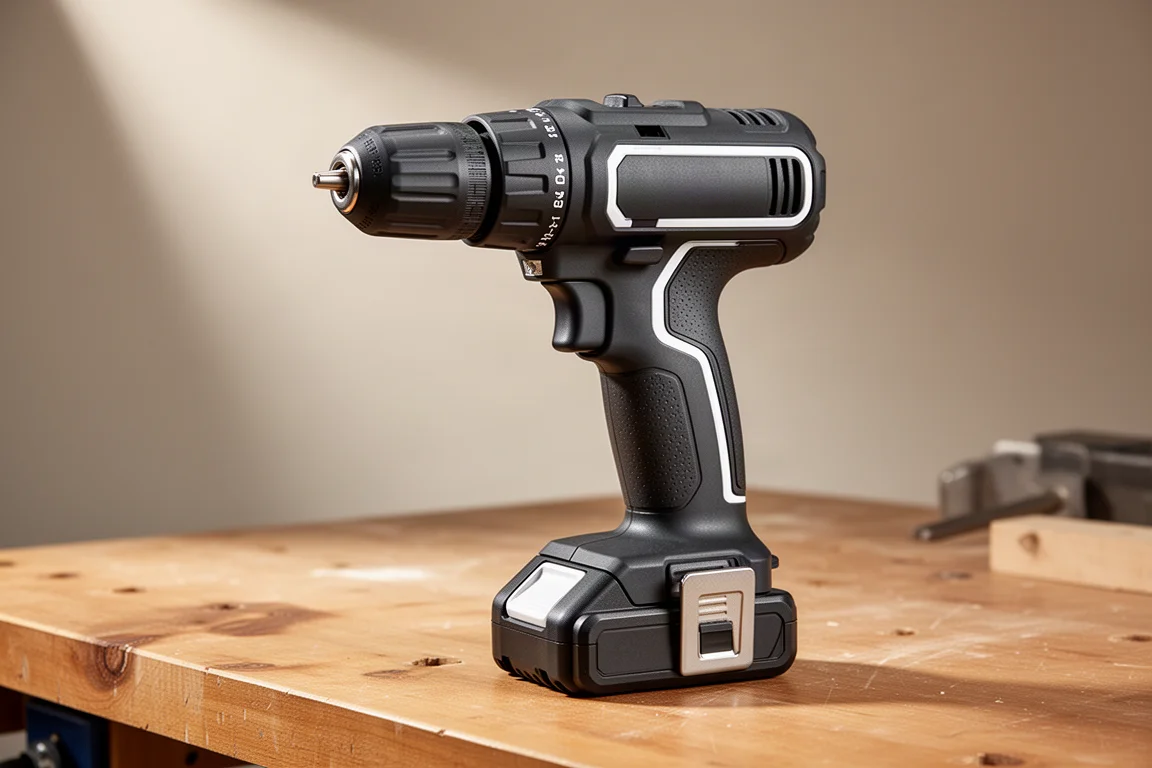
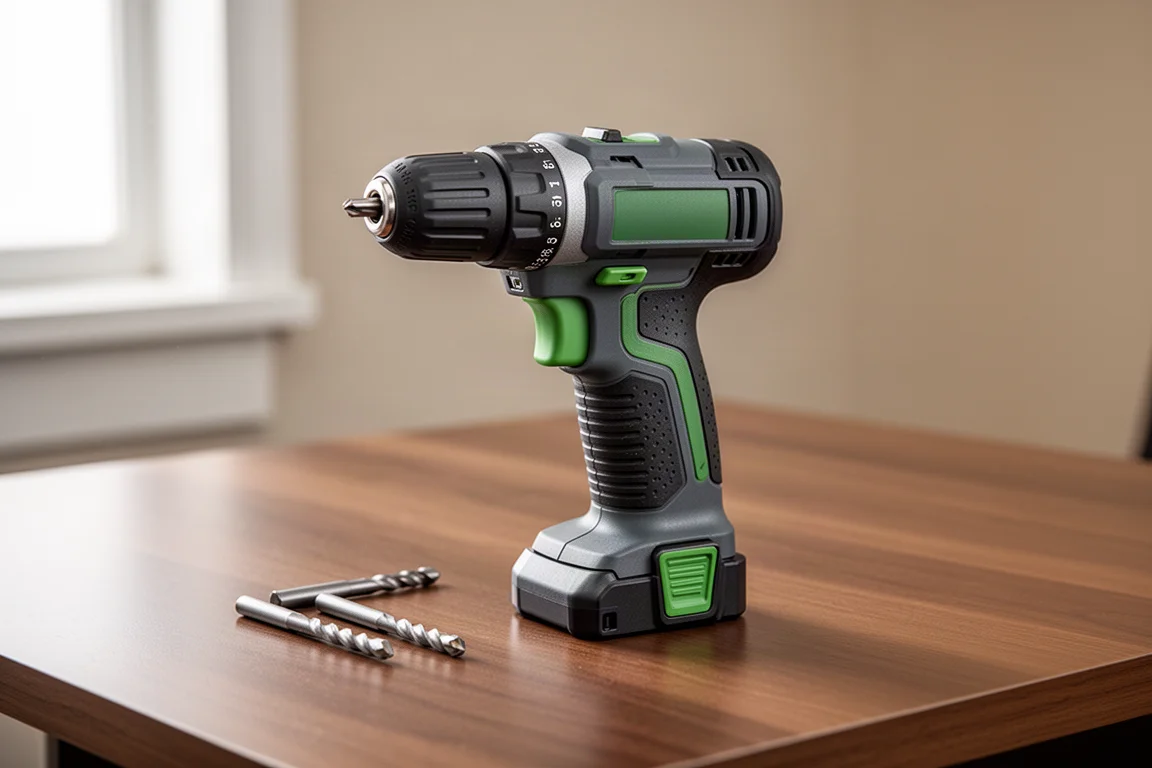
At two pounds 11.5 ounces, the DS18DDX is the drill you reach for when the job is wood, soft materials, and smaller bits. It gives up the hammer function entirely, so concrete work is off the table, but for fastening and drilling in wood it is far easier on the arm over long sessions. Its height and length are visibly smaller than both Makita hammer drills, which matters in tight spaces and overhead work.
Modes, Clutch Settings, and Everyday Handling
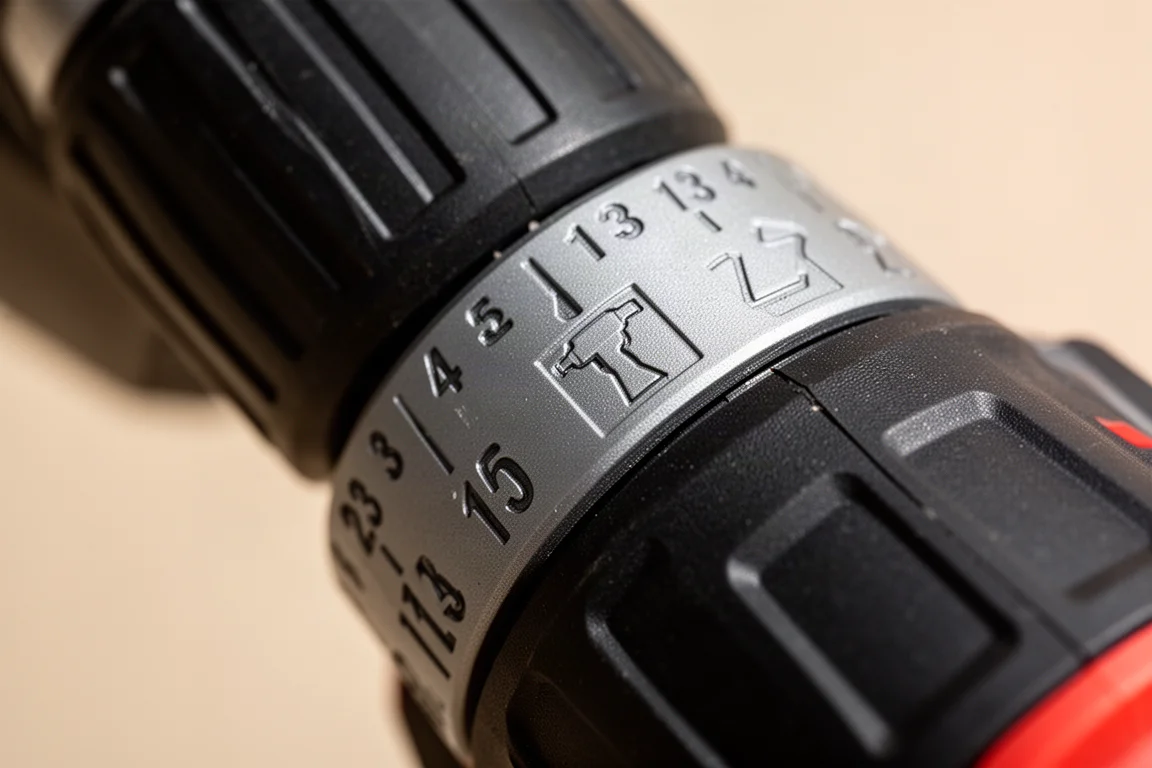
The XPH14 offers high speed/low torque and low speed/high torque gearing, plus a clutch with 21 settings across three speeds. Drill mode and hammer drill mode sit on the mode selector, with hammer mode adding impacts per minute for faster drilling through masonry, concrete, and brick. One caution applies to any hammer drill: avoid using hammer mode with large bits, which can break the drill quickly.
In practice, most work stays in drill mode or hammer mode, with the clutch rarely touched. The all-metal chuck on the XPH14 is a clear improvement over earlier Makita hammer drills, which suffered from bulky bodies, heavier builds, and weaker chucks.
Buying Advice: Match the Drill to the Job
The most important decision is not brand, it is size class. If you drill overhead frequently or mostly work with soft wood and smaller bits, a subcompact like the DS18DDX saves your shoulders. If you need occasional masonry plus serious general drilling power, the XPH14 is an absolute workhorse for small to medium duty concrete, brick, and everything in wood. If you want hammer capability with less fatigue, the XPH12 fills the gap.
Price also matters: the XPH14 has appeared in bundle deals, including one that included an impact driver and two free tools around the holidays, so it is worth watching for promotions rather than buying at list price.
Conclusion
All three drills earn their place, just for different users. The Makita XPH14 is the powerhouse pick for mixed wood and masonry work, the XPH12 is the balanced mid-range hammer drill, and the Metabo HPT DS18DDX is the lightweight daily driver. Buy the drill that matches your actual workload, and any of these will serve you well.
Further reading
Related Reviews

Power Tools
Best 1-Inch Pistol Impact Wrenches: Three Heavy-Duty Options Compared
We compare three 1-inch pistol impact wrenches, from a budget-friendly Harbor Freight model to a premium Caterpillar unit, to help you choose the right one.

Power Tools
Best 3/4-Inch Impact Wrenches 2026: Five Contenders Compared
We compare five 3/4-inch impact wrenches across price and performance, from a budget Amazon option to Snap-on's most powerful model yet.

Power Tools
Best Budget Cordless Tools 2026: Walmart Finds That Punch Above Their Price
We tested five cordless tools from Walmart, including a high-torque impact wrench that trades blows with Milwaukee and a $35 duster that outperforms its price class.