Power Tools
Makita XHU2 vs Milwaukee M18 Fuel Hedge Trimmer: Which One Fits Your Yard?
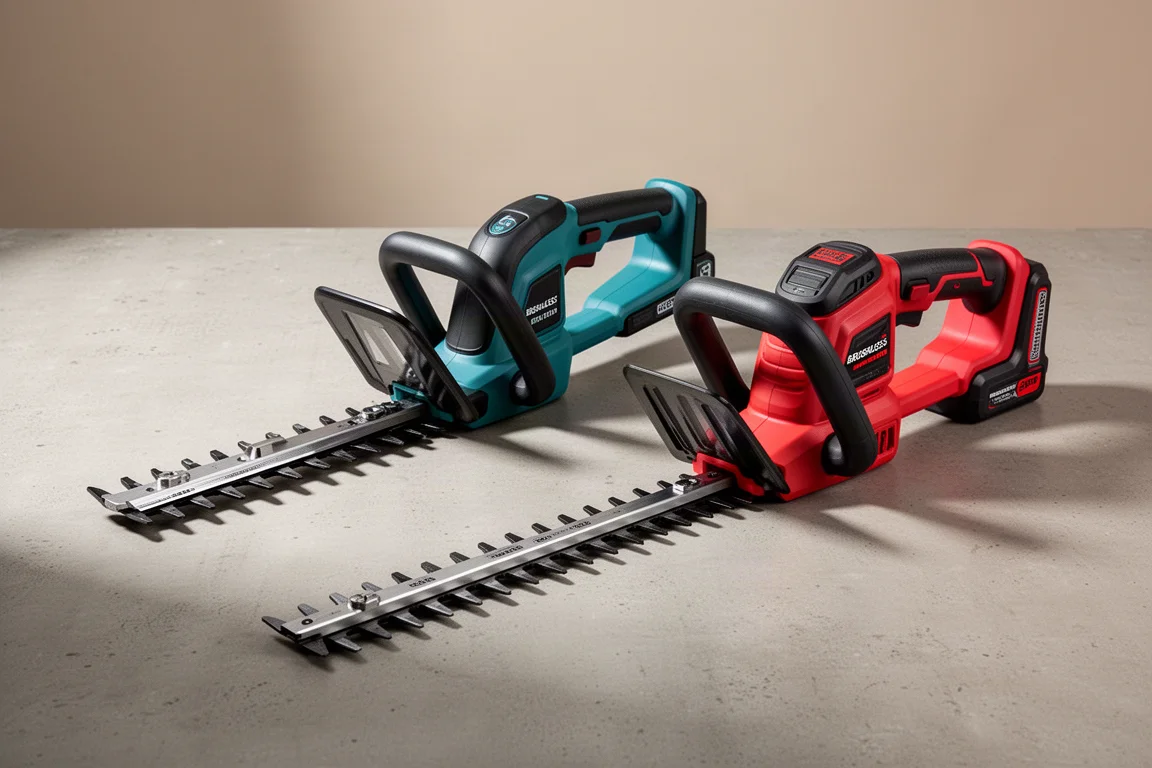
Two cordless hedge trimmers with very different priorities: featherweight convenience from the Makita XHU2, raw cutting power from the Milwaukee M18 Fuel.
Introduction
Cordless hedge trimmers are one of the easiest tool categories to compare because the differences come down to a short list: power, weight, blade quality, and price. Two models illustrate that split perfectly. The Makita XHU2 sits at the entry level: affordable, light, and powered by a brushed motor. The Milwaukee M18 Fuel sits at the top of the range with significantly more cutting power, at the cost of extra weight and a higher price.
This comparison looks at where each one makes sense, because the right answer genuinely depends on how much trimming you actually do.
Makita XHU2: Light, Safe, and Easy to Live With
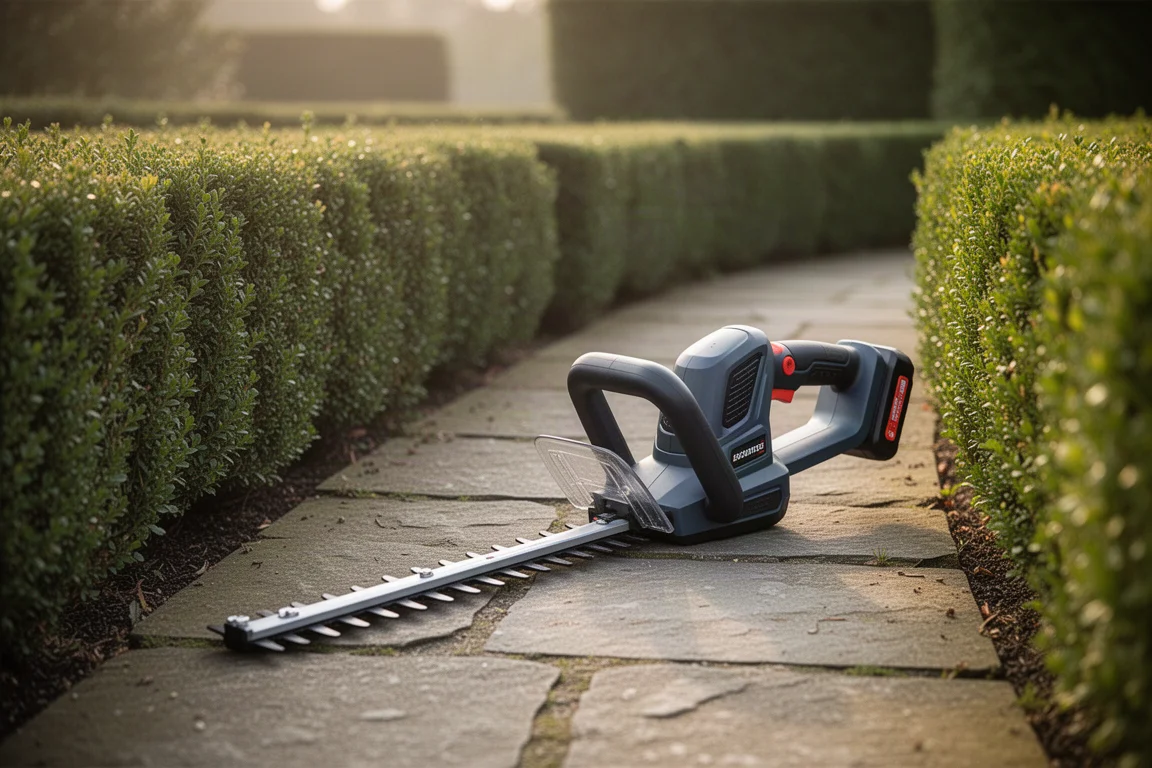
The Makita XHU2 is essentially the brand’s most basic cordless hedge trimmer, a brushed LXT model commonly found at hardware stores for around $129. Its blade length is right around two feet, which suits most home hedges and fence lines without feeling unwieldy.
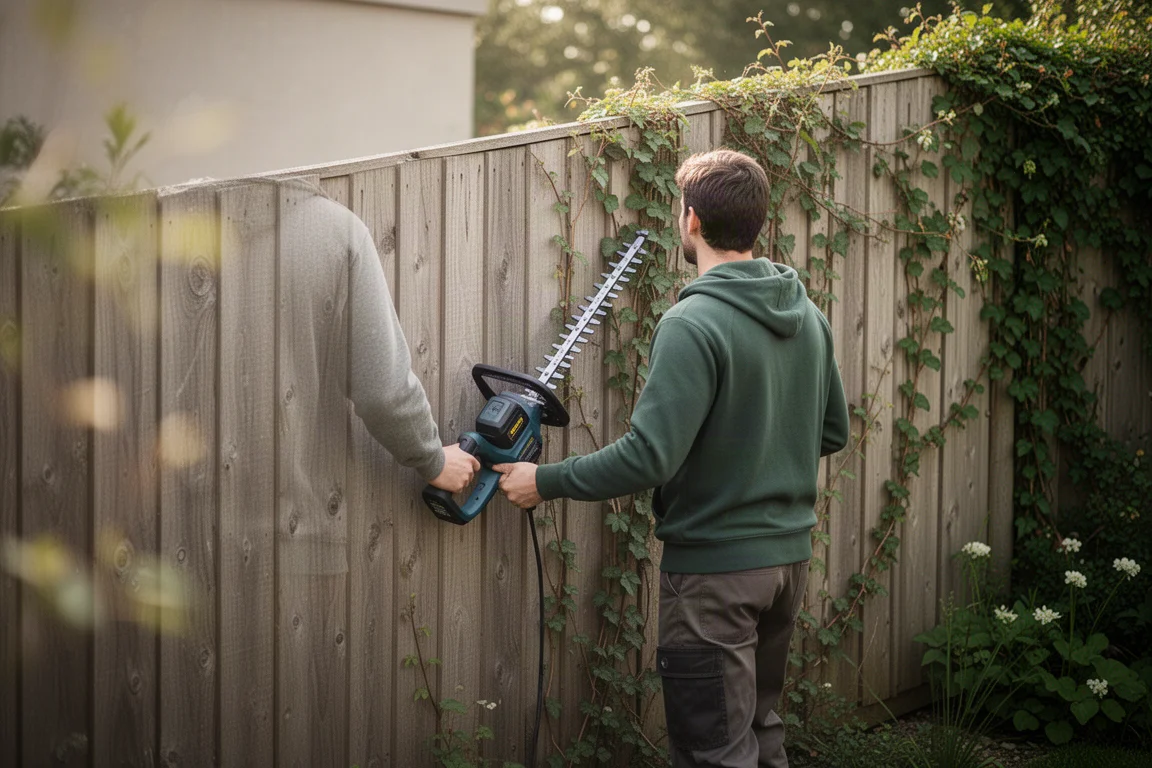
Two things stand out. First, the safety design: the trimmer is effectively impossible to operate one-handed. You have to close a switch (with an audible click), press a button on either side of the handle, and only then pull the trigger. That two-handed requirement matters, because hedge trimmer injuries often happen when one hand is on the trigger while the other pulls at a branch. Second, the weight: this is a deliberately light tool, and that is exactly why many people choose it over more powerful rivals. For thin vines and small bushes, it cuts through material without effort.
Battery life is another quiet strength. Because the motor draws so little power, a single battery can run for a very long session; even a smaller 2.0Ah battery can go an entire job without draining fully.
Milwaukee M18 Fuel: Maximum Cutting Power
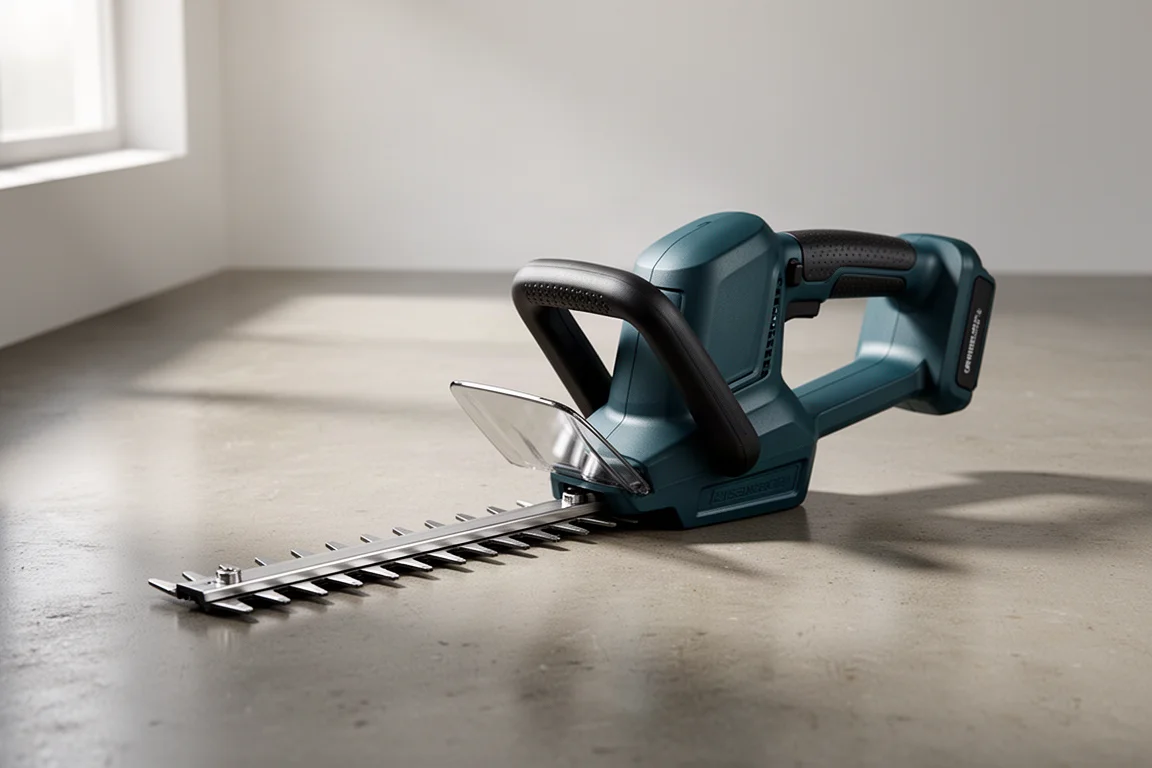
The Milwaukee M18 Fuel hedge trimmer is a different animal. It is significantly more powerful than the Makita (and more powerful than comparable DeWalt models), and it will chew through thicker growth that lighter trimmers struggle with. If your property has dense, woody hedges, this is the kind of tool that finishes the job faster.
The trade-off is weight. Extended overhead or two-handed work along a long fence line will wear your arms out noticeably faster than the lighter Makita. One owner who moved from the M18 Fuel to the Makita did so precisely for that reason: the extra power was more than their modest trimming workload required, and the fatigue was not worth it. Also worth noting: that owner observed the Milwaukee’s blades seemed to develop rust far more quickly than the Makita’s, which stayed clean and sharp over the same period.
If raw cutting ability is your priority, this is the strongest option in this class, just budget for the extra heft.
Maintenance and Blade Longevity
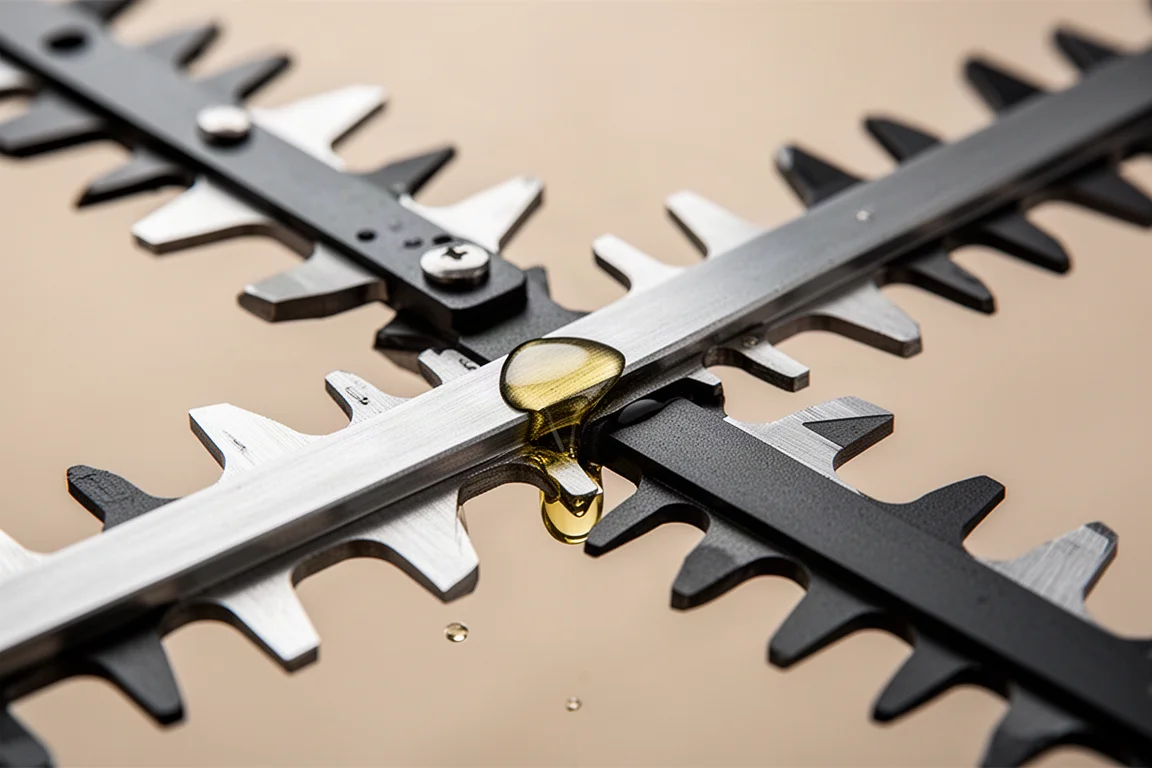
Regardless of which trimmer you pick, blade care is the habit that extends its life. Keep the blades lubricated: apply a small amount of multi-purpose (three-in-one style) oil to the top and bottom of the blades, run the trimmer briefly, and you are done. Silicone sprays are a less popular choice here because they do not cling as well.
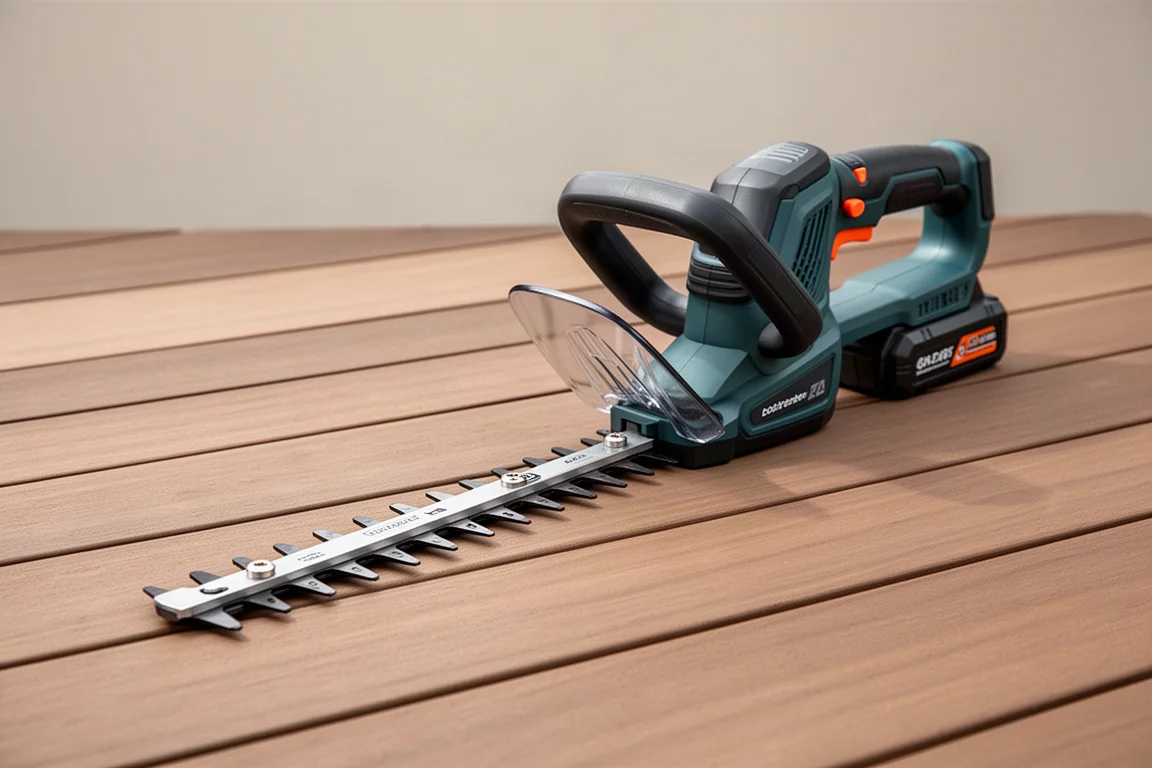
The Makita includes a blade cover that works fine, though it is open on one side, so it does not fully seal the blades from water and dust. The Makita’s blades held their edge well in regular use with no visible issues.
How They Compare at a Glance
The category breaks down cleanly. Makita’s entry model is the cheapest and least powerful of the mainstream cordless options, DeWalt typically lands in the middle on both price and performance, and Milwaukee sits on top with the most powerful (and most expensive) trimmer. For a homeowner with light trimming duties, the performance gap rarely matters; for heavy, thick hedges, it absolutely does.
Which One Should You Buy?
Choose the Makita XHU2 if you mostly trim thin vines, small bushes, and typical home hedges. It is light, inexpensive, safe to operate, and stingy with battery power, and its blades have proven durable and rust-free in regular use. It is a tool you can use for long sessions without your arms burning.
Choose the Milwaukee M18 Fuel if you need serious cutting capacity, such as branches up to an inch thick, or if you simply want the most powerful cordless trimmer available and do not mind the weight. If you lean Makita but want more muscle, the brand’s larger hedge trimmers are also well regarded.
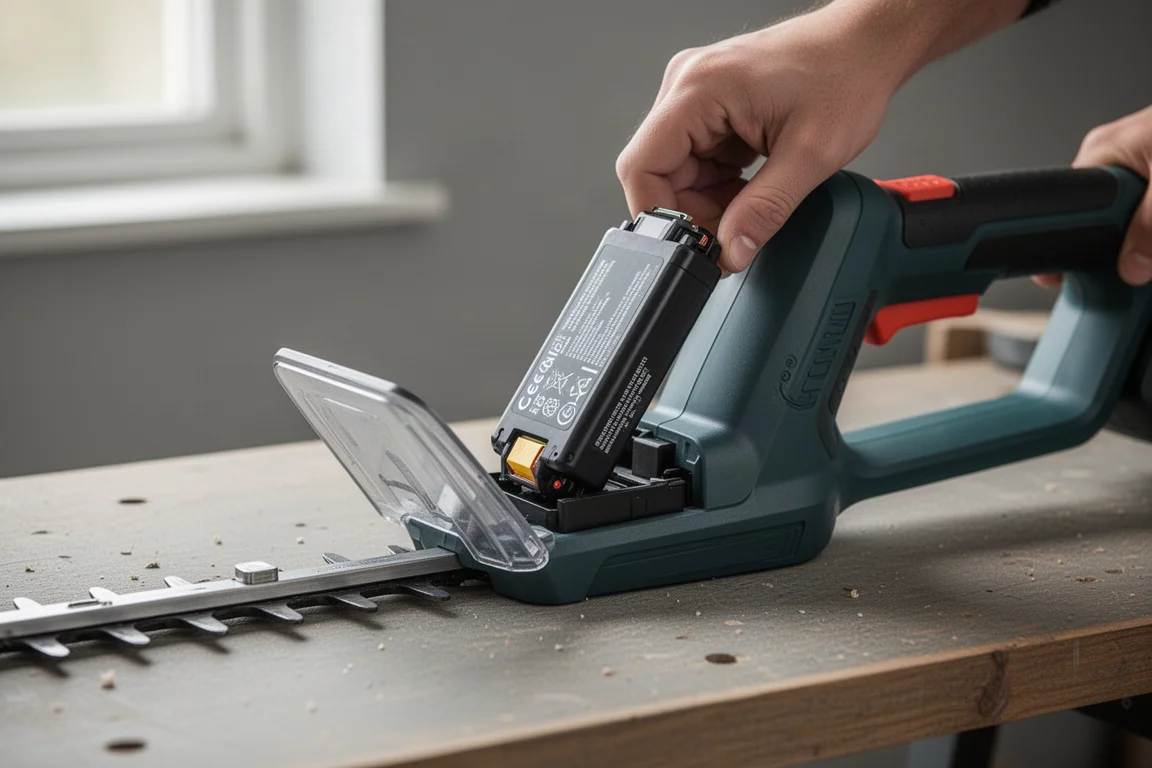
Both tools run on the same convenient slide-style battery platforms, so staying within one brand’s ecosystem lets you swap packs across your other tools.
Conclusion
The Makita XHU2 and Milwaukee M18 Fuel are not really competing for the same buyer. The Makita wins on weight, price, battery efficiency, and easy blade care, making it an excellent default for light residential trimming. The Milwaukee wins on pure cutting power for heavier work, as long as you accept the extra fatigue. Match the tool to the workload and either choice will serve you well.
Further reading
Related Reviews
Power Tools
Best 1-Inch Pistol Impact Wrenches: Three Heavy-Duty Options Compared
We compare three 1-inch pistol impact wrenches, from a budget-friendly Harbor Freight model to a premium Caterpillar unit, to help you choose the right one.
Power Tools
Best 3/4-Inch Impact Wrenches 2026: Five Contenders Compared
We compare five 3/4-inch impact wrenches across price and performance, from a budget Amazon option to Snap-on's most powerful model yet.
Power Tools
Best Budget Cordless Tools 2026: Walmart Finds That Punch Above Their Price
We tested five cordless tools from Walmart, including a high-torque impact wrench that trades blows with Milwaukee and a $35 duster that outperforms its price class.