Power Tools
Makita XGT After Three Years: Which Tools Are Worth It (and Which to Skip)
A long-term look across the Makita XGT lineup: standout impact drivers, a disappointing Gen 2, powerhouse recip saws, chainsaws that finally beat battery heat, and honest pricing caveats.
Introduction
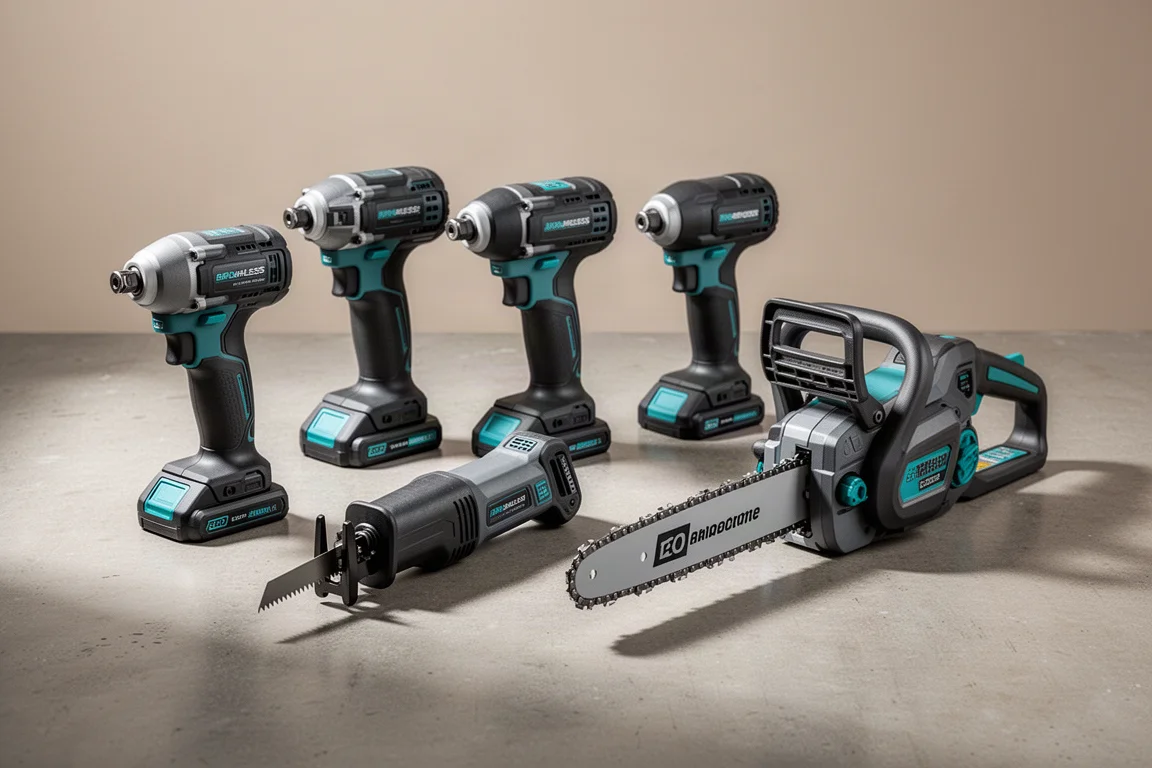
Roughly three years after Makita launched the XGT platform in early 2021, a long-term look across the lineup paints a clear picture: this is a platform built for high-draw power, and it shows. Some tools genuinely change how you work, others feel like expensive conveniences, and one or two are best avoided entirely.
The headline takeaway up front: XGT’s smaller tools (impacts, drivers, drills) perform well but rarely justify their prices. Where the platform truly shines is in outdoor and high-power equipment: chainsaws, reciprocating saws, blowers, and the rear-handle circular saw. XGT’s 40V-class battery system delivers sustained power that simply does not sag the way smaller batteries do under heavy load.
Impact Drivers: One Winner, One Specialist, One to Avoid
The first-generation Makita XGT GDT01 impact driver is arguably the best of the bunch. It combines the modern drive modes of the LXT flagship with the head shape and sound profile of the earlier compact model, resulting in a tool that feels refined rather than gimmicky. It has since dropped considerably in price, with open-box units occasionally surfacing around $80. The catch: XGT batteries and chargers remain expensive, so budget for those separately.
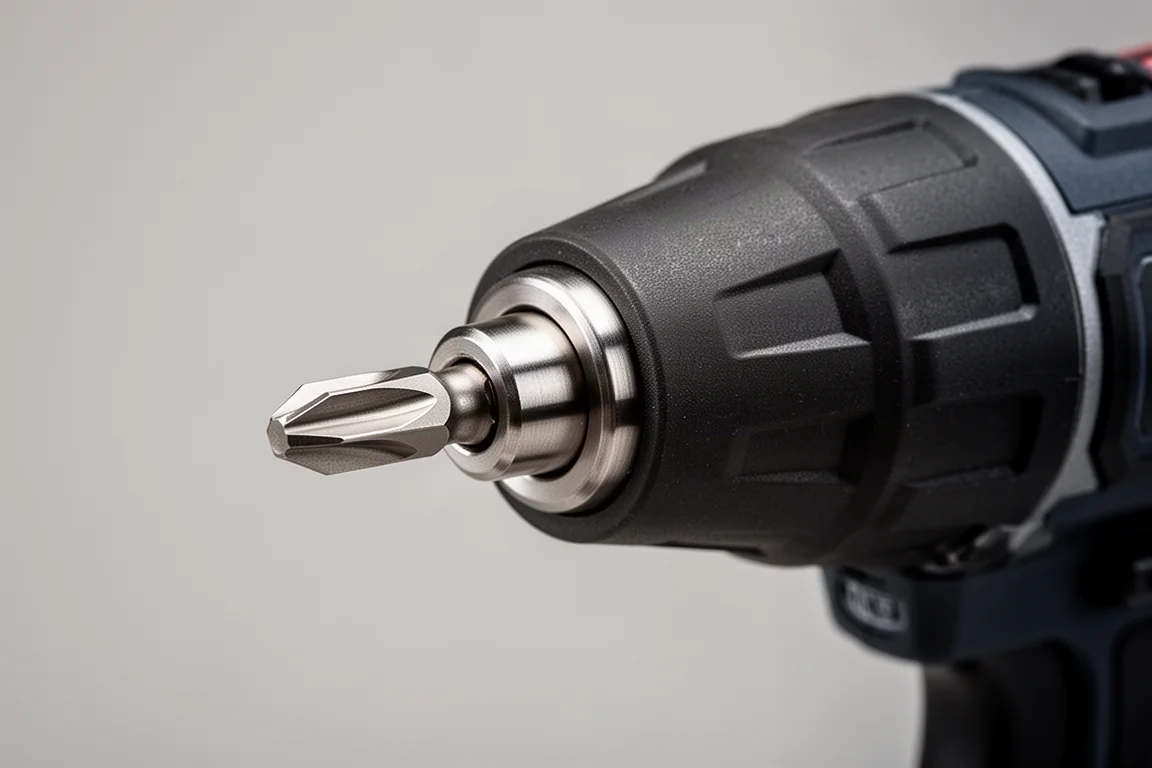
The Makita XGT TD002 is the Japanese second-generation impact driver, and it brings one feature the US lineup still lacks: an IP56 dust and water resistance rating. Makita’s competitors have offered this for years, so it is a welcome addition. It also delivers superb trigger control and a four-LED work light ring. A dual-spring progressive impact mechanism (DST) is the headline technology, though in practical use the real-world benefit over the first generation is hard to detect. Regular bits work fine in it; there is slightly more bit play than the US version, but nothing that affects use. Bluetooth app support requires a module not sold in the US, so most buyers will not miss it. Notably, it is not actually more powerful in testing despite the claims.
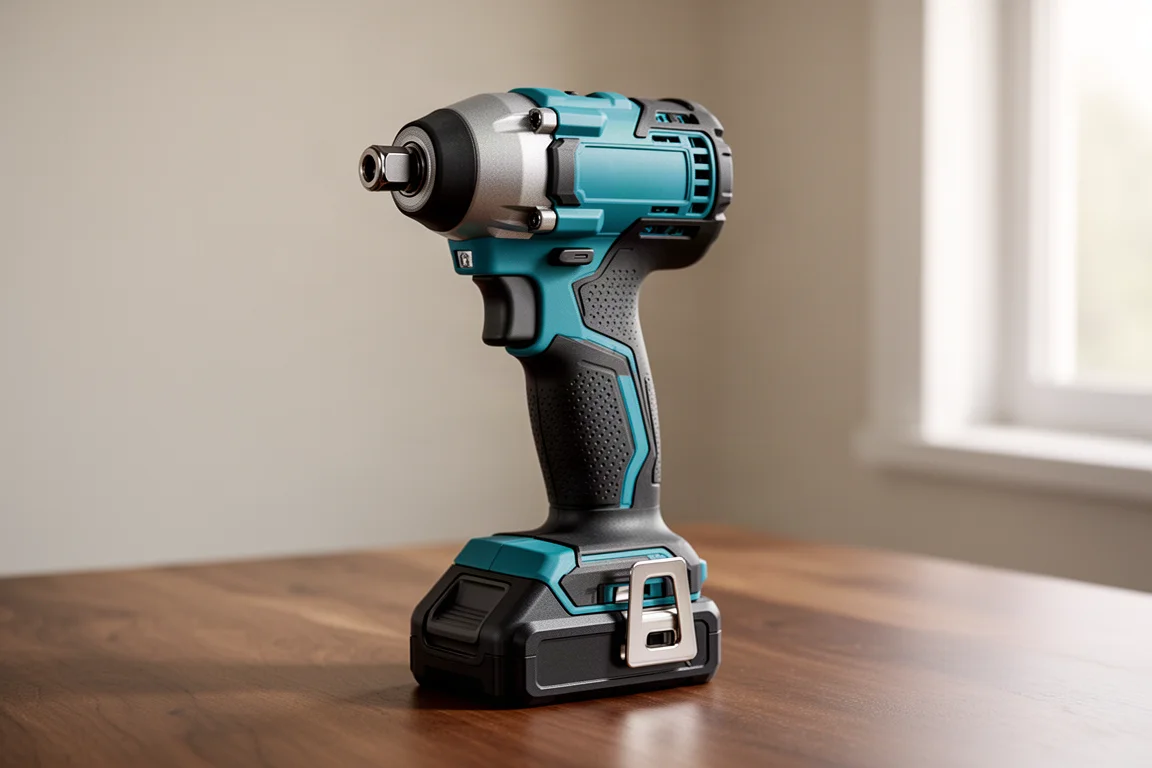
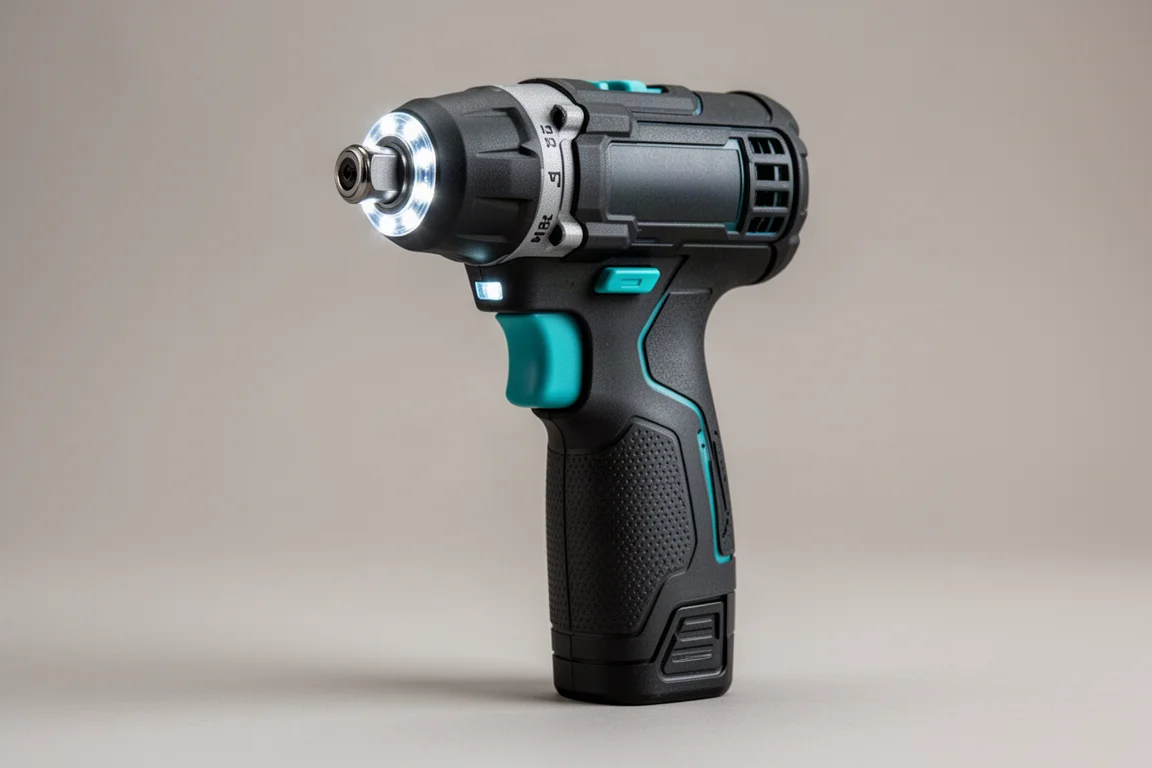
The Makita XGT GDT02, the US second-generation impact driver, is the letdown of the platform. At roughly $410 for a kit with two 2.5Ah batteries, it lacks the features and power of cheaper alternatives and feels like a step backwards. It is overpriced at even half that figure and is best avoided entirely.
Impact Wrench: Great Tool, Wrong Price
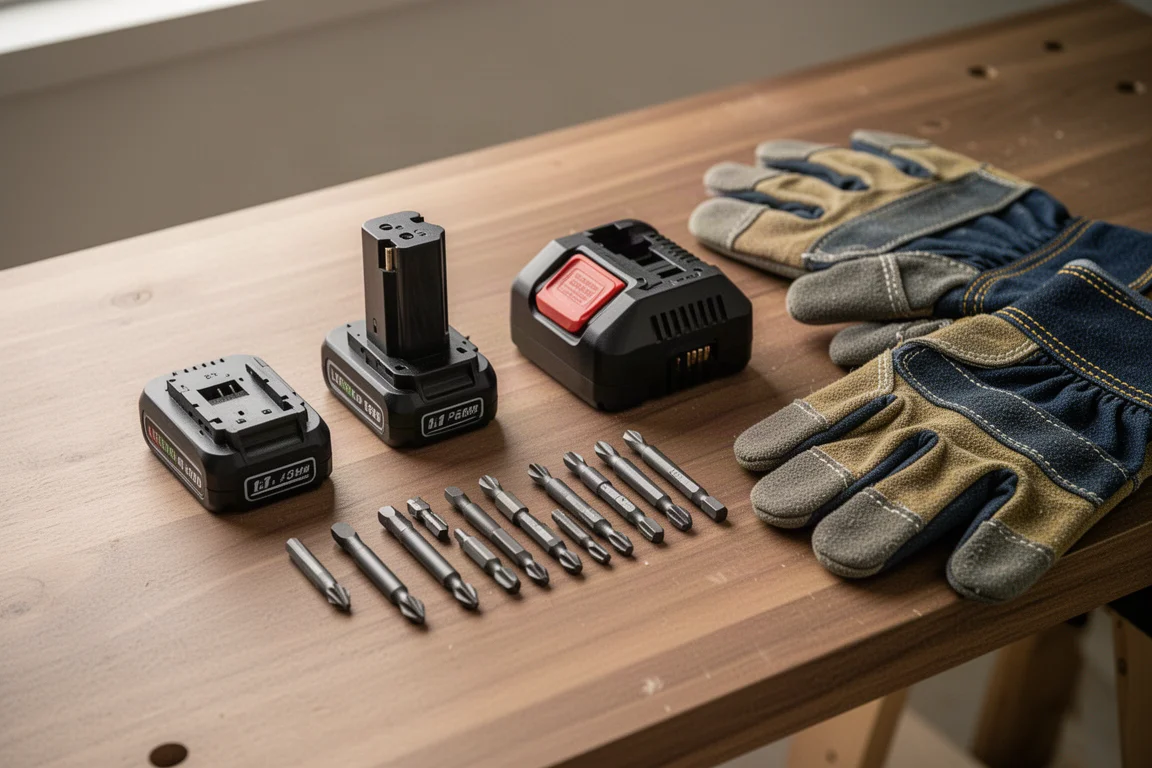
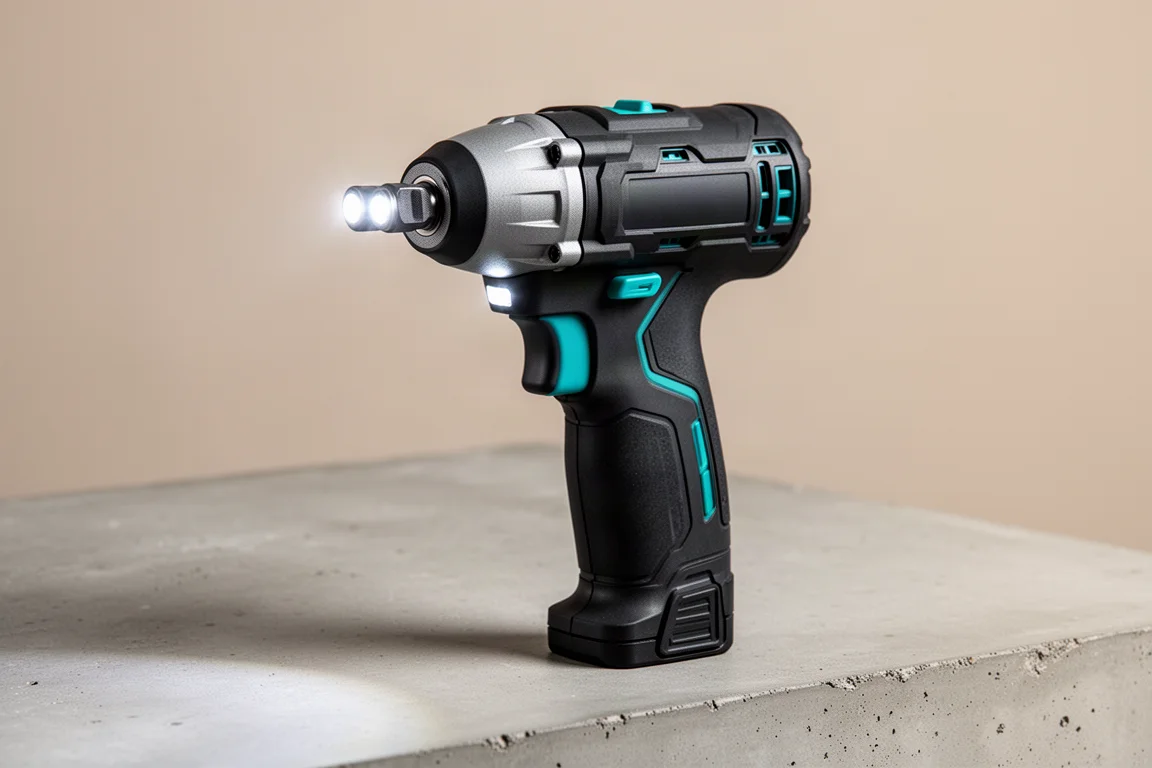
The Makita XGT GWT05 impact wrench is essentially the LXT equivalent with slightly more power, but full retail pricing is hard to justify, with kit-style pricing around $324 and a single battery often costing $150 or more. Pin detent is the preferred anvil option here, since hog rings tend to loosen or go missing quickly. The practical advice: do not buy at full retail. Used and new-in-box units regularly appear on secondary markets for far less, sometimes around $140, and the LXT version remains a better value if you shop around.
Hammer Drill: Fast and Powerful, With a Compromise
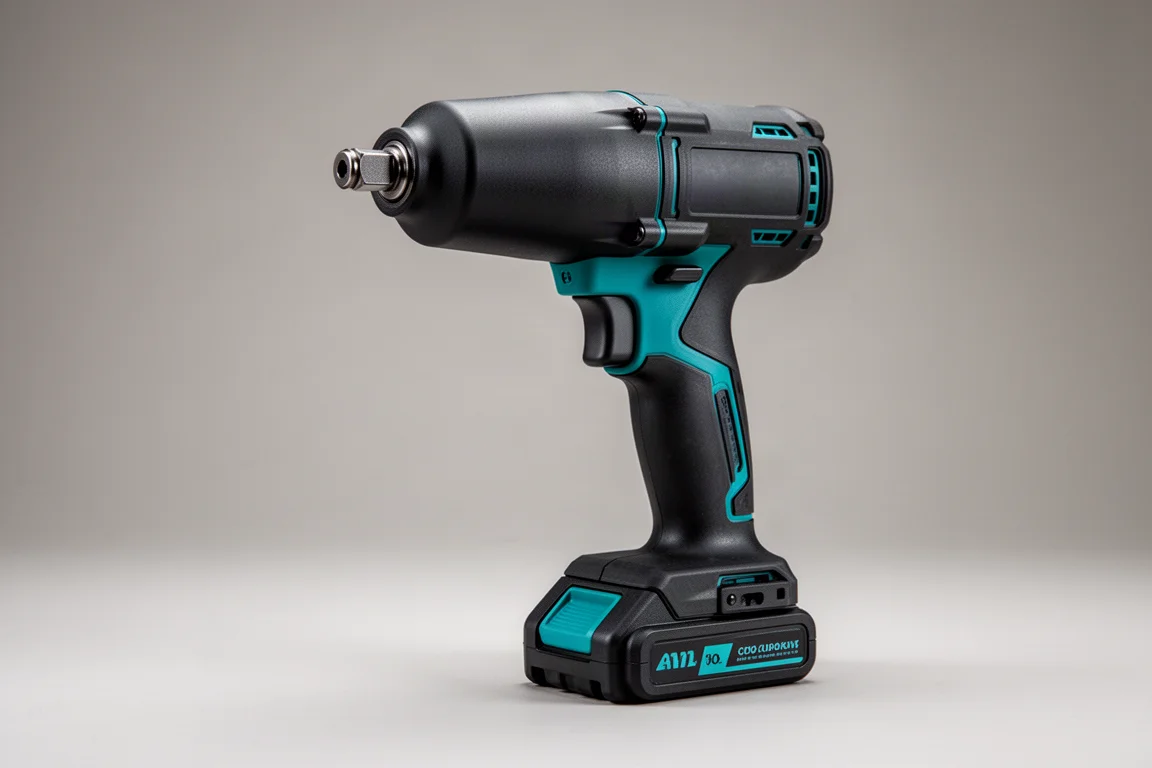
The Makita XGT hammer drill is genuinely impressive on raw performance: very fast, very powerful, and loaded with new technology. The big addition is an electronic clutch with 21 adjustable settings, and that is where things get complicated. In side-by-side testing against the LXT version’s mechanical clutch, the mechanical clutch won decisively. A mechanical clutch physically slips at a set resistance, instantly and precisely; the electronic system simply cuts motor power, which is slower to respond and less useful for precision driving.
The honest framing: this is a flagship tool with first-generation feature implementation. It is also heavy and bulky. If you need precision driving, a smaller LXT drill or a Metabo HPT alternative is the better call. If you want maximum hammer-drilling power, this one does everything right in that department.
Reciprocating Saws: The XGT Sweet Spot
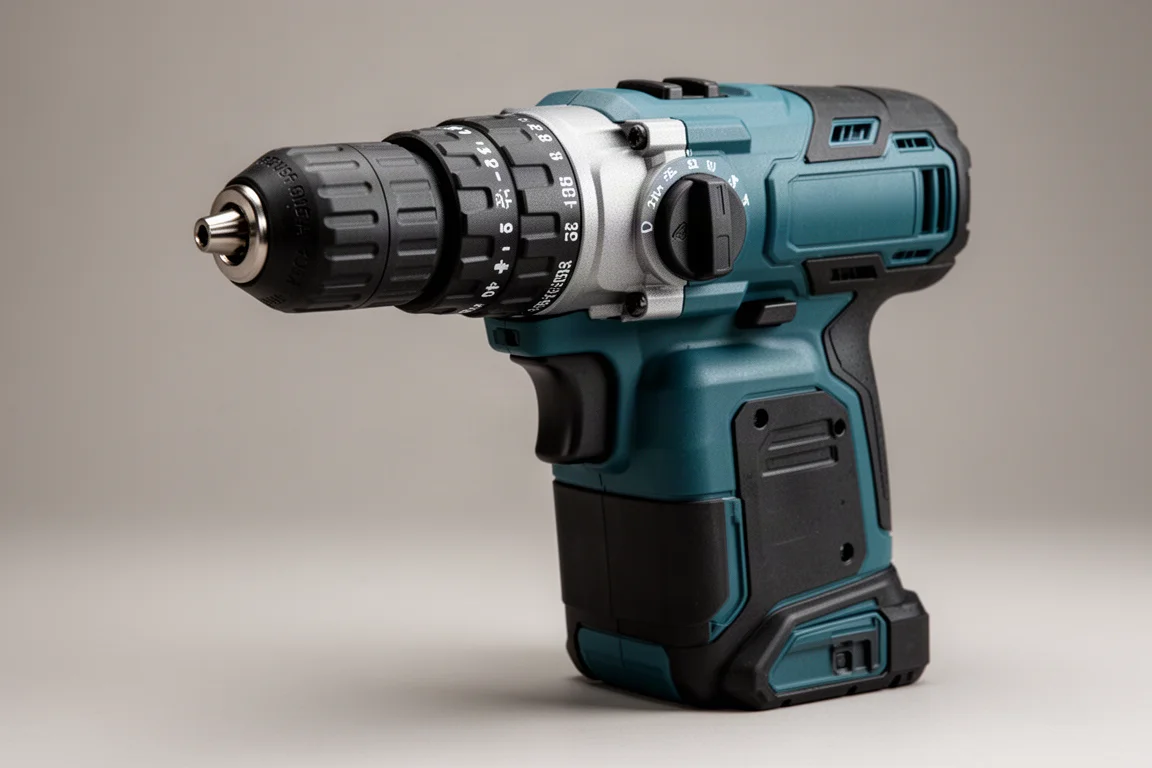
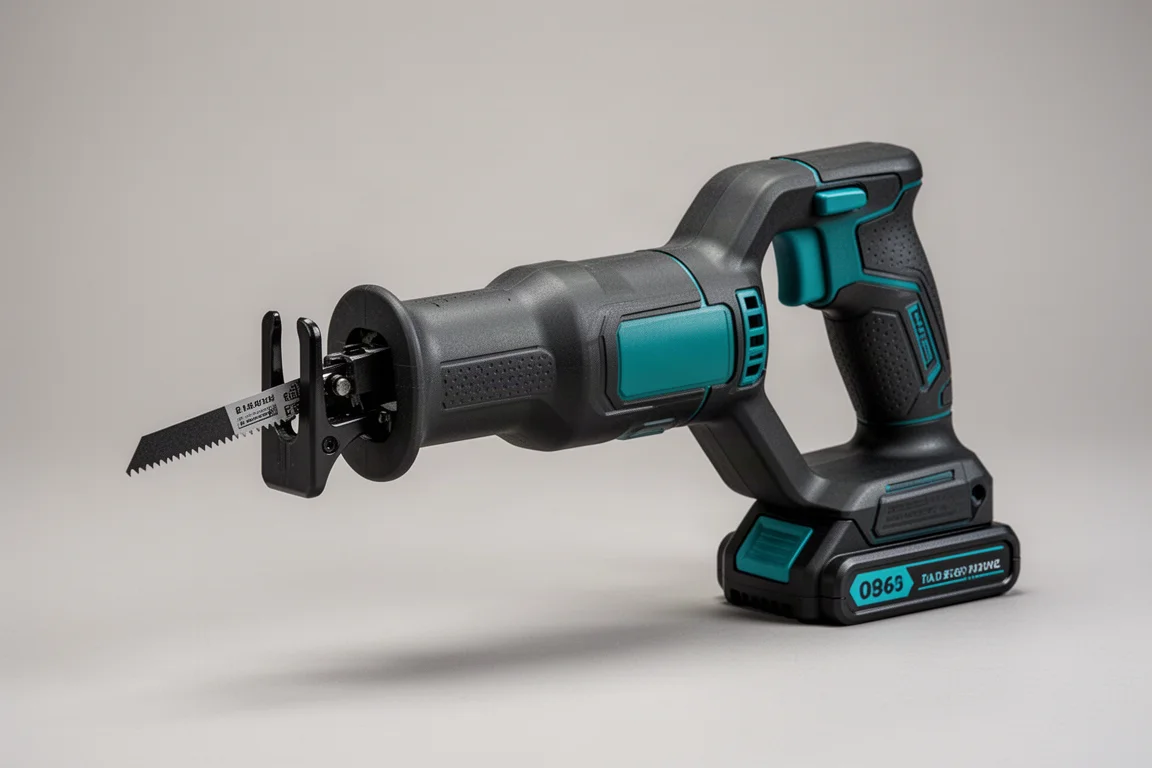
The first-generation GRJ01 reciprocating saw may be the best overall tool on the platform. It is a no-frills, brushless demolition saw with two speeds and nothing else, and it simply never lets you down. Prices on secondary markets run roughly $150 to $250, making it one of the most sensible entry points into XGT. It is a major step up from the bulk of two-battery 36V LXT recip designs.
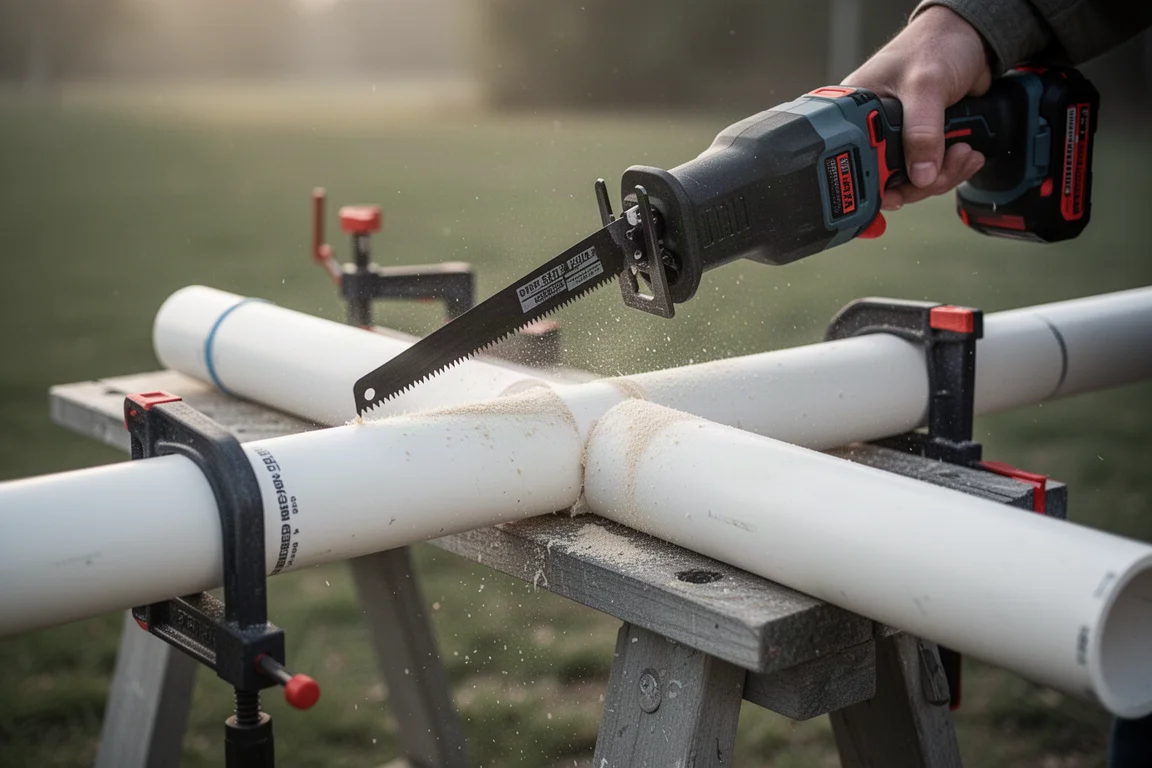
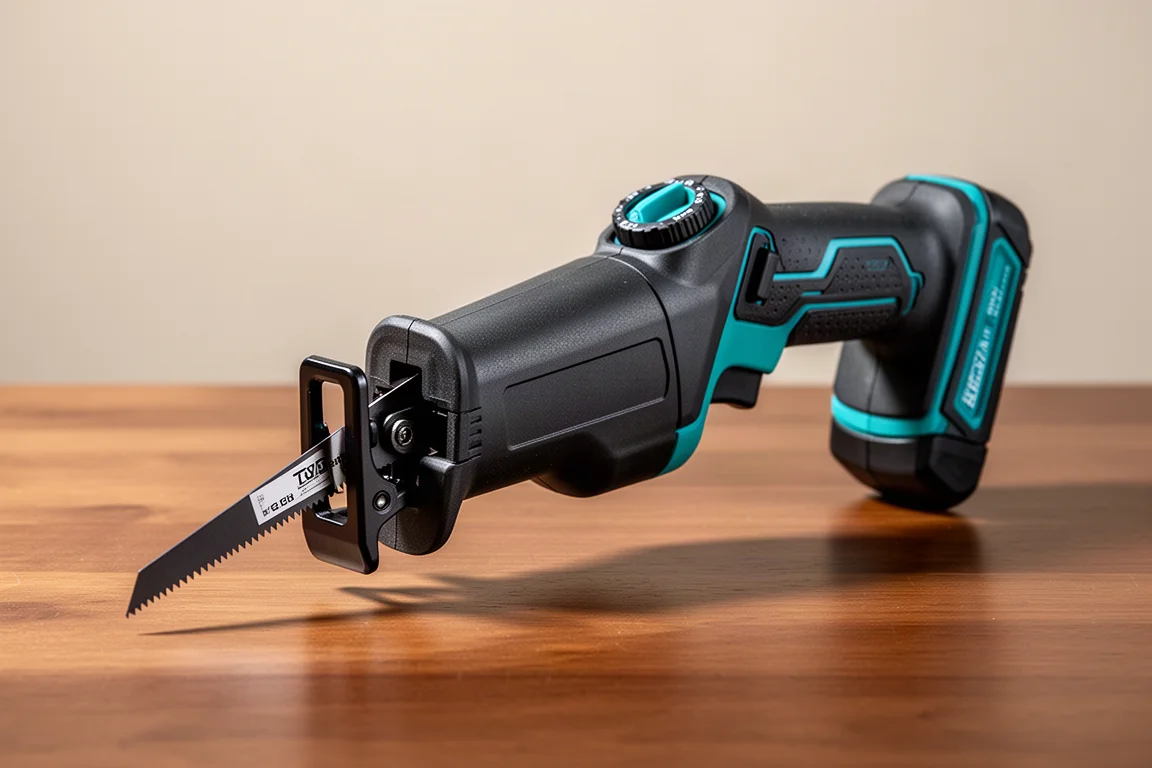
The second-generation GRJ02 refines the formula with a five-position variable speed dial, a slightly shorter and beefier body, anti-vibration technology, and a new orbital mode. The orbital action helps clear chips from the kerf in theory, but in practice the difference is minor and not a must-have feature. The bigger issue is price: over $310 for the bare tool is steep for a recip saw, so deal hunting matters here too.
Chainsaws, Circular Saw, and Blower: Where the 40V Platform Pays Off
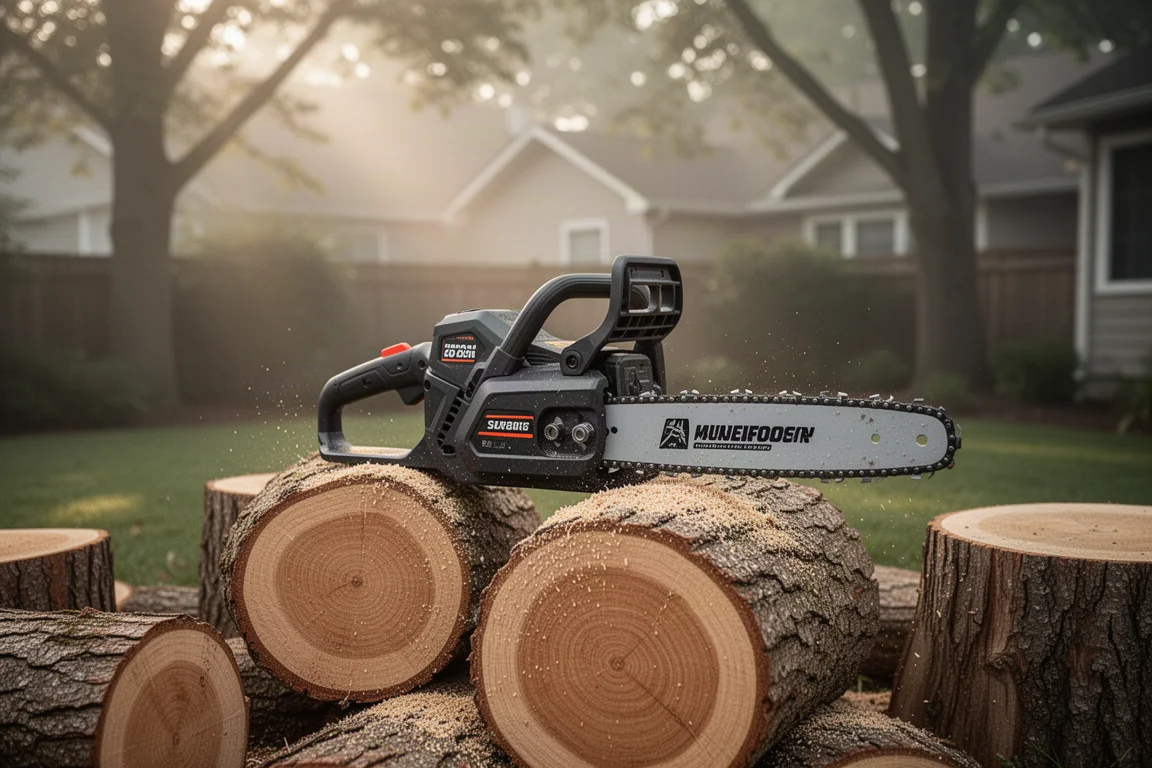
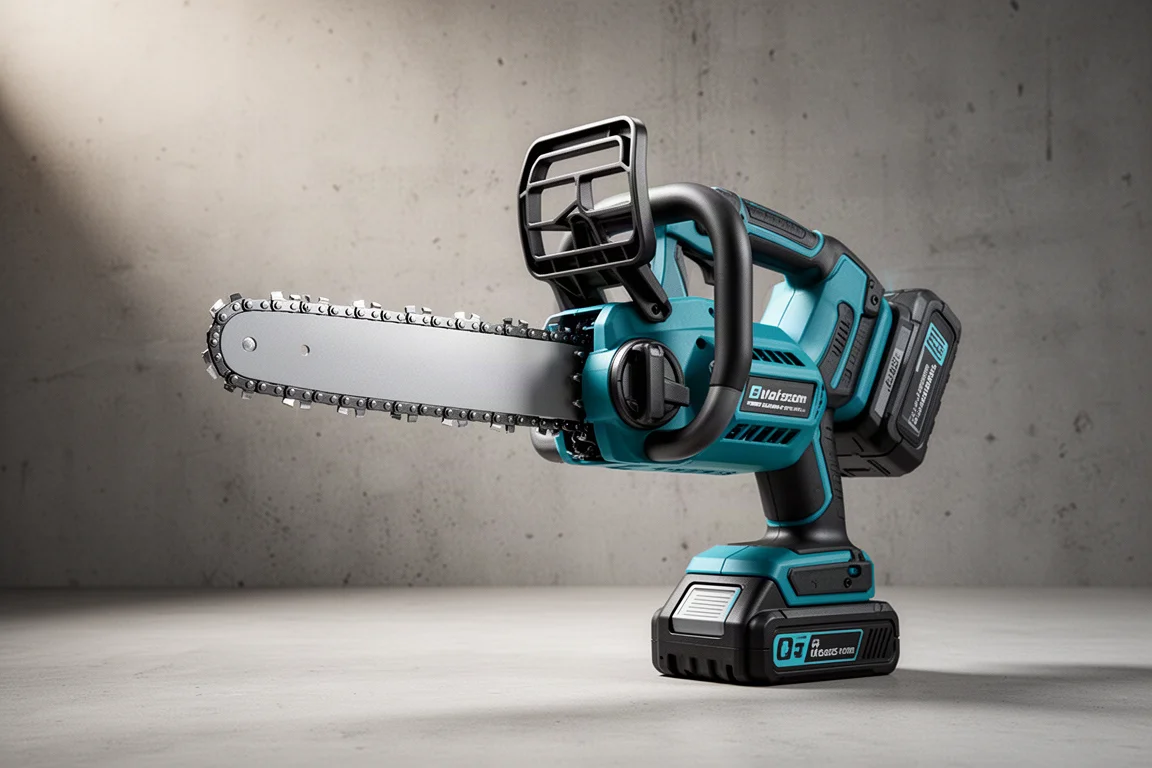
The Makita XGT chainsaw is the single most recommended tool on the platform, and for a practical reason: heat. On the older 36V dual-battery system, batteries would overheat long before the saw did during heavy cutting, sometimes burning through six batteries per job. XGT’s higher-output batteries can be run nearly to empty under heavy duty cutting without overheating, which finally makes the tool fully usable for serious work. It delivers more power than the 36V version, with slightly less runtime in cooler weather or medium-duty use. These saws are expensive, but clearance pricing and secondary-market deals make them reachable.
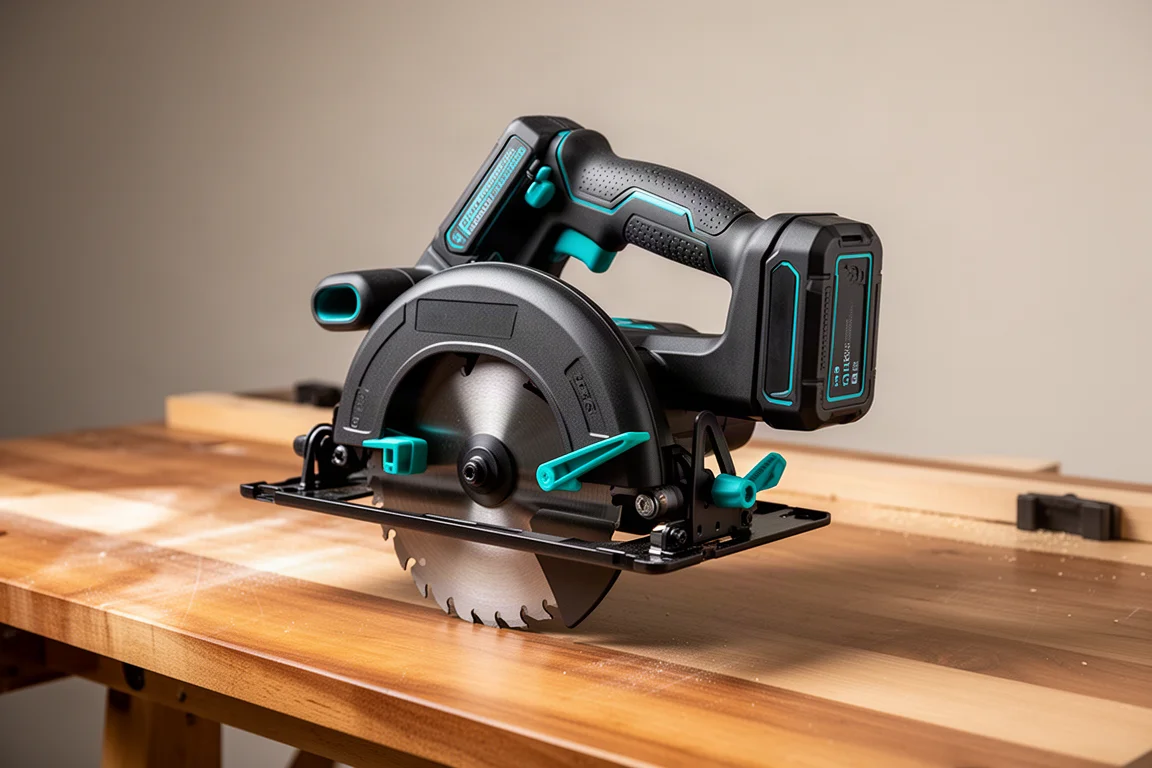
The rear-handle circular saw is another standout: roughly a pound lighter than the 36V version with considerably more power. It is bulky for a rear-handle design, but promotions have brought it as low as around $170 with a 4.0Ah battery, an excellent entry point into the platform.
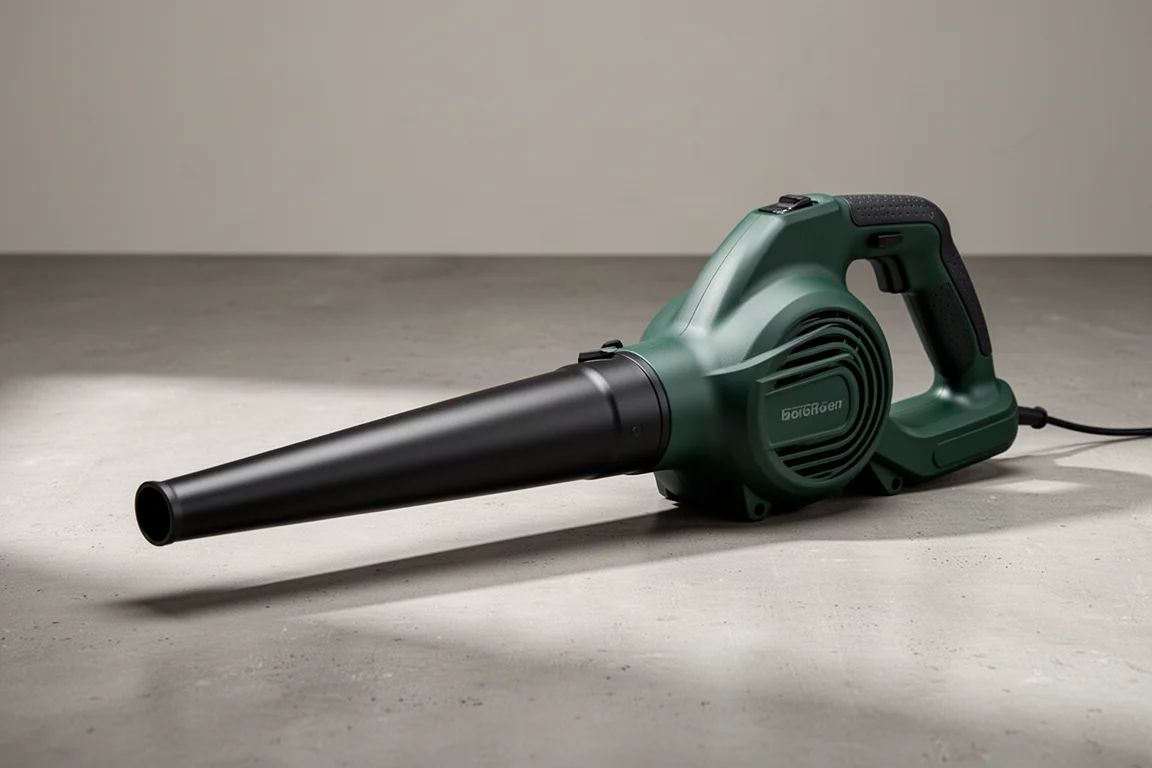
The XGT blower fixes both flaws of its predecessors: it is more powerful than the 36V blower while consuming battery at a similar rate, and critically, it maintains consistent output even as the battery depletes toward one or two bars, where the 36V version shows a very noticeable voltage drop.
Buying Advice: Where XGT Makes Sense
After three years, the pattern is clear. XGT makes sense for high-draw tools: chainsaws, reciprocating saws, blowers, and the rear-handle circular saw all benefit enormously from the 40V-class battery system’s sustained power and heat resistance. These are the tools worth building an XGT collection around.
The smaller tools are harder to recommend at full price. Impacts, drivers, and drills perform excellently but face stiff competition from cheaper options that are barely half a second slower. Only one tool in the entire lineup carries an IP rating, and it is not sold in the US. Pricing is also inconsistent across regions: some tools, like the mid-torque impact wrench, sell for around $200 when imported from Japan versus roughly double in the US.
Reliability over the three-year window has been excellent, and warranty service has been reasonable even for minor battery issues. For full-day professional use, gas equipment still wins on runtime economics; running a chainsaw for eight hours would demand five or six batteries and a charging logistics plan that is simply not practical. But for users who do not run chainsaws daily and want low-maintenance battery power that does not overheat, XGT is the strongest option on the market.
The final recommendation: buy XGT for the big tools, buy on deals rather than at retail, and let the platform’s genuine strengths (power, heat resistance, and build quality) justify the entry.
Conclusion
Three years in, Makita XGT is a platform with a split personality. Its high-draw outdoor and demolition tools are among the best battery-powered options available, while its compact tools are excellent but overpriced, with one model (the GDT02) best skipped altogether. If you work with chainsaws, recip saws, or blowers regularly, XGT is an easy recommendation. If you just need a drill and an impact, look elsewhere unless you find a genuine deal.
Further reading
Related Reviews
Power Tools
Best 1-Inch Pistol Impact Wrenches: Three Heavy-Duty Options Compared
We compare three 1-inch pistol impact wrenches, from a budget-friendly Harbor Freight model to a premium Caterpillar unit, to help you choose the right one.
Power Tools
Best 3/4-Inch Impact Wrenches 2026: Five Contenders Compared
We compare five 3/4-inch impact wrenches across price and performance, from a budget Amazon option to Snap-on's most powerful model yet.
Power Tools
Best Budget Cordless Tools 2026: Walmart Finds That Punch Above Their Price
We tested five cordless tools from Walmart, including a high-torque impact wrench that trades blows with Milwaukee and a $35 duster that outperforms its price class.