Power Tools
Makita B-001CG, B-003CG and B-005CG: The First XGT Sanders, Reviewed
Makita's first XGT sanders use an unusual corded-battery design. Here is how the 5 mm, 3 mm and sheet sanders compare for material removal, comfort and dust collection.
Introduction
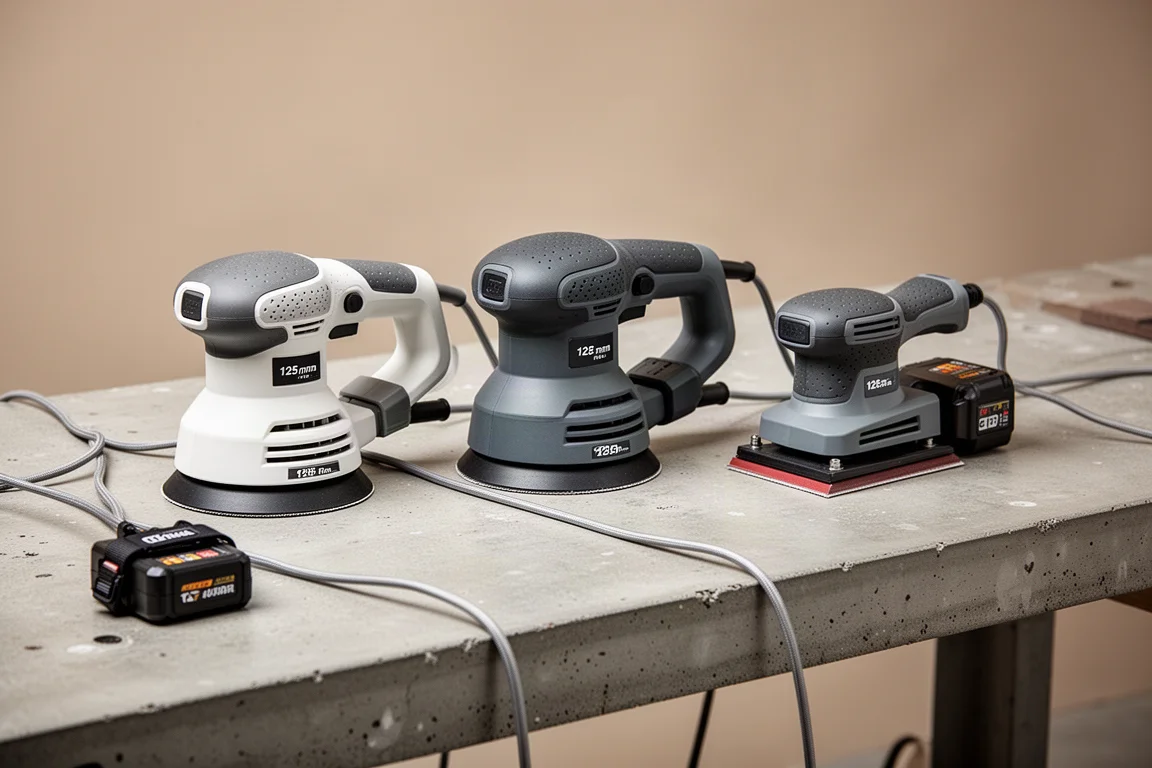
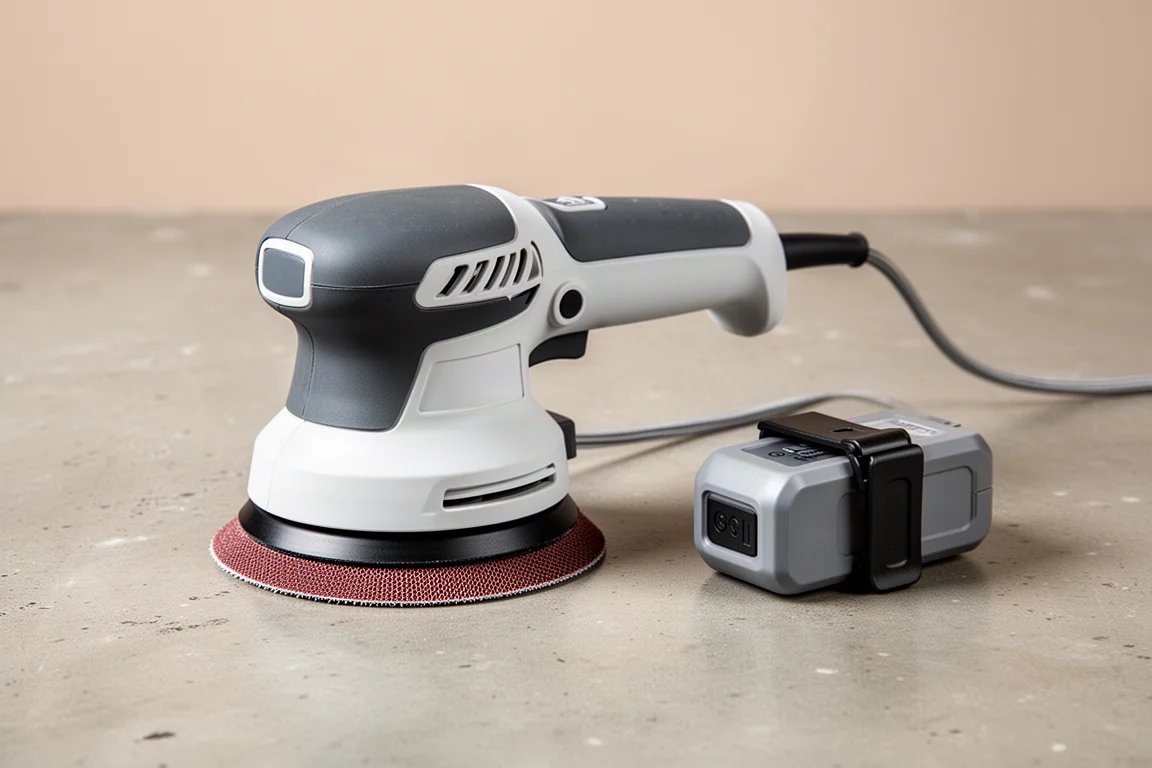
Makita has finally brought sanders into the 40V max XGT range, and the first batch covers three models: the B-001CG, the B-003CG and the B-005CG. If the model numbers look odd, that C is there for a reason. Unlike other XGT tools, these sanders do not carry the battery on the tool itself. Instead, power runs down a cord to a small battery pack you can clip to your belt, and dust extraction connects to a standard vacuum.
That makes these the first XGT tools with a cord-to-battery setup, and it changes how they feel in the hand in a way that genuinely matters for sanding. After spending time with all three, here is how the range breaks down and which model makes the most sense for your work.
What Makes the XGT Sanders Different
All three sanders share the same core design. Each has a variable speed dial, AWS compatibility so a connected vacuum turns on and off with the tool, and a simple push-button starter that will not restart itself after a battery swap. The dust port accepts a clip-on vacuum adapter that locks with a twist, and a friction-fit dust bag is included for vac-free work. The power cord itself clips on and off easily, with an alignment arrow so you cannot fit it backwards.
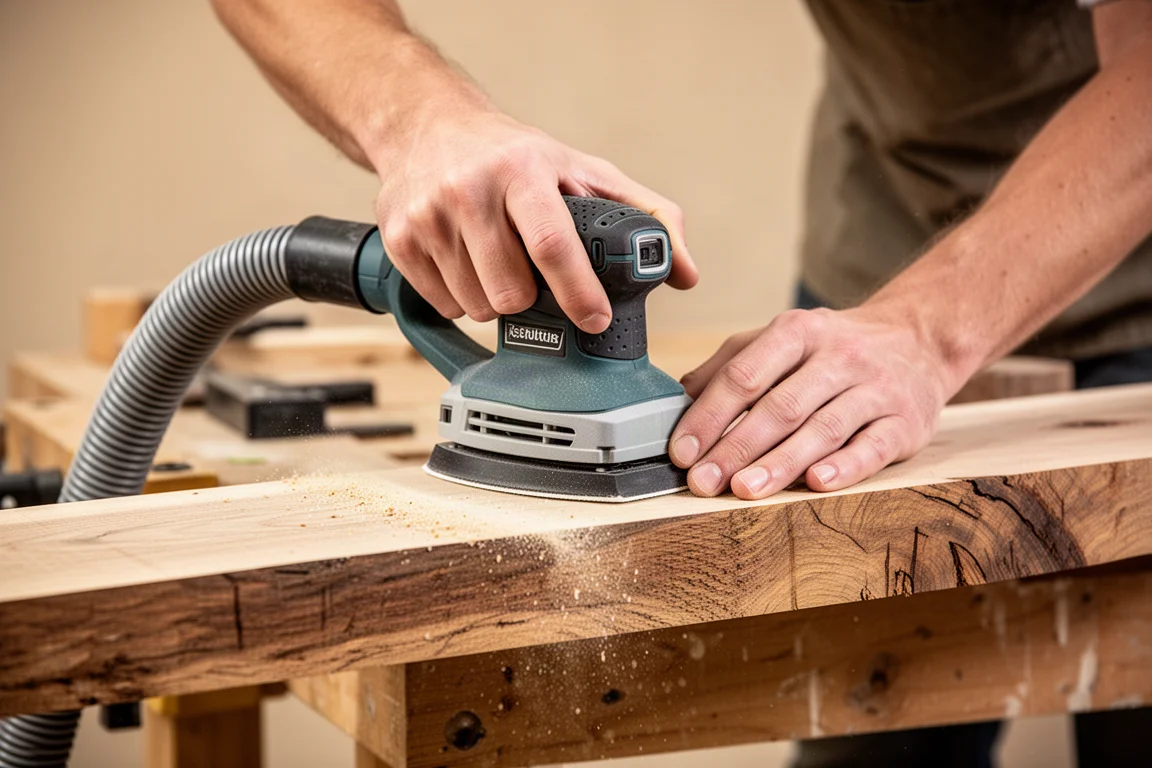
The corded-battery layout lowers the center of gravity dramatically. Compared with a traditional battery-on-tool sander, these feel more natural to control, produce less hand vibration and are simply more comfortable to hold for long sessions. In quick testing, the new XGT random orbital sanders removed material roughly four times faster than Makita’s long-running 18V random orbital sander with the same pads, while feeling noticeably better in use.
The Lineup at a Glance
The numbering system leaves gaps, and that is deliberate. The B-005CG and B-003CG are both 125 mm random orbital sanders, distinguished only by their orbit: the B-005CG has a 5 mm orbit for aggressive material removal, while the B-003CG has a 3 mm orbit for a finer finish. A 150 mm version with the same orbit choices is expected in other markets, along with a detail or delta sander and a larger third sheet sander, though those were not yet available at the time of testing.
Makita B-001CG: The Sheet Sander
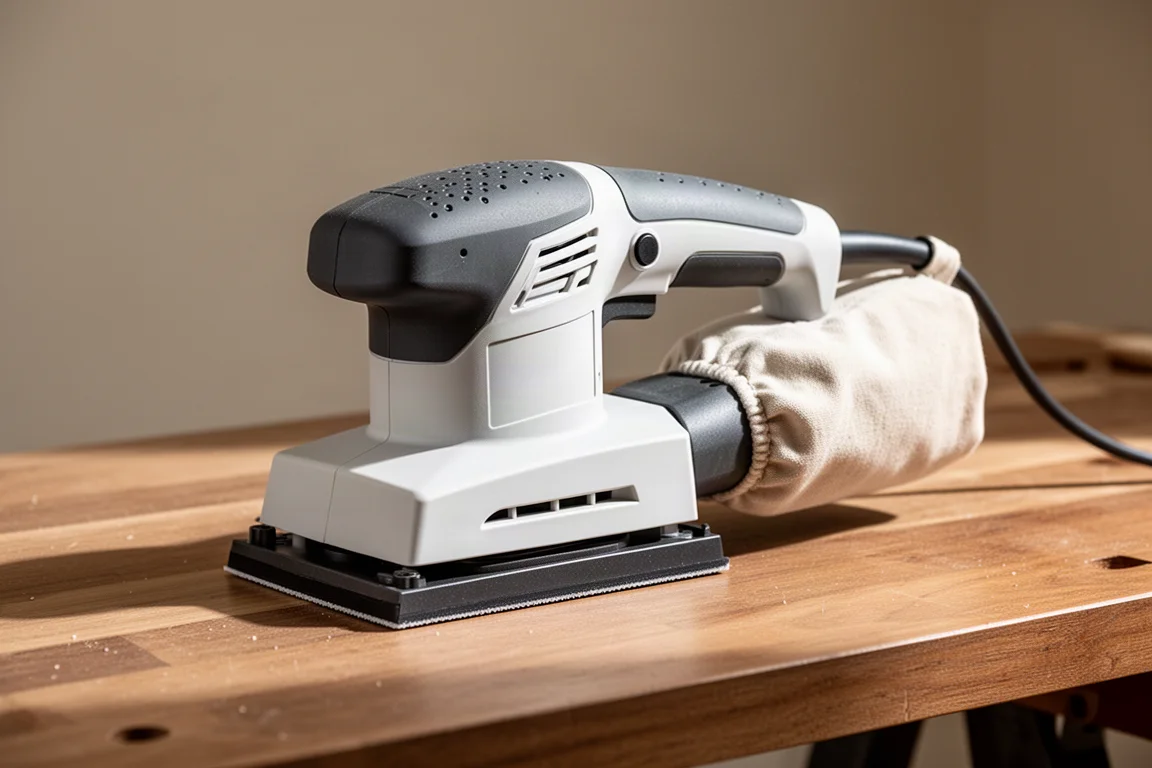
The B-001CG is the quarter-sheet style sander of the group, and it uses 130 mm long by 80 mm wide sanding sheets. It runs a 3 mm orbit and, like its siblings, comes with a mesh net sanding sheet and an interface pad in the box.
For large flat surfaces, this is the steady workhorse. With an 8 amp battery, runtime is estimated at around two hours even on full speed with a 120 grit sheet, and it was still collecting an impressive amount of dust into the bag during testing. If your work leans toward flat panels and framed timber rather than contoured surfaces, this is the one that earns its spot.
Makita B-005CG: The Aggressive 5 mm Orbital
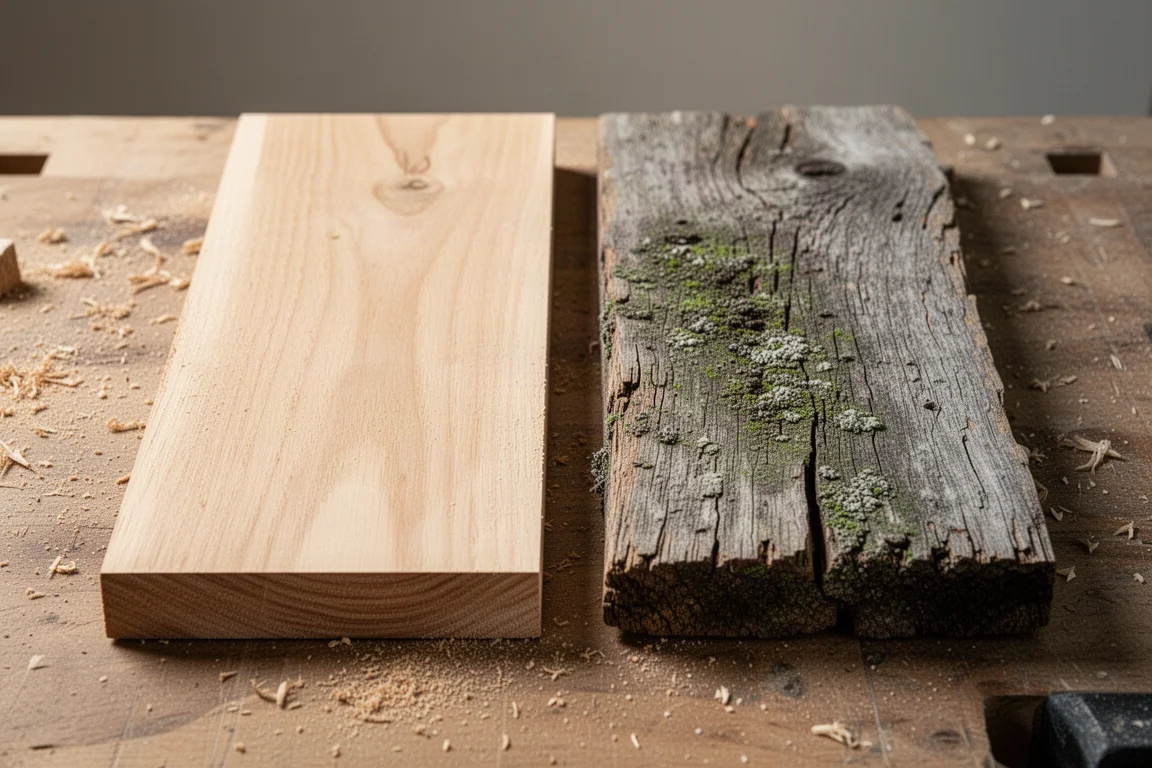
The B-005CG is the speed demon of the range. Its 5 mm orbit removes material far faster than a 3 mm orbit, making it the right pick for rough timber, stripping paint and flattening uneven surfaces. In a head-to-head minute test on a mouldy board, the 5 mm orbit covered roughly twice the area of the 3 mm version, both running fresh 80 grit pads at full speed.
The trade-off is the expected one: more vibration, more noise, and a higher chance of swirl marks if you push too hard on the final passes. Paired with a 2.5 amp battery, it still tore through deep chainsaw grooves in a dense hardwood board remarkably quickly, with very little dust escaping. The trade-off for all that removal speed is comfort: the 5 mm orbit is the buzziest of the three, though still gentler than older 18V designs thanks to the low-slung battery.
Makita B-003CG: The Finisher
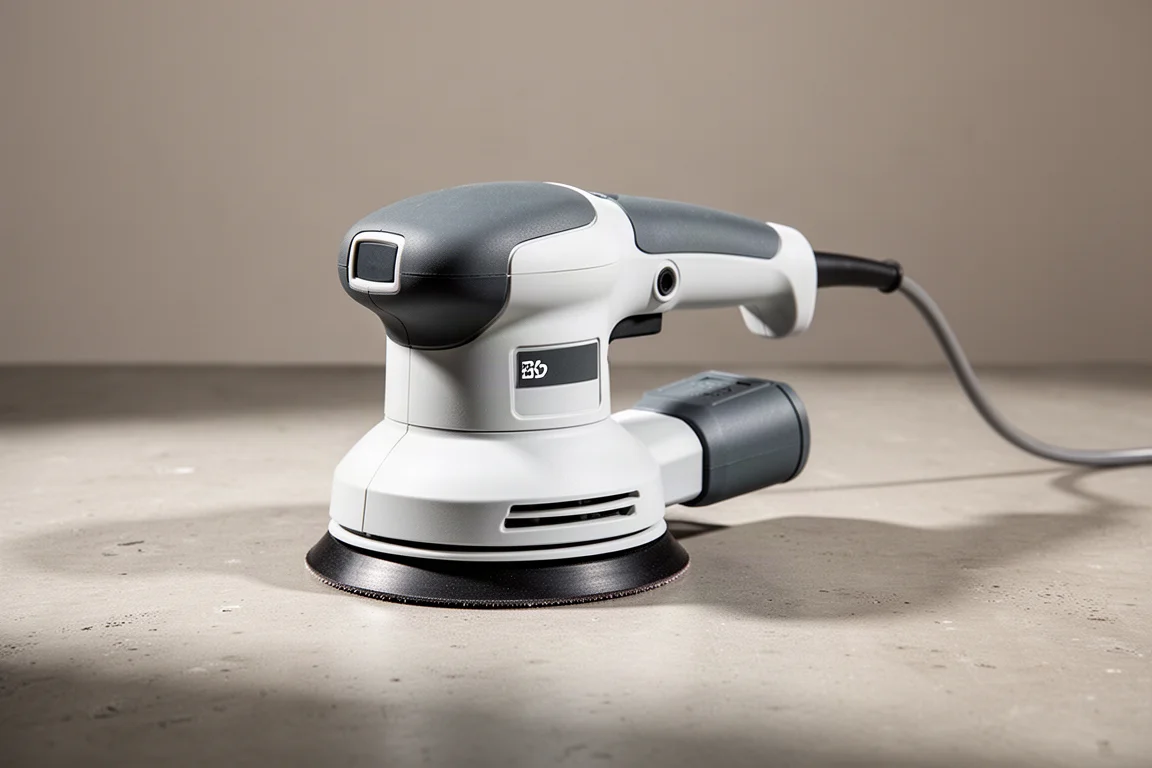
The B-003CG shares the same 125 mm pad as the B-005CG, which means discs and the vacuum adapter swap straight between the two. Its 3 mm orbit trades raw removal speed for a nicer final surface with less risk of swirl marks.
The practical workflow is to own both: rough everything down with the 5 mm, then move to the 3 mm with a finer grit for the finishing passes. The 3 mm orbit also buys you roughly seven extra minutes of runtime per charge compared with the 5 mm model. For anyone doing fine furniture work or anything where the final surface quality matters more than speed, this is the sander to reach for.
Pads, Discs and Dust Extraction
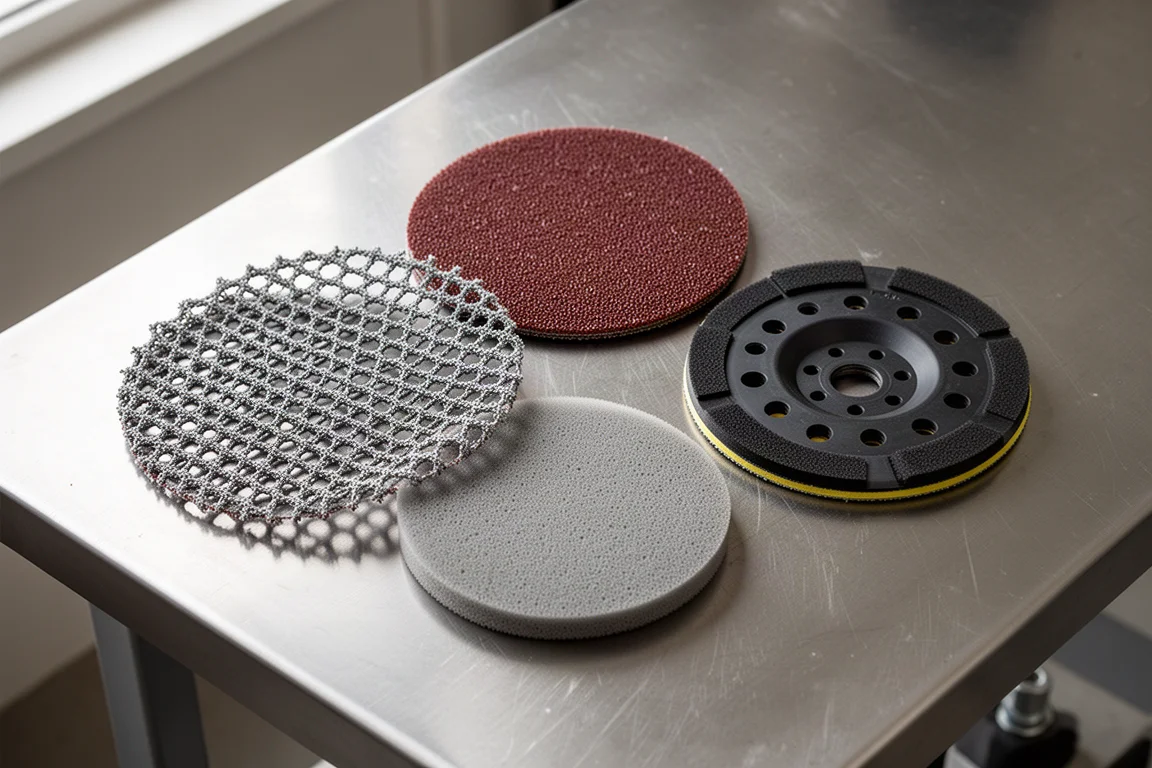
Every sander in the range ships with a mesh net abrasive, an interface pad and a dust bag. The interface pad is worth understanding: it protects the main backing pad from the Velcro hooks on net abrasives and from dust packing, and because it is cheap, replacing a worn one beats wrecking the tool’s pad.
The hole pattern on the 125 mm pads includes the traditional Makita pattern plus an extra ring of holes around the outside. Dust collection without a vacuum is genuinely impressive, capturing something in the region of 95 percent of dust in testing, though the friction-fit bag does leak a small amount and shifts slightly as the cord moves. For anything beyond short sessions, hook up a vacuum and wear a mask.
One small gripe: the vacuum adapter locks in place with no swivel, so the hose does not rotate freely while you work. It is a minor nuisance rather than a dealbreaker.
Battery, Runtime and the Cord Question
The belt-clip battery holder sounds gimmicky but works well. Clip it to your belt or just set it on the bench when sanding flat surfaces, and the cord all but disappears from your awareness. A 1.6 m lead is included, and an optional 5 m cable exists for bigger areas or an 8 amp battery sitting on the floor.
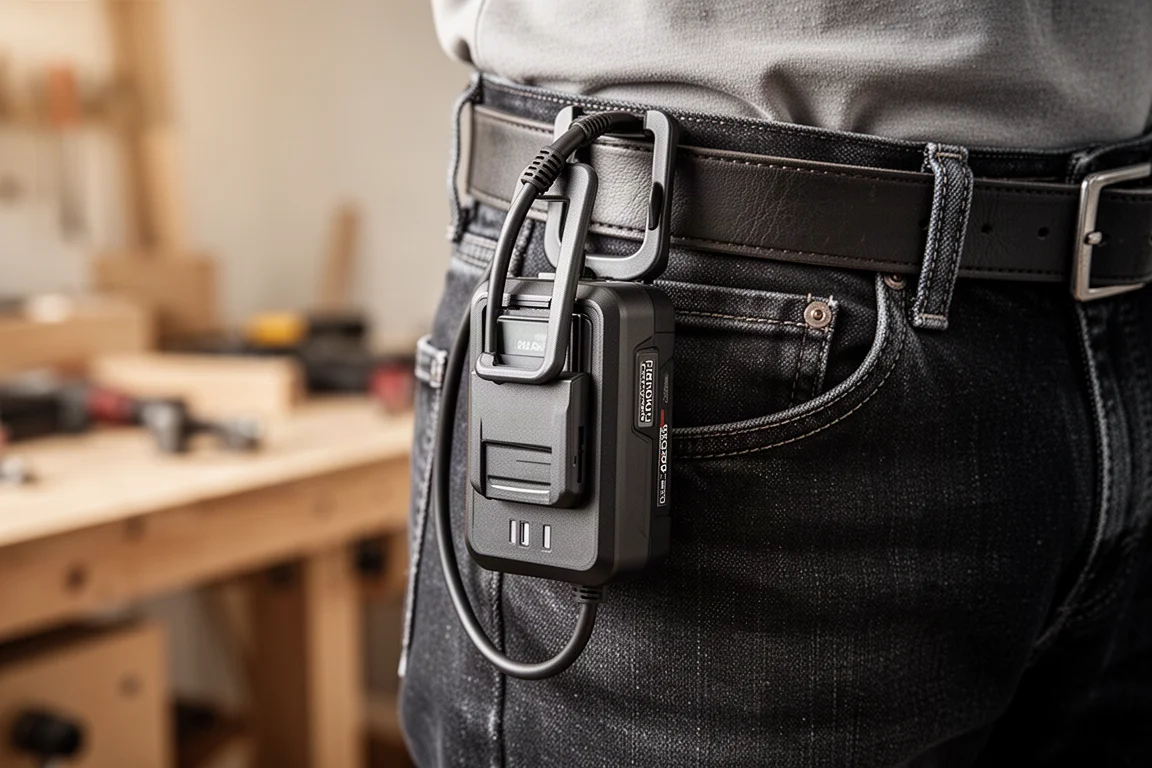
On runtime, expect roughly 20 minutes from a 2.5 amp battery on the 5 mm orbital at full speed, with official figures of about 35 minutes on the 4 amp pack. The 3 mm orbital adds around seven minutes, and the sheet sander manages about 65 minutes on the 4 amp. All official numbers assume full speed with constant pressure and a 120 grit abrasive.
Which One Should You Buy?
If you buy only one, the B-005CG is the most versatile all-rounder: its 5 mm orbit removes material fast, and a finer grit disc will still deliver a good finish for most non-automotive work. Add the B-003CG if surface finish is a priority, and the B-001CG if you spend your time on flat sheet goods and large timber surfaces.
Value is a strong part of the story. In the market where these were tested, the new XGT orbitals cost roughly double the old 18V random orbital sander but remove material about four times faster, with better comfort, lower vibration and far superior dust collection. Priced against premium competing brands, you could buy nearly the entire XGT sander range for the cost of one high-end alternative. The only extra consideration is batteries, though most Makita users already own a stash.
Conclusion
Makita’s first XGT sanders are well thought out. The corded-battery design lowers the center of gravity, cuts vibration and makes these genuinely pleasant sanders to use for extended sessions, while dust collection stands out even without a vacuum hooked up. Pick the B-005CG for speed, the B-003CG for finish, and the B-001CG for flat work. Together they form a system that is easy to recommend over both older 18V sanders and much pricier premium alternatives.
Further reading
Related Reviews
Power Tools
Best 1-Inch Pistol Impact Wrenches: Three Heavy-Duty Options Compared
We compare three 1-inch pistol impact wrenches, from a budget-friendly Harbor Freight model to a premium Caterpillar unit, to help you choose the right one.
Power Tools
Best 3/4-Inch Impact Wrenches 2026: Five Contenders Compared
We compare five 3/4-inch impact wrenches across price and performance, from a budget Amazon option to Snap-on's most powerful model yet.
Power Tools
Best Budget Cordless Tools 2026: Walmart Finds That Punch Above Their Price
We tested five cordless tools from Walmart, including a high-torque impact wrench that trades blows with Milwaukee and a $35 duster that outperforms its price class.