Power Tools
Makita XGT Reciprocating Saw Gen 1 vs Gen 2: Which One Deserves Your Money?
The Gen 2 Makita XGT reciprocating saw adds orbital action, lower vibration, and more speed settings, but it costs more and weighs about a pound extra. Here is how the JRJ1 and JRJ2 compare.
Introduction
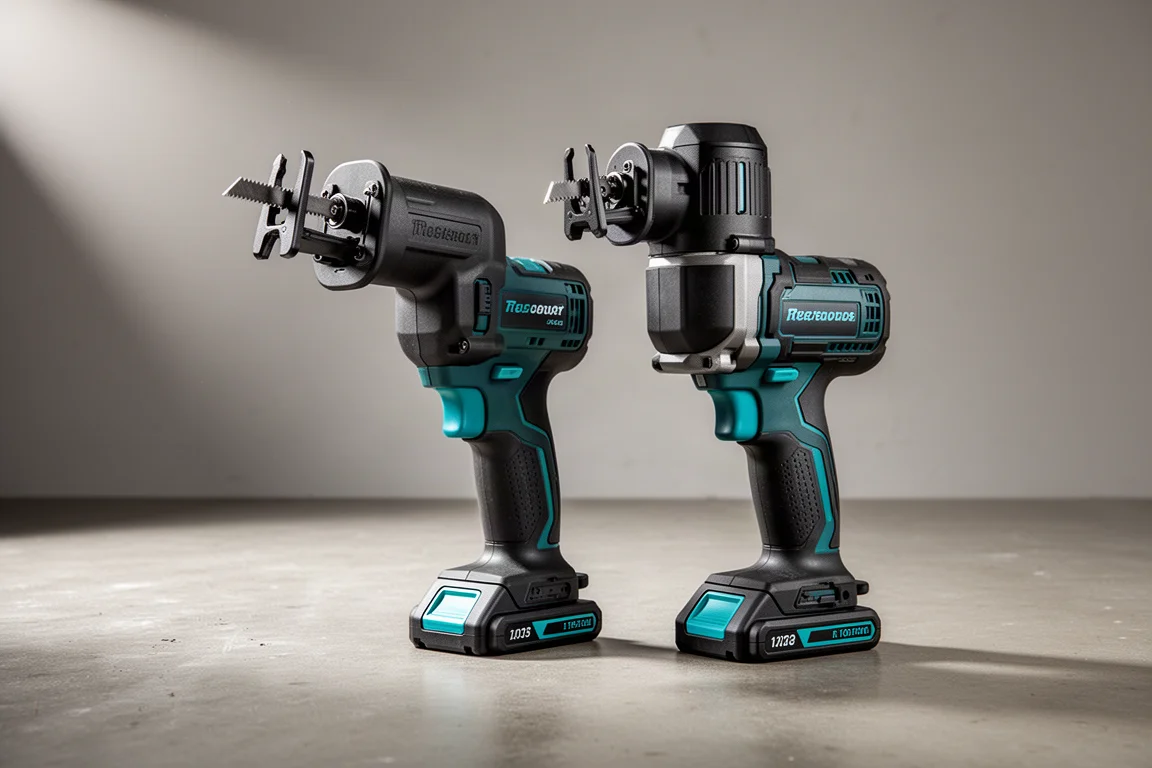
Makita’s XGT reciprocating saw lineup has a clear dividing line. The Gen 1 JRJ1 has been available for years and earned a reputation as one of the most powerful saws in the brand’s catalog. The Gen 2 JRJ2 arrived more than a year ago and, in head-to-head testing against the Gen 1 and other high-power cordless reciprocating saws, it came out on top. It is arguably the best reciprocating saw Makita has released to date.
But the interesting question is not whether the Gen 2 is good. It clearly is. The real question is whether it is worth paying extra to upgrade if you already own the Gen 1, or which one to buy if you are starting from scratch. Here is how they stack up.
The Case for the Gen 1: JRJ1
The JRJ1 is a fairly basic tool, and that is part of its appeal. You get two speed settings, a rafter hook, and not much else. What it does have is serious power. It is the most powerful reciprocating saw in this comparison and has held up through plenty of job site use.
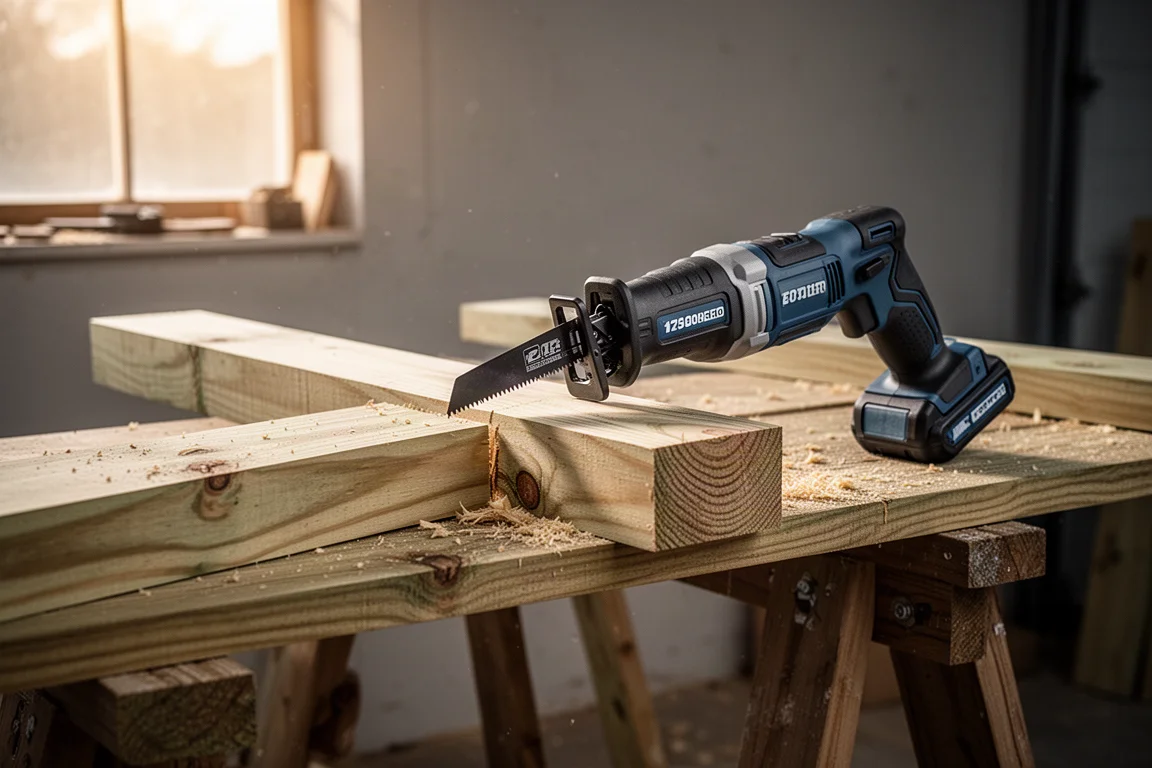
Its main weakness is vibration. Like most high-power reciprocating saws, it shakes a lot in use, and it produces a noticeable high-pitched squeal while running. It is also the heavier-duty option in terms of comfort around the handle, offering a more generous grip area than the newer model.
The Case for the Gen 2: JRJ2
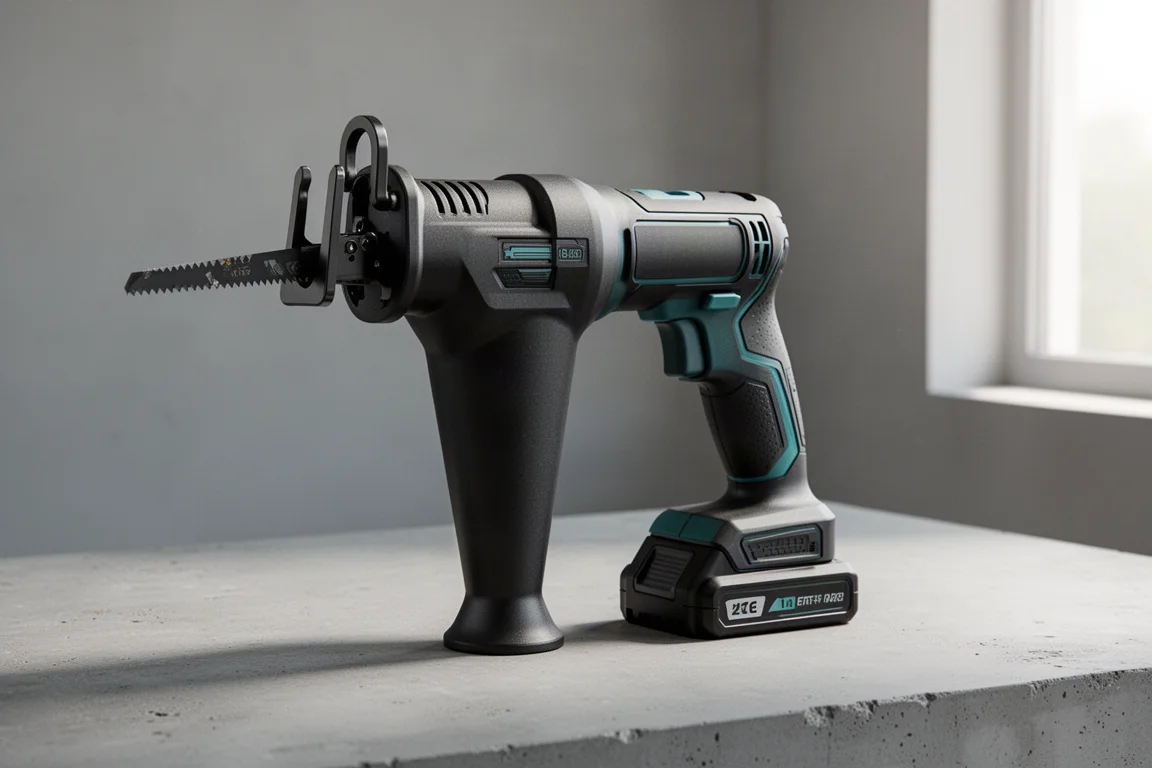
The Gen 2 addresses nearly every complaint about the original. The headline feature is AVT anti-vibration technology, which makes a genuinely large difference rather than a marginal one. It is also noticeably quieter, with a lower, calmer motor tone instead of the squeal.
Speed control gets smarter too. Instead of two settings, you get five speeds, and the speed selector has been moved to a less accident-prone location. The mode button that used to be easy to bump and accidentally lock the tool out is now harder to press by mistake. Add in orbital action, which Makita previously avoided on its reciprocating saws, and the JRJ2 suddenly has the feature set its competitors offer.
Key Differences: Vibration, Size, and Weight
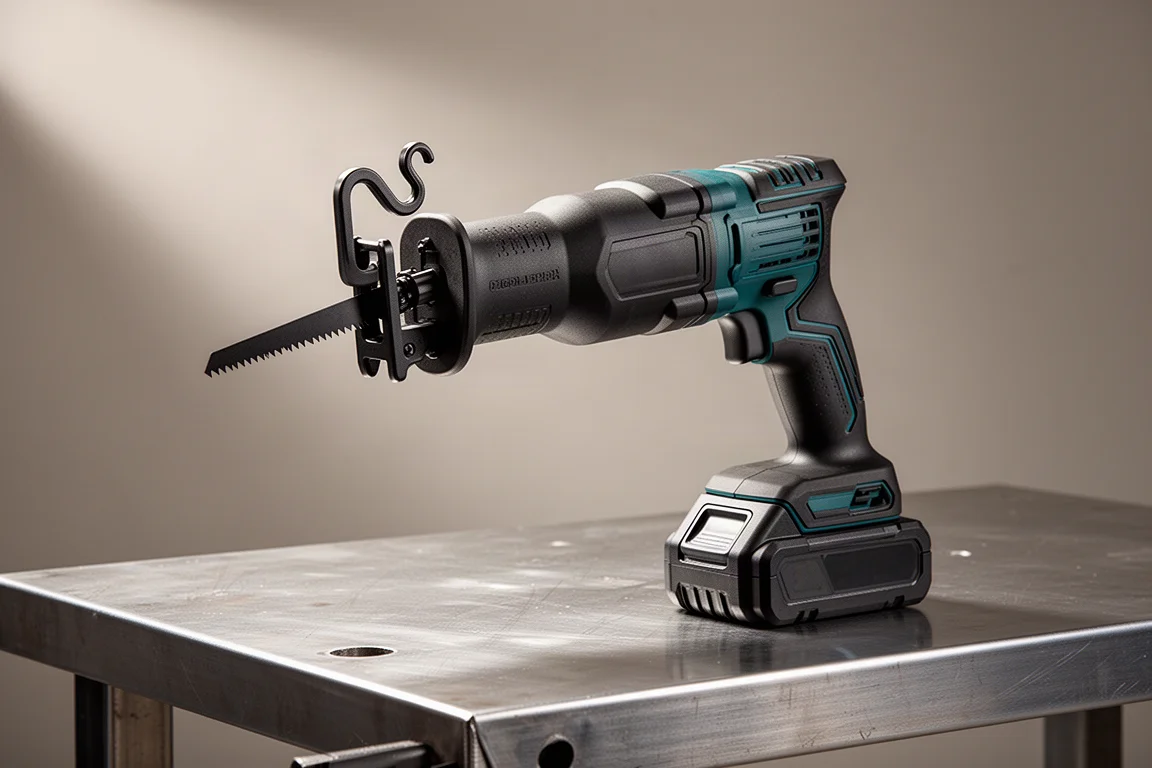
Side by side, the differences show up quickly. The Gen 1 includes an isolation section that separates the battery from the tool body to protect it from vibration. The Gen 2 drops that entirely because the vibration itself is so much better controlled. In a simple bottle test on maximum speed, the Gen 2 showed a considerable and immediately obvious reduction in vibration compared to the Gen 1.
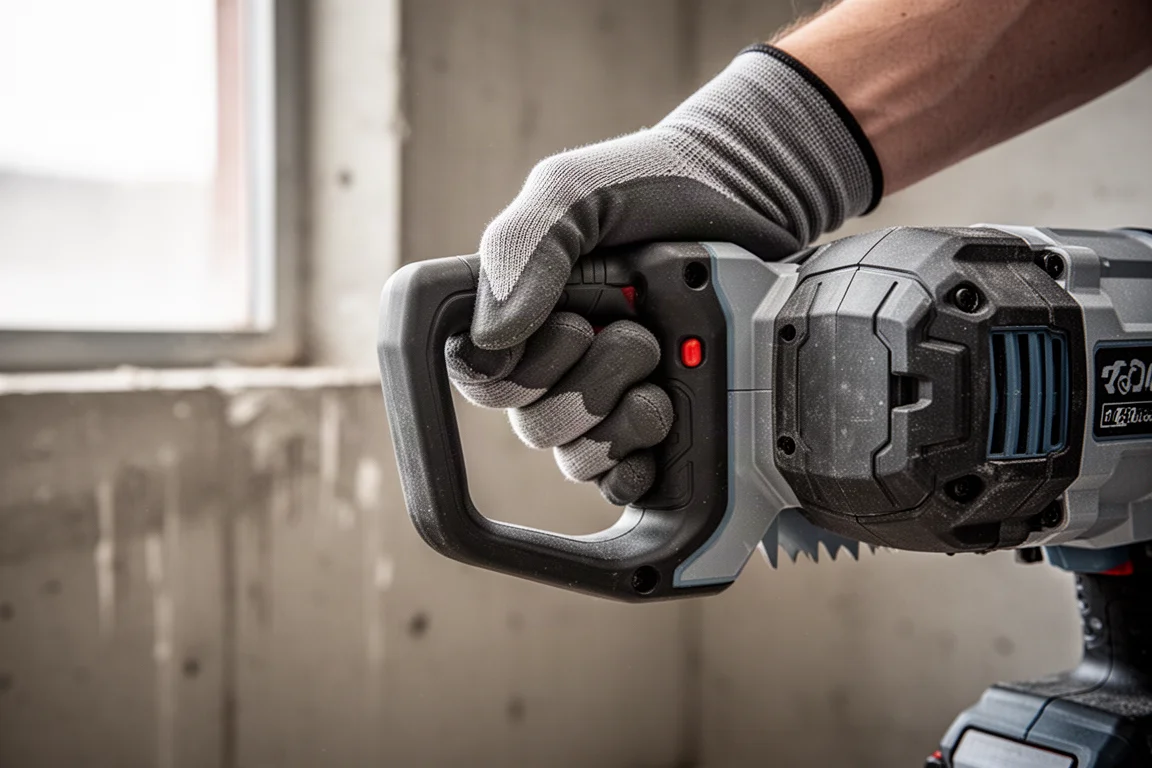
The orbital action forces a larger motor and gearing assembly, so the Gen 2 stays thick through the body all the way up rather than tapering like the Gen 1. That costs a little grip room: with gloves on, the rear handle feels tighter and the housing pushes against the back of the hand. It is not a dealbreaker, just slightly less refined ergonomics.
The Gen 2 is about half an inch shorter than the Gen 1, but it is also heavier. The Gen 1 weighs 7 lb 13.4 oz, while the Gen 2 comes in at 8 lb 10.8 oz, roughly a full pound more.
Cut Performance: Real Cutting Times
Using a fully charged 5Ah XGT battery, the same blade, and the same battery for both tools, the test involved three cuts through pressure-treated 4x4 lumber per configuration, with times averaged.
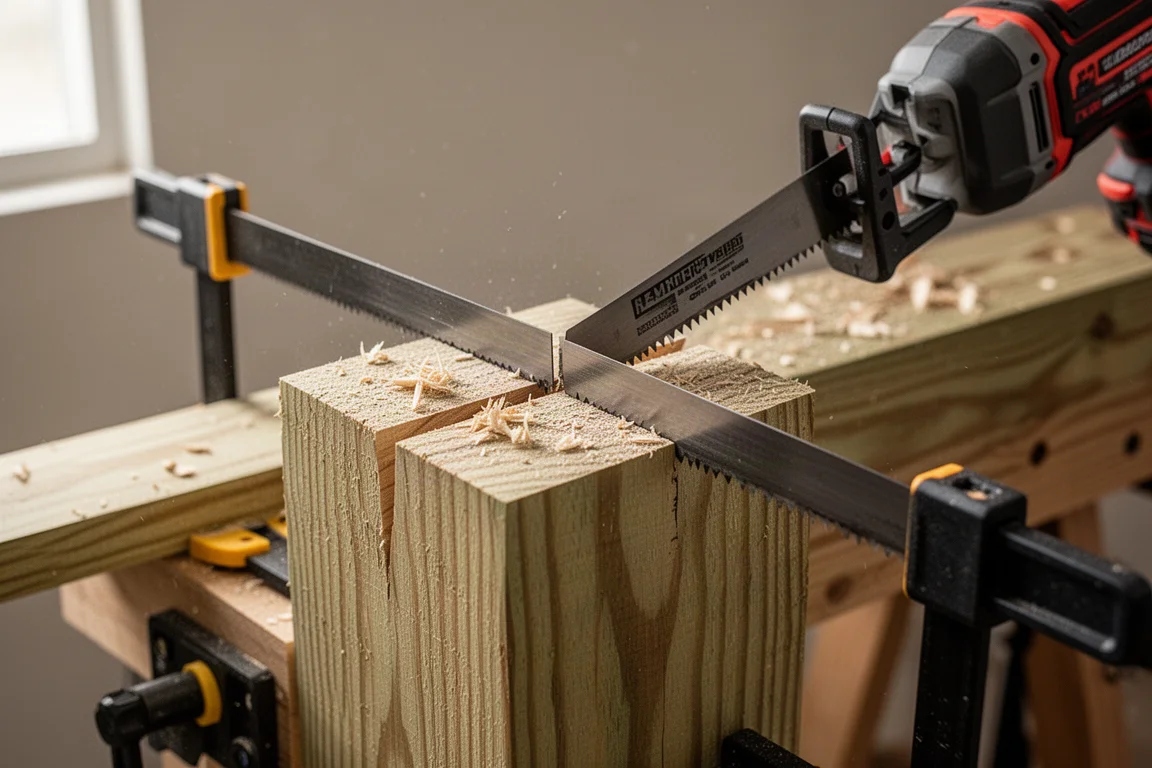
The Gen 1 delivers plenty of power but shakes heavily through the cut. The Gen 2 was tested three times with orbital action off and three times with it on, and visibly less vibration made the cuts noticeably more comfortable. The Gen 2 is the stronger, more refined cutter overall.
One note on orbital action: it adds an extra motion that helps clear wood chips out of the cut, which can speed up wood cutting. It is far less useful for metal, where fine chips clear on their own and the extra motion can make the blade jump. It also adds vibration and wear on internal components. For most everyday cutting, the difference is hard to notice, and many users will leave it off most of the time. Where it can help is heavy tasks like cutting through 6x6 or 8x8 posts and teardown work on large decks.
Is the Upgrade Worth It?
Performance-wise, yes, the Gen 2 is worth upgrading to. Vibration is significantly reduced, you get far more speed options including slow speeds that matter for metal cutting, where running the blade slowly prevents overheating and broken teeth.
Price is the catch. The Gen 2 kit runs over $500, and to run the tool effectively for half a day of work you really need a charger plus at least two 5Ah batteries, pushing the realistic investment to roughly $600 to $700. The Gen 1 with extra batteries lands around $500 to $600, possibly less depending on the deal. Competing saws from other major brands cost considerably less, and the XGT ecosystem overall, including batteries, chargers, and companion tools, is expensive with few discounts.
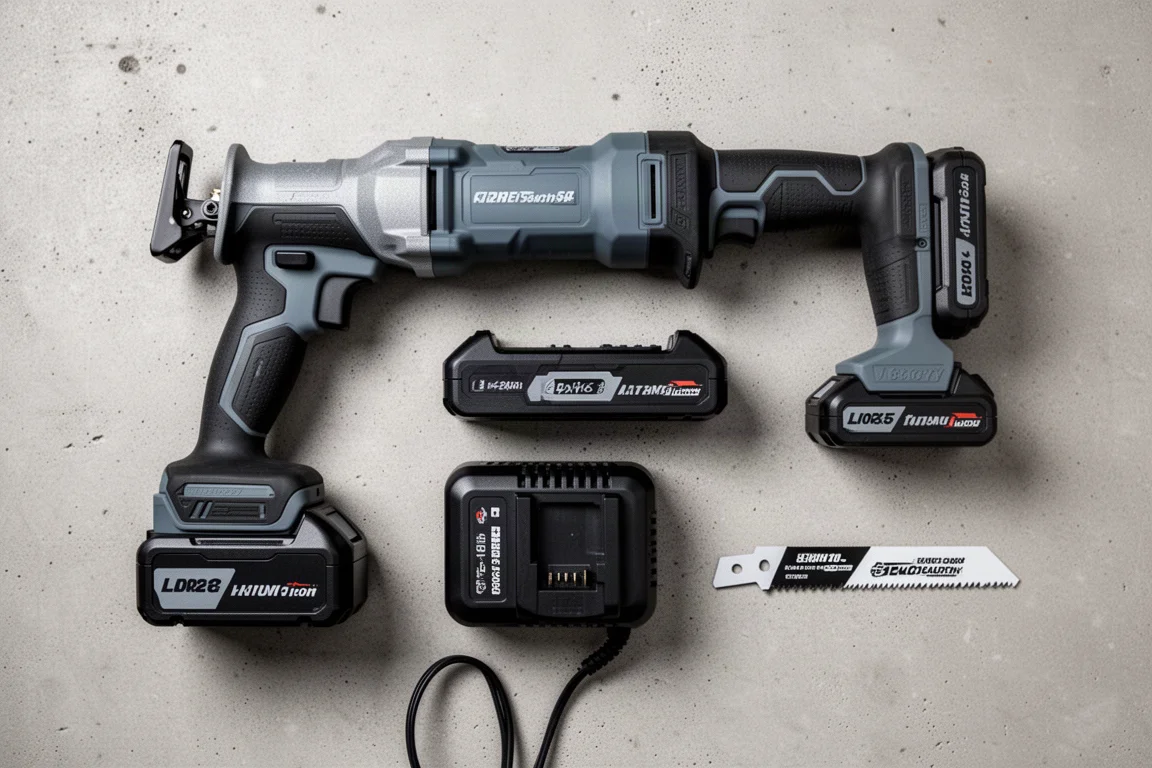
The practical advice: if money is no object and you want the most capable option, the Gen 2 is the clear choice. If you already own the Gen 1, the upgrade makes sense, but it is worth waiting for a sale given the pricing relative to the competition.
Conclusion
The Makita XGT Gen 2 reciprocating saw is a genuine step forward: less vibration, five speeds, orbital action, a smarter control layout, and a slightly shorter body, at the cost of about a pound of extra weight and a tighter grip. The Gen 1 remains a powerful, simpler tool that costs less to build out. Choose the Gen 2 if you want the best performance Makita offers and can accept the premium, and choose the Gen 1 if value matters more than refinement.
Further reading
Related Reviews

Power Tools
Best 1-Inch Pistol Impact Wrenches: Three Heavy-Duty Options Compared
We compare three 1-inch pistol impact wrenches, from a budget-friendly Harbor Freight model to a premium Caterpillar unit, to help you choose the right one.

Power Tools
Best 3/4-Inch Impact Wrenches 2026: Five Contenders Compared
We compare five 3/4-inch impact wrenches across price and performance, from a budget Amazon option to Snap-on's most powerful model yet.

Power Tools
Best Budget Cordless Tools 2026: Walmart Finds That Punch Above Their Price
We tested five cordless tools from Walmart, including a high-torque impact wrench that trades blows with Milwaukee and a $35 duster that outperforms its price class.