Power Tool Accessories
Makita XGT Portable Vacuums: VC013G, VC014G, DVC750 and VC004G Compared
The long-awaited XGT lunchbox-style vacuums are here. We look at how the VC013G and VC014G stack up against Makita's 18V DVC750 and the VC004G dust extractor.
Introduction
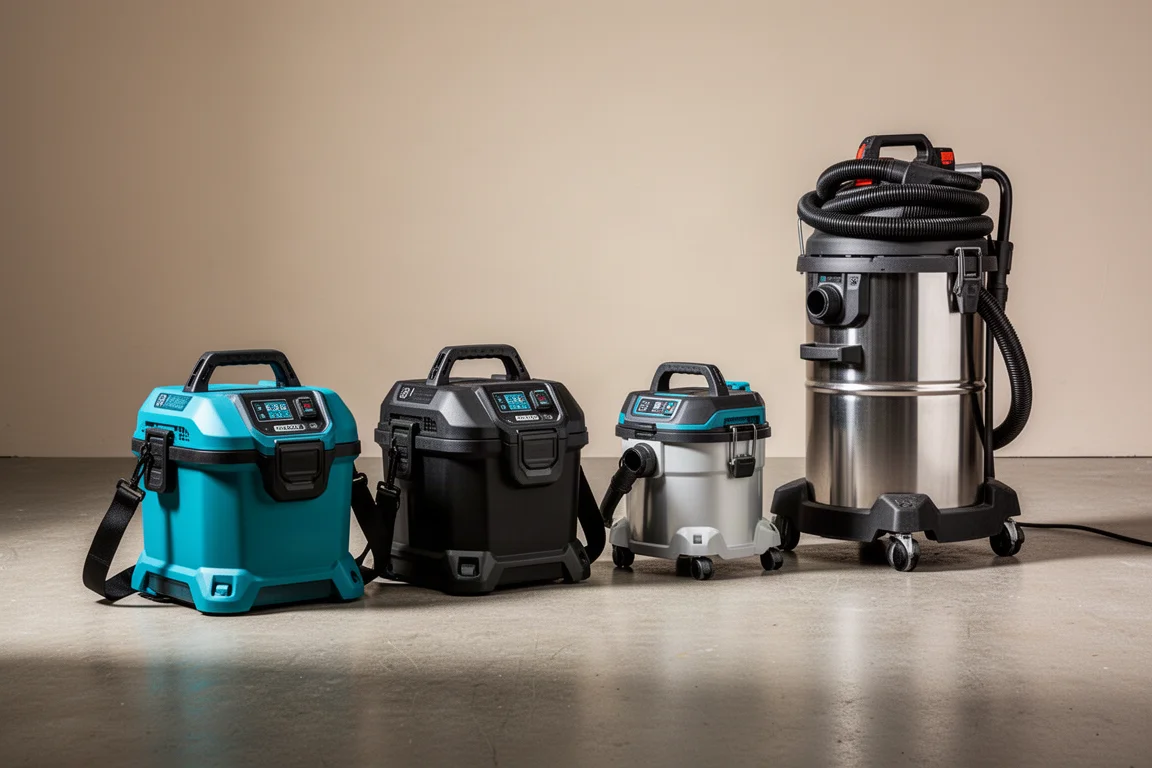
For a while, the question kept coming up: when would Makita bring its lunchbox-style portable vacuum to the XGT platform? That wait is over. Two new 40V max XGT models, the VC013G and the VC014G, now cover the portable vac role, and they sit alongside the older 18V DVC750 and the larger VC004G dust extractor. This guide walks through what they share, what separates them, and which one makes sense for your setup.
What the New XGT Vacs Have in Common
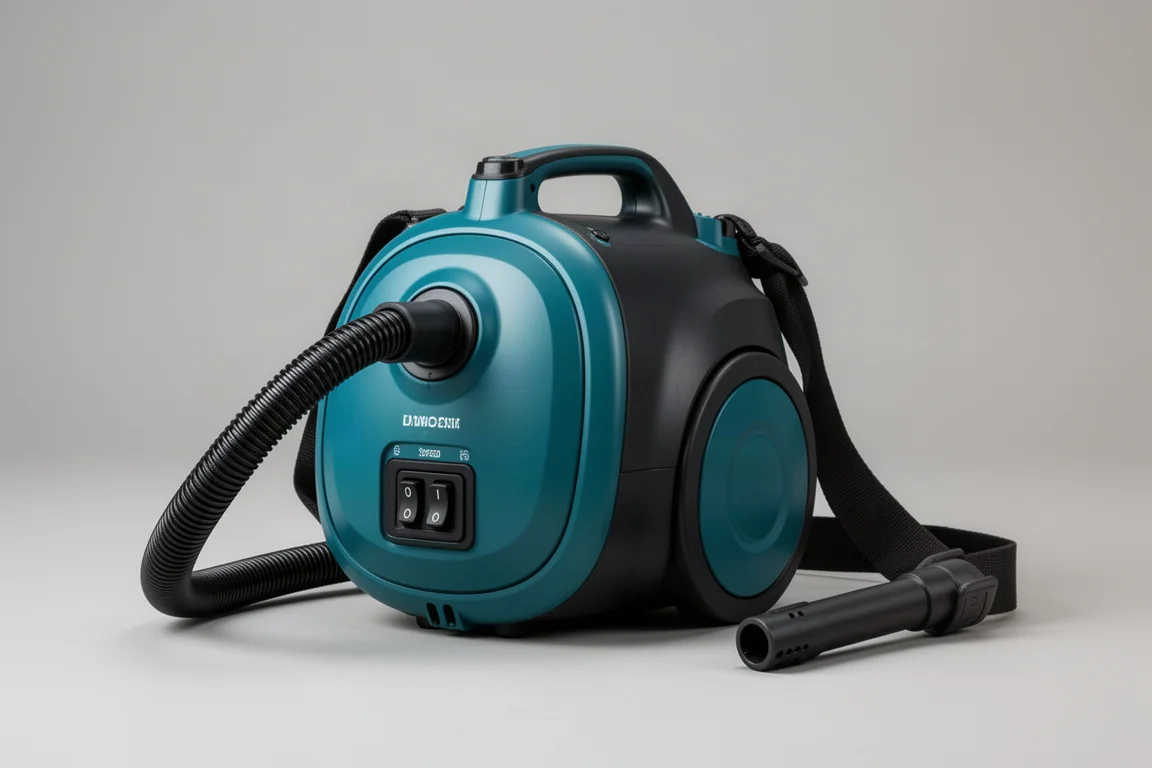
The VC013G and VC014G are both L-class vacs aimed at portability. Each comes with a shoulder strap that can be removed, plus a handle that locks in position so it does not flop around during transport. The included hose is 2 m long, and it can be moved to the opposite port so the unit doubles as a blower.
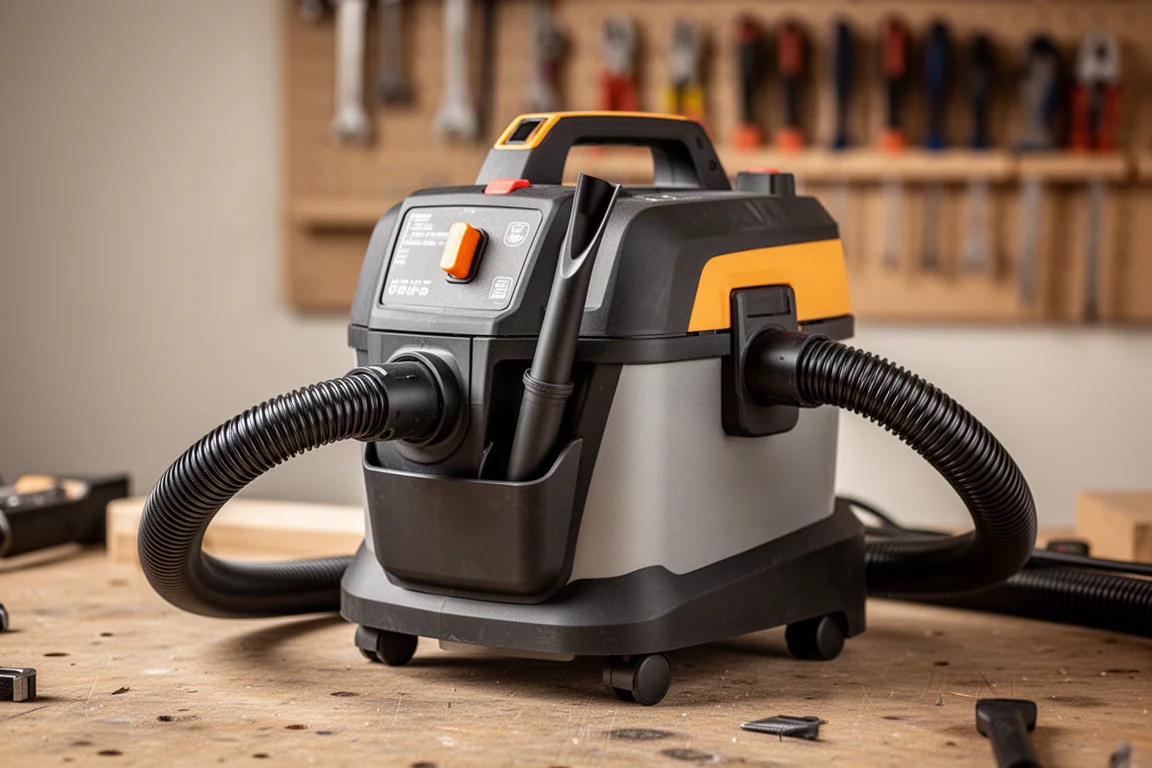
Other shared touches include a crevice tool that slots into the front and holds firmly, a side nozzle for wet pickup, a variable speed dial, a battery indicator button, and a HEPA-style filter that pops in and locks quickly. Battery access is generous: an 8Ah XGT pack fits without any drama, and the lid stays open while you work. The housing also has mounting holes for optional casters sold separately by Makita, so you can wheel the unit around like a conventional vac. One caveat: these are new models, so they are not yet compatible with the MakPac or MakTrak systems.
Makita VC013G: The AWS Auto-Start Model
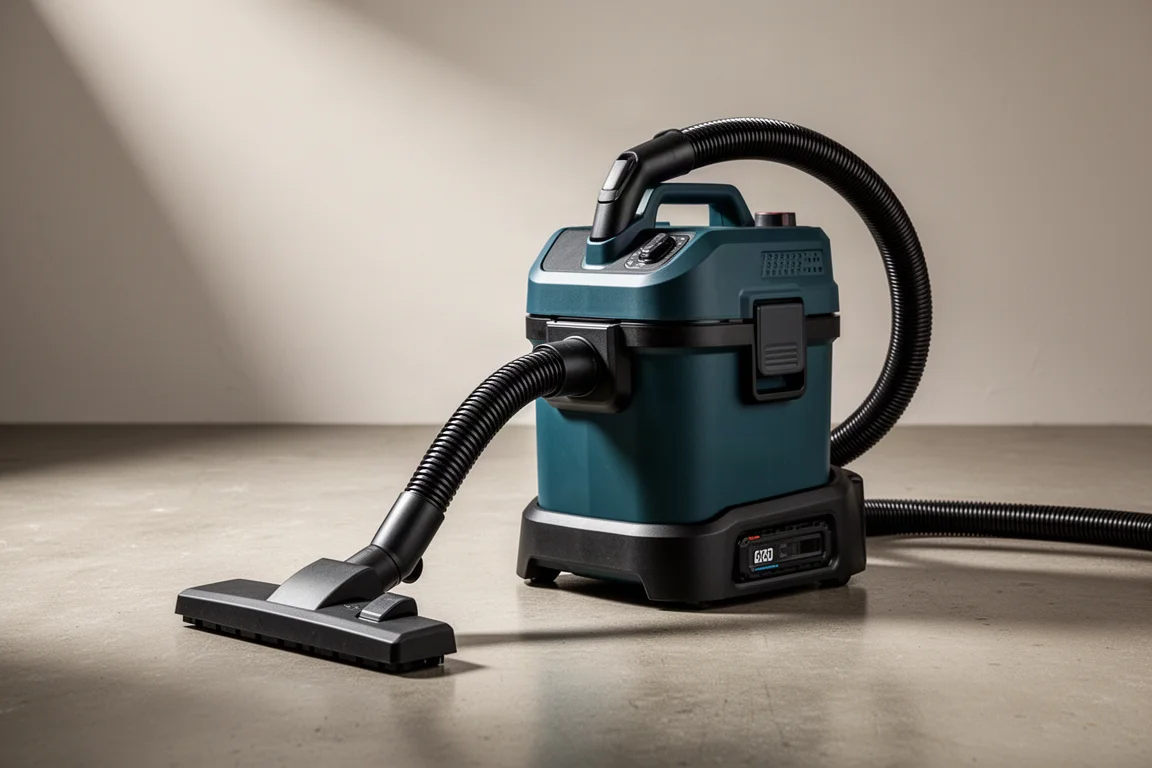
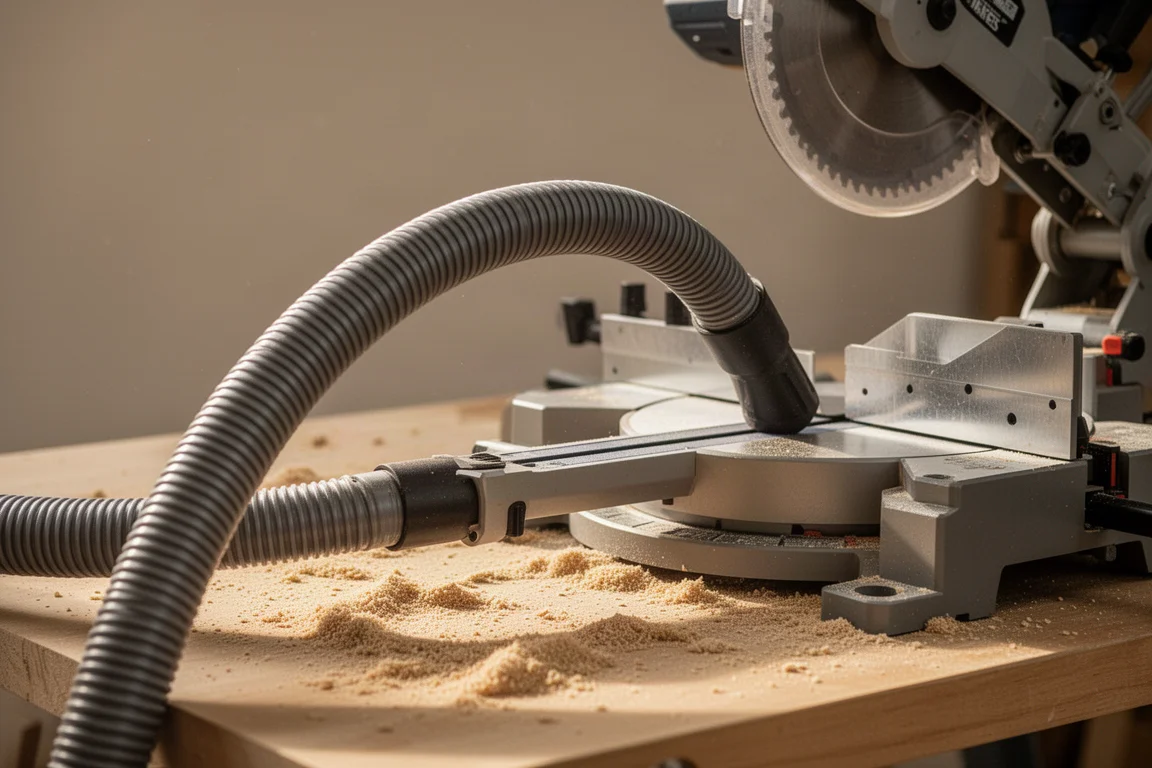
The VC013G is the AWS model of the pair. Its AWS chip screws into a dedicated port, and once paired with a compatible tool, the vacuum starts and stops automatically with the tool’s trigger. Pull the trigger on your AWS-equipped saw and the vac fires up; let go and it shuts down a few seconds later.

That matters more than it sounds. The vac only runs when it is actually needed, which saves battery, and you never finish a few cuts wondering why the bench is dusty because you forgot to switch the vac on. Pairing is a one-time process: hold the chip button until both units flash green, then solid, and from then on they connect automatically, much like Bluetooth. The VC013G is also set up for dust extraction out of the box, including a pre-filter and foam layer for extra protection ahead of the main filter.
Makita VC014G: The Straightforward Cleanup Vac
The VC014G is the non-AWS sibling and is configured more as a portable vac for cleaning up messes. It ships with a wet filter and a pack of ten paper bags in this market, which the VC013G does not include.
The good news is that the two models share the same core hardware, so the wet filter fits both, and either can run paper bags, fleece bags, or the wet filter. If you choose the VC014G and later want dust extraction filtering, you may simply need to buy those filters as optional accessories. Conversely, the practical recommendation for many buyers is the VC013G for the AWS benefit, then adding the wet filter separately if wet pickup is on the agenda.
Makita DVC750: The 18V Option Still Worth Knowing
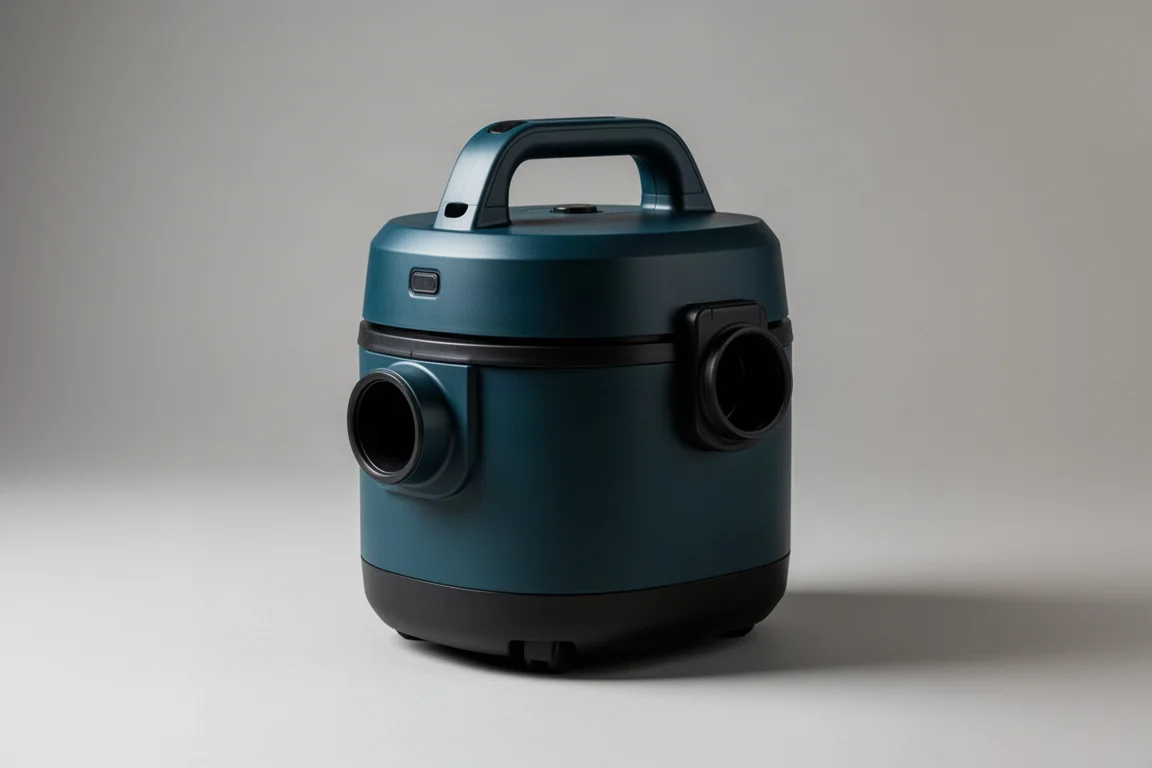
The DVC750 is the 18V model that the new XGT pair effectively replaces. It is a little smaller and lighter than the XGT units at 4.6 kg versus roughly 6.2 kg for the XGT vacs fully loaded with a large battery, though it has the same 7.5 L dry and 4.5 L wet capacity.
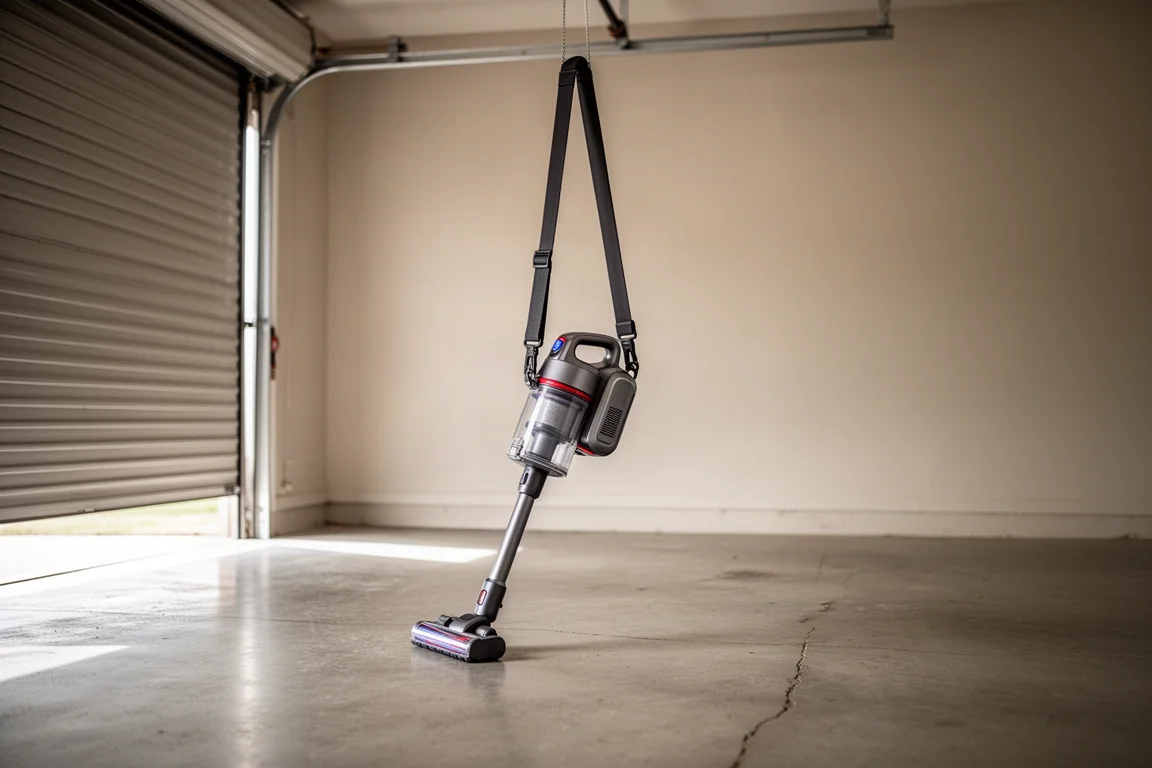
Where it falls short is suction. Makita’s New Zealand figures put it at 50 W versus 165 W for the XGT model, a claimed 230% more on the newer platform, and in direct pickup tests the DVC750 could not lift a heavy chain or bolt heads that the XGT vac handled easily. It also lacks AWS, has only two fixed speeds instead of a variable dial, has no holes for casters, and offers no way to clip in dust bags without modifying it. On the plus side, its dust filter and wet filter are identical to those used on the 40V models, and its housing is polypropylene with 30% glass rather than the ABS used on the XGT units.
Makita VC004G: The Dedicated Dust Extractor
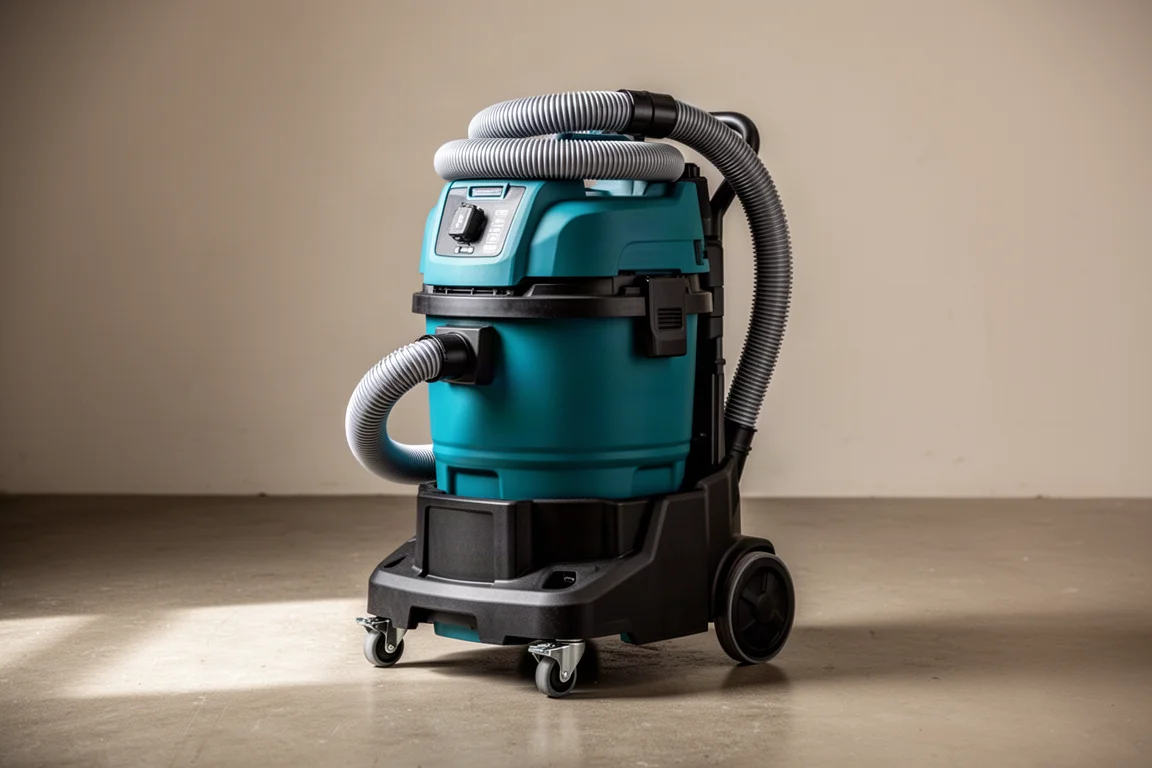
The VC004G occupies a different role: a 40V max vac set up primarily as a dust extractor for tools like saws. It pairs naturally with the XGT portable vacs because the 38 mm wand pipes and hoses from the VC004G slot straight into either new model, and its longer hose can be combined with the stock 2 m hose to extend your reach to around 7 m total.
Interestingly, the VC004G runs for longer on a battery than the smaller VC004G-style comparison suggests, and in practice it delivers close to half the runtime of the new XGT vacs at full power. For a workshop built around dust extraction at the tool, it remains the more complete package, while the XGT lunchbox vacs win on portability and grab-and-go cleanup.
Runtime and Real-World Use
With a fully charged 8Ah XGT battery on full power, the new XGT vac ran just shy of 40 minutes. That scales to roughly 20 minutes on a 4Ah pack and about 10 minutes on a 2Ah. By comparison, the VC004G drains the same 8Ah pack in about 22 minutes on full, so the new portable vacs deliver nearly double the runtime at full whack.
For the DVC750, Makita states 35 minutes on low speed with a 6Ah battery; on high speed a realistic estimate is closer to 15 to 20 minutes. One practical gripe with the new XGT body: removing the battery tends to catch your knuckles on the housing edge, which gets annoying over a long session. In wet pickup, the unit handled a spill without fuss and empties easily, though you should keep it level when moving it so water does not slop into the motor housing.
Which One Should You Buy
If you run XGT tools with AWS chips and want dust extraction that starts and stops itself, the VC013G is the clear pick, and adding the wet filter separately gives you full flexibility. If you mainly want a portable vac for cleanup and do not care about auto-start, the VC014G with its included paper bags and wet filter is the simpler choice. The DVC750 still suits 18V users who need light weight above suction, and the VC004G remains the better fit as a dedicated dust extractor tethered to a saw. Compared with the older 18V model, the new XGT vacs are a big step up in suction and convenience.
Conclusion
Makita finally answered the request for an XGT lunchbox-style vac, and it did not hold back on suction. The VC013G adds the convenience of AWS auto-start, the VC014G covers straightforward cleanup duty, and both are compatible with the same filters and bags. For anyone already invested in XGT batteries, one of these is now the easy default for keeping the workshop floor clean.
Further reading
Related Reviews

Power Tool Accessories
Best Drill Attachments 2026: Three DeWalt Tools Worth Buying
A practical look at three DeWalt drill attachments that deliver real value, plus the sketchy options you should skip.

Power Tool Accessories
Best Drill Bits 2026: 14 Sets Tested on Mild Steel, Spring Steel, and AR500 Armor
We tested 14 drill bit sets across mild steel, spring steel, and AR500 armor plating to find the best value, speed, and durability.

Power Tool Accessories
Best Right Angle Impact Adapters 2026: Five Options Tested for Speed, Torque, and Durability
We tested five right angle impact adapters from DeWalt, Milwaukee, Warrior, Titan, and Milescraft to see which ones deliver real performance without failing early.