Power Tools
Makita XGT Impact Drivers Compared: Three Models, One Clear Pick
We compare the Makita GDT01, TD002G, and GDT02 XGT impact drivers on weight, size, control, and features to find the one actually worth buying.
Introduction
Makita’s XGT platform does not offer the wide menu of impact drivers that the older LXT range does, but there are still a handful of models to sort through, and the differences between them matter more than you might expect. On the surface they look like close siblings. In practice, one model clearly does most things right, one adds a few interesting extras at a premium price, and one takes steps backwards that are hard to justify.
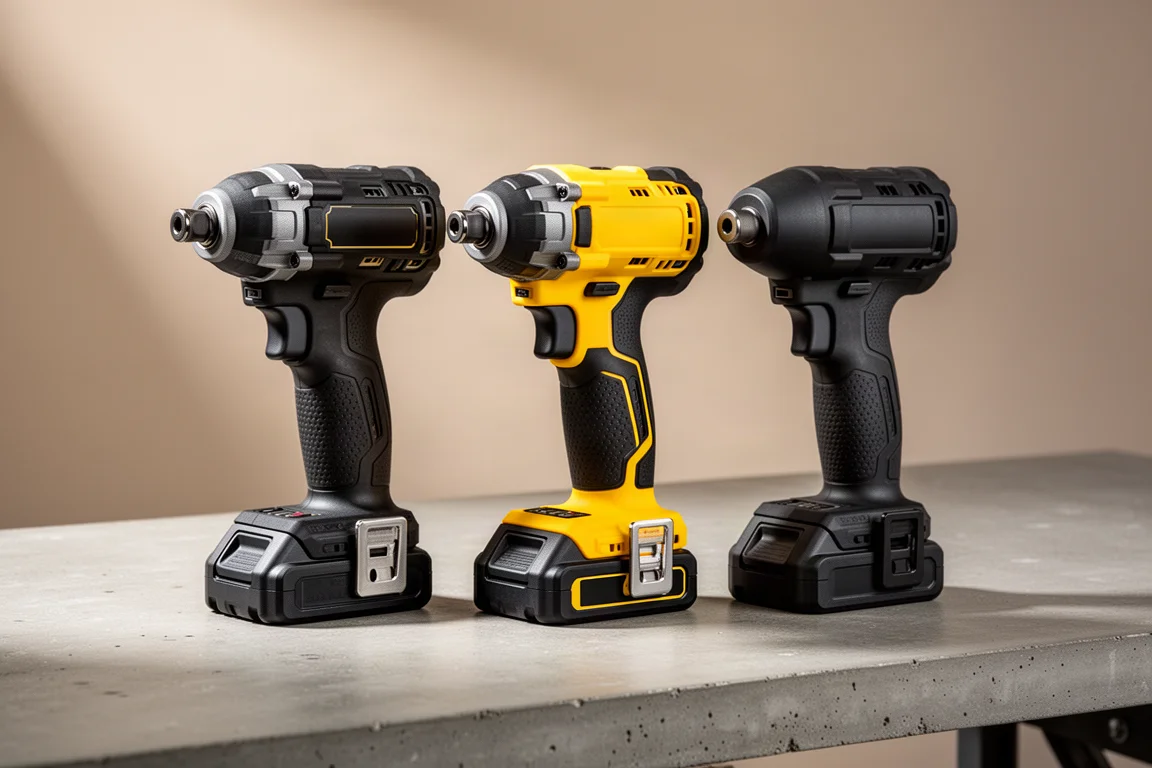
This comparison covers the three main XGT impact drivers: the first-generation US model, the second-generation Japanese model, and the second-generation US model. All three were tested with the same bit and a fully charged 2.5Ah battery, weighing in at around three and a half pounds each with the battery attached.
The Lineup at a Glance
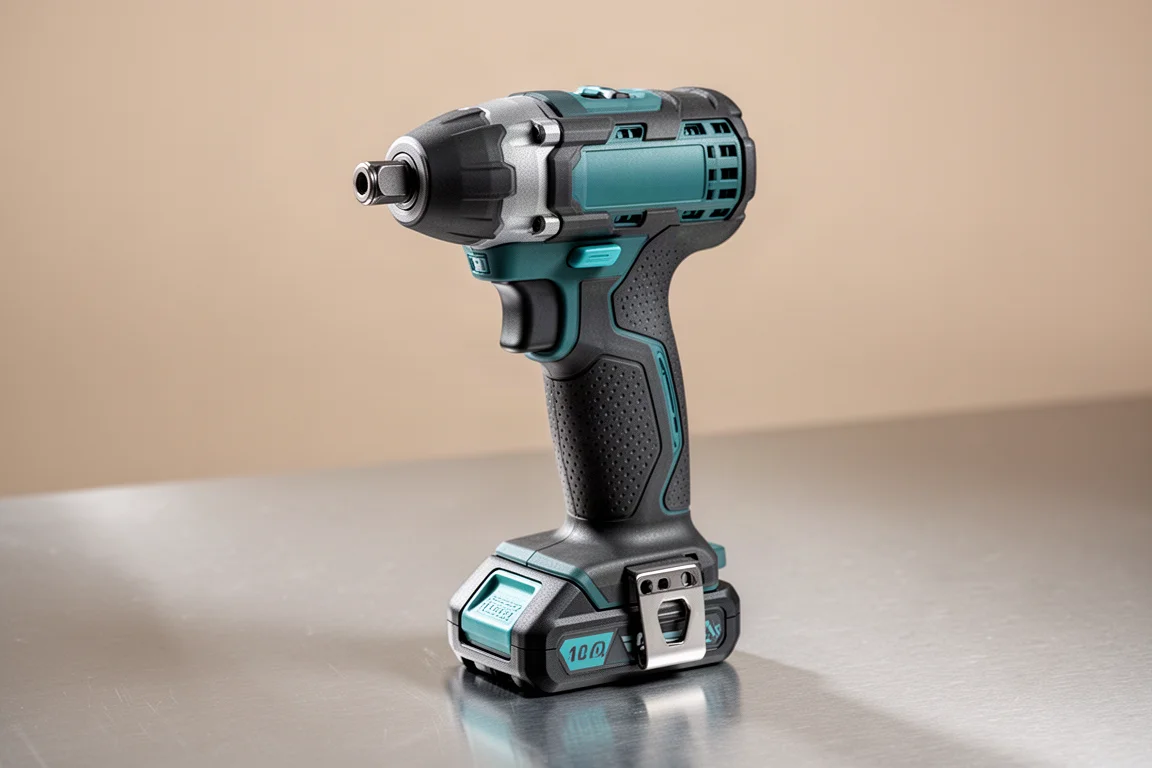
The Makita GDT01 is the first-generation US XGT impact driver, and it is best understood as a blend of the previous two LXT flagships. It carries the newer feature set and mode buttons of one, while keeping the more rounded, slightly thicker head design of the other. Right now, it is the most common XGT impact driver you will encounter in the US.
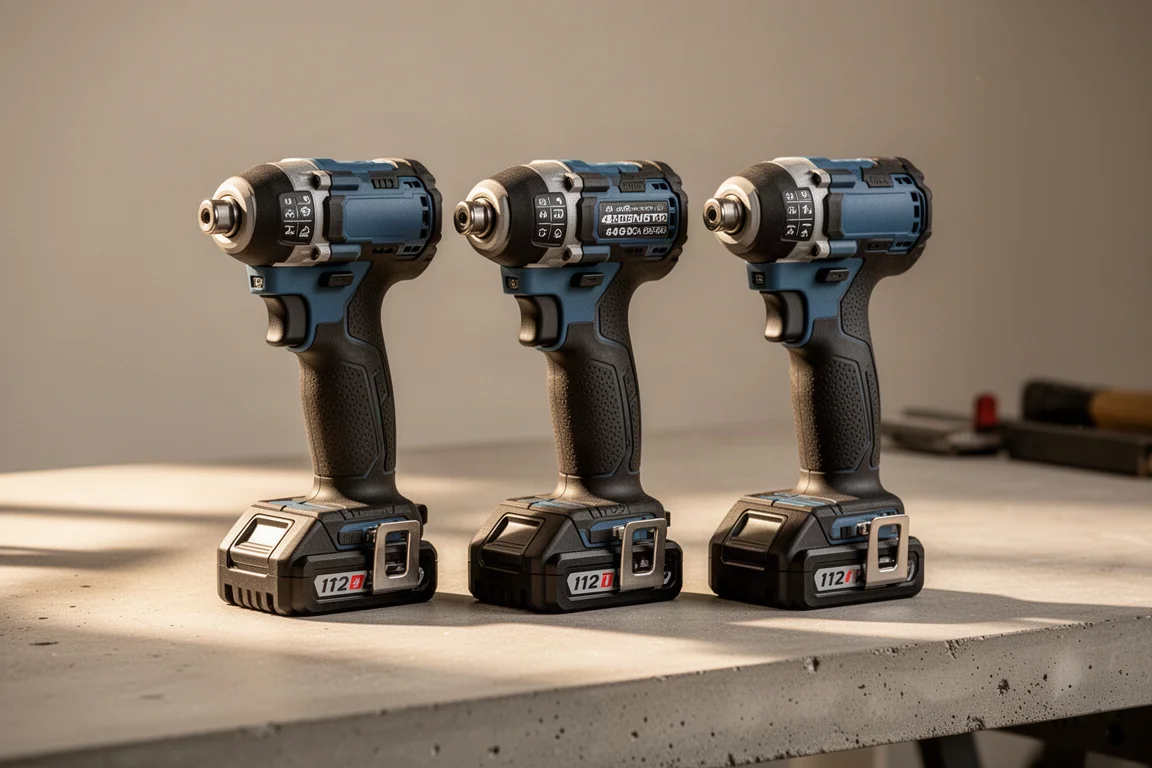
The Japanese second-generation model, the TD002G, is the experimental one of the group. It is available in a couple of colors, and it adds Bluetooth capability (via a separately purchased module), dual spring technology, and a ring of four LEDs around the front. It also happens to be one of the more expensive XGT impact drivers available.
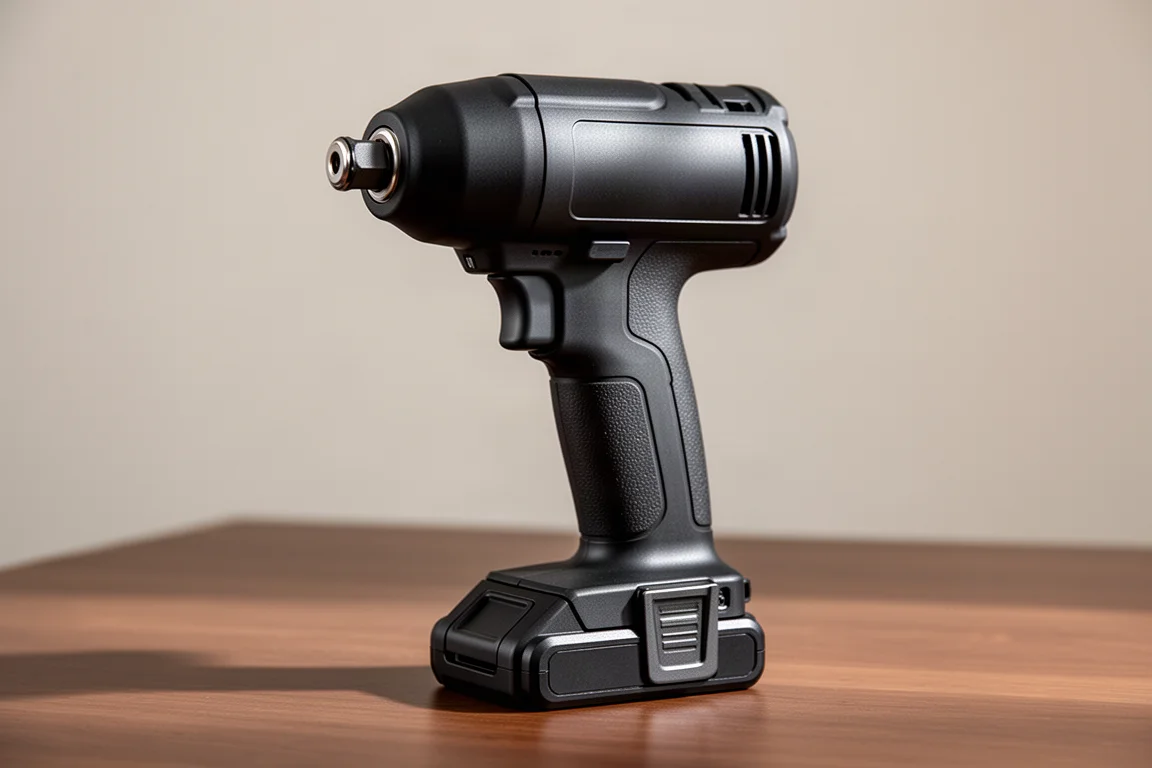
The second-generation US model, the GDT02, is the odd one out. Compared with the GDT01, it drops the glowing front feature, keeps the same side LEDs, and loses several screw and bolt removal modes. There is also no front button like the other two models have. It is priced at the premium level anyway, which makes the trimmed feature set even harder to square.
Weight and Size Comparison
Weighted with batteries attached, since none of these can run without one, the GDT01 comes in at 3 lb 10.6 oz. The Japanese TD002G is slightly heavier at 3 lb 12.5 oz, and the US GDT02 sits between them at 3 lb 11.3 oz.
For footprint, the Japanese TD002G is the shortest and most compact of the three, which is worth keeping in mind if you work in tight spaces or carry your driver in a bag all day. The other two are a touch longer but none of them are bulky by cordless impact driver standards.
Speed and Control Test: Eight Decking Screws
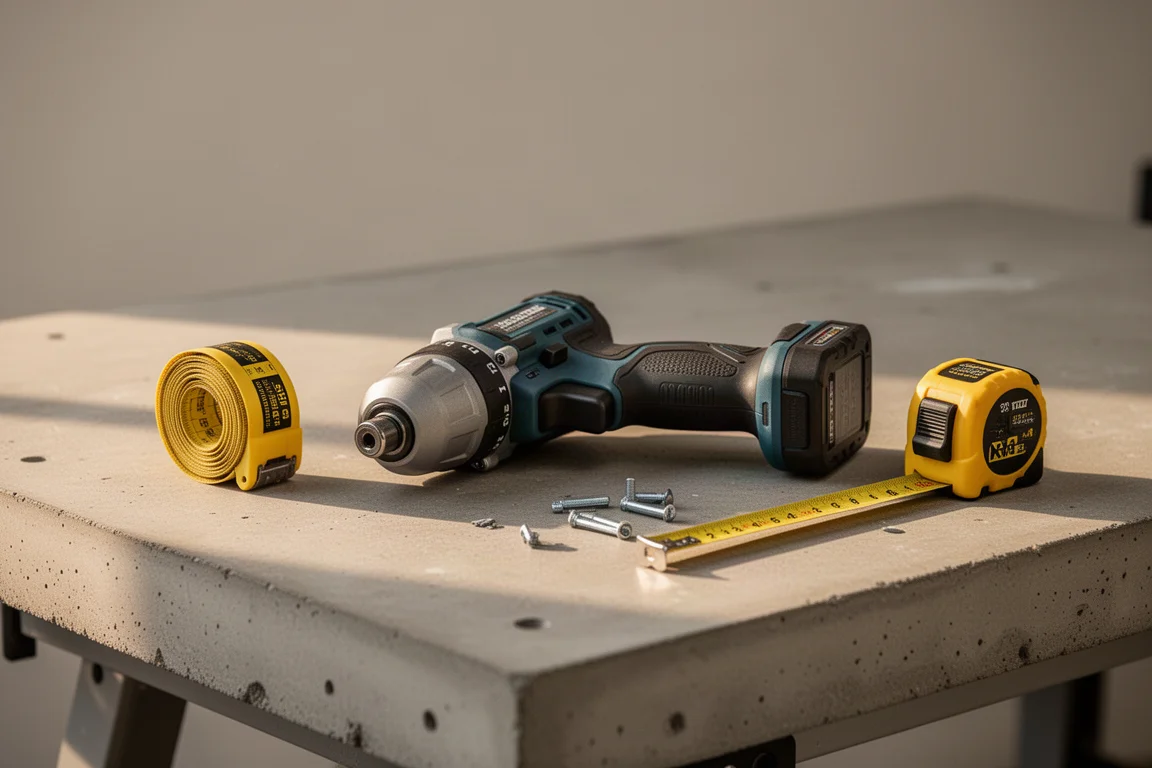
The driving test used eight self-tapping decking screws per driver, with the same bit and a fully charged 2.5Ah battery on every tool. That setup measures more than raw power: it also tests control, since each screw needs to start cleanly without stripping.
The GDT01 was very smooth, and felt the fastest of the three with the most initial torque getting screws in quickly. On lower speed settings it is easy to sink screws evenly, so for regular driving work, dropping off the highest speed is the way to go.

The Japanese TD002G felt slower on the same task, with a quicker impacting rhythm rather than the stronger initial torque of the GDT01. That slower pace showed up in the results: the screws sat noticeably better, which points to stronger control. Its trigger feel was clearly the best of the three.
The GDT02 felt a little rougher than the other two and possibly uses a different impact mechanism. It was hard to spot a clear speed advantage, and overall it felt the least refined in this test.
Grip and In-Hand Feel
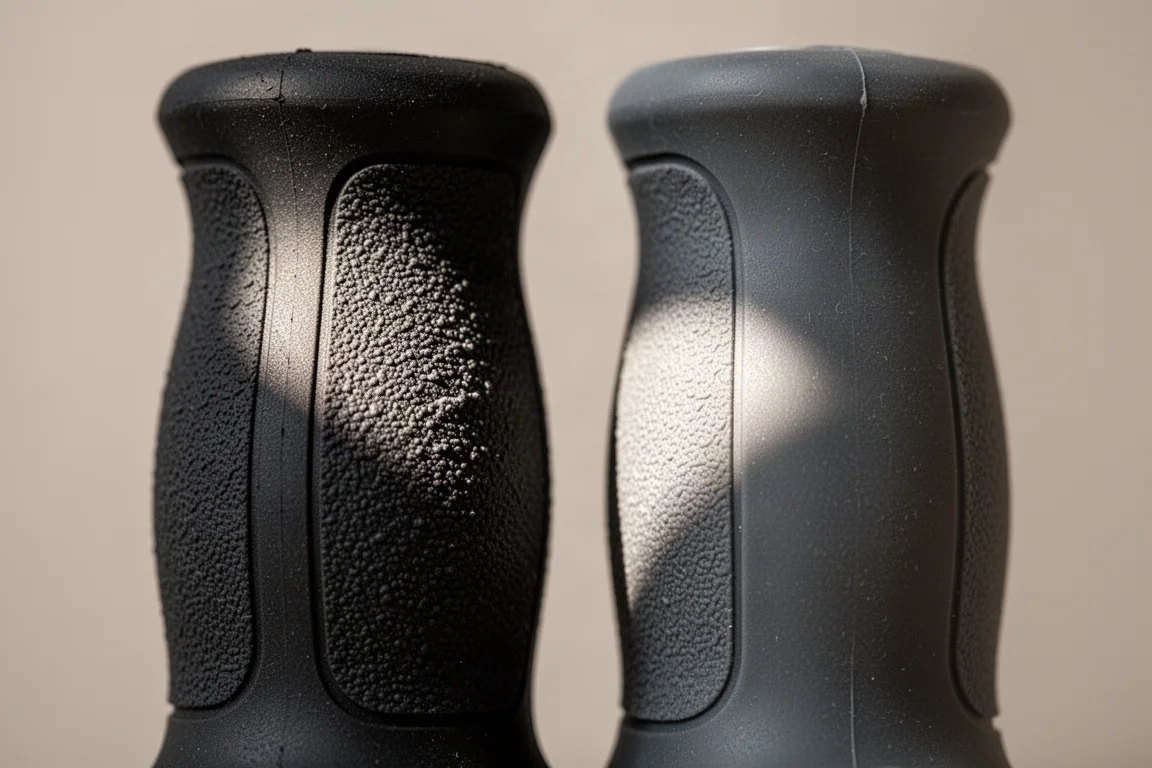
Hand feel is subjective, but a few differences are worth calling out. The GDT01 sat best in hand, with a coarse, grippy overmold that keeps the tool planted even when hands get a little sweaty or wet. The Japanese TD002G has a noticeably smoother grip texture, which can allow a bit of slip in the same conditions.
Feature-wise, the GDT01 and TD002G are almost identical apart from the dual spring technology and a slight difference in power delivery. Neither gap is dramatic, which is important context when the Japanese model costs considerably more.
The Case Against the GDT02
The GDT02 is the weakest pick in this group, and it is not particularly close. It removes features relative to the older GDT01, loses the screw and bolt removal modes, drops the front button, and still sells at around $400 in a kit with two batteries. It is not a value model by any stretch; it is priced at the premium tier while carrying the fewest features of the three.
Across testing it consistently finished behind both the GDT01 and the TD002G, and there is not much this model does better than either of them. If you want a second-generation US option, the honest advice is that an LXT alternative from Makita’s established range likely serves you better at this price point.
Which One Should You Buy
The pricing spread here is unusual. The GDT01 is the affordable one, available in a kit for around $222 at Home Depot or as an open-box unit for roughly $100 on eBay. The Japanese TD002G cost around $180 shipped when imported directly from Japan, though it sits above $200 tool-only in some markets. The GDT02, oddly, is the most expensive of the three while offering the least.
If you are on the XGT platform and buying one impact driver, the GDT01 is the recommendation. It combines the strengths of the last two generations of LXT drivers, it has the feature set most people actually need, and it has more than enough power for demanding driving work at a friendly price.
The TD002G is a nice-to-have if you enjoy importing tools, and its trigger control and compact size are genuinely good. But the dual spring technology does not translate into a noticeable power advantage, and the Bluetooth app is not readily usable outside Japan. Waiting for the next generations to land in your region is probably the smarter play.

Conclusion
Among Makita’s current XGT impact drivers, the picture is refreshingly clear. The GDT01 is the best overall package: fast, smooth, well equipped, and reasonably priced. The Japanese TD002G is a charming alternative with excellent trigger feel and the shortest body, but its extras do not justify the premium for most buyers. The GDT02 is best avoided for now, since it costs the most while offering the least. If your budget is earmarked for one XGT impact driver, the first-generation US model is the one to get.
Further reading
Related Reviews
Power Tools
Best 1-Inch Pistol Impact Wrenches: Three Heavy-Duty Options Compared
We compare three 1-inch pistol impact wrenches, from a budget-friendly Harbor Freight model to a premium Caterpillar unit, to help you choose the right one.
Power Tools
Best 3/4-Inch Impact Wrenches 2026: Five Contenders Compared
We compare five 3/4-inch impact wrenches across price and performance, from a budget Amazon option to Snap-on's most powerful model yet.
Power Tools
Best Budget Cordless Tools 2026: Walmart Finds That Punch Above Their Price
We tested five cordless tools from Walmart, including a high-torque impact wrench that trades blows with Milwaukee and a $35 duster that outperforms its price class.