Power Tools
Makita XGT GWT05 vs XWT15: Is the New 40V Max Impact Wrench Worth the Extra Money?
The Makita XGT GWT05 brings more torque and a refined trigger to the 40V max platform, but at around $324 bare it faces stiff value questions from Makita's own LXT XWT15 and Metabo HPT's MultiVolt.
Introduction
Makita’s new XGT GWT05 is the 40V max platform’s take on its popular LXT impact wrench, and it arrives with a familiar challenge: the outgoing 18V XWT15 is still on sale, still current, and roughly a hundred dollars cheaper. That gap raises the obvious question of whether the incremental improvements justify the price jump, especially when competitors like Metabo HPT offer compelling alternatives at lower cost.
This comparison looks at size, weight, torque, trigger feel, controls and overall value to help you decide where your money is best spent.
Makita XGT GWT05: What You Get
The GWT05 tested here uses a pin detent anvil, which tends to hold sockets more securely than friction-ring designs. Makita’s friction rings have a reputation for loosening and bending over time on some models, while pin detent versions have proven more reliable, making this the preferred configuration for many users.
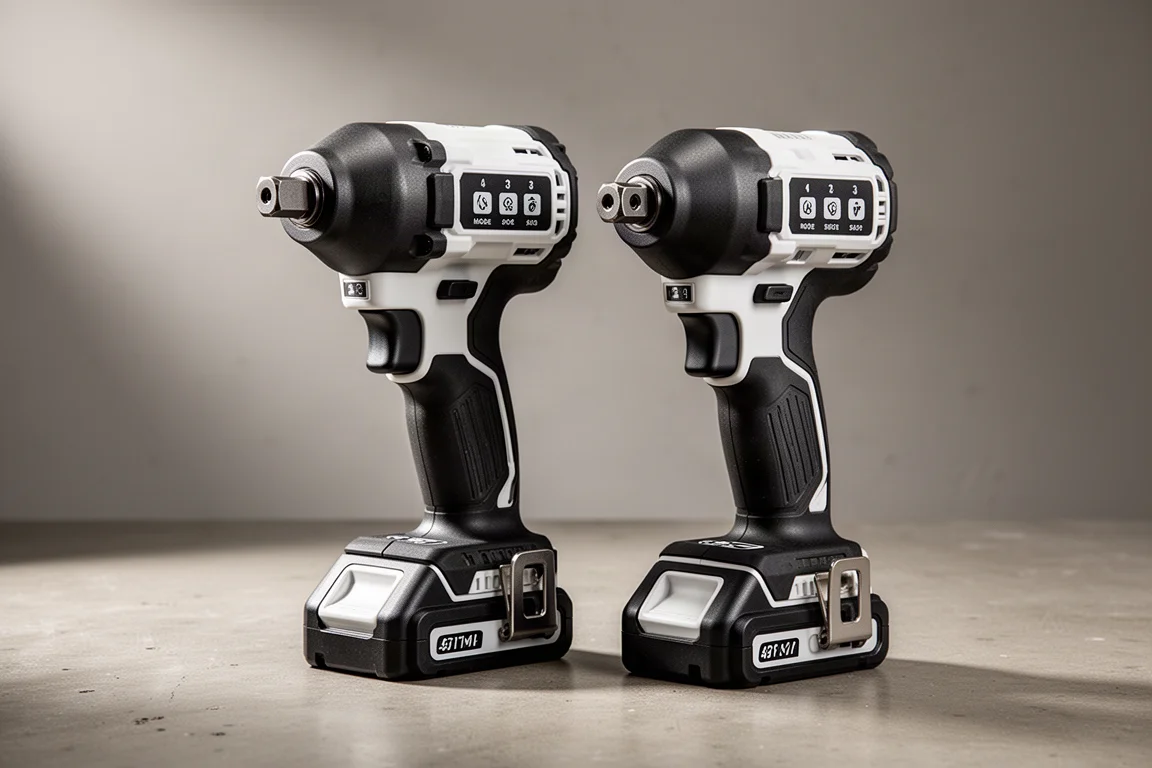
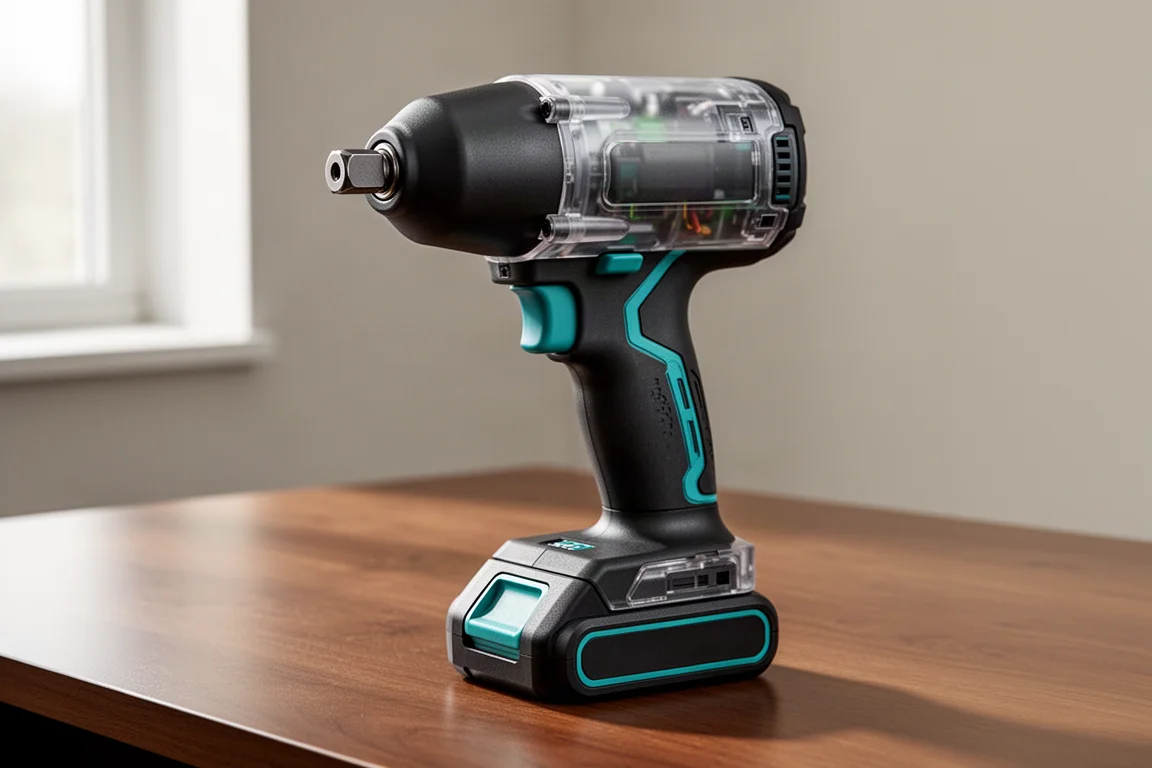
Visually, the tool gains a smoked glass-style housing shell compared to the clear housing of the LXT version. Size is nearly identical to the LXT, with the XGT sitting just slightly taller largely due to the battery, and the base marginally wider because XGT packs are a touch broader. Weight comes in at 4 pounds 2.5 ounces with battery, versus 3 pounds 15.8 ounces for the LXT, so the XGT is slightly heavier in the hand but not dramatically so.
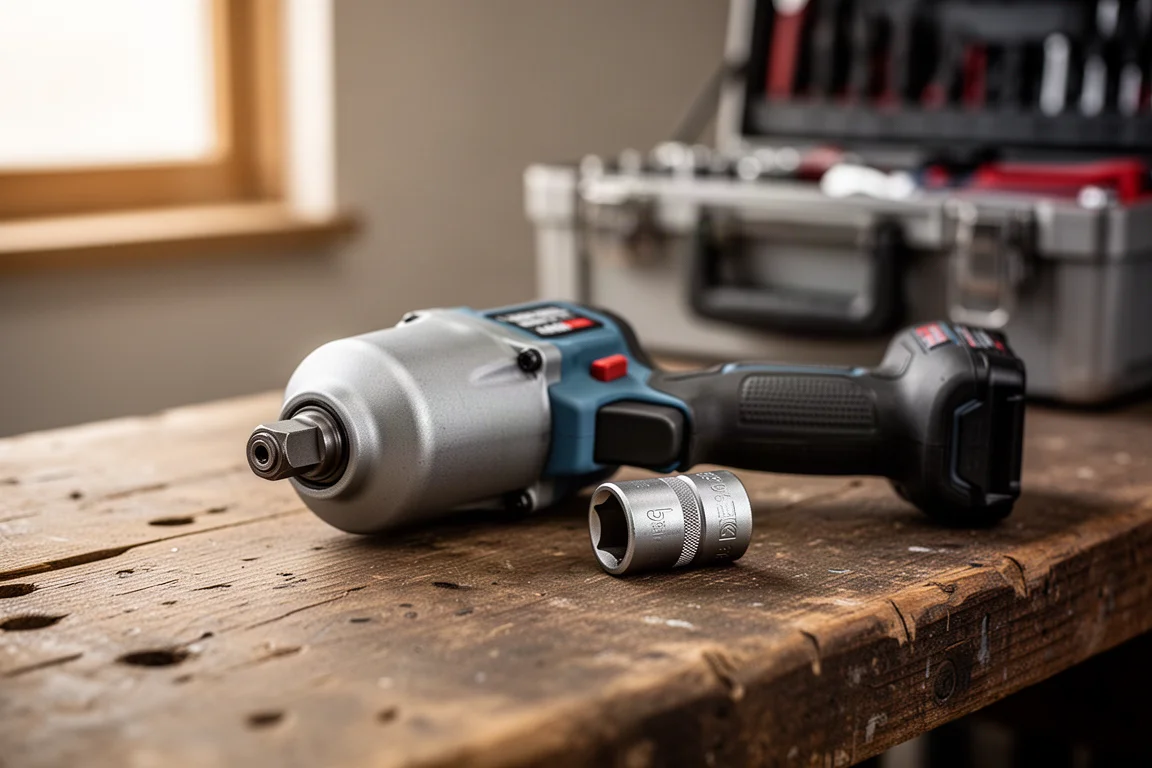
Spec-wise, the XGT version delivers roughly 20 to 30 foot-pounds more torque for both fastening and removing nuts. That is an incremental step rather than a dramatic leap. On the controls front, buttons have been consolidated: the light and removal-mode functions share controls where the LXT has separate buttons, which some will find less intuitive. The trigger, however, is a highlight, with a smooth, dampened feel and consistent pressure throughout the pull that makes it feel more precise than a standard trigger.
One notable downside: the GWT05 carries no IP rating. Makita’s XPT extreme protection technology is present, but there is no independently verifiable rating like the IP56 that some competitors offer. It also has a three-year warranty, which feels modest at this price point. Pricing is aggressive: around $324 bare, well over $500 in a kit with battery and charger, though deals can be found well below retail.
Makita XWT15 (LXT): The Value Benchmark
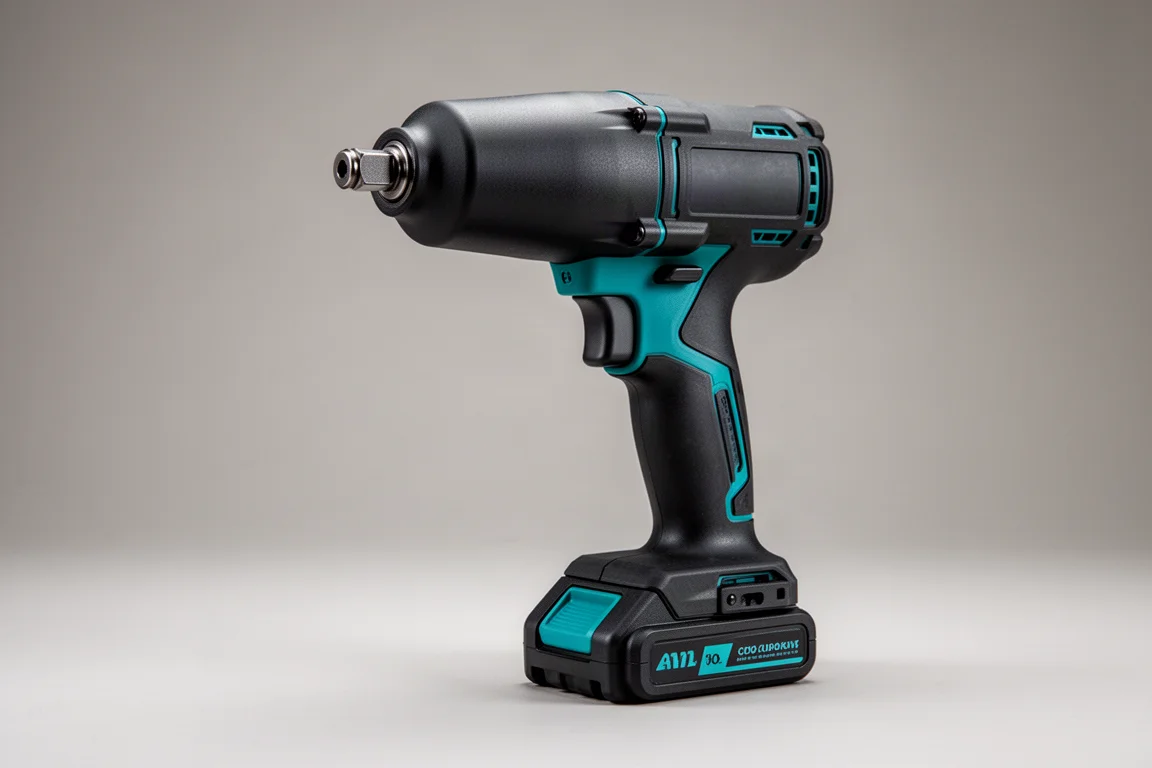
The XWT15 remains a current model and a strong one. Its performance in head-to-head driving tests felt essentially the same as the newer XGT, with only a small torque deficit of 20 to 30 foot-pounds that is unlikely to matter for most jobs. It weighs slightly less, its clear housing makes the internals visible, and its separate buttons for the light and removal modes are easier to use and read than the consolidated arrangement on the XGT.
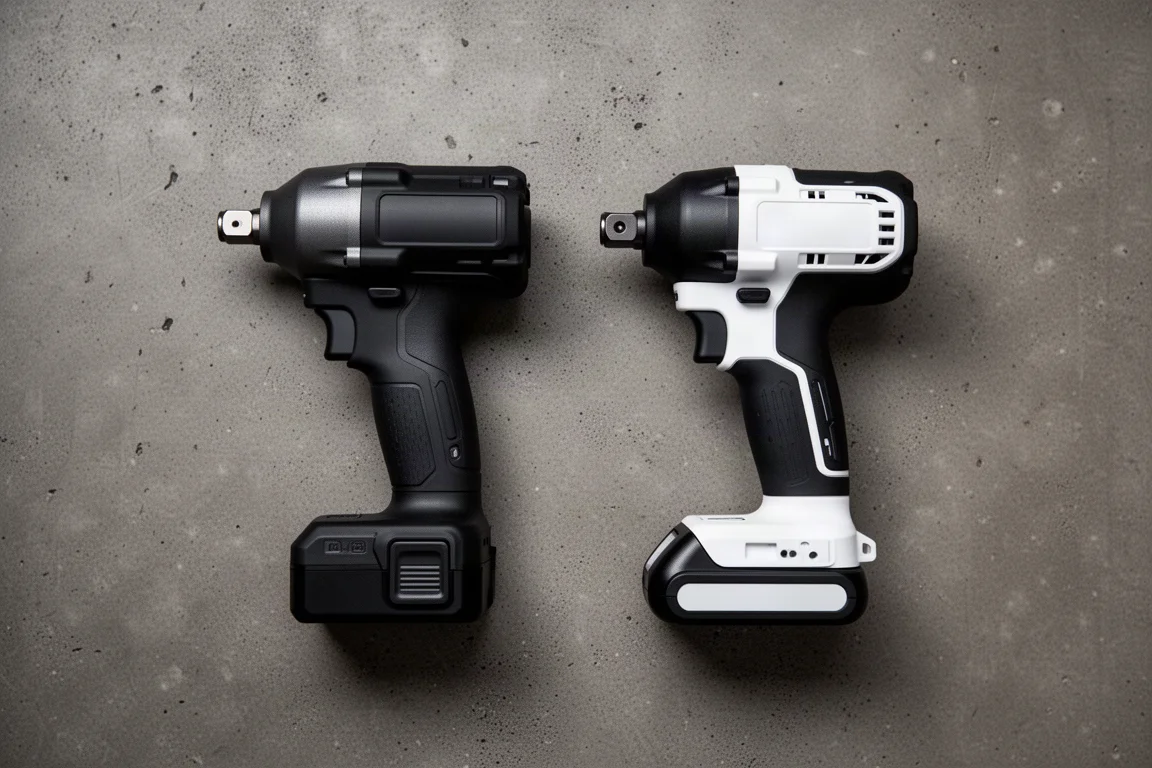
There is no soft start on the LXT; the trigger ramps up with pressure the traditional way, which some users prefer. If you can find the XWT15 at a good discount, it delivers very similar real-world performance for roughly a hundred dollars less, which makes it a genuinely hard benchmark to beat within Makita’s own lineup.
Speed and Torque Testing
In a simple driving test with a large lag bolt, timing from trigger pull until the socket hit the work surface, both wrenches felt about the same. The XGT’s extra torque shows up as a slight advantage rather than a night-and-day difference, and there was no moment where the newer tool felt dramatically faster or more capable.
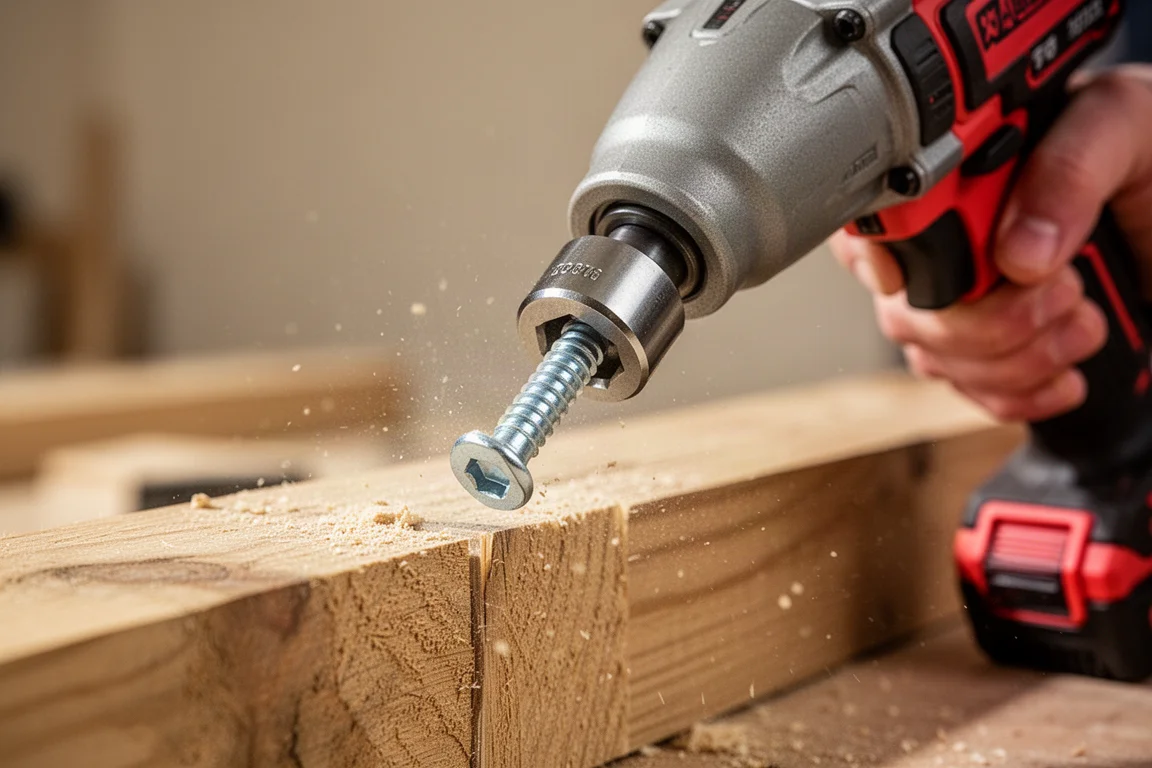
The XGT does add a soft start that eases into full speed, which some will appreciate for control, though it is not for everyone. Overall, the testing suggests the performance gap between the two Makita platforms on this class of wrench is small, and the real differentiators are trigger feel, button layout, and price.
The Metabo HPT MultiVolt Alternative
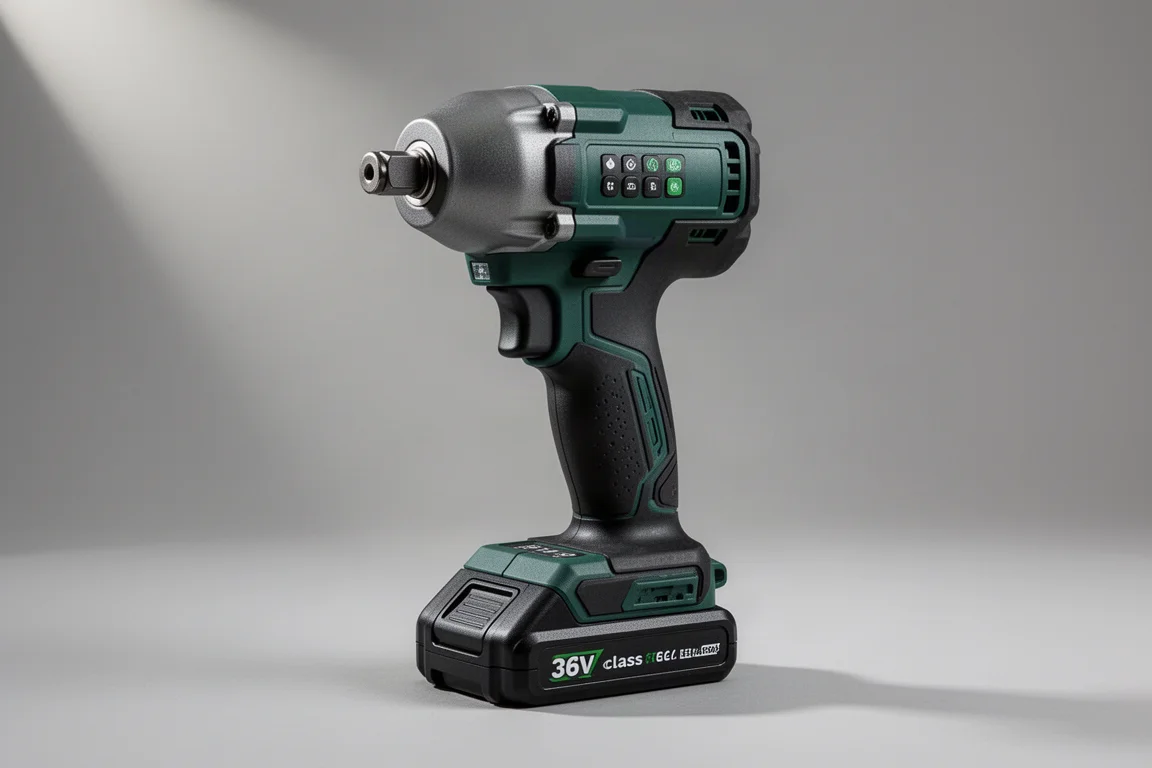
Metabo HPT (formerly Hitachi Koki) is putting real pressure on both Makita options. Its MultiVolt impact wrench is less powerful on paper than either Makita, but it brings an IP56 dust and water resistance rating, a lifetime tool warranty, and notably more affordable batteries. MultiVolt packs run at 36V nominal with 5Ah capacity, essentially the same energy content as Makita’s XGT batteries, and they cost considerably less. Metabo HPT has also been in the 36V platform business longer.
A new version is already available in Japan and other markets, with pricing not yet confirmed elsewhere. For buyers who want Japanese-brand build quality, robust protection ratings and a long warranty without the XGT price tag, this is the value pick of the group.
Buying Advice
If you are already invested in Makita XGT batteries and want the newest platform, the GWT05 is a solid, refined tool with excellent trigger feel and a pin detent anvil. But at around $324 bare, it is essentially an XGT version of the XWT15 with slightly better specs, a smoked housing and a soft start, and it is hard to call that worth a hundred-dollar premium.
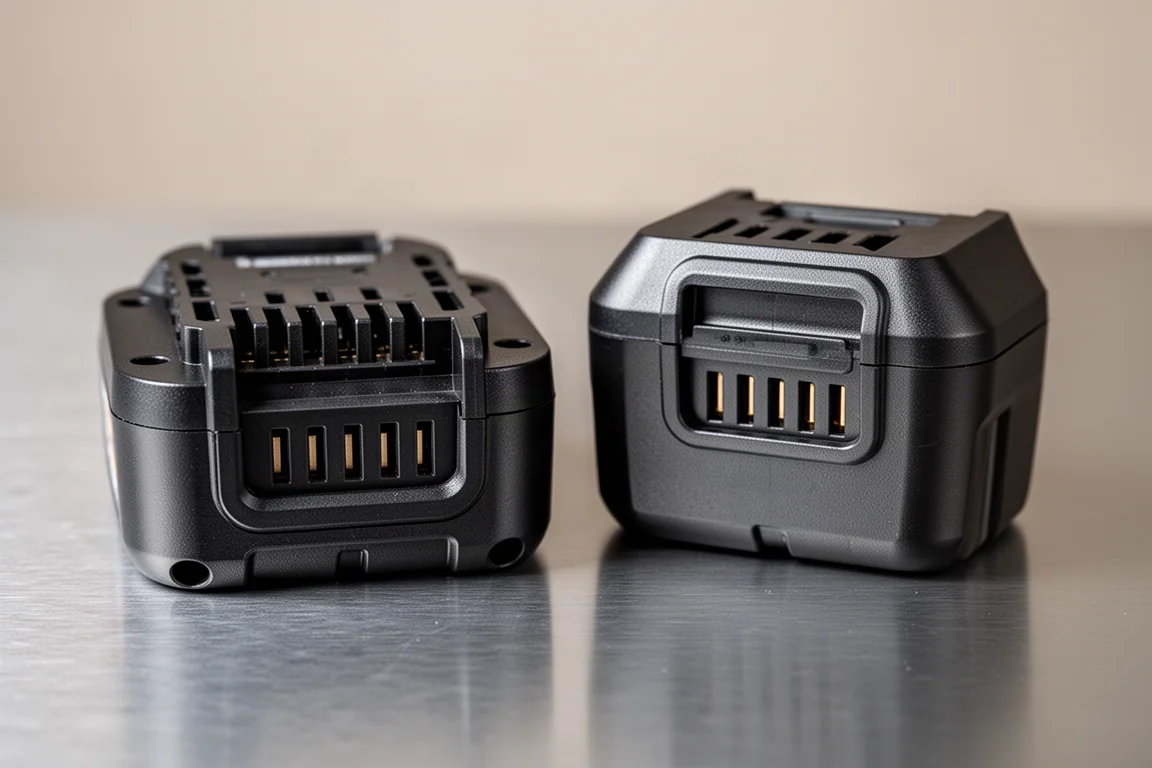
If price matters, the LXT XWT15 delivers nearly identical performance for less, and the Metabo HPT MultiVolt undercuts both on warranty and battery cost while adding an IP56 rating. Batteries are the long-term cost driver here: XGT packs and chargers push kit prices well past $500, so factor the ecosystem into any decision.
Conclusion
The Makita XGT GWT05 is a genuine upgrade, but a marginal one. It looks sharper, pulls nicer on the trigger and adds a modest torque bump, yet the consolidated buttons are a step back in usability and there is no IP rating or extended warranty to justify the premium. For most buyers, the LXT XWT15 or the Metabo HPT MultiVolt represent better value unless you find the XGT at a significant discount.
Further reading
Related Reviews

Power Tools
Best 1-Inch Pistol Impact Wrenches: Three Heavy-Duty Options Compared
We compare three 1-inch pistol impact wrenches, from a budget-friendly Harbor Freight model to a premium Caterpillar unit, to help you choose the right one.

Power Tools
Best 3/4-Inch Impact Wrenches 2026: Five Contenders Compared
We compare five 3/4-inch impact wrenches across price and performance, from a budget Amazon option to Snap-on's most powerful model yet.

Power Tools
Best Budget Cordless Tools 2026: Walmart Finds That Punch Above Their Price
We tested five cordless tools from Walmart, including a high-torque impact wrench that trades blows with Milwaukee and a $35 duster that outperforms its price class.