Power Tools
Makita XGT Gen 2 vs HiKOKI Triple Hammer: Which Impact Driver Deserves Your Money?
Two Japan-only impact drivers go head to head on power, ergonomics, features, and price, with one clear winner emerging.
Introduction
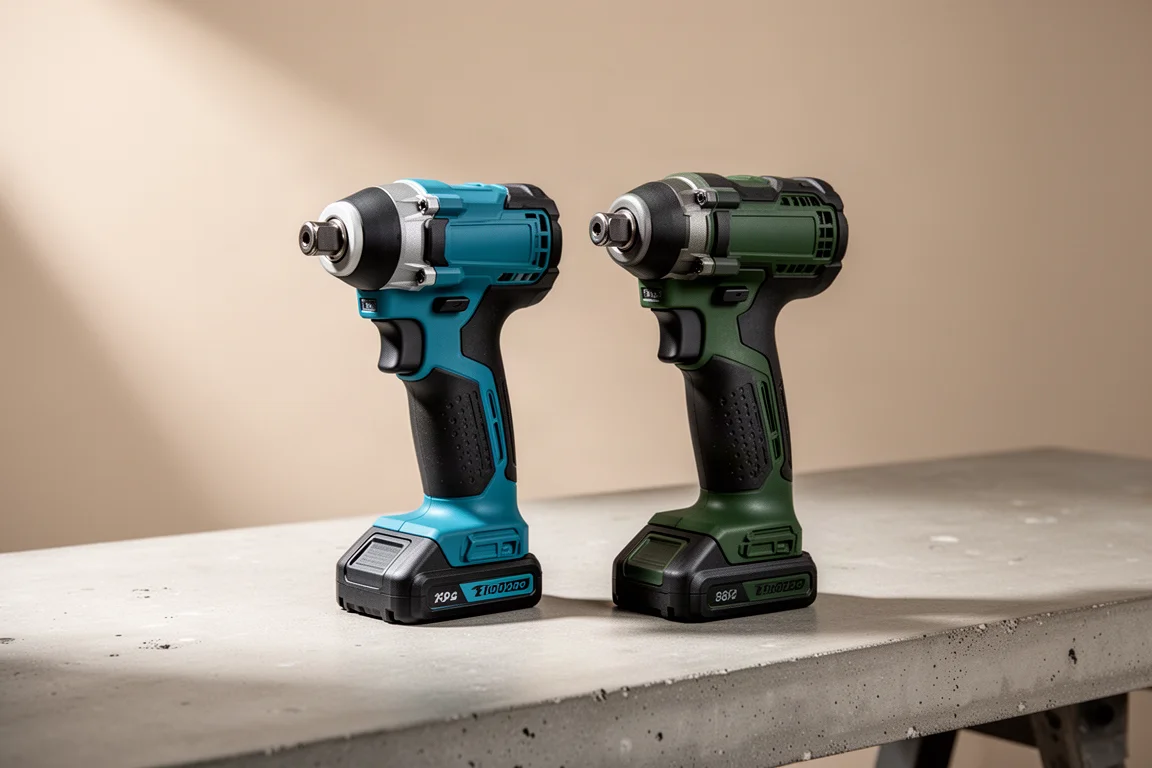
Two Japan-only impact drivers have been getting a lot of attention lately: the Makita XGT Gen 2 with DST and Bluetooth features, and the HiKOKI Triple Hammer. Both are IP56 rated, which is a big deal for job site durability, and both are available only in Japan, though US buyers can source them online. After extended time with each on real projects and side-by-side testing, one of them clearly does more for less money.
Specifications and Price Comparison
Neither of these drivers is a standard US catalog model, so pricing comes from Japanese retail. The HiKOKI Triple Hammer runs roughly $120 to $130 on Amazon Japan before shipping, and with shipping it lands around $130. The Makita XGT Gen 2 is noticeably more expensive: around $170 to $180 with shipping, working out to roughly $190 all in.
Size differences are small. The HiKOKI measures 4.55 inches from front to back at the head, while the Makita comes in at 4.77 inches and is slightly taller, by at most an eighth of an inch. The Makita has a noticeably thicker head, whereas the HiKOKI is the more compact of the two.
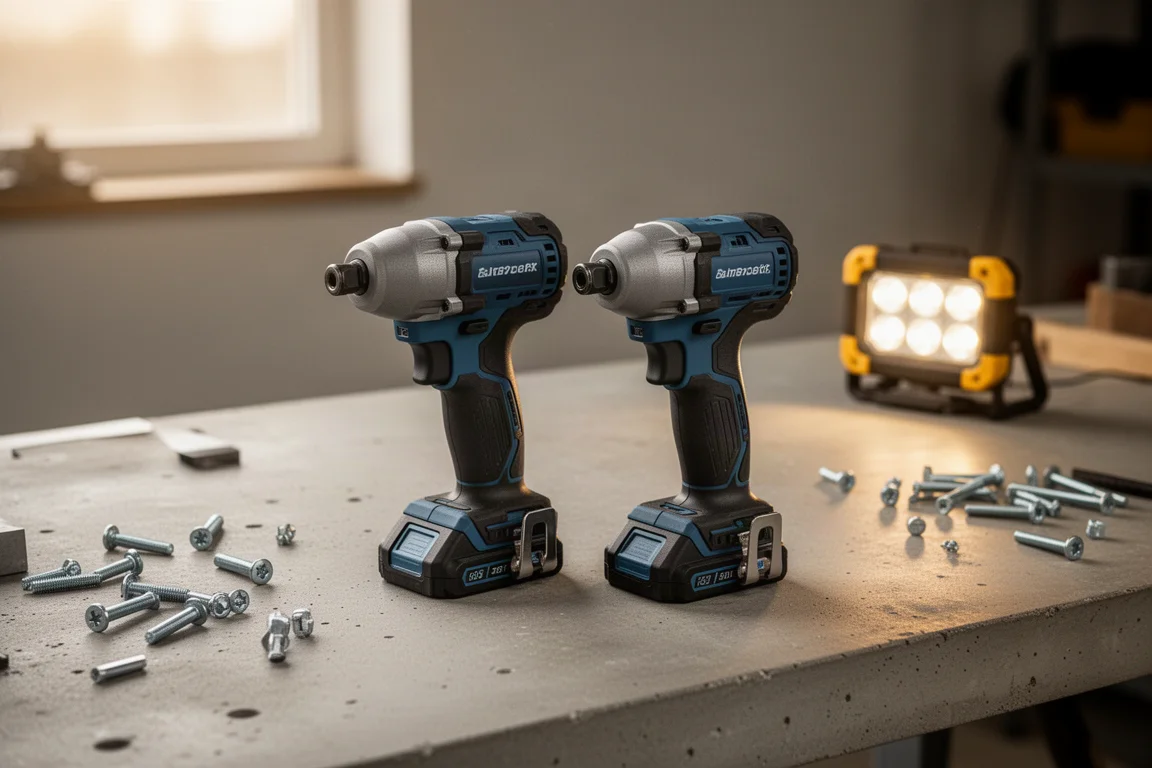
Weight also favors the HiKOKI. With the smallest compatible batteries (a 2.5Ah 36V Metabo HPT pack for the HiKOKI and a 2.5Ah XGT pack for the Makita), the HiKOKI weighs 3 pounds 6.8 ounces against the Makita’s 3 pounds 12.5 ounces. That difference is genuinely noticeable in hand.
Features: Modes, Lights, and Ergonomics
The Makita’s mode selection is the more intuitive of the two. It offers speeds one through four, plus self-tapping modes, a bolt removal mode, and a light that can be toggled on and off. It also has a button on top that lets you change speeds without touching the main control panel, which means you rarely have to reposition your grip. That is a genuinely excellent feature for fast-paced work.
The HiKOKI skips numbered speed modes entirely, offering small screw, large screw, bolt, and self-tapper modes instead. It also toggles its light on and off, but there is no equivalent of the Makita’s top-mounted speed button, which feels like a missed opportunity given there was space for one.
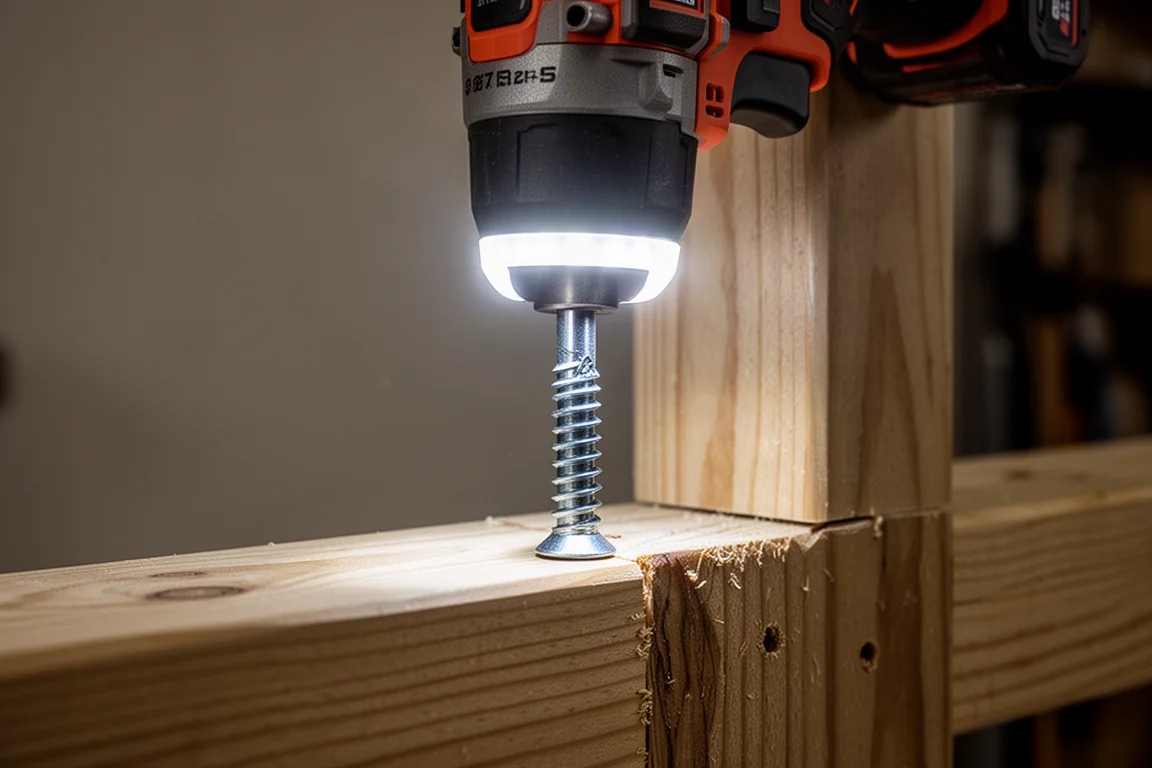
Both drivers use LED rings around the chuck area: four LEDs on the Makita, three on the HiKOKI. The HiKOKI’s trigger response feels slightly nicer and more refined in use, though that is inherently subjective. One clear Makita advantage is its quick-insert chuck: the HiKOKI uses an unusual collet system where you open the collet, push the bit in, and gently pull back to lock it, which is more fiddly than the Makita’s simple push-in design.
Speed and Power Testing
Testing centered on driving large lag bolts into wood, with both drivers set to their fastest settings: speed 4 on the Makita and large screw mode on the HiKOKI. Even after a proper break-in period of several days of real job site use, the Makita consistently felt slower and never seemed to push at full power against the bigger fasteners.
The HiKOKI clearly won the head-to-head. To be fair, the Makita performs completely fine with normal-sized fasteners, and this is a demanding test with a very large bolt. But there was no break-in effect, no hidden reserve of power, and no category where the Makita pulled decisively ahead of the HiKOKI. Both are mechanical impact drivers rather than hydraulic units, so there is a distinctly mechanical feel to both.
Which One Should You Buy?
Looking at features, price, and performance together, the HiKOKI Triple Hammer takes this one. It is smaller, lighter, a bit more powerful, and roughly $40 cheaper than the Makita Gen 2. Battery costs matter too: Metabo HPT packs are relatively affordable in the US, while XGT batteries remain on the pricier side.
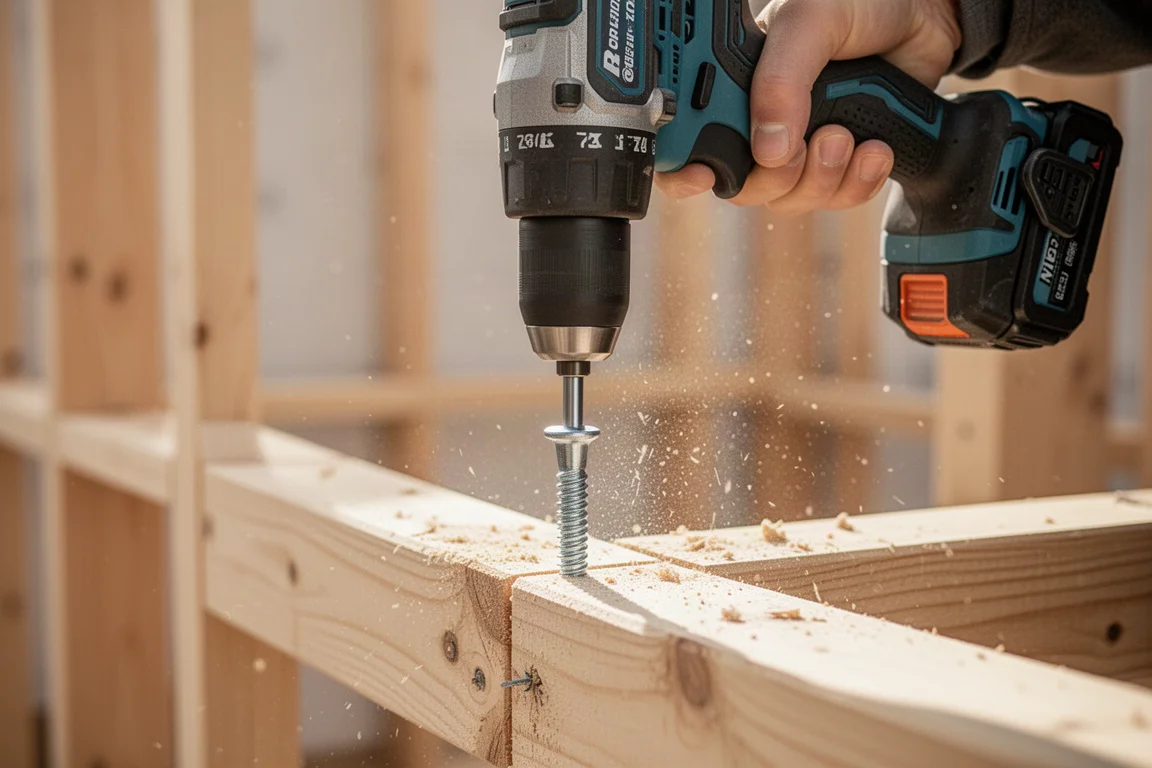
The HiKOKI’s Triple Hammer mechanism deserves specific mention. The triple hammer design is not for everyone, but whatever HiKOKI has done with it here works, delivering a ton of power in a very comfortable package. The Makita is still a top-tier impact driver and comfortably one of the better options on the market, and it remains a great choice if you are already invested in the XGT platform. But it does not beat the HiKOKI in any category tested, and the HiKOKI’s better value seals it.
Conclusion
The Makita XGT Gen 2 is a comfortable, feature-rich impact driver, but the HiKOKI Triple Hammer simply does more for less: more compact, lighter, stronger on demanding fasteners, cheaper up front, and cheaper to feed with batteries. If you are choosing between the two and can handle a Japan import, the HiKOKI is the one to buy.
Product link
View more details for Makita XGT Gen 2 Impact Driver DST
This product is mentioned in the review. Check the specifications, options, and compatibility before buying.
View more details for Makita XGT Gen 2 Impact Driver DSTFurther reading
Related Reviews
Power Tools
Best 1-Inch Pistol Impact Wrenches: Three Heavy-Duty Options Compared
We compare three 1-inch pistol impact wrenches, from a budget-friendly Harbor Freight model to a premium Caterpillar unit, to help you choose the right one.
Power Tools
Best 3/4-Inch Impact Wrenches 2026: Five Contenders Compared
We compare five 3/4-inch impact wrenches across price and performance, from a budget Amazon option to Snap-on's most powerful model yet.
Power Tools
Best Budget Cordless Tools 2026: Walmart Finds That Punch Above Their Price
We tested five cordless tools from Walmart, including a high-torque impact wrench that trades blows with Milwaukee and a $35 duster that outperforms its price class.