Power Tools
Makita XGT DG001G Earth Auger Review: A Beast for Post Holes in Clay
The Makita DG001G 40V XGT earth auger turns tough, sticky clay post-hole digging into a quick job, and the HP001G hammer drill shows real promise with the same auger attachment.
Introduction
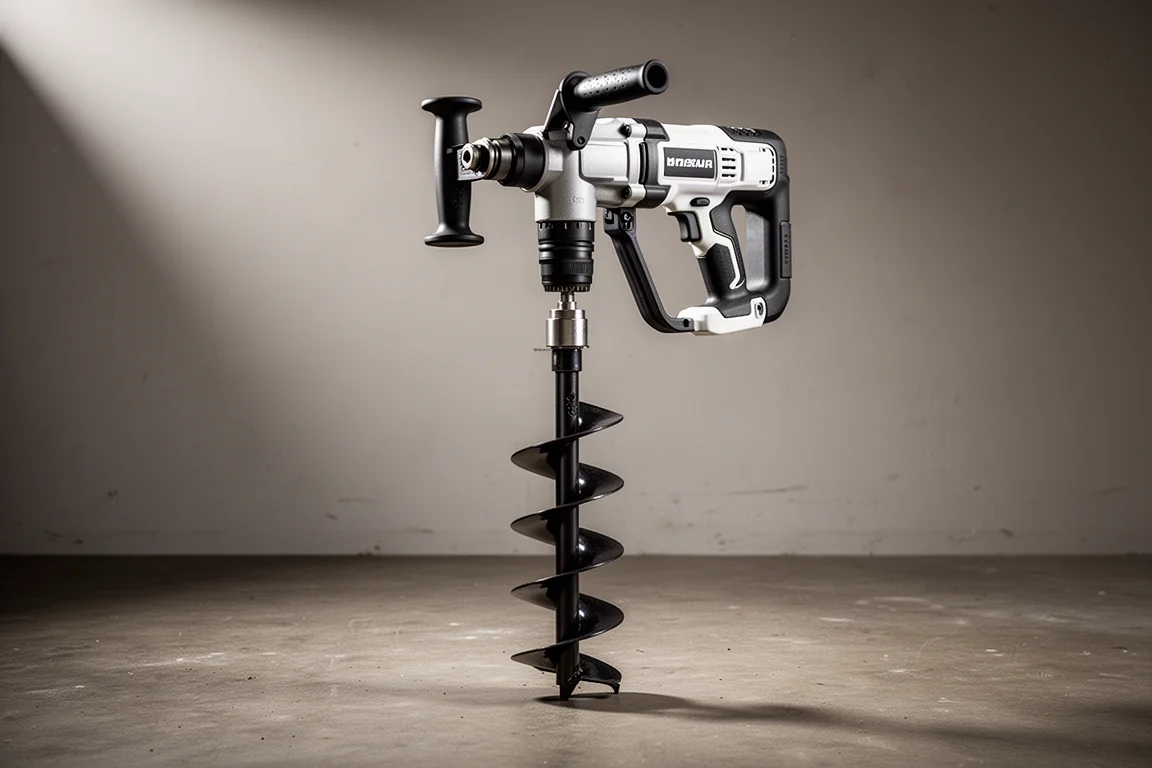
The Makita DG001G is the XGT 40V earth auger that has been genuinely hard to find in stores, and after putting it through several days of post-hole work in heavy clay, it is easy to see why people speak so highly of it. At its core, this is a grunty right-angle drill with auger-specific handles and an adapter bolted on, and that simple approach turns out to work remarkably well in soil that would clog up a traditional petrol post-hole borer. Its 40V XGT stablemate, the HP001G hammer drill, also turned out to be surprisingly capable with an auger bit attached, so both tools are covered here.
Design and Handling
The DG001G is essentially a two-speed right-angle drill, with a large handle out the front, a side handle that braces against your hip, and an adapter that lets an auger bit go into the chuck. It is made in Japan, which is part of the reason it carries a fairly premium price, and it has also been difficult to source.
The side handle is a plain handle rather than a kickback cut-out mechanism, so it simply braces the tool against your body while you work. Speed one runs at around 400 RPM and speed two at around 1500 RPM, with a variable speed trigger. One small gripe: the speed switch sits underneath the body, which is an awkward place to reach when the tool is fully set up.
For the auger role, Makita recommends the 150mm auger for clay, though a 200mm auger still managed an impressive job in very sticky conditions. The tool also has four-mode reverse, which makes sense given its drill origins.
Drilling Performance in Clay
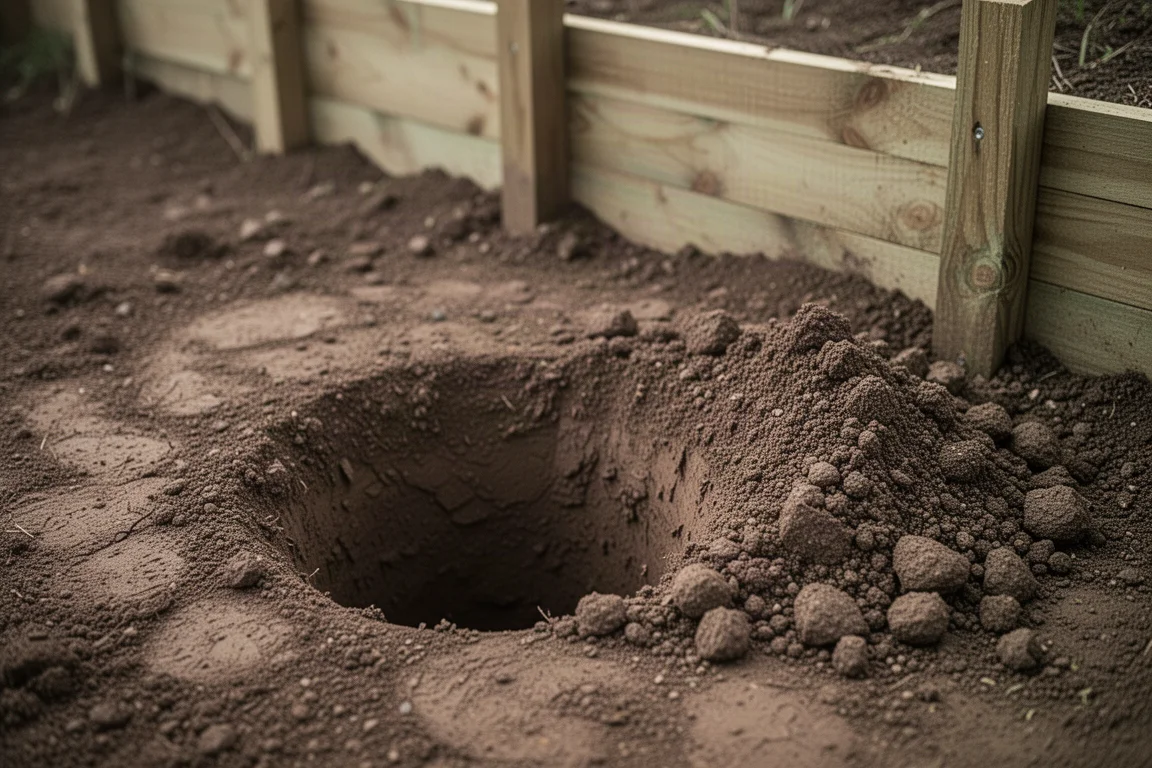
This is where the tool earns its money. In heavy, wet, sticky clay, the 200mm auger chewed through ground that had been painfully slow to dig by hand, breaking soil into fine particles that are easy to spread or shovel into a wheelbarrow. The machine jammed only once, on a buried length of old pipe, and even then it had already made good progress through the clay around it.
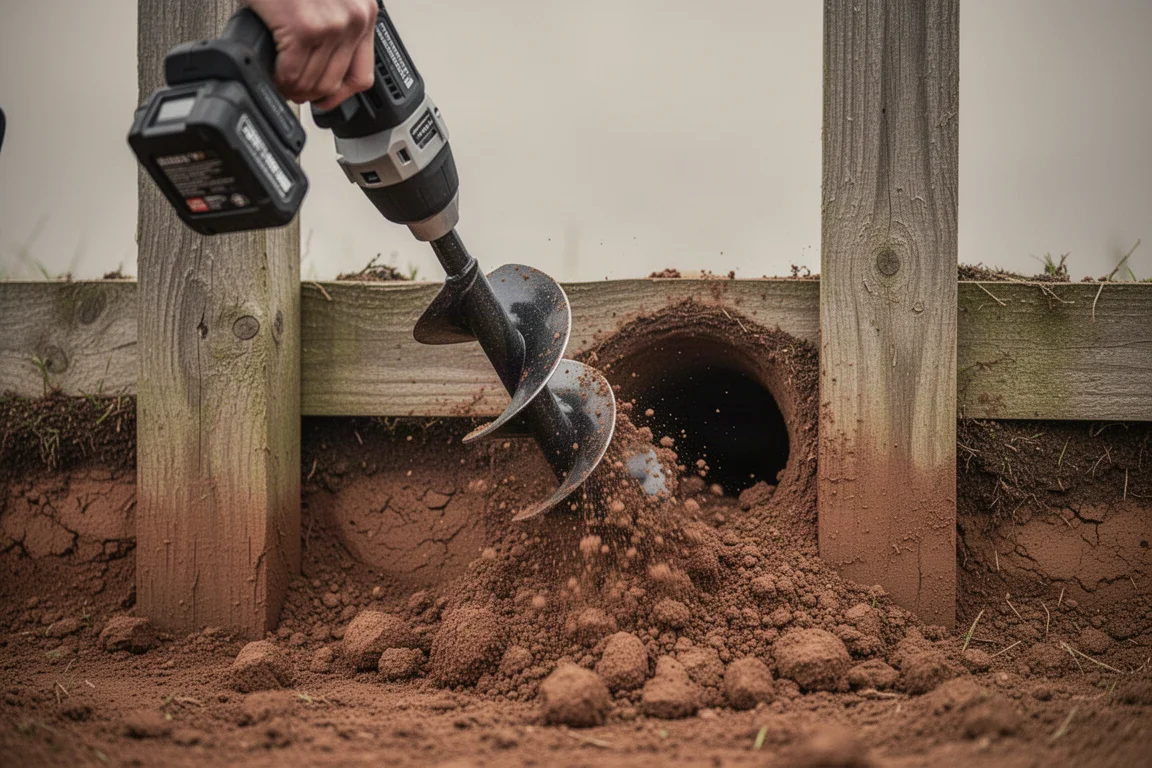
Drilling at an angle works surprisingly well too. The tool is just as effective going sideways as it is going straight down, which makes it easy to tunnel under an existing fence post to get concrete behind it, and the sideways action churns out dirt into a tidy, scoopable pile.
A handy tip from real use: if you have large lumps of clay that are too big to spread on the ground, fire them back down an already-dug hole and let the auger grind them into finer material.
Battery Life and Performance
Battery life is outstanding. Using a 5Ah battery in heavy clay with a 200mm auger, roughly 15 holes went through on two bars, and after a full session of deep drilling the indicator had still not dropped a single bar. Over a longer stretch, the expectation is around 30 holes of roughly 600mm depth in clay on a single 5Ah charge.
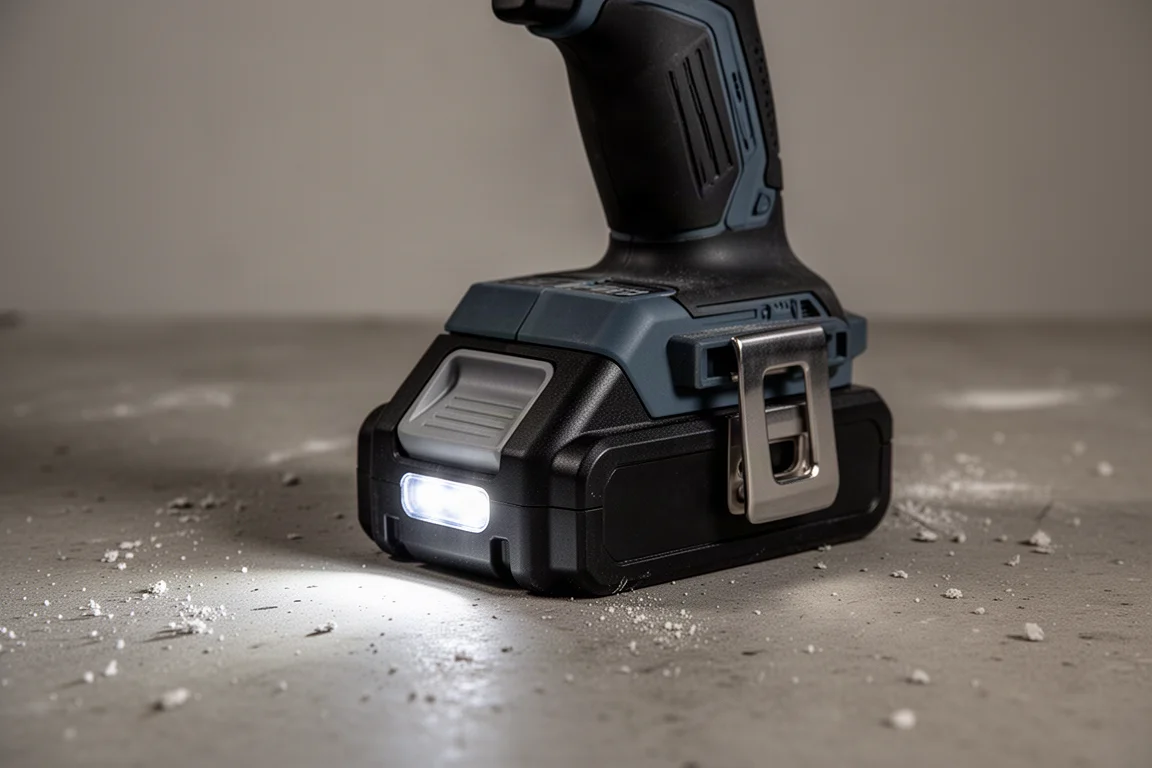
The tool has a power button rather than a simple pull-trigger start, but unlike some Makita saws it stays awake for minutes rather than seconds, so it does not shut off between short breaks. There is also a torque-indicating light, though while working you rarely notice it.
Things to Consider Before Buying
The main criticism is that this is fundamentally a drill repurposed as an auger. The low gear at 400 RPM is faster than ideal for heavy digging, and a purpose-built auger with gearing closer to 50 to 100 RPM in low, around 200 in second, and a 400 RPM top speed would be better suited. The 1500 RPM top speed has too little torque for digging and simply fires dirt everywhere, so it is best avoided.
The trigger is also not very sensitive and can feel jerky, especially as soil consistency changes under the auger and the tool rocks around in your grip. It is heavy, though still lighter than a comparable two-stroke petrol post-hole borer, and it handles wet clay far better than the petrol machines that tend to bung up and stall.
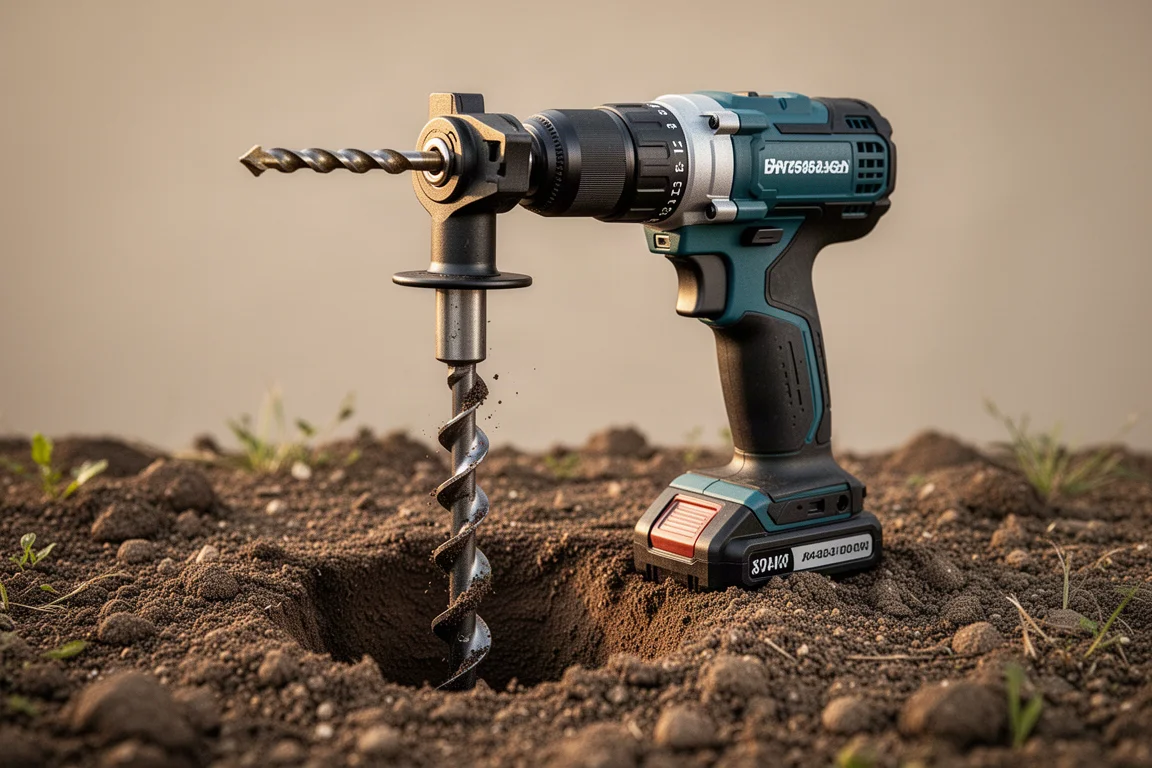
As for the HP001G 40V hammer drill: with a 200mm auger fitted, it managed to bore into the same clay, which is genuinely impressive. In softer ground or with the recommended 150mm auger, it could plausibly handle lighter auger work, making it an interesting bonus for anyone already invested in the XGT platform.
Buying Advice
If you regularly dig post holes, especially in clay, the DG001G is easy to recommend. It saves enormous time compared with hand digging, it handles sticky soil that defeats single-person petrol borers, and the battery life means you will not be swapping packs constantly. The trigger and gearing quirks are worth knowing about, but they do not take away from what a capable machine this is. If your auger needs are light and occasional, the HP001G hammer drill with a smaller auger may be enough on its own.
Conclusion
The Makita DG001G earth auger is a genuinely brilliant tool for post-hole work in difficult ground, with superb battery life and clay performance that outclasses petrol alternatives. The HP001G hammer drill adds a bonus option for lighter auger tasks. If the auger had been available weeks earlier, it would have saved a great deal of time and backache, which is probably the strongest endorsement there is.
Product link
View more details for Makita DG001G Earth Auger
This product is mentioned in the review. Check the specifications, options, and compatibility before buying.
View more details for Makita DG001G Earth AugerFurther reading
Related Reviews
Power Tools
Best 1-Inch Pistol Impact Wrenches: Three Heavy-Duty Options Compared
We compare three 1-inch pistol impact wrenches, from a budget-friendly Harbor Freight model to a premium Caterpillar unit, to help you choose the right one.
Power Tools
Best 3/4-Inch Impact Wrenches 2026: Five Contenders Compared
We compare five 3/4-inch impact wrenches across price and performance, from a budget Amazon option to Snap-on's most powerful model yet.
Power Tools
Best Budget Cordless Tools 2026: Walmart Finds That Punch Above Their Price
We tested five cordless tools from Walmart, including a high-torque impact wrench that trades blows with Milwaukee and a $35 duster that outperforms its price class.