Power Tools
Makita XGT Cordless Pressure Washer Review: Battery-Powered Cleaning Without a Power Cord
A hands-on look at Makita's 40V max XGT cordless pressure washer, covering real cleaning performance, runtime, battery behaviour, and who it actually makes sense for.
Introduction
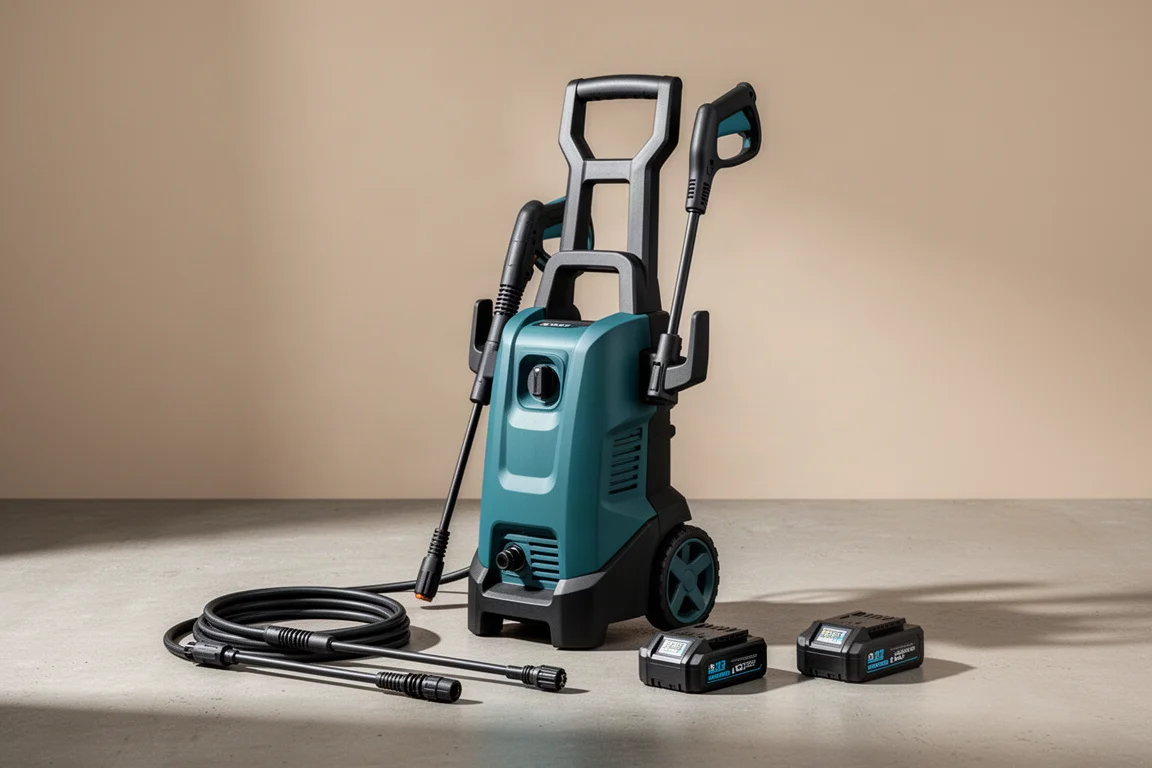
Battery-powered yard tools keep creeping into jobs that used to demand a power outlet or a petrol engine, and the Makita XGT cordless pressure washer is one of the more interesting examples. It runs on two 40V max XGT batteries, takes one at a time, and promises cleaning power wherever water and batteries are available. That sounds great on paper, but pressure washers live or die on real cleaning performance and runtime, so the question is whether this one earns its place in the shed.
First Cleaning Tests: How Much Pressure Do You Really Get?
Out of the box, the marketing numbers deserve a health warning. Makita quotes a maximum pressure of 11.5 MPa, roughly 1,650 PSI, but that is what the unit can withstand, not what it actually delivers on any setting. The real numbers are lower: the lowest mode runs at 3.3 litres per minute at 3 MPa, the middle setting at 5.5 MPa, and the top setting at 8.5 MPa, around 1,250 PSI at 5.5 litres per minute.
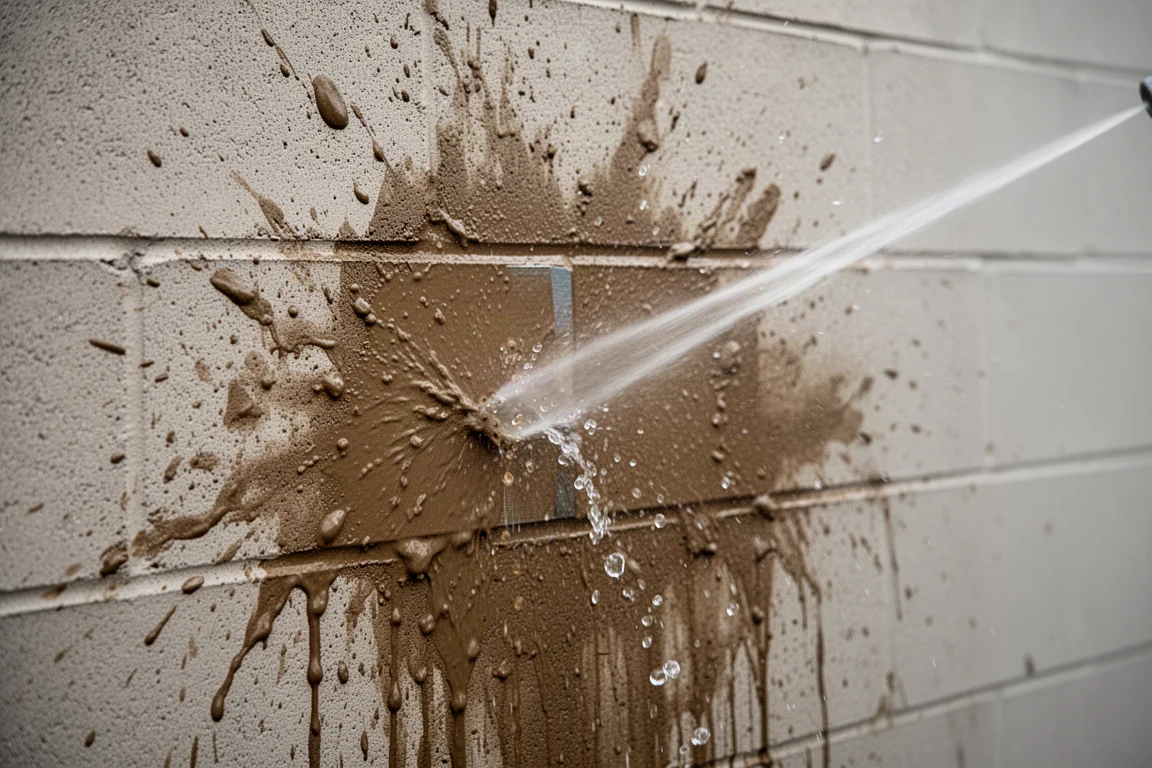
On painted block walls and timber, the top setting cleaned up surprisingly well once I switched to the turbo-style Cyclone jet nozzle, which I found at least ten times better at stripping caked-on mud than the variable nozzle. Concrete covered in heavy clay was a tougher ask, and this is clearly not in the same league as a petrol machine. Still, the real-world cleaning felt comparable to some advertised 1,600 to 1,800 PSI electric models.
Battery Behaviour and Runtime
Runtime is the trade-off here. With a pair of 2.5Ah batteries you get under 10 minutes on the top setting, 4Ah pairs give roughly 14 to 15 minutes, and two 8Ah batteries manage 28 to 30 minutes. That is short by any standard, and this tool runs batteries as hot as an angle grinder, so extended sessions mean owning a lot of batteries and chargers.
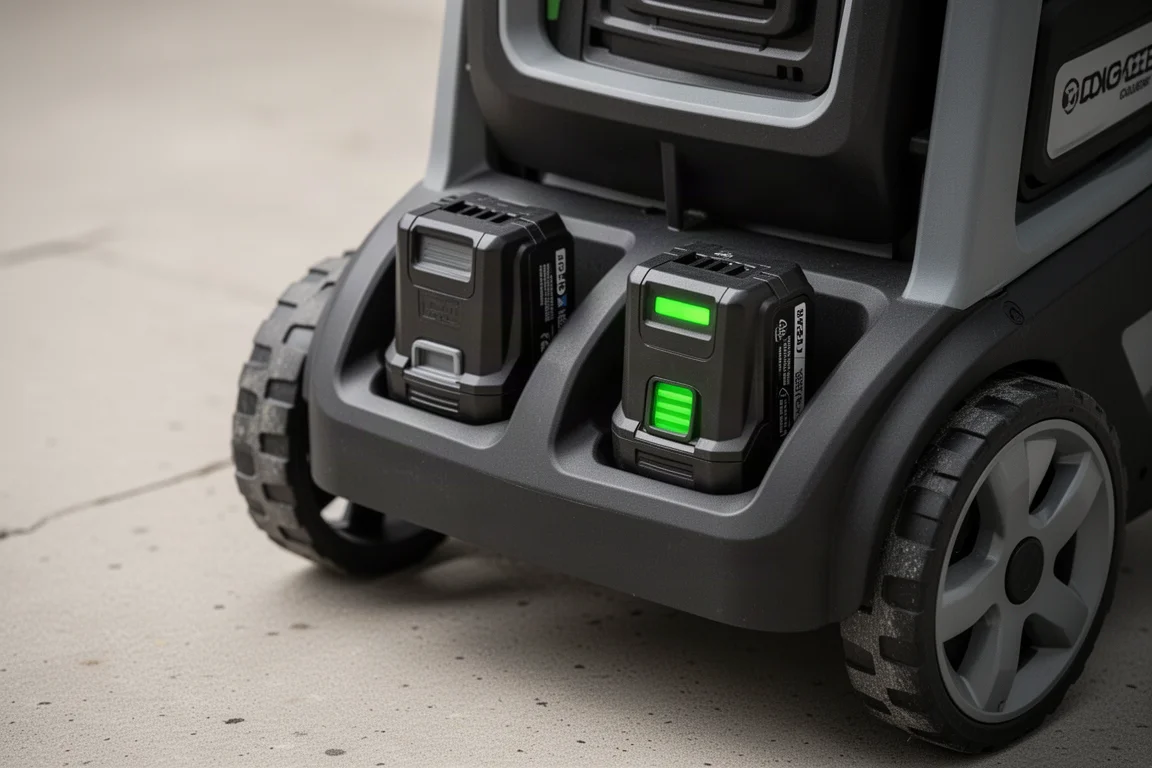
One quirk worth knowing: when the first battery winds down, you feel and hear the pressure drop before the unit kicks over to the second. With the smaller batteries, turning the tool off and back on makes it jump to the fresh battery immediately rather than draining the first one right down, which is kinder to the cells. Makita’s newer F-series batteries, identifiable by an F marking, also deliver noticeably more power and run cooler than older packs.
Design, Portability and Weather Protection
The unit itself is genuinely pleasant to handle. Makita lists it at around 8.5 kg, and it feels even lighter in use, shorter and more compact than most electric pressure washers. The telescopic handle locks up for wheeling around, and when parked, rubber feet hold it steady even on slopes.
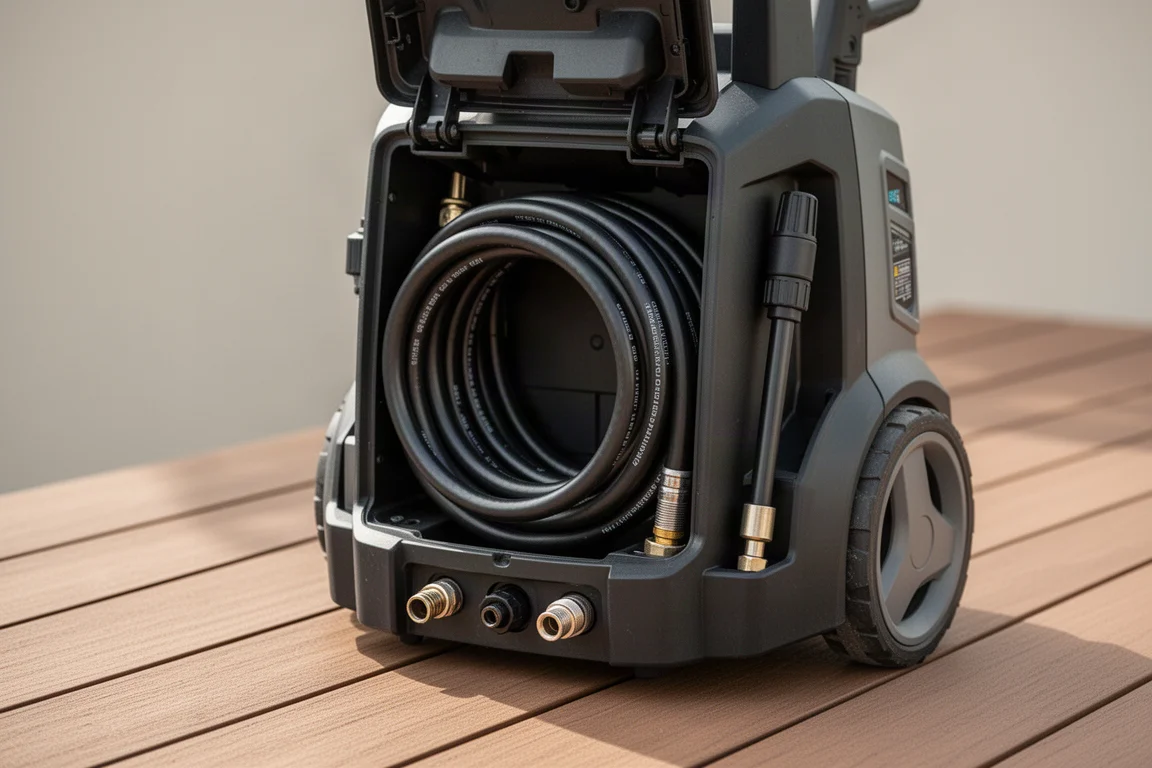
Hose connections are screw-on rather than quick-connect, which makes for a solid connection but slows setup. The wand hose is only 5 metres, so a longer hose or an anti-twist fitting would have been welcome. Weather protection is handled sensibly: the unit is IPX4 rated and instead of a rubber gasket it uses a gutter system with plastic ridges on the lid to channel water out, so there is nothing to wear out. Nicely, it is also self-priming, meaning you can run it from a bucket or water tank, making it genuinely portable.
Who This Tool Is Really For
It is tempting to dismiss a cordless washer when corded and petrol options exist, but the no-cord factor changes how you work. There is no cable lying in runoff, no fumbling for an outlet at a client’s property, and no paranoia about spraying the plug. For farms, building sites, cleaning wheelbarrows, truck beds, quad bikes, or anything away from mains power, that convenience is the entire point.
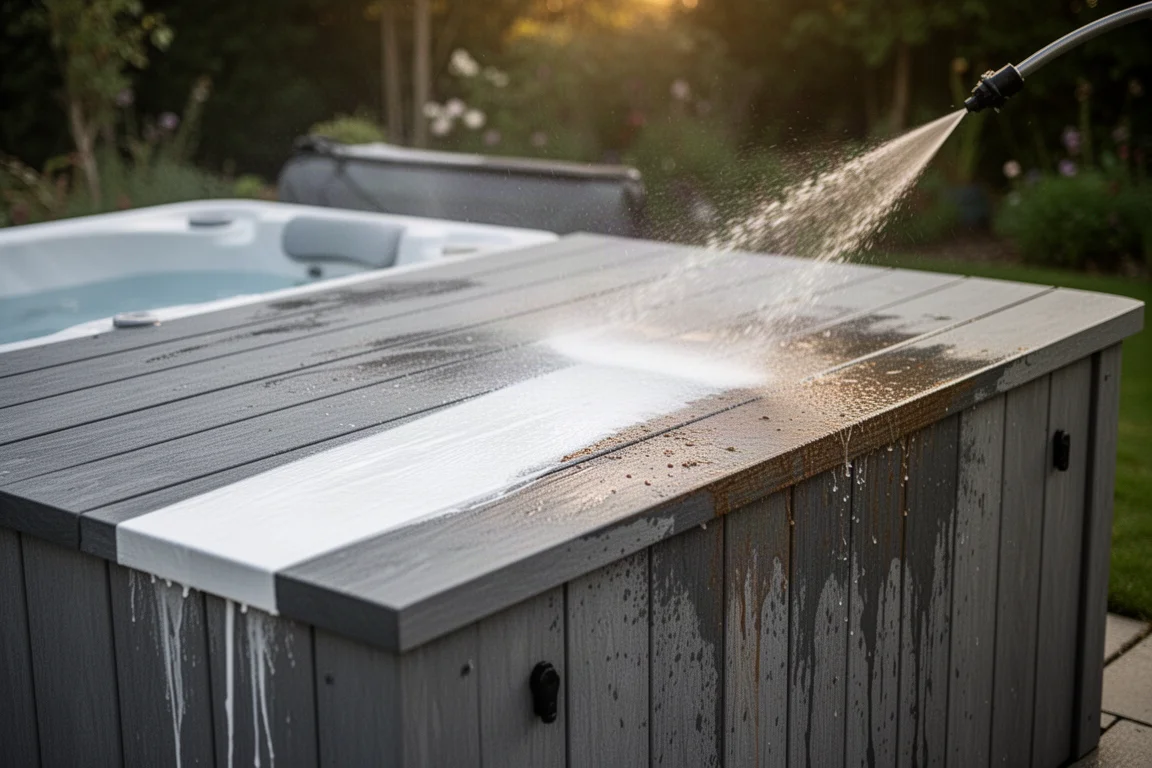
The honest caveat: if your main job is washing a large house or a big paved area, this is not the tool. Runtime and pressure simply are not there. But for small jobs, spot cleaning, and locations without power, it handled everything thrown at it, from a grimy shed wall to a weathered hot tub that needed a clean before re-oiling.
Conclusion
The Makita XGT cordless pressure washer is quiet, light, genuinely portable, and surprisingly capable for its size, but it is not a replacement for a mains or petrol machine. Buy it for power-free convenience on small to medium jobs, pair it with 8Ah F-series batteries, and keep expectations about runtime realistic. Do that, and it is a genuinely useful addition to the XGT line-up.
Product link
View more details for Makita XGT Cordless Pressure Washer
This product is mentioned in the review. Check the specifications, options, and compatibility before buying.
View more details for Makita XGT Cordless Pressure WasherFurther reading
Related Reviews

Power Tools
Best 1-Inch Pistol Impact Wrenches: Three Heavy-Duty Options Compared
We compare three 1-inch pistol impact wrenches, from a budget-friendly Harbor Freight model to a premium Caterpillar unit, to help you choose the right one.

Power Tools
Best 3/4-Inch Impact Wrenches 2026: Five Contenders Compared
We compare five 3/4-inch impact wrenches across price and performance, from a budget Amazon option to Snap-on's most powerful model yet.

Power Tools
Best Budget Cordless Tools 2026: Walmart Finds That Punch Above Their Price
We tested five cordless tools from Walmart, including a high-torque impact wrench that trades blows with Milwaukee and a $35 duster that outperforms its price class.