Power Tools
Makita XGT Cordless Concrete Tools: A Power Cutter and Demolition Hammer Worth a Look
A 14-inch cordless power cutter that challenges gas and a low-vibration demolition hammer line, shown working on real concrete.
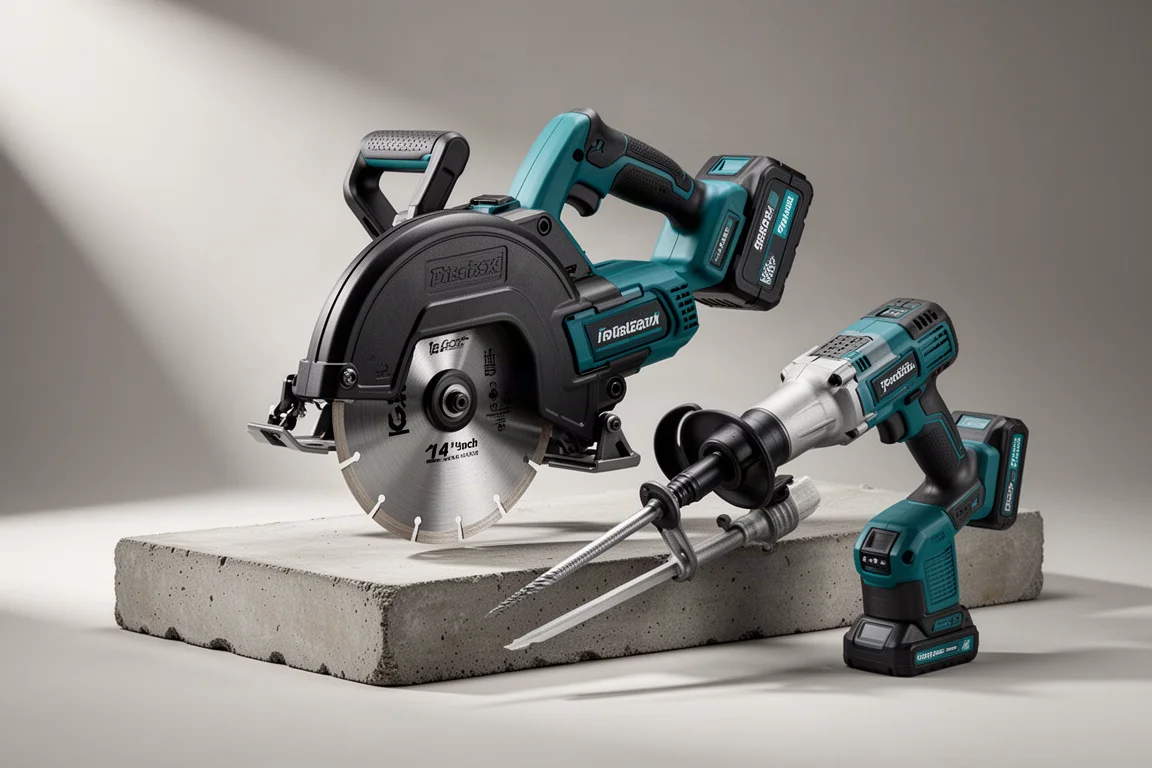
Introduction
Makita brought a pair of XGT cordless concrete tools to the World of Concrete show floor, and both are aimed squarely at replacing tools that traditionally run on gas or a cord. The headline act is a cordless power cutter that the company positions as a genuine gas replacement, backed by a side-by-side cutting demonstration. Alongside it sits a range of demolition hammers, including a compact 15-pound class model and a larger 28-pound version, both built around vibration-reducing technology.
What makes this lineup interesting is not just the cordless convenience. It is the claim that battery power now matches gas in real cutting performance, and that the hammers hit hard without the punishing vibration you might expect.
Makita XGT Cordless Power Cutter
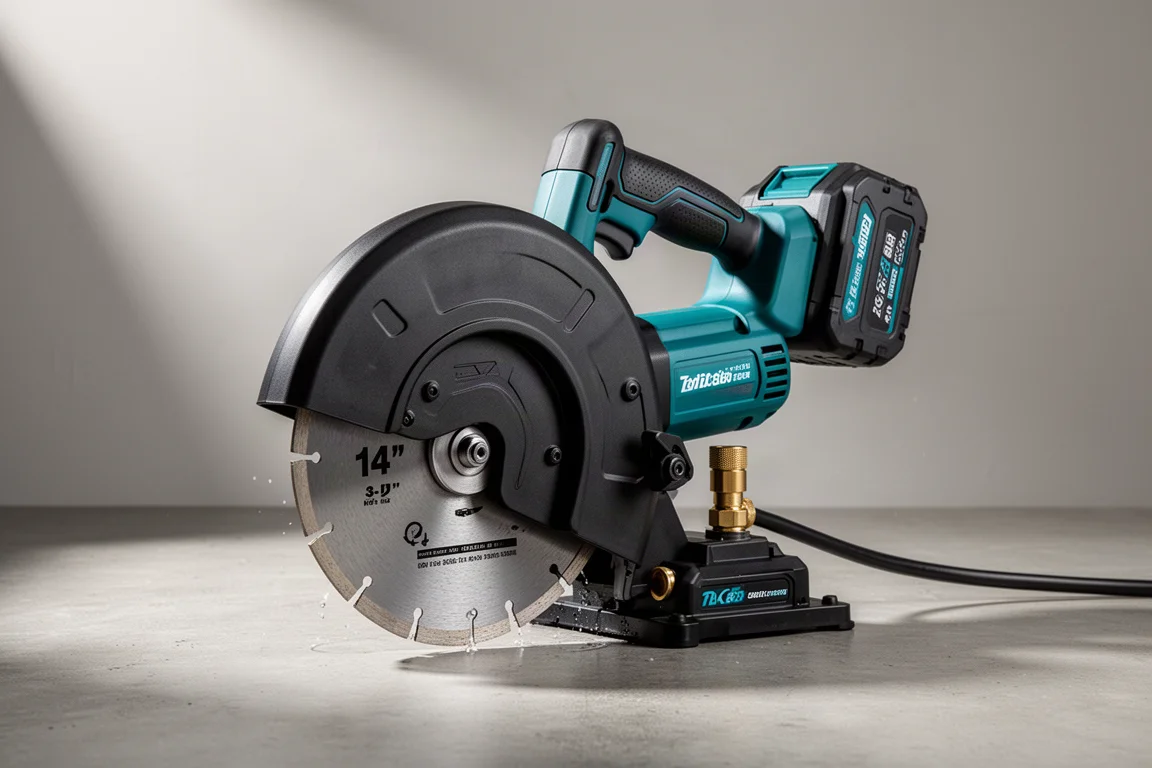
The XGT cordless power cutter is designed to do everything a traditional 14-inch gas power cutter can do, and Makita’s position is firm: the power performance is there. On the show floor, that claim was put to the test against a gas saw in a side-by-side cut, and the cordless tool held its own. Where the gas saw needed extended starting effort in the morning, the cordless version was simply ready to go.
Beyond raw power, it carries the features you would expect from a modern cordless cutter: soft start, an electric brake, and anti-feedback technology that keeps the tool from kicking back if the blade binds in the cut. And because there is no exhaust, no emissions, lower noise, and less maintenance, it can be used indoors where a gas saw simply cannot.
The cutting technique is straightforward. Start by scoring the top of the slab to mark your line, then work back and dip into the cut, keeping the visible line aligned as you go. On the deep cuts shown, the blade was working roughly two inches or more into the material at a time.
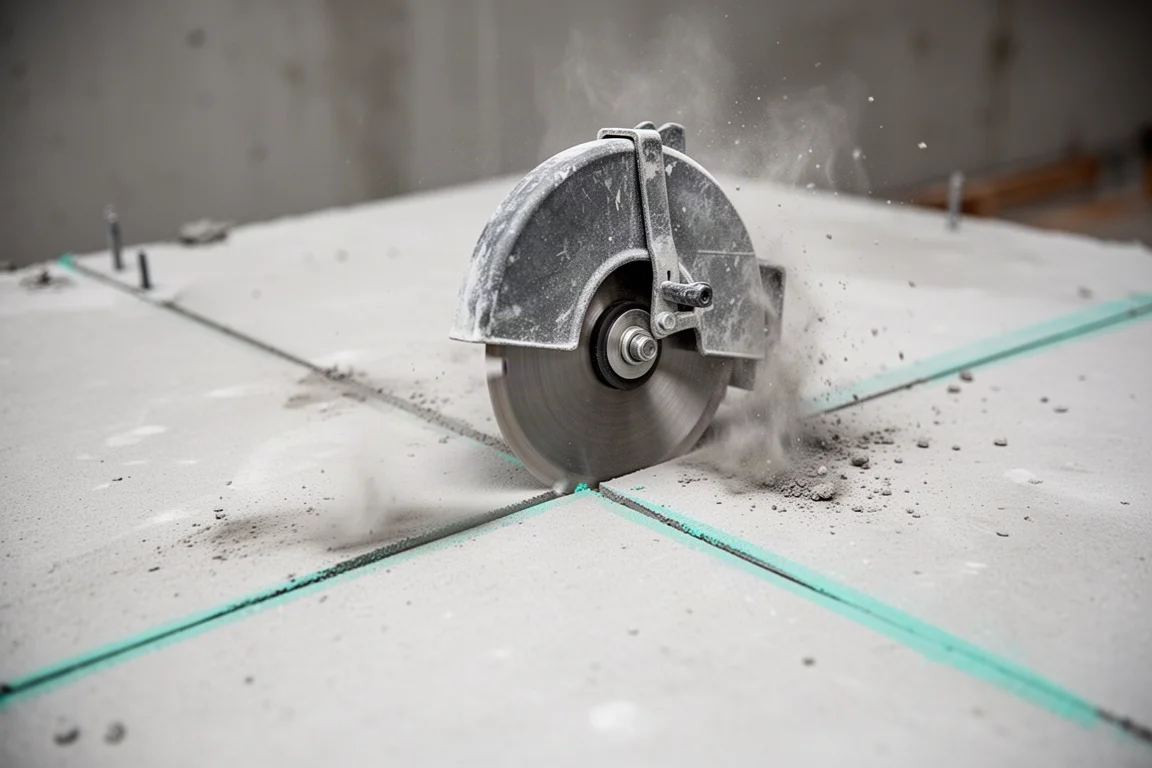
The maintenance angle deserves real attention here. With a gas saw you worry about a clogged carburetor, the venturi, the float, cleaning jets, and the pull-start routine. With this tool, none of that exists. Both batteries charge back to full in the dual-bay charger in 72 minutes, so a lunch break is enough to get back to work.
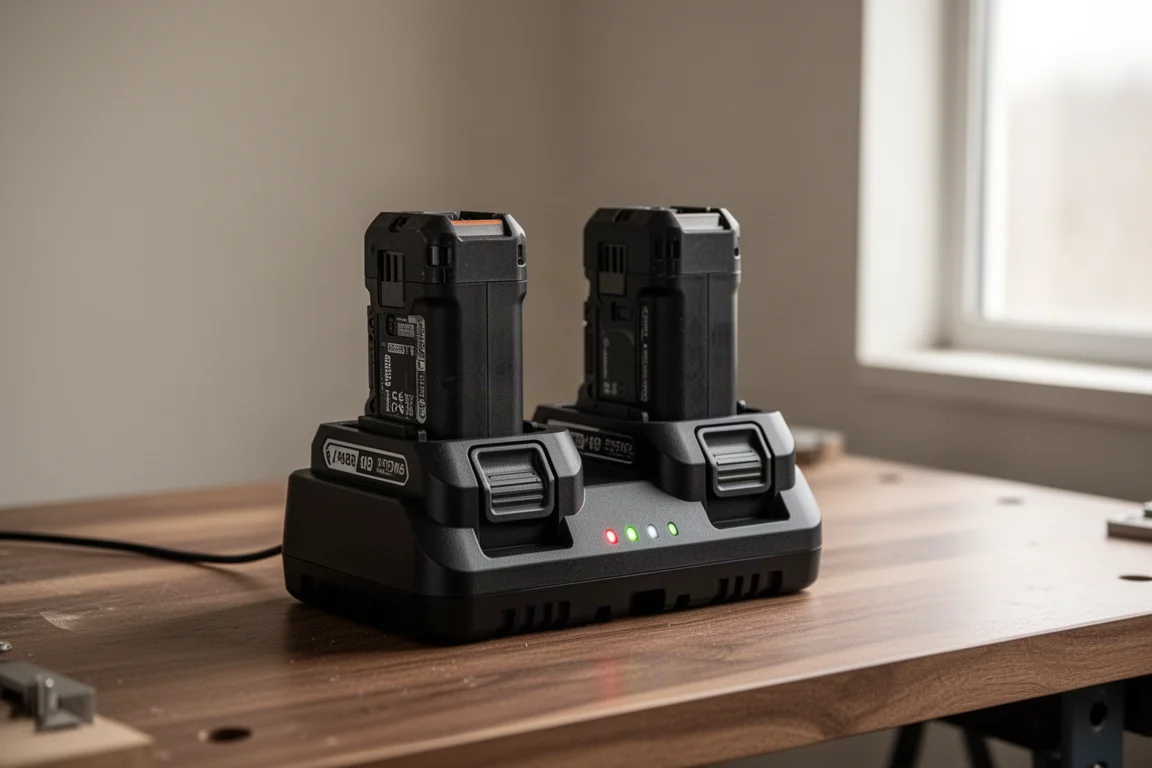
Runtime depends heavily on the variables: what you are cutting, the embedment depth, and the material. For typical 3 to 4 inch embedment, expect roughly 10 to 15 feet of cutting per charge pair. For most contractors doing interior slab work or outdoor cutting where emissions and noise matter, this is a serious alternative to gas.
Makita XGT Demolition Hammer
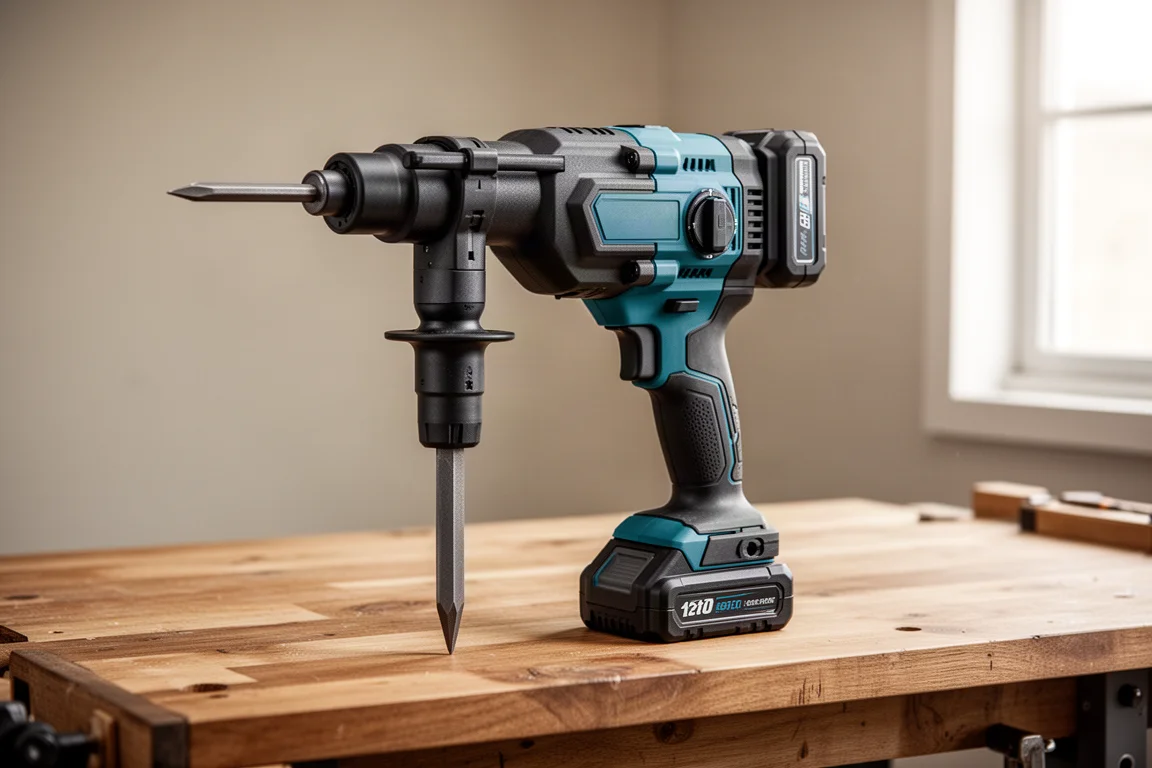
The demolition hammer lineup on display included a compact 15-pound class model and a 28-pound version, both sharing vibration-reducing technology that dramatically cuts the shock transferred to your hands. The sensation is unusual at first: because the tool is so quiet on the hands, it can feel like it is not hitting hard. But listen closely and you hear the impactor popping off consistently, and watch the concrete break to see the productivity.
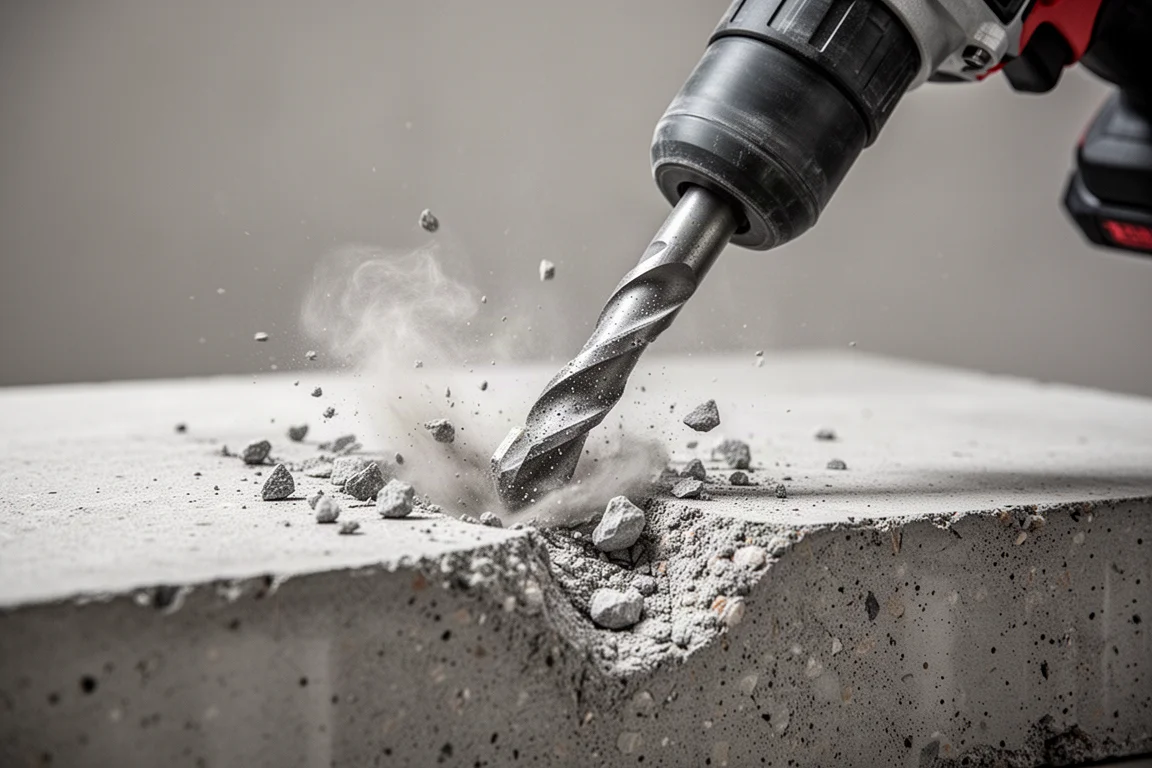
In a direct test, the compact model was driven into the center of a slab and broke through efficiently, making quick work of the demo job. It is also light enough to use horizontally, which matters when you need to address an upper zone, such as a wall section or an elevated area, without fighting fatigue. That versatility is exactly why smaller hammers earn their place in a kit.
Runtime and Corded Comparison
A common question is how cordless performance compares to a corded demolition hammer. Makita’s approach is simple: pour a fixed area, say a two-foot by two-foot section, and break it side by side with one tool in each hand, whichever finishes faster wins. Head-to-head demos are the honest way to measure it.
Runtime with a pair of batteries varies with the material, since reinforced concrete, plain concrete, CMU, and red brick all behave differently. A reasonable expectation with the battery pair is a solid 25 to 40 minutes of breaking, which is enough for focused bursts of demo work between charges.
Which One Fits Your Job
For attacking a demo job, the compact hammer is the easy grab: it is compact, has plenty of power, and handles horizontal work with less fatigue. The 28-pound class is the versatile middle ground, and mid-size 20 to 28-pound hammers tend to be the most popular for exactly that reason. Makita’s lineup extends well beyond, with big hammers from 35 pounds all the way up to 70 pounds, each designed for its own purpose.
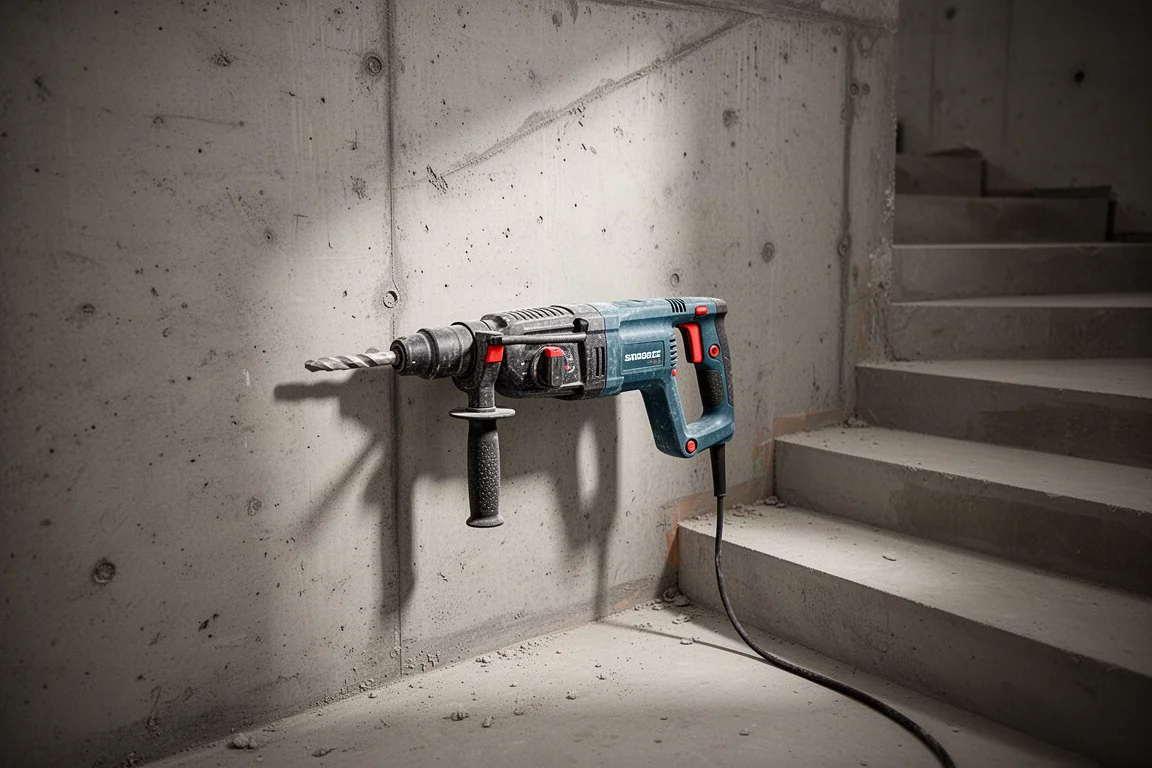
If your work mixes overhead cutting, interior slabs, and general demo, the combination of the cordless cutter and the mid-size hammer covers a lot of ground without a generator, a gas can, or an extension cord.
Conclusion
Makita’s XGT concrete tools make a credible case that cordless has caught up. The power cutter delivers gas-class cutting performance with no emissions, low noise, and far less maintenance, while the demolition hammer range offers strong breaking productivity with vibration control that makes long sessions easier on the body. If you are replacing aging gas equipment or building out a battery platform for concrete work, both tools deserve a close look.
Further reading
Related Reviews
Power Tools
Best 1-Inch Pistol Impact Wrenches: Three Heavy-Duty Options Compared
We compare three 1-inch pistol impact wrenches, from a budget-friendly Harbor Freight model to a premium Caterpillar unit, to help you choose the right one.
Power Tools
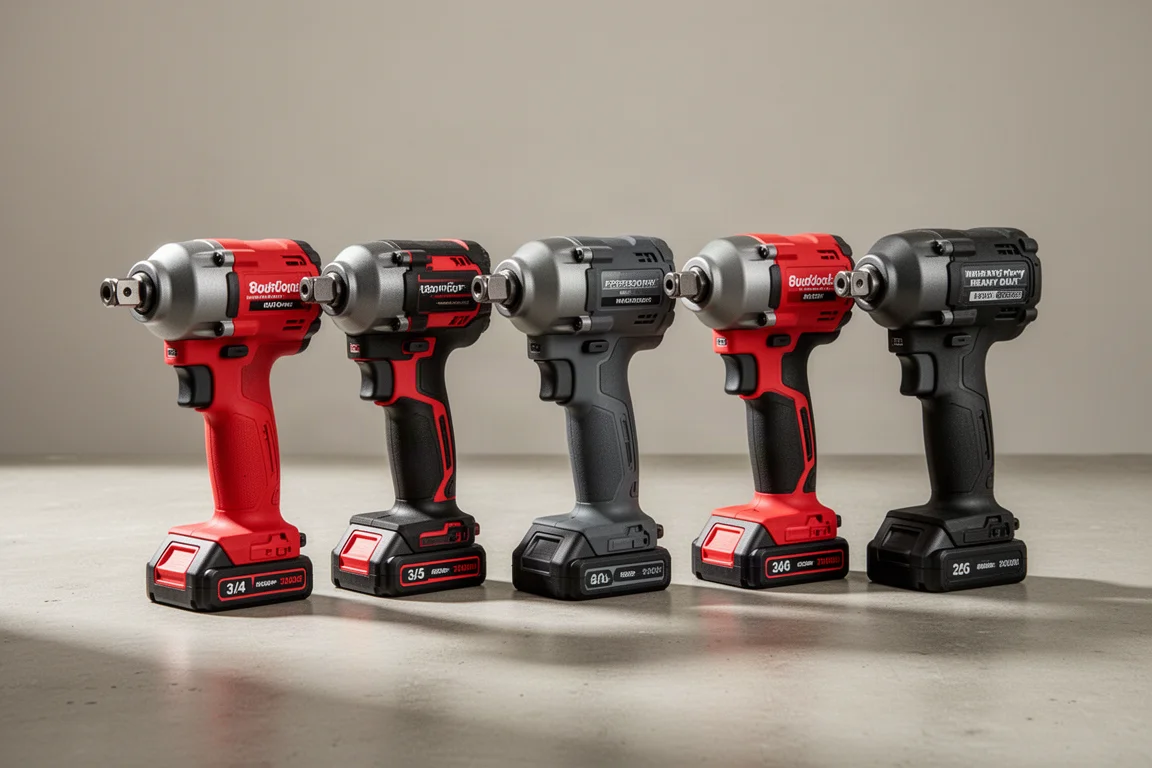
Best 3/4-Inch Impact Wrenches 2026: Five Contenders Compared
We compare five 3/4-inch impact wrenches across price and performance, from a budget Amazon option to Snap-on's most powerful model yet.
Power Tools
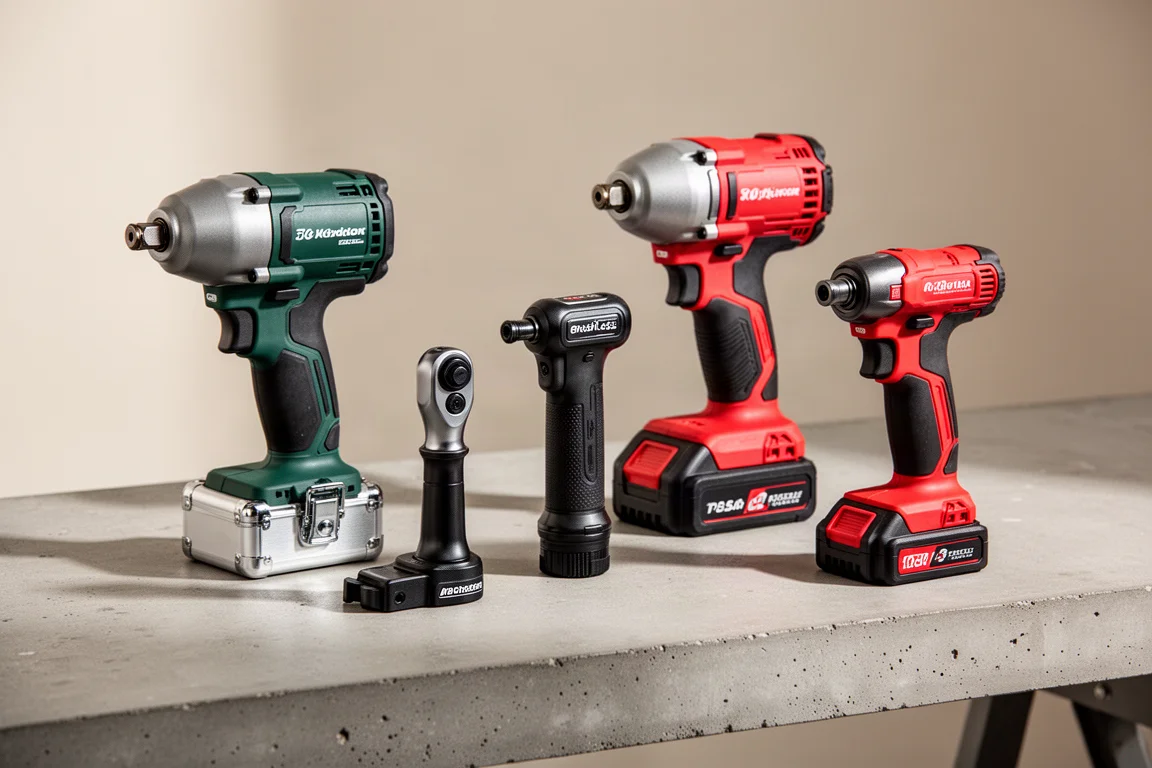
Best Budget Cordless Tools 2026: Walmart Finds That Punch Above Their Price
We tested five cordless tools from Walmart, including a high-torque impact wrench that trades blows with Milwaukee and a $35 duster that outperforms its price class.