Power Tools
Makita XGT Blower Review: Lighter, Quieter, and Easier to Live With Than the 36V
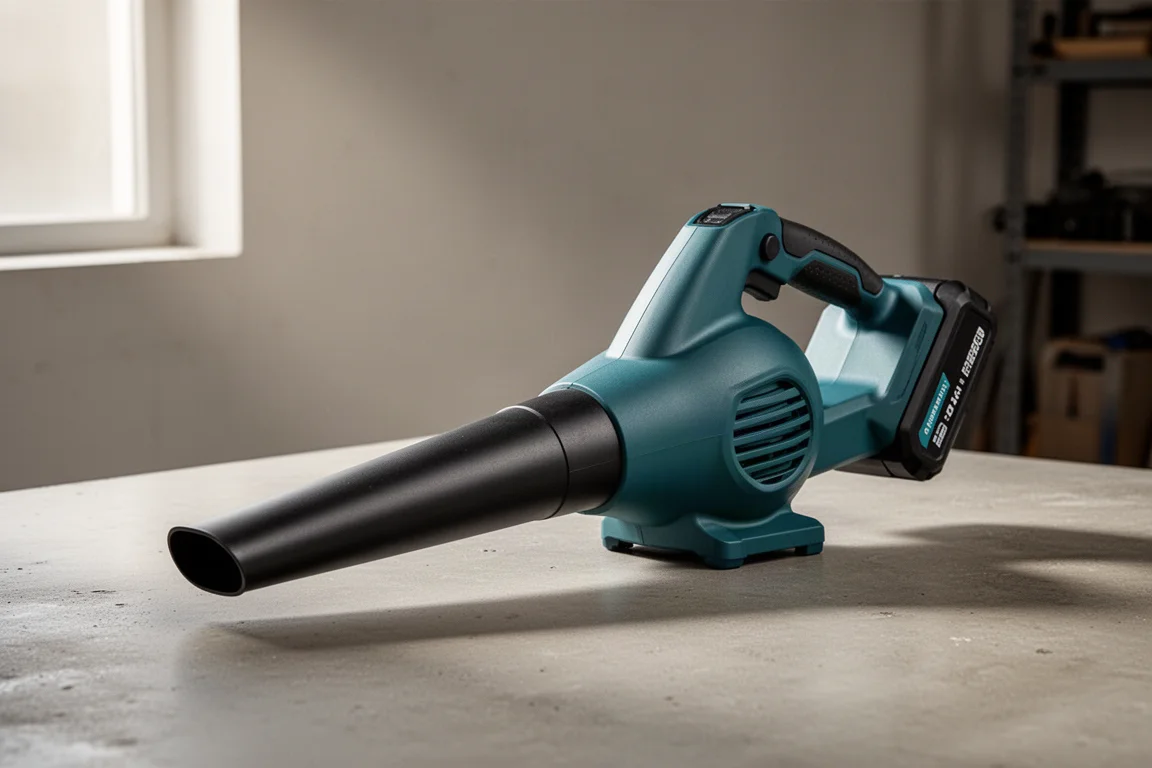
The Makita XGT blower trades nothing for power: it weighs less than the older 36V model, sounds noticeably more refined, and cleans up job sites all day with great run time.
Introduction
Most coverage of the Makita XGT blower leans heavily on power and run time. Those matter, of course, but they are not the whole story. After picking this one up and using it on driveways, sidewalks, and job site cleanups, what stands out most is how much easier it is to carry, how much nicer it sounds, and how many small design decisions Makita got right.
The timing is decent for buyers too. It has been seen on sale around $350 as a kit with a free 4Ah battery, and patient shoppers have found new-in-box kits well below that on resale marketplaces. Still, it is an expensive tool, and there are a couple of quirks worth knowing about before you buy. Here is the full picture.
Weight and Size: A Real Difference in the Hand
Tool only, with no batteries, the XGT blower weighs 5 pounds 4.2 ounces. The older 36V LXT-class blower comes in at 6 pounds 2.3 ounces. That is basically a full pound lighter, and when you are carrying a blower around a property all day, that difference is something you genuinely feel.
The size difference is just as telling. With the shortest nozzles fitted on both, the 36V unit is nearly two inches longer before you even count the tube. The XGT is only about a quarter inch longer at the nozzle tip. Being more compact at the business end has practical benefits, which we will get to shortly.
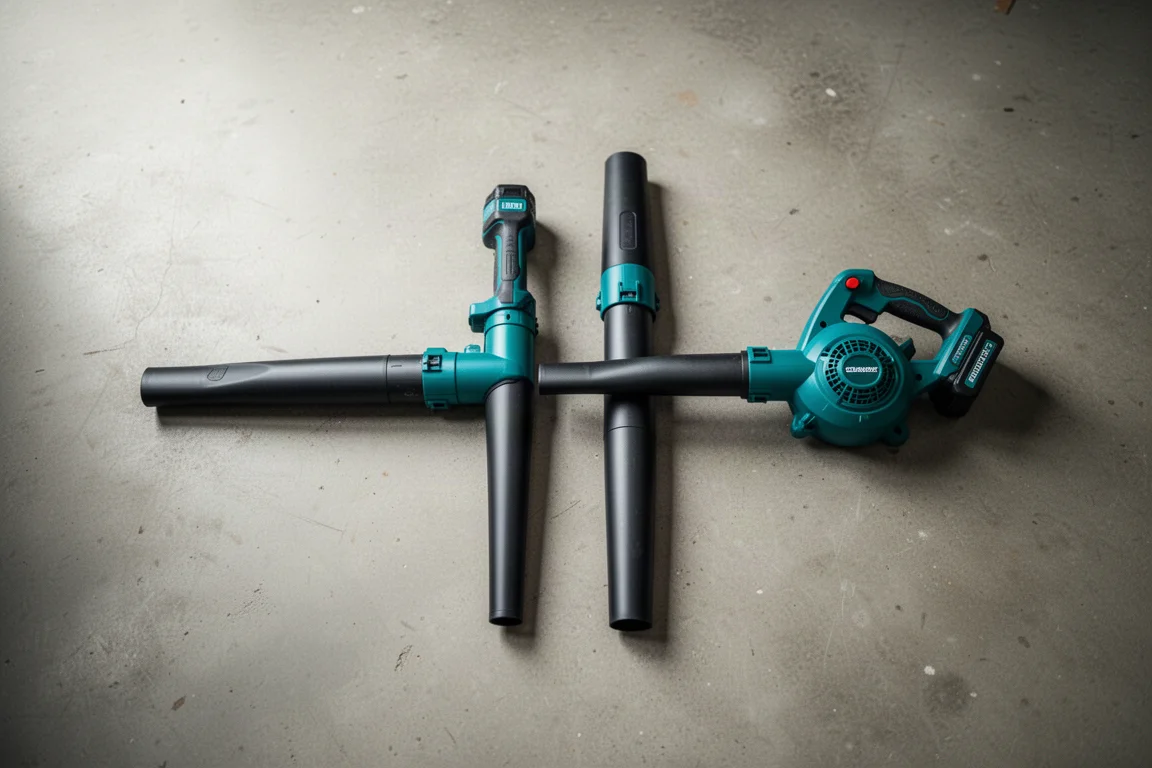
With two 5Ah batteries installed on each tool, the gap narrows but holds: the 36V hits 9 pounds 0.2 ounces while the XGT comes in at 8 pounds 3.6 ounces, just under a pound lighter. It is refreshing to see a more powerful blower with claimed longer run time come out lighter than the model it replaces.
The Curved Nozzle Design
Because the battery sits at the back, the heaviest part of the tool is already at the rear. Makita gives the XGT a nozzle that is tilted slightly downward, so you do not have to angle the entire tool as far down to get the airflow where you need it.
In practice, that means clearing a driveway or sidewalk goes faster and with less wrist strain, since you are not pointing the whole machine down the whole time. It is a small touch, but it is the kind of thing you appreciate after an hour of cleanup.

Quieter and Nicer to Work Around
Both blowers claim the same 61 dB rating at 50 feet, which makes the difference even more surprising. Run both side by side at full tilt and the XGT simply sounds quieter, cleaner, and less harsh. The 36V fan has a rougher, louder character even with the identical spec sheet number.
For anyone using a blower for long stretches, around neighbors, or on occupied job sites, that subjective comfort matters. It is easier on the ears and generally more pleasant to be around, regardless of what the dB ratings say.
The Return of Simple Controls
One of the best decisions here is a subtraction. The 36V blower added a six-position speed dial that never made much sense: nobody sets it to four and then pulls the trigger all the way down anyway. The XGT goes back to the 18V-style setup with a simple cruise control switch up top, letting the variable speed trigger do the real work.
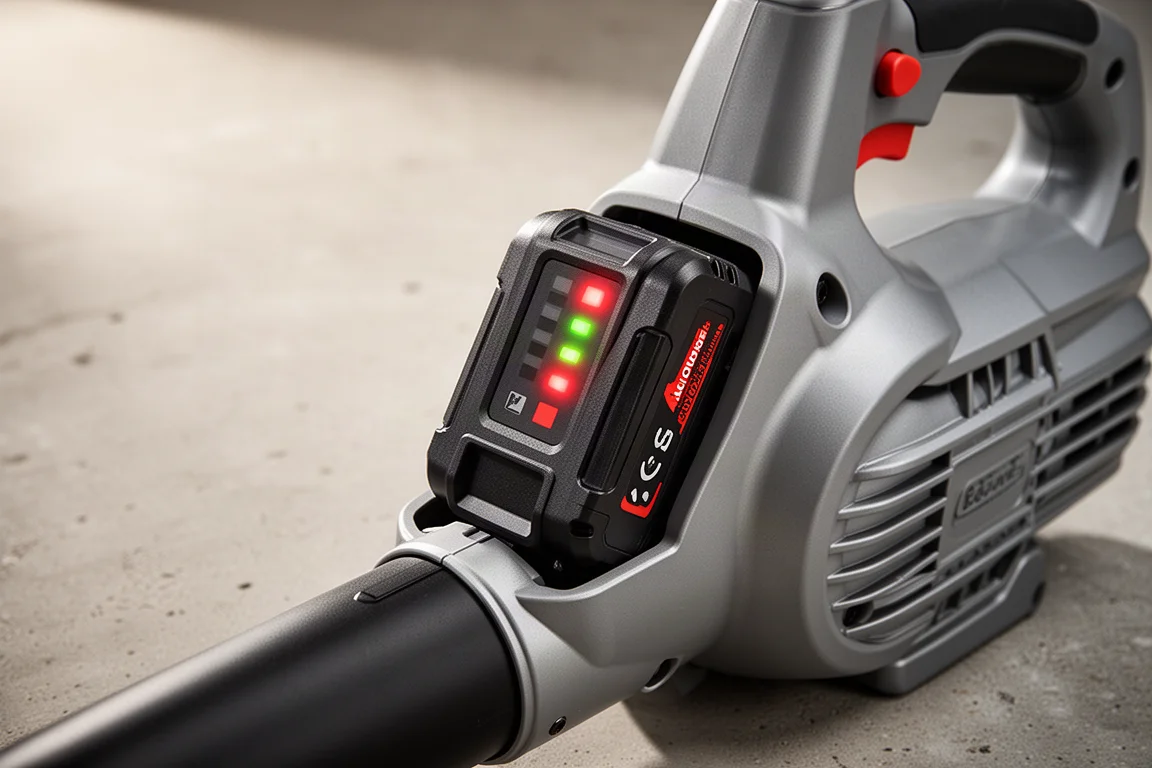
The other improvement is where the battery fuel gauge lives. On the 36V, the gauge sat in an awkward spot that was hard to see and hard to press. On the XGT platform, the batteries have been redesigned so the fuel gauge faces outward once the pack is slid in. You can check charge at a glance without removing anything. It is a much better layout.
Things to Consider Before Buying
The quirks are worth flagging honestly. First, Makita added a power button to this blower. Slide the battery in, squeeze the trigger, and nothing happens until you press the power button first. No other Makita blower does this, and more than once you will wonder whether something is broken before remembering to hit it.
Second, the price. Kit pricing currently sits around $350 to $400, and that usually includes only one 4Ah battery. You will want more than one pack, because like any blower, this thing chews through batteries quickly at a solid working pace. Budget for at least a second battery.
Who This Product Is For
This is not a tool for someone chasing maximum raw power. If that is the goal, a gas backpack blower is the more sensible purchase and the conversation ends there. The XGT blower is for people who need a capable, comfortable cordless blower that can clear sidewalks, driveways, and job sites all day without wrecking their arm or their ears.
If you are already invested in Makita and moving toward the higher-voltage XGT platform, this blower is a natural and very solid addition to the lineup.
Buying Advice
On price, patience pays. The Home Depot kit with a free 4Ah battery has been around $350, and new-in-box kits have been found for around $220 through third-party marketplaces, which undercuts even the “hackable” price of buying the kit and returning the free battery for a discount on the base tool. Whichever route you take, plan on owning at least two batteries for all-day use.
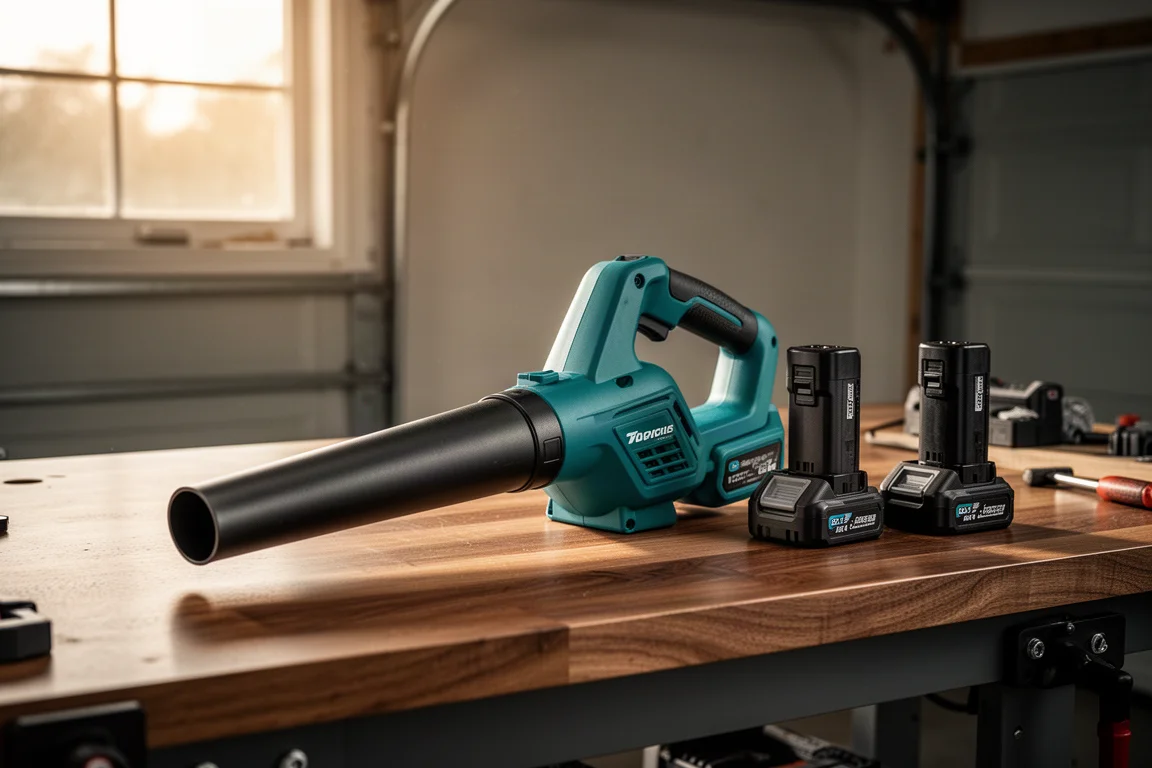
The trade-off summary is simple: you get a lighter, shorter, quieter blower with longer claimed run time and smarter ergonomics, in exchange for a slightly annoying power button and a premium price. For most Makita users, that is a trade worth making.
Conclusion
The Makita XGT blower is a genuine step up from the 36V models that came before it. It is lighter by roughly a pound in real-world configured weights, noticeably quieter despite identical dB ratings, more compact at the nozzle, and better thought out in the details that matter day to day, from the fuel gauge placement to the simplified cruise control.
The power button is a head-scratcher and the kit pricing is steep, but neither outweighs what you get. If you want a cordless blower you can happily use all day, this is one of the strongest picks in the Makita lineup.
Product link
View more details for Makita XGT Blower
This product is mentioned in the review. Check the specifications, options, and compatibility before buying.
View more details for Makita XGT BlowerFurther reading
Related Reviews
Power Tools
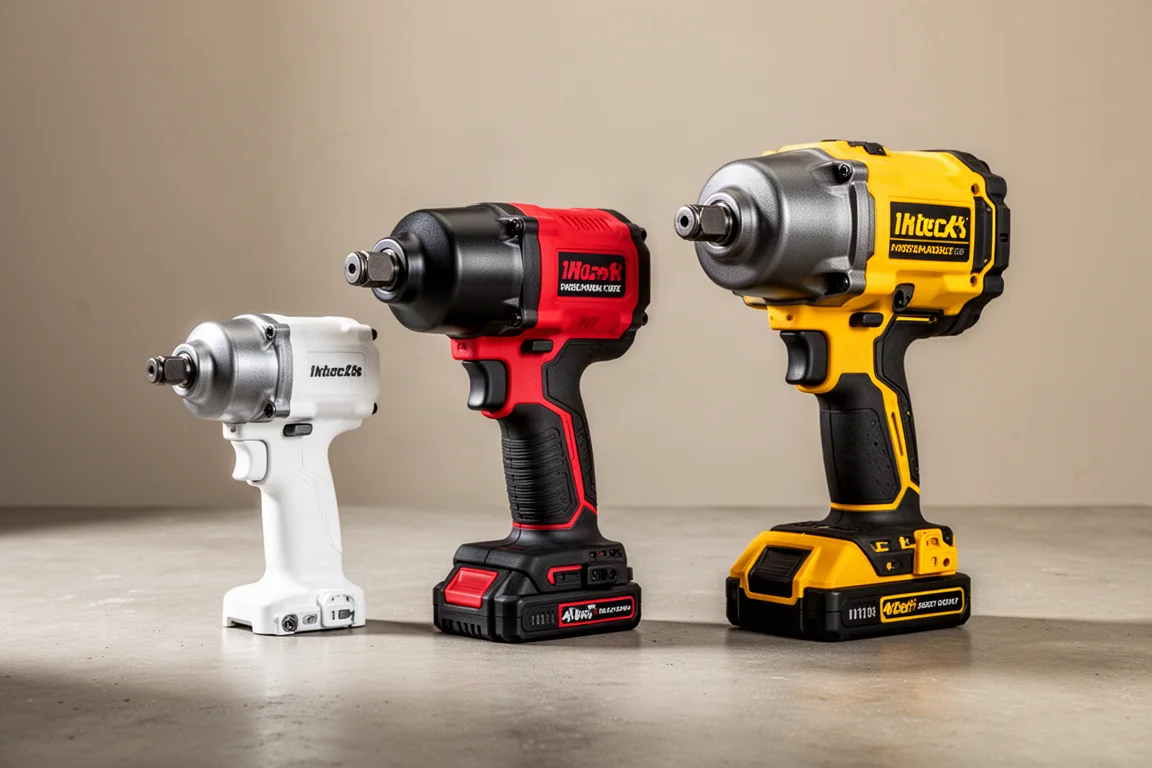
Best 1-Inch Pistol Impact Wrenches: Three Heavy-Duty Options Compared
We compare three 1-inch pistol impact wrenches, from a budget-friendly Harbor Freight model to a premium Caterpillar unit, to help you choose the right one.
Power Tools
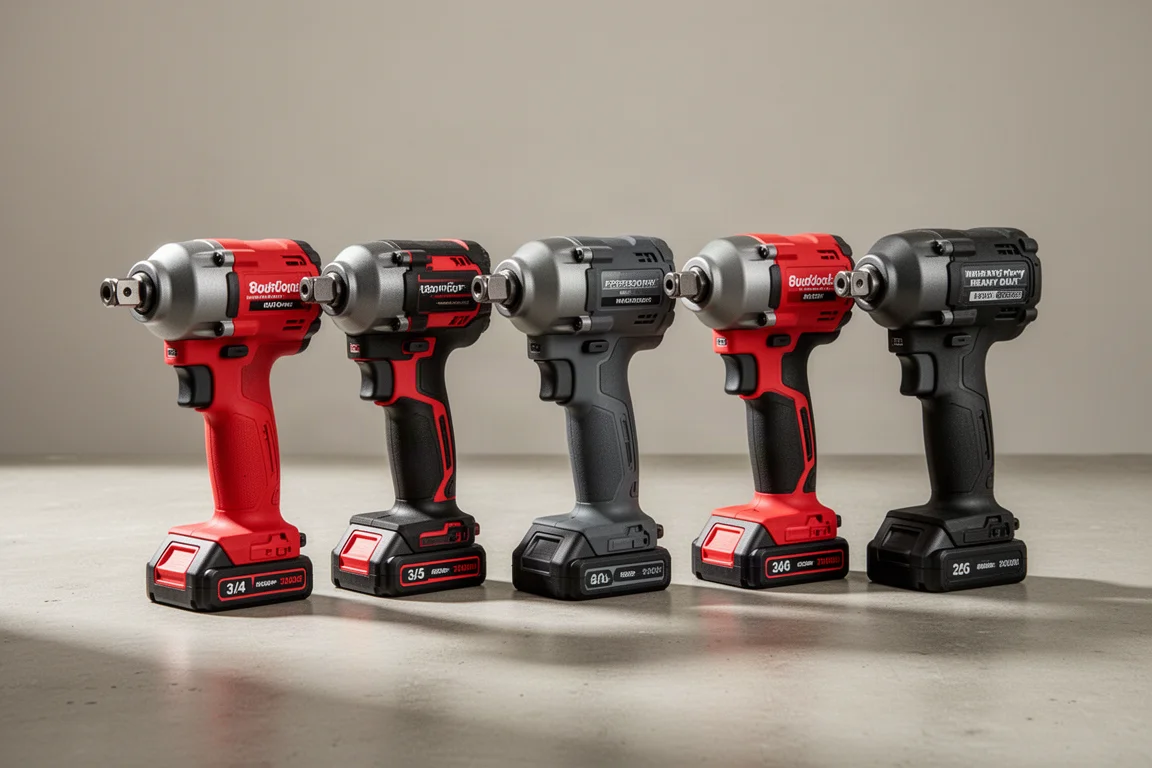
Best 3/4-Inch Impact Wrenches 2026: Five Contenders Compared
We compare five 3/4-inch impact wrenches across price and performance, from a budget Amazon option to Snap-on's most powerful model yet.
Power Tools
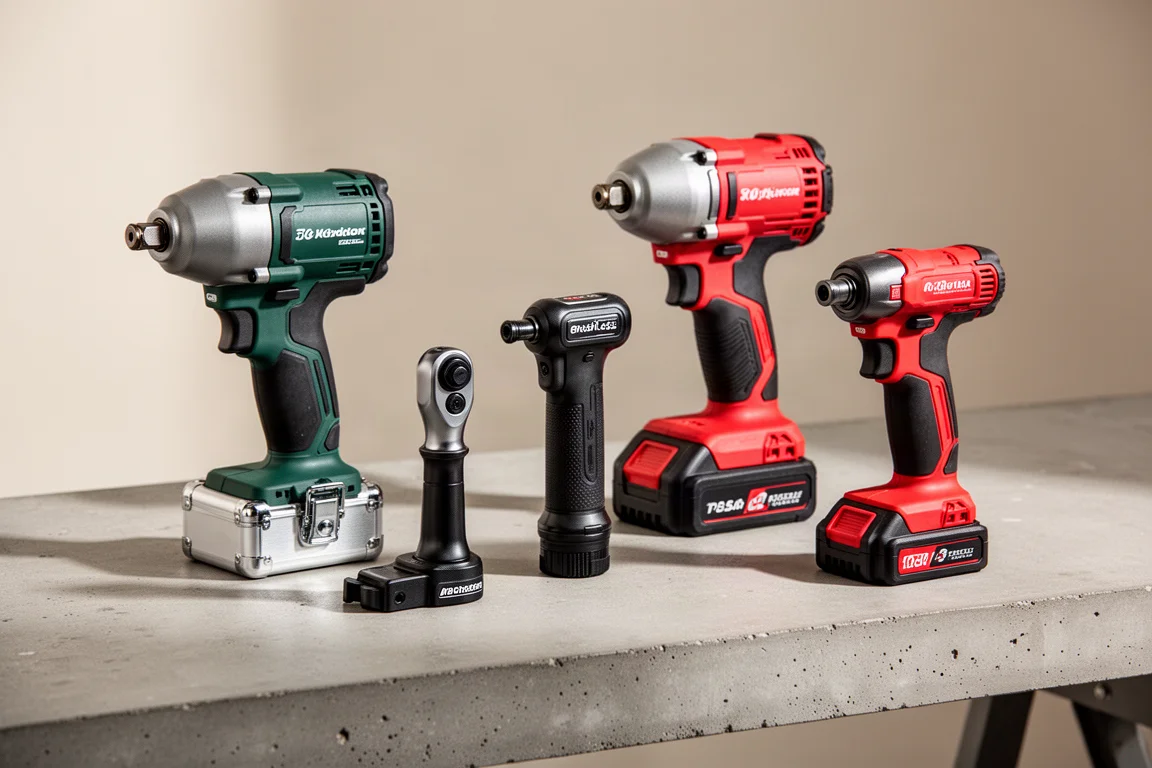
Best Budget Cordless Tools 2026: Walmart Finds That Punch Above Their Price
We tested five cordless tools from Walmart, including a high-torque impact wrench that trades blows with Milwaukee and a $35 duster that outperforms its price class.