Power Tools
Makita XGT 40V vs DeWalt Atomic 850 Power Stack: Compact Impact Driver Showdown
Two of the most talked-about compact impact drivers face off driving drywall screws, wood fasteners, and self-feeding bits, with a close look at battery technology and heat management.
Introduction
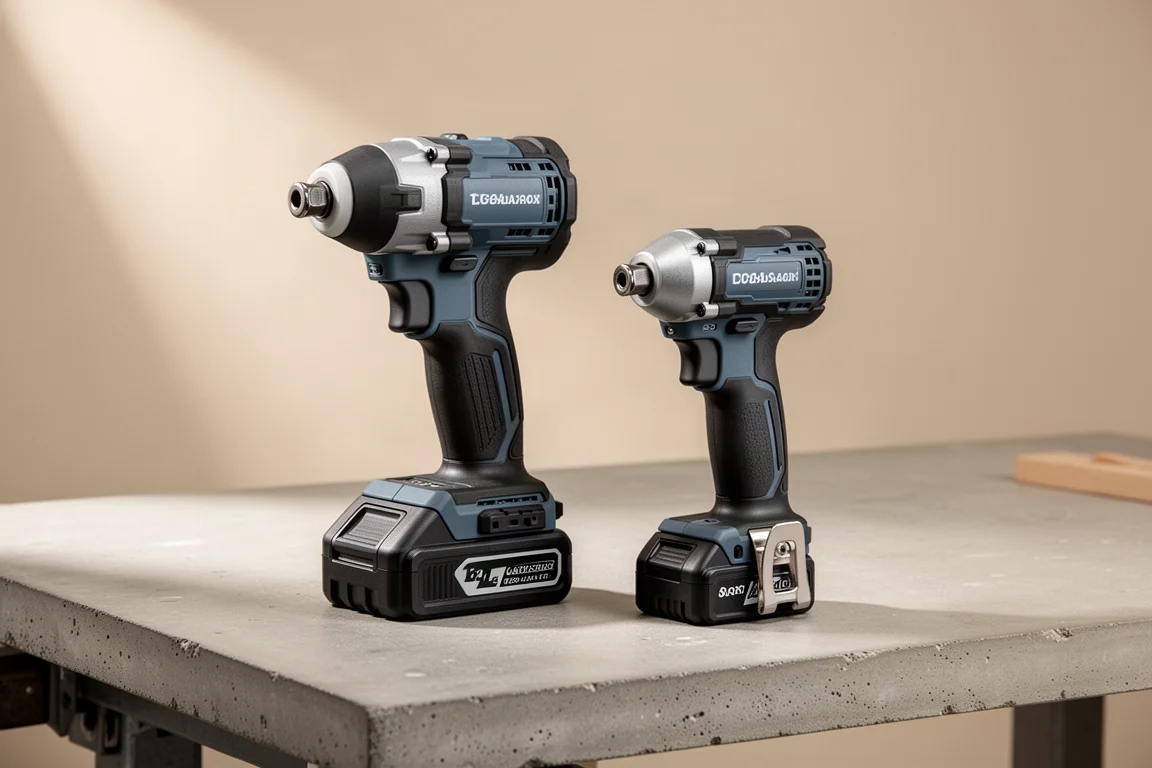
Compact impact drivers have quietly become the most-used tool on many job sites, and two recent releases push the category in interesting directions. The Makita XGT 40V impact driver sits at the top of Makita’s line with a larger 40-volt platform behind it, while the DeWalt Atomic 850 Power Stack packs new battery technology into one of the smallest drivers around. We put both through a series of fastening and drilling tests to see where each one shines.
How the Two Drivers Were Tested
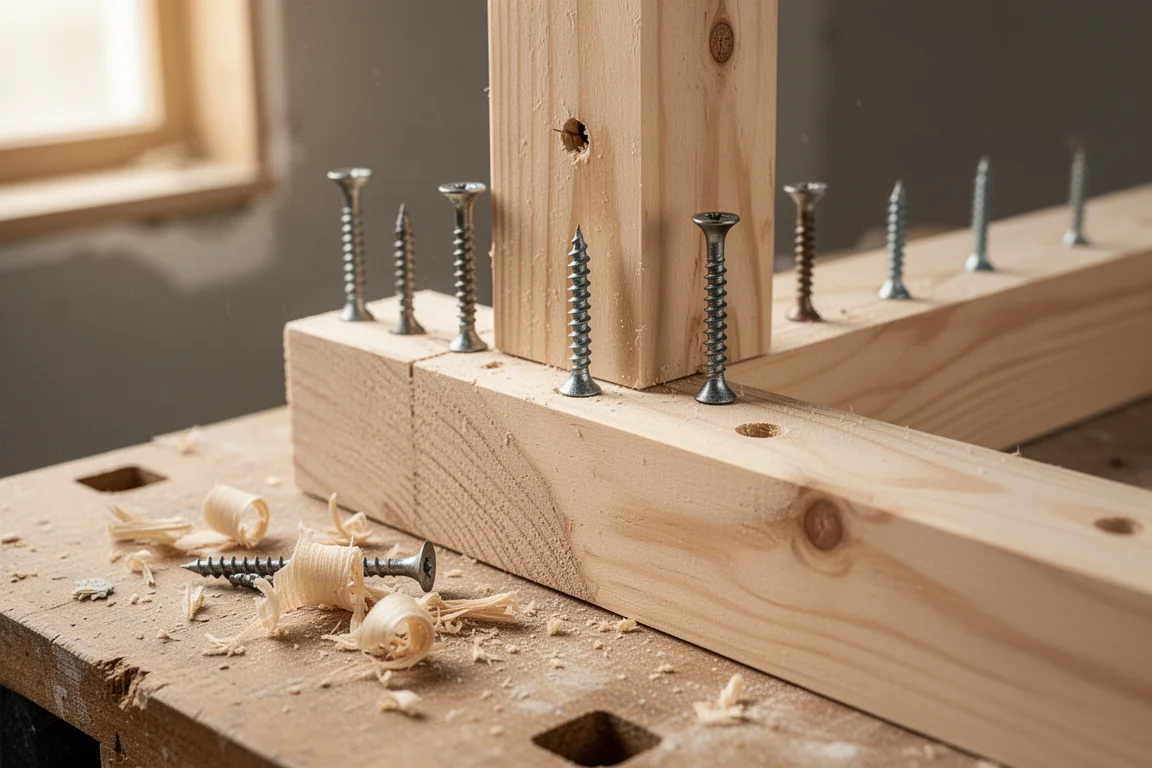
The testing started with one of the highest-torque fasteners you can reasonably drive with an impact driver: three-inch drywall screws sunk three inches into wood, on top speed for both tools. From there the tests moved to three-inch wood fasteners driven one at a time for time comparisons, repeated three-in-a-row runs to gauge handling and wieldability, reverse-mode removal speed, and finally drilling with one-inch self-feeding speed bits in fresh two-by-fours. Both tools ran on fully charged batteries, and testers switched sides between runs to keep the comparison fair.
The Battery Story: 40V vs Power Stack
The most interesting part of this comparison is what sits behind the trigger. The Makita runs a 2.5Ah 40V XGT battery, while the DeWalt uses the new 850 Atomic Power Stack pack at just 1.7Ah and 20V. On paper that looks lopsided, but the numbers are closer than they appear: the 40V 2.5Ah pack delivers 90 watt-hours, comparable to a 5Ah 20V battery at 100 watt-hours. The Power Stack pack delivers around 30.6 watt-hours, yet its stacked cell technology lets it punch well above its size.
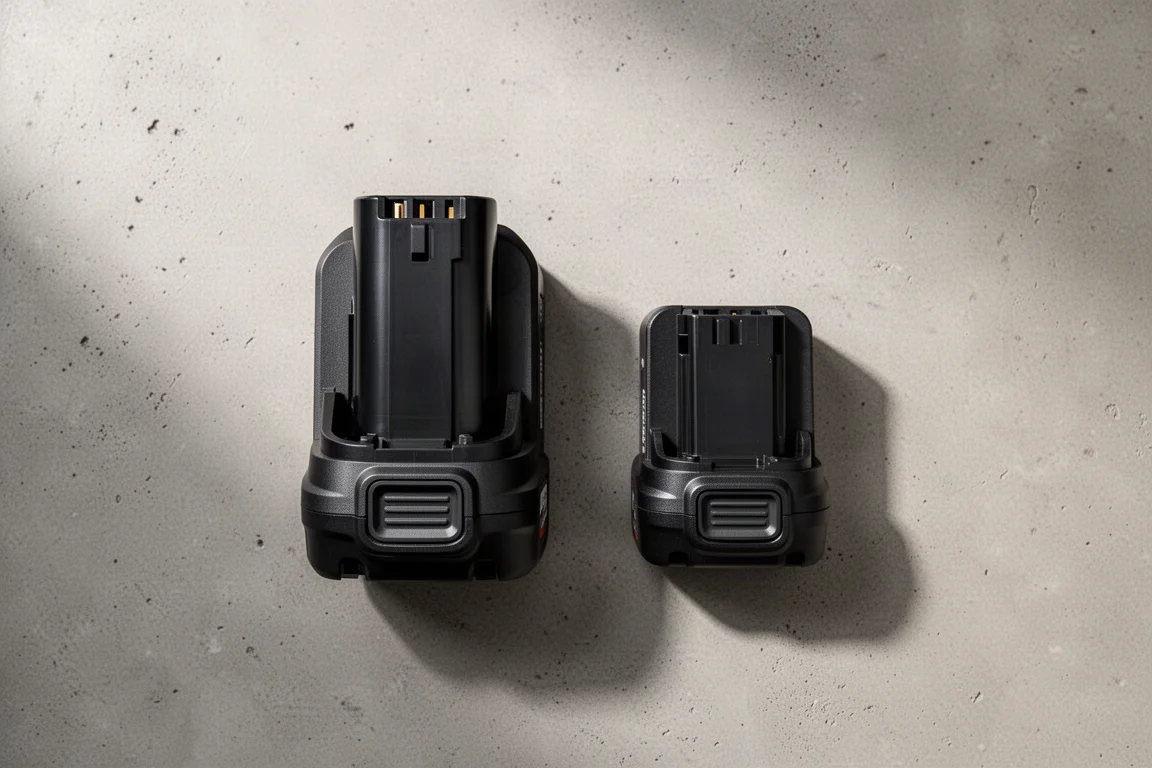
That size difference is dramatic in person. The DeWalt’s battery is much smaller in every dimension, which translates directly into a more compact, better-balanced tool. The Makita’s larger pack is bulkier, but its bigger body also gives heat somewhere to go during sustained work.
Speed and Driving Performance
In the wood fastener tests, the two drivers finished remarkably close, run after run. Even the DeWalt’s smaller battery held up without noticeable sag during repeated drives, which is a strong showing for the Power Stack technology. In reverse, driving fasteners back out, the DeWalt actually felt even quicker. For a tool that size to keep pace with a 40V flagship is genuinely impressive.
The Makita counters with sheer power delivery and a richer feature set. Its electronic speed indication via LED indicator lights is a meaningful difference too: the DeWalt relies on a mechanical, analog speed switch rather than the LED-based speed display on the Makita. If you like seeing exactly which speed setting you are in at a glance, the Makita has the edge.
Heat Management Under Load
After the drilling runs, surface temperatures told an interesting story. The Makita’s larger body measured in the low 80s Fahrenheit near the motor and dropped through the 70s down by the trigger and battery. The DeWalt ran noticeably warmer, with readings approaching 88 to nearly 90 degrees at the motor and staying in the 70s near the battery.
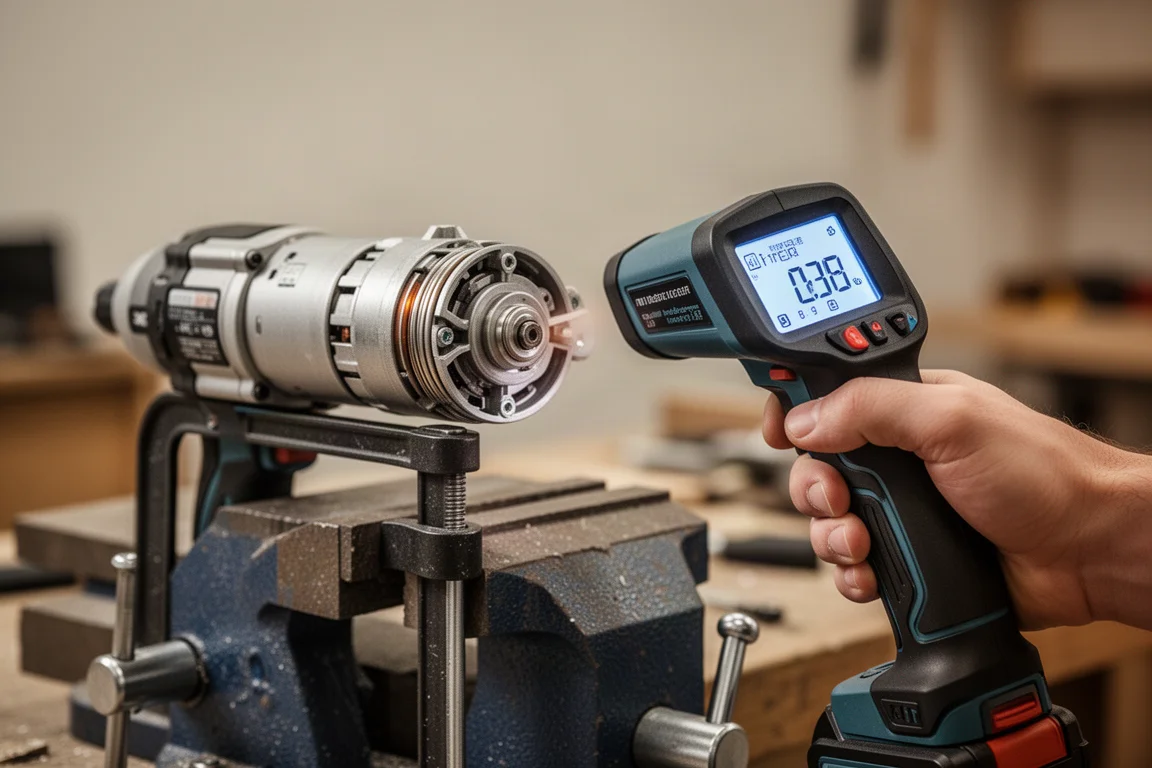
That said, the DeWalt was also completing the work faster, so more heat in less time is not a shocking result. The Makita’s bigger chassis likely absorbs more heat, while the DeWalt’s compact body has less mass to spread it across. For occasional heavy drives, neither result is alarming, but sustained all-day work may favor the larger tool.
Drilling Performance with Self-Feeding Bits
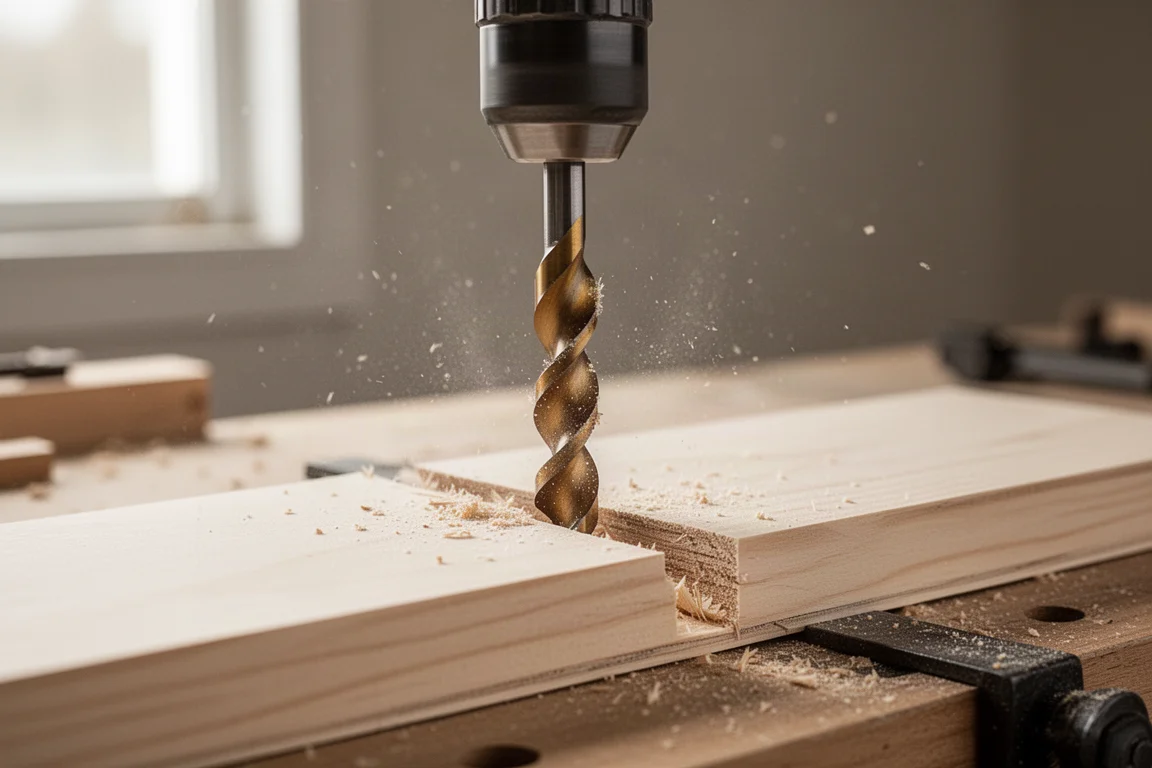
With one-inch self-feeding speed bits in fresh two-by-fours, both drivers bored fast, clean holes with minimal added pressure, letting the bits self-feed as intended. Swapping tools between runs kept the test honest, and both drivers handled the job without complaint. This is a category where the Makita’s extra voltage shows its reserve capacity, though the compact DeWalt was never far behind.
Overall Buying Advice
Choose the Makita XGT 40V impact driver if you want maximum power, more features like LED speed indication, and a larger battery platform for long work sessions, and you do not mind the extra bulk. Choose the DeWalt Atomic 850 Power Stack if compact size and balance matter most; its tiny battery delivers performance that rivals much larger tools, and it ran cooler only in the sense that it also worked faster. If you already own batteries from either platform, staying loyal will save you money on bare tools.
Conclusion
This matchup ended far closer than the voltage difference suggests. The Makita brings flagship power, features, and heat capacity, while the DeWalt proves that new battery technology can shrink a tool dramatically without giving up real-world speed. Both are excellent impact drivers, and the right choice comes down to whether you prioritize platform power or compact convenience.
Product link
View more details for Makita XGT 40V Impact Driver
This product is mentioned in the review. Check the specifications, options, and compatibility before buying.
View more details for Makita XGT 40V Impact DriverFurther reading
Related Reviews
Power Tools
Best 1-Inch Pistol Impact Wrenches: Three Heavy-Duty Options Compared
We compare three 1-inch pistol impact wrenches, from a budget-friendly Harbor Freight model to a premium Caterpillar unit, to help you choose the right one.
Power Tools
Best 3/4-Inch Impact Wrenches 2026: Five Contenders Compared
We compare five 3/4-inch impact wrenches across price and performance, from a budget Amazon option to Snap-on's most powerful model yet.
Power Tools
Best Budget Cordless Tools 2026: Walmart Finds That Punch Above Their Price
We tested five cordless tools from Walmart, including a high-torque impact wrench that trades blows with Milwaukee and a $35 duster that outperforms its price class.