Power Tools
Makita XGT 40V vs 18V LXT Multi-Tool: What Actually Changes?
Makita's new XGT 40V multi-tool looks nearly identical to the 18V LXT version. We break down the real differences, the Starlock blade system, and who should buy which.
Introduction
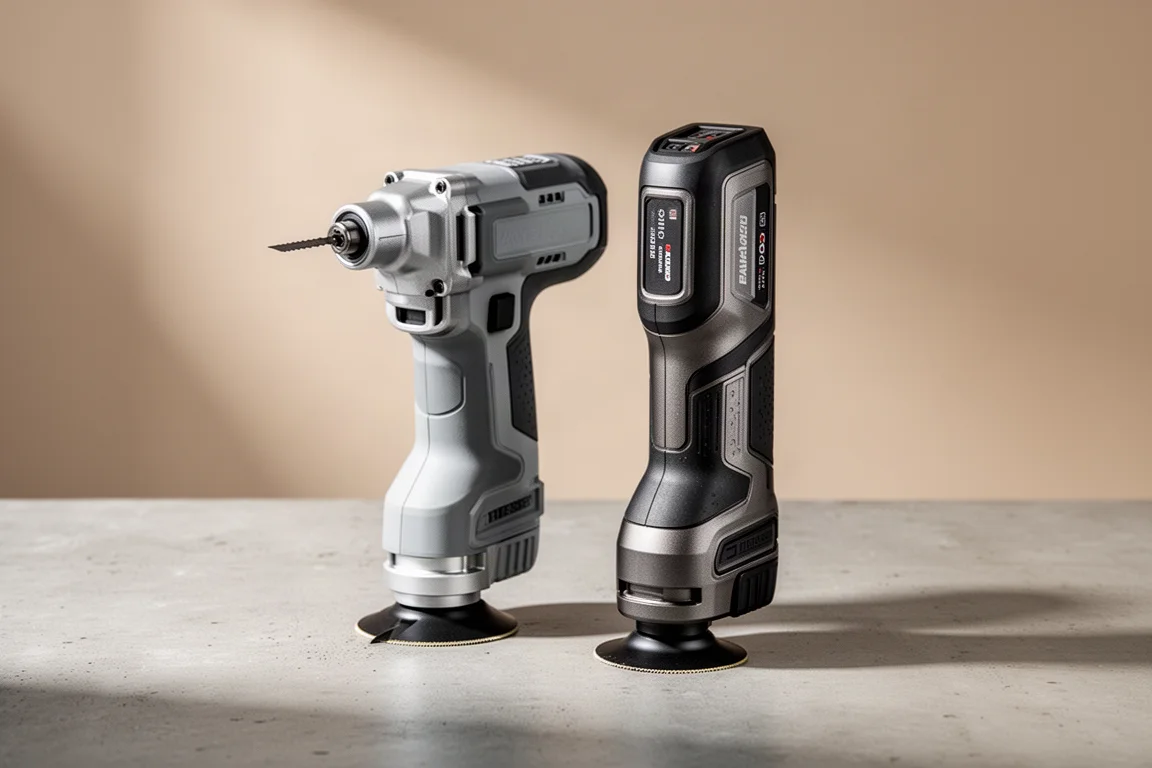
Makita’s new XGT 40V multi-tool has been a long time coming, and the first thing most people notice is surprising: it looks and behaves almost exactly like the 18V LXT version. But there are real differences worth understanding before you decide which one belongs in your kit, especially since availability is still limited in many parts of the world.
Two Tools That Look the Same
Both tools oscillate between 10,000 and 20,000 oscillations per minute, both have a light on the top, and both use the same blade-change mechanism. The oscillation angle totals 3.6 degrees on each, though the 40V splits it as 1.8 degrees each way while the 18V handles it as a single 3.6-degree swing.
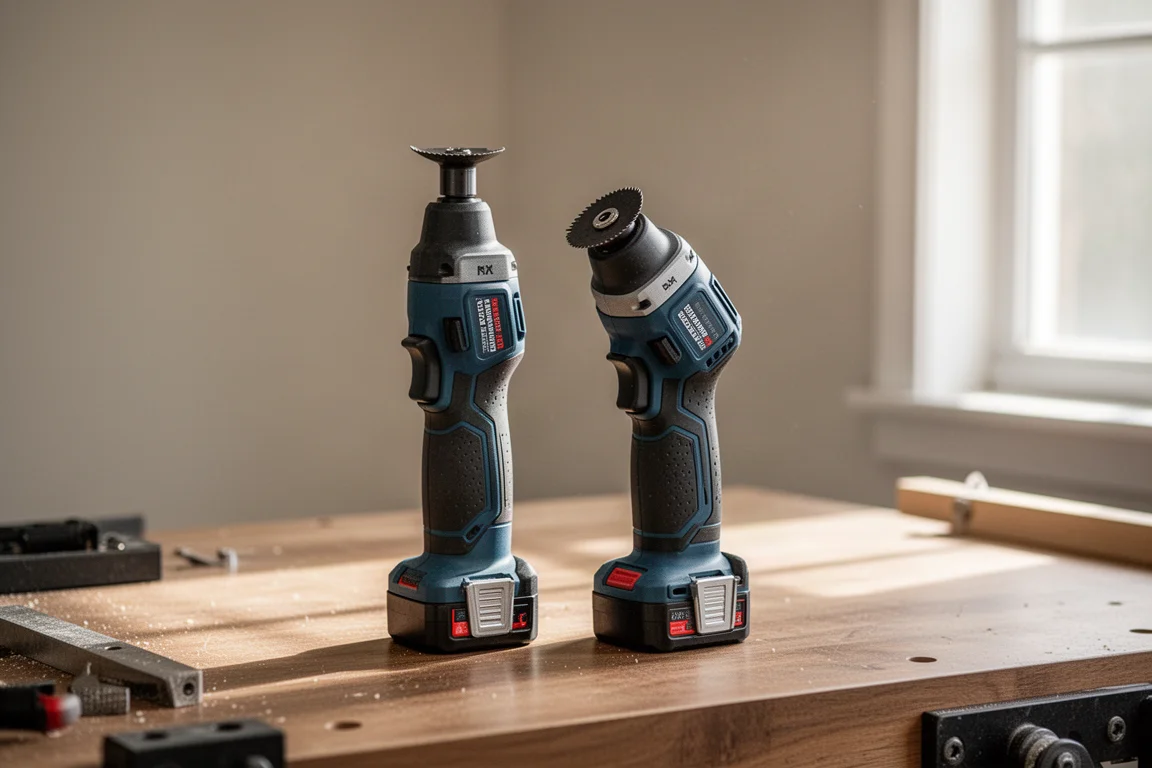
The genuinely noticeable difference is the power switch. The 18V model’s switch sits low and can feel stiff or jam at times, while the 40V switch sits noticeably higher and is much easier to operate. The 40V tool is also IPX4 rated, and its aluminium parts use a darker gunmetal grey compared to the lighter grey of the 18V range.
Understanding the Starlock Blade System
Both tools use Makita’s Starlock interface, and this matters more than the voltage. Starlock refers to the blade mounting system and the blades you can use. A standard Starlock blade has holes around the outside, similar in mounting to the older OIS flat system, so it can also fit non-Starlock tools without damage.
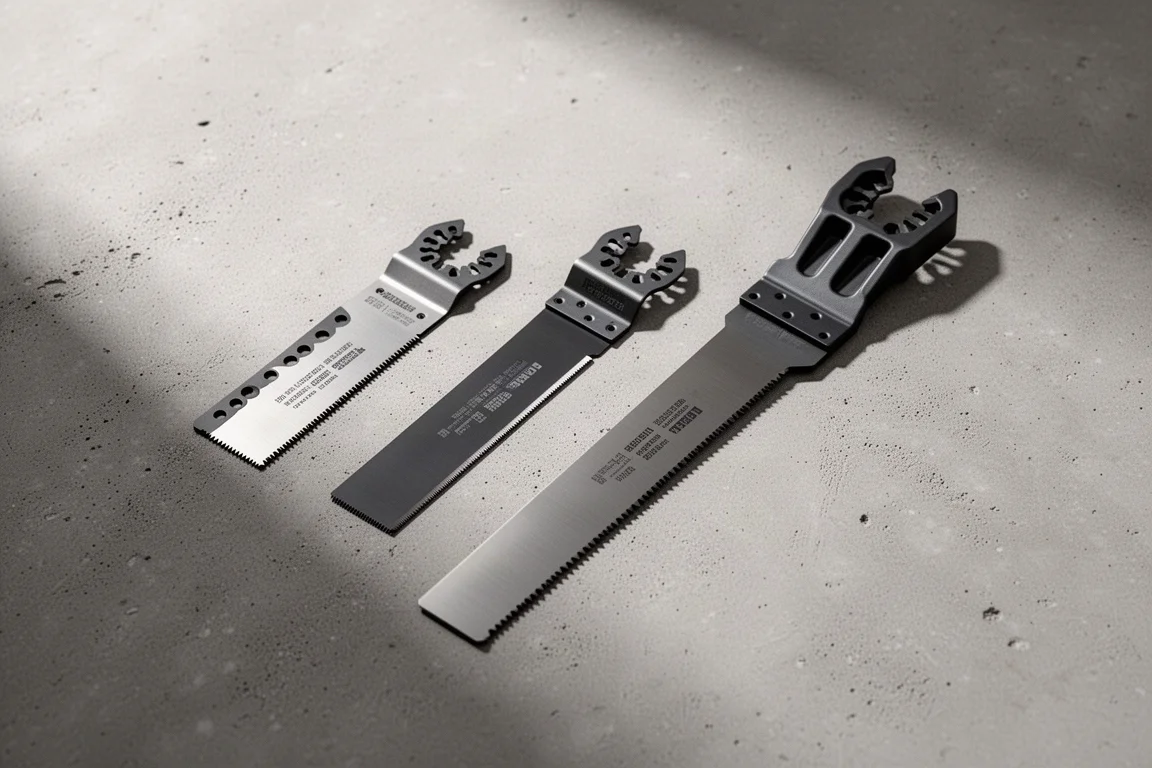
Starlock Plus removes those outer holes and adds a little blade length, which means it can no longer fit on OIS-style tools. Starlock Max goes significantly longer again, with a much larger three-dimensional mounting interface that prevents it from being fitted to tools that cannot handle the extra inertia. Standard Starlock blades have a three-dimensional mount that grips better and survives heavier abuse than flat OIS blades.
One important caveat: neither of these Makita tools accepts OIS-style blades with the front cutout or pin-over design. If you own a pile of those older blades, they will not work here.
Cutting Performance and Depth of Cut
On paper, cutting speed is close. In side-by-side pine cuts at top speed with fresh batteries and fine blades, the two tools finished within what looked like margin of error of each other, though the 40V seemed marginally quicker on nail and screw cuts. Both are also notably quiet for multi-tools, especially before the blade actually engages the material.
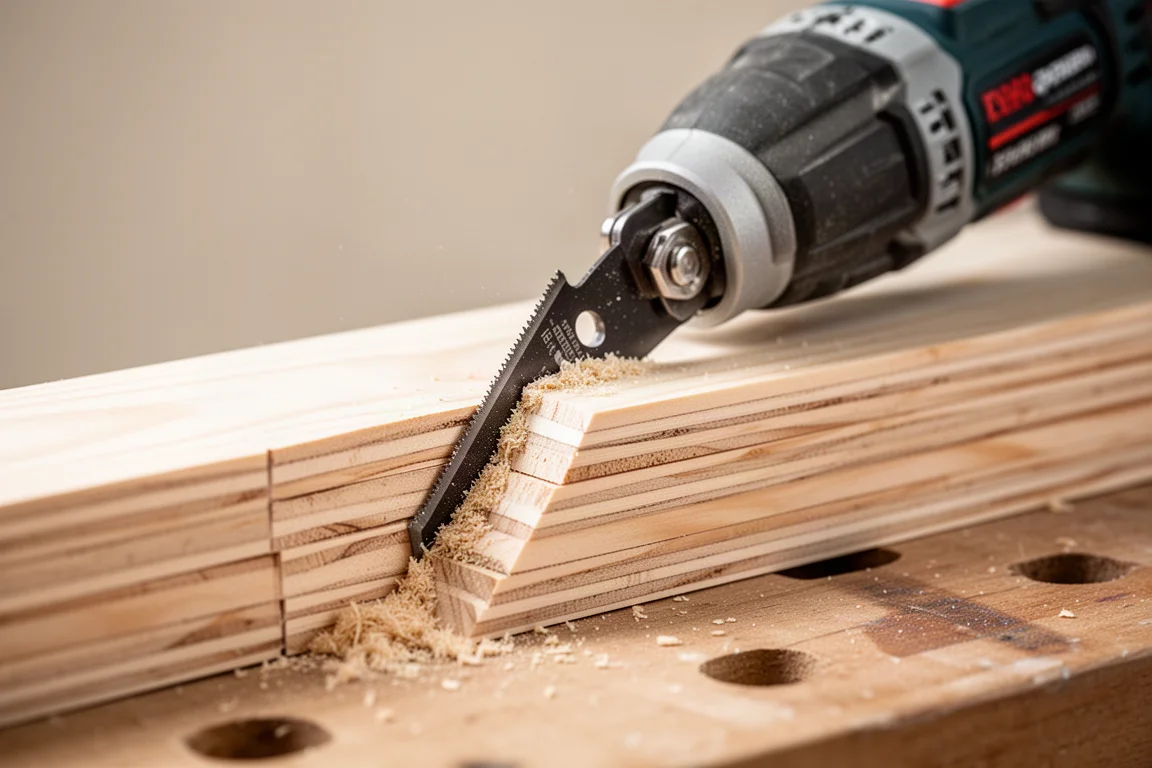
Where Starlock genuinely shines is depth. A standard Starlock blade manages around 50 mm (2 inches) of cut, Starlock Plus reaches about 65 mm (2.5 inches), and Starlock Max cuts through roughly 90 mm (3.5 inches) of stacked timber without snapping or tearing the tool’s pins apart. Flat-bladed Starlock options also sit flush against work surfaces and transfer power more cleanly than kinked OIS blades.
Batteries, Weight, and Run Time
The 18V DTM52 with a 5.0Ah battery weighs about 2,012 g, while the 40V with a 2.5Ah battery comes in around 2,082 g, just 70 g more with an equivalent number of cells. If you need more run time on the 40V, Makita’s high-output F battery is an option: it pushes around 2,100 W maximum output versus roughly 1,100 W from the standard pack, though the larger pack adds serious weight and bulk.
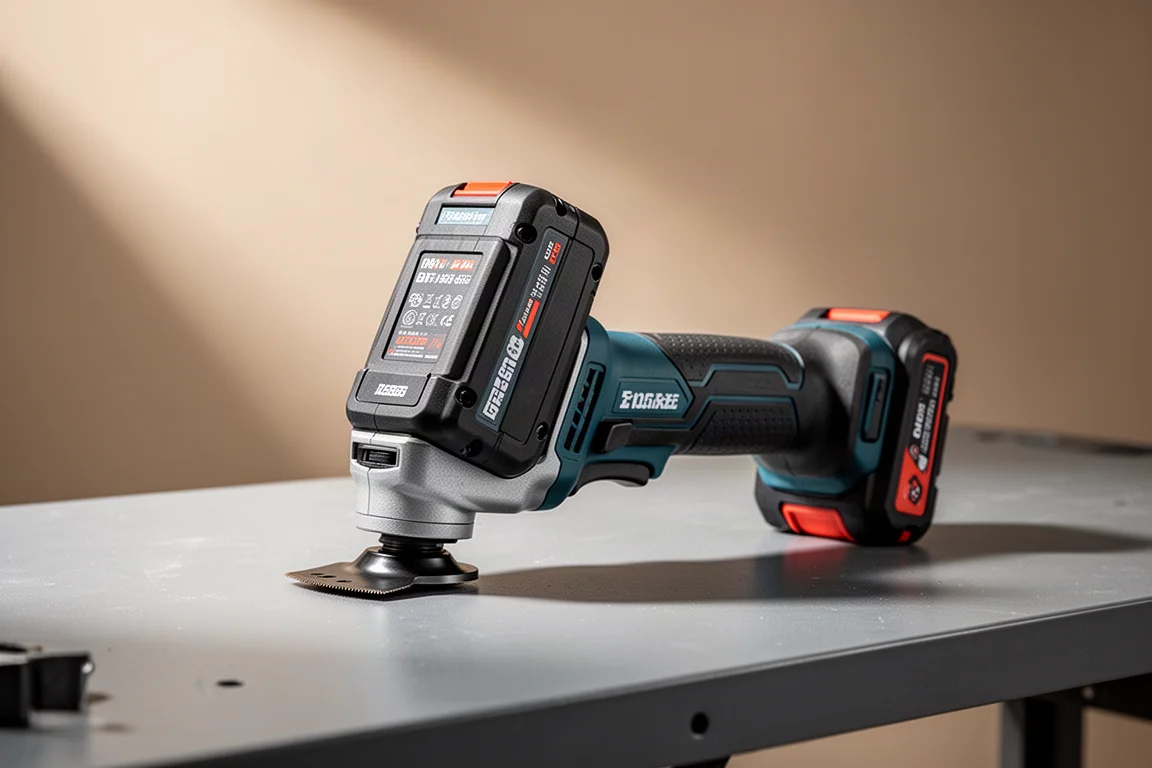
The 2.5Ah pack keeps the tool light at around 1,620 g with an adapter, but stacking the biggest batteries makes the tool tall, heavy, and awkward to control. For most users, the 2.5Ah or a 4Ah pack is the sensible ceiling. Vibration felt possibly slightly lower on the 40V during sanding, but that needs more testing to confirm.
Who Should Buy Which
If you are fully invested in XGT and this is the last tool keeping an 18V battery and charger in your life, the 40V version makes complete sense. If you already own and like the 18V DTM52, there is very little here to justify switching. If you dislike the pin-style Starlock mounting, neither tool changes that.
Conclusion
Makita’s XGT 40V multi-tool is essentially the popular 18V design ported to the XGT battery platform, with a better switch, an IPX4 rating, and access to high-output batteries. Pick it to consolidate your 40V collection; stick with the 18V if that platform already covers you.
Product link
View more details for Makita XGT 40V Multi-Tool
This product is mentioned in the review. Check the specifications, options, and compatibility before buying.
View more details for Makita XGT 40V Multi-ToolFurther reading
Related Reviews
Power Tools
Best 1-Inch Pistol Impact Wrenches: Three Heavy-Duty Options Compared
We compare three 1-inch pistol impact wrenches, from a budget-friendly Harbor Freight model to a premium Caterpillar unit, to help you choose the right one.
Power Tools
Best 3/4-Inch Impact Wrenches 2026: Five Contenders Compared
We compare five 3/4-inch impact wrenches across price and performance, from a budget Amazon option to Snap-on's most powerful model yet.
Power Tools
Best Budget Cordless Tools 2026: Walmart Finds That Punch Above Their Price
We tested five cordless tools from Walmart, including a high-torque impact wrench that trades blows with Milwaukee and a $35 duster that outperforms its price class.