Power Tools
Makita XGT 40V Max CS002G Review: A Cordless Cold Cut Metal Saw That Gets the Details Right
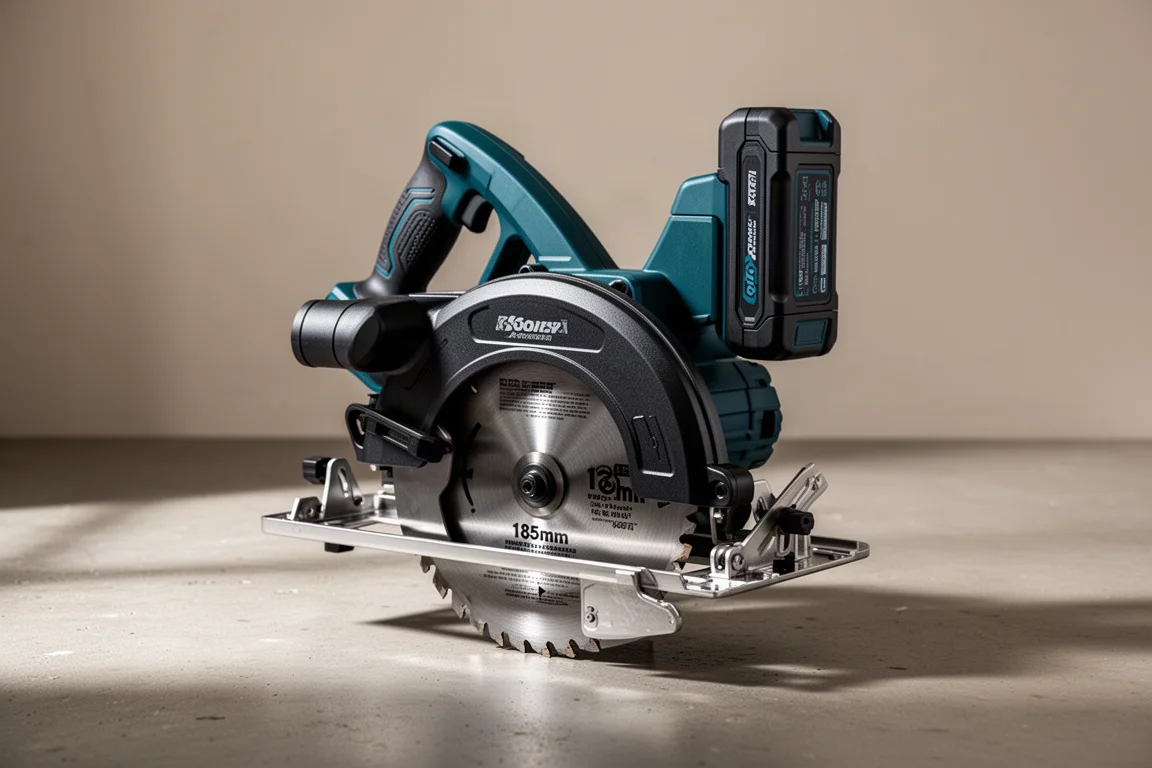
A 185mm cordless metal cutting circular saw with a guard release lever, built-in chip collection, and cut depths beyond its official rating. Here is what stood out in real use.
Introduction
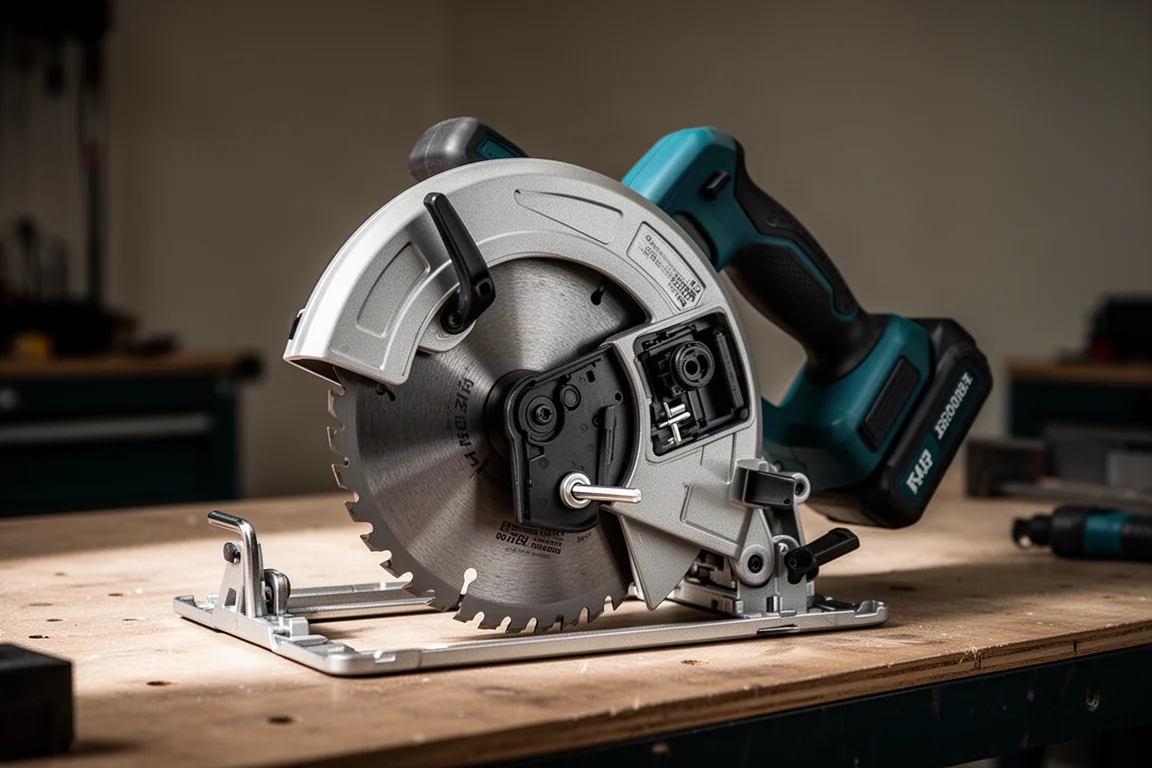
Makita’s XGT 40V Max CS002G is the largest cordless metal cutting circular saw the company has built so far. It runs a 185mm (7-1/4 inch) blade, and in a real cutting test it reached a depth of 68.5mm, slightly beyond the official 67mm rating. It is the successor in spirit to the older 18V metal cutting saws, but the design has clearly moved on: it looks sharper, handles better, and adds features the older models never had.
If you cut mild steel, stainless, angle iron, rebar or sheet metal regularly, this is one of the more complete cordless cold cut options on the market right now.
Why a Cold Cut Saw Is Different
The whole point of a cold cut saw is in the name. Unlike an angle grinder, it does not leave a stinking hot edge. You can cut a piece of metal and put your hand straight on the cut. With a good blade there are no sparks, no burrs, and no heat, which also means less clean-up and less risk when you pick the piece straight back up to keep working.
The trade-off is speed. Metal cutting circular saws run much slower than wood saws. This one runs at 3,500 rpm, deliberately slower than Makita’s wood cutting 40V saws, some of which spin at 6,500 rpm. That is why you should never fit a metal cutting blade to a saw that runs too fast for it. Blade choice matters too: the supplied 45-tooth blade suits mild steel and stainless between roughly 1.2 and 6mm, while a 38-tooth blade is made for thick material and a 60-tooth blade suits thin sheet like corrugated iron and thin framing.
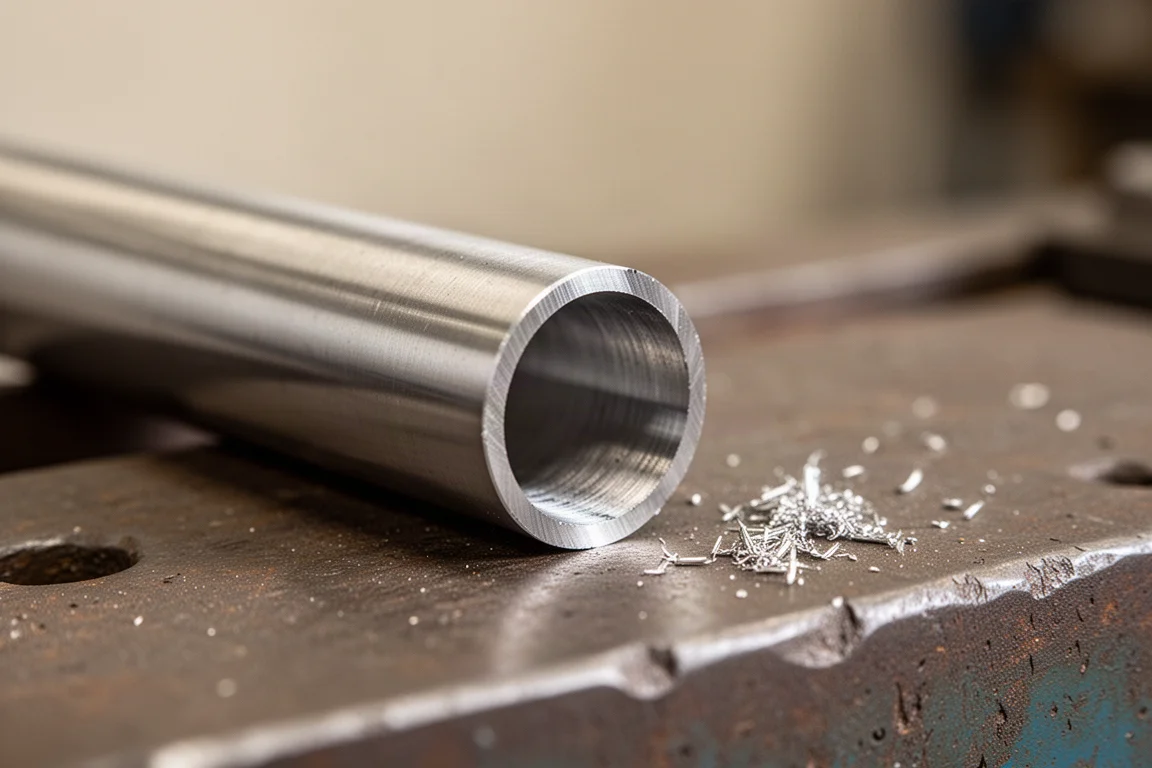
One practical tip from use: do not cut plastic with this saw. The filings jam up in the chip path afterwards and block the system.
Cutting Performance
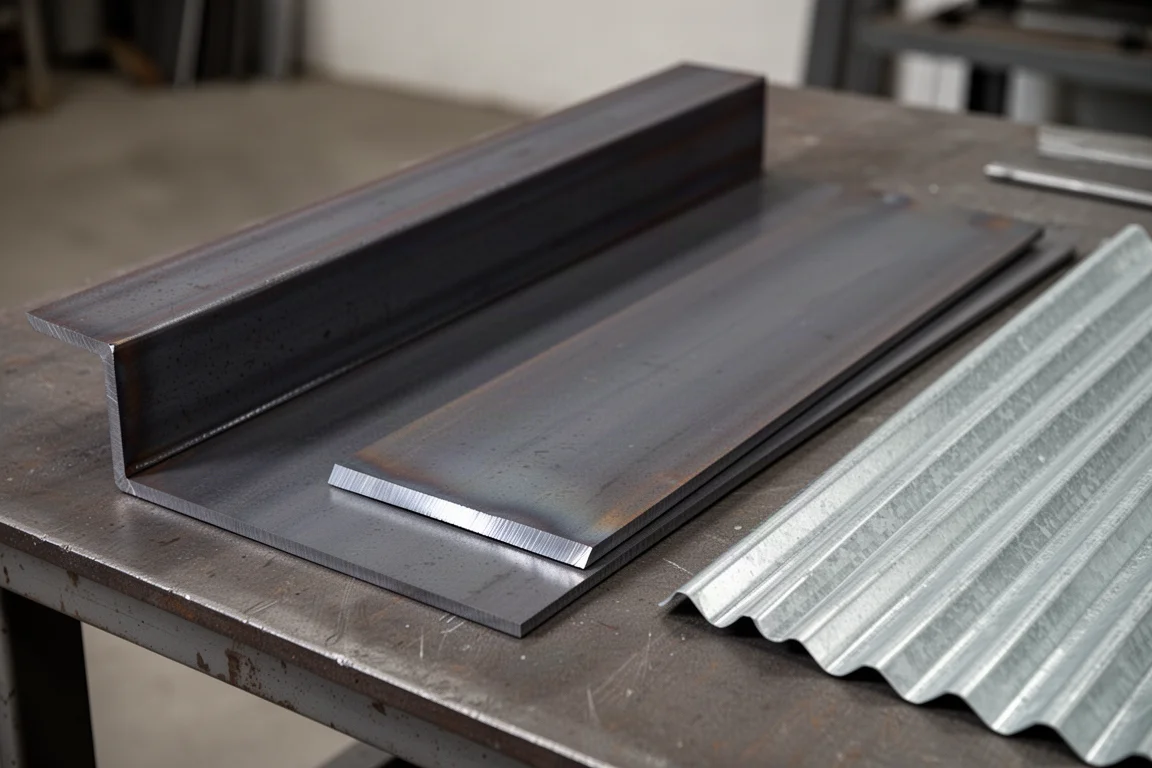
In real cuts the saw impressed. A rough, heat-discolored, burred stainless tube cut with an abrasive chop saw came out clean and cool in a single pass. Five-millimeter angle iron cut through without trouble, and 2.5mm Corten steel was where this kind of saw really shines compared with a grinder. Even 8mm steel plate cut well, with a reasonably smooth edge; the slight roughness in the test came from guiding it freehand rather than with a straight edge.
The depth of cut test reached 68.5mm against an official rating of 67mm, which matches the usual pattern of getting a couple of millimeters more than the spec suggests. Corrugated iron cut fine with the supplied blade, and stacking a few sheets together with good support and a slow feed also worked without issue.
Chip Collection and Build Materials
One of the most welcome features is the chip collector. Metal filings are a nuisance on any job, and this saw catches most of them. Chips travel up a curved internal path into a removable housing, and a small clear window on the side tells you when it is full. Tilt the saw back, check the window, then take the unit off and empty it into the bin. Some small particles do escape through a vent, but it is far better than filings going into your shoes or sleeves.
There was some online concern that this housing looked like flimsy plastic. The outer shell is indeed polycarbonate, but that is arguably the better choice: polycarbonate is highly impact resistant. The inside is not plastic at all, it is magnesium, as are the internal structural parts around the blade. Air vents keep air moving between the polycarbonate shell and the magnesium interior so the housing stays cool to the touch during extended use.
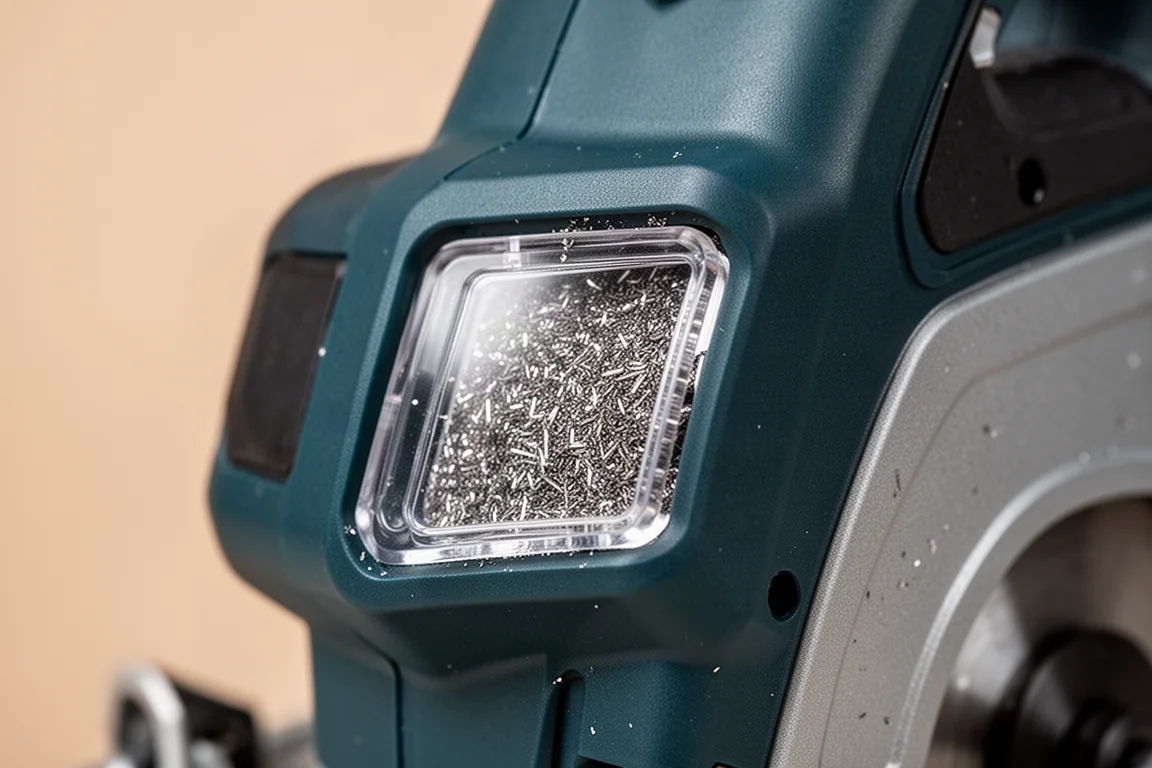
A small but thoughtful addition: built-in storage for the hex key used for blade changes.
Guard Release: The Feature That Sets It Apart
The guard release lever borrowed from the HS009G and HS011G wood saws is the standout usability feature. With your hand on the top handle, your thumb can pop the guard open so it does not catch on the edge of the material when you start a cut. Makita’s guards have long been a frustration in this exact situation, and this fixes it. As far as can be told, this is the main difference between the CS002G and the CS001G; if you have the choice, the CS002G is the one to get.
The saw also includes an LED light that shines down through a diamond-shaped cutout in the stainless base, so you can line up your cut through the base itself, and it ships with a straight guide in the box, something the older 18V model did not include.
Design, Weight and Battery Position
Design-wise this is one of the better looking circular saws Makita has produced. The grip is more like a rear-handle layout, with a large front handle that wraps around to the side, giving you multiple places to hold on. The low-profile push-in trigger lock feels nice, and the fixed base offers depth adjustment only, with no bevel function, which is standard for Makita metal cutting saws. There are no depth markings on the base, which matters little since blade diameters vary and most people measure with a ruler anyway.
Battery orientation has changed too: the battery now sits vertically rather than sticking out the side. That means nothing protrudes sideways to clash with straight edges, a real advantage on this platform. With the big 8Ah battery the saw gets tall and slightly lopsided, but it still cuts perfectly well with it; the 2.5Ah and 4Ah power batteries are entirely sufficient for most work.
Weights are worth knowing before you buy:
- 3.8 kg bare tool with blade
- 4.5 kg with a 4Ah power battery
- 4.8 kg with a 5Ah battery
- 5.6 kg with the 8Ah battery
- 5.1 kg with a 2.5Ah battery in the heavier configuration noted
This is a solid, heavy tool, and part of the reason is that it is made in Japan, as a growing number of XGT 40V tools are. It also carries an IP56 rating, which proved itself when it got caught in a downpour on day one. The brushless motor is a given at 40V, and it is quiet for a metal saw.
How It Compares With the 18V Models
Makita’s 18V metal cutting saws run 136mm and 150mm blades; this 40V saw moves up to 185mm. The smaller 18V saws are lighter and more compact, and for the odd quick cut they are perfectly fine. But they lack the chip collection, the guard release, and the clearer line of sight at the front of the cut. If you cut metal often, the 40V is the better tool; if you cut it rarely, an 18V model still does the job.
Buying Advice
If you are choosing between the CS001G and the CS002G, get the CS002G for the guard release alone. Use a 2.5Ah or 4Ah battery for most work and save the 8Ah pack for when runtime matters, accepting the extra height and weight. Pick blades by material thickness: 45 teeth for the common 1.2 to 6mm range, 38 teeth for thick plate, 60 teeth for thin sheet. Keep the chip collector emptied and skip the plastic.
Conclusion
The Makita XGT 40V Max CS002G is a genuinely well thought-out tool. Cold, burr-free cuts, a chip collection system that actually works, a guard release that solves a long-standing annoyance, a sensible vertical battery layout, and an IP56 rating add up to a saw that replaces the old 18V metal cutter without a second thought. It is heavy and it is not cheap, but for anyone who cuts metal regularly with a cordless tool, it earns its place in the van.
Product link
View more details for Makita XGT 40V Max CS002G
This product is mentioned in the review. Check the specifications, options, and compatibility before buying.
View more details for Makita XGT 40V Max CS002GFurther reading
Related Reviews

Power Tools
Best 1-Inch Pistol Impact Wrenches: Three Heavy-Duty Options Compared
We compare three 1-inch pistol impact wrenches, from a budget-friendly Harbor Freight model to a premium Caterpillar unit, to help you choose the right one.

Power Tools
Best 3/4-Inch Impact Wrenches 2026: Five Contenders Compared
We compare five 3/4-inch impact wrenches across price and performance, from a budget Amazon option to Snap-on's most powerful model yet.

Power Tools
Best Budget Cordless Tools 2026: Walmart Finds That Punch Above Their Price
We tested five cordless tools from Walmart, including a high-torque impact wrench that trades blows with Milwaukee and a $35 duster that outperforms its price class.