Power Tools
Makita XDT20 Review: A Four-Speed Brushless Impact Driver Built Around Usability
Makita's 18V LXT brushless four-speed impact driver trades raw power bragging rights for balance, comfort, and smart auto modes that reduce cam-out and stripped fasteners.
Introduction
Makita has spent years building a reputation for high-quality functionality and tools that tradespeople actually want to use. But until recently, the brand’s messaging has been somewhat quiet, and the launch of the 40V max XGT platform left longtime LXT users wondering what would happen to their 18V tools and batteries.
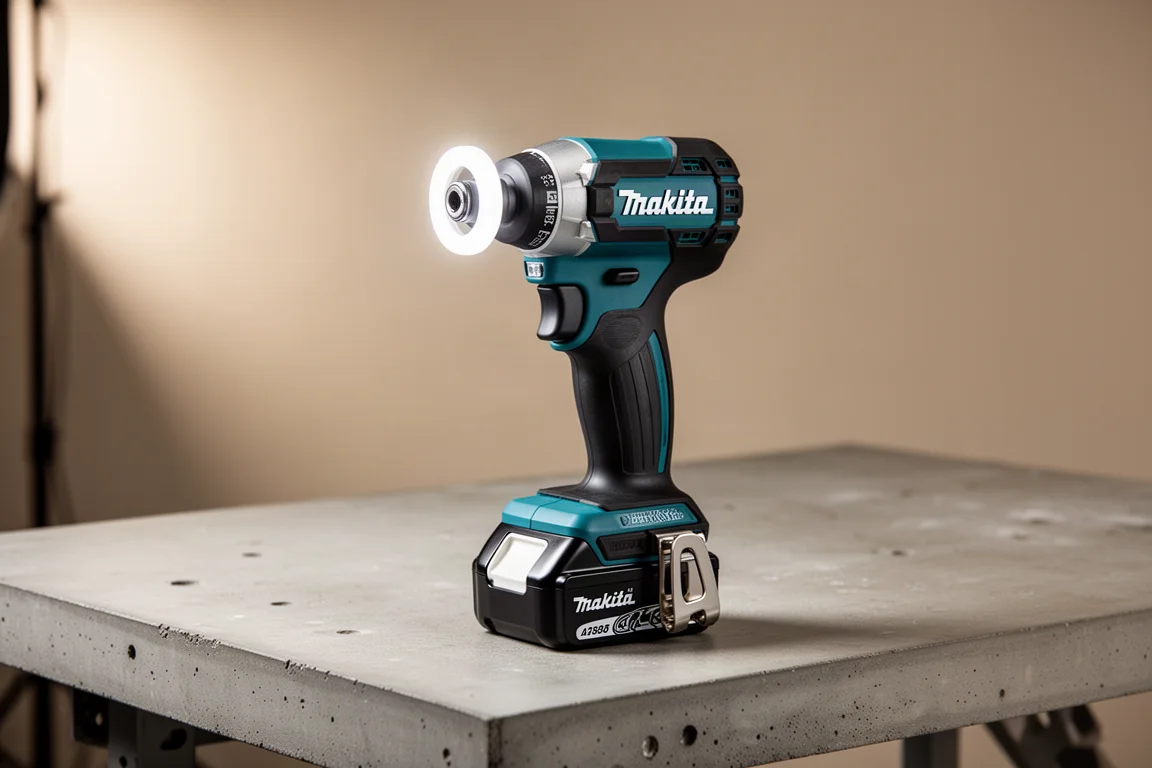
That question now has a clear answer. Makita has stated that it will continue to support the LXT platform, with a mission to give customers and tradespeople the highest quality tools on both the 18V and 40V platforms, built through innovation over time. The XDT20 impact driver, an 18V LXT tool, is one of the clearest signs of that commitment. Rather than chasing sheer power numbers, Makita focused on making its power genuinely usable: more comfortable to hold, better balanced, and smarter in how it drives fasteners.
What Sets the XDT20 Apart
The XDT20 is an 18V LXT brushless four-speed impact driver, and it continues Makita’s legacy of innovation in the coreless impact driver category. The headline feature is a four-speed power selection with speeds of 0 to 1,100 RPM, 0 to 2,100 RPM, 0 to 3,200 RPM, and 0 to 3,600 RPM, paired with 1,100, 2,600, 3,600, and 3,800 impacts per minute. That range provides precise fastening control across a wide variety of applications, from delicate work to heavy-duty driving.
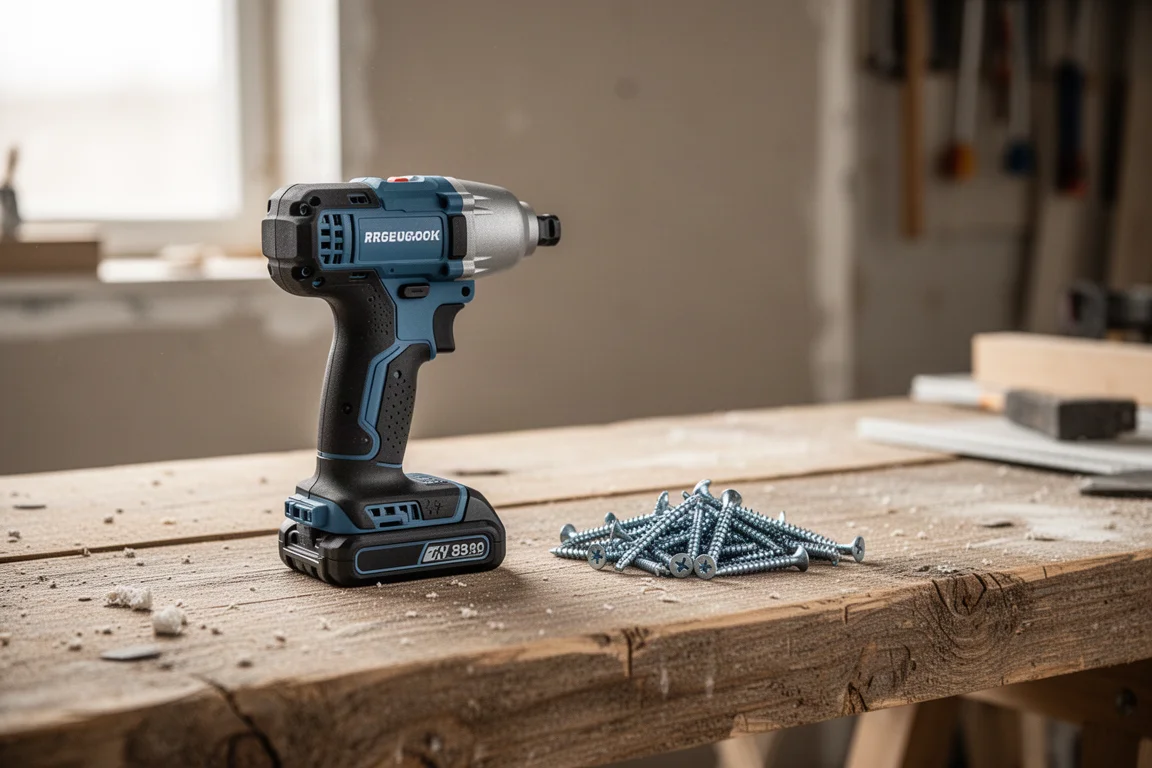
The most noticeable physical change is where the controls live. Traditionally, Makita placed speed selectors and auto selectors at the front of the tool. On the XDT20, they have been moved to the rear, which allowed Makita to position the handle further forward on the base plate and line it up with the center of the battery. The result is a more balanced tool overall. Earlier models like the XDT16 tend to dip forward under their own weight bias; on the XDT20, that tendency is gone, making it noticeably easier to hold the tool out or even overhead.
Modes That Do the Thinking for You
The XDT20 includes an assist mode designed to eliminate screw cam-out and cross-threading by driving at low speed until tightening begins. There are also two tightening modes for faster driving of self-drilling screws in thick or thin gauge metal, helping prevent damage to the screws or the workpiece.
In practical testing, the auto function proved genuinely adaptive. When driving a standard fastener into wood, the tool delivered just the power needed. Bumping up to a 3-inch screw caused the auto mode to sense the extra load and increase power accordingly, driving the fastener fully with essentially zero cam-out along the way.

It is worth noting that going full power without auto mode does produce occasional cam-outs, so the assist technology is where much of the tool’s real-world finesse lives. The mode selection is also intuitive: four numbered speed modes, with an Auto position that lets you cycle through auto and the different tightening modes, including a wood drilling mode.
Tightening Modes for Metal Work
With number 10 self-tapping metal screws, driving them in a normal mode causes the bit to spin even after the fastener is fully set, which risks stripping the hole. In auto mode with the tightening settings, that spinning stops once the fastener is set, even with the trigger still fully depressed.
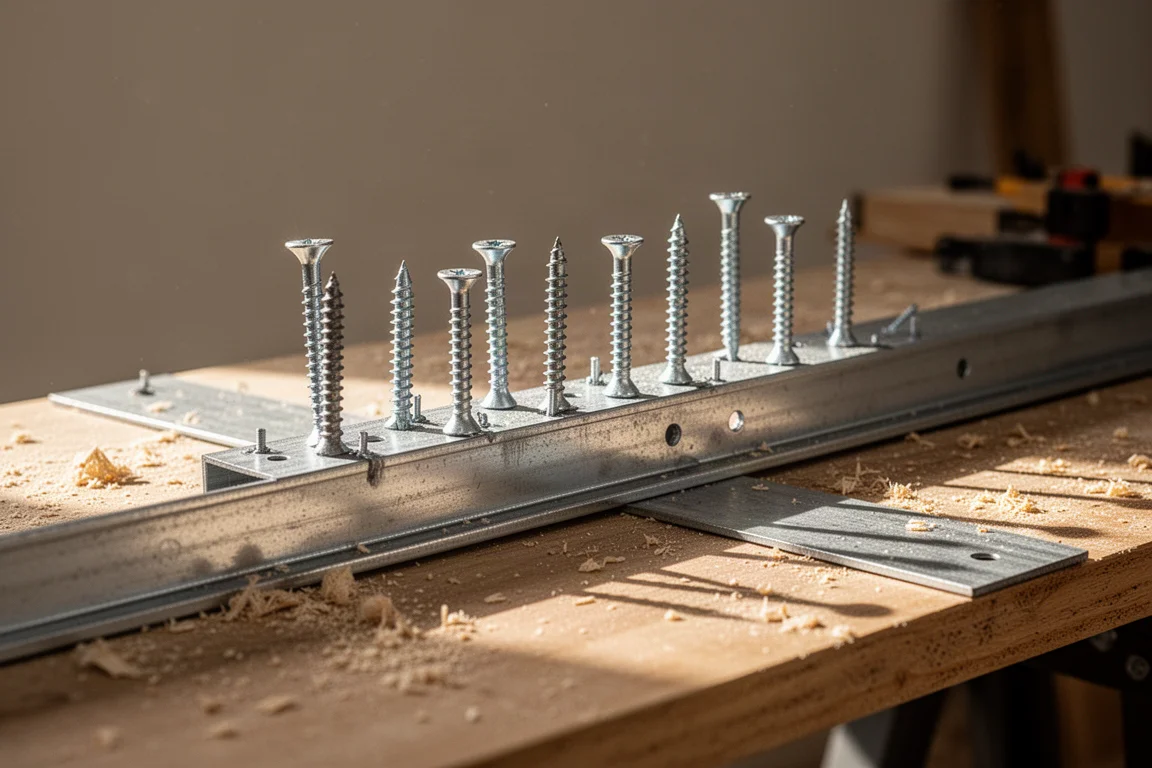
The logical read is that the heavier tightening mode is reserved for thick gauge self-tapping screws in thick studs, possibly 18 or 16 gauge steel. This capability would be especially valuable for anyone strapping wire conduit to metal, where stripping a hole leaves the strap hanging loose and the work looking sloppy. For framing work in metal, these modes help prevent damage to screws and workpieces while speeding up repetitive fastening.
Design and Everyday Handling
Beyond the modes, the XDT20 is focused on comfort. Makita describes it as delivering industry-leading performance in a compact and ergonomic design, and the balance improvement from the repositioned handle is the kind of change you feel immediately during overhead work or extended use. The quick-insert chuck is another practical touch, with two ball bearings in the corners of the quarter-inch collet for solid bit retention.
The new ring light deserves special mention as well. It leaves zero hotspots, so visibility is better when driving fasteners or drilling holes, which matters more than it sounds on dim jobsites or inside cabinets. Small details like the intuitive mode cycling, where tapping Auto returns you to your previous speed mode, show that real thought went into how users actually interact with the tool day to day.
Bolt Removal Mode in Practice
One of the more surprising features is bolt loosening mode. The concept sounds almost too good: pull the trigger, and the tool breaks the bolt loose, then stops once the fastener is free.
In testing, it worked exactly as described. The tool broke a bolt loose and drove it to the end of the threads, then stopped on its own. It is probably best suited to smaller bolts and fasteners of that scale rather than severely seized hardware, but for a mode many would dismiss as a gimmick, it delivered.
Buying Advice
If you are a contractor whose tools traditionally run on 18 volts, the LXT platform remains a safe long-term investment. Makita has made it clear that LXT is here to stay, and the level of development put into the XDT20 backs that message up. The tool makes the most sense for tradespeople who drive a high volume of fasteners, particularly those working with drywall, framing, and metal strapping, where the assist and tightening modes translate directly into fewer stripped screws and less rework. If you simply want maximum raw power above all else, the full-power modes are strong, but the real value here is control and comfort.
Conclusion
The Makita XDT20 is not trying to win a power numbers race. Instead, it sets new standards in usability: a four-speed brushless platform, smart assist and tightening modes that measurably reduce cam-out and stripped fasteners, a genuinely balanced design, and thoughtful touches like the ring light and bolt removal mode. For LXT users wondering about the platform’s future, this tool is a confident statement that Makita is committed to the 18V lineup for the long run.
Product link
View more details for Makita XDT20
This product is mentioned in the review. Check the specifications, options, and compatibility before buying.
View more details for Makita XDT20Further reading
Related Reviews
Power Tools
Best 1-Inch Pistol Impact Wrenches: Three Heavy-Duty Options Compared
We compare three 1-inch pistol impact wrenches, from a budget-friendly Harbor Freight model to a premium Caterpillar unit, to help you choose the right one.
Power Tools
Best 3/4-Inch Impact Wrenches 2026: Five Contenders Compared
We compare five 3/4-inch impact wrenches across price and performance, from a budget Amazon option to Snap-on's most powerful model yet.
Power Tools
Best Budget Cordless Tools 2026: Walmart Finds That Punch Above Their Price
We tested five cordless tools from Walmart, including a high-torque impact wrench that trades blows with Milwaukee and a $35 duster that outperforms its price class.