Power Tools
Makita vs Milwaukee Cordless Air Compressors: Which One Fits Your Adventures?
A compact 18V Makita built for portability goes head to head with Milwaukee's powerful M18 compressor for bigger tires. Here is how to choose.
Introduction
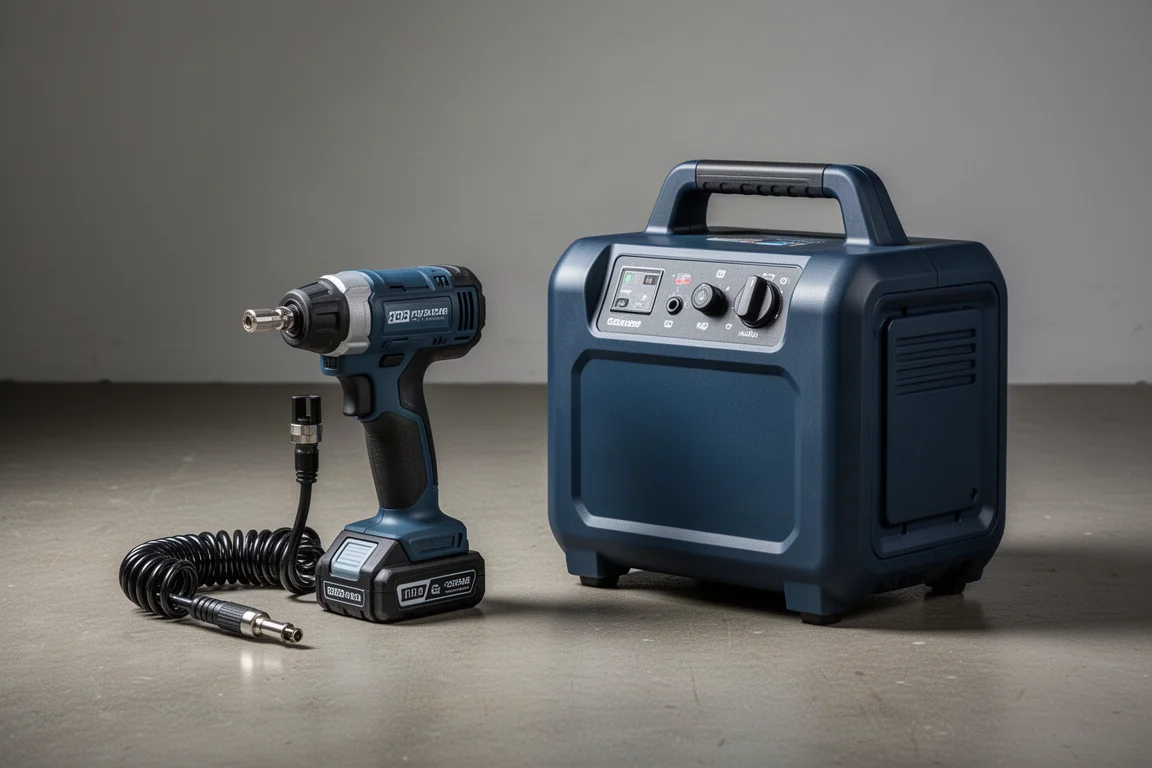
Cordless air compressors have quietly become one of the most useful tools you can toss in a vehicle. But not all of them are built for the same job. Makita’s 18V Outdoor Adventure Series air compressor is the most compact air compressor Makita currently makes, aimed squarely at riders and campers who need something light and portable. Milwaukee’s M18 air compressor, on the other hand, is a bigger, heavier unit built for serious inflation work.
After putting both through hands-on testing, the differences come down to size, weight, and the kind of tires you actually need to fill. Here is how they compare and which one makes sense for your situation.
Makita 18V Outdoor Adventure Series Air Compressor
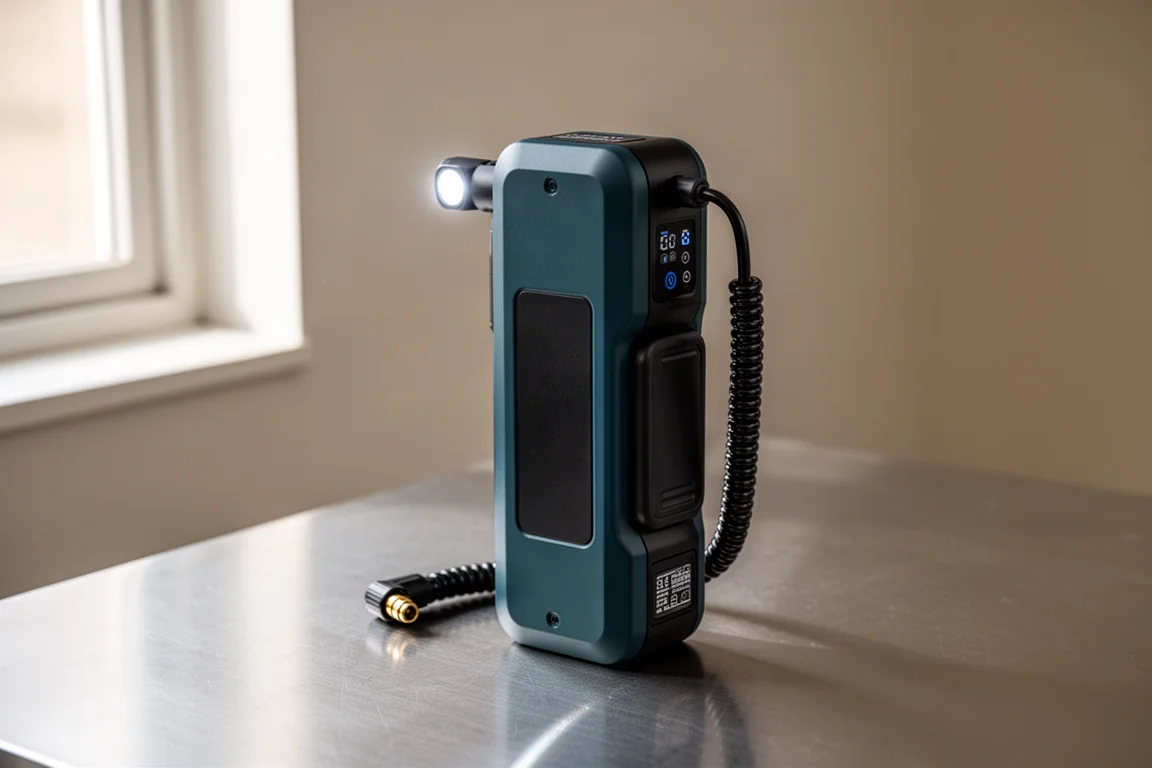
This is a genuinely tiny unit. Without counting the air hose, it measures a little over 8 and 3/8 inches, with the hose bringing the total to just over 10 inches. Overall height is just under 7 inches, and the body is very thin, with the thickest part being the battery cover at a little over 3 inches. With a 5.0Ah battery attached, it comes to around a foot long.
The air hose storage is the weakest part of the design. Makita includes two small clips on the side, but there is no proper spot to wrap the hose around, so it hangs off a bit awkwardly. You do get a couple of accessories at the front plus a built-in LED light, and the control panel is easy to read.
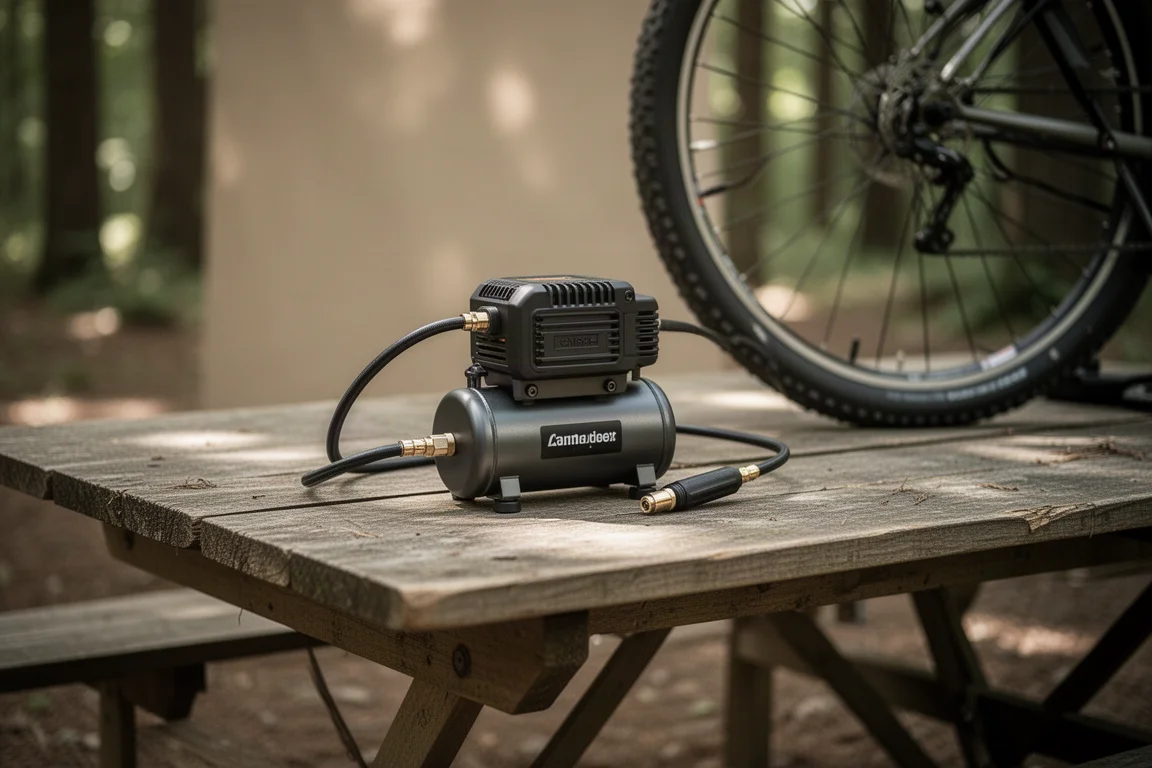
A few quirks are worth knowing before buying. The power button is on the side rather than on the control panel, which feels like an odd placement. There is also no set-it-and-forget-it mode: you set your target PSI, then hold down the trigger to start filling. Units can switch between PSI, bar, and kPa, which is a nice touch.
One important note for any cordless compressor of this type: it is rated for 5 minutes on and 5 minutes off. These small internal motors are not designed to run continuously, and doing so can overheat the internals. Plan around that duty cycle.
In testing, it filled a small trailer tire from 31 PSI to 50 PSI in a little over two minutes. The hose area warmed up noticeably, but the body and the 5Ah battery stayed cool. For car tires, performance is not its strength, and that is not really what Makita designed it for. This is a mobile, outdoor, camping-style compressor for bicycle trips, motorcycle rides, go-karting, dirt biking, and any activity with smaller tires. It could fit in a backpack or even mount to the side of a bicycle.
Milwaukee M18 Air Compressor
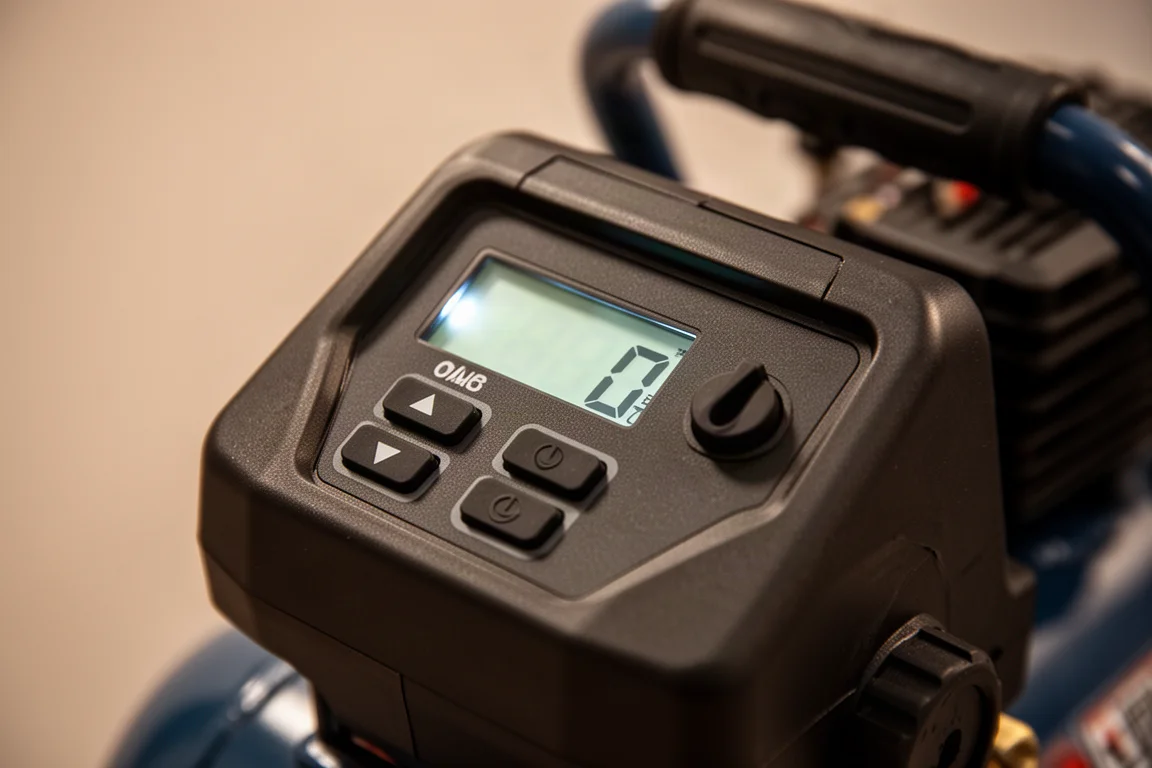
Milwaukee’s M18 air compressor is the fastest cordless compressor we have tested to date. It fills anything, including heavy duty truck tires, in seconds, and it has a built-in cooling fan to support that performance. If raw inflation speed is the priority, this is the benchmark.
The trade-off is size and cost. It is noticeably more expensive than the Makita and considerably bulkier, which matters if you are carrying it by hand or packing it into a bike bag. But for ATVs, UTVs, heavy duty trucks, and trailer hauling, that extra capacity pays off, especially if you have room to store it.
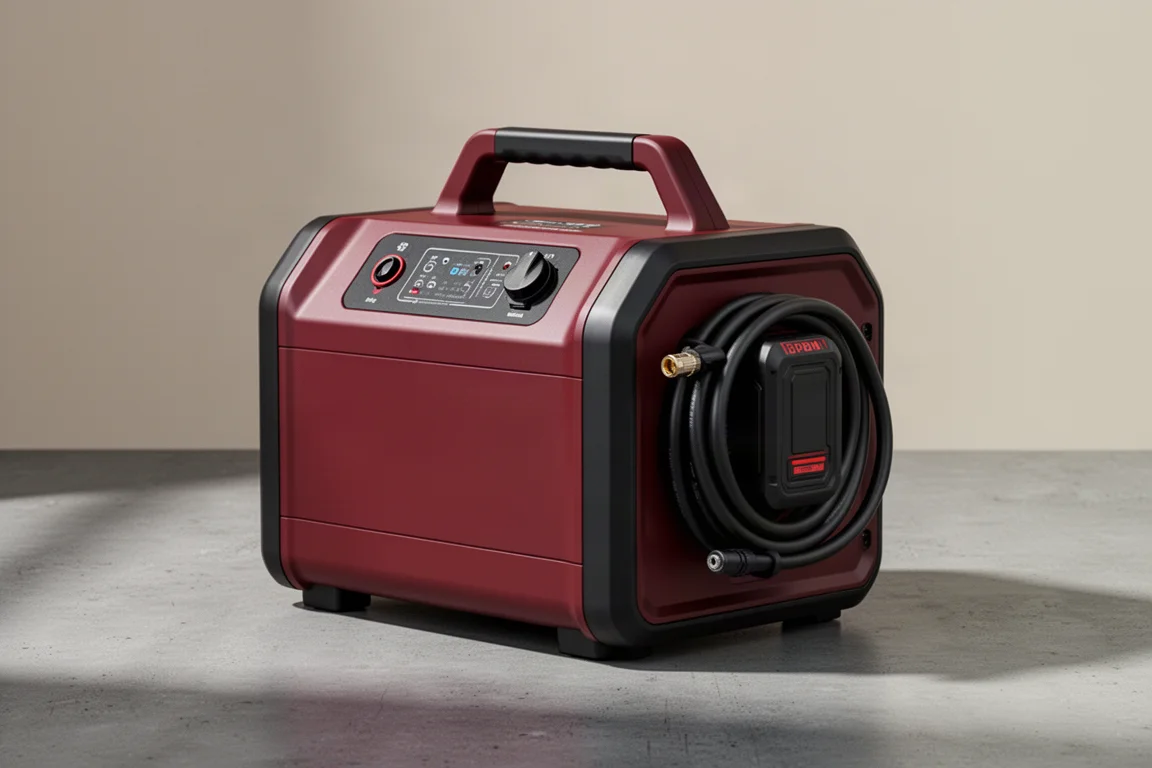
Size and Weight Comparison
Placed side by side, the difference is dramatic. With 5Ah batteries in both, the Makita weighs 3 lb 9.8 oz, which is very light for a cordless compressor. The Milwaukee comes in at 8 lb 11.9 oz, more than double the weight.
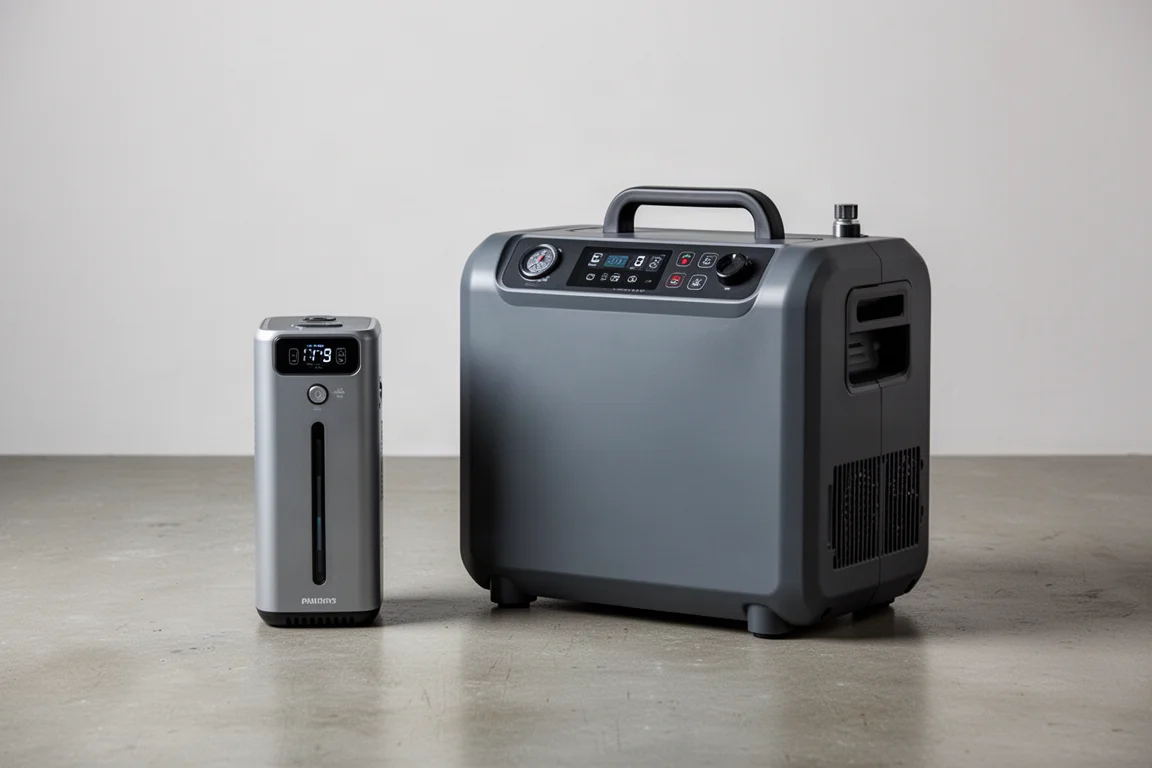
Dimensions tell a similar story. The Makita is roughly a foot long with a battery and just a little over 7 inches tall. The Milwaukee runs about 14 inches long. Both are around the same height, but the Makita’s thin profile makes it far easier to stow in tight spaces.
Which Compressor Should You Buy?
Buy the tool that fits the need you have. If you are heading out on a bicycle trip covering 20 to 50 miles, riding a motorcycle, or doing anything with smaller tires where weight and packability matter, the Makita is the better match. It is lighter, slimmer, and far easier to carry along.
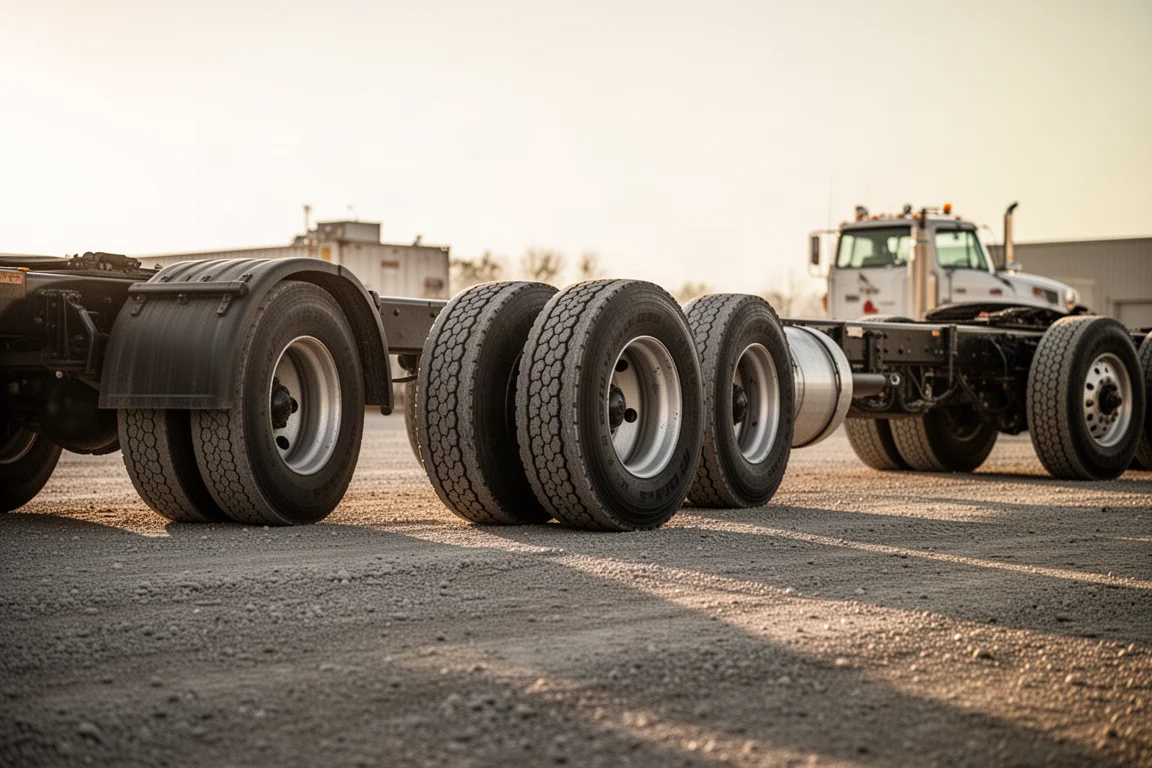
If you regularly need to fill large tires quickly, such as truck, trailer, ATV, or UTV tires, the Milwaukee justifies its extra bulk and price with dramatically faster inflation and a cooling fan to back it up. Both have their pros and cons, so match the compressor to the tires you actually service.
Conclusion
The Makita 18V Outdoor Adventure Series is the clear pick for portability-focused users, while the Milwaukee M18 is the performance choice for bigger tires and tougher jobs. Knowing which tire sizes and trip types dominate your life makes this decision simple.
Further reading
Related Reviews

Power Tools
Best 1-Inch Pistol Impact Wrenches: Three Heavy-Duty Options Compared
We compare three 1-inch pistol impact wrenches, from a budget-friendly Harbor Freight model to a premium Caterpillar unit, to help you choose the right one.

Power Tools
Best 3/4-Inch Impact Wrenches 2026: Five Contenders Compared
We compare five 3/4-inch impact wrenches across price and performance, from a budget Amazon option to Snap-on's most powerful model yet.

Power Tools
Best Budget Cordless Tools 2026: Walmart Finds That Punch Above Their Price
We tested five cordless tools from Walmart, including a high-torque impact wrench that trades blows with Milwaukee and a $35 duster that outperforms its price class.