Power Tools
Makita 40V XGT vs Metabo HPT 36V MultiVolt: Which Hammer Drill and Impact Driver Kit Should You Buy?
Two heavy-duty hammer drill and impact driver kits go head to head, covering price, durability ratings, settings, and platform expansion to help you pick the right one.
Introduction
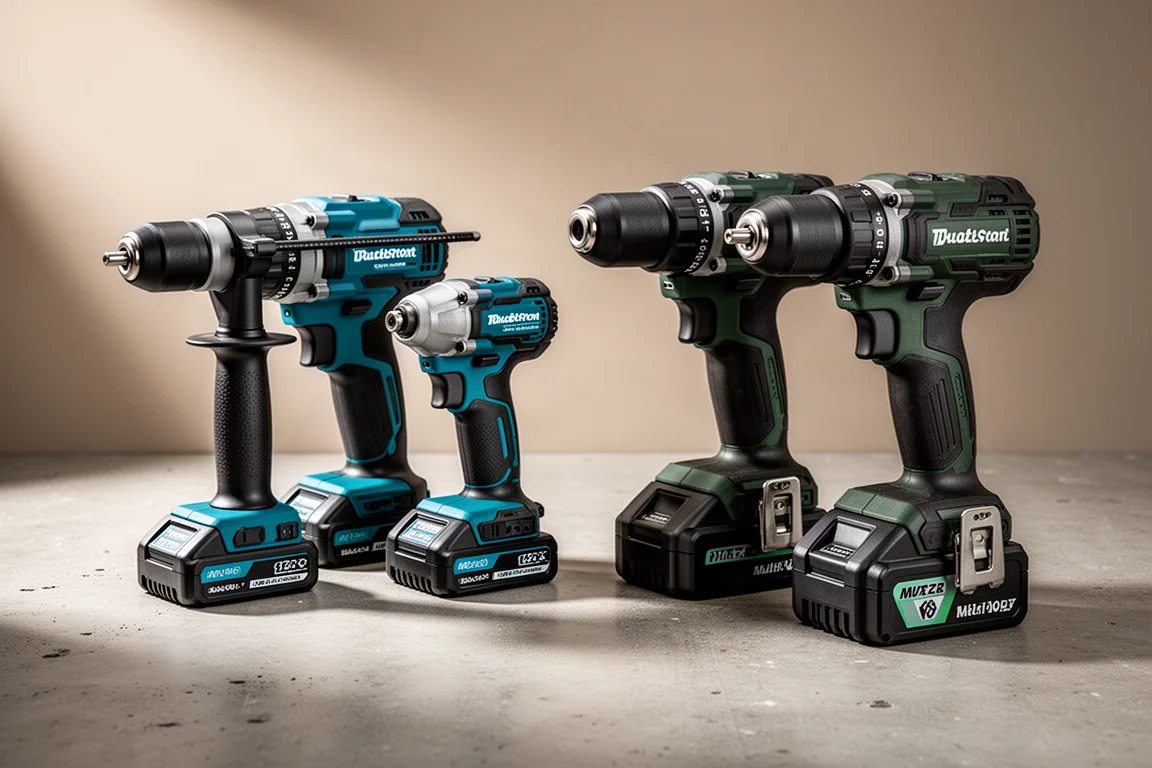
Makita and Metabo HPT do not get compared side by side all that often, especially in the US. Both brands are far bigger in other parts of the world, where Metabo HPT is sold under a different name in some markets. Yet if you want a hammer drill and impact driver kit with more grunt than a typical 18V setup, both brands offer compelling high-voltage lines: Makita’s 40V XGT and Metabo HPT’s 36V MultiVolt.
The comparison is not straightforward because pricing works very differently for each, and each brand clearly targets a different kind of buyer. Here is how they stack up.
Two 36V and 40V Lines, Two Different Philosophies
Metabo HPT positions itself as the value-oriented option, delivering solid bang for the buck in this class. Makita, by contrast, aims squarely at the industrial tier, checking as many feature boxes as possible. Neither kit shown here is the absolute latest generation from either brand, though both represent the current hammer drills in their respective 40V and 36V lines.
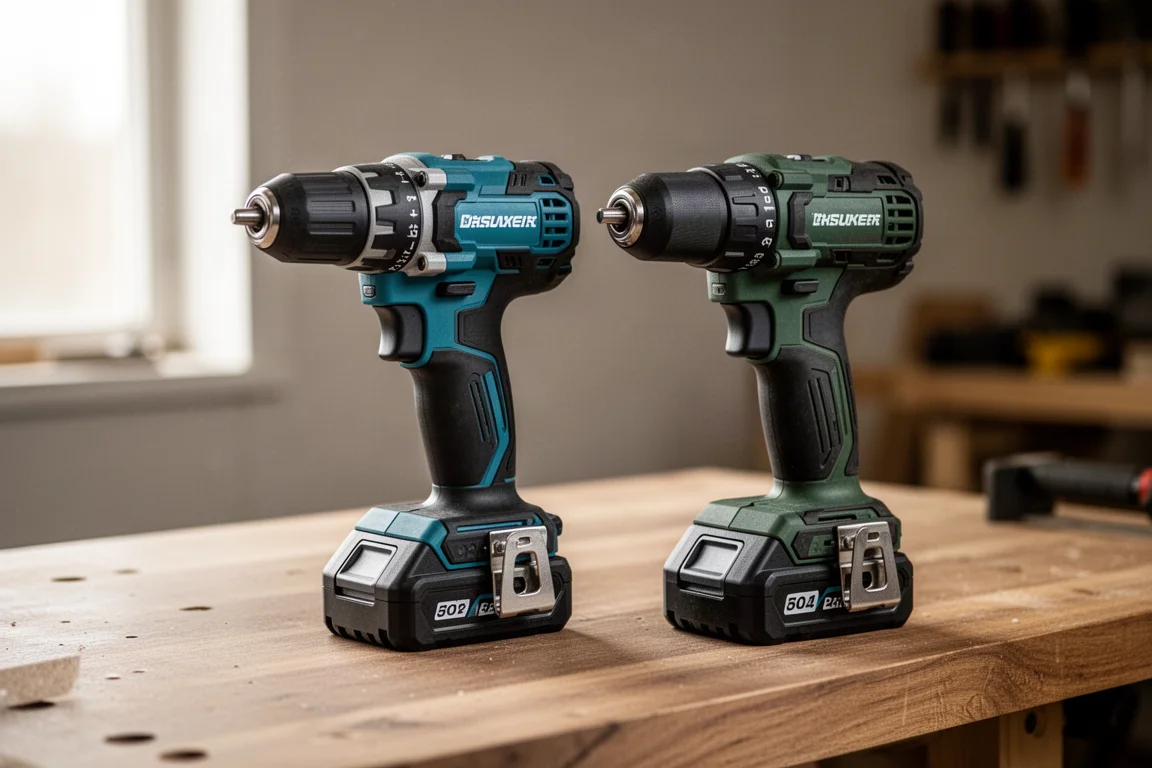
The two hammer drills share a very similar overall design, and their weights are close. Metabo HPT’s hammer drill runs slightly longer in the body, while Makita has introduced an electronic clutch, a notably modern feature. That said, there is nothing wrong with the tried-and-true mechanical clutch that Metabo HPT sticks with.
Durability: The IP56 Advantage
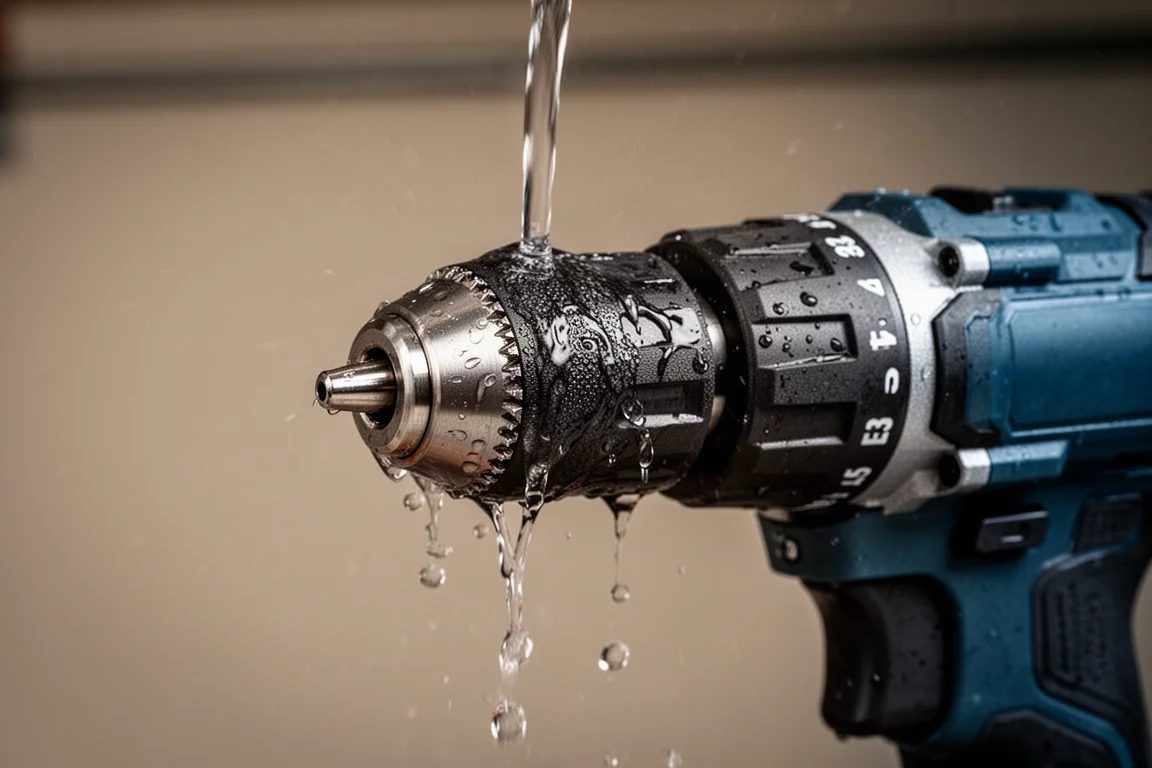
One clear win for Metabo HPT is the IP56 rating on its tools, which covers protection against water and dust intrusion. In practical terms, the tool can be used in full rain, and the entire head can even be dunked under water to clean it, with dust and dirt causing no trouble.
Makita does not offer the same level of protection across this lineup. Only the newer Generation 2 XGT impact drivers bring an IP56 rating, and those come at a higher price. It has been a long-requested feature for Makita, while Metabo HPT has been including high ingress-protection ratings on its tools for some time.
Settings and Control: Makita Takes the Edge
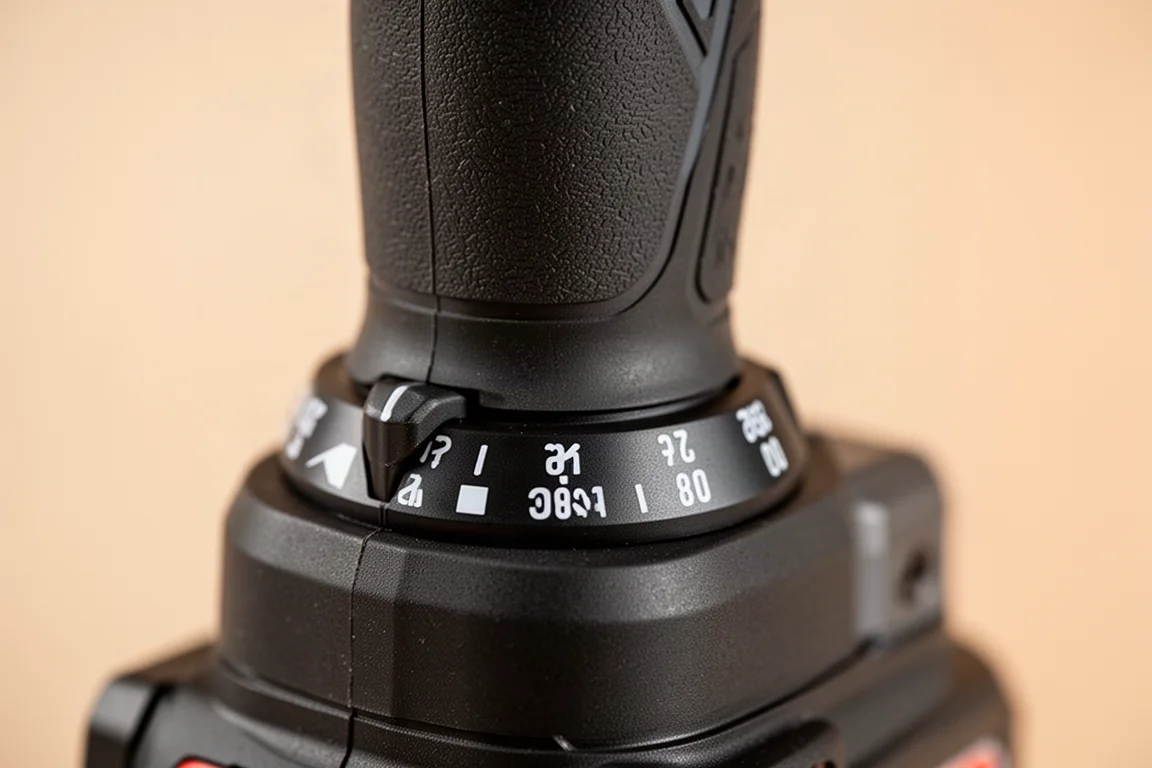
Where Makita pulls ahead is in driver settings. Makita’s impact drivers offer a generous range of modes, including dedicated settings for self-tapping screws and additional speed options, plus a bolt removal mode that slows the tool down so bolts and nuts do not fly off and disappear across the job site.
Metabo HPT keeps things simpler with just a couple of speed settings on the side of the tool. It works fine, but it is not as user-intuitive as the Makita approach.
Pricing: Two Very Different Ways to Buy
MSRP on the two hammer drills is actually quite similar, and comparing kits with batteries brings the prices close together. Larger batteries on both the 36V and 40V lines push costs up further.
The real difference is in how you shop. The Makita kit currently runs about $222 with a charger after buying from Home Depot and returning the free promotional battery, which makes it the cheapest brand-new route. Metabo HPT, meanwhile, can be found used or on eBay for remarkably little. One example hammer drill was picked up brand new in the box for around $60, and it has performed excellently. With some patience, the Metabo HPT kit can end up cheaper than the Makita deal.
Platform Expansion: Why Makita’s Lineup Matters
If you think beyond the drill and impact driver, Makita has a major advantage. The 40V XGT line includes a much wider range of tools, from mowers and chainsaws to reciprocating saws and grinders, supplementing rather than replacing the established 18V line.
Metabo HPT’s high-voltage lineup remains limited, mostly covering handheld tools such as grinders, sanders, impacts, and drills, at least in the United States. If you expect to expand your collection over time, Makita’s ecosystem is the stronger bet.
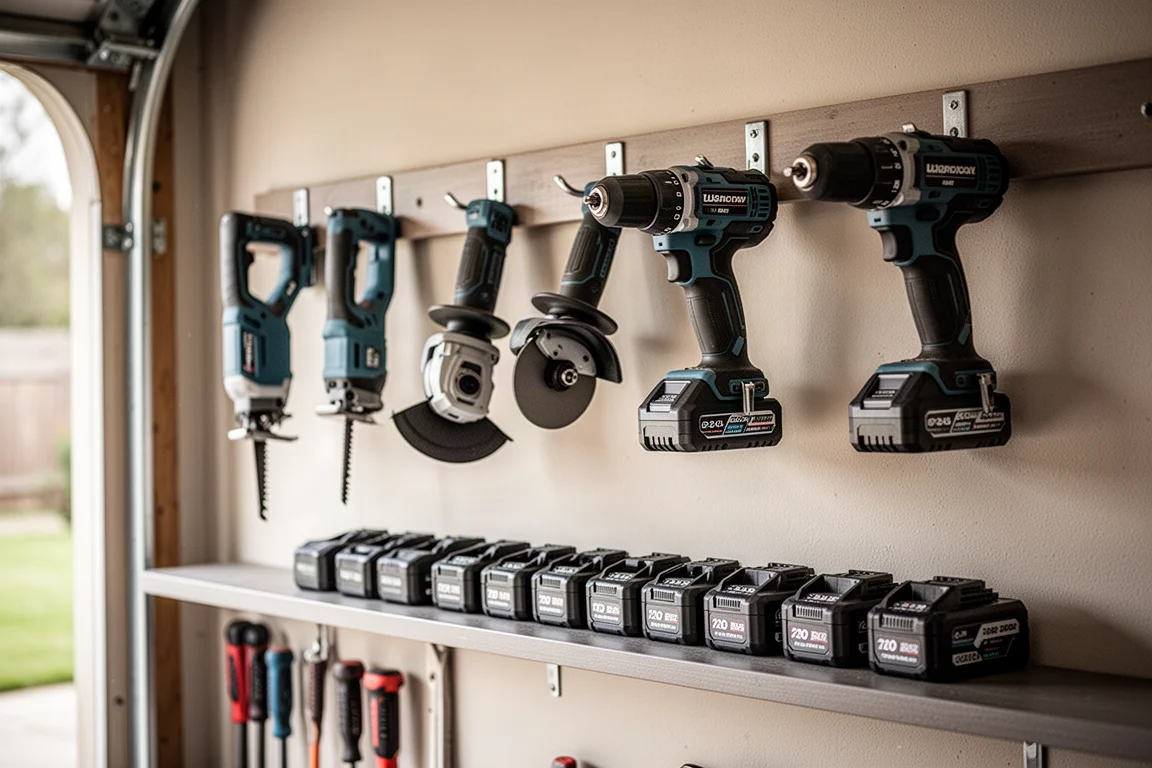
Which Kit Should You Buy?
Both are professional-grade tools that should last a long time. A sensible split is using Makita for demanding job site work while relying on Metabo HPT for constant home projects and repairs, since both have excellent use cases and strong price points.
The practical advice: go with whichever kit you can find cheaper. If that means the Home Depot deal on the Makita, take it. If you are willing to hunt on eBay for a Metabo HPT kit, possibly even new in the box, you can come out ahead. But if you need more tools down the road beyond a drill and impact driver, Makita’s broader 40V XGT platform makes it the way to go.
Conclusion
You cannot really go wrong with either kit. Makita wins on settings, control, and platform growth, while Metabo HPT counters with best-in-class water and dust protection and outstanding secondhand value. Match the choice to your budget and your future tool plans, and both lines will serve you well.
Product link
View more details for Makita 40V XGT Hammer Drill and Impact Driver Kit
This product is mentioned in the review. Check the specifications, options, and compatibility before buying.
View more details for Makita 40V XGT Hammer Drill and Impact Driver KitFurther reading
Related Reviews

Power Tools
Best 1-Inch Pistol Impact Wrenches: Three Heavy-Duty Options Compared
We compare three 1-inch pistol impact wrenches, from a budget-friendly Harbor Freight model to a premium Caterpillar unit, to help you choose the right one.

Power Tools
Best 3/4-Inch Impact Wrenches 2026: Five Contenders Compared
We compare five 3/4-inch impact wrenches across price and performance, from a budget Amazon option to Snap-on's most powerful model yet.

Power Tools
Best Budget Cordless Tools 2026: Walmart Finds That Punch Above Their Price
We tested five cordless tools from Walmart, including a high-torque impact wrench that trades blows with Milwaukee and a $35 duster that outperforms its price class.