Power Tools
Makita vs DeWalt 3/8-Inch Impact Wrench: Two Very Similar Tools, Two Very Different Buy Decisions
An 18V Makita and a 12V DeWalt 3/8-inch impact wrench turn out to be nearly identical in torque and modes. Here is how the differences in size, lighting, and price shake out.
Introduction
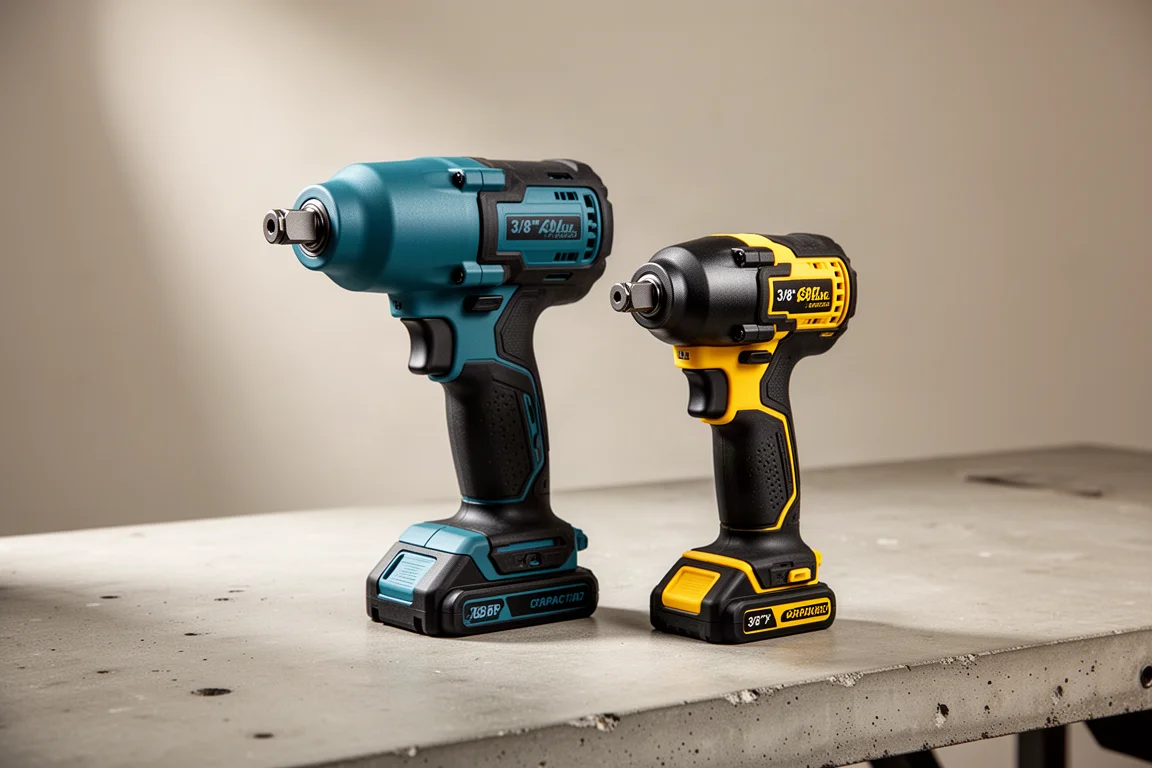
Here is a comparison that proves how deceiving voltage numbers can be. Sitting side by side are two 3/8-inch impact wrenches: an 18V Makita and a 12V DeWalt. Different brands, different battery platforms, different voltage classes, and yet they are almost the same tool. If you assume an 18V tool always outperforms a 12V one, this matchup is worth a closer look before you spend money.
Two Impact Wrenches With Nearly Identical Specs
The headline similarity is torque. The two tools land within roughly 30 foot-pounds of each other on breakaway torque, and fastening torque is even closer, with a gap of maybe 10 to 20 foot-pounds. In day-to-day use, that difference is not something you will really notice.
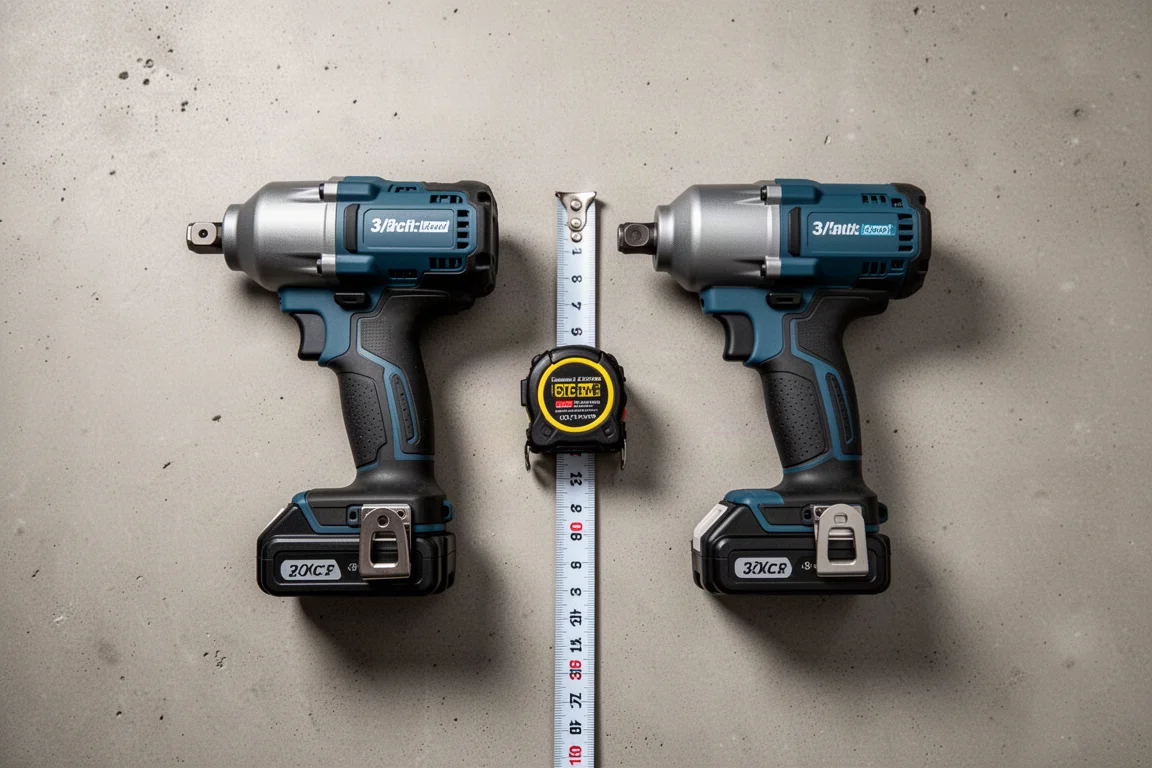
The mode selection is essentially a mirror too. Both offer a nut removal mode plus low and high speed modes, so whichever you pick, you get the same practical control for loosening stubborn fasteners and driving them back without over-torquing.
Size and Footprint
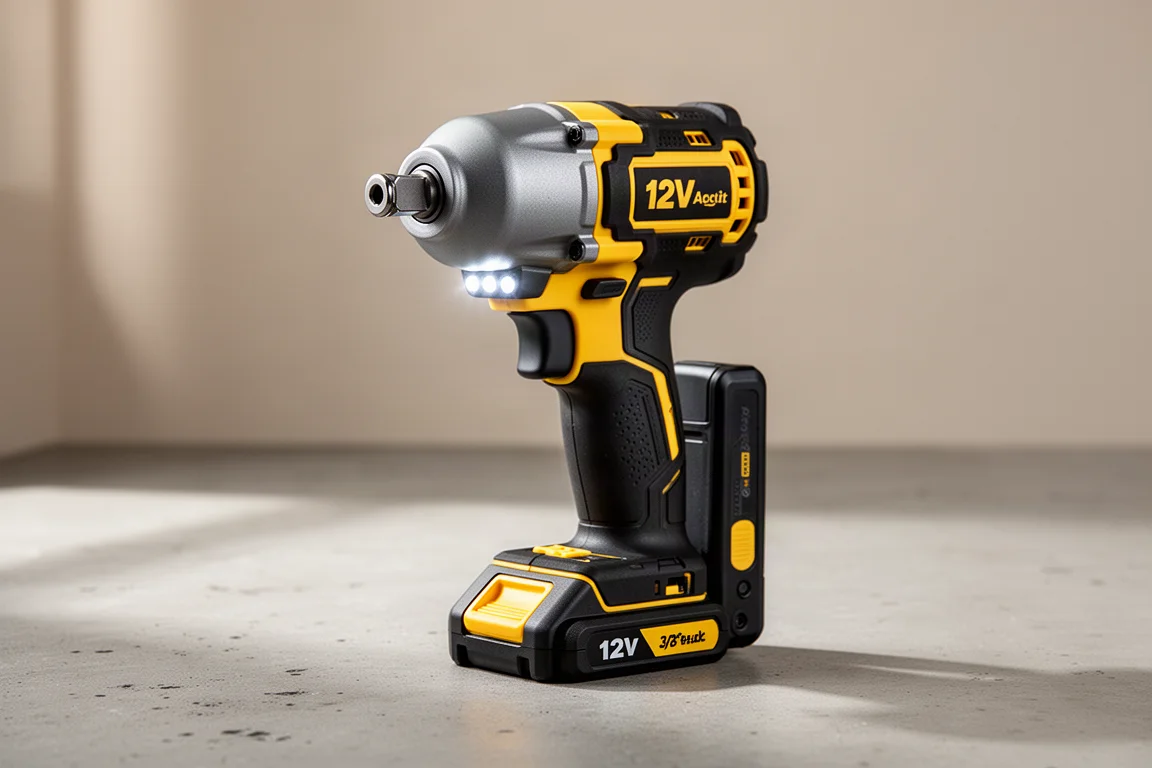
This is where the DeWalt pulls ahead. Being a 12V tool, it has a smaller footprint. The battery packs are about the same height, but the DeWalt pack is shorter and narrower, and the tool itself is roughly half an inch to three-quarters of an inch smaller overall. In tight engine bays or confined assembly work, that can make all the difference.
The Makita, for its part, does put out slightly more power thanks to the larger 18V platform, but again, not enough to feel in normal use.
Lighting: A Bigger Difference Than You Might Expect
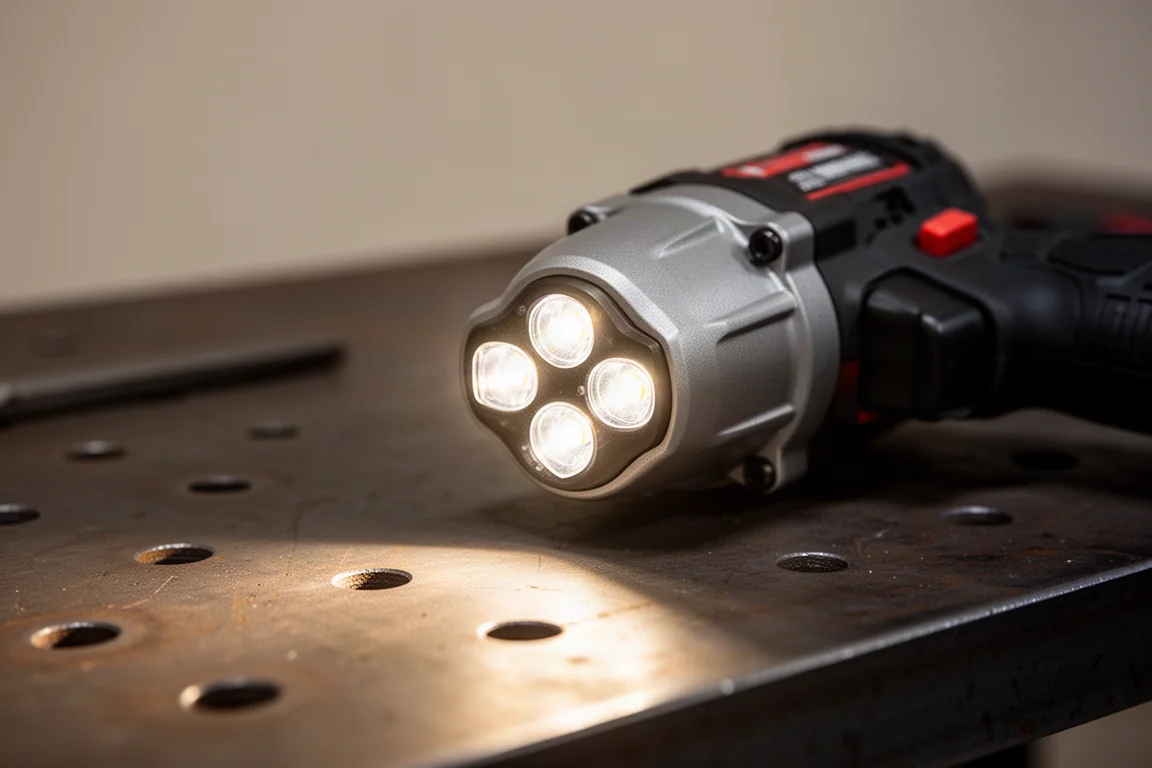
Lighting is the difference that actually matters day to day. The DeWalt uses a tri-LED arrangement that throws a broad, even pool of light over the work area, and it works exceptionally well. The Makita has a bright dual LED underneath the head. It functions fine, but the three-light setup is simply the better experience if you regularly work in dim corners.
The Anvil Detail Both Tools Share
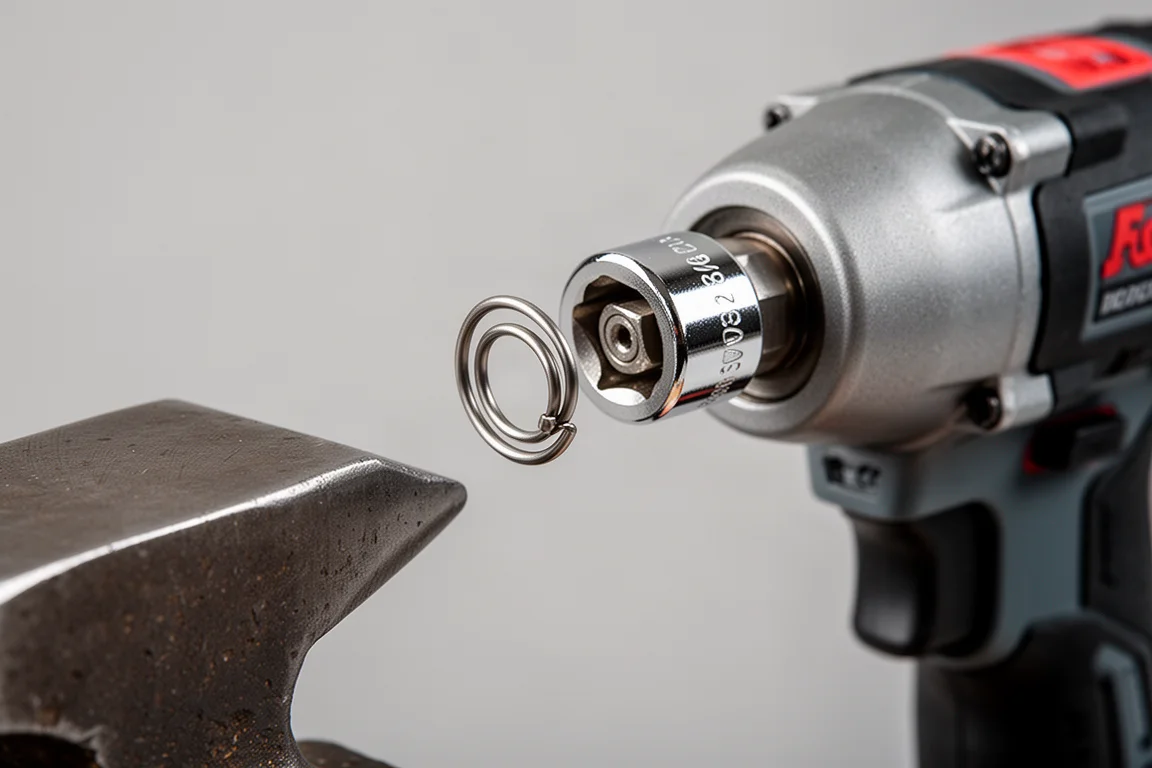
One thing to be aware of: both of these 3/8-inch impact wrenches use a hog ring anvil rather than a pin detent. That keeps socket changes quick, but sockets are held less firmly, which is worth knowing if you expect to hold the tool at odd angles under load.
Price and Deals
At plain retail with no sales, the DeWalt sits around $100 tool-only, while the Makita runs closer to $170. Both, however, show up in deals surprisingly often. The DeWalt has been spotted in a bundle with a 3.0Ah Power Detect battery and a charger for as little as $50 during a short-lived clearance, and it has appeared for around $60 with a 2.0Ah battery on eBay. The Makita showed up in a brand-new five-tool combo kit with two batteries for about $300, which works out to roughly $30 or $40 for this tool once you break the kit down and sell the pieces you do not need.
In other words, patience can cut the real cost of either tool dramatically, and sometimes the “bigger” 18V tool ends up cheaper than the compact 12V one.
Ownership and Warranty
Both brands back these tools with the same three-year warranty. One practical consideration: service center proximity. If you are much closer to one brand’s service network than the other, that small convenience can quietly shape your overall experience over the years.
How They Perform in Real Work
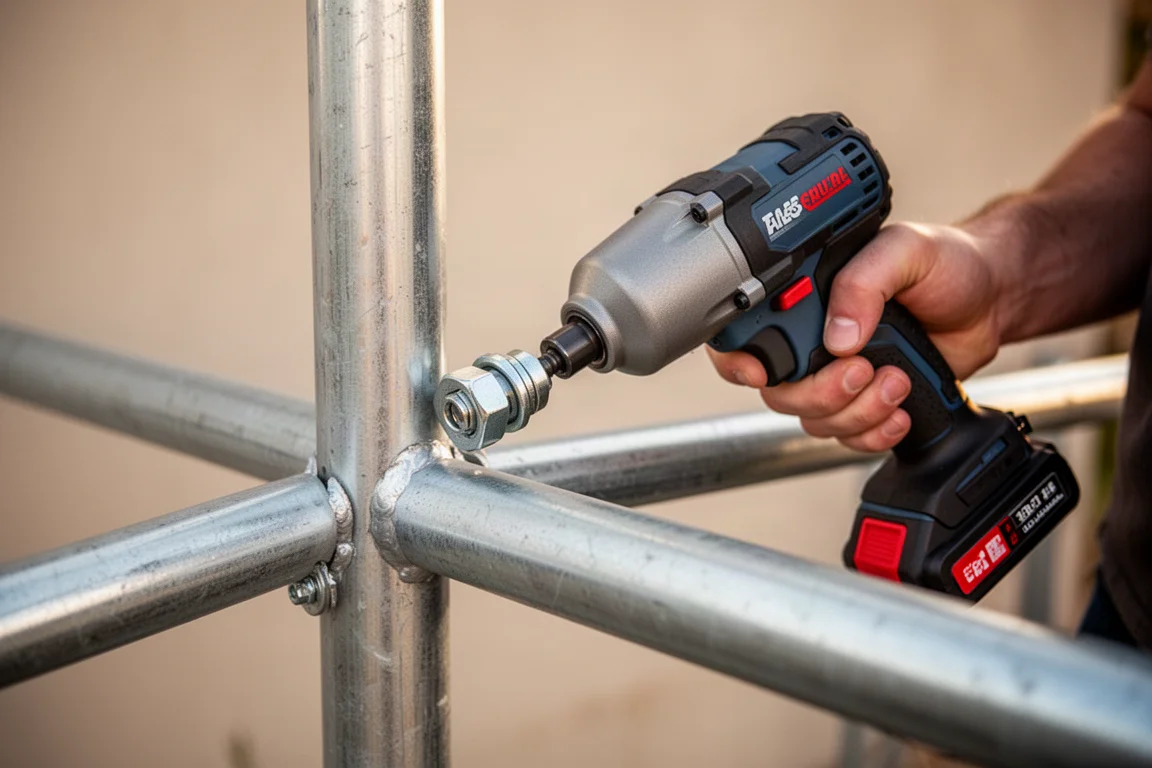
The Makita shines for garage work on things like mini bikes and motorcycles, especially if you already run Makita 18V batteries across multiple tools. It is a fantastic fit in that ecosystem. The DeWalt proves itself in assembly work for clients, driving dozens of lock nuts through a full trampoline build without complaint, all while staying compact and easy to handle.
Which One Should You Buy?
If you want the smallest footprint for tight spaces and assembly-style work, the DeWalt is the natural pick, and its tri-LED lighting seals it. If you are already invested in Makita 18V batteries or want a touch more raw output for garage repair work, the Makita makes sense, particularly if you catch it in a combo kit deal.
The broader lesson stands regardless of which you choose: do not lock yourself into one brand or one voltage line. Checking across brands and voltage classes, including 12V tools even if you are committed to an 18V platform, can save real money and get you a better-sized tool for the job.
Conclusion
These two 3/8-inch impact wrenches are far more alike than their voltage badges suggest. Torque output, modes, warranty, and even the hog ring anvil are effectively matched. The real decisions come down to footprint, lighting, brand ecosystem, and how patient you are willing to be for a deal. Either way, both tools work excellently in the hands of the right buyer.
Further reading
Related Reviews
Power Tools
Best 1-Inch Pistol Impact Wrenches: Three Heavy-Duty Options Compared
We compare three 1-inch pistol impact wrenches, from a budget-friendly Harbor Freight model to a premium Caterpillar unit, to help you choose the right one.
Power Tools
Best 3/4-Inch Impact Wrenches 2026: Five Contenders Compared
We compare five 3/4-inch impact wrenches across price and performance, from a budget Amazon option to Snap-on's most powerful model yet.
Power Tools
Best Budget Cordless Tools 2026: Walmart Finds That Punch Above Their Price
We tested five cordless tools from Walmart, including a high-torque impact wrench that trades blows with Milwaukee and a $35 duster that outperforms its price class.