Workshop Tools
Makita VC006GM Review: The 80V Max XGT Dust Extractor That Goes Where Power Can't
A big, battery-powered M-class wet/dry vacuum with automatic filter cleaning, AWS auto-start, and surprisingly strong runtime for a cordless machine.
Introduction
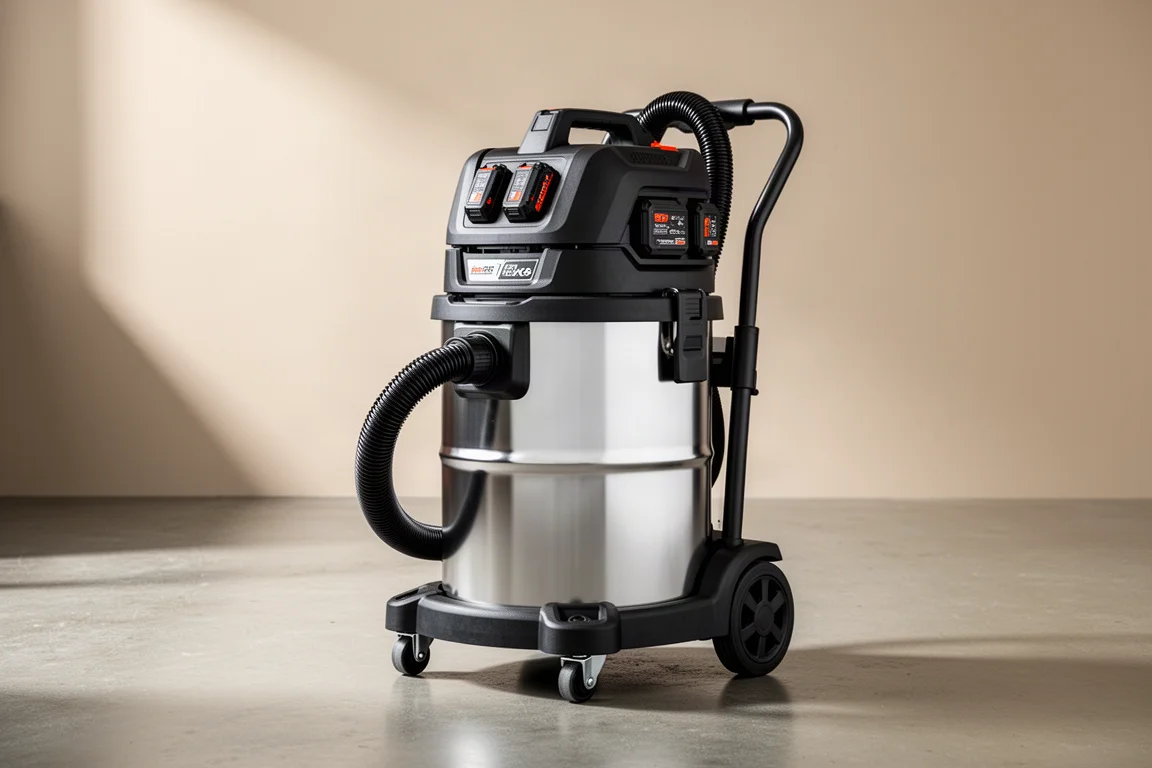
Some tools earn the word “beast” honestly. The Makita VC006GM is one of them. This is the Makita XGT dual-battery, 80V Max dust extractor and wet/dry vacuum, and it is a seriously large machine: a 40-litre dry or 30-litre liquid capacity canister that dwarfs a typical 15-litre workshop vac. If you already own an LXT or smaller XGT vacuum, be prepared: this one is roughly twice the size, and at 17 kg without batteries it is heavy enough that the manual suggests two people lift it.
The big story here is what it delivers without a power cord. There is no AC input at all. The VC006GM runs entirely on two XGT batteries used simultaneously, making it a genuine option for job sites with no power supply, or for workshops where dragging an extension lead around is the last thing you want to do.
Who This Product Is For
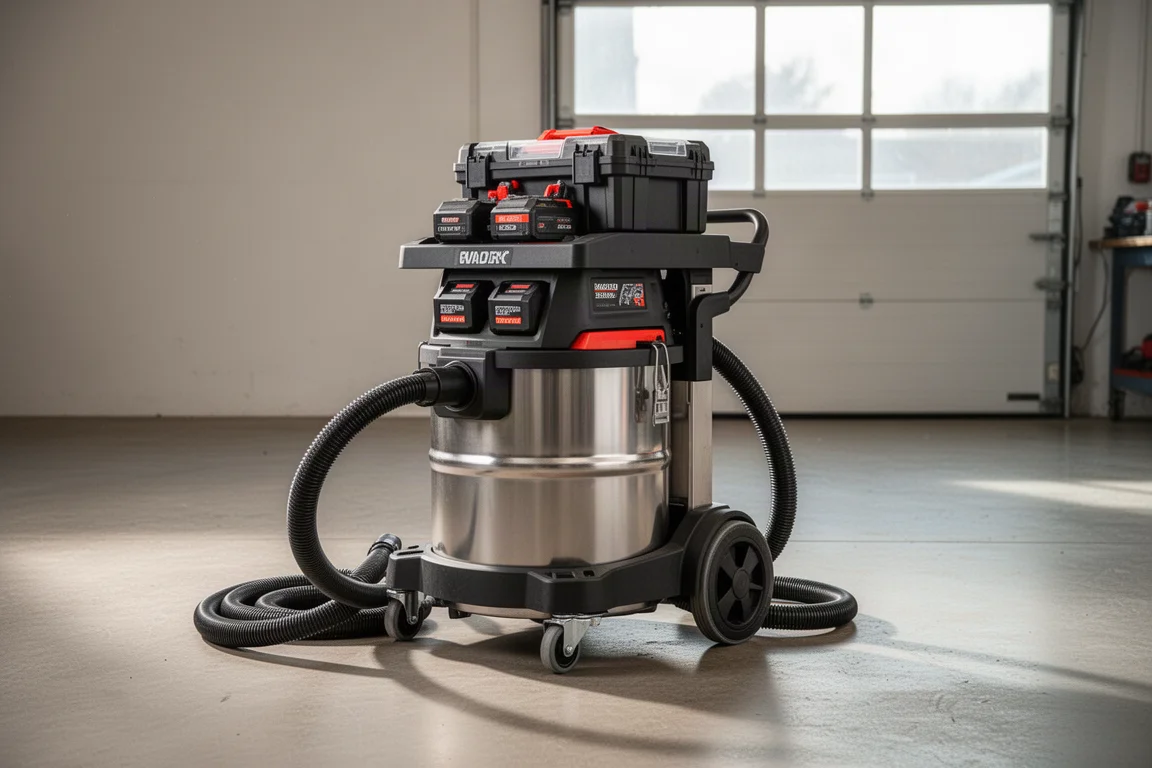
Makita clearly aims this at tradespeople who need M-class dust extraction away from mains power. Concrete cutting with a battery grinder, remote demolition work, or site cleanup where no outlet is nearby are the obvious use cases. If you plan to run a vacuum continuously all day, every day, a corded electric unit is still the more practical choice, because cordless runtime ultimately depends on how many batteries you can rotate.
For everyone else, it doubles as a very capable workshop wet/dry vac, with the bonus of M-class filtration and automatic filter cleaning.
Main Strengths
Build and Mobility
Makita has thought about moving a 17 kg machine around. The front casters lock and feel far more substantial than on the smaller VC004G, and the rear wheels are larger with a soft, rubbery compound. Soft bumpers wrap around the body so bumping into walls and doorframes does less damage. There is on-board storage for attachments, plus clips at the bottom to wrap the long hoses around, and clips on top that accept Makita MakPac cases so you can stack a large case and a smaller one and push the whole setup around as one unit. Keep the top load to the recommended 20 kg and to a sensible stacking height.
AWS Auto-Start
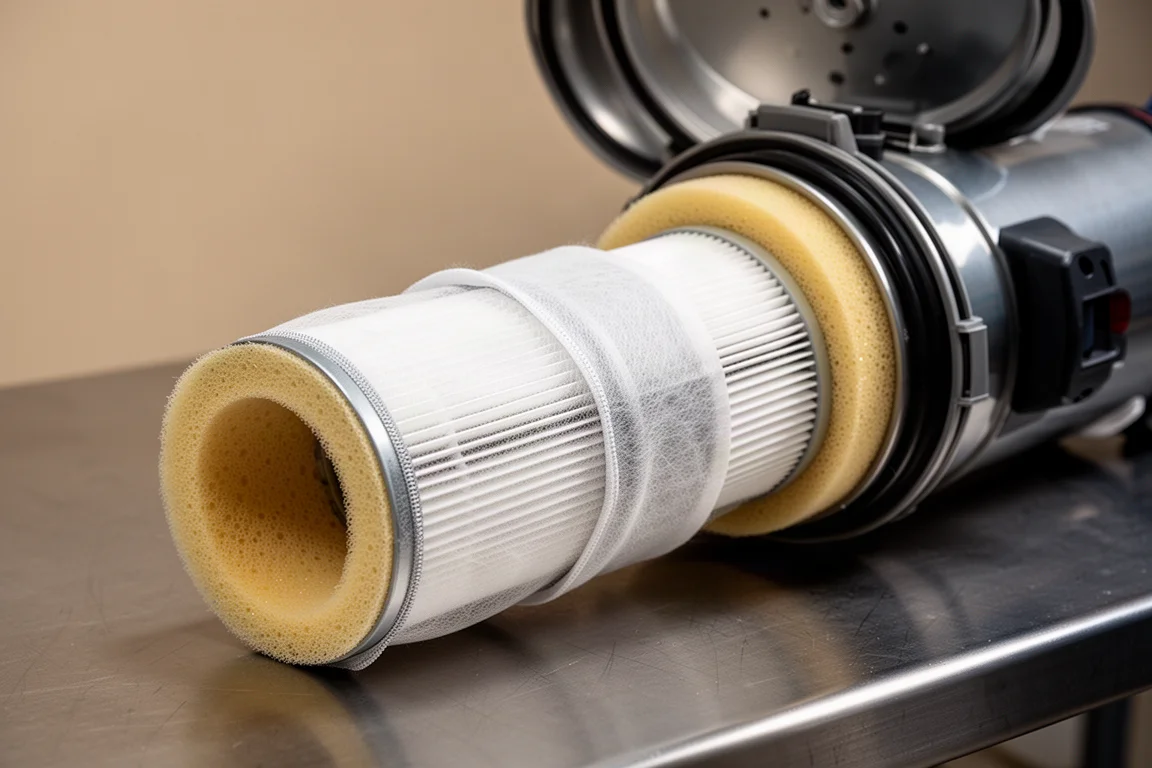
AWS stands for Auto-Start Wireless System. There is a Bluetooth chip in the vacuum and one in compatible tools, and they talk to each other. Set the vacuum’s dial to Auto, the light turns red, then flashes blue when ready. Turn on the AWS chip on your tool, and pulling the trigger starts the vacuum automatically. It works reliably at up to around 10 metres, so hose length is never a problem. Any AWS-equipped LXT or XGT tool will pair with this vacuum, which makes it more flexible than it might first appear. One small note: the chip on the tool times out after a while, so if the vac does not kick in, re-enable the chip or check the tool battery.
M-Class Dust Extraction
This is not just a bigger version of the L-class VC004G. As an M-class machine it is rated for finer, more hazardous dust, and it backs that up with an automatic filter cleaning system that pulses the filters roughly every 11 seconds to keep them from clogging. There are also audible alarms: if the airflow drops too far, the vac beeps to tell you something is blocked and needs attention.
The dial for hose diameter (19, 28 or 38 mm) adjusts the machine’s internal calibration to match the hose you are using. The unit ships with both a 38 mm hose (2.5 metres) and a 28 mm hose (3.5 metres), and they clip together for a 6-metre run. A battery level indicator lights up each time the vacuum starts, so with AWS enabled you can glance over after every trigger pull and see at a quick look how much charge is left.
Liquid Handling
A drain valve at the bottom means you empty liquid through the valve rather than tipping a 30-litre canister over. Water level sensors add a long continuous beep and shut the tool down when the canister is full. It also ships with a plug for the inlet, so dust cannot escape during transport.
Inside the Canister: Filters and Bags
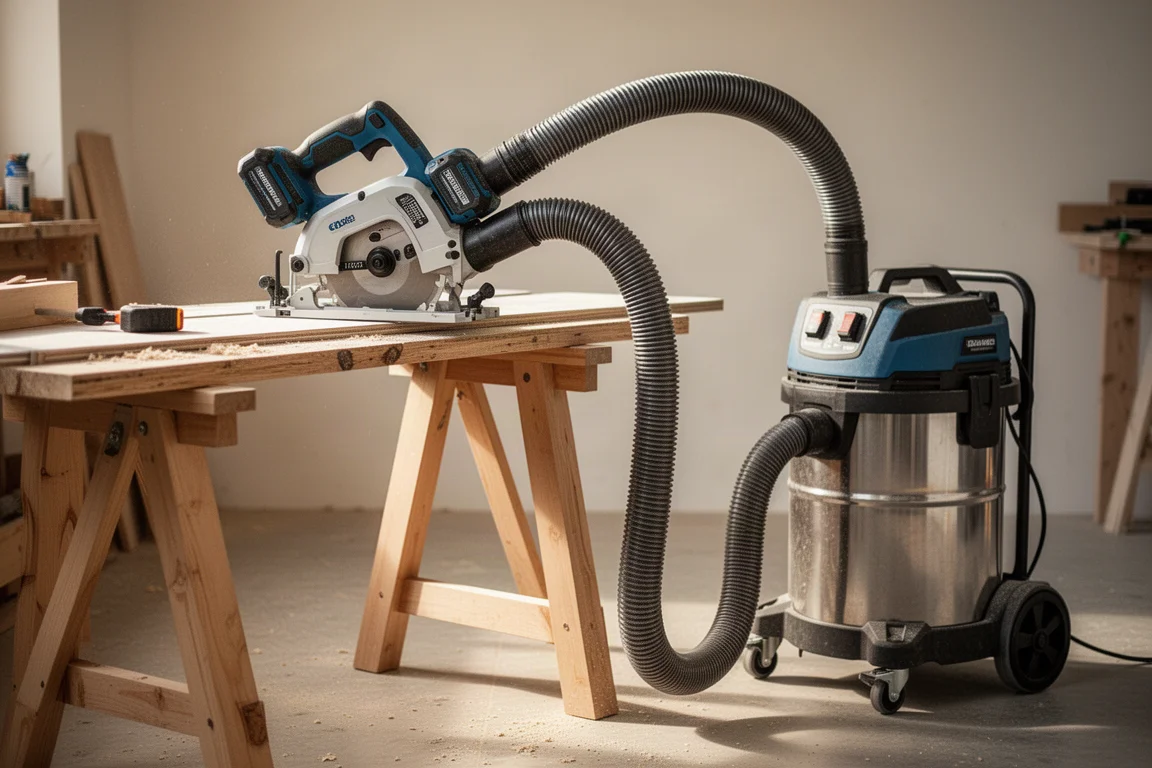
Two simple clips release the head unit, which has raised plastic pads on its underside so you can set it down without crushing the filters. Inside you get two filter assemblies, each combining a HEPA filter, an open-cell sponge filter, and a silky outer pre-filter. They remove easily and feel tidier to work with than typical L-class filters.
Makita includes a filter bag fitting, and it is worth using. Paper filter bags add a layer of protection and keep the canister clean, especially with unpleasant dust. Polythene bags are available, but pulling a full open plastic bag out of the canister tends to spread dust everywhere. If you are buying an M-class vacuum, the proper bags are the better experience, even though they add running cost.
Runtime and Suction Performance
Runtime is where the VC006GM genuinely surprised. Running flat out on the 28 mm hose with two freshly charged 8.0Ah batteries, it ran for about 42 and a half minutes, essentially matching the smaller 40V model’s runtime despite twice the voltage and both batteries draining at once. On half power the same batteries delivered roughly 57 minutes of effective use, only about a quarter of an hour more than full power. A pair of 4.0Ah batteries managed right around 20 minutes at full blast, which matched expectations.
Suction is strong. In a side-by-side visual test against the smaller 40V vacuum, the 40V could not lift a 335-gram length of heavy chain through the 38 mm hose, while the VC006GM sucked it straight up. For a cordless vacuum, that is a convincing demonstration.
The one audible trade-off is the filter cleaning pulse. Every 11 seconds or so the suction dips for a fraction of a second. Connected to a mitre saw or grinder you will never notice it, but when vacuuming freehand the rhythmic pulsing is slightly annoying to listen to. It exists for a good reason, and with filter bags installed little dust reaches the filters anyway.

Wet Pickup and Daily Usability
Wet pickup is quick and effective. Drop the hose end into the water, listen for the level sensor’s continuous beep, and shut it down. Do remember to remove the dust bag before wet work. The bottom drain valve makes emptying straightforward, and the vacuum does a decent job of cleaning the inside of the canister in the process. For frequent wet work, Makita offers special wet-rated filters that better withstand splashing; occasional use with the standard setup should be fine.
Things to Consider Before Buying
This machine is 17 kg without batteries, and lifting it by the handle is a two-person job in practice. Filter bags add ongoing cost. The filter self-cleaning pulse is noticeable when vacuuming freehand. And the biggest one: there is no AC input, so all-day continuous operation means rotating a serious pile of batteries.
Buying Advice
If your work involves site cleanup, concrete cutting, or dust extraction where mains power is not available, the VC006GM is arguably exactly what the XGT platform was built for. Hook it to an AWS tool, run a 10-minute dusty job, pack up and leave. In that context, the runtime numbers and M-class filtration make a strong case. If you vacuum for hours on end in a fixed workshop, a corded extractor still makes more sense, and the smaller VC004G may cover lighter-duty needs at lower cost.
Conclusion
The Makita VC006GM is a big, heavy, expensive-looking machine that earns its place through real capability: strong suction, proper M-class filtration, automatic filter cleaning, seamless AWS pairing, and runtime that held up better than expected. It is not a vacuum for everyone, but for the right user it removes the cord problem without compromising on dust class.
Product link
View more details for Makita VC006GM
This product is mentioned in the review. Check the specifications, options, and compatibility before buying.
View more details for Makita VC006GMFurther reading
Related Reviews

Workshop Tools
Best Drill Tap Sets 2026: Top Picks Tested for Speed and Strength
We tested 17 drill tap sets to find the fastest drilling, strongest threading, and most durable options for your workshop.

Workshop Tools
Cool Shop Tools 2026: Five Clever Upgrades Worth a Closer Look
A practical look at five workshop tools that solve real problems, from smarter drill bits to a safer table saw guard.

Workshop Tools
Cool Tools for the Workshop: Five Smart Upgrades Worth Trying
A practical look at five workshop tools that make measuring, drilling, marking, and sawing easier, from a clever square to a top-tier bandsaw fence.