Power Tool Accessories
Makita VC004G Review: A 40V XGT Cordless Dust Extractor That Actually Keeps Up
A close look at the Makita VC004G L-class cordless vacuum, covering AWS auto-start, runtime with 8Ah batteries, hoses, filtration bags, and where it falls short.
Introduction
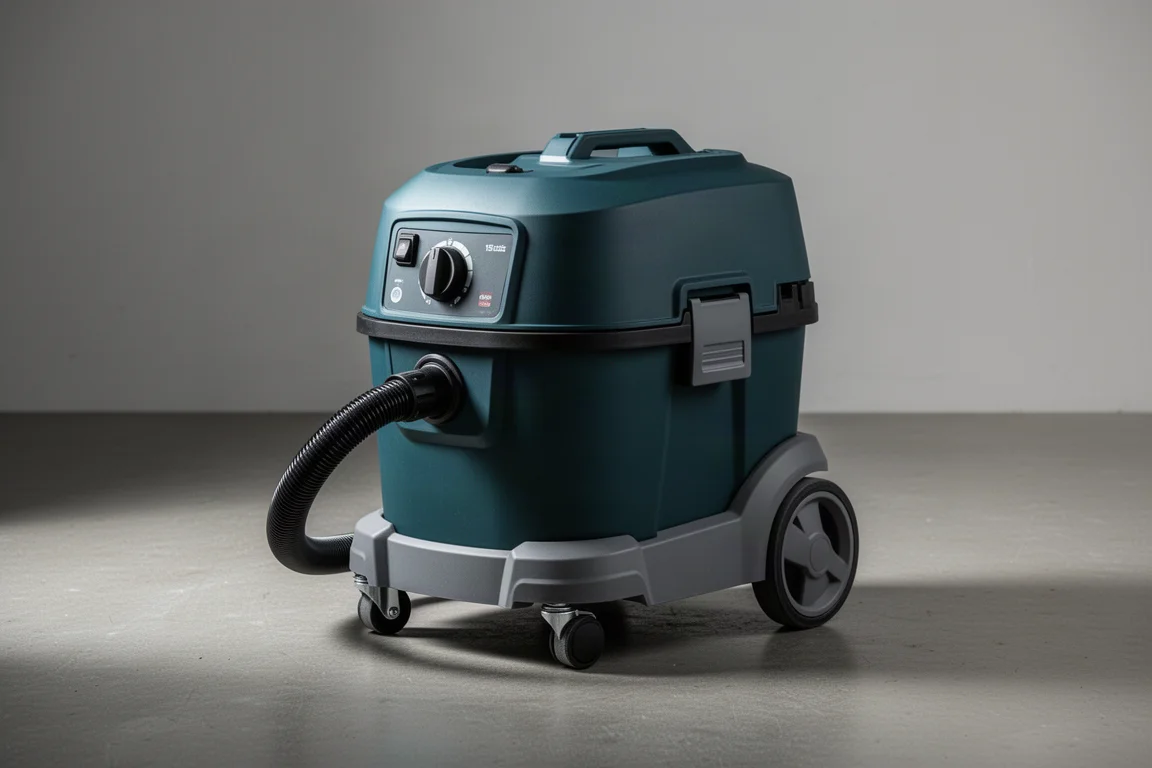
Cordless dust extraction has long been the boring purchase that always loses out to a shinier saw. The Makita VC004G is the kind of tool that quietly changes how tidy your workspace is, and after extended daily use it has earned a firm place in the shed. This is the 40V Max XGT L-class vacuum, a 15-liter dry-only extractor (sold as the GCV04 in the United States) that pairs with Makita’s AWS wireless auto-start system.
Who This Product Is For
This vacuum makes the most sense for Makita XGT owners who want dust extraction tied directly to their tools. In practice it lives hooked up to a miter saw, a router, or a sander, pulling sawdust straight out of the tool rather than cleaning floors. It is also a reasonable choice for general workshop tidying, as long as you understand its limits: it is L-class, not wet/dry, and it is battery-powered only.
Design and Controls
The control panel on the front holds the AWS chip bay at the bottom, a suction dial above it, a battery indicator button, and the main power switch with off, on, and auto positions. In auto mode the vacuum waits for an AWS signal from a compatible tool and fires up on demand. The chip clips into its bay with a keyed shape so it can only be inserted one way around, though the clip-in arrangement itself is fiddly and worth handling gently.
The front compartment lifts to reveal two battery slots. It is a 40V tool, not an 80V one: it drains one battery first, then automatically switches to the second, which stretches run time considerably. The compartment lid closes so lightly that it can feel like it has not latched, but letting it drop into place locks it perfectly. Around the base is a gray rubber bumper to protect walls, and mobility comes from two multi-directional front casters plus fixed rear casters with foot brakes that are functional rather than impressive. Empty weight is 10.5 kg and the unit carries an IPX4 rating.
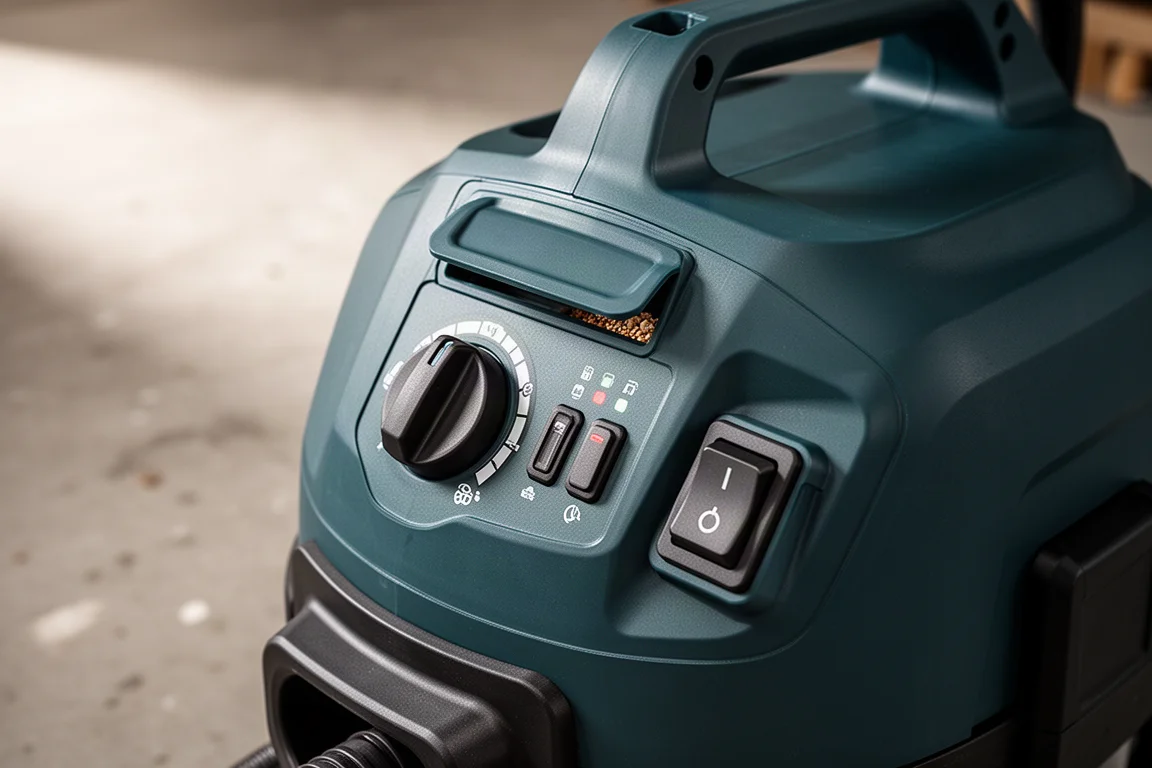
One small carrying quirk: the large power button on top sits where your leg tends to bump it while carrying, so switch it off before you pick it up.
What’s in the Box
Hose and attachment lineups vary by region, but this configuration included a 2.5-meter, 38mm hose and a 3.5-meter, 28mm hose. Both can plug straight into the front inlet, or clip together end to end for six meters of total hose, which is genuinely useful. The narrower 28mm hose is noticeably more flexible and gets used most of the time, while the wider one moves more air for big debris.
Three tool adapter cuffs (roughly 22mm, 24mm, and 27mm) cover most Makita dust ports, though oddball tools with smaller ports may need extra adapters. Also included are a floor head, a crevice nozzle, a hose-to-body connector, and a cord wind-up hook. The floor head handles hard floors fine but struggles on carpet because there is no switch to retract the bristles or squeegee strip. A pack of polythene dust bags is included too, eleven bags in total counting the one pre-installed.
Suction Performance
Makita does not publish suction figures that translate cleanly across markets, so practical tests are the better measure. The VC004G lifted scattered offcuts from the workshop floor without hesitation, then picked up a 50mm long stainless steel threaded rod with 16mm diameter, roughly two inches by five-eighths of an inch. That is well beyond the debris a dust extractor realistically needs to swallow, and the point was made.
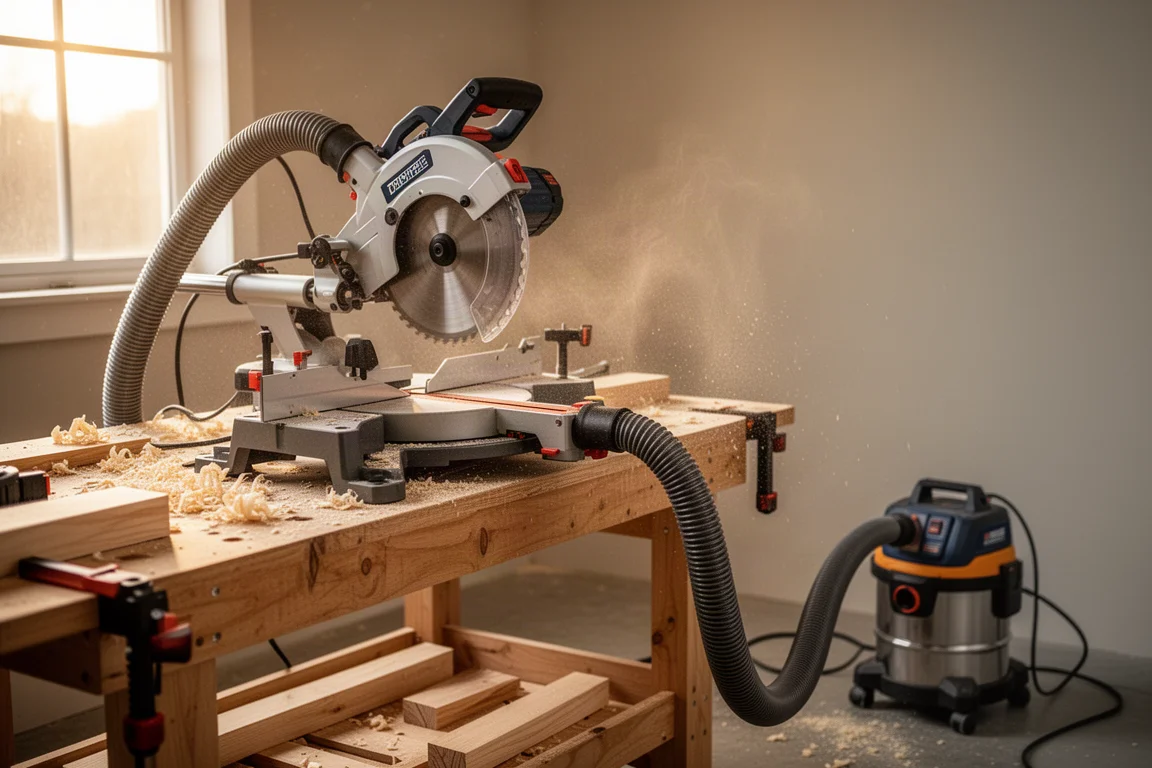
At partial power it stays very capable. Around a quarter to half suction is plenty for vacuuming floors or routing, while full power is best saved for miter saw work where you want to catch as much as possible.
Filtration and Dust Bags
The unit is L-class, which filters to a larger particle size than M-class or H-class alternatives. If you work with hazardous fine dust regularly, that classification matters and you should weigh it carefully.
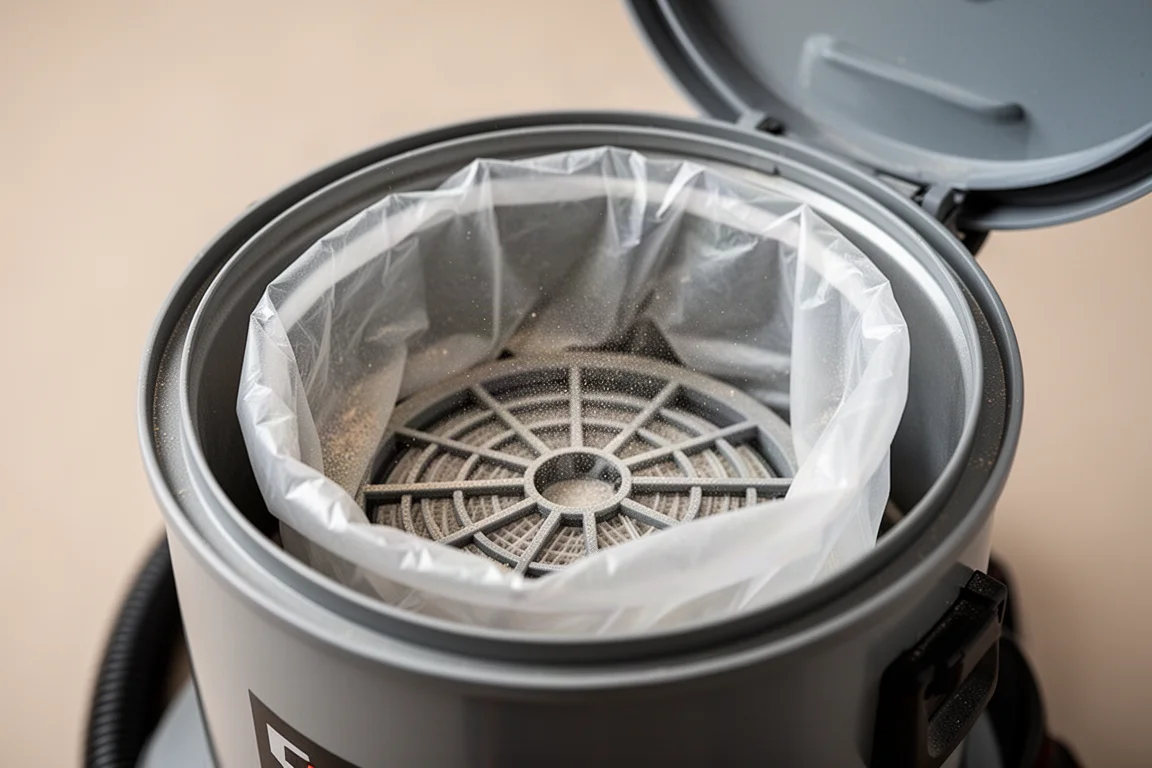
There is no fill indicator, and once the canister fills, suction drops and the vacuum develops a distinct helicopter-like sound, which is your cue to empty it. Running without a bag works but gets messy, because the pleated filter clogs quickly and needs cleaning out. Using the included polythene bags is the far tidier route: they fill fast during heavy tasks like sanding, but they keep dust off the filter and make disposal much cleaner.
Runtime and Battery Use
With two 8Ah batteries, running continuously on full suction, the vacuum lasted 43.5 minutes before the batteries hit the final bar. That is the ceiling for full-power work even with the largest batteries, and heavy use drains them quickly, so owning a good battery stock really matters with this tool. The upside is that lower settings stretch run time dramatically, and half power still delivers plenty of suction for most tasks.
After a hard session, batteries arriving hot may need to cool before charging; the charger handles this automatically by blowing air through overheated packs until they are ready.
AWS Auto-Start With Tools
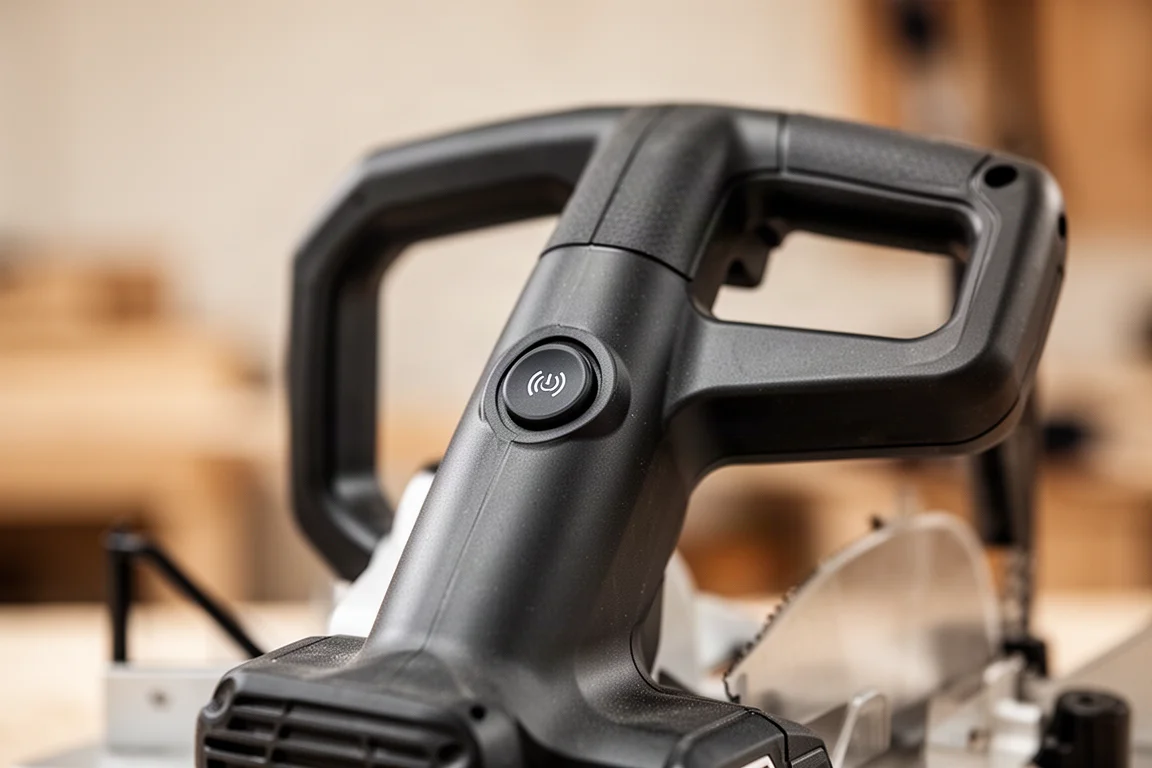
AWS is the standout feature here. With the chip installed and the vacuum in auto mode, a compatible tool starts the vacuum the moment you pull the trigger. On Makita’s 40V miter saws there is even a button on the handle that toggles the vacuum on and off directly, which helps when a different blade throws off the built-in dust collection and you want to sweep up the stragglers afterward.
More surprising is that the vacuum links to multiple AWS tools at once. Pairing is simple: hold the chip button until the light flashes blue, and as long as the vacuum is in auto it connects automatically with no re-pairing needed. Each trigger pull brings the vacuum to life. The limit of how many chips it will hold simultaneously is unclear, but it handled three with no trouble, and swapping a hose between tools or adding a junction is the only extra effort involved.
Buying Advice
A few practical points before buying. The vacuum accepts Makita stackable case units on its lid, effectively turning it into a site trolley, which is a genuinely clever touch. Factor in the L-class rating if your dust is hazardous, buy bags and use them, and make sure you own enough batteries, since full-power run time tops out at about 43.5 minutes even with 8Ah packs. Regional attachments differ, so check what your local kit includes, and note that in the United States this model is sold as the GCV04.
Conclusion
The Makita VC004G is a well-built, easy-moving cordless extractor with genuinely strong suction, a sensible dual-battery system, and an AWS setup that works exactly as promised, including simultaneous pairing with several tools. Its main trade-offs are the L-class rating, the lack of a fill indicator, heavy battery consumption at full power, and an unremarkable floor head. For XGT owners who want their dust extraction to switch on the moment their tools do, it is an easy recommendation.
Product link
View more details for Makita VC004G XGT 40V L-Class Vacuum Extractor
This product is mentioned in the review. Check the specifications, options, and compatibility before buying.
View more details for Makita VC004G XGT 40V L-Class Vacuum ExtractorFurther reading
Related Reviews

Power Tool Accessories
Best Drill Attachments 2026: Three DeWalt Tools Worth Buying
A practical look at three DeWalt drill attachments that deliver real value, plus the sketchy options you should skip.

Power Tool Accessories
Best Drill Bits 2026: 14 Sets Tested on Mild Steel, Spring Steel, and AR500 Armor
We tested 14 drill bit sets across mild steel, spring steel, and AR500 armor plating to find the best value, speed, and durability.

Power Tool Accessories
Best Right Angle Impact Adapters 2026: Five Options Tested for Speed, Torque, and Durability
We tested five right angle impact adapters from DeWalt, Milwaukee, Warrior, Titan, and Milescraft to see which ones deliver real performance without failing early.