Power Tools
Makita UC029G vs Einhell 18V Mini Chainsaw: Budget vs Pro, Tested
A head-to-head look at a budget mini chainsaw kit and Makita's 40Vmax UC029G, covering honest bar lengths, chain speed, cutting power, and ergonomics.
Introduction
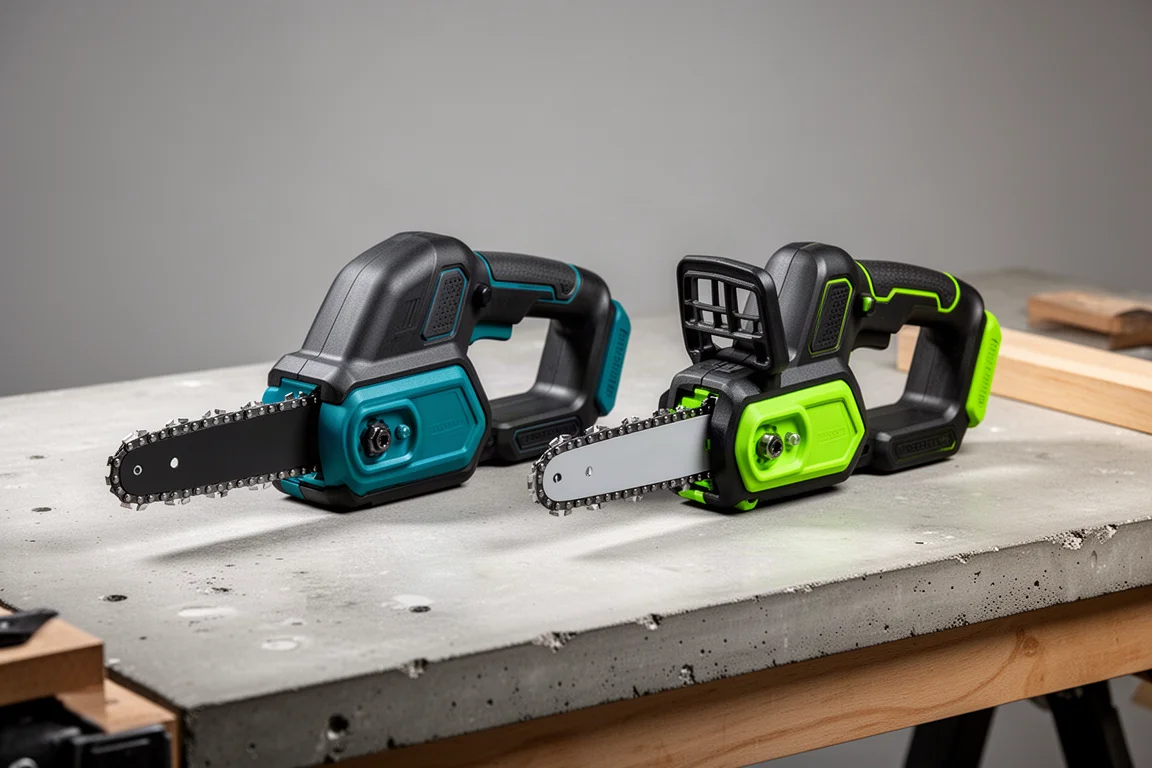
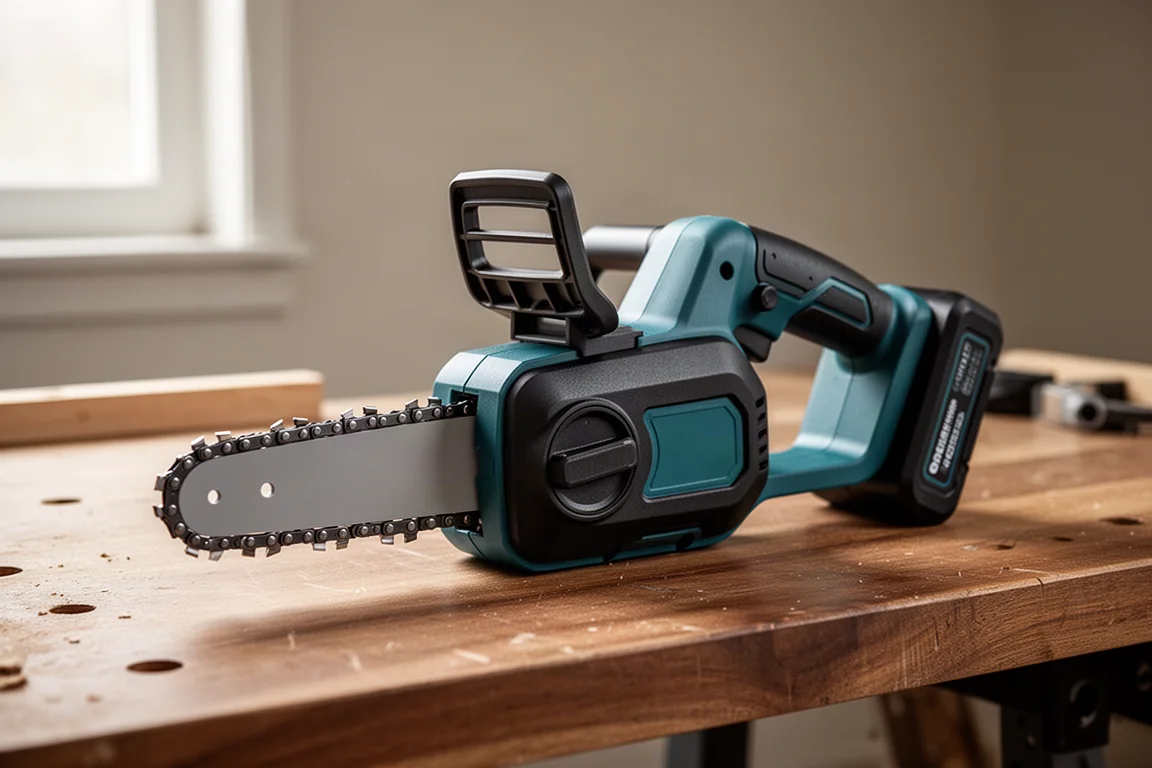
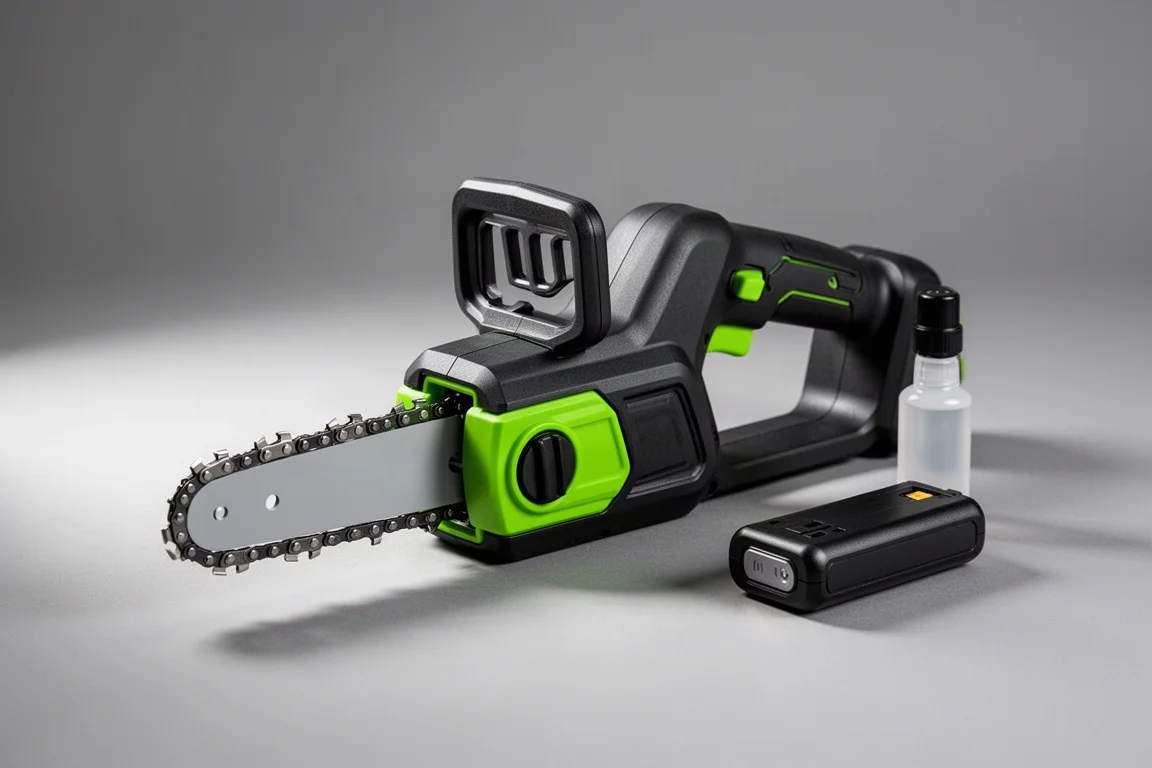
Budget versus professional brand comparisons are not something we do often, but this pairing answers a question many buyers actually ask: can a cheap mini chainsaw realistically stand next to a Makita? Here we put the Einhell 18V brushless mini chainsaw kit, sold as Acito in Australia and New Zealand, up against the Makita UC029G 40Vmax. Both are brushless, both are made in China, and both were tested with similarly sized 2.5Ah batteries. The price gap is real, though. The Einhell kit was around NZ$269 and includes a 2.5Ah 18V battery, a charger, a separate pruner, and an empty oil bottle. The Makita UC029G cost around NZ$377 before a redemption offer added a battery worth nearly that much on its own.
The Bar Length Trap
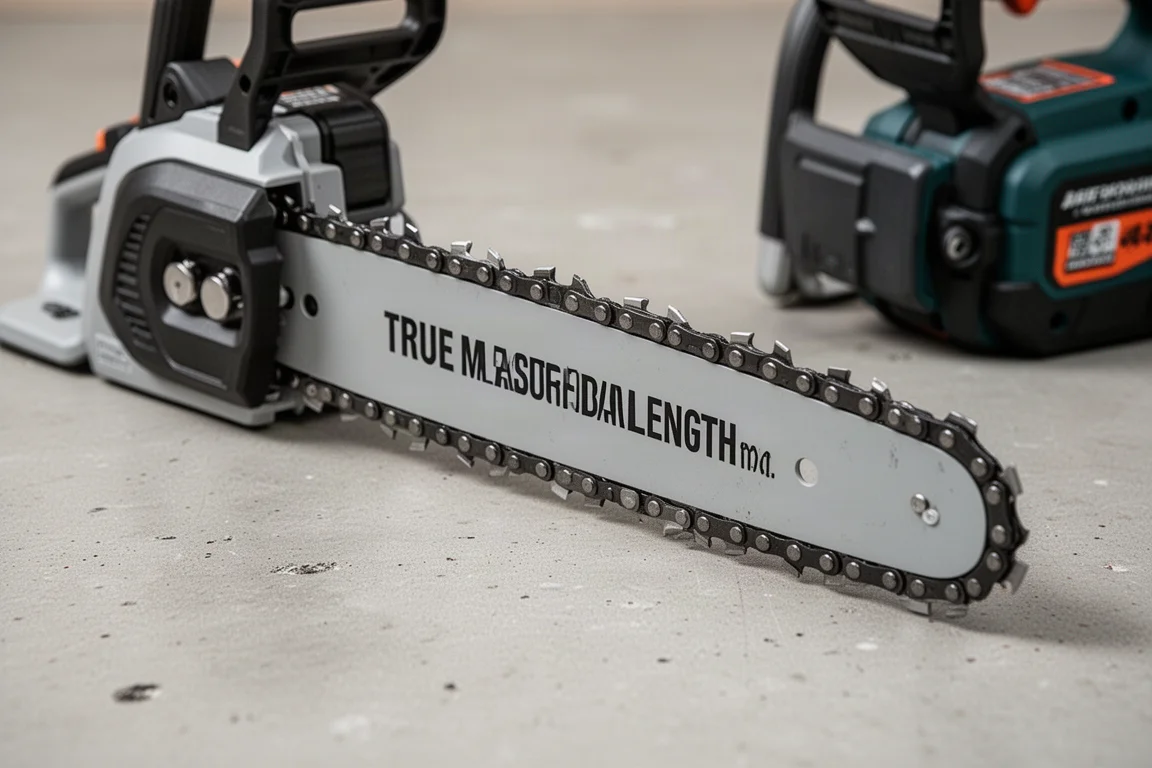
The first thing worth knowing is that rated specifications on cheap tools deserve suspicion. The Einhell is advertised with a 160mm (6-1/4 inch) bar, while the Makita claims 150mm (6 inches). On paper, the budget saw looks bigger. Measured honestly, the reality is inverted. The Einhell’s cuttable bar length is only about 125mm (5 inches), and even to the absolute furthest point it measures roughly 158mm. The Makita, rated at 150mm, actually protrudes around 200mm, because reputable brands measure only the usable cutting length and exclude the portion of the bar you cannot cut with.
This pattern repeats across the budget tool market, where inflated torque and speed numbers are common. With power tools, the more expensive the brand, the closer the stated specs tend to be to reality.
Oiling and Maintenance
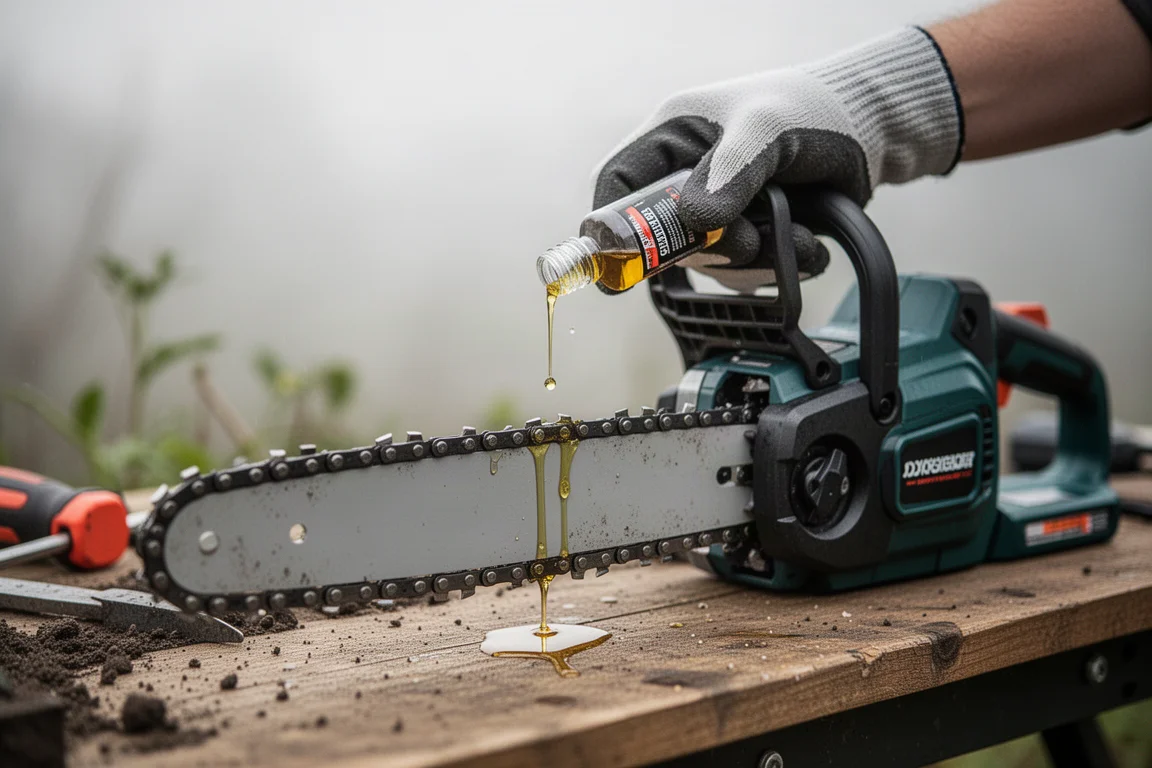
This is where the two saws diverge most in daily use. The Makita has an automatic oiler with a proper oil reservoir, and it includes a small oil bottle and a chain file in the box. The Einhell has no oiler at all: you get a tiny empty bottle, and you have to manually drip oil onto the chain periodically to keep it from burning out. That means removing the battery and dripping oil along the top of the bar so it works its way around the chain, which is fiddly and easy to forget.
Chain tensioning also differs. The Makita opens tool-free, and the cover itself self-tightens the chain when you close it up, which is genuinely convenient. The Einhell opens tool-free as well, but the tensioning pin does not move on its own; you get a double-ended Allen key for manual adjustment, an unusual inclusion on a chainsaw. Neither saw’s bar tip contains a sprocket, which is typical for very small chainsaws. Safety features are broadly similar: both have side push buttons (left- and right-handed friendly) and a top guard. The Makita’s lever presses down, which feels more natural than the Einhell’s push-in style.
Cutting Performance
Chain speed is the headline spec difference: the Einhell claims 4.8 metres per second, while the Makita runs at 8 m/s. On really soft timber, the Einhell manages fine, but it reaches its limit quickly, stalling out on material right at its maximum capacity. If its bar were truly the length advertised, it would have coped much better.

On a gnarly branch starting around 40mm in diameter and thickening to 50-60mm with knots and branch junctions, the Makita powered through despite a used, unsharpened chain. In a timed comparison on similar stock, the Makita occasionally bogged down in its own sawdust, which is a trade-off of its higher chain speed, since slower chain speeds typically bring more torque. The Einhell, cut normally with firm pressure, did not stall and worked through steadily, just more slowly. Both batteries stayed on full charge indicators through the whole session.
Ergonomics and Build
The Einhell is light, comfortable, and well balanced, with a nice grip and a decent trigger. It tilts slightly toward the battery side, and a larger battery would exaggerate that, but at this size it feels good in the hand. The Makita is simply a notch better ergonomically, as it tends to be against most brands. The Einhell’s green charge indicator lights are bright and easy to read, though it has three rather than the Makita’s four.
The charger in the Einhell kit is explicitly labelled for DIY use only. That tells you where the manufacturer positions it. On the other hand, the warranty is generous: five years on the tool and three years on the battery.
Who Should Buy Which
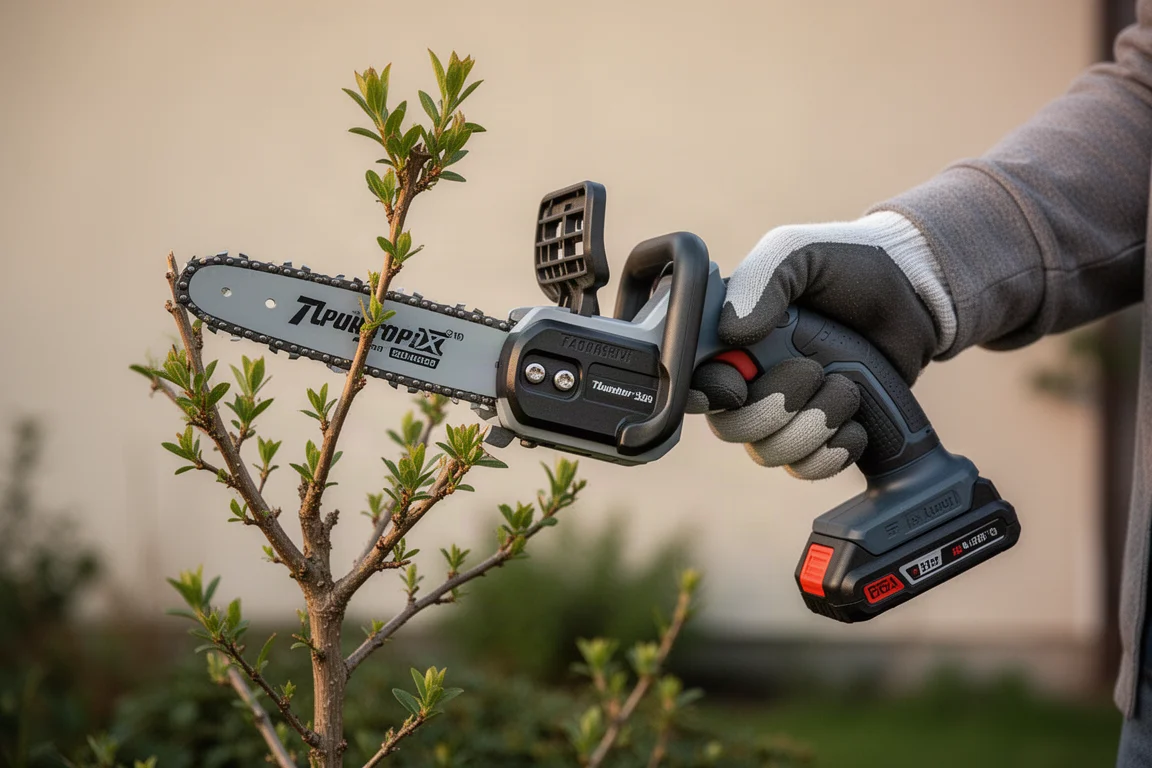
If you are an arborist or use a saw daily for work, the Einhell is not your tool. It is a little slow and clearly built for occasional use. For home users, DIY, and odd jobs around the garden, it is a good little saw: light, comfortable, and with more guts than many entry-level 12V options. The Makita UC029G is the better pick if you cut more often, value the automatic oiler, want the longer usable bar, and prefer the stronger chain speed. The honest gap between budget and pro tools keeps narrowing every year, but this comparison shows where it still exists.
Conclusion
The Makita UC029G earns its higher price with an automatic oiler, self-tightening chain, faster 8 m/s chain speed, and a longer genuinely usable bar. The Einhell kit remains a solid value bundle for light garden use, provided you accept manual oiling, a shorter real bar, and honest DIY-grade expectations.
Further reading
Related Reviews
Power Tools
Best 1-Inch Pistol Impact Wrenches: Three Heavy-Duty Options Compared
We compare three 1-inch pistol impact wrenches, from a budget-friendly Harbor Freight model to a premium Caterpillar unit, to help you choose the right one.
Power Tools
Best 3/4-Inch Impact Wrenches 2026: Five Contenders Compared
We compare five 3/4-inch impact wrenches across price and performance, from a budget Amazon option to Snap-on's most powerful model yet.
Power Tools
Best Budget Cordless Tools 2026: Walmart Finds That Punch Above Their Price
We tested five cordless tools from Walmart, including a high-torque impact wrench that trades blows with Milwaukee and a $35 duster that outperforms its price class.