Power Tools
Makita UC004G 40V XGT Arborist Chainsaw Review: A Cordless Top Handle That Packs Real Grunt
The Makita UC004G 40V XGT top handle chainsaw brings 40V muscle to an arborist-style body. Here is how it cuts, what runs hot, and whether it can replace your 18V saws.
Introduction
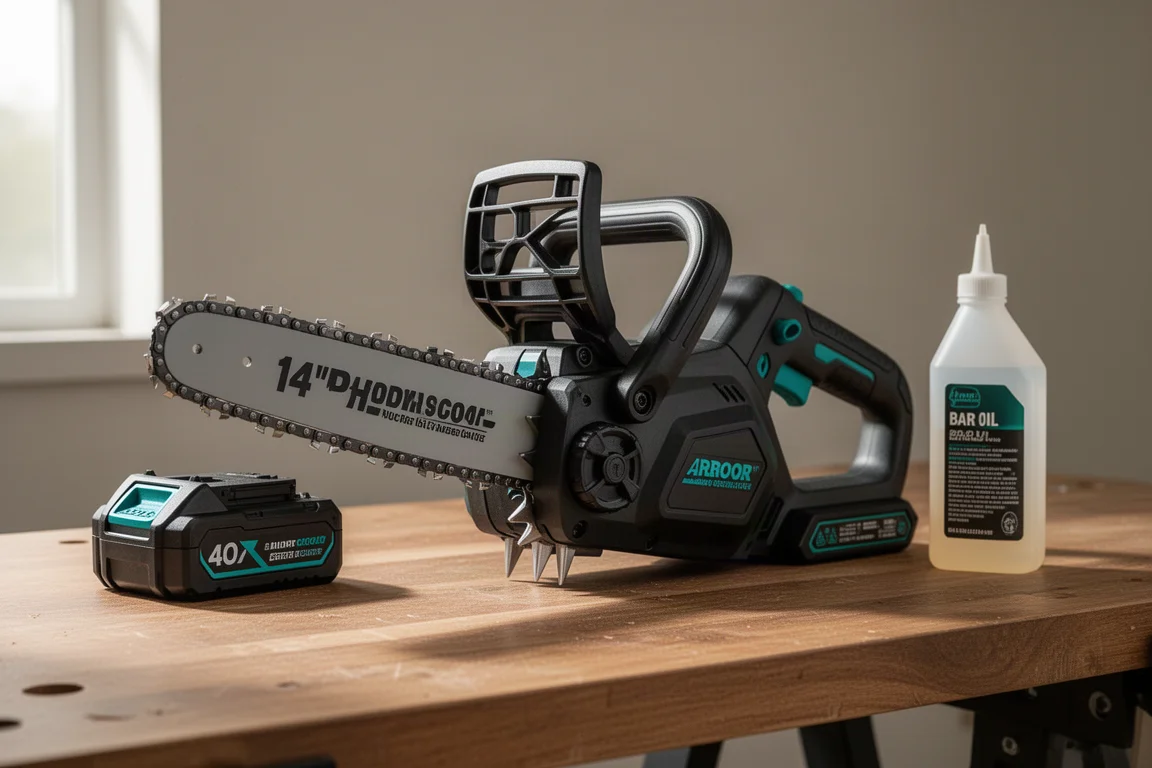
Cordless chainsaw shoppers have been waiting for Makita’s 40V XGT line to fill out, and the UC004G is one of the most anticipated additions. This is a top handle, arborist-style chainsaw running on Makita’s 40V max platform, with a 350mm (14-inch) guide bar that looks generously sized on what is otherwise a very compact saw.
Out of the box it comes sensibly equipped: a bar cover, a chain adjusting tool, and a small unbranded 100ml bottle of bar oil. It does not include a battery or charger in the base configuration, so budget for those separately if you are not already on the XGT platform.
Cut Performance and the Plunge Cut Test
The headline spec is chain speed. The UC004G runs its chain at 24.8 metres per second, roughly 1,500 metres per minute or about 480 feet per minute, on a variable speed trigger so you can start slow and ramp up. That is comfortably quicker than the 18V top handle and rear handle saws, which both run at 1,200 metres per minute, and even the smaller 18V model at 1,350 metres per minute.
A plunge cut test, pushing the bar straight into a standing tree to see whether it stalls, showed the saw performed better than expected. When it did bog down, it was mostly catching on debris rather than losing cutting power. In regular through-cuts it kept smashing through without any noticeable loss of power, even while being pushed hard.
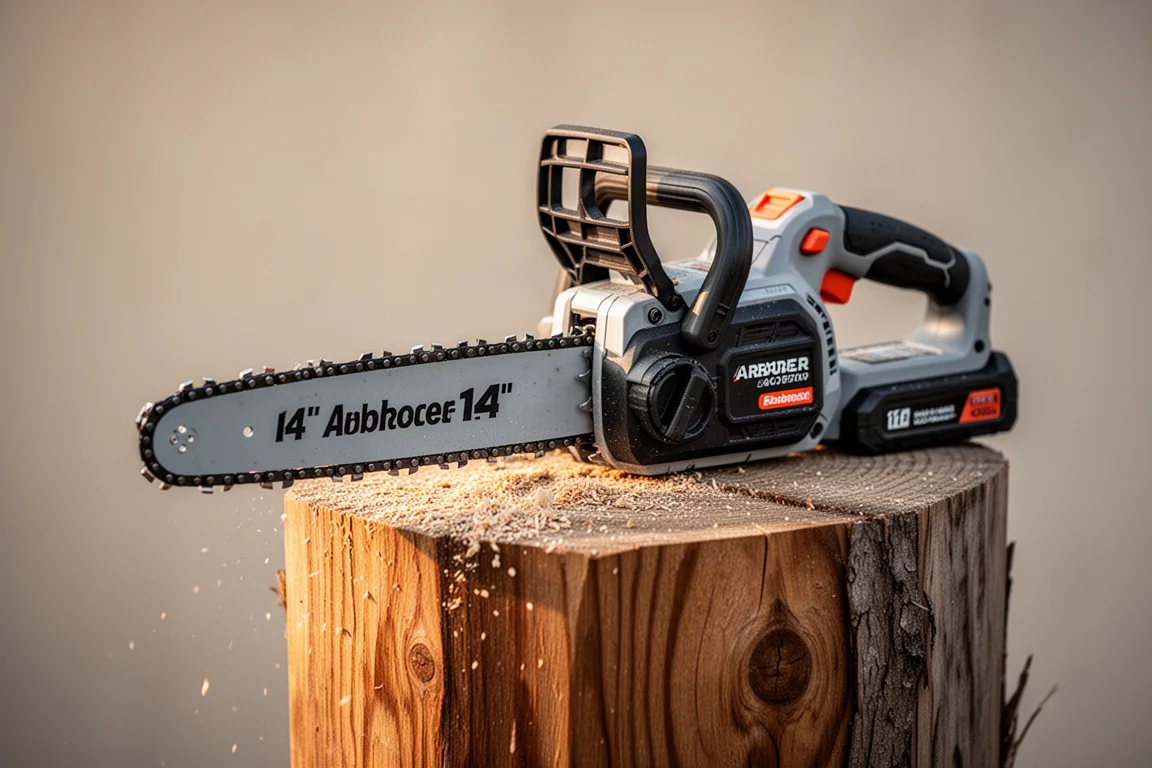
Starting is the familiar Makita cordless routine: press the power button, which lights green, then grip the safety lever within a few seconds and the saw stays live for as long as your hand is in position. Unlike the 18V model there is no extra torque mode here, and it is not missed. Release the safety lever and the saw cuts out after about two seconds.
Battery Life and Heat: What to Expect
On a very hot day, cutting down several trees within about ten minutes, a 2.5Ah 40V battery dropped from four bars to two, and the pack showed 52 degrees Celsius internally after sitting for a few minutes. Under sustained hard cutting, things got much more extreme: after a rapid succession of stall-test cuts, the pack read 79 degrees Celsius internally and appeared dead, though it still reported roughly 25% charge. It was simply too hot to work. After cooling, it recovered and delivered more cuts before being genuinely flattened.
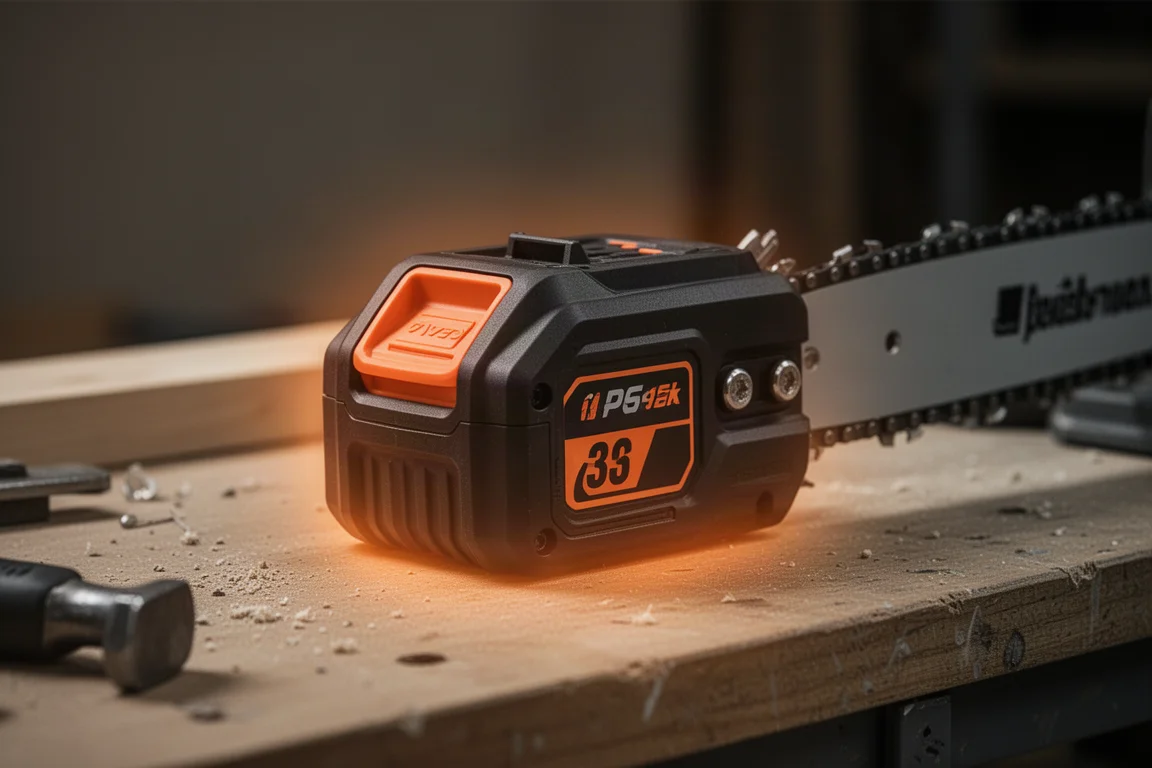
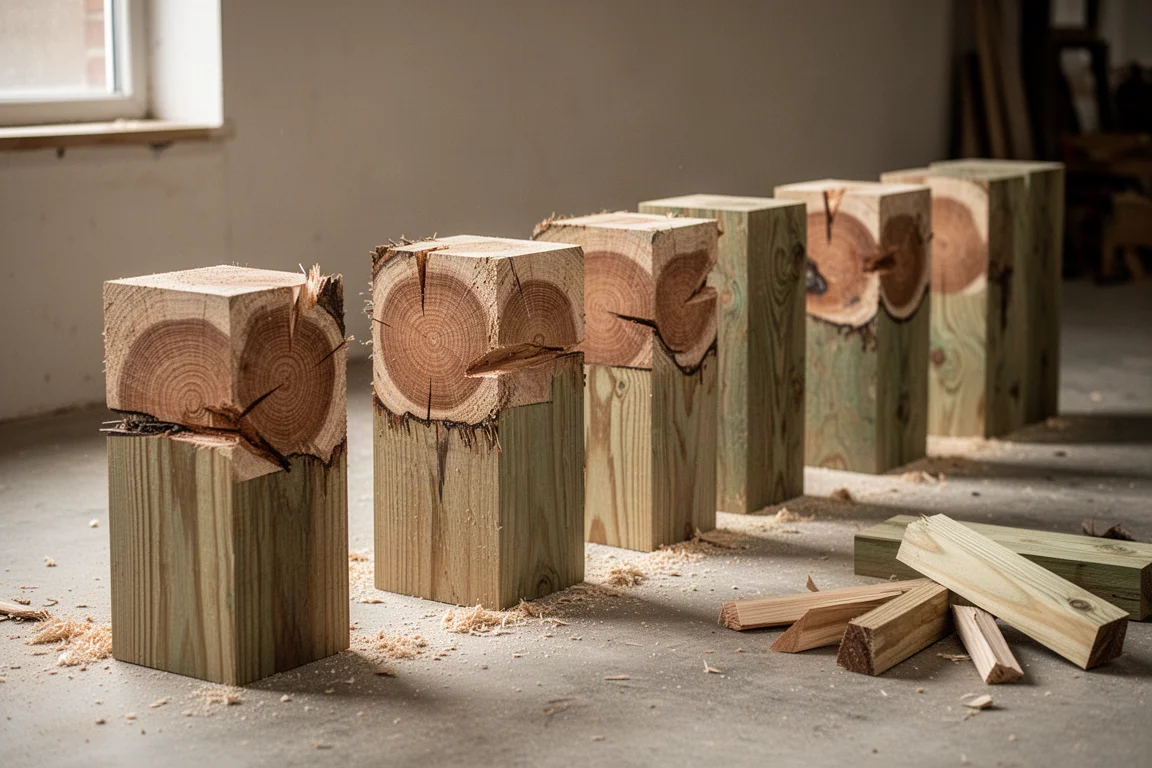
In practical terms, a 2.5Ah 40V pack delivered around 40 to 50 cuts through 100x100mm rough sawn treated posts, including some harder push cuts. Makita’s 5.0Ah 40V pack has twice the cells, so each cell works half as hard and runs much cooler. With a 5Ah pack, roughly 100 of those same 4x4 post cuts should be achievable, and the saw will cut out less while the battery lasts longer. The 2.5Ah pack is lighter and works perfectly fine, but for all-day cutting the 5Ah is clearly the smarter choice.
Head to Head Against Makita’s 18V Saws
Compared directly with the 18V top handle saw, the difference is stark. The small 18V model stalls easily, and once it has stalled it keeps stalling faster and faster as if it needs a rest. The 40V saw kept going under the same pressure with no felt loss of power until the battery was nearly spent.
Weights tell an interesting story. Without batteries, the UC004G weighs 3.2kg, which is actually lighter than the smaller 18V saw at 3.8kg and lighter than the 18V twin-battery rear handle saw at 4.2kg. So the extra grunt comes with essentially no weight penalty.
The 40V top handle is roughly the equivalent of a 32cc petrol saw in feel, and its bar is the same length as the 18V rear handle model’s. In practice, this one saw could plausibly replace both of those 18V tools. If you work overhead or up in a tree, the top handle layout is the better fit; for cutting low on the ground, a rear handle lets the saw do more of the work with less force on your hands.
Everyday Details Worth Knowing
The saw includes a front hand brake, a covered oil adjustment area for the bar, metal bucking spikes (thin ones, but present), a chain deflector and a rubber chip deflector. The oil cap design has been modified: instead of the old jamming cap that needed a screwdriver, it now pops up with a push and then turns. The trade-off is that it still seals tightly and, without a screwdriver slot, may be harder to open over time. On the plus side, it no longer protrudes past the front of the saw like the older design.
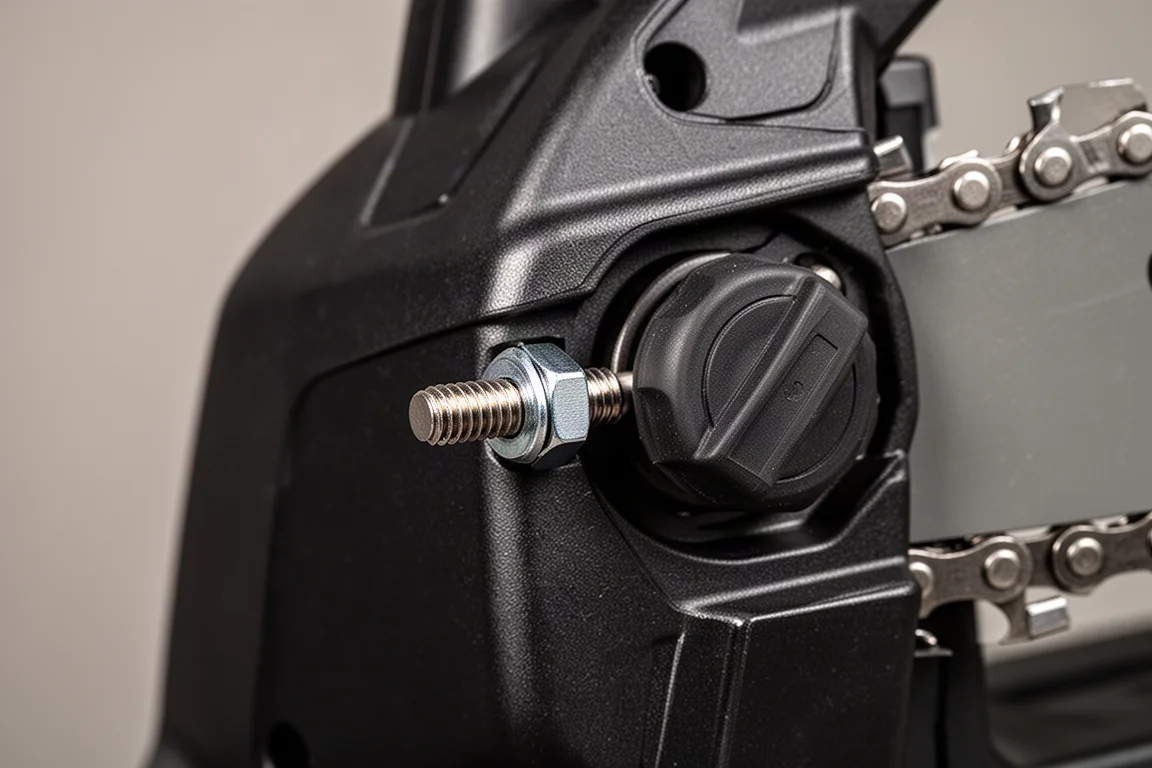
Chain tensioning uses a simple adjusting screw, and the bar cover nut is captive, which is a nice touch. The power button also flashes red when the saw has overheated, stalled, or the battery is flat, giving you useful feedback.
Buying Advice
Use a 5Ah 40V battery if you plan on serious cutting volume. It runs significantly cooler than the 2.5Ah pack, so the saw will cut out less and the pack should last longer overall. If your work is mostly short, light tasks, the lighter 2.5Ah pack is perfectly usable.
The 40V top handle is the natural choice if you do any climbing, pruning, or overhead work. If you mostly cut at waist height and want maximum comfort, a rear handle version of the 40V line may suit you better, and Makita’s 40V rear handle replacement promises even more grunt than this saw.
Conclusion
The Makita UC004G 40V XGT arborist chainsaw is a genuinely capable saw that outcuts the 18V alternatives, stays light at 3.2kg without a battery, and performs well under sustained pressure. Its main quirks are battery heat under hard abuse, a slightly awkward new oil cap, and the need to buy batteries and a charger separately. For anyone already in the XGT ecosystem who wants a compact, fast-cutting top handle saw, this one is easy to recommend.
Product link
View more details for Makita UC004G 40V XGT Arborist Chainsaw
This product is mentioned in the review. Check the specifications, options, and compatibility before buying.
View more details for Makita UC004G 40V XGT Arborist ChainsawFurther reading
Related Reviews

Power Tools
Best 1-Inch Pistol Impact Wrenches: Three Heavy-Duty Options Compared
We compare three 1-inch pistol impact wrenches, from a budget-friendly Harbor Freight model to a premium Caterpillar unit, to help you choose the right one.

Power Tools
Best 3/4-Inch Impact Wrenches 2026: Five Contenders Compared
We compare five 3/4-inch impact wrenches across price and performance, from a budget Amazon option to Snap-on's most powerful model yet.

Power Tools
Best Budget Cordless Tools 2026: Walmart Finds That Punch Above Their Price
We tested five cordless tools from Walmart, including a high-torque impact wrench that trades blows with Milwaukee and a $35 duster that outperforms its price class.