Power Tools
Makita TR00001G XGT Rebar Tier Review: Faster Ties, Thicker Wire, Same Caveats
The XGT rebar tier steps up to 1.6 mm wire and a new tying mechanism, but tightening force still leaves room for improvement.
Introduction
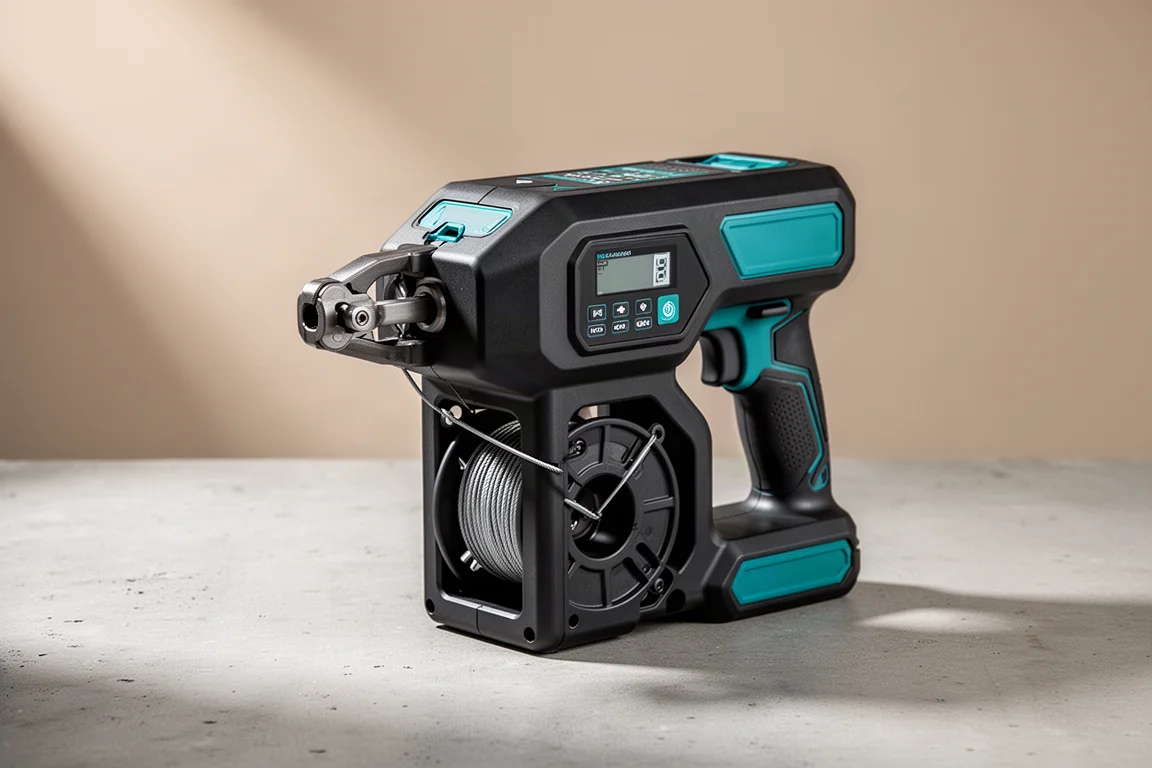
Rebar tying by hand is one of those jobs that quietly wrecks your hands, wrists, and back. A cordless rebar tier exists to solve exactly that problem, and Makita’s latest entry in the category is the TR00001G on the 40V max XGT platform (sold as the GRT01 in the United States). This new model marks a clear departure from the earlier LXT rebar tiers, and after spending real time with it, we have a fairly complete picture of where it improved and where it still falls short.
What’s New with the TR00001G
The most obvious change is the wire itself. This tool uses 1.6 mm (16 gauge) tie wire, a noticeably thicker gauge than the thin wire used by previous Makita rebar tiers. The overall form factor has changed too: instead of the wire reel sitting up top, it now sits low in the body, feeding up through the front, and the tying mechanism at the nose works very differently from earlier iterations.
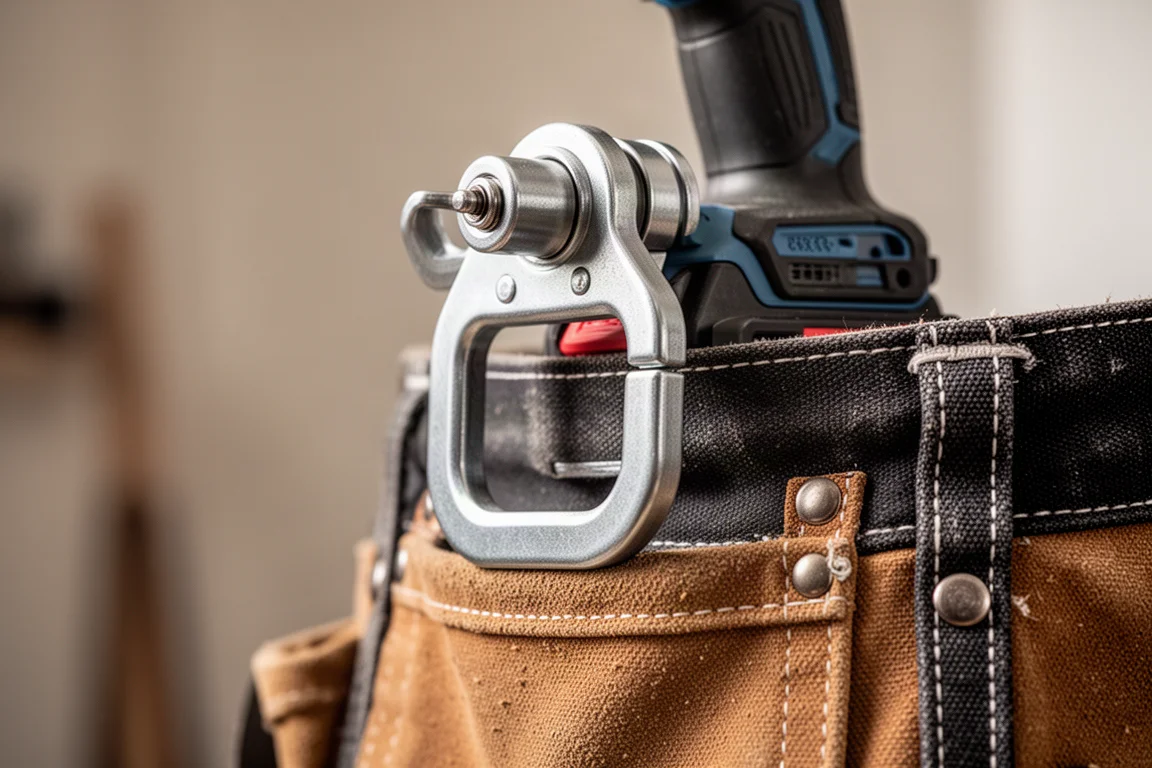
The tool feels more solid than its predecessors, which had a lot of small moving parts. It runs on all 40V max XGT batteries, and with a full roll of wire and a 2.5Ah-class 40V battery fitted it weighs about 4.15 kg, so it stays manageable on the belt thanks to a large integrated hook. Wire rolls are sold in 8-packs and 32-packs at roughly 12 to 18 per roll, which works out to around 6.25 NZ cents (about 3.5 US cents) per tie at typical settings.
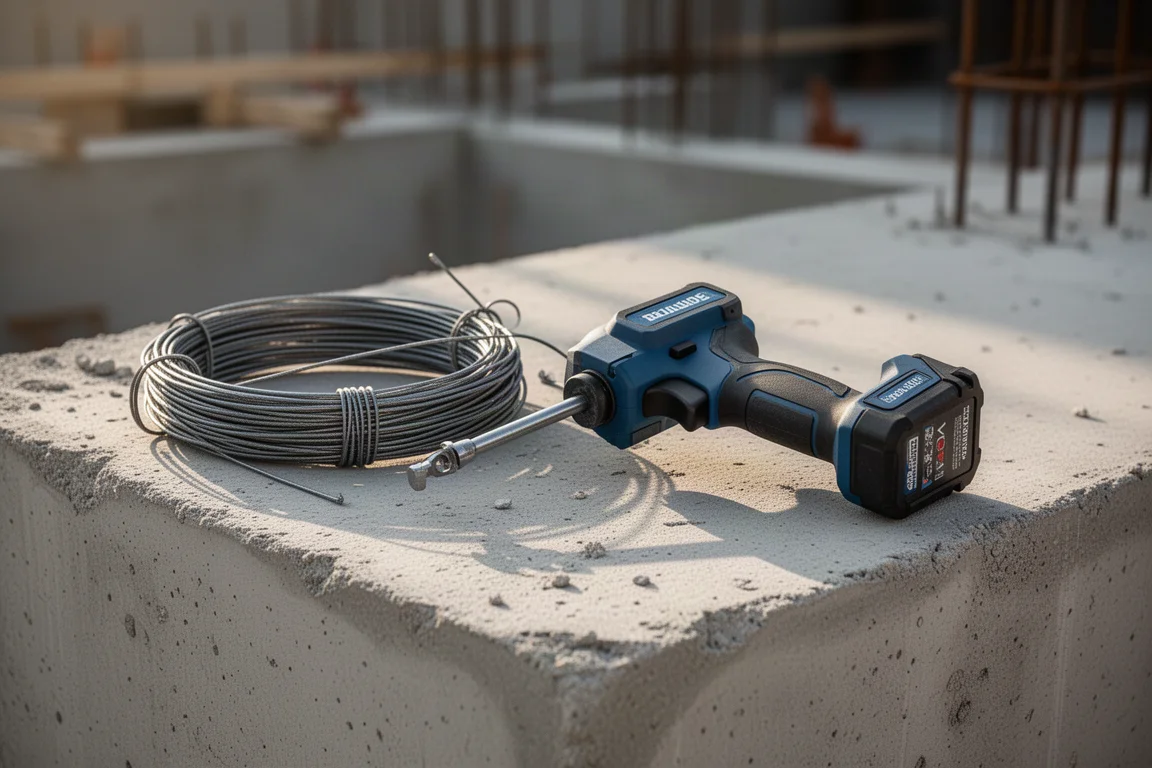
The package is generous. Even bought as a bare tool, it comes in a large case with room for a charger, a couple of batteries, spare wire, and a small bottle of oil. That oil matters: the front mechanism collects metal fragments and filings, so regular blow-outs and lubrication are part of the maintenance routine.
How It Ties and What It Can Handle
Operation starts with threading the wire through the front and up past a small window, which has a sensor on it. If the window is not secured, or if one of the side flaps is open, the tool will refuse to run and scream an error code at you. A permanent trigger lock slides side to side rather than needing to be pressed each time, and the control panel lets you cycle tie strength from 1 (weakest) to 6 (strongest), along with displaying error codes.
Tie capacity is respectable. You can tie combinations up to 35 mm rebar (number 11), though not two 35 mm bars together. Two 25 mm (number 8) bars are no problem, and smaller combinations are even easier: four pieces of 10 to 16 mm rebar in one go, three 19 mm bars, or 32 mm paired with 16 mm. Makita claims approximately 240 ties per roll at 10 by 10 mm, around 190 at 16 by 16 mm, and about 140 for a 32 by 16 mm combination.

The tier is also forgiving about placement. If you set it against rebar slightly off-center, the nose pulls the bars in before tying, so you do not need to be surgically accurate. One useful habit from manual tying still applies: alternate the direction of your ties, or the connections can swivel.
Where It Falls Short
The headline disappointment is tightening force. Even on setting 6, the strongest mode, ties on loose test joints could still be wiggled free by hand. On thin stock like a framing nail or 6 mm rod it got close to snug, and when the bars were already held tight the result felt genuinely good, but on loose, crossing rebar the ties simply do not pull up as firmly as a hand tie. It is still a step up from the LXT models, which left even more slack, but a top setting that stops short of breaking the wire would be the ideal. It remains somewhat hit and miss, and on larger bundles you also get fewer twists, sometimes only two or three winds compared with seven or eight on smaller material.
Things to Consider Before Buying
Speed is the real selling point. If a tie is not tight enough, you can simply pull the trigger again and again, and the fast cycle time makes that a practical fix in a way it never was by hand. The tool even pulls off-center bars into place before tying, which reduces fumbling. For anyone who has finished a day of hand tying with a clawed, aching grip, the time saved on the body is the strongest argument for the whole category.
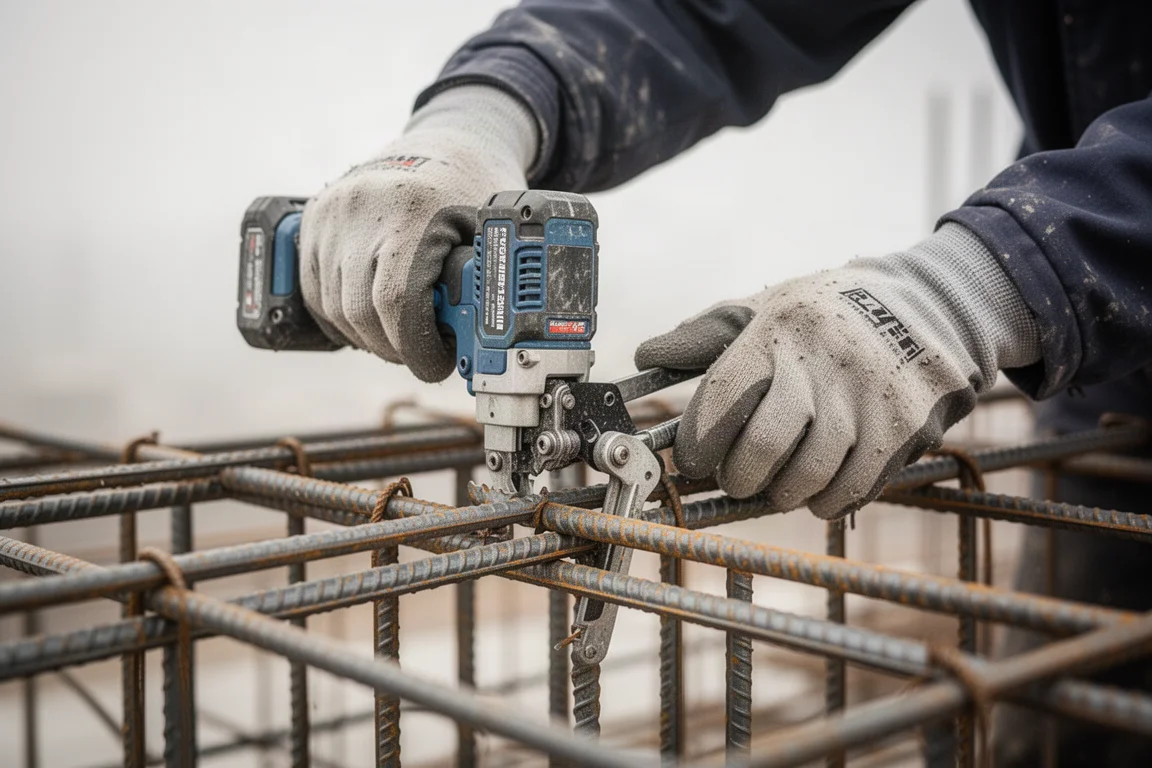
A few cautions are worth knowing before you buy. This tool is not rated for wet conditions like many modern Makita tools, so keep it out of the rain. It also trims wire off with every tie, firing small metal clippings, some several millimeters long, so eye protection is not optional. And while it feels more robust than earlier versions, it is still a delicate-class tool for its environment: crews who abuse their gear will face downtime and repairs, and careful handling is what keeps it productive.
Everyday Usability and Durability
At just over 4 kg with battery and wire, it is lighter than a framing nailer and reasonably comfortable on the belt, though it grows hefty once loaded. The sprung side flaps open as you withdraw the tool, releasing wire that sticks out at odd angles, which keeps the nose from jamming between ties.
Maintenance is straightforward if you stay on top of it: blow out the front mechanism, apply the included oil regularly, and keep both sensor covers closed. The tool also proved surprisingly versatile at low settings, neatly bundling soft bamboo canes in the garden, though that is a bonus rather than a reason to buy.
Buying Advice
If your work involves hours of rebar tying, this tool will save your hands and arms, and it is clearly a better machine than the previous LXT tiers thanks to the thicker wire, more solid build, and faster cycle. Just go in knowing the tightening force on the loosest joints is its weak point, and that it demands careful treatment and regular lubrication. If you can wait, a future iteration may finally nail the tightening department, but for now this is a genuine improvement worth considering for production tying work.
Conclusion
The Makita TR00001G XGT rebar tier takes a meaningful step forward with thicker 1.6 mm wire, a redesigned nose mechanism, and a more solid feel, while keeping the weaknesses of the category: ties that are not always as tight as hand work and a body that wants to be treated gently. For crews tying rebar all day, the comfort and speed savings easily justify a closer look.
Product link
View more details for Makita TR00001G (XGT) Rebar Tier
This product is mentioned in the review. Check the specifications, options, and compatibility before buying.
View more details for Makita TR00001G (XGT) Rebar TierFurther reading
Related Reviews
Power Tools
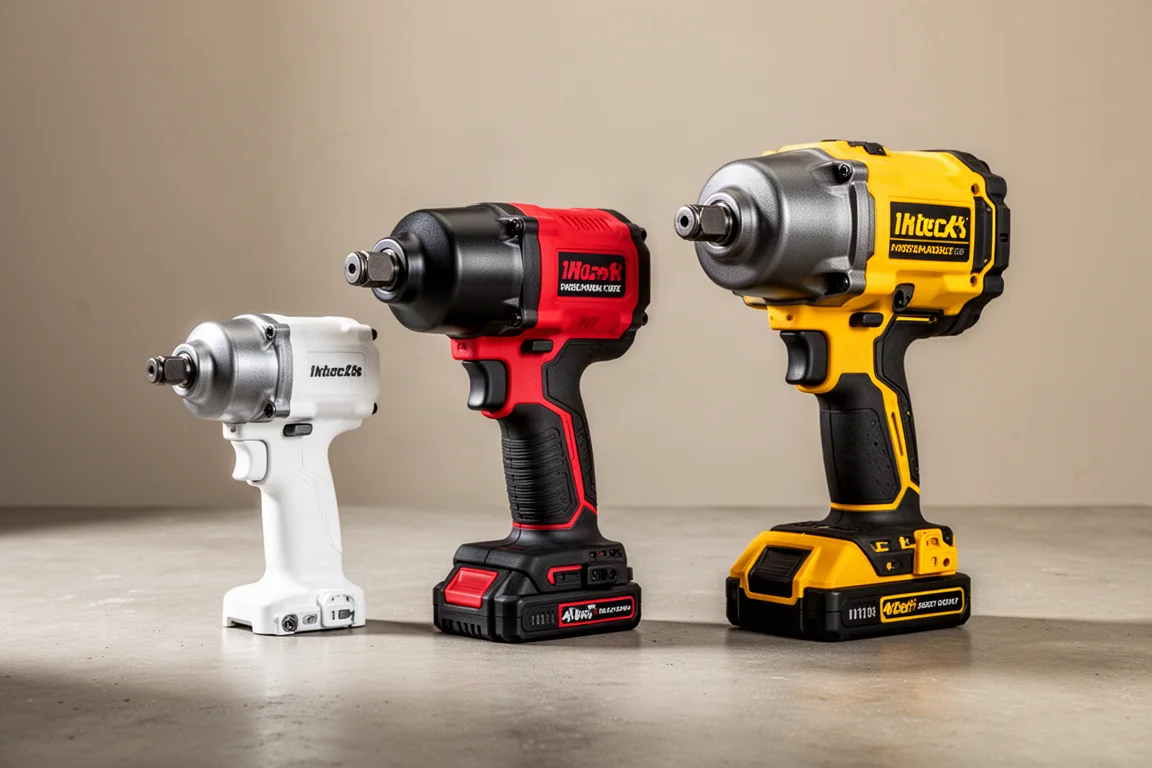
Best 1-Inch Pistol Impact Wrenches: Three Heavy-Duty Options Compared
We compare three 1-inch pistol impact wrenches, from a budget-friendly Harbor Freight model to a premium Caterpillar unit, to help you choose the right one.
Power Tools
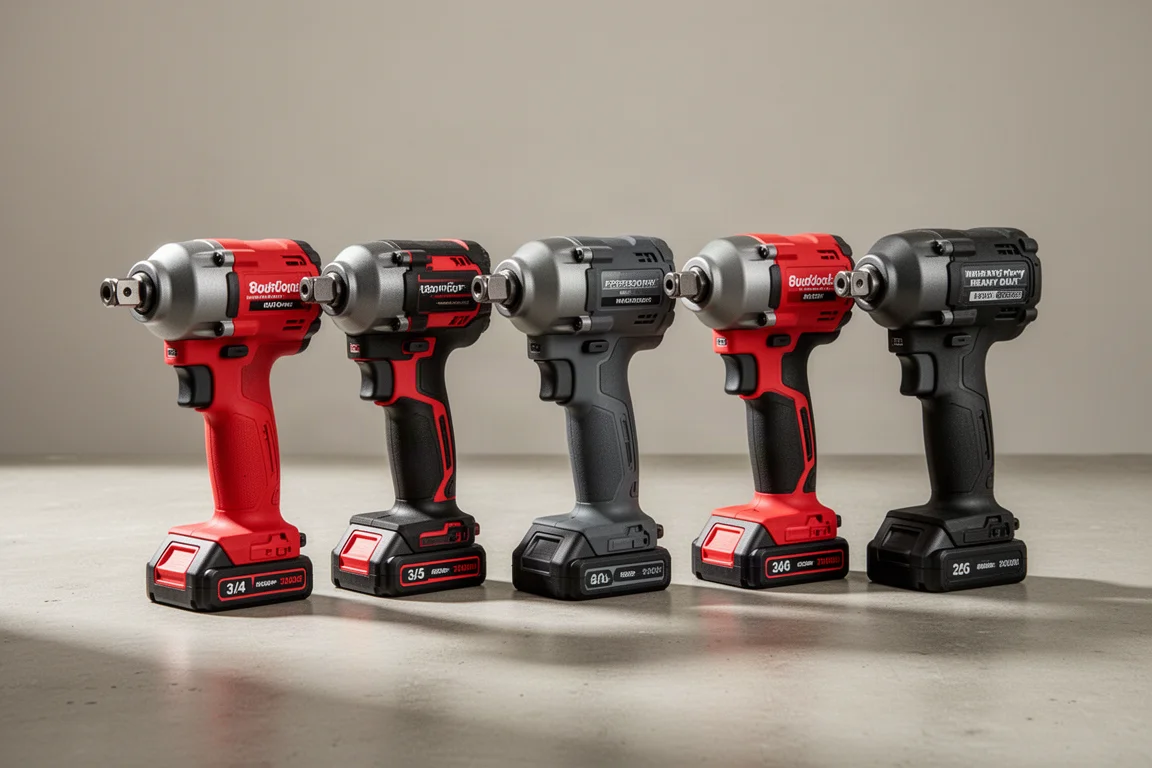
Best 3/4-Inch Impact Wrenches 2026: Five Contenders Compared
We compare five 3/4-inch impact wrenches across price and performance, from a budget Amazon option to Snap-on's most powerful model yet.
Power Tools
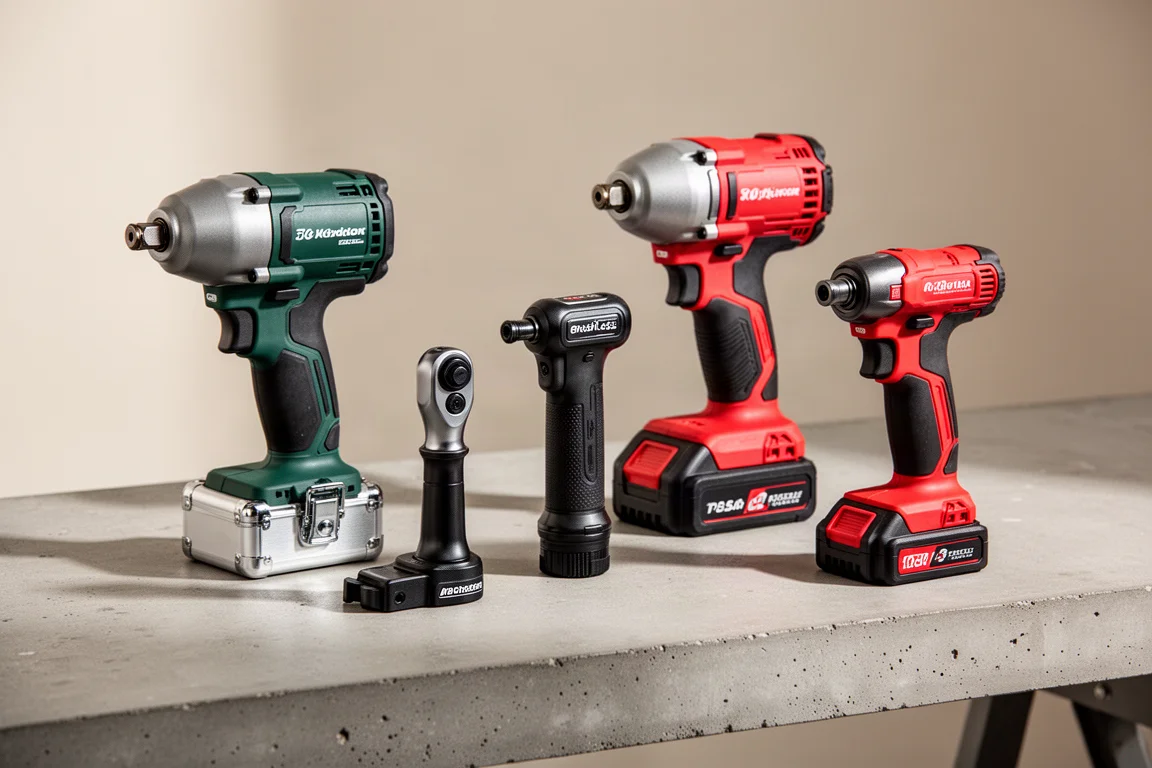
Best Budget Cordless Tools 2026: Walmart Finds That Punch Above Their Price
We tested five cordless tools from Walmart, including a high-torque impact wrench that trades blows with Milwaukee and a $35 duster that outperforms its price class.