Power Tools
Makita Tools That Are Hard to Recommend: 5 Picks Where Rivals Do It Better
Even loyal Makita users have a short list of tools they skip. Here are five of them, with the alternatives that make more sense.
Introduction
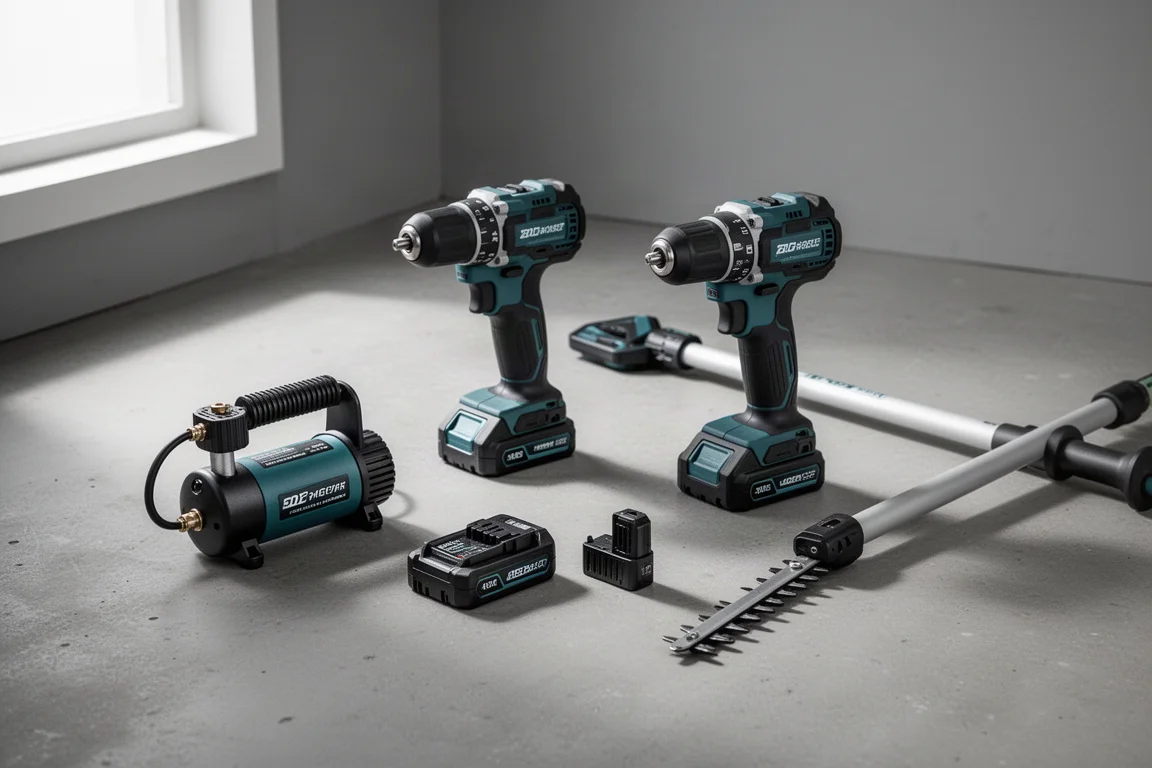
No brand gets everything right. Even the most devoted Makita users tend to keep a short mental list of tools where the price, the power, or the packaging simply does not hold up against what DeWalt, Milwaukee, or Metabo HPT offer for less money. This list covers five of those tools, drawn from years of hands-on use across multiple battery platforms.
The pattern behind every entry is the same: the Makita version is either priced well above comparable tools, underpowered for its class, or sold in a way that makes poor value a near certainty.
How We Evaluate These Picks
Three questions drive every pick on this list. First, does the tool deliver performance in line with its price? Second, is there a competitor that matches or beats it for meaningfully less? Third, does the way Makita sells it, whether tool-only or bundled, create extra cost for the buyer?
When a tool fails all three, it earns a spot here.
Makita DMP180 18V LXT Inflator
Makita’s 18V inflators, including the DMP180 and the slightly larger DMP181, are expensive for what they do, and they share a frustrating limitation: there is no auto-stop function. You have to hold the trigger the entire time, which gets tiring on larger tires and makes it easy to overshoot a target pressure. The comparable DeWalt inflator adds auto-stop, though it still lacks the fill speed of the best options on the market.
The standout alternative is the Milwaukee M18 inflator, which we cover below. It fills large truck tires quickly and was available for around $200 with two 5.0Ah batteries and a charger during a holiday sale.
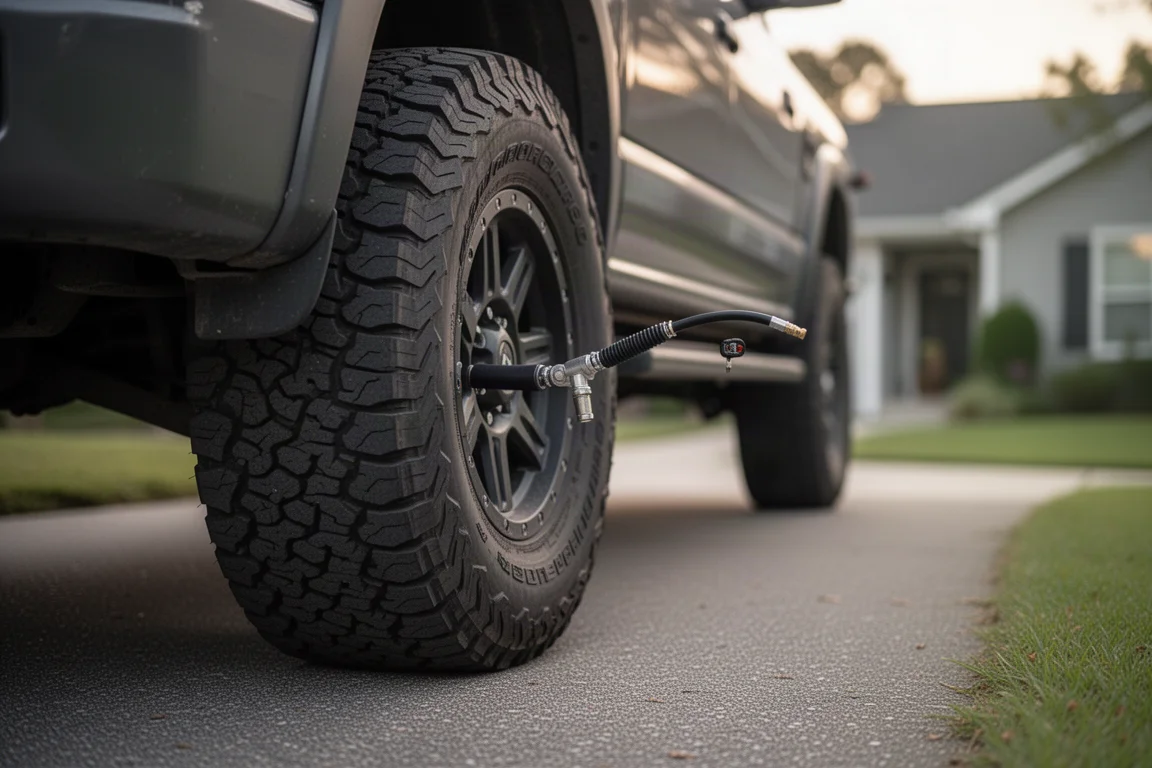
If Makita’s inflator dropped in price or picked up auto-stop, it would be far easier to recommend. As sold today, faster and better-equipped rivals exist at similar or lower prices.
Milwaukee M18 Inflator
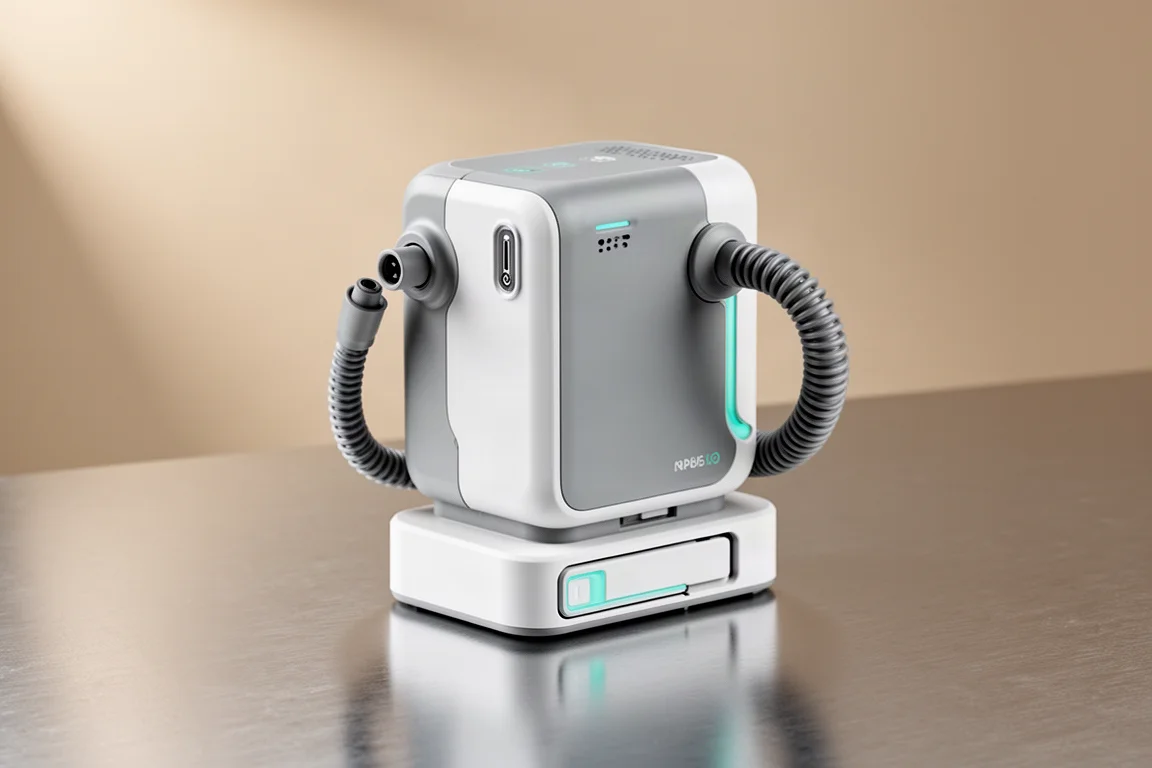
This is the inflator that sets the benchmark. At $200 with two 5.0Ah batteries and a charger during holiday sales, it out-fills every other cordless inflator tried so far, including the Makita and DeWalt options. Truck tires on a Ram 2500 fill with no problem, and the whole process is dramatically faster than any rival.
Most of the year it sits closer to the Makita’s price, but the holiday discount plus a five-year warranty and two substantial batteries make it the clear pick when the deal appears.
Makita 12V CXT Brushless Drill and Impact Kit
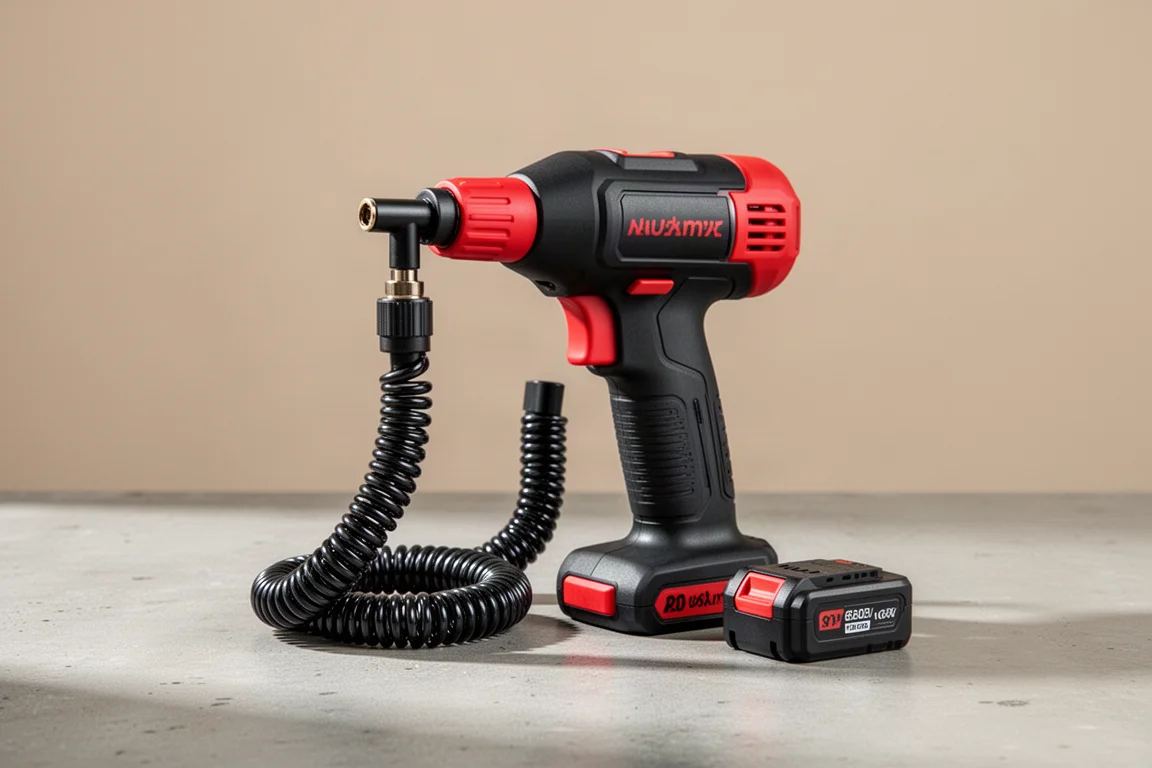
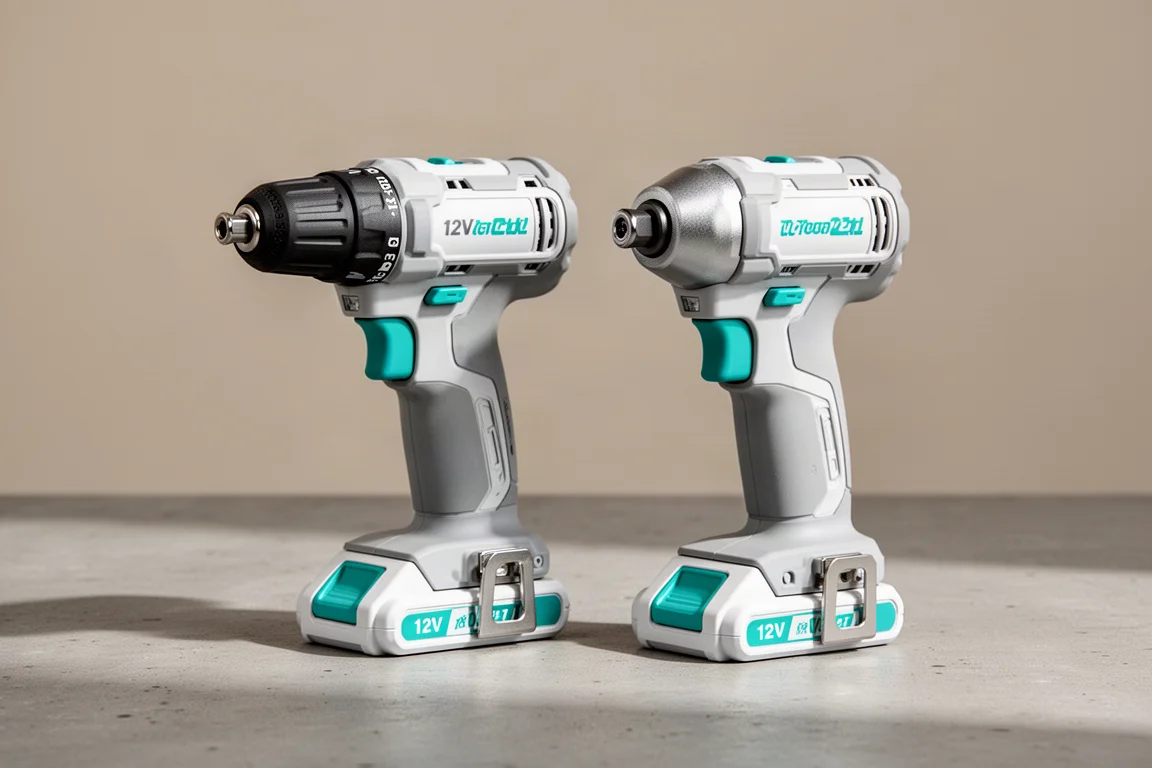
Makita’s 12V line is not bad, but the brushless tools are priced at a level that undermines the whole point of a compact platform. The brushless 12V drill and impact kit runs about $200, while Makita’s own 18V impact drivers can be found for around $100, and some 18V sub-compact kits go for $99. Paying more for less power makes no sense within the same brand, let alone across brands.
Competitors sharpen the problem. DeWalt’s 12V kit, with the same two batteries included, sells for roughly $100 and delivers more power. Metabo HPT’s sub-compact tools are also cheaper and better supported, with a strong warranty behind them. With only around 30 reviews on Home Depot’s site, this kit clearly is not flying off shelves either.
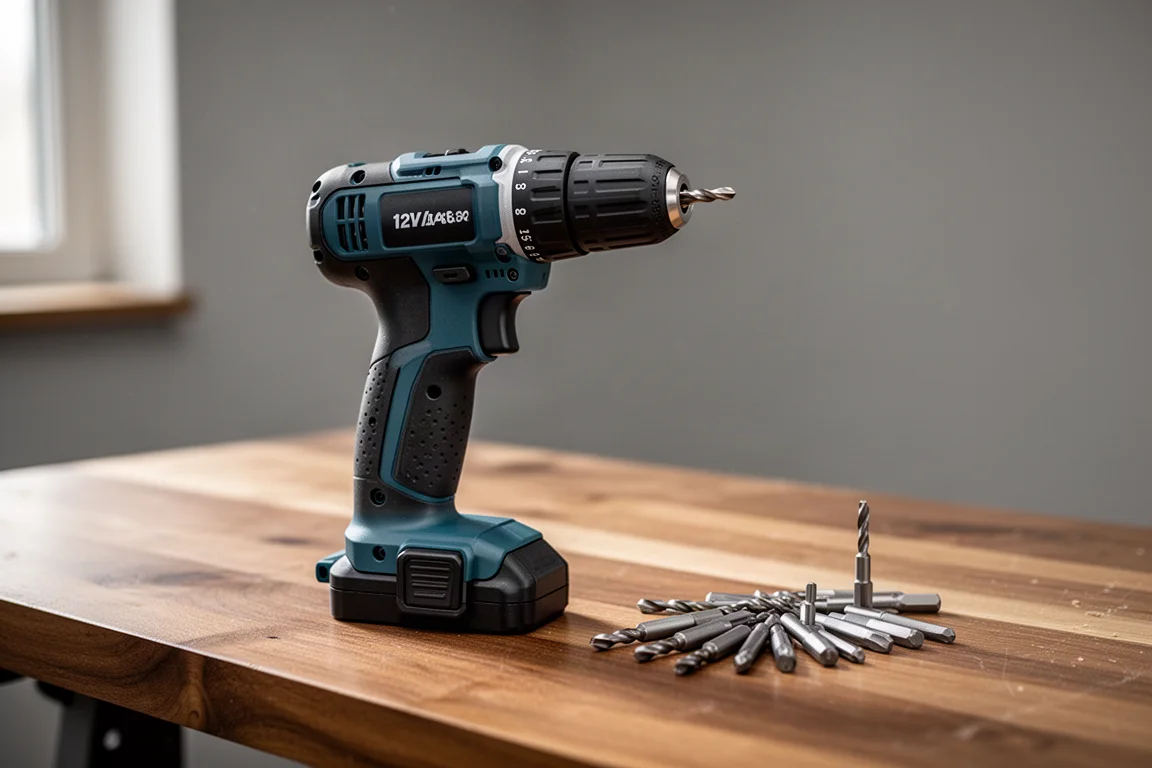
For compact cordless work, DeWalt or Metabo HPT give you more power, a lower price, and better warranty coverage. The Makita 12V brushless kit is simply hard to justify.
Makita 18V LXT 6.0Ah Batteries
Here is a puzzle that affects nearly every Makita owner: the 6.0Ah batteries are not included in any kit. Not the mowers, not the grinders, not the chainsaws, not the SDS hammers. They are only available as standalone purchases, and standalone is where the value falls apart. A single 6.0Ah battery costs $209, and a two-pack runs $379, well over $400 with tax.
Compare that to the rest of the LXT lineup: a Makita 36V mower comes with four 4.0Ah batteries for $400, and 36V rear-handle or top-handle saws sell between $250 and $300 with four or five amp-hour packs included. Paying roughly double for one extra amp-hour per pack defies logic.
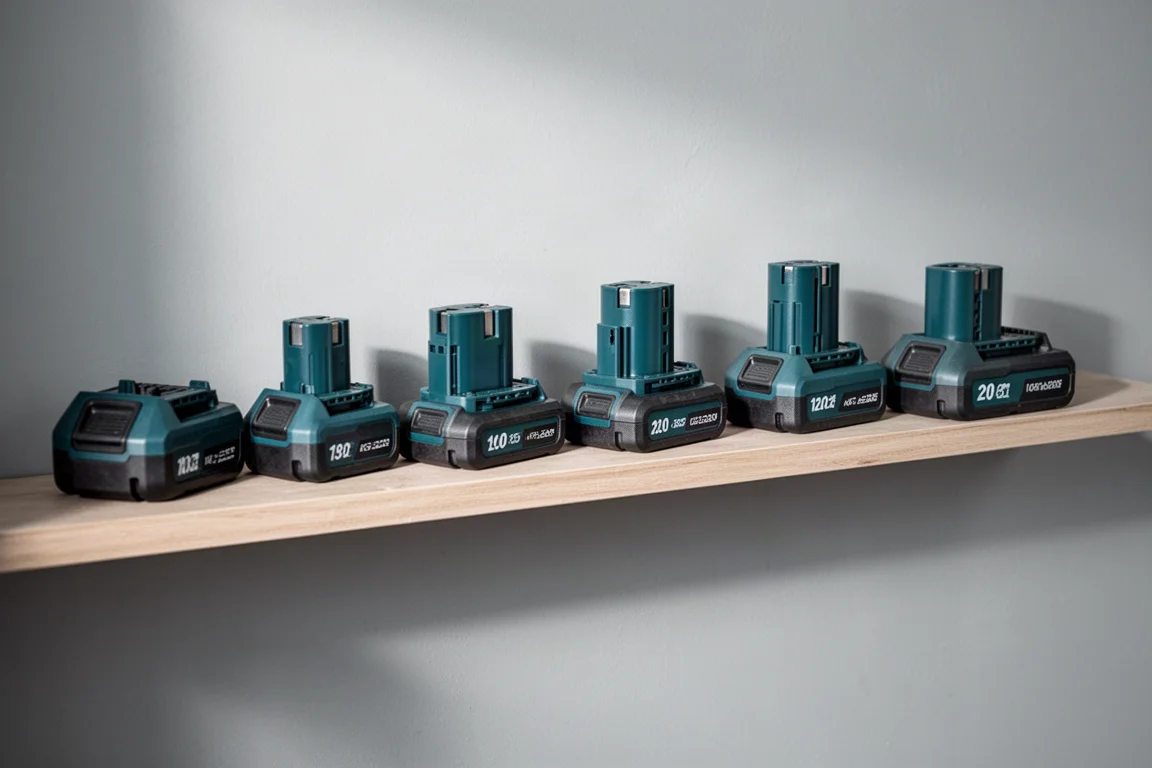
The practical advice is simple: skip these unless Makita ever puts them in a kit, which has not happened yet. Buy the tools that bundle 4.0Ah or 5.0Ah packs and you get more batteries and more tool for the same money.
DeWalt 20V Max Pole Saw
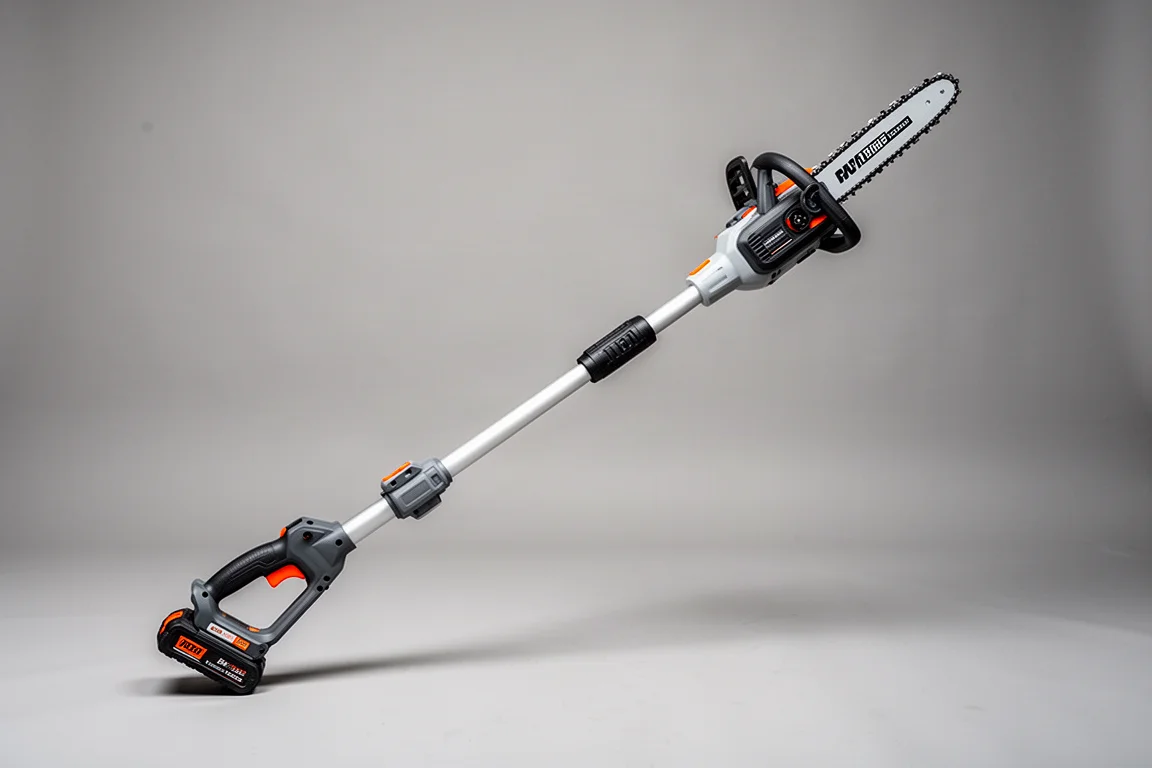
Pole saws take abuse. They get caught in branches, jammed, bent, and dropped, and they break the same way regardless of brand unless you are a professional tree crew running them daily. That reality makes Makita’s 36V pole saw, at $489 tool-only with no batteries or charger, almost laughably expensive. With tax, it pushes past $500 before you can even use it.
The DeWalt 20V Max pole saw was picked up instead for around $140 tool-only on eBay, using batteries already on hand. After a couple of years of occasional use, it has handled every job asked of it and remains in excellent condition. Milwaukee and EGO also offer cheaper alternatives than Makita’s asking price.
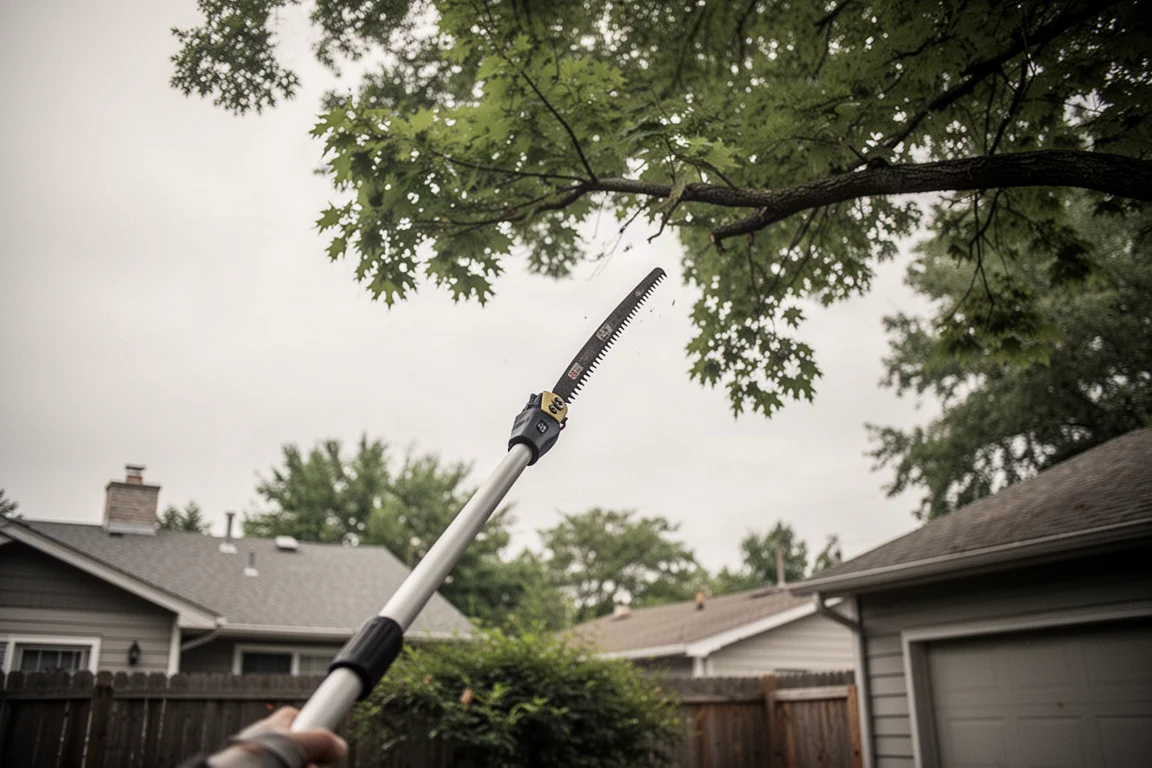
If Makita’s version were around $250, it would be a reasonable buy. At nearly $500 tool-only, it is a hard pass for anyone who uses a pole saw a few times a year.
Buying Advice: When to Cross Brand Lines
Staying loyal to a single battery platform is convenient, but no brand wins in every category. Running two or three battery lines is often the smarter play, because the best-value tool in a category frequently sits outside your main ecosystem.
The broader lesson from this list applies to any brand, whether DeWalt, Milwaukee, or Makita: before buying, check what the same money gets you elsewhere. A cheaper tool with better features, a stronger warranty, or stronger reviews is worth the extra battery charger in the drawer.
Conclusion
Makita makes plenty of excellent tools, but these five show where the value breaks down: an inflator without auto-stop at a premium price, a 12V kit undercut by its own 18V lineup, batteries sold only at worst-case pricing, and a pole saw that costs three times what a proven alternative does. Matching the tool to the deal, not the logo, is what keeps a workshop affordable.
Further reading
Related Reviews
Power Tools
Best 1-Inch Pistol Impact Wrenches: Three Heavy-Duty Options Compared
We compare three 1-inch pistol impact wrenches, from a budget-friendly Harbor Freight model to a premium Caterpillar unit, to help you choose the right one.
Power Tools
Best 3/4-Inch Impact Wrenches 2026: Five Contenders Compared
We compare five 3/4-inch impact wrenches across price and performance, from a budget Amazon option to Snap-on's most powerful model yet.
Power Tools
Best Budget Cordless Tools 2026: Walmart Finds That Punch Above Their Price
We tested five cordless tools from Walmart, including a high-torque impact wrench that trades blows with Milwaukee and a $35 duster that outperforms its price class.