Power Tools
Makita Tool Reliability Guide: The Tools That Keep Going and the Ones to Skip
A hands-on look at which Makita tools hold up on real job sites and which ones send themselves to the service center, from 12V CXT drills to the 36V chainsaw.
Introduction
Reliability is one of those things you only really learn after years of use, and after several years running Makita almost exclusively, with a mixed history of other brands before that, some clear patterns have emerged. This guide walks through the tools that have held up beautifully, the ones that regularly end up on a warranty bench, and a couple of products that simply do not feel built to the standard the brand is known for.
The picture below is based on real-world use in demanding conditions, including heavy Florida heat and lots of outdoor work, plus a visit to a local service center to see which Makita tools actually come through the door for repair.
Where the Service Center Sees Trouble
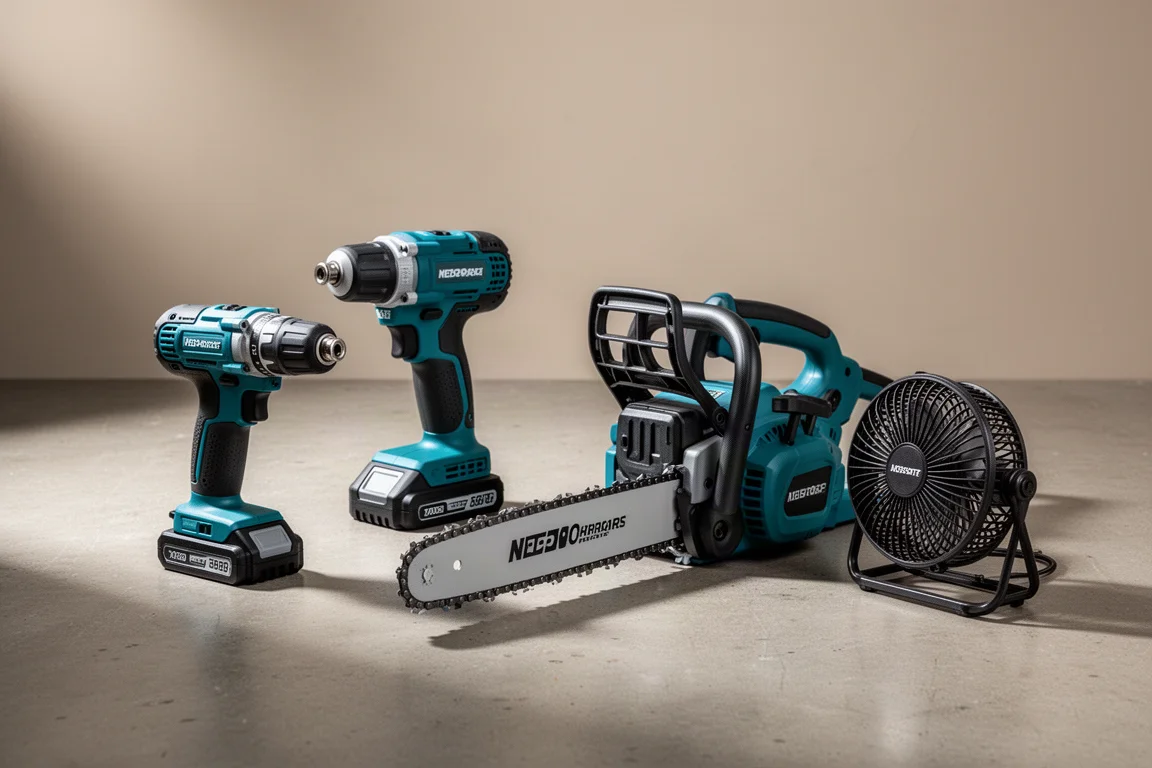
The most commonly serviced Makita tools tell an interesting story. Topping the list are the 12V CXT tools, most of which use brushed motors. That brushed design is the likely culprit: these are light-duty tools, not built for sustained heavy work, and they can be pushed past their limits fairly easily. Pushing a 12V brushed drill too hard can end with the motor burning out entirely. The upside is that Makita handled that kind of failure under warranty with no questions asked.
It is worth noting that brushless CXT options exist, but at that price point stepping up to the 18V platform often makes more sense, especially since the CXT ecosystem is built around smaller batteries and lighter tasks.
Least Reliable Pick: Makita 36V Chainsaw
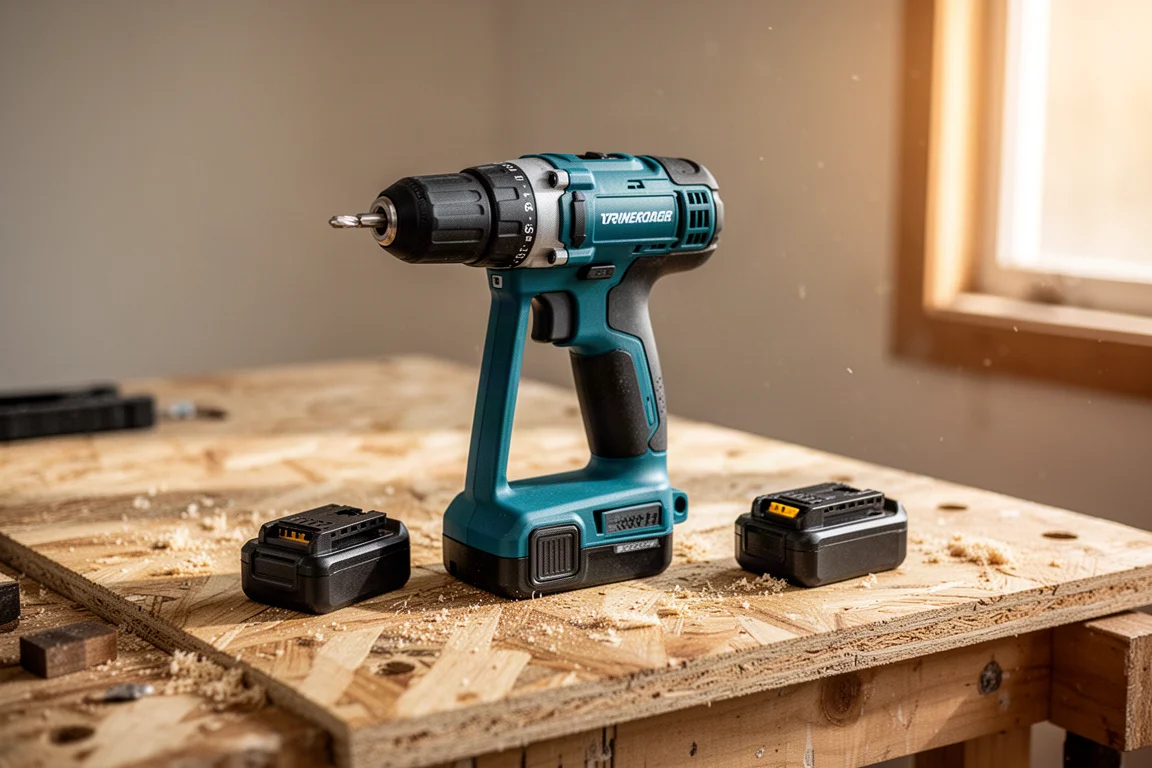
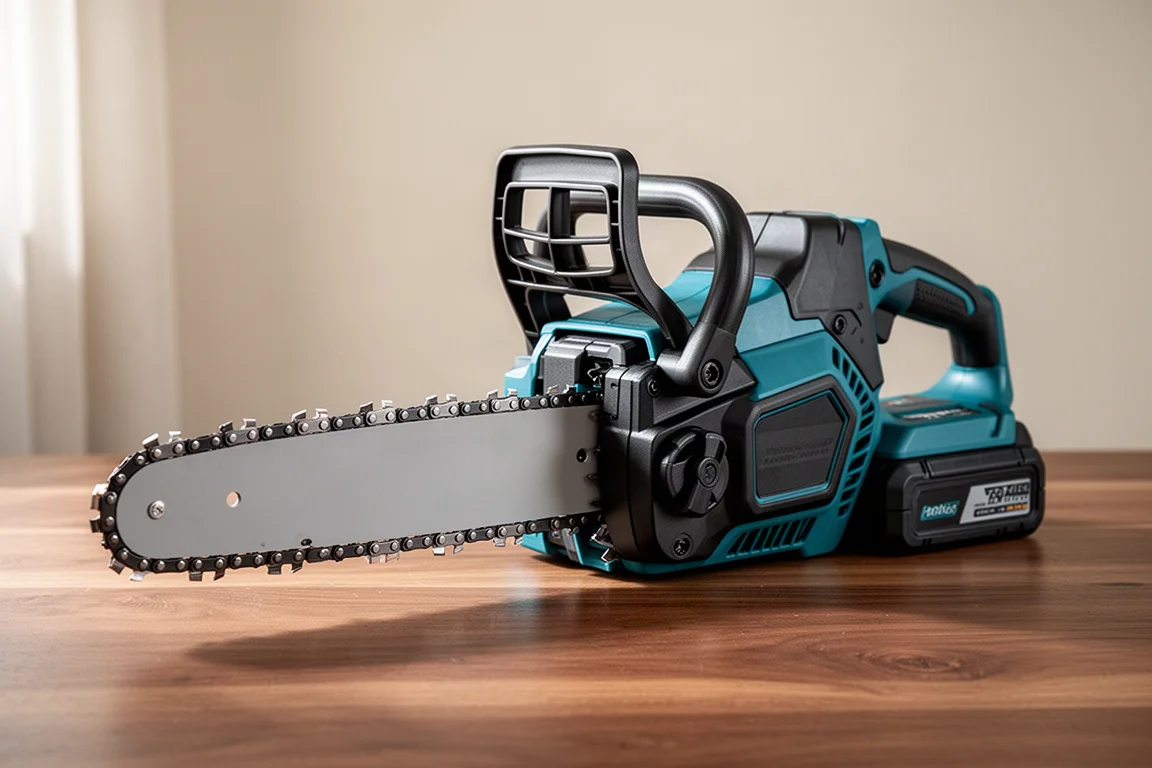
The single most disappointing tool in this experience is the 36V chainsaw. It never failed outright, but it constantly overheated. Working in 95-degree-plus weather most days, that motor would get hot enough to shut the saw down completely, leaving it inoperable for a good couple of minutes. The workaround used to be running two of these saws at once: one overheats, set it aside, grab the other.
Interestingly, that motor ran even hotter than the 40V chainsaws that replaced it. The newer chainsaw platforms have fixed the problem entirely, with no overheating even after burning through multiple batteries back to back. The difference is night and day, and the 36V chainsaw is the one Makita tool that is genuinely hard to recommend buying.
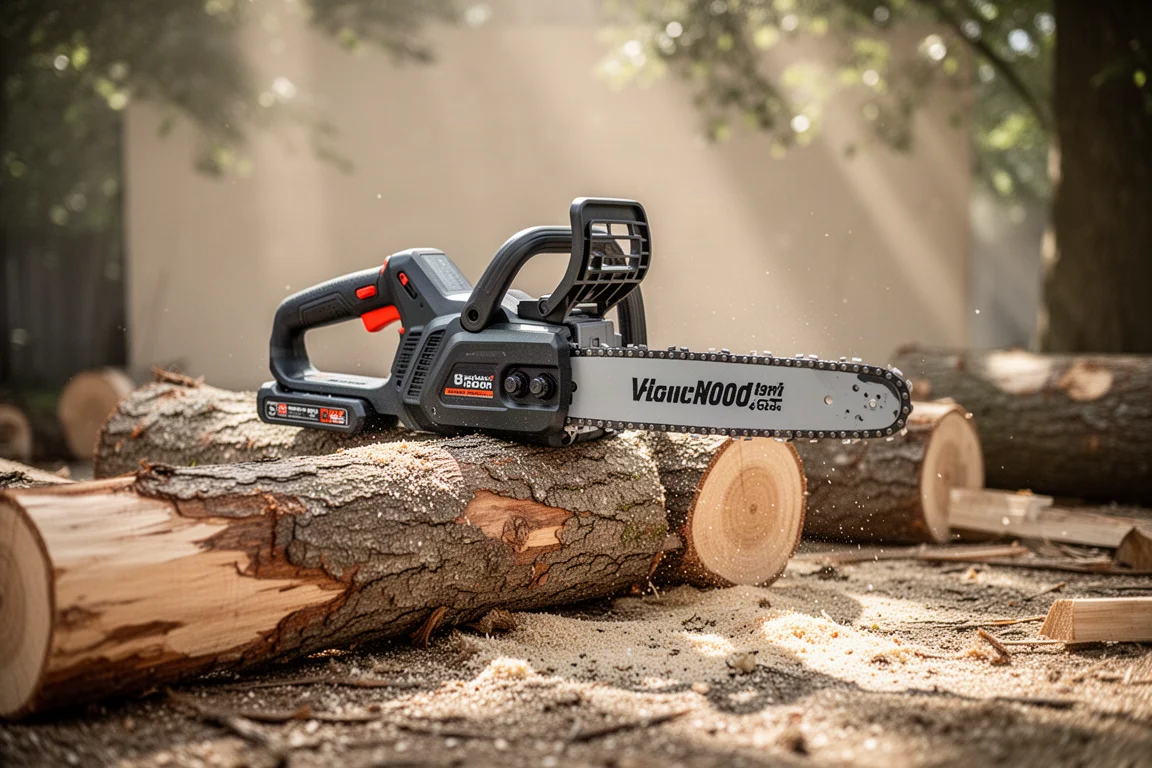
The newer XGT 40V-class chainsaws are the clear upgrade path here, delivering far better heat management and sustained cutting performance in hot conditions.
The XGT Chainsaw Alternative
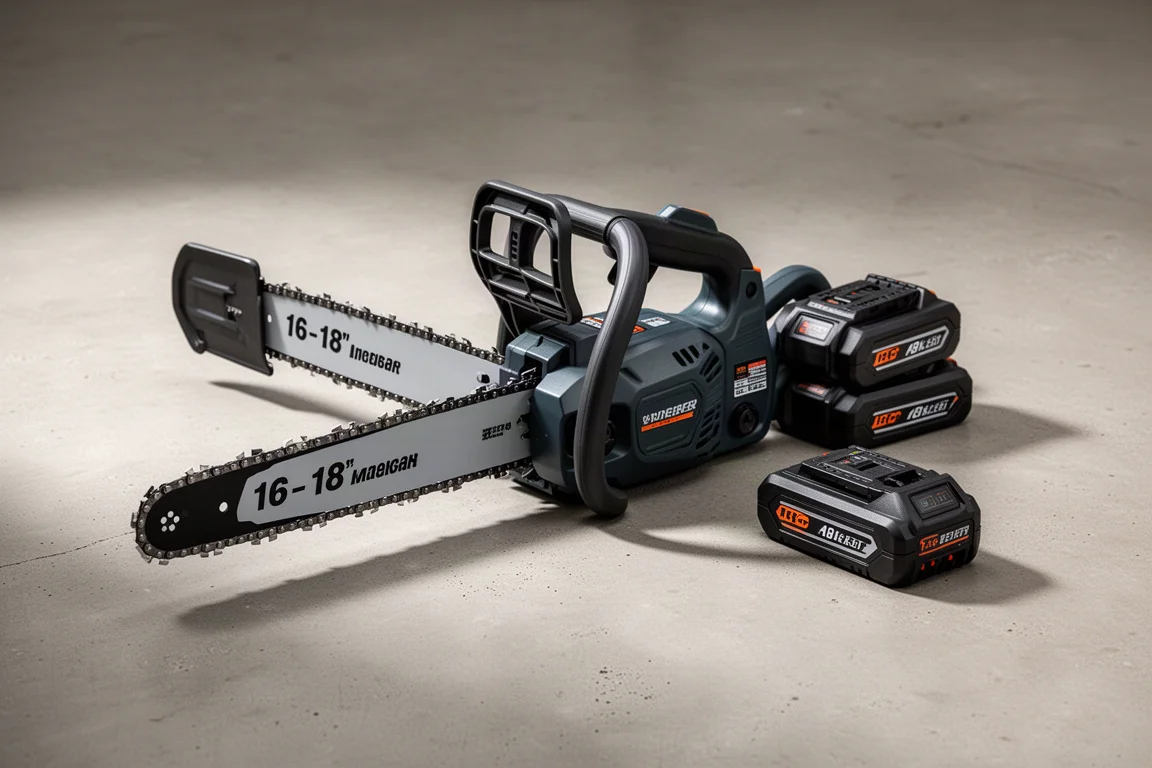
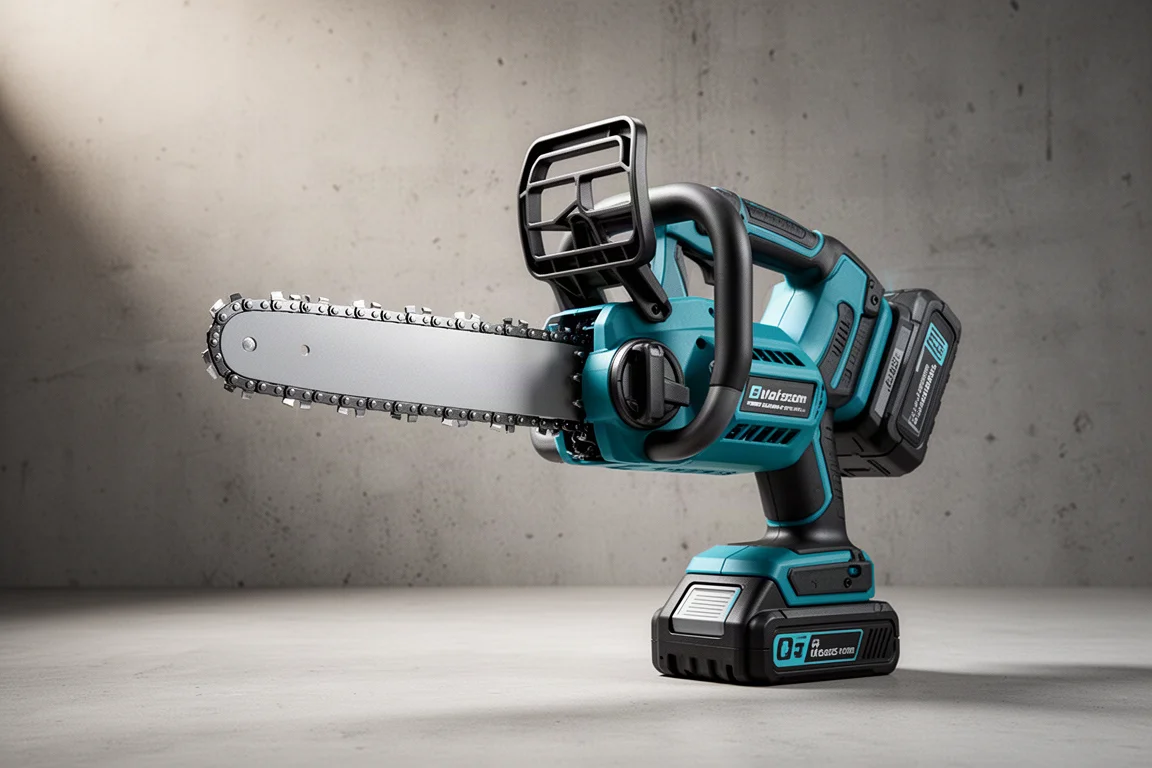
For anyone who wants the most current platform, the XGT chainsaws are the strongest option. After switching from the 36V saws, the difference in thermal behavior was immediate: multiple batteries run consecutively with zero overheating issues from the motor. For daily chainsaw work in hot climates, this platform simply outclasses the older 36V design.
The 40V Chainsaw Alternative
The 40V chainsaws solved the overheating problem nicely as well, running cooler than the 36V saws ever did. Anyone still considering an older 36V chainsaw purchase should weigh how much downtime that heat shutdown behavior can cause versus stepping directly into the newer 40V or XGT platforms.
Also Seen at the Service Center: Sub-Compact Tools
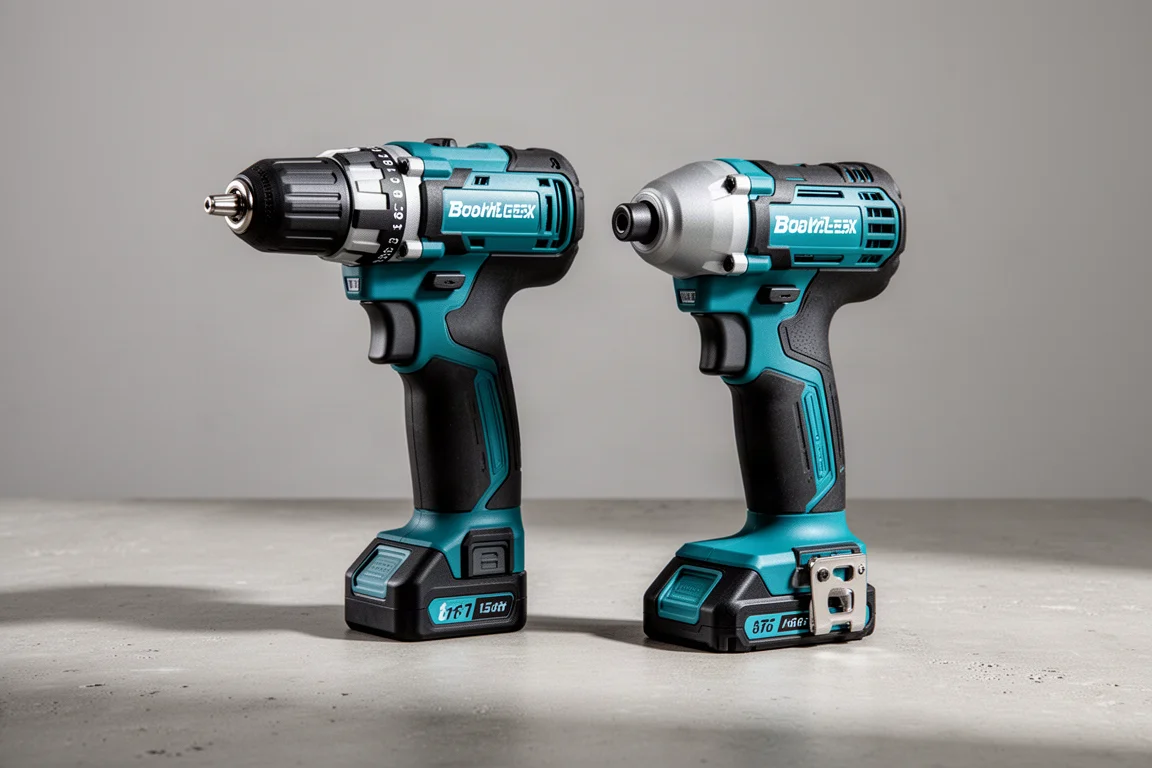
Sub-Compact tools came up as another regular warranty visitor, and that tracks with their design. These are essentially entry-level brushless tools, compact and lighter than the full-size line. The build quality has not been great in practice, with drills and impacts in this line breaking more often than any other LXT-class tool, including drops off ladders and simple heavy use.
These tools are also sold in a black colorway in Japan, while in the US the teal variants are far more common. For lighter-duty users they can still work fine, but anyone pushing them hard should consider stepping up to the standard 18V line instead.
Feels Below Makita Standard: Makita XT Jobsite Fan
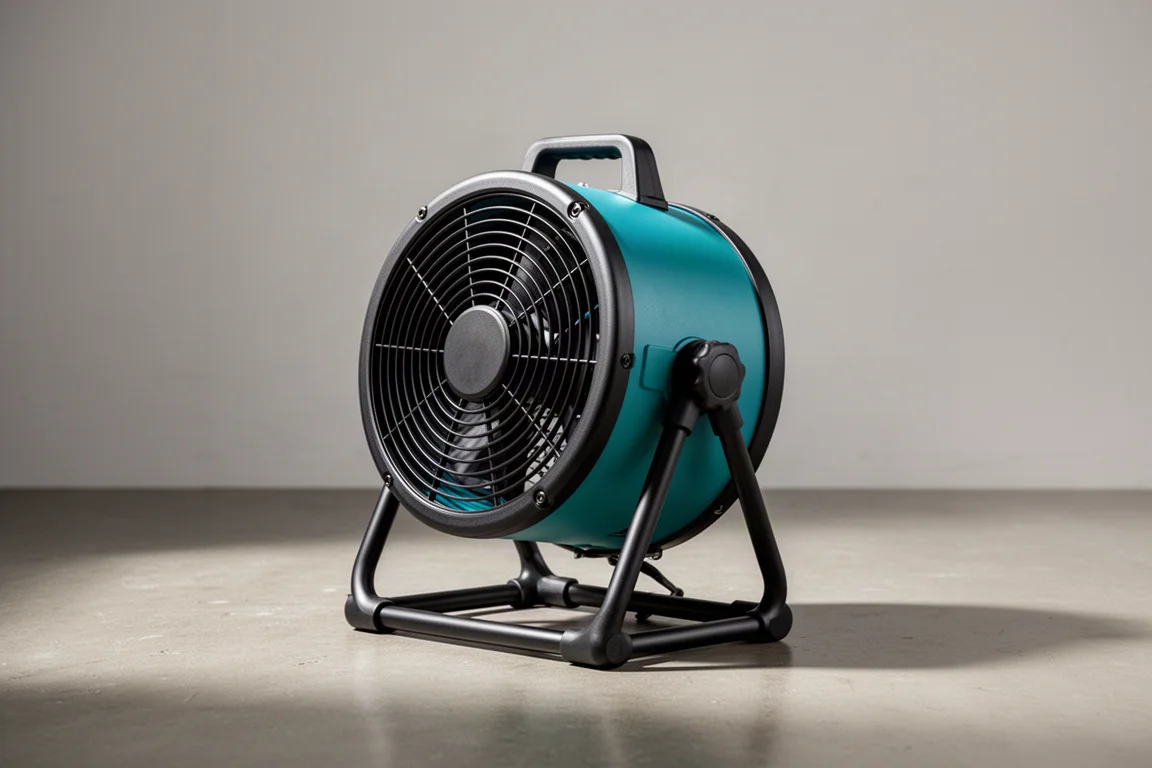
The XT jobsite fan is not unreliable so much as it feels undersized for its purpose. It wobbles noticeably, and the overall construction feels more like a household fan than something meant for a truck bed or job site. There are no bumpers on the sides or top, so any drop or anything falling on top of it is likely to end badly, and a drop is unlikely to be covered under warranty.
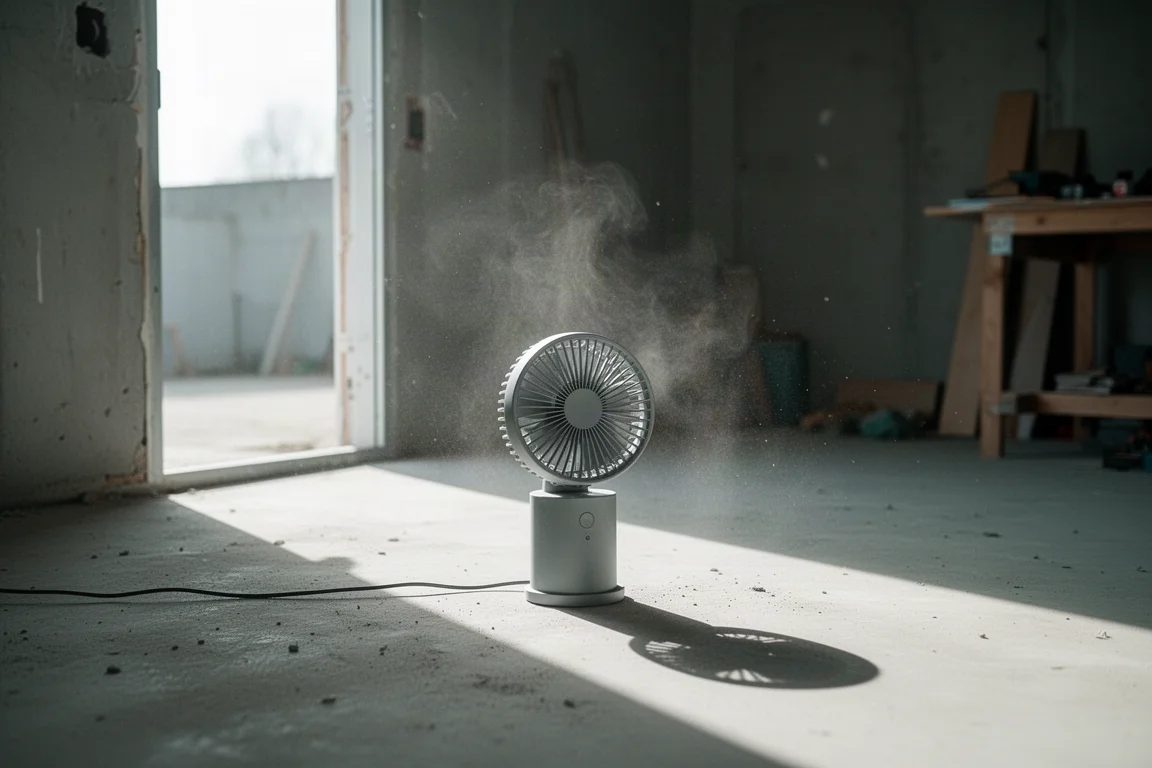
It does have an oscillating function, which is useful, but this is a tool best kept on a shelf rather than subjected to real jobsite abuse.
A Note on SDS Hammers
SDS hammers deserve a fair mention because they top the service list at nearly every brand, not just Makita. Heavy concrete work destroys them across the board, with some crews sending in a hammer a month for warranty regardless of brand. If a Makita SDS hammer ends up on the bench, that says more about the workload than the tool.
Most Reliable: Makita XPH11 Drill
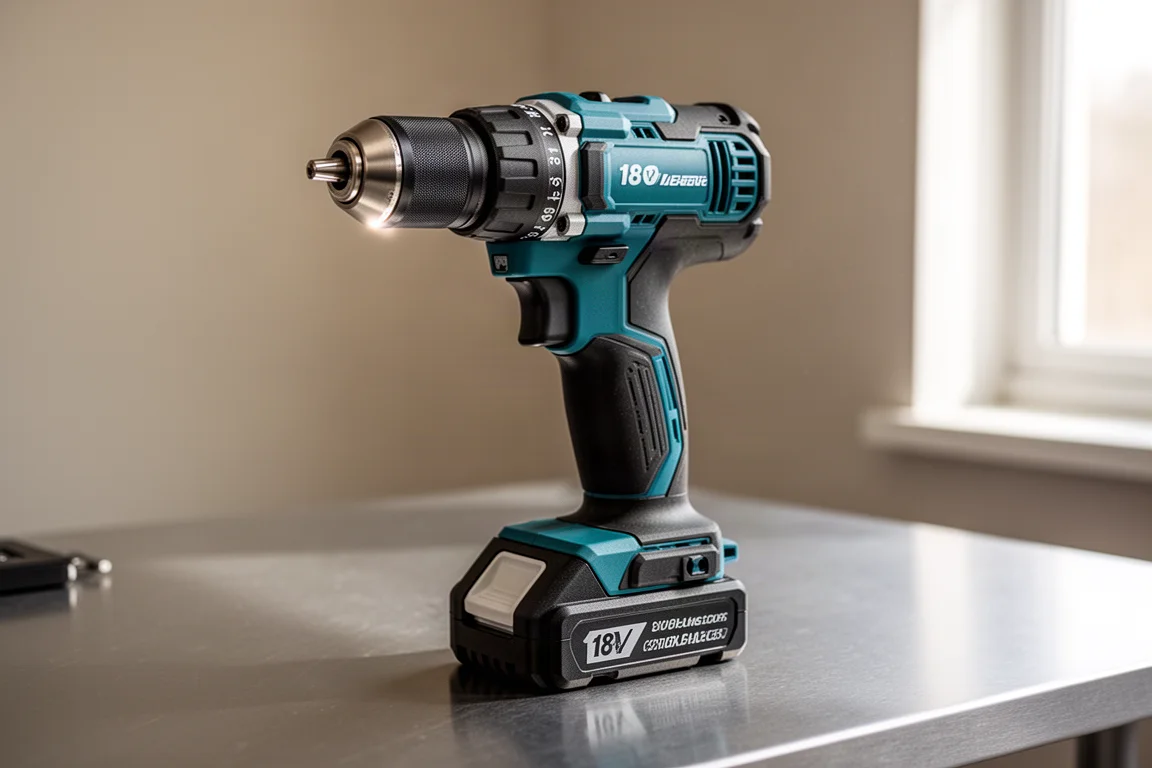
The XPH11 drill earns its reliability reputation the honest way. One of these eventually started grinding and failed, but a warranty repair fixed it, and it has worked flawlessly ever since. Across years of use with dozens of batteries and a wide range of tools, only a handful of warranty claims total, and a drill surviving a repair and continuing to perform is a good sign of a solid platform overall.
Most Reliable Pick: Makita XDT13 Impact Driver
Impact drivers are the standout reliability story here: not a single Makita impact has failed, ever. That includes one bought used, a dedicated dirty-work driver used around an RV near the black and gray tanks, tossed in dirt and mud, and generally abused. They are not IP rated like some competitors, but for outdoor work in brutal summer heat they have been absolutely rock solid.
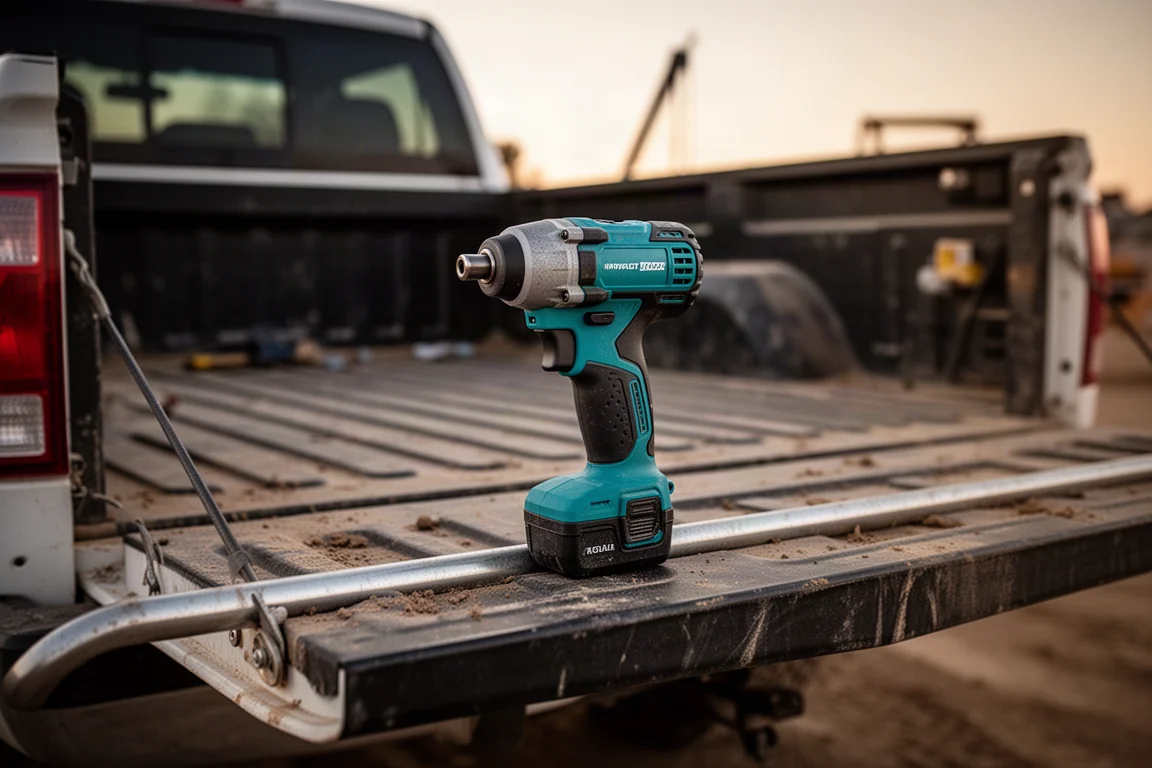
Extreme abuse like dropping one from a 20-foot ladder or running it over with a truck would probably break anything, but in normal hard use these drivers simply do not quit. That consistency is a big part of why this platform keeps earning its place on the job.
A Surprising Reliability Winner: Makita Coffee Maker
The Makita coffee maker is an unexpected winner. It does not get heavy use, but for hot water on demand, a single cup of coffee, or hot water for instant meals and tea, it just keeps going. The main trade-off is battery consumption: it burns through batteries quickly. Still, after plenty of use, not a single issue has come up with it.
View more details for Makita Coffee Maker (LXT/CXT Battery Powered)
Overall Buying Advice
Across roughly 60 to 70 batteries and years of nearly exclusive Makita use, the total number of warranty claims sits at about three: one brushed CXT drill, one 1.5Ah battery that stopped charging, and the XPH11 drill repair mentioned above. That is a far better record than the mixed-brand years before it, and it has come with more tools, more batteries, and heavier outdoor power equipment use.
The practical takeaway: stick with the mainline brushless 18V, 40V, and XGT platforms, be realistic about what 12V CXT brushed tools can handle, skip the 36V chainsaw in favor of the newer platforms, and treat the XT fan as a light-duty item rather than true jobsite gear. Buy the right tool for the workload and most of this lineup will keep running for years.
Conclusion
Makita does not make perfect tools, but the overall reliability record is strong. The XDT13 impact driver, XPH11 drill, lighting products, and even the coffee maker have proven exceptionally durable, while the 36V chainsaw and the XT jobsite fan show where the brand falls short. Match the tool to the job, favor the brushless mainline platforms, and the failures become rare enough to almost forget about.
Further reading
Related Reviews

Power Tools
Best 1-Inch Pistol Impact Wrenches: Three Heavy-Duty Options Compared
We compare three 1-inch pistol impact wrenches, from a budget-friendly Harbor Freight model to a premium Caterpillar unit, to help you choose the right one.

Power Tools
Best 3/4-Inch Impact Wrenches 2026: Five Contenders Compared
We compare five 3/4-inch impact wrenches across price and performance, from a budget Amazon option to Snap-on's most powerful model yet.

Power Tools
Best Budget Cordless Tools 2026: Walmart Finds That Punch Above Their Price
We tested five cordless tools from Walmart, including a high-torque impact wrench that trades blows with Milwaukee and a $35 duster that outperforms its price class.