Power Tools
Makita TD134D vs TD173D: A Compact 14.4V Surprise Against the Flagship 18V
An unusual brushed 14.4V impact driver from Japan goes head to head with Makita's top-end 18V TD173D, with surprising results on big timber screws.
Introduction
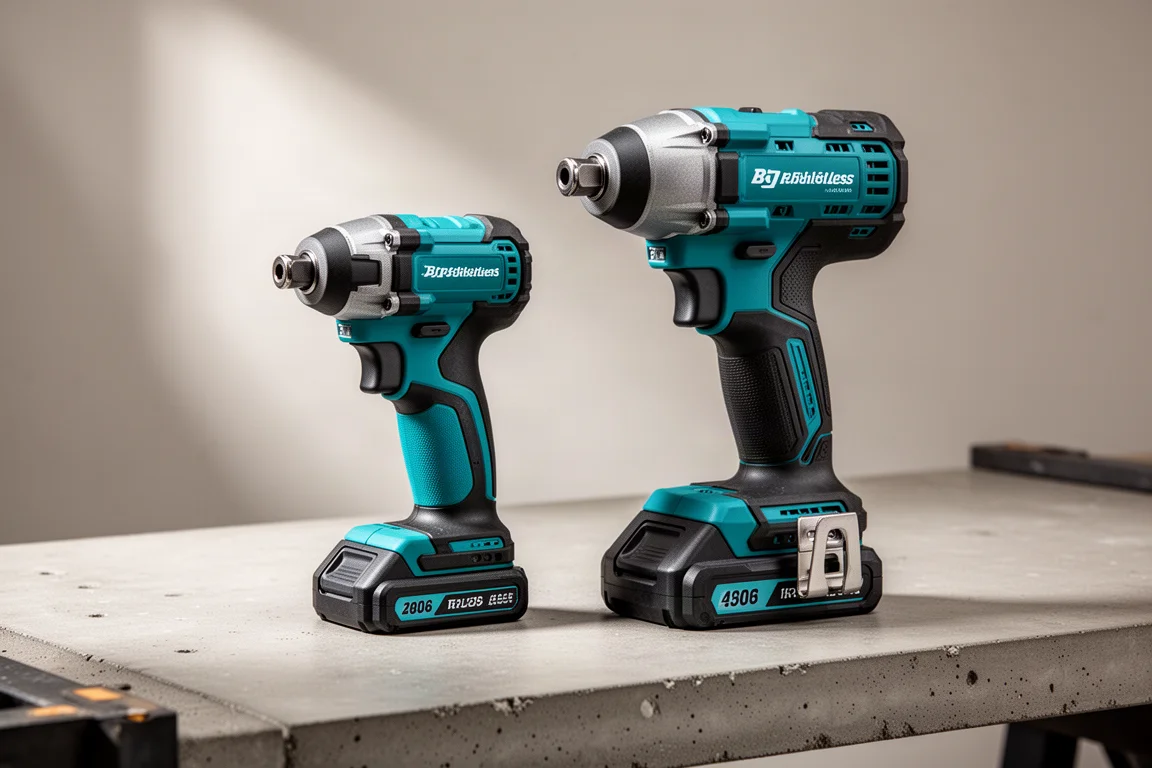
There is something oddly refreshing about picking up a tool that goes against every trend in the category right now. The Makita TD134D is a brushed, 14.4-volt impact driver sold mainly in Japan, and it is one of the few Makita impact drivers left that asks you to do nothing more than pull the trigger. On the other bench sits the TD173D, the newest and most advanced impact driver in the 18V line, complete with a ring light and controls at the back of the head. Comparing them is not exactly fair, but it is genuinely interesting, and the results surprised us.
What Makes the TD134D Different
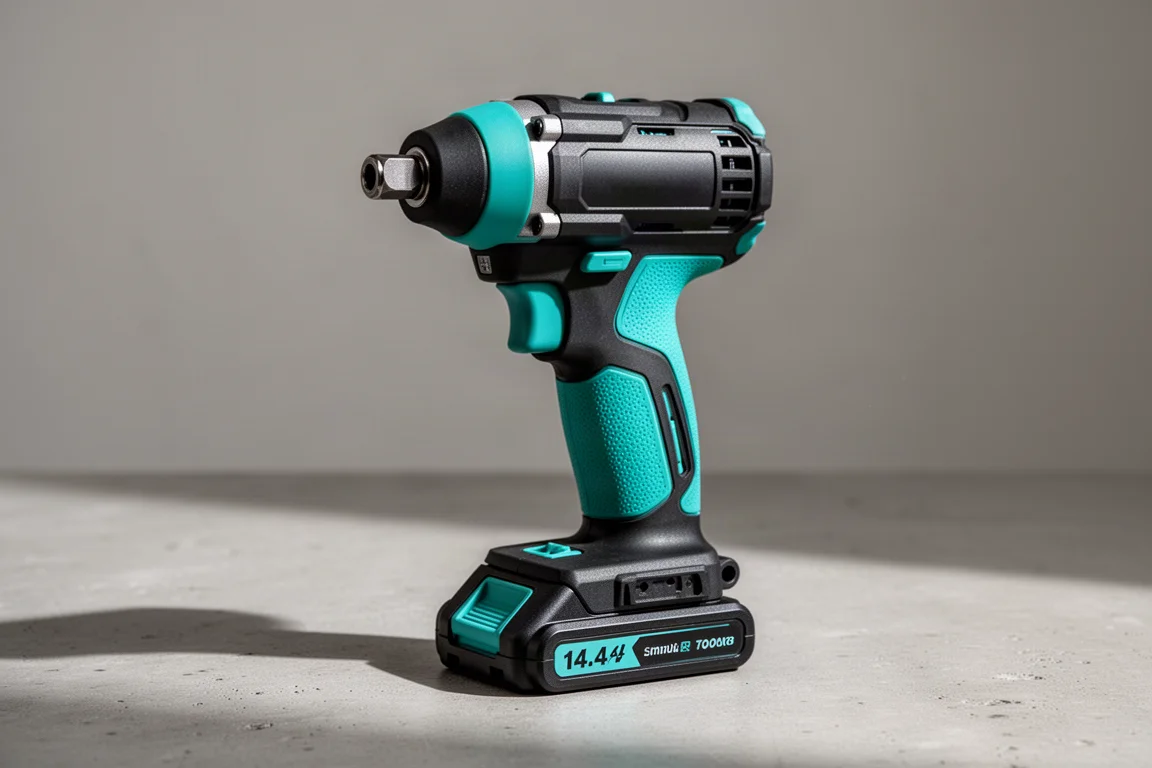
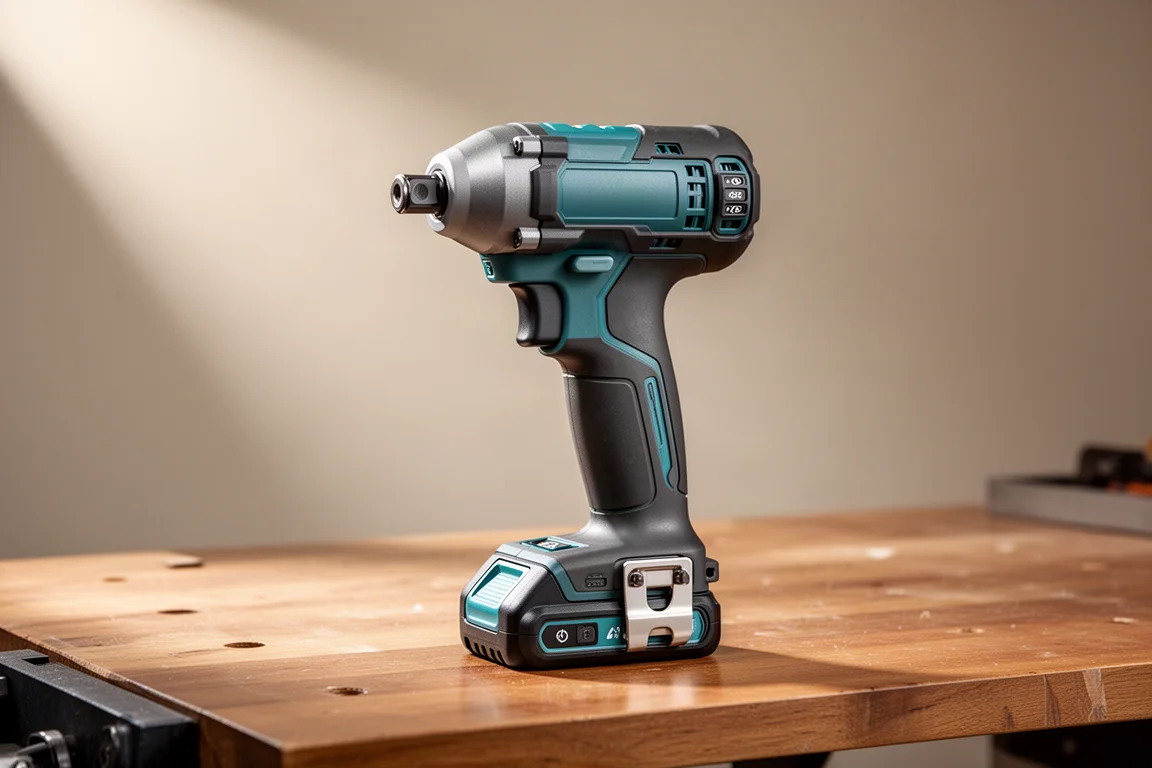
The TD134D (sold as the DTD134 in most of the world) stands out for three reasons. First, it is brushed, which in a market flooded with brushless motors feels almost nostalgic. Pull the trigger and you get that familiar brush-tool smell that anyone who grew up with corded drills will remember instantly. Second, it runs on 14.4V LXT batteries, the short-lived predecessor to the 18V system. And third, it wears an inverted color scheme: black plastic body with teal TPE over-molding, the reverse of the traditional Makita look.
That inverted livery is a Japan-only option, and it is honestly the reason many people will seek this tool out. It looks strikingly different, though there is a practical drawback: the light teal over-molding starts picking up dirt and grime almost immediately. Handling it briefly already left brown marks, and it will likely look worn much faster than the standard black over-molding versions. If you care about keeping your tools looking clean, that is worth considering.
Spec-wise, it spins up to 2,400 RPM with 3,200 impacts per minute and delivers 155 Nm of torque. Interestingly, that is only 100 RPM less and 5 Nm less than the 18V equivalent, so the numbers are closer than you would expect. It has no drive modes or settings at all, just a variable speed trigger with a good range of motion, which some drivers actually prefer for fine control over small screws.
It came as a kit with two 1.5Ah 14.4V batteries, a charger, a manual and a case. One important note for importers: the bundled charger is 110V Japanese domestic, so you will need your own charger if you live elsewhere. The good news is that any 18V LXT charger handles these batteries, since the chargers are labeled for 14.4 to 18V lithium-ion packs.
Battery Compatibility: What Works and What Doesn’t
The 14.4V LXT system shares the same basic rail design as 18V, and the compatibility rules are straightforward. A 14.4V battery fits and runs on an 18V tool without issue. The tool’s low-voltage cutoff is below 14.4V, so it simply treats the pack as an 18V battery that is deeply discharged. You will not get much runtime, but it works, and these small packs are very light: about 293 grams, compared with 357 grams for an 18V 1.5Ah and around 620 grams for the 5Ah packs most people use daily.
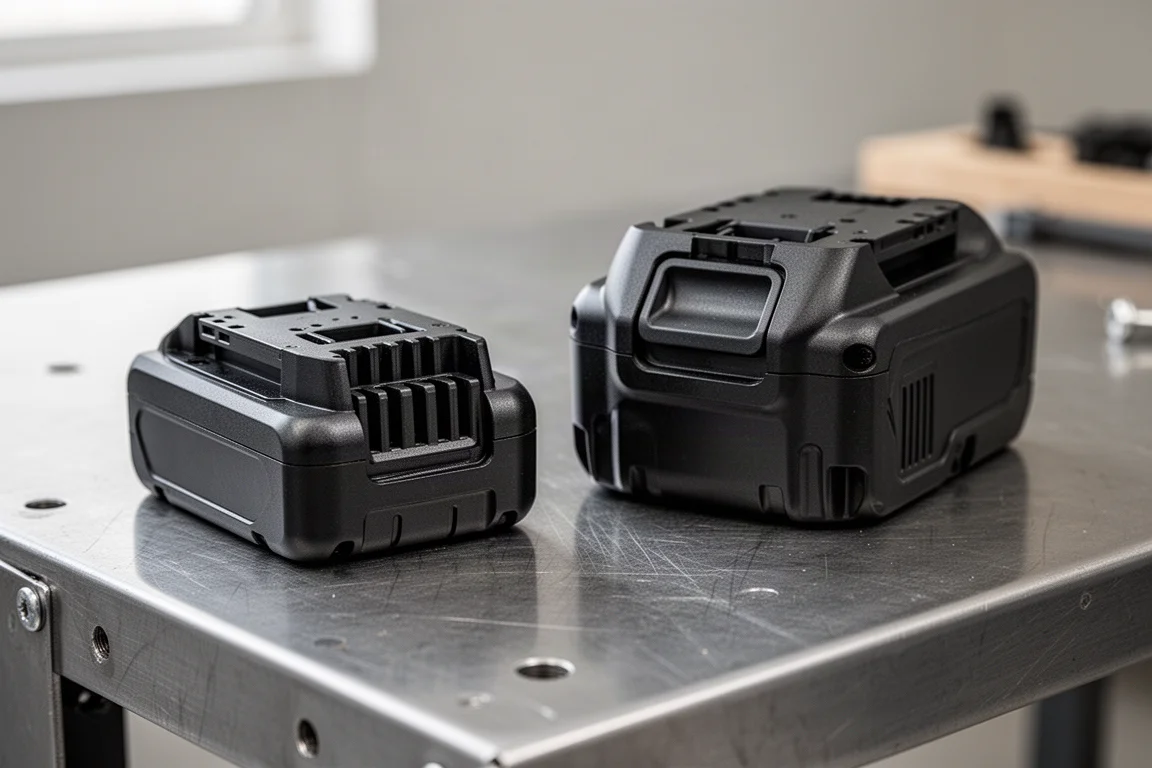
Going the other way does not work. An 18V battery will not physically fit on a 14.4V tool. The 14.4V rail has a slightly deeper and wider groove that clears a small plastic nub on 18V tools, and on the 14.4V tool that nub sits proud, blocking the larger pack. It is literally a tiny piece of plastic preventing a costly mistake, since pushing higher voltage into a 14.4V tool could damage it.
This matters most for the compact form factor. With the small 1.5Ah pack, the TD134D weighs just over 1.2 kg, roughly 300 grams lighter than the TD173D with a typical 3 to 6Ah pack. Of course, put a 1.5Ah 18V pack on the TD173D and the weight is nearly identical. What you gain with the 14.4V is a much more compact front end, where the battery does not stick out past the collet, unlike larger 18V packs that extend well beyond the nose of the tool.
Real-World Driving Test: Big Timber Screws
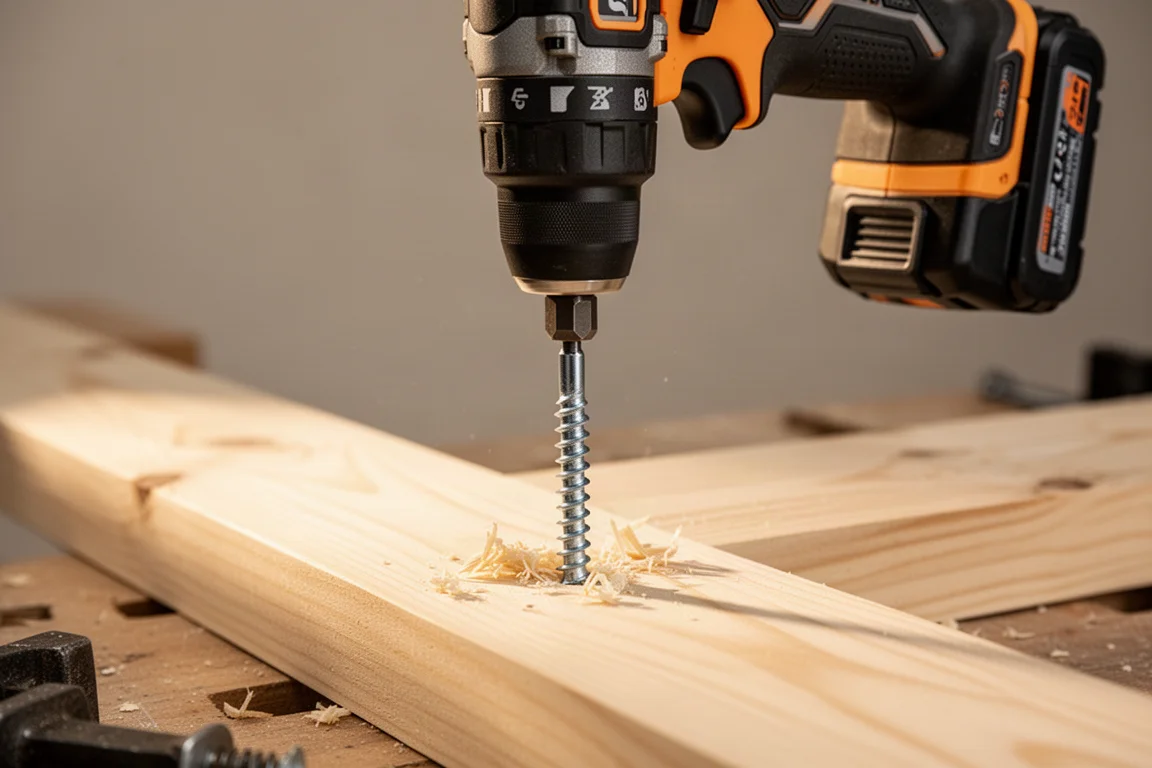
Here is where things got interesting. We drove 5-inch Simpson Strong-Tie SDWS structural timber screws into dry treated pine, and the little 14.4V brushed driver handled them impressively, sinking the heads flush. Then came the real test: 10-inch SDWS screws, a demanding task for any impact driver. The TD134D drove them, flush, and did it well.
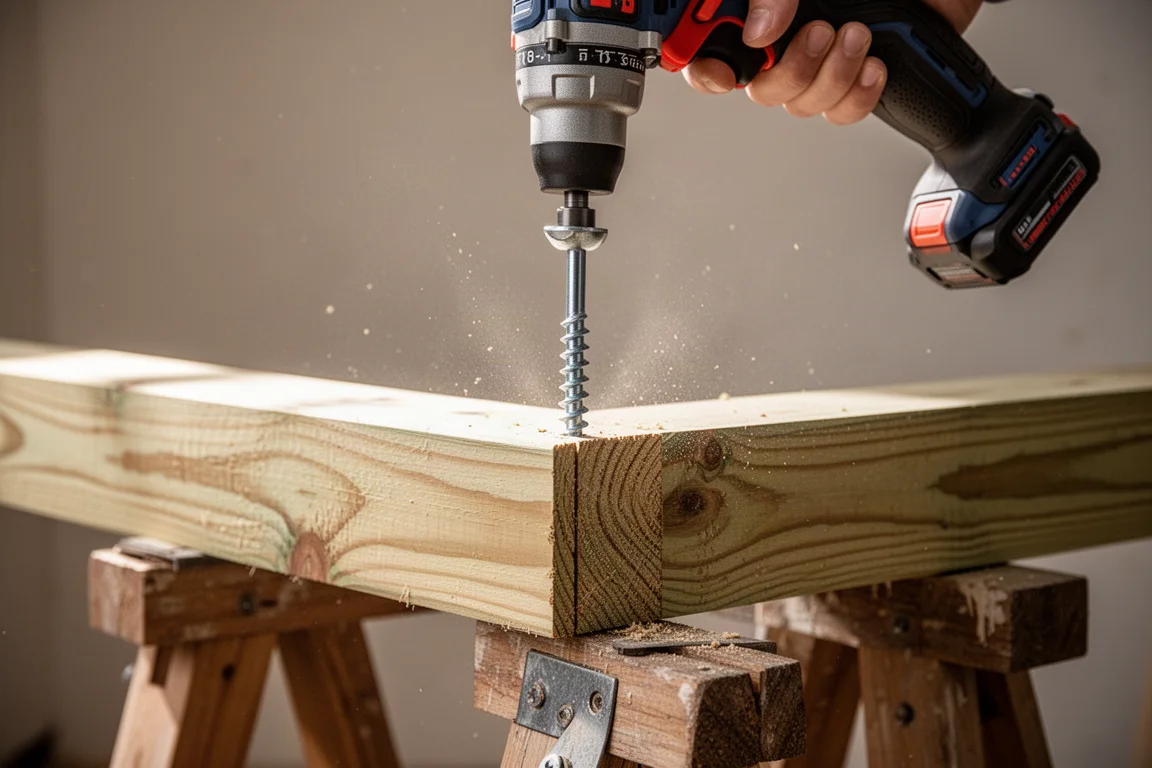
To be clear about the limits: if you spent all day driving 10-inch structural screws, this brushed motor would heat up and wear out quickly. For occasional big jobs mixed with everyday small screws up to around 50mm, it is more than enough, and for most people it covers the majority of real-world driving tasks.
The TD173D: Flagship Performance
The TD173D is Makita’s current top-of-the-line impact driver, and it is not widely available in every market. It is noticeably shorter in the head than the TD134D, has a ring light around the collet, and puts controls at the back of the tool. Rated around 220 Nm, it sits well above the 14.4V tool on paper.
In the same screw test, the difference was obvious. The 5-inch screws went in quicker and with less struggle, and on the 10-inch screws the TD173D kept driving with authority, sinking heads below flush with ease. It is simply the more capable tool for sustained heavy work, and its short head plus a compact battery makes for an excellent overall package.
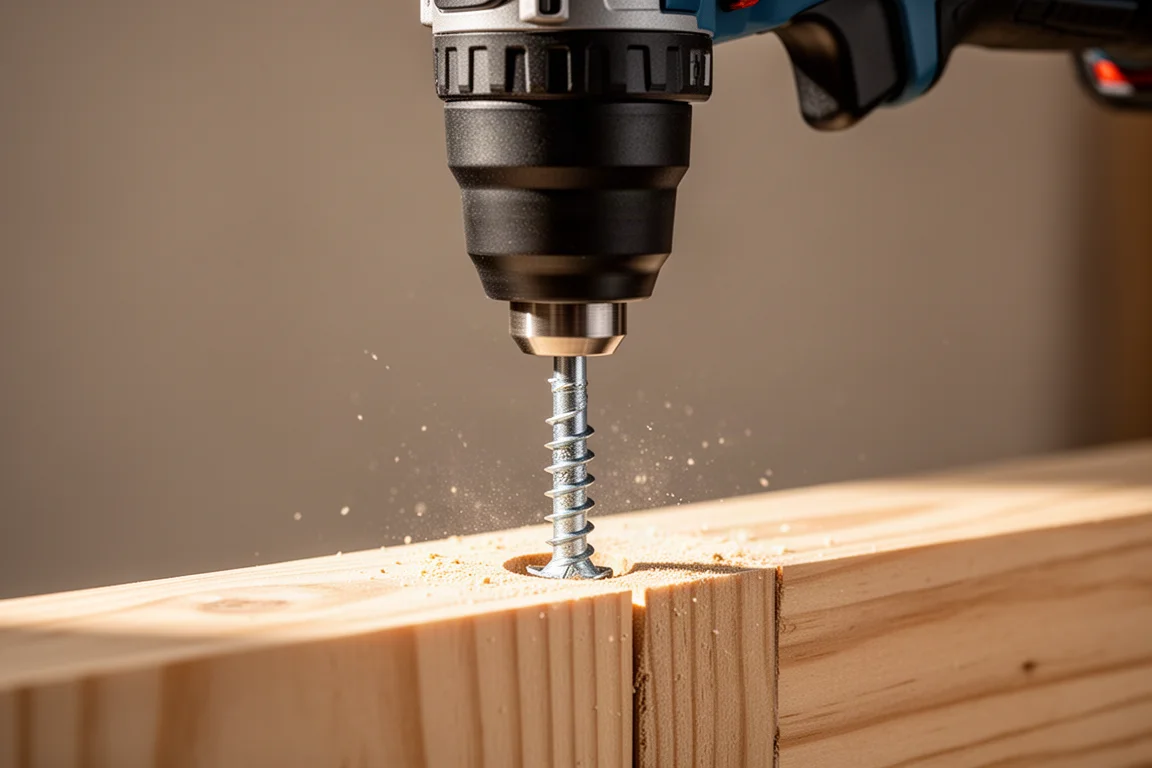
One more data point from the bench: the TD173D weighs about 1.5 kg with a standard high-capacity 18V pack. With a 1.5Ah 18V pack it drops to just over 1.2 kg, essentially matching the 14.4V tool in weight. At that point the main TD134D advantages become the tighter battery footprint at the front, the lighter small packs, and of course that unusual color scheme.
Which One Should You Buy
If you live outside Japan, the TD173D or its market equivalents will be the practical choice: brushless, more powerful, better suited to demanding work, and easier to find. If you can get the TD134D, either as an import or because 14.4V is still sold in your region, it makes a genuinely charming light-duty driver. Small screws up to about 50mm are its natural diet, and it will handle occasional structural screws better than its spec sheet suggests. Just be ready to supply your own 18V LXT charger, and accept that the teal over-molding will not stay clean for long.
For collectors and Makita enthusiasts, the TD134D is a fun, unusual piece of the lineup that still earns its place on the bench. For everyone else who wants one driver that does everything, the TD173D is the safer investment.
Conclusion
The gap between a brushed 14.4V compact and a flagship 18V is smaller than you might expect, at least on the screw test that matters. The TD134D proves that a simple trigger, a small battery and 155 Nm can cover most everyday driving, while the TD173D shows what you gain when you want the headroom, the shorter head and the modern feature set. Pick the little one for light work and character; pick the flagship when the job list is serious.
Further reading
Related Reviews
Power Tools
Best 1-Inch Pistol Impact Wrenches: Three Heavy-Duty Options Compared
We compare three 1-inch pistol impact wrenches, from a budget-friendly Harbor Freight model to a premium Caterpillar unit, to help you choose the right one.
Power Tools
Best 3/4-Inch Impact Wrenches 2026: Five Contenders Compared
We compare five 3/4-inch impact wrenches across price and performance, from a budget Amazon option to Snap-on's most powerful model yet.
Power Tools
Best Budget Cordless Tools 2026: Walmart Finds That Punch Above Their Price
We tested five cordless tools from Walmart, including a high-torque impact wrench that trades blows with Milwaukee and a $35 duster that outperforms its price class.