Power Tools
Makita TD112D vs TD111D: Production Impact Driver vs Standard 12V Driver Compared
A close look at two Makita 12V brushless impact drivers: the TD112D assembly-line torque-control tool and the more familiar TD111D, and what the differences mean in daily use.
Introduction
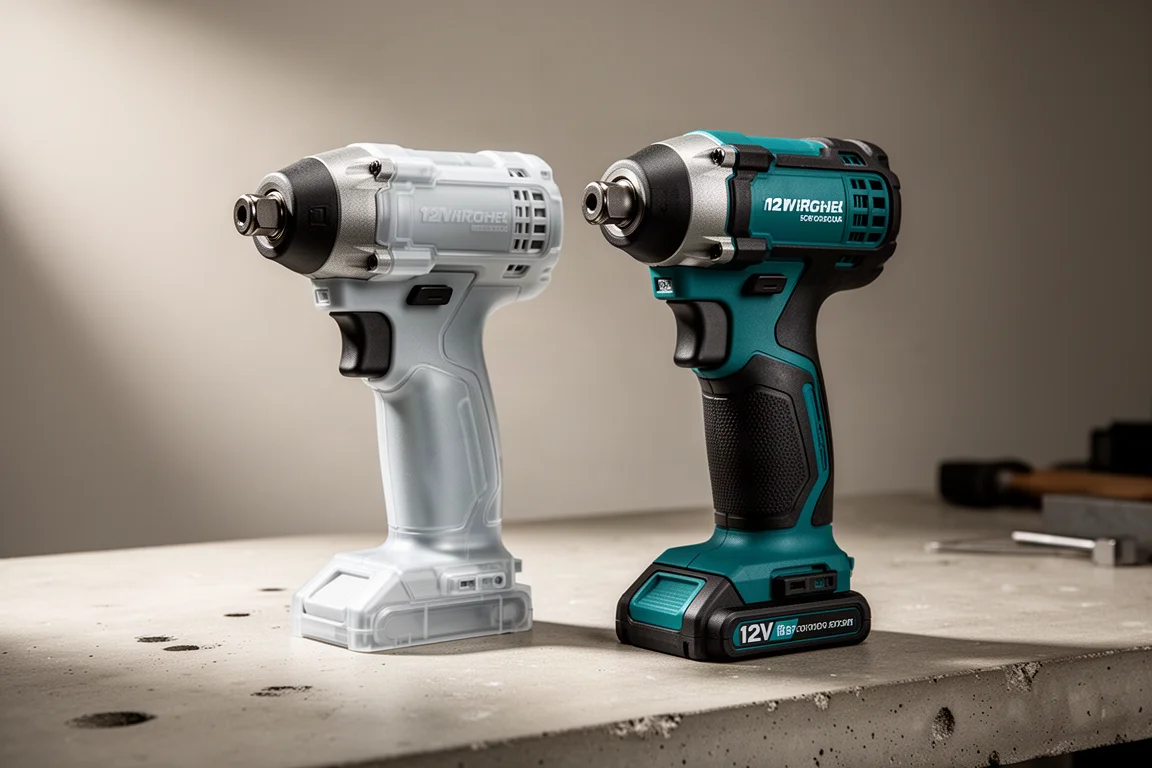
Makita’s TD112D is one of those tools most people never see in a store. It is a 12V CXT brushless impact driver built for production and assembly lines, where the priorities are repeatability, clean handling, and torque control rather than DIY-friendly rubber grips. Sitting next to it is the far more familiar TD111D, a standard 12V impact driver with the over-molding and features most users expect. Comparing the two is a genuine spot-the-difference exercise, and the differences tell you a lot about who each tool is actually for.
Why the TD112D Is So Hard to Find
The TD112D is not stocked in New Zealand, Australia, or Japan, and it does not appear to be offered in the US either. It turns up mostly on European websites, and even some Makita dealers reportedly could not source one. Tracking this particular unit down involved months of searching before it was finally shipped out of Croatia, traveling through Italy, Germany, the UK, the US, and finally on to New Zealand.
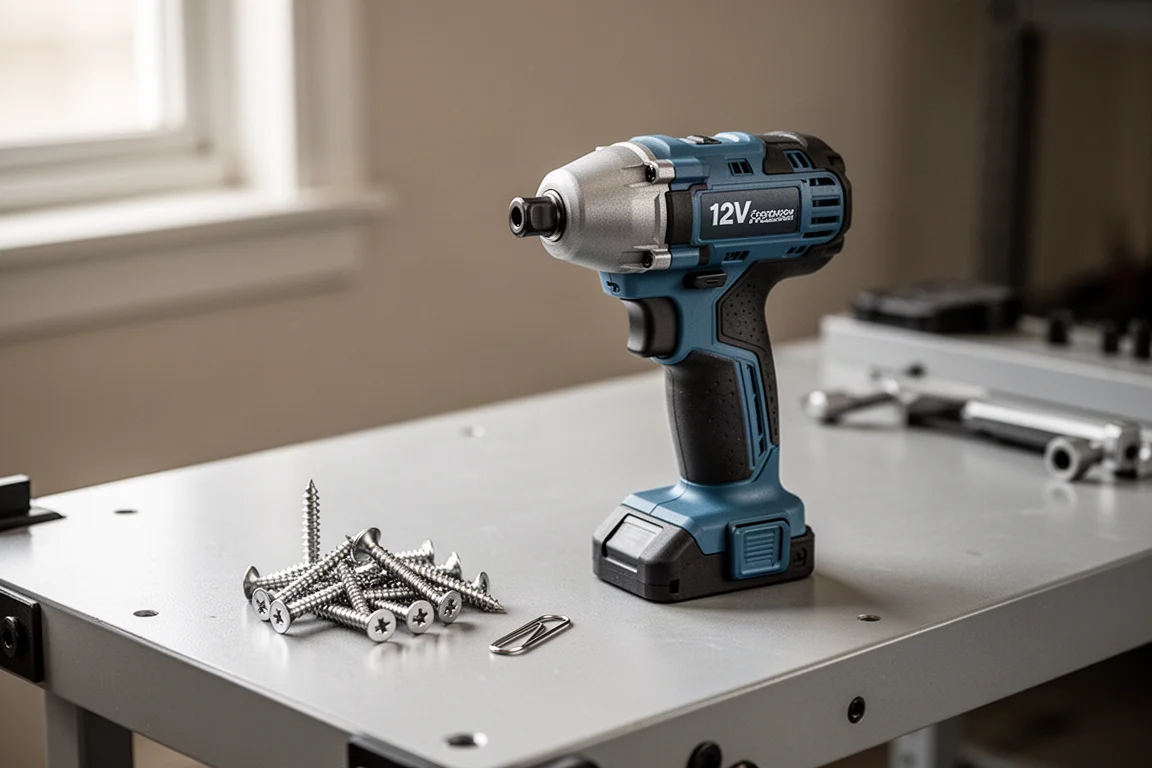
That scarcity is worth understanding before you want one. It is a niche production-line tool, and if it matches your needs, expect to import it and be patient.
Build and Body Design: Spot the Difference
The differences start with the basics. The TD112D is slightly taller but narrower at the base, with no belt hook mounting areas on the sides and no lanyard hole at the back of the handle. It has no rubber over-molding at all. That is deliberate: on a production line, oils and solvents can eat away at over-molded rubber, and glued-on grips can peel off and collect dust. The bare clamshell body stays clean and stable over years of daily use.
Fastening is also different. The TD111D has visible screws going straight into plastic, which is not ideal for a tool that gets opened up often. The TD112D uses machine screws with nuts set into the other side of the clamshell, a much more durable arrangement for servicing. At the front, the TD111D has a glow-in-the-dark bumper; the TD112D skips it in favor of a simpler, more streamlined build.
Chuck and Collet Differences
The TD112D’s chuck is a noticeably gruntier unit with far more metal in it, while the TD111D’s chuck is thinner-walled and shorter. The collets are the more interesting contrast: the standard TD111D uses the familiar knurled steel collet, whereas the production TD112D has a rubber over-molded collet.
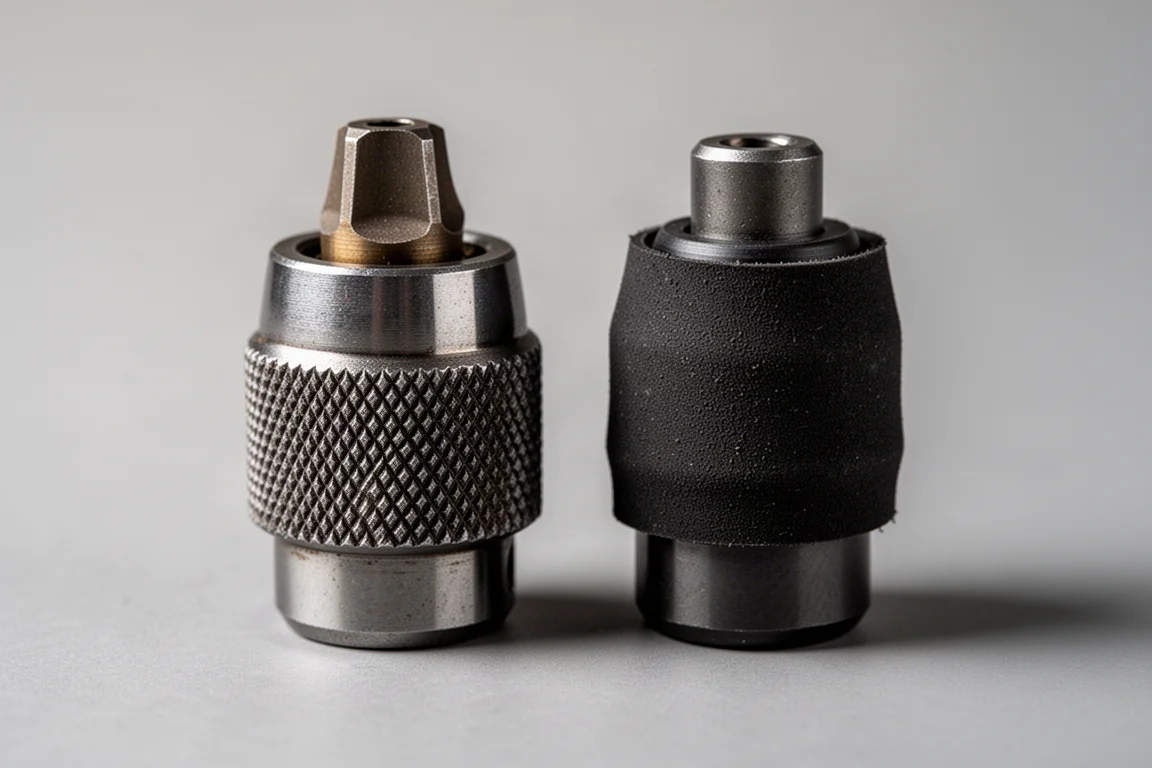
That rubber collet exists for a reason. In a car factory assembling delicate machinery, a steel collet brushing against a panel leaves a scratch. The over-molded version is far more forgiving around finished surfaces.
Controls, Lights and Settings
Both tools are brushless with the same forward and reverse controls, but the trigger feel differs. The TD111D’s trigger is slightly softer, though the TD112D has a much longer stroke length, designed around a 6mm pull to reduce operator fatigue on repetitive assembly work.
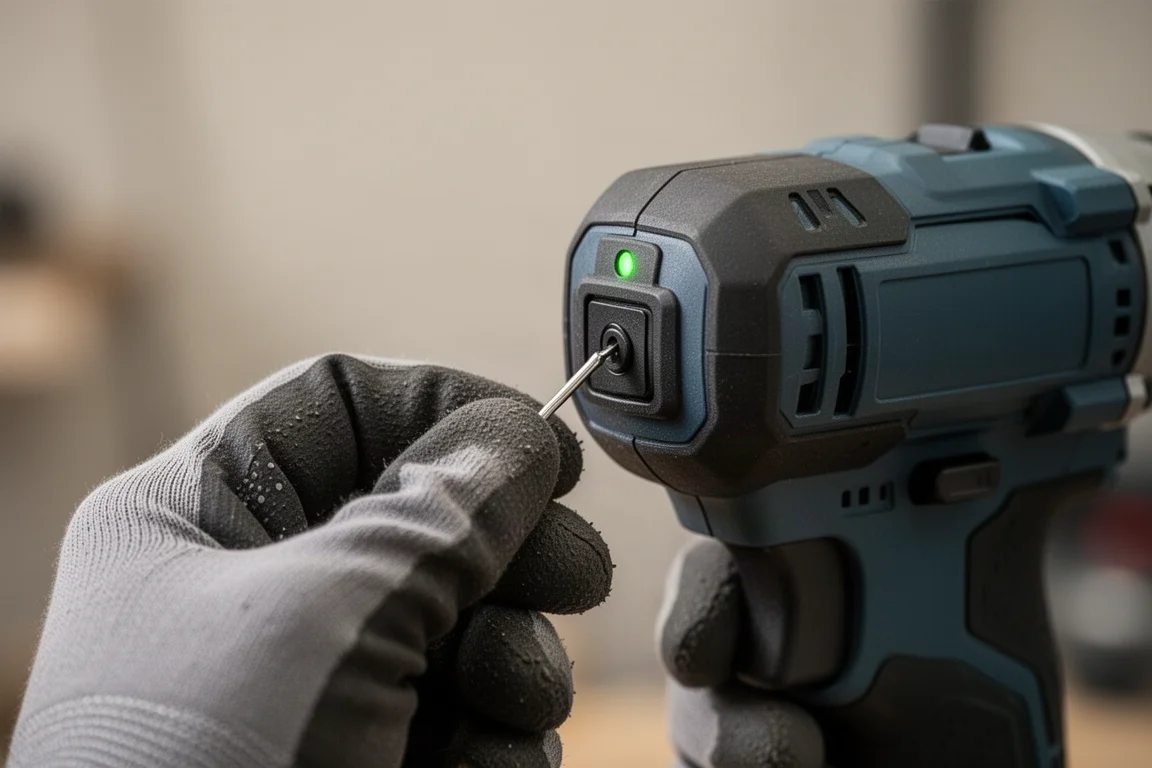
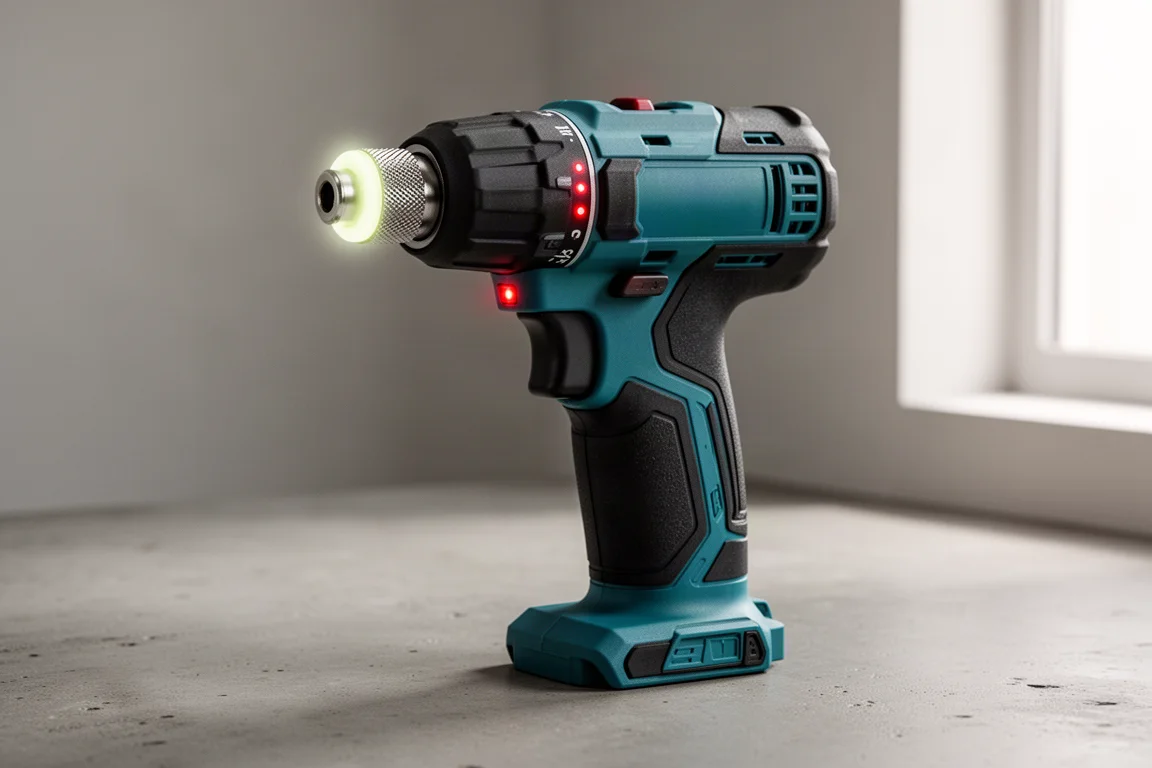
The control panel tells a bigger story. The TD111D uses red indicator lights, while the TD112D uses green lights that are generally easier to see. More importantly, the TD112D offers an auto-style slow start to avoid damaging screws or the workpiece, plus a soft/hard mode button. That button is deliberately firm and, as a backup, there is a pin hole for changing modes with a tool, so the setting cannot be bumped accidentally. If you need a tool to stay on one torque setting all day, that design makes a lot of sense.
Even the nameplates differ. The TD111D has its date and serial number printed on the shell, where they can wear off. The TD112D stamps its serial number and tool number on the bottom under the battery, where they will never wear away. It is a small detail that people who manage tool fleets genuinely appreciate.
Speed, Torque and Real-World Driving
On paper the two tools share a 135 Nm maximum torque rating on their hardest setting, but below that they diverge sharply. The TD111D runs 1,300 to 3,000 RPM and 1,600 to 3,900 impacts per minute, with a lower setting rated at 80 Nm. The TD112D runs 2,000 to 3,000 RPM and 3,300 to 3,900 impacts per minute, but its lower setting is rated at just 20 Nm for fine, delicate assembly work. In practice, on the soft setting the TD111D drove a 40mm stainless screw slowly, while the TD112D drove the same screw much quicker, without a comparably slow low-speed option.
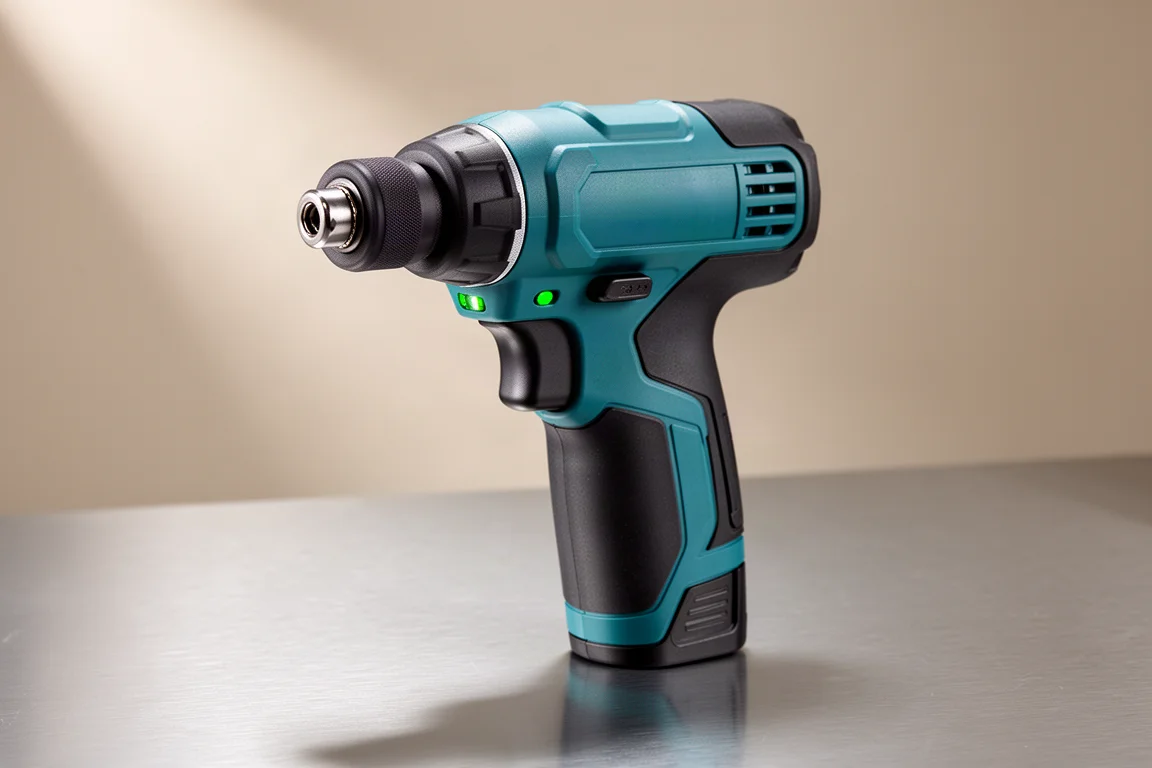
One honest criticism of the TD112D: the clamshell flexes noticeably around the trigger area when driving screws, and you can feel it opening and closing in the hand. It is not enough to pinch skin, but it is an odd sensation that the rubber-coated TD111D masks well. The TD112D is also about 29 grams heavier, which is hardly significant.
The Standard Option: Makita TD111D
For most buyers, the TD111D is the sensible 12V impact driver: comfortable over-molded grip, belt hook and lanyard options, a softer trigger, a wider low-speed range, and easy availability. Its trade-offs are a printed serial number that can wear off, screws into plastic on the clamshell, and red indicator lights that are less visible than green.
Overall Buying Advice
If you change settings frequently, the TD112D will frustrate you, since switching between soft and hard modes means hunting for a pin and pressing a very firm button within a short window after pulling the trigger. It is a tool built to be set once and left alone. If that describes your work, and you can source one from Europe, it is a genuinely refined assembly tool. If you want a general-purpose 12V driver for the workshop or home, the TD111D is the easier, more forgiving choice.
Both are brushless, both hit 135 Nm at the top end, and both share Makita’s usual trigger and lighting quality, so the decision really comes down to how you work.
Conclusion
The Makita TD112D and TD111D look like siblings, but they are built for different jobs: one for repeatable, torque-controlled assembly work with clean handling and tamper-resistant settings, the other for everyday driving with comfort and convenience. Match the tool to the task, and both make sense in their own worlds.
Further reading
Related Reviews
Power Tools
Best 1-Inch Pistol Impact Wrenches: Three Heavy-Duty Options Compared
We compare three 1-inch pistol impact wrenches, from a budget-friendly Harbor Freight model to a premium Caterpillar unit, to help you choose the right one.
Power Tools
Best 3/4-Inch Impact Wrenches 2026: Five Contenders Compared
We compare five 3/4-inch impact wrenches across price and performance, from a budget Amazon option to Snap-on's most powerful model yet.
Power Tools
Best Budget Cordless Tools 2026: Walmart Finds That Punch Above Their Price
We tested five cordless tools from Walmart, including a high-torque impact wrench that trades blows with Milwaukee and a $35 duster that outperforms its price class.