Power Tools
Makita TD002G vs XDT16: Do Japanese Impact Drivers Need JIS Bits?
A practical comparison of Makita's Japan-made TD002G and the XDT16, looking at bit retention differences and whether JIS bits are actually necessary.
Introduction
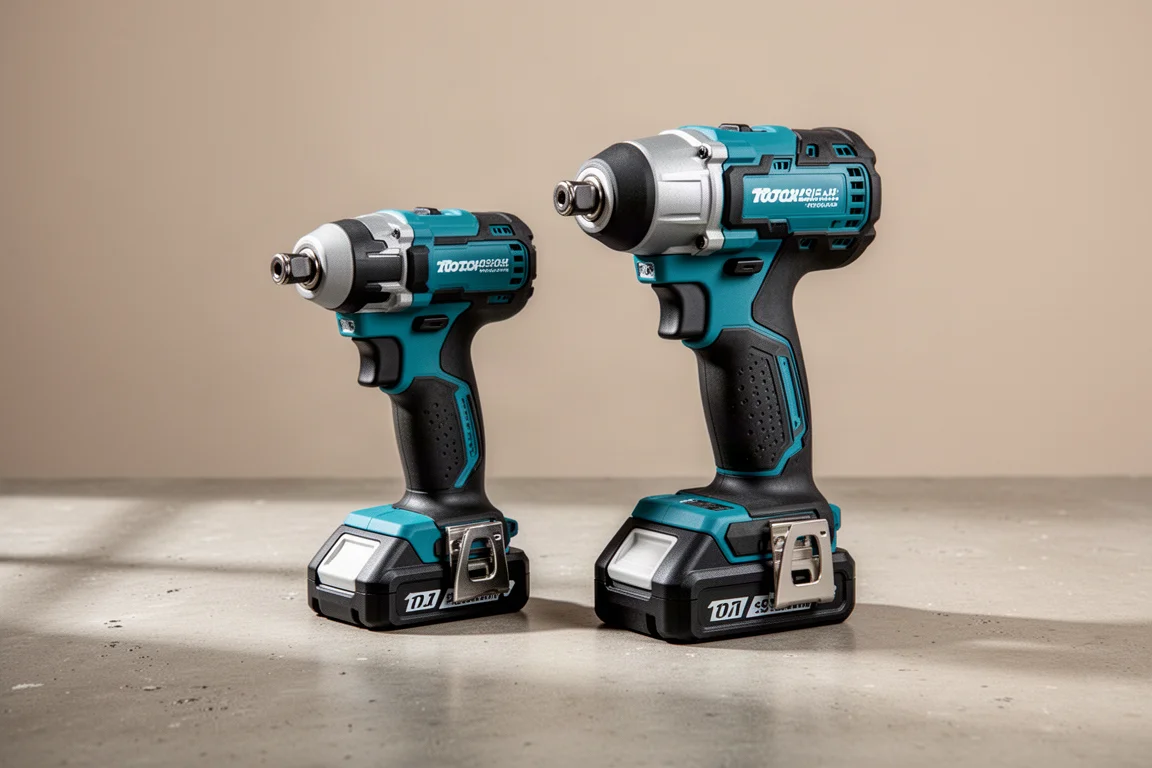
One question keeps coming up around Japanese-market impact drivers: do they really require JIS bits, sometimes called JDM bits, or can you just use the standard impact bits you already own? To find out, this comparison puts two Makita drivers head to head: the TD002G, made in Japan, and the XDT16, the model built for other markets.
The short answer is reassuring. Standard bits work fine in the Japanese driver. The differences are real but small, and after weeks of professional use they have not caused any practical problems. Here is what actually matters before you buy.
The Two Drivers Compared
Both tools come from Makita, but they come from different production lines. The TD002G is the Japanese model, made in Japan. The XDT16 is the version built in China for other markets. On paper they serve the same purpose, but the bit holder is where the measurable difference shows up.
The Bit Retention Difference, Measured
The simplest way to show the difference is with two identical bit holders, one inserted into each driver and pushed fully in, then pulled out slightly.
In the XDT16, pulling the bit holder out exposes just a hint of the hex shank. Do the same with the TD002G and a few more millimeters of shank become visible, enough to see the flat sides of the hex. That is the entire gap: a few millimeters of additional pull-out travel in the Japanese tool.
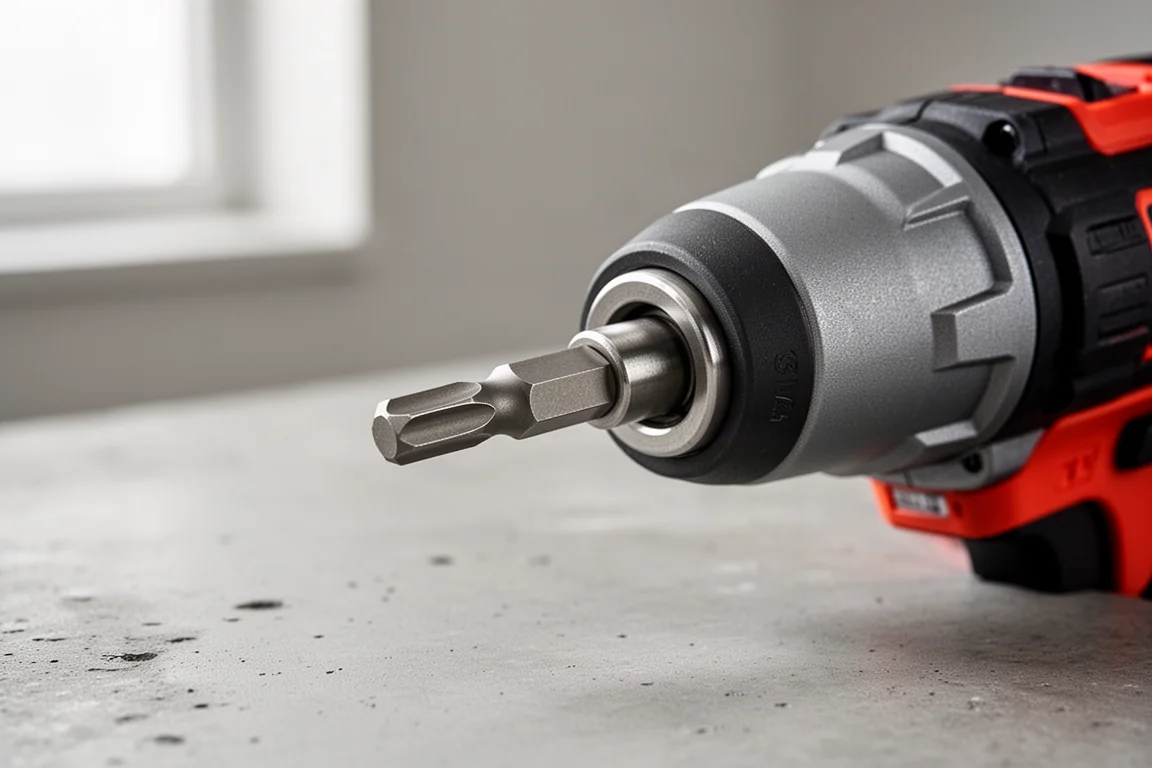
Some readers assume this means noticeable wobble or play in use. In practice, that has not been the case. The difference is small enough that it has never been a concern during daily work.
Are JIS Bits Actually Necessary?
The background here is the Japanese Industrial Standard, or JIS, screw and bit spec. JIS fasteners are not identical to Phillips screws, and US-spec bits are not a perfect match for JIS screws. That sounds alarming, but the context matters.
If you work in the United States, the mismatch rarely matters unless you regularly service vehicles like certain Honda models, where JIS fasteners are more common. For general construction and carpentry work with US-market screws and bits, standard bits are the right tool anyway.
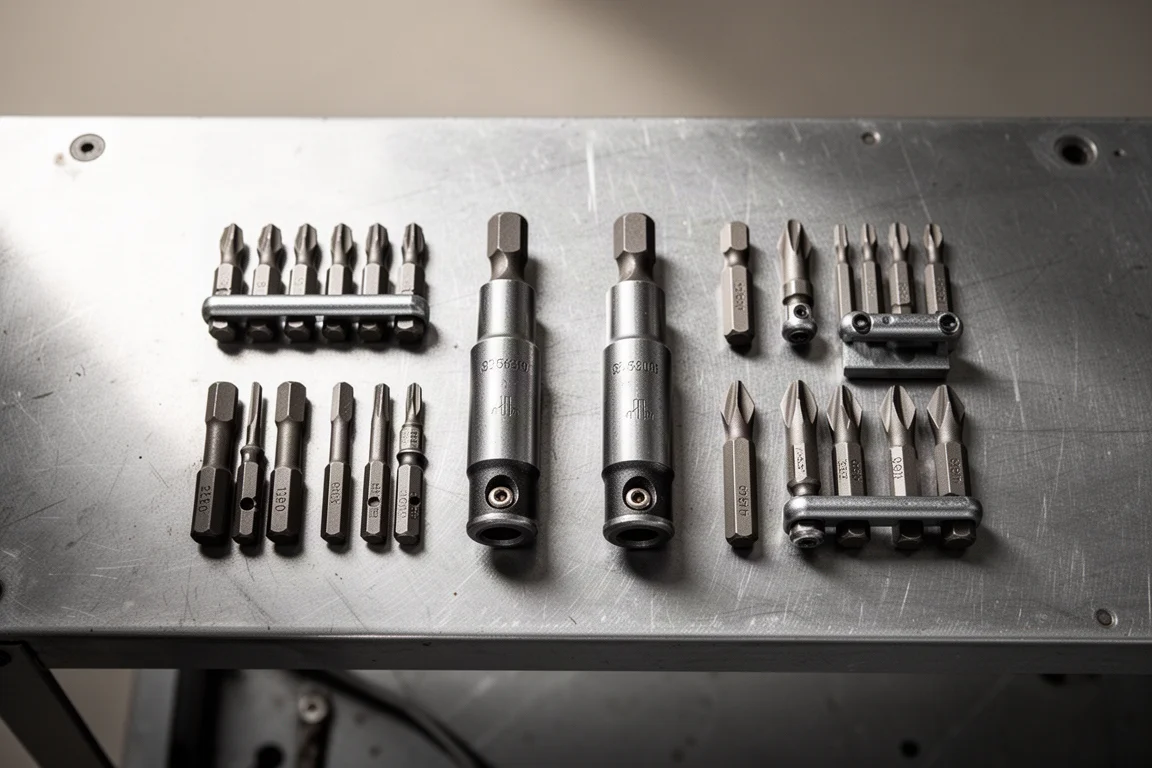
So do you need to import bits from Japan for a Japanese-market driver? No. Both drivers accept either style. A Japanese bit works in the XDT16, a standard US bit works in the TD002G, and the small retention difference is not something to worry about. Some owners add a small filler piece inside the bit holder to take up the extra travel, but that workaround tends to cause the insert itself to fall out when removing a bit, and those tiny pieces are easy to lose.
Real-World Use on the Job
The practical verdict comes from daily use. The TD002G has been used as a primary job site driver for several weeks alongside heavy use of a HiKOKI, and the XDT16 served as a previous daily driver for years. Across all of that, using standard bits in the Japanese driver produced no issues at all.

For most buyers, this means the bit compatibility question should not be a deciding factor between the two models. Both work fine with whatever bits you already have.
Buying Advice
If you are considering a Japanese-market Makita impact driver like the TD002G, buy it for the tool itself, not because of any bit ecosystem barrier. There is none worth worrying about. Standard impact bits will work, with just a little extra play in the holder that has no practical effect on the job.
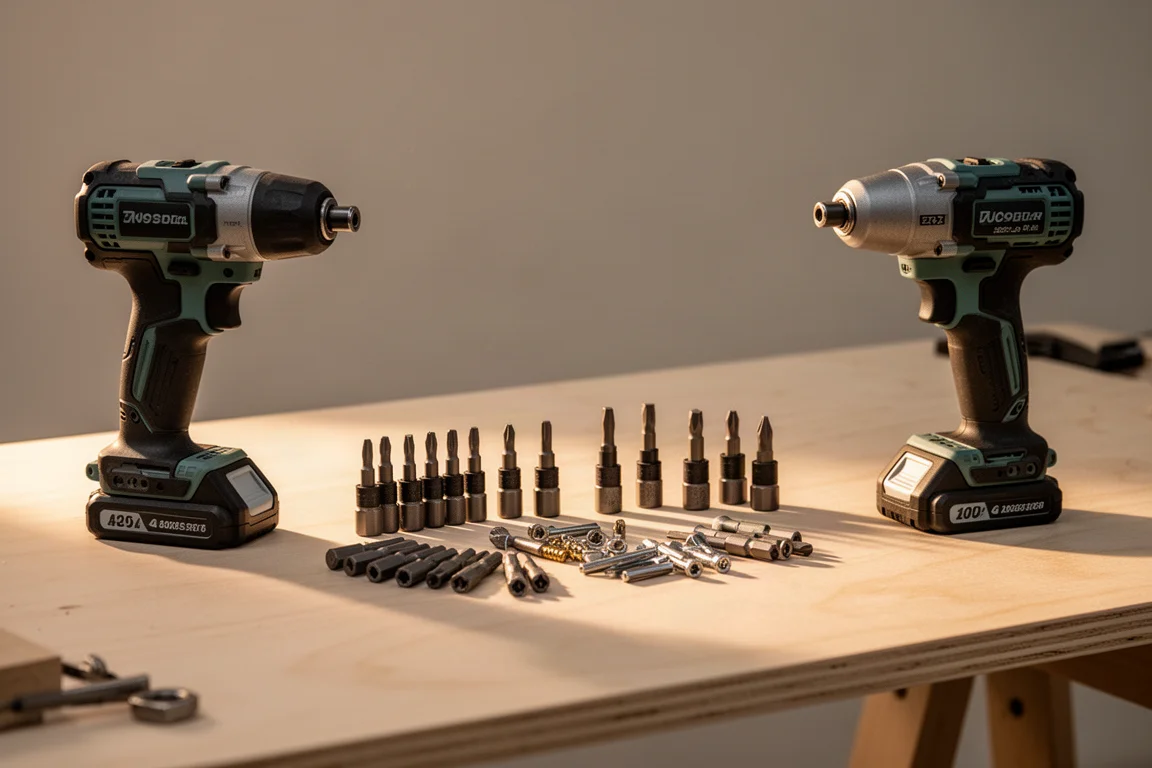
If you already own or prefer the US-market XDT16, you lose nothing in compatibility either. Choose based on availability, price in your region, and which battery platform you are already invested in.
Conclusion
The Makita TD002G and XDT16 differ slightly in bit retention, a few millimeters at most, but both accept standard and Japanese-spec bits without issue. JIS bits are not a requirement for a Japanese impact driver, and weeks of professional use with regular bits have confirmed it. Buy the driver you want and use the bits you already own.
Product link
View more details for Makita TD002G
This product is mentioned in the review. Check the specifications, options, and compatibility before buying.
View more details for Makita TD002GFurther reading
Related Reviews
Power Tools
Best 1-Inch Pistol Impact Wrenches: Three Heavy-Duty Options Compared
We compare three 1-inch pistol impact wrenches, from a budget-friendly Harbor Freight model to a premium Caterpillar unit, to help you choose the right one.
Power Tools
Best 3/4-Inch Impact Wrenches 2026: Five Contenders Compared
We compare five 3/4-inch impact wrenches across price and performance, from a budget Amazon option to Snap-on's most powerful model yet.
Power Tools
Best Budget Cordless Tools 2026: Walmart Finds That Punch Above Their Price
We tested five cordless tools from Walmart, including a high-torque impact wrench that trades blows with Milwaukee and a $35 duster that outperforms its price class.