Power Tools
Makita TD002G vs TD001G, Hikoki WH36DC and Makita 172: Which Impact Driver Is Worth Your Money?
A close look at Makita's new 40V purple TD002G against its own 18V and 40V rivals, plus Hikoki's Triple Hammer, with real speed tests and honest buying advice.
Introduction
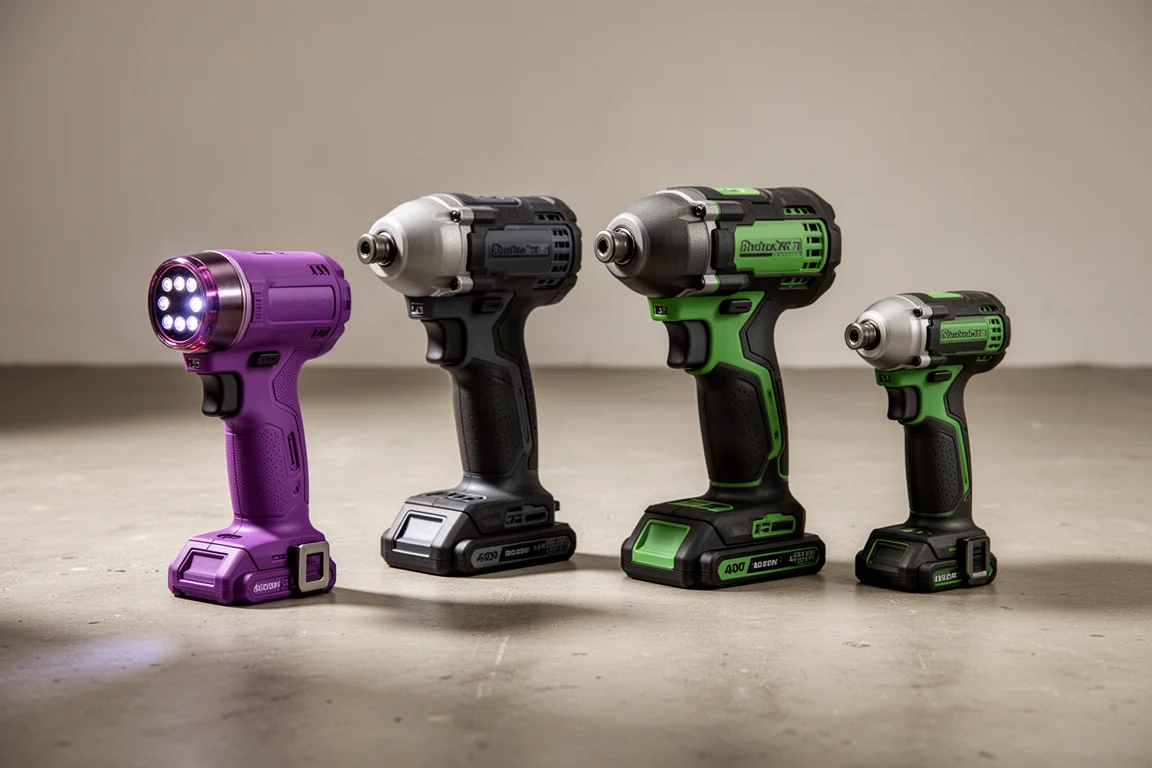
There are few things a tool lover enjoys more than a brand new impact driver, and Makita’s Japanese lineup has just delivered a genuinely interesting one: the TD002G, a 40V max impact driver in Makita Japan’s signature purple. In this comparison we put it up against the older TD001G, Makita’s own 18V flagship the 172, and Hikoki’s Triple Hammer WH36DC to see whether the new model actually earns a place in your toolbox.
The New Makita TD002G at a Glance
The TD002G is a tool-only bare unit, sold without battery or charger, and it is made in Japan, which is why it comes in purple. Japanese-market Makita impact drivers are available in a range of colours including purple, yellow, green, black and red. The most obvious external changes compared to the TD001G involve the lighting and the body: the glow-in-the-dark bumper ring has been replaced with a solid black plastic ring that houses four LED lights positioned close to the bit, up from two side-mounted lights on the old model. The clear plastic front cover is now tinted and carries the initials DST, which stands for Dual Spring Technology, the headline new feature.
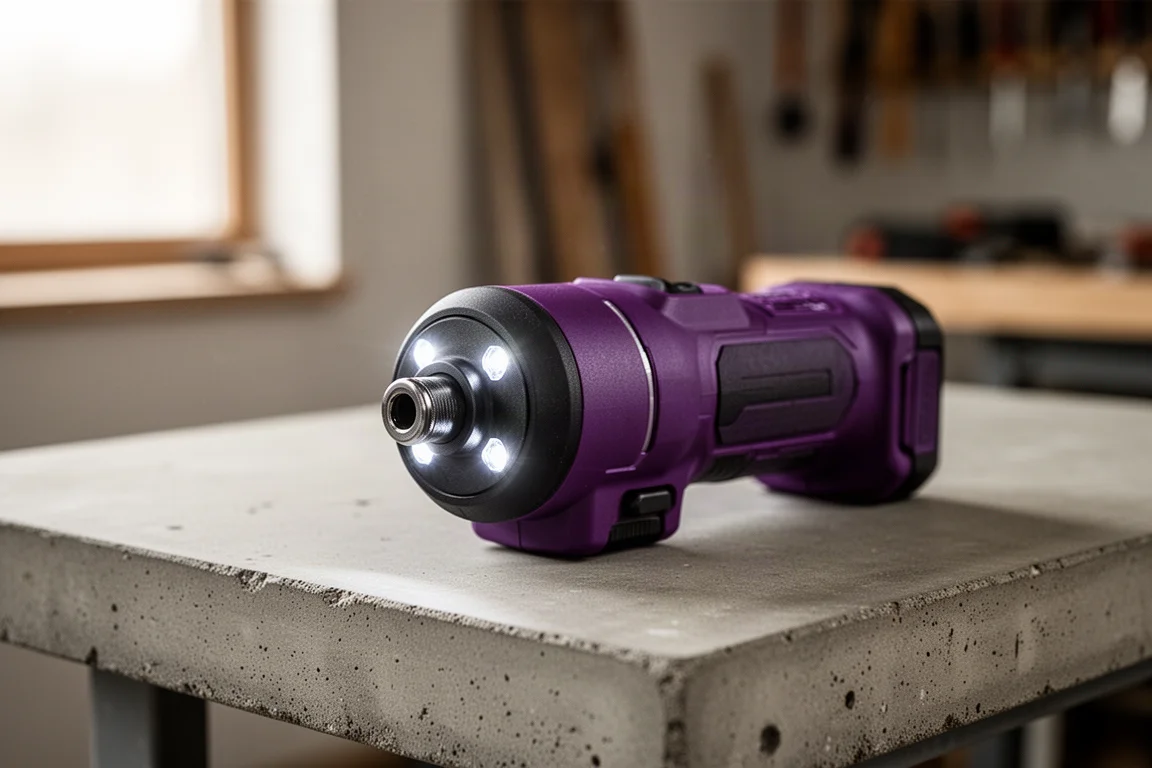
The camouflage-pattern over moulding on this particular edition is actually moulded into the TPE rubber rather than printed, giving a subtle textured effect on both the front and rear of the body. The base has been rounded off slightly compared to the TD001G, though it still feels a little large and clunky for such a compact tool. A quick-select button on top cycles through four speed settings, plus extra modes including wood screw mode, and the tool is capable of Bluetooth setting changes via an adapter that sits between the battery and the tool, allowing adjustment of light brightness, timers, torque limits and nut-release behaviour from a phone. At the time of testing, the adapter and app were only available in Japanese, so the review focuses on the base tool.
What Dual Spring Technology Actually Does
DST is the mechanical difference at the heart of the TD002G. Where a standard impact driver uses a single spring to return the hammer after each strike, the dual spring system adds a second, shorter and harder spring. The hammer connects with this hard spring earlier in its return travel, firing it back faster, which in theory delivers more impacts per minute along with less recoil and vibration.
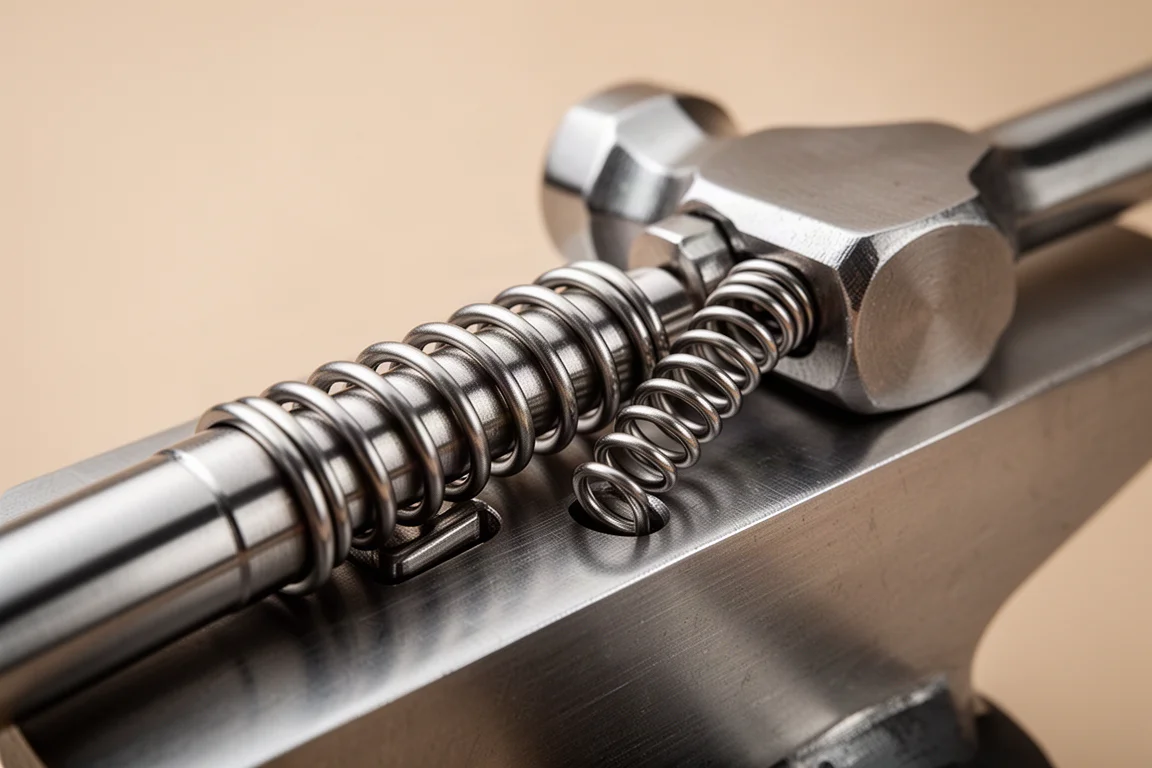
In practice the claimed vibration reduction is hard to feel, and the sound is not dramatically different from a standard mechanism. Compared directly in speed tests, the TD002G beat the TD001G in both runs, but the margin was small. Weights confirm how little separates them: the TD001G comes in at 1,691 grams with a battery and the TD002G at 1,715 grams, a difference of roughly 25 grams.
The Hikoki WH36DC Triple Hammer
The WH36DC is Hikoki’s 36V Triple Hammer, and it is a tool that keeps earning its spot in the rotation. Instead of two anvils it uses three, which gives it a distinct feel and sound compared to a standard impact driver. In look and finish it feels remarkably close to a Makita, though the controls differ: the Makita offers considerably more settings, while the Hikoki carries four screw and bolt settings plus a light switch and is Bluetooth compatible via a Bluetooth battery, with the app not yet available in English. It is now available in New Zealand in the classic green colourway.
Makita TD001G: The 40V Predecessor
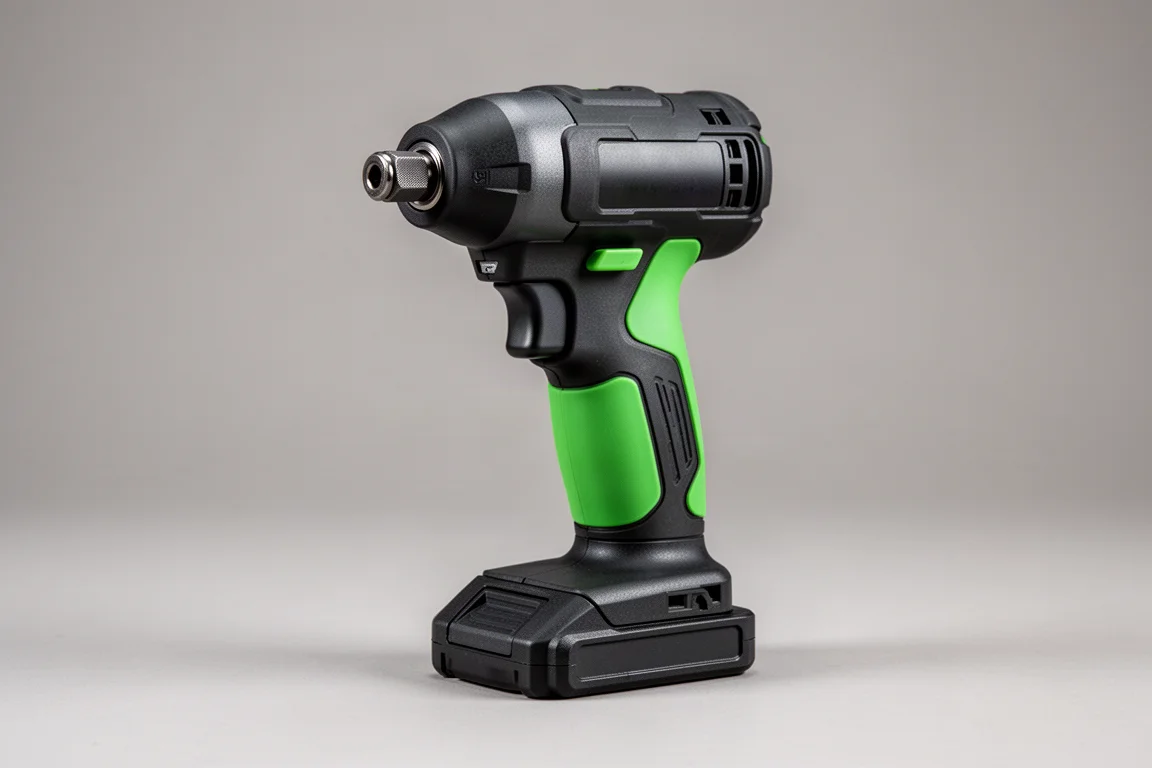
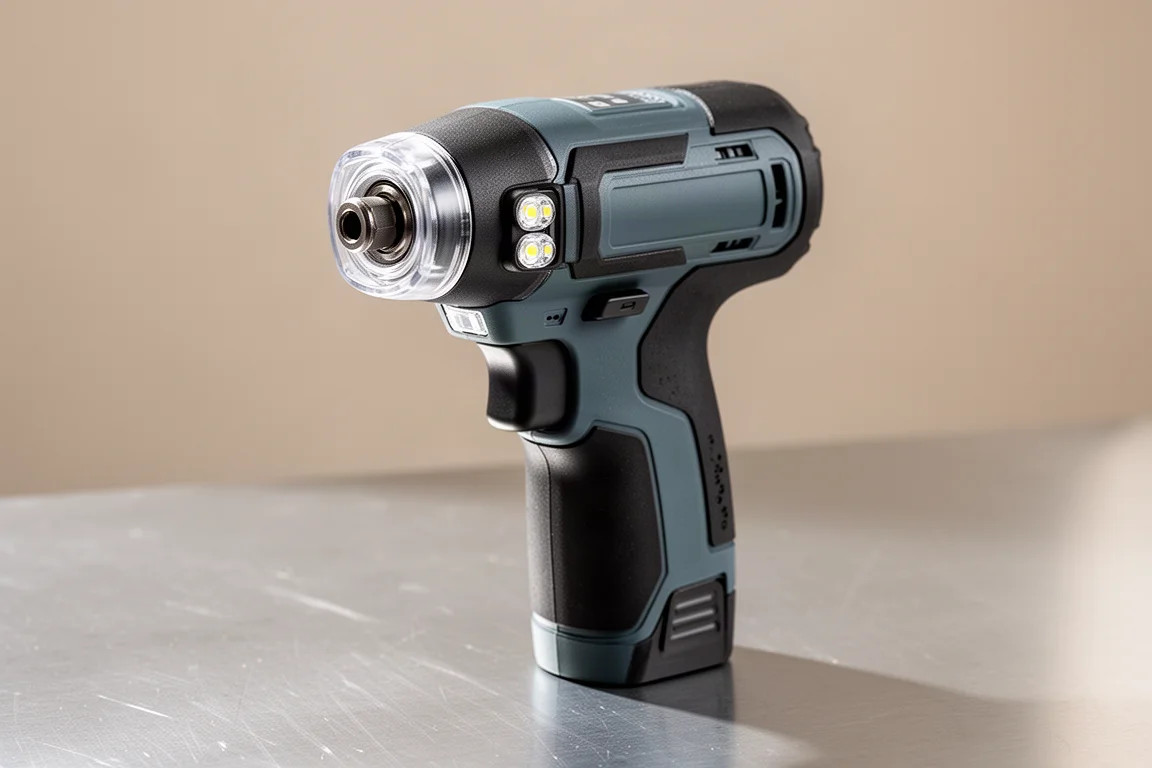
The TD001G remains a very capable 40V impact driver, and on paper the numbers are nearly identical to the new model. Its lowest impact rate is 0 to 1,100 versus 0 to 1,400 on the TD002G, and its top speed is 0 to 4,400 versus 0 to 4,600, so the gains are modest. If you already own the TD001G, there is little reason to upgrade beyond the small speed advantage and the dual spring system.
Makita 172: The 18V Sleeper
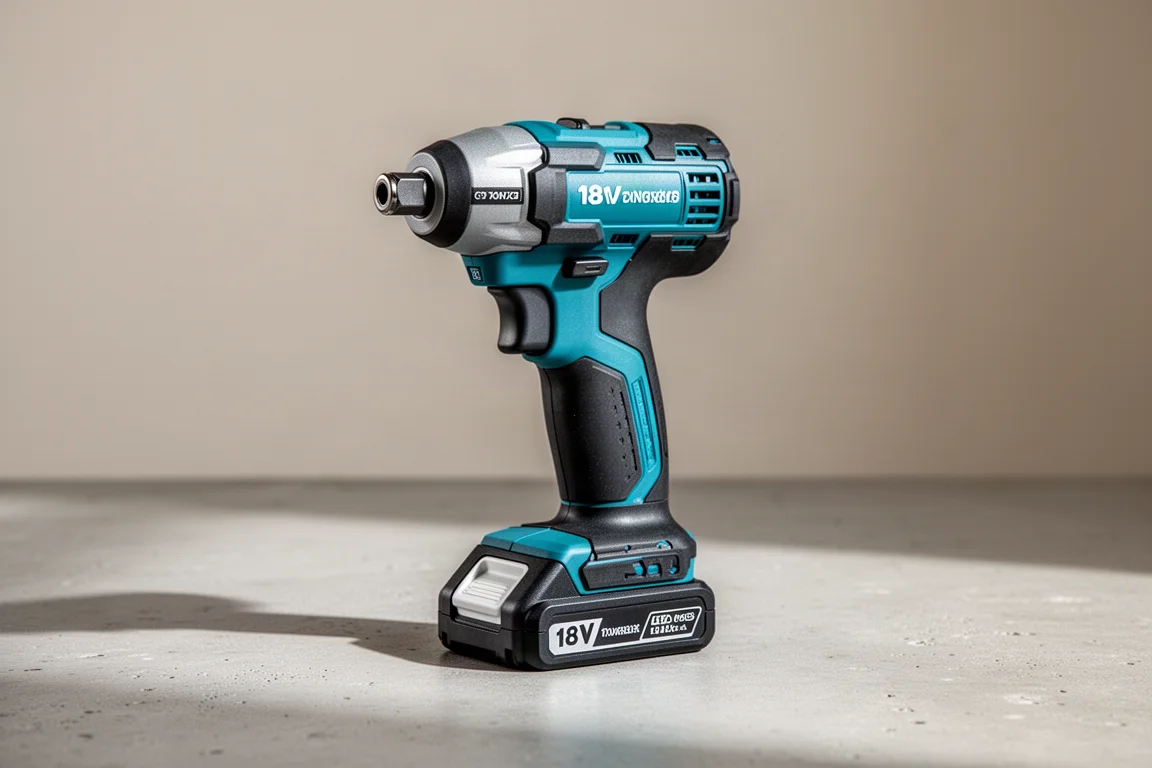
For anyone on the 18V LXT system who does not want to switch to 40V, the 172 is a pleasant surprise. It runs a top speed of 3,600, only 100 below the 40V models, with a maximum impact rate of 3,800. In head-to-head screw driving tests against the TD002G it was essentially a dead heat on both 150mm and 200mm screws, and it carries the same settings and features as the 40V model, including wood mode. It is also noticeably smaller and lighter in the hand.
Real-World Speed Tests
Using 100mm batten screws as the standard benchmark, the TD002G beat the TD001G in both runs. Against the Hikoki WH36DC the race was almost exact, with the Hikoki taking the second swapped run by a fraction. Against the Makita 172 the results were so close it is hard to call a winner, which reinforces that the spec-sheet numbers between all of these tools mean very little in actual use.
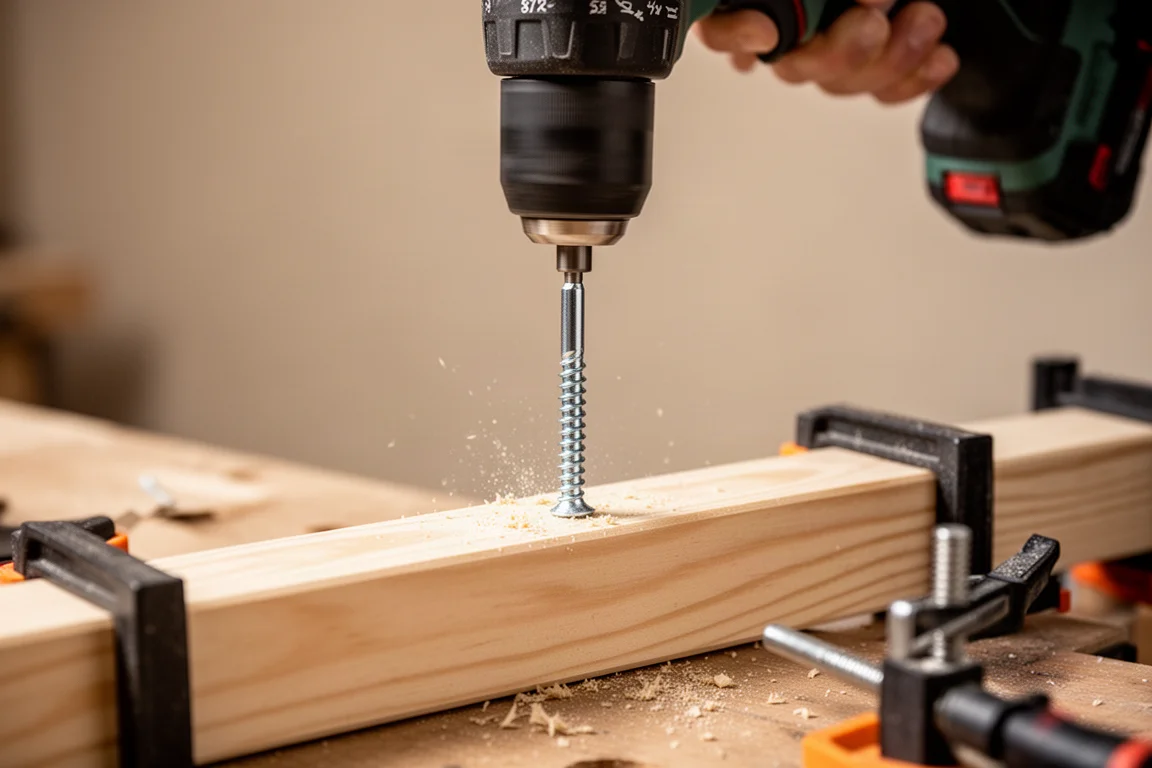
Small screws are a different story: every high-end impact driver here drives them so fast that brand differences vanish. What does separate Makita is the quality of control, with more settings, finer low-speed trigger response, and modes like wood screw mode that start slowly and ramp up once resistance is felt. One caveat: the tech mode, designed to cut out when a screw seats against thin metal between 1.6 and 2mm, was not sensitive enough to stop reliably in testing on 2mm aluminium, a quirk common across Makita impact drivers.
A quick note on nut removal: the TD002G’s bolt release settings work exactly as intended on standard bolts, stopping the tool once resistance drops so the nut does not fly across the workshop. On genuinely seized car lug nuts, however, it did not have the power to break them free, a common limitation across impact drivers in this class.
Against a Milwaukee 18V Gen 3, the Milwaukee still won. It remains the raw-speed benchmark to beat.
Buying Advice: Which One Should You Get?
If you already own any of the top four, the TD001G, the TD002G, the 171 or the 172, you do not need to upgrade. The differences between them are small: a marginal speed advantage on the new model, the dual spring system, and an extra light. If you use Makita tools and your current impact driver is a lower-grade model, then the TD002G is a huge jump up and a fantastic tool that handles everything from fine small screws with excellent control up to genuinely big fastening jobs.
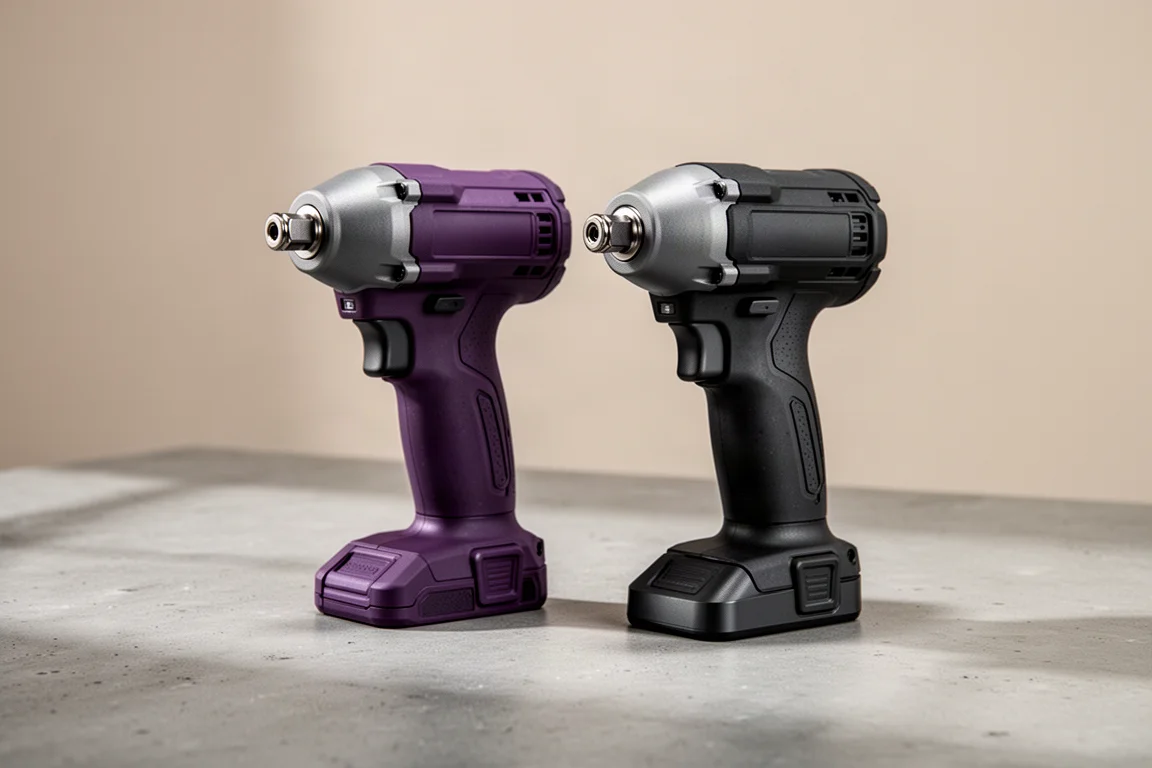
If your work is mostly small, delicate fastening, a 40V body with its chunky base is honestly more tool than you need. An 18V model with a slimline battery, or even a 12V, is lighter, nimbler and easier to manoeuvre. And if you are committed to the 18V LXT platform, the 172 will give the 40V models a serious run for their money without forcing a battery platform change.
Conclusion
The Makita TD002G is a refined, extremely well-made impact driver with more settings than most competitors and a genuinely clever dual spring mechanism, but the real takeaway from this comparison is that the top end of the impact driver market has converged. The Hikoki WH36DC matches it on speed, the Makita 172 matches it on real-world driving, and the TD001G is barely behind. Buy the TD002G if you want the newest 40V flagship with room to grow via Bluetooth tuning, but nobody upgrading from the current top tier will feel left behind.
Further reading
Related Reviews
Power Tools
Best 1-Inch Pistol Impact Wrenches: Three Heavy-Duty Options Compared
We compare three 1-inch pistol impact wrenches, from a budget-friendly Harbor Freight model to a premium Caterpillar unit, to help you choose the right one.
Power Tools
Best 3/4-Inch Impact Wrenches 2026: Five Contenders Compared
We compare five 3/4-inch impact wrenches across price and performance, from a budget Amazon option to Snap-on's most powerful model yet.
Power Tools
Best Budget Cordless Tools 2026: Walmart Finds That Punch Above Their Price
We tested five cordless tools from Walmart, including a high-torque impact wrench that trades blows with Milwaukee and a $35 duster that outperforms its price class.