Power Tools
Makita Sub-Compact vs Metabo HPT: Two Compact Cordless Lineups Compared
Eight compact cordless tools, two very different philosophies. Here is how the Makita Sub-Compact lineup stacks up against comparable Metabo HPT tools in power, features, warranty, and value.
Introduction
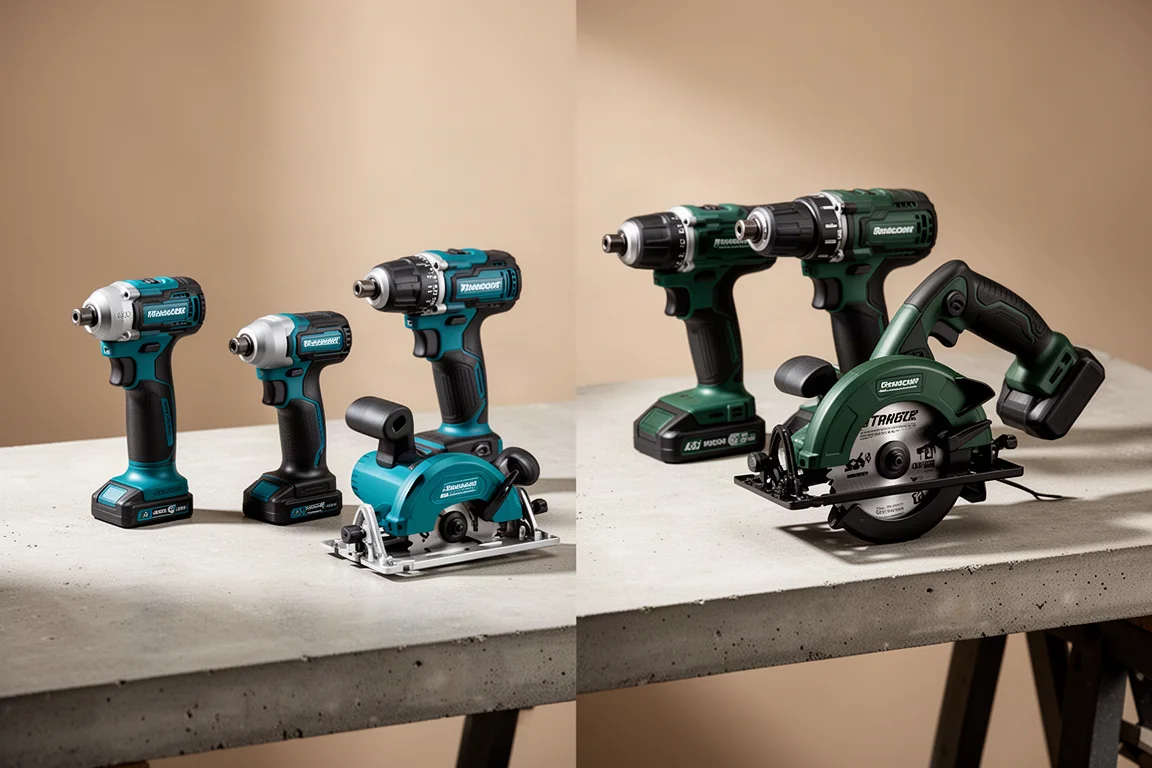
Makita’s Sub-Compact series and Metabo HPT’s compact range occupy a similar size class and, depending on where and how you buy them, a similar price band. But they are built for very different buyers. After spending real time with eight tools across both platforms, including the drills, impact drivers, impact wrenches, and 6-1/2 inch circular saws, a clear pattern emerged: Makita wins on refinement and precision, while Metabo HPT wins on power, features per dollar, warranty, and deal availability.
It is worth noting up front that these tools were acquired through a mix of eBay, Amazon sales, and Lowe’s clearance events, and the whole eight-tool collection came in at roughly $220. Your results will vary when hunting for similar deals, but the takeaway stands: both lineups can be had cheaply if you shop patiently.
How These Tools Compare
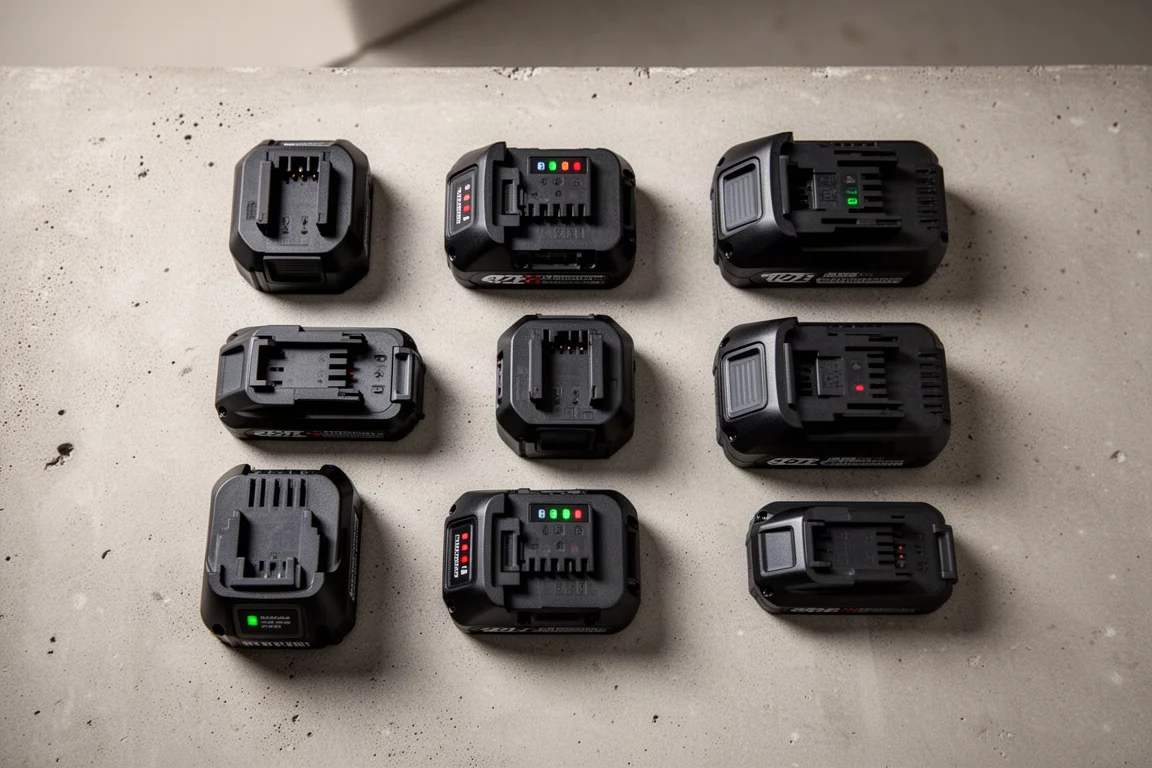
The comparison is not a strict apples-to-apples match. Makita’s Sub-Compact tools are designed for precise, lighter-duty work such as cabinet making and small projects. The Metabo HPT tools here are closer to mid-range and put out nearly double the power in most cases. The Makita impact wrench is a 3/8 inch model while the Metabo HPT is a 1/2 inch, so they serve different jobs entirely. Battery packs, however, follow the same compact style across both platforms, and Metabo HPT’s newer 2Ah packs include a fuel gauge, something Makita currently offers only on its 2Ah packs, not its 1.5Ah versions.
The Drills: Quiet Precision vs Affordable Power
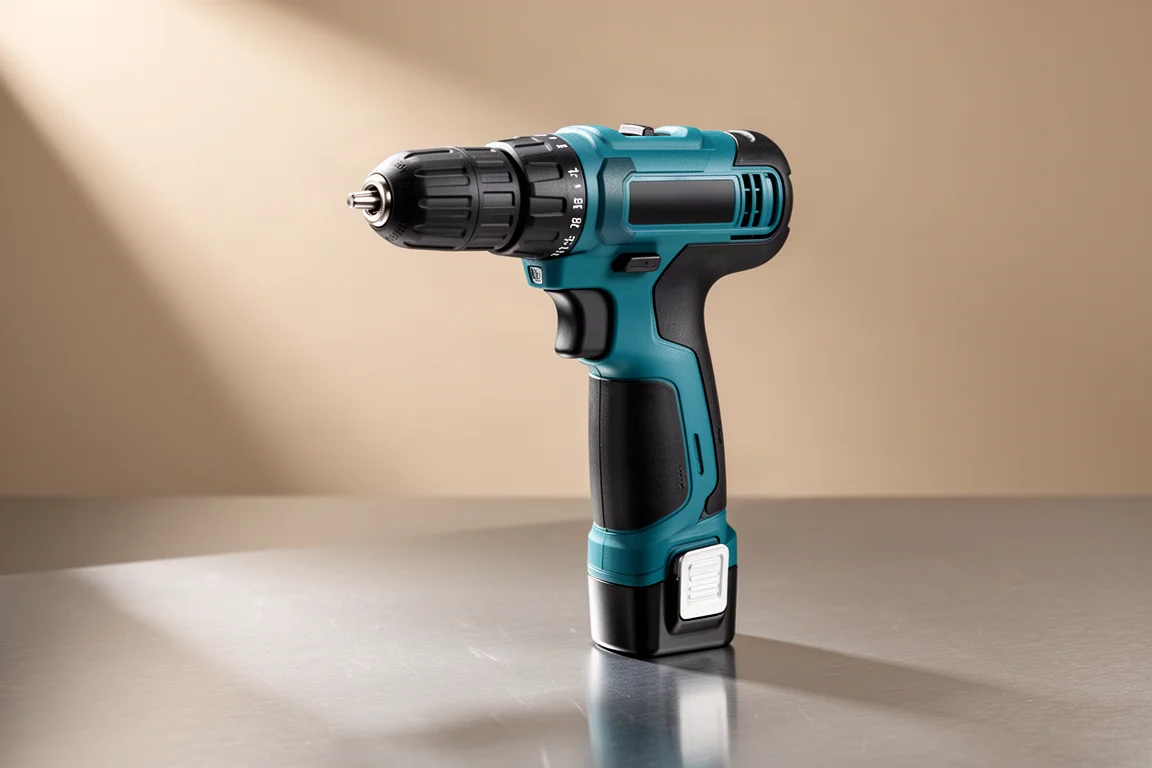
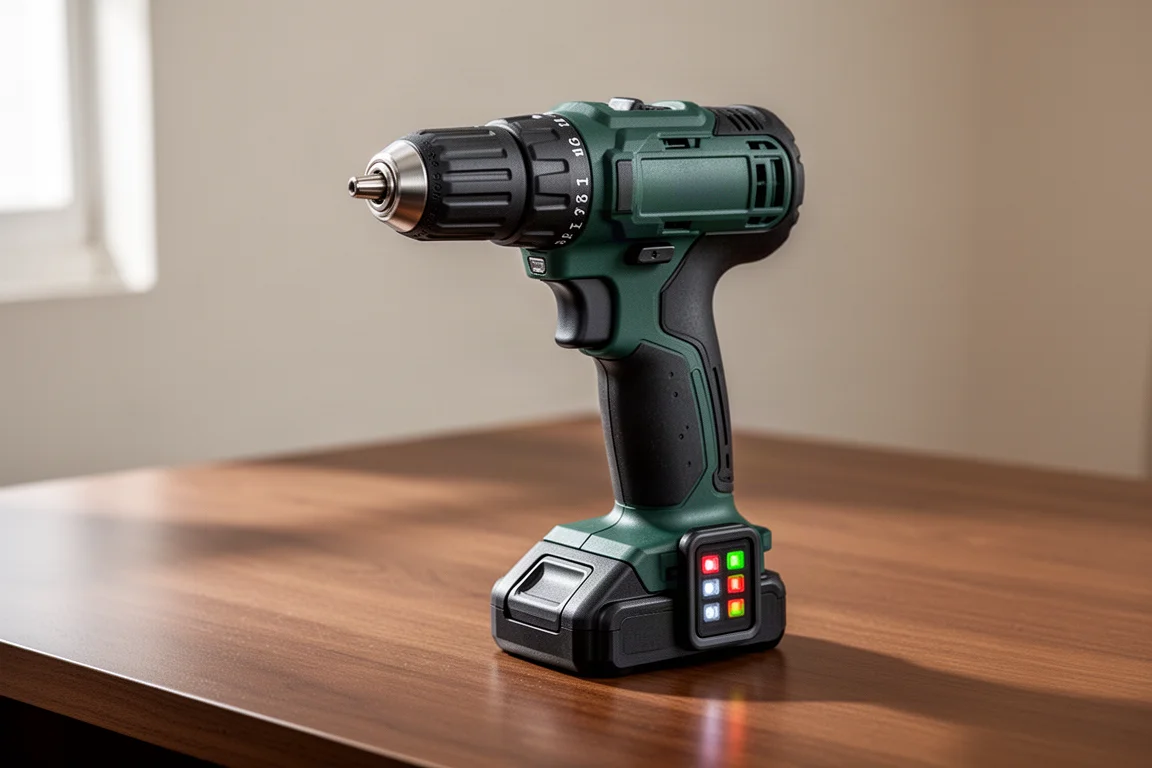
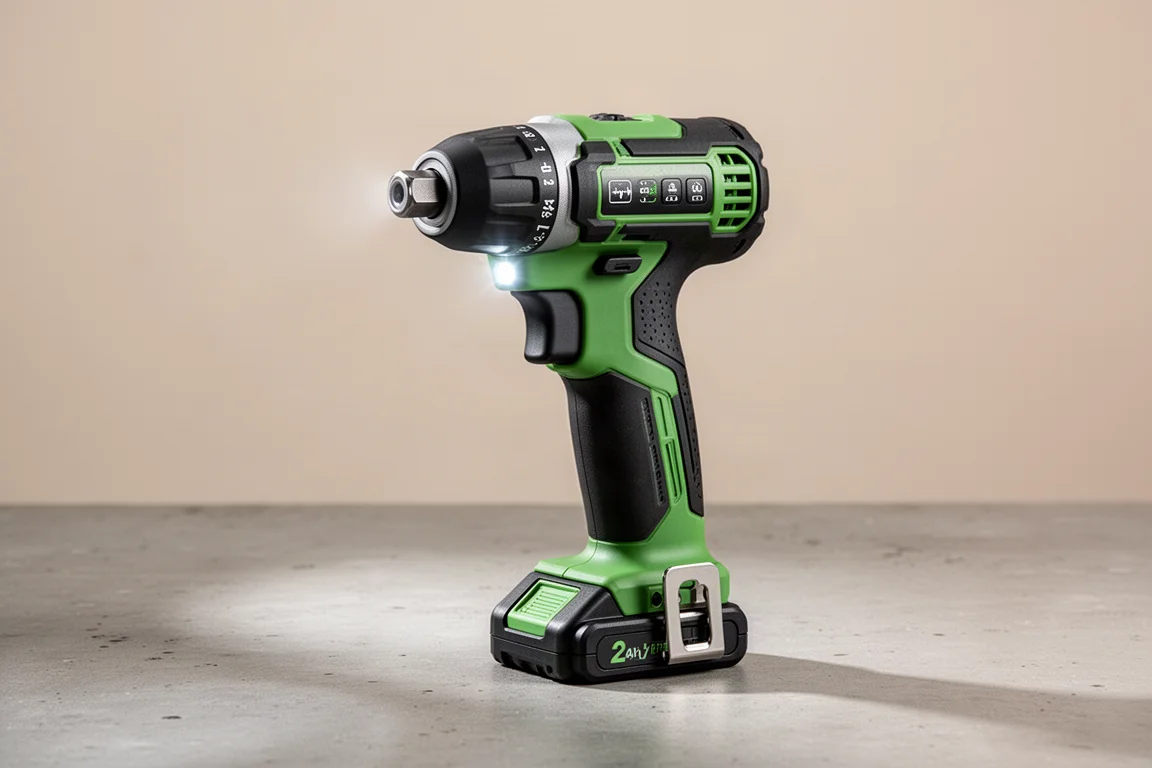
Both drills are standard drill drivers rather than hammer drills. The Makita Sub-Compact drill is about a quarter of an inch shorter at most, but the more noticeable difference is sound: the Makita is far quieter in use, and it feels smoother overall. It also places its work light where you want it, whereas the Metabo HPT’s light placement is less convenient. One trade-off: the Makita uses a plastic chuck, while the Metabo HPT drill has a metal chuck.
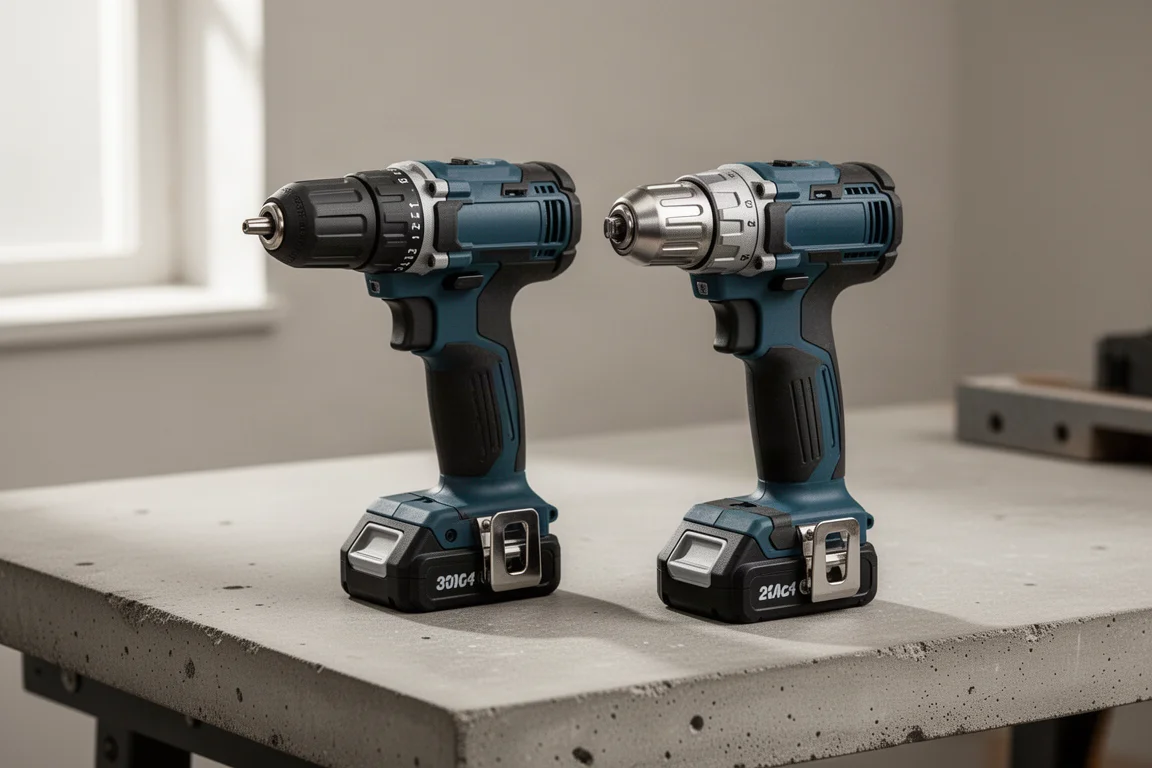
The Metabo HPT drill counters with reactive force control, a safety feature that stops the tool if the bit catches, protecting your wrist. Combined with its lower street price, that makes it a compelling option despite being louder and less refined.
Impact Drivers: Thin Beats Stubby
On raw power, the Metabo HPT impact driver is clearly the stronger tool, and it is shorter too, which sounds like an instant win. In practice, the Makita’s slim head design is the more useful feature. Instead of a short-and-stubby body, the Makita is very thin, letting you reach fasteners in tight spots without a bit extension, which matters for cabinet making and light electronics repair.
The feature gap is also significant. The Makita offers high and low speed modes for trigger precision plus an automatic mode for self-tapping screws. The Metabo HPT has no speed control at all; you rely purely on trigger feel.
Impact Wrenches: 3/8 Inch Finesse vs 1/2 Inch Muscle
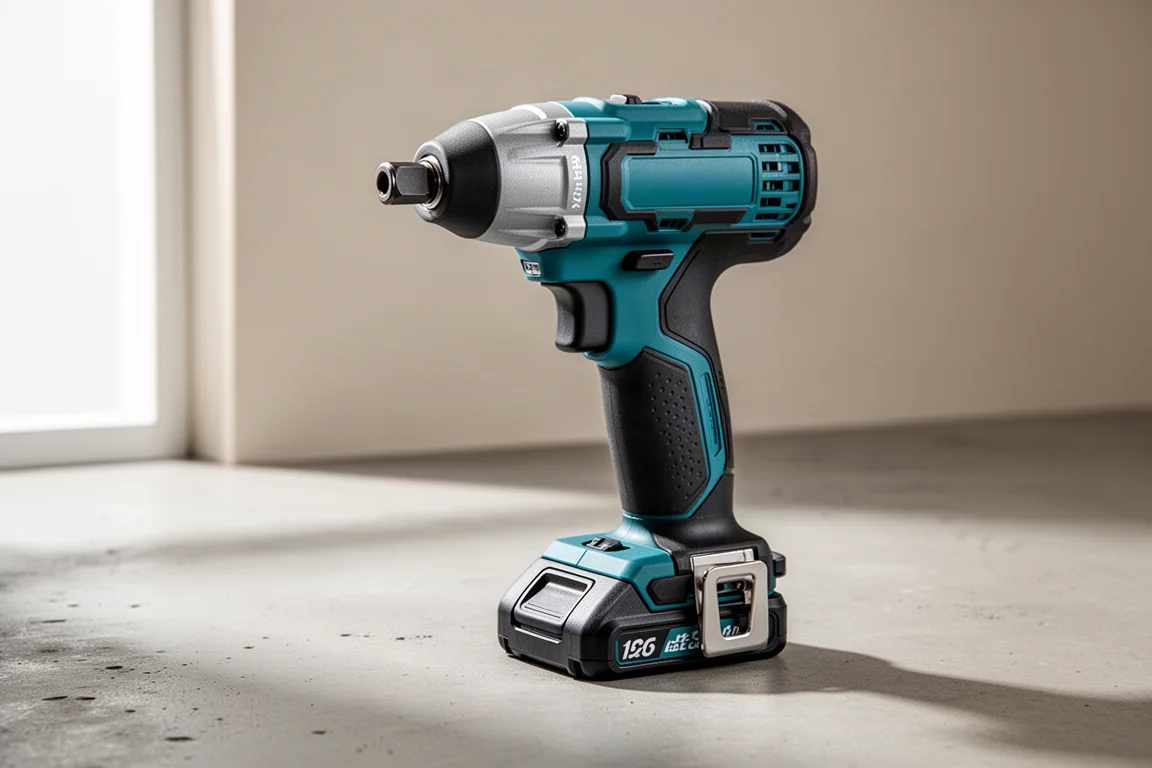
These are genuinely different tools for different jobs. The Makita Sub-Compact 3/8 inch impact wrench includes high and low speeds plus a bolt removal mode that stops the tool once it senses no more resistance, so fasteners do not go flying. It is excellent for small jobs and hex-key-style work where maneuverability and precision matter, and it is a genuinely handy tool to keep around.
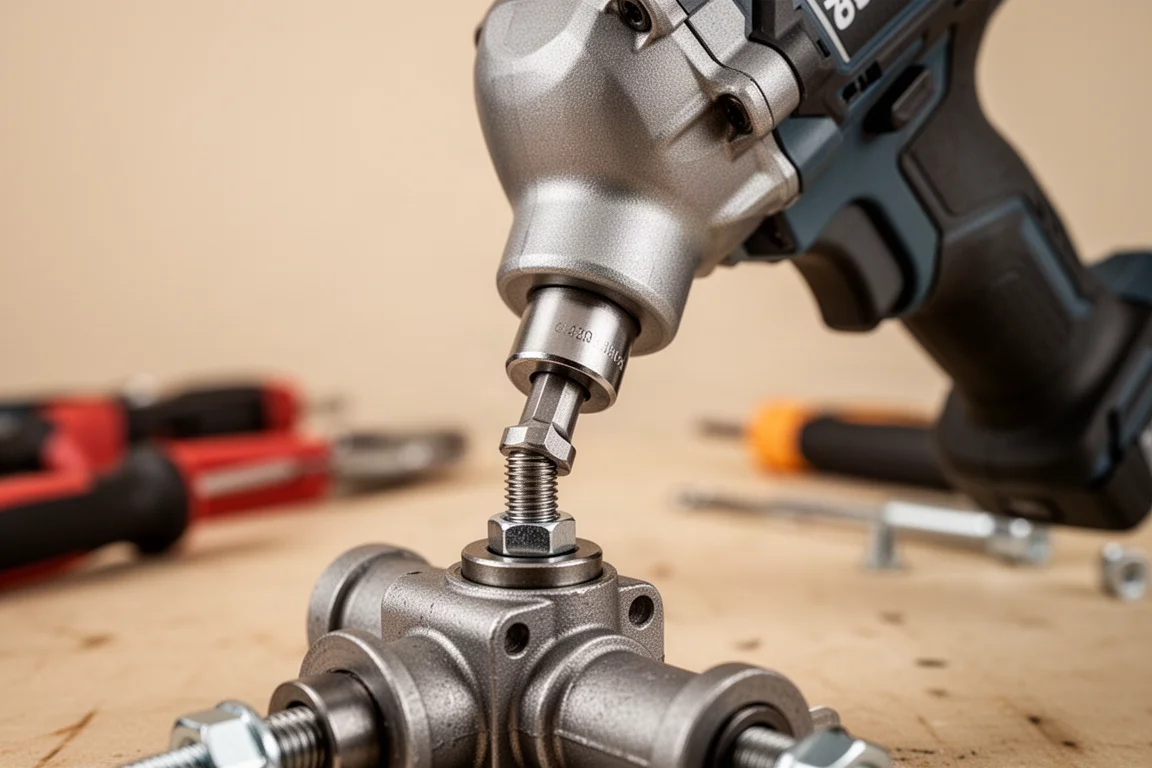
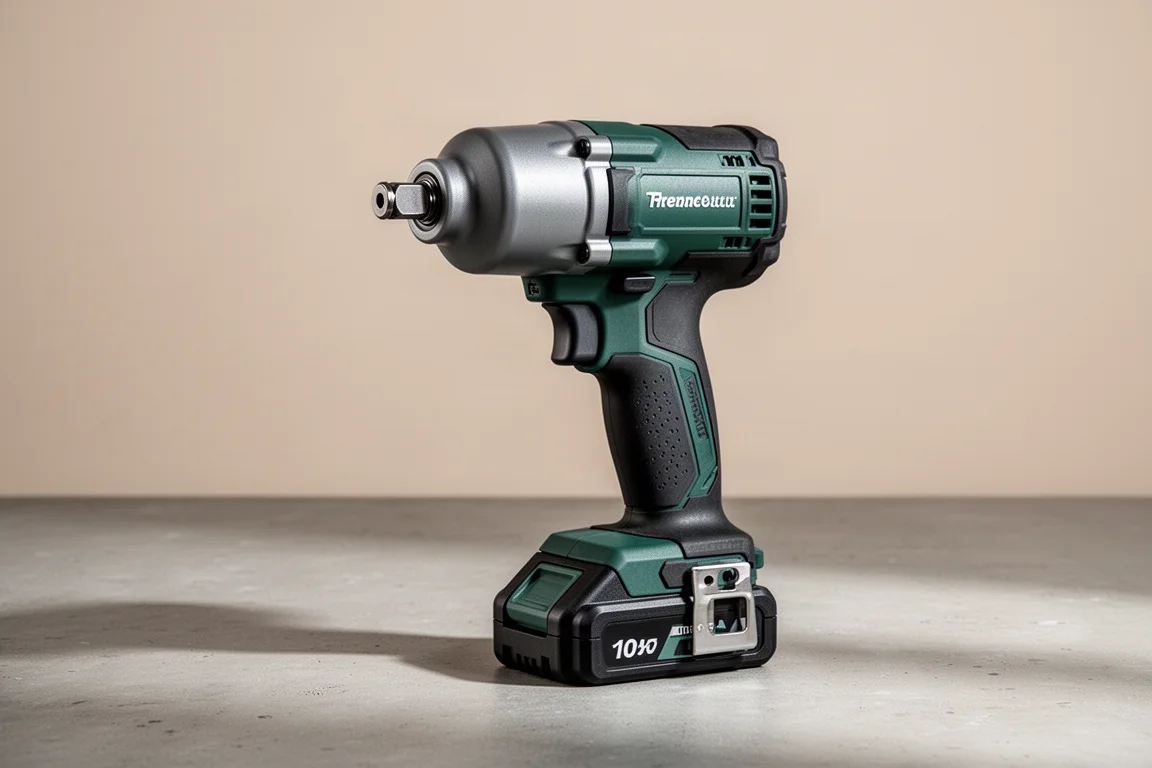
The Metabo HPT 1/2 inch impact wrench is the tire-changing tool of the pair. It has plenty of power for most situations, though it is not the most powerful half-inch wrench available. It offers a couple of speed modes but no bolt removal mode. It is also worth knowing that Metabo HPT does not make a 3/8 inch impact wrench, and Makita’s half-inch option costs significantly more than either tool here.
On warranty, the gap is stark: Metabo HPT backs its tools with a three-year warranty plus lifetime coverage, far ahead of what Makita offers on these models.
Circular Saws: A Surprisingly Close Contest
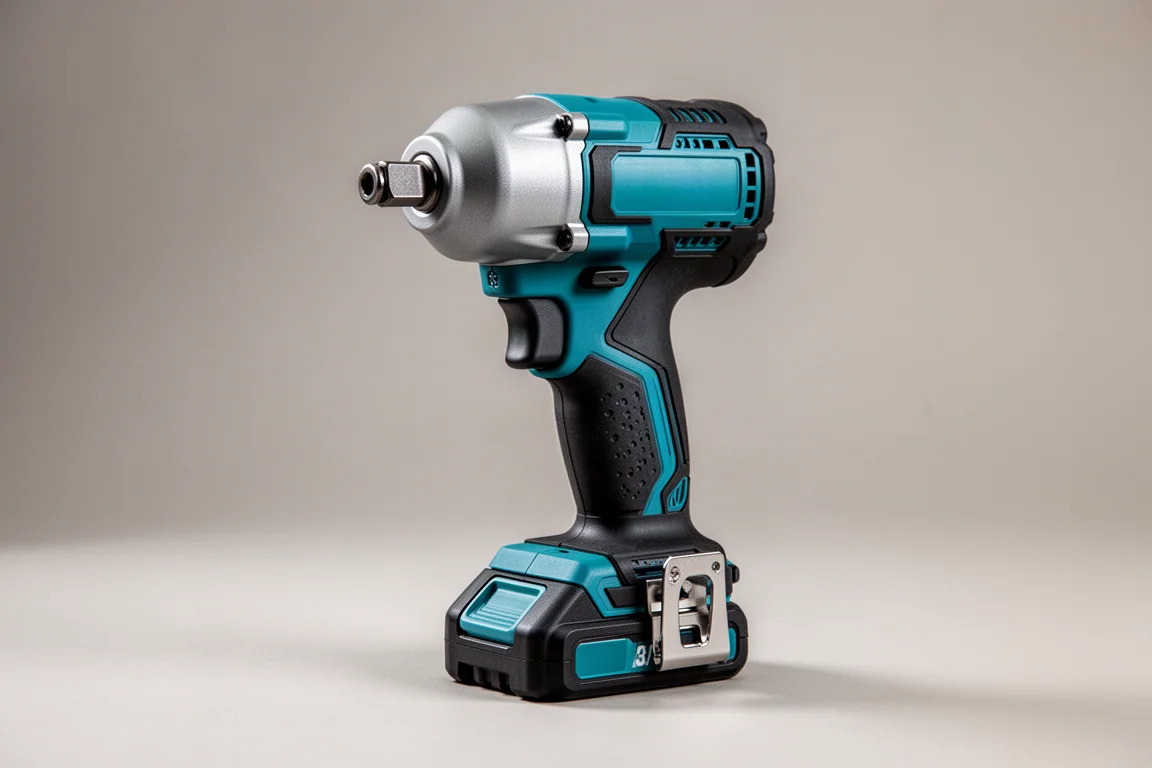
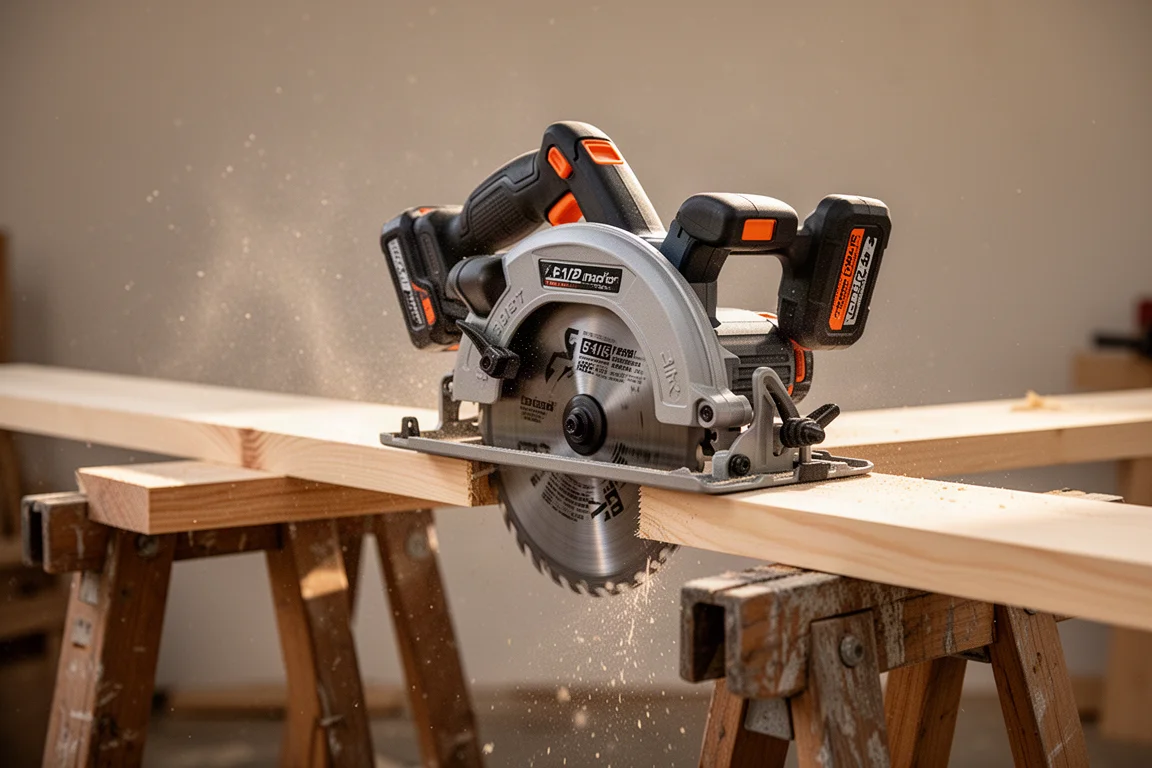
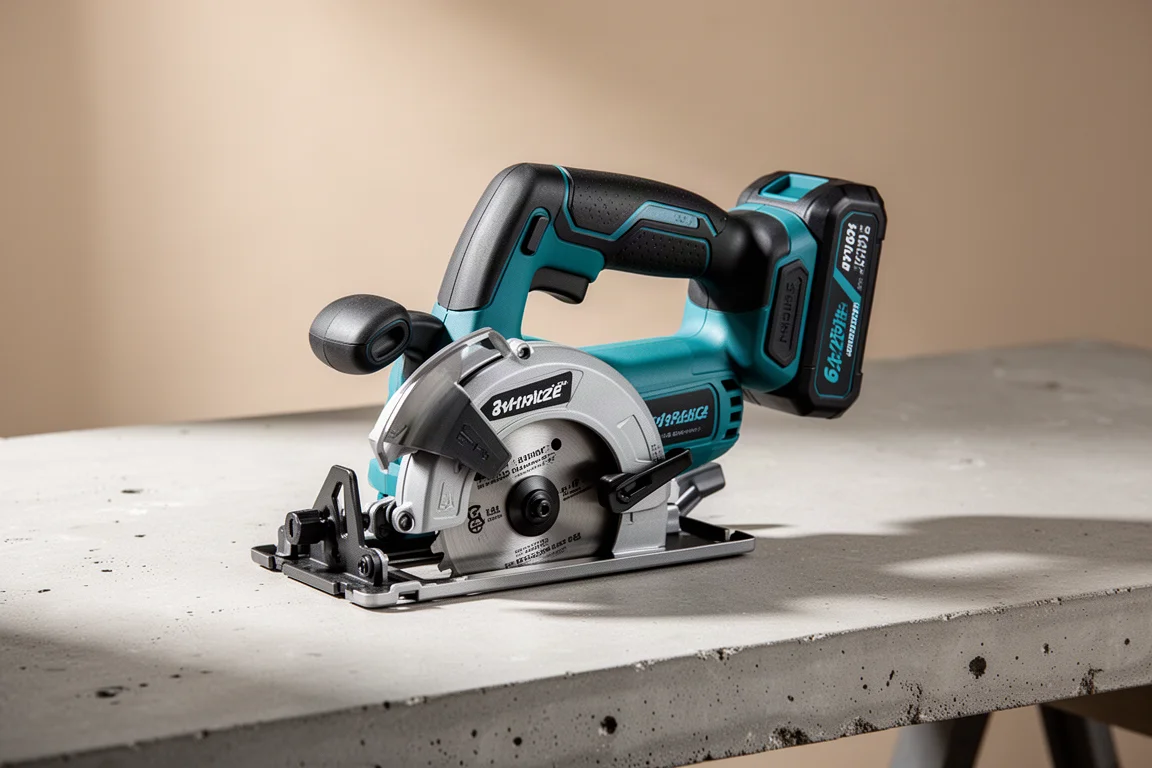
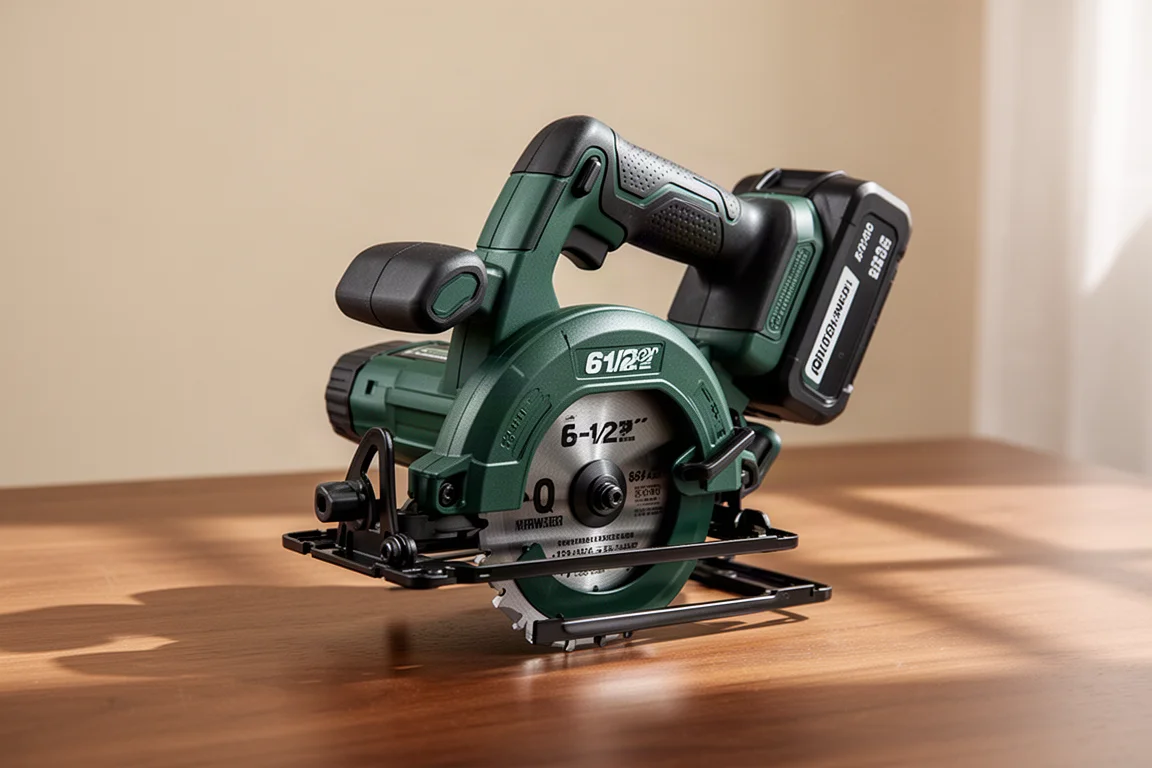
Both 6-1/2 inch circular saws are brushless, and this is the closest matchup of the bunch. Surprisingly, the Metabo HPT saw shows less power in use; it bogs down more easily and does not like running on smaller batteries. The Makita, despite being a tiny saw, is solid and quite powerful for its size.
The one structural difference: the Makita’s battery slides on perpendicular to the saw, while the Metabo HPT’s slides on parallel. That makes the Makita slightly more compact, which helps when working in tighter spots.
Which Lineup Should You Buy?
If your work leans toward precision, cabinet making, or service and maintenance tasks, the Makita Sub-Compact tools make sense, especially the 3/8 inch impact wrench, which is cheap, compact, and genuinely useful. But be aware of the trade-offs: the Sub-Compact series is expensive, lacks significant power, and does not carry the warranty that Metabo HPT provides.
For everyone else, Metabo HPT is hard to beat in this size and price class. The tools deliver close to double the power, come with a stronger warranty, and are frequently available at deep clearance pricing at Lowe’s. Adding to the value, Metabo HPT currently offers a free 3Ah battery rebate on new tools purchased from authorized retailers such as Amazon and Lowe’s.
Conclusion
Both platforms have a clear identity. Makita Sub-Compact is about quiet, refined, precise tools for lighter work, at a premium. Metabo HPT is about raw value: more power, better warranty, and aggressive discounts. If power, features, and price per dollar drive your decision, Metabo HPT takes this category. If precision in tight spaces is your priority, the Makita Sub-Compact lineup still has a place on the bench.
Further reading
Related Reviews
Power Tools
Best 1-Inch Pistol Impact Wrenches: Three Heavy-Duty Options Compared
We compare three 1-inch pistol impact wrenches, from a budget-friendly Harbor Freight model to a premium Caterpillar unit, to help you choose the right one.
Power Tools
Best 3/4-Inch Impact Wrenches 2026: Five Contenders Compared
We compare five 3/4-inch impact wrenches across price and performance, from a budget Amazon option to Snap-on's most powerful model yet.
Power Tools
Best Budget Cordless Tools 2026: Walmart Finds That Punch Above Their Price
We tested five cordless tools from Walmart, including a high-torque impact wrench that trades blows with Milwaukee and a $35 duster that outperforms its price class.