Power Tools
18V vs 40V XGT: Makita SDS Hammers Compared
The Makita XRH01 18V LXT and XGT GR07Z go head to head on concrete, showing how much of a difference impact energy really makes.
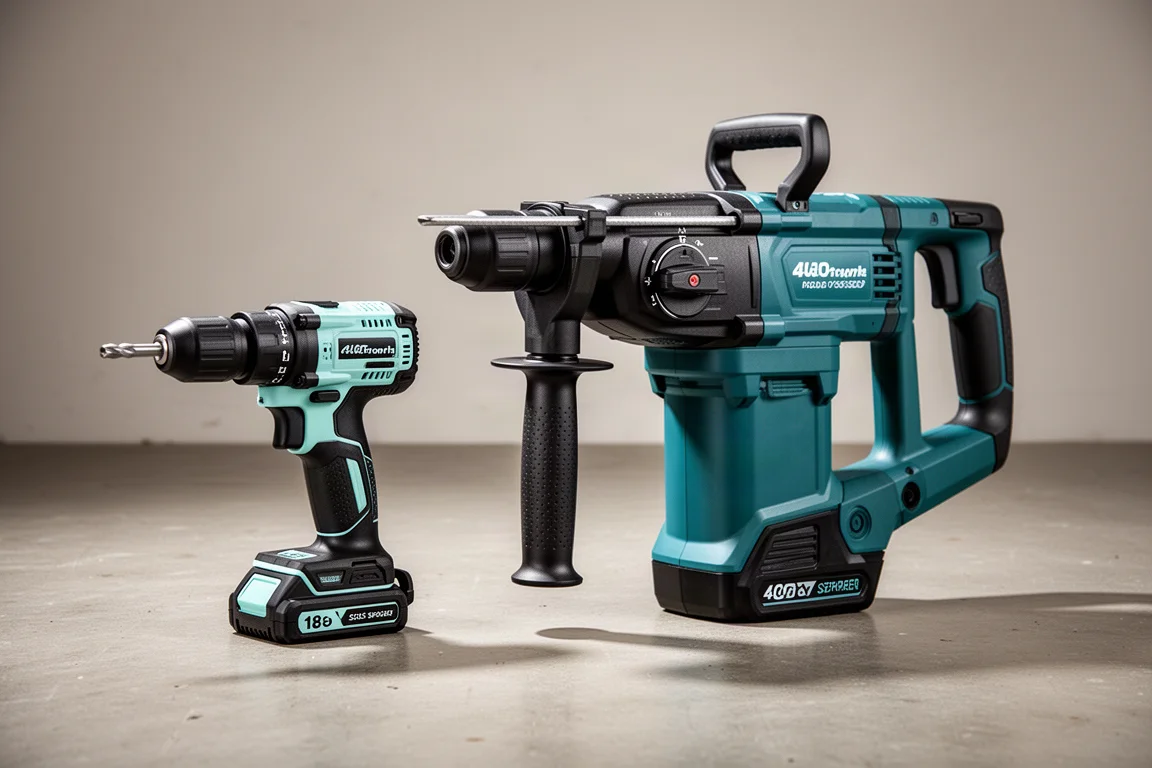
Introduction
SDS hammers are the kind of tool most people use only a few times a year. When the job finally comes up, though, you want it done fast. That is exactly the situation that led to this comparison: an older 18V Makita XRH01 LXT hammer drill, and the newer 40V-class Makita XGT GR07Z breaker.
Both are brushless, both are genuinely useful for occasional concrete work, and both sit at the affordable end of Makita’s respective platforms. The interesting question is what the impact energy numbers mean in practice. The XRH01 delivers 0.7 ft-lbs of impact energy, while the GR07Z delivers 2.7 ft-lbs. On paper that sounds like a modest jump. In the field, it is anything but.
The Case for Upgrading
The 18V tool earned its keep on a job breaking up a concrete pad for an AC unit, roughly a 5 by 5 foot slab about 4 inches thick. It did the work, but it took 30-plus minutes, draining a 5.0Ah battery down to a single bar. The job got done, but slowly, and it was clear a more capable breaker would pay for itself the next time.
That is the context worth keeping in mind: these are occasional-use tools, not daily drivers, so the sensible move is to spend just enough to get real performance, not to jump straight to a heavy-duty pro breaker.
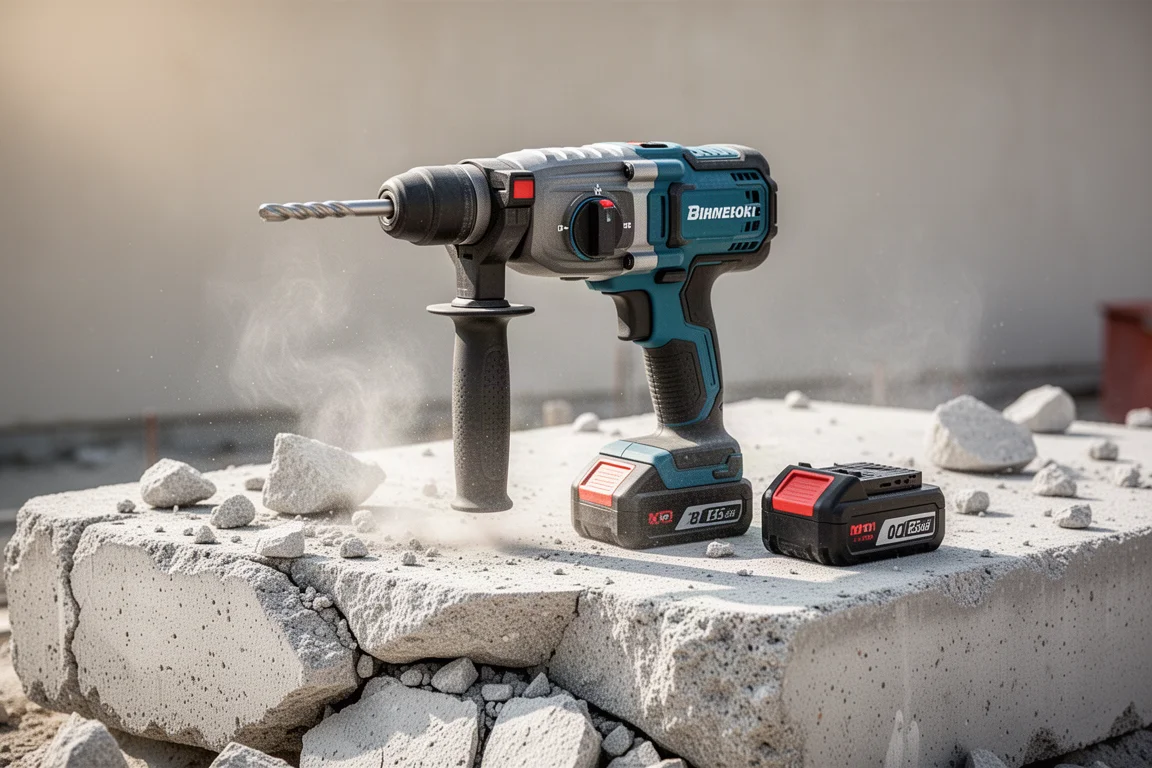
Makita XRH01 18V LXT: The Affordable Starting Point
The XRH01 is one of the least expensive 18V-only hammer-mode SDS tools available, making it a natural pick for occasional users already invested in Makita’s LXT platform. It has a brushless motor and 0.7 ft-lbs of impact energy, which is enough to chip away at standard concrete pads and sidewalks.
In use, it takes the slow and steady route. It cracks concrete apart, but it is methodical: small chunks rather than clean splits. For light duty or thin material it is fine, and for someone who barely uses an SDS hammer, it can absolutely get the job done. The trade-off is time and battery drain, both of which add up on anything thicker than a sidewalk.
Makita XGT GR07Z: 40V Power in an Entry-Level Breaker
The GR07Z is essentially the entry point to Makita’s XGT breaker line, and it carries the platform’s heavier hitting power: 2.7 ft-lbs of impact energy, a full foot-pound more than the 18V tool. It offers drill-only, hammer-and-drill, and hammer-only modes, plus a neutral setting for positioning spade bits or other rotation-oriented accessories before locking them in place. There is also forward and reverse, handy if a bit ever gets stuck.
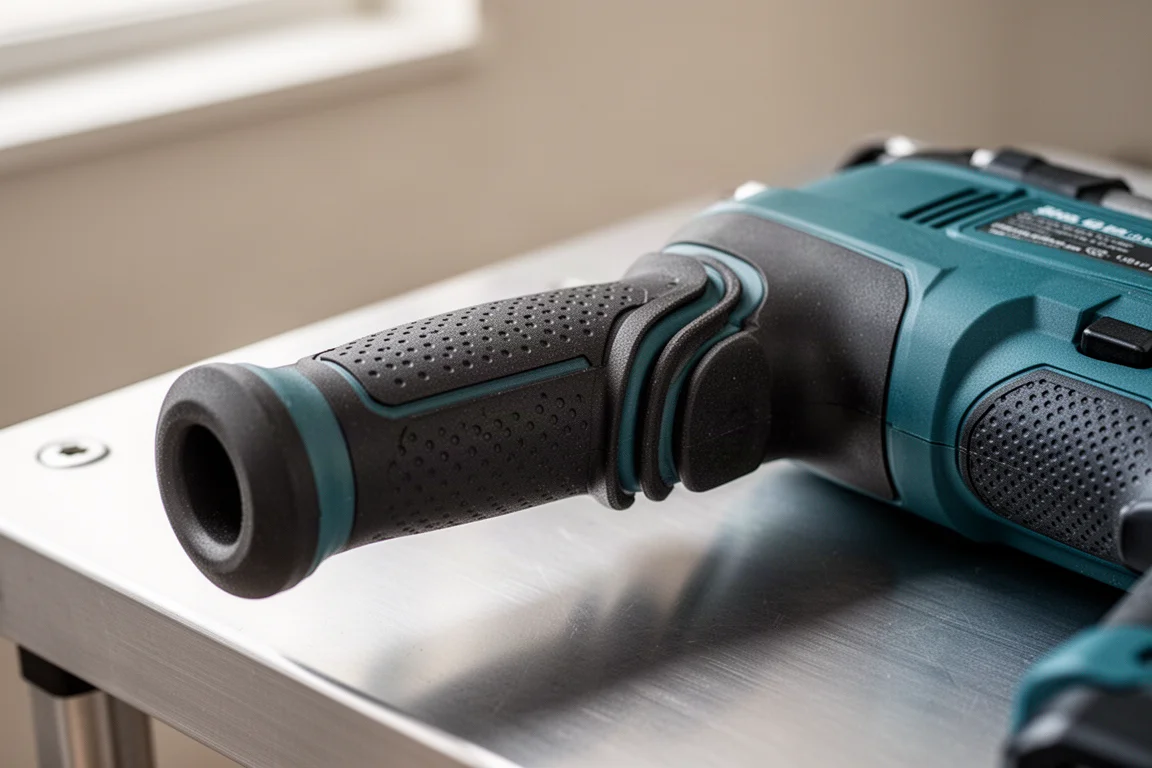
The standout design detail is the anti-vibration technology. The entire rear section, including the handle, is physically isolated from the front hammer body with visible dampening, so much of the pounding never reaches your hands. A brushless motor rounds out the package.
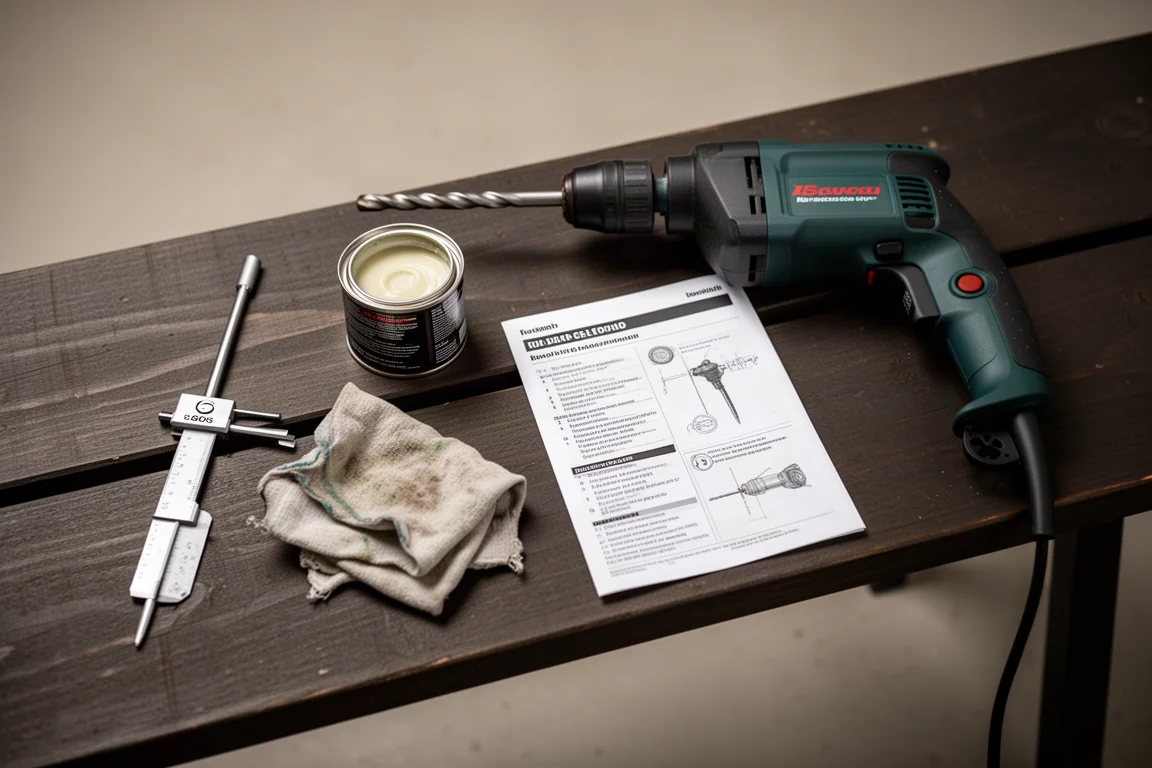
What’s in the Box
The GR07Z ships with the side handle attached, plus a few thoughtful extras: a can of grease for bit maintenance, a depth guide, a cleaning rag, and the manual. Kits typically include a 4.0Ah battery, though the tool is also available tool-only.
For occasional users, that tool-only route is worth considering. Used examples have been found for around $200 with free shipping, while new units typically list for a bit over $300. There is also a rebate angle: the GR07Z has been offered as a free bonus item when buying certain more expensive Makita SDS hammers, though that path means spending $600 to $800 up front, which is hard to justify for a tool used only a handful of times a year.
Concrete Test Results
Side by side on the same slab with the same bit, the difference is dramatic. The 18V tool chips away in small pieces and needs patience. The XGT GR07Z splits the concrete cleanly down the middle, breaking it into large chunks almost on demand.
In practice, the 40V-class tool felt at least four times faster than the 18V, not merely twice as fast, even accounting for the older 18V pack likely no longer delivering its full rated output. The striking part is how small the numbers look on paper: 1.7 ft-lbs versus 2.7 ft-lbs does not sound like a huge gap, but the real-world difference in speed is massive.
Battery use tells the same story. Where the 18V drained a full 5.0Ah pack over 30 minutes of work, the GR07Z finished a comparable session without even dropping a bar on the gauge.
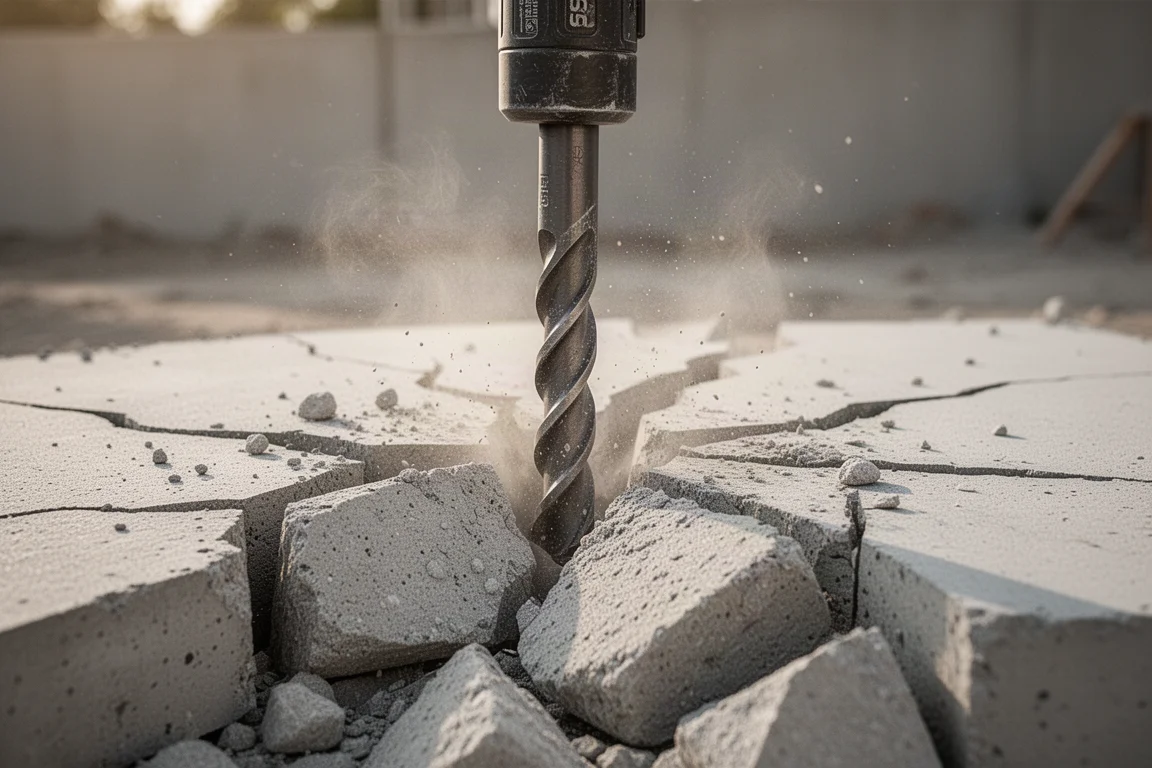
One technique note from the testing: do not just nibble at the edges. If you are breaking up a sidewalk slab or an AC pad, cutting straight down the middle and splitting it into smaller chunks as quickly as possible is far more effective than knocking off small pieces from the side.
Buying Advice
If an SDS hammer is a once-a-year tool for you, the GR07Z hits the sweet spot. It is the entry-level XGT breaker, so you get a large share of the platform’s performance without the $700 price tag of the more powerful models. And if time matters, whether it is a 100-degree day on a job site or just your own weekend, the speed difference is well worth it.
The XRH01 remains a reasonable pick if you stay strictly on the 18V platform and only ever face thin, light concrete work. But if breaking up actual slabs is on the calendar, going 40V is the upgrade that shows.
Conclusion
The jump from 0.7 to 2.7 ft-lbs of impact energy sounds incremental and is anything but. The Makita XGT GR07Z turned a 30-minute grind into a fast, clean job while barely touching its battery. For occasional concrete work where speed matters, this is one category where moving up a platform genuinely pays off.
Product link
View more details for Makita XGT GR07Z
This product is mentioned in the review. Check the specifications, options, and compatibility before buying.
View more details for Makita XGT GR07ZFurther reading
Related Reviews
Power Tools
Best 1-Inch Pistol Impact Wrenches: Three Heavy-Duty Options Compared
We compare three 1-inch pistol impact wrenches, from a budget-friendly Harbor Freight model to a premium Caterpillar unit, to help you choose the right one.
Power Tools
Best 3/4-Inch Impact Wrenches 2026: Five Contenders Compared
We compare five 3/4-inch impact wrenches across price and performance, from a budget Amazon option to Snap-on's most powerful model yet.
Power Tools
Best Budget Cordless Tools 2026: Walmart Finds That Punch Above Their Price
We tested five cordless tools from Walmart, including a high-torque impact wrench that trades blows with Milwaukee and a $35 duster that outperforms its price class.