Power Tools
Makita Reciprocating Saws Compared: Corded Classic vs Subcompact vs XGT
A 21-year-old corded Makita JR3000VT goes head to head with the XRJ07 subcompact and the 40V XGT GRJ01 to see whether corded tools still deserve a place on the job site.
Introduction
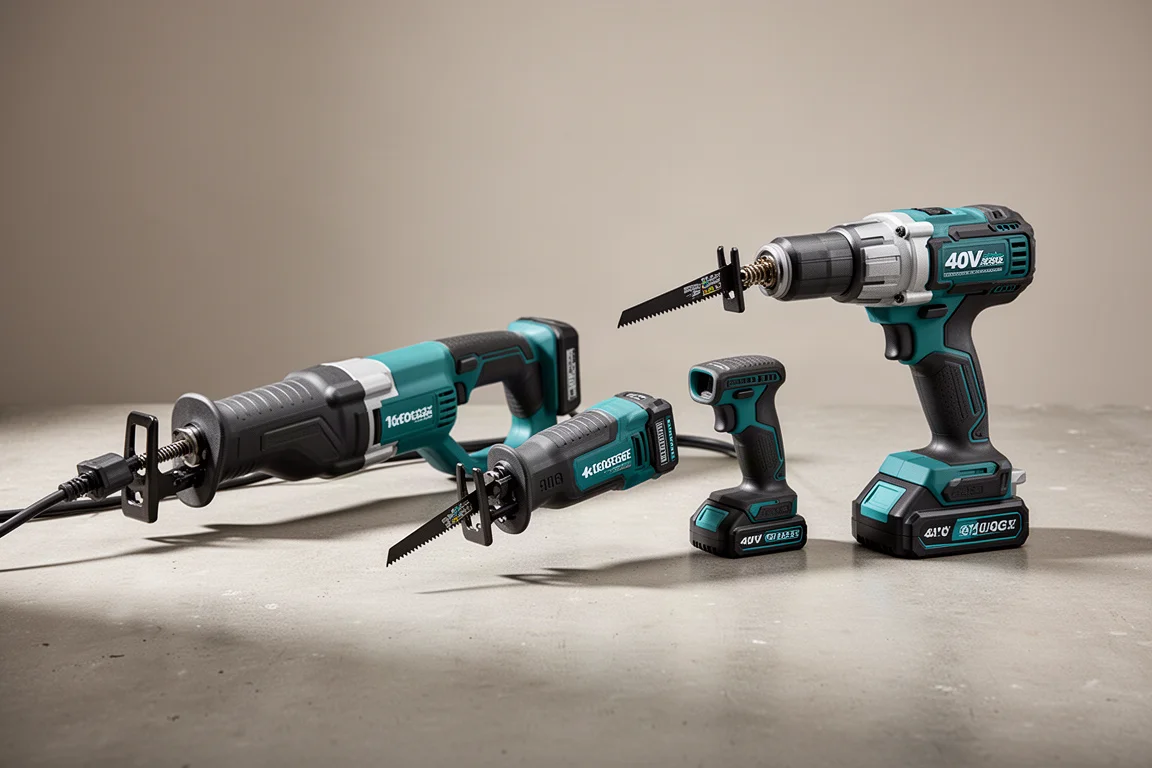
Corded power tools are easy to overlook in a cordless world, yet they still sell cheap at pawn shops and still earn their keep in shops, bodywork bays, and demolition work. To find out how much ground the old guard has actually lost, we compare a 21-year-old corded Makita reciprocating saw against two modern cordless options from the same brand: a compact 18V subcompact and a 40V XGT model.
The question is simple: is the corded classic noticeably worse, surprisingly close, or still a genuine contender for day-to-day use?
The Corded Classic: Makita JR3000VT
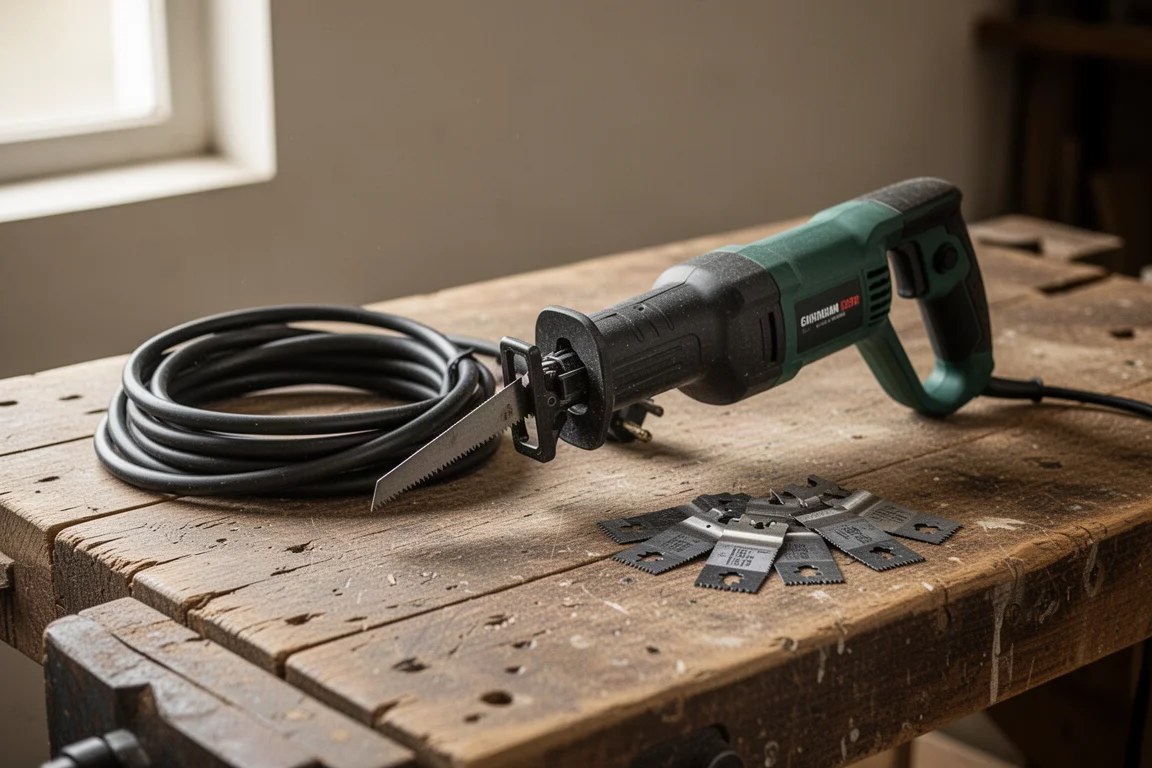
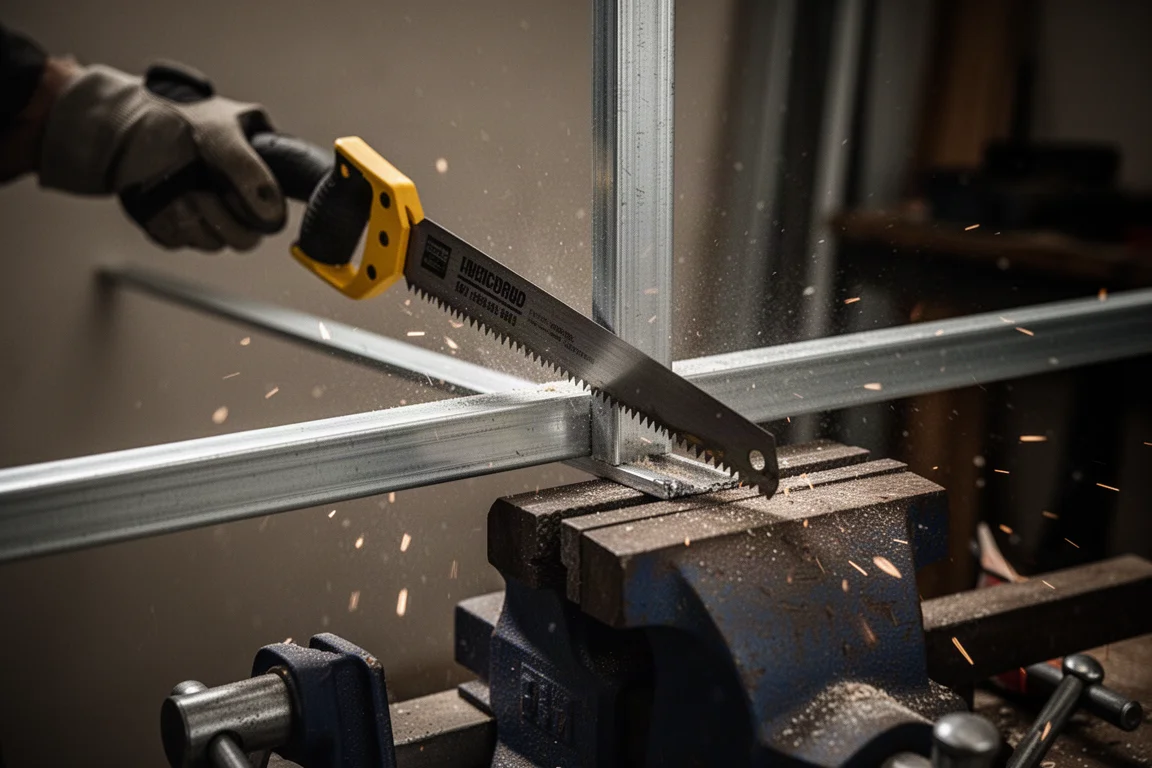
The Makita JR3000VT is one of the brand’s classic reciprocating saws. This particular unit has a June build date and is roughly 21 years old, yet it arrived in remarkably clean condition, complete with a small stash of used blades, including a wood-with-nails blade.
Running it is an experience in itself. Older corded tools like this have a sound that is genuinely wild compared to modern machines, and that character is part of the appeal. It has a decent stroke length, and on the cut tests it did not feel slower than its cordless rivals, nor did vibration feel significantly worse. Where it fell short was sustained power: it bogged down faster than the other two, likely a result of older motor technology.
The Subcompact Contender: Makita XRJ07
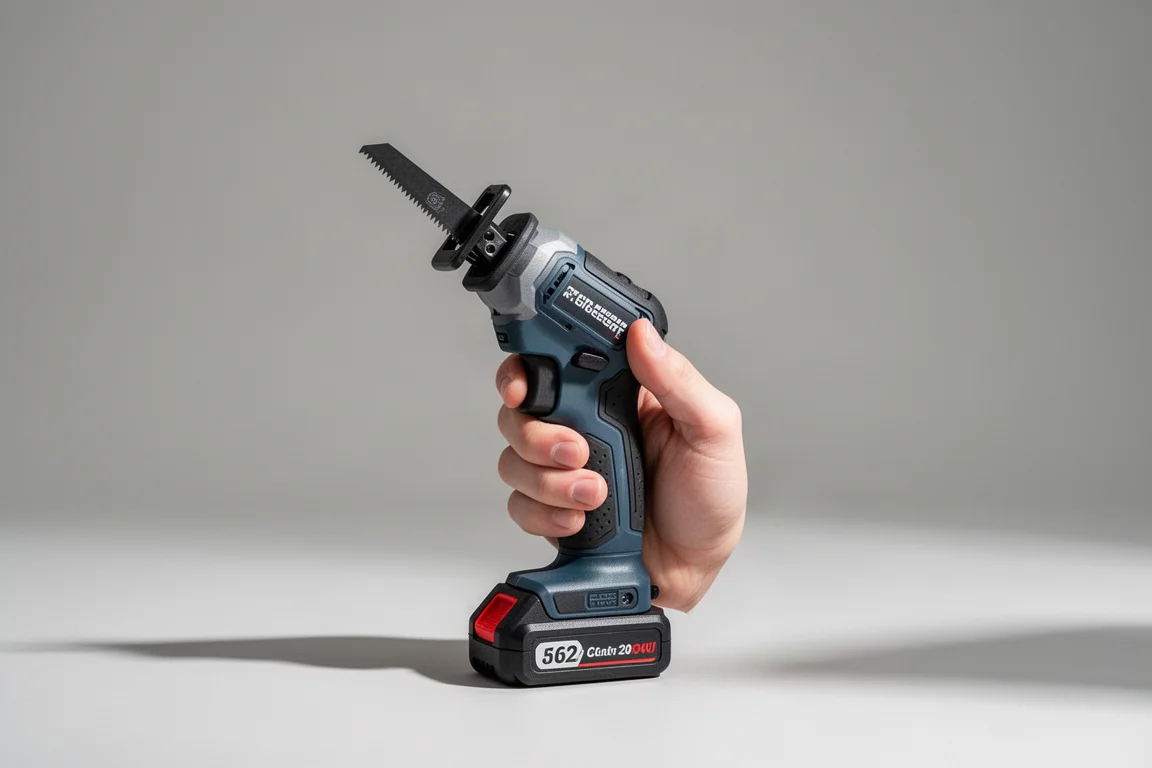
The Makita XRJ07 is a subcompact reciprocating saw from 2021, similar in overall bulk to the JR3000VT though not in length. As an 18V cordless tool, it delivered more consistent power under load, holding its speed instead of bogging down the way the older corded motor did.
For anyone cutting in tight spaces or working overhead, the compact form factor makes it an easy daily driver, and it represents the modern baseline that the corded classic was measured against.
The Heavy Hitter: Makita GRJ01 XGT
The Makita GRJ01 sits at the top of the comparison as a 40V XGT reciprocating saw. Here is the surprising part: even though the corded JR3000VT runs off full mains power at 120V, the XGT platform can actually pull greater wattage than the corded tool. That is an impressive feat for a battery-powered machine and matters most when you are running heavy-duty tools and want as much power as possible.
In use, the GRJ01 delivered the same steady, constant-power feel as the XRJ07, and it held up without the bogging that affected the older motor.
Which One Should You Buy?
Is buying a corded tool a bad idea? Not at all. The JR3000VT performed a phenomenal job for its age and still held its own against both cordless rivals. If you spot a used corded saw at a pawn shop and only need it occasionally, there is no real reason not to grab one. You skip the cost of batteries and the hassle that comes with a cordless setup.
The picture changes if you move between job sites. Without guaranteed power on site, you end up hunting for extension cords constantly, which quickly becomes a bad idea, as anyone who has run a demolition-heavy business knows.
Final Verdict
For occasional use on a budget, the corded Makita JR3000VT remains a solid, surprisingly capable tool that does not deserve to be written off. For contractors and anyone cutting day in, day out, the cordless XRJ07 and especially the 40V GRJ01 offer more consistent power and far more flexibility. Do not overlook corded tools, but know which situation fits each one.
Conclusion
The 21-year-old JR3000VT proved that well-built corded tools still have plenty of life left in them, while the XRJ07 and GRJ01 show why cordless has taken over the job site. Match the tool to how often and where you cut, and all three remain worth a look.
Product link
View more details for Makita JR3000VT
This product is mentioned in the review. Check the specifications, options, and compatibility before buying.
View more details for Makita JR3000VTFurther reading
Related Reviews
Power Tools
Best 1-Inch Pistol Impact Wrenches: Three Heavy-Duty Options Compared
We compare three 1-inch pistol impact wrenches, from a budget-friendly Harbor Freight model to a premium Caterpillar unit, to help you choose the right one.
Power Tools
Best 3/4-Inch Impact Wrenches 2026: Five Contenders Compared
We compare five 3/4-inch impact wrenches across price and performance, from a budget Amazon option to Snap-on's most powerful model yet.
Power Tools
Best Budget Cordless Tools 2026: Walmart Finds That Punch Above Their Price
We tested five cordless tools from Walmart, including a high-torque impact wrench that trades blows with Milwaukee and a $35 duster that outperforms its price class.