Power Tools
Makita and Milwaukee Power Tool Showdown: Six Standouts From Head-to-Head Testing
Impact drivers, hammer drills, and impact wrenches put through real screw-driving tests. Here is what stood out and what to check before buying.
Introduction
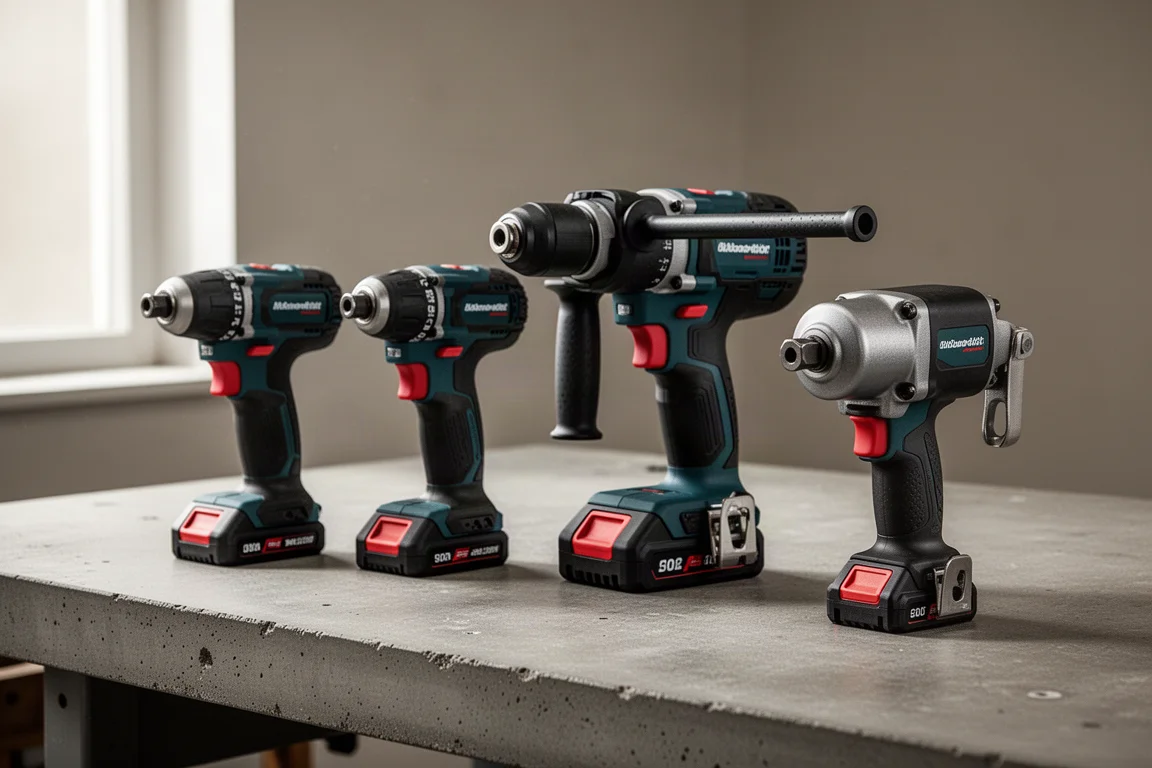
Head-to-head screw-driving tests are one of the most honest ways to compare cordless tools. Same screws, same batteries, same settings, and the stopwatch does the talking. Over a full year of testing, a clear set of winners emerged across impact drivers, hammer drills, and impact wrenches from Makita and Milwaukee. This roundup pulls together the six tools that delivered the most interesting results and explains what each one is genuinely good at.
How the Head-to-Head Tests Were Run
Every comparison followed the same disciplined formula. Batteries were freshly charged and matched for cell count, driver bits were brand new, and tools were set to their highest or equivalent settings. Test screws ranged from 100 mm batten screws up to 300 mm stainless coach screws, so both everyday and extreme workloads were covered.
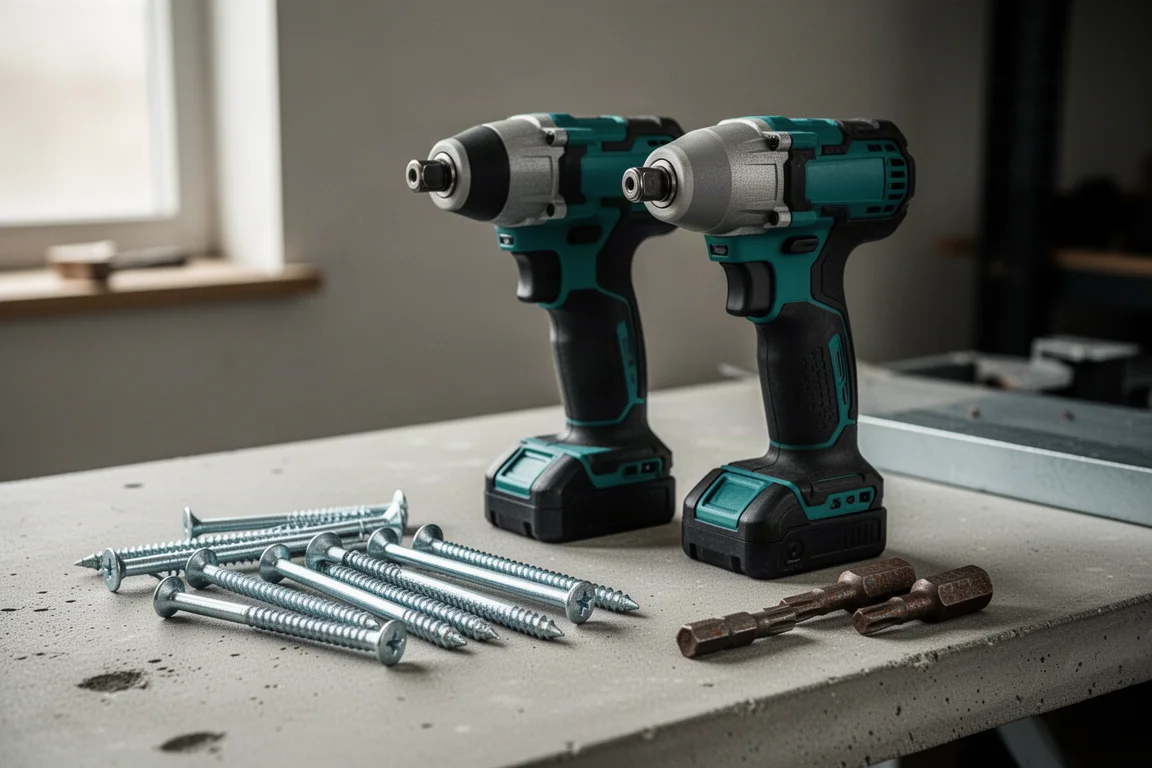
That consistency matters. Small differences in charge level or worn bits can swing results, so controlled conditions are the only way to trust what you see. Keep that in mind when comparing tools on paper, because real driving speed often tells a different story than spec sheets.
Makita TD001G
The TD001G is Makita’s flagship 40V XGT impact driver, and it earned its place through one of the most requested tests of the year: the Japan-made version driven head to head against its Chinese-made equivalent. With matched batteries, brand new bits, and identical highest settings, the two drove 100 mm and 200 mm batten screws in near-identical times.
The takeaway is reassuring for buyers: country of assembly did not produce a measurable performance gap. Whichever version lands in your region, you are getting the same tool where it counts.
Makita TD172D
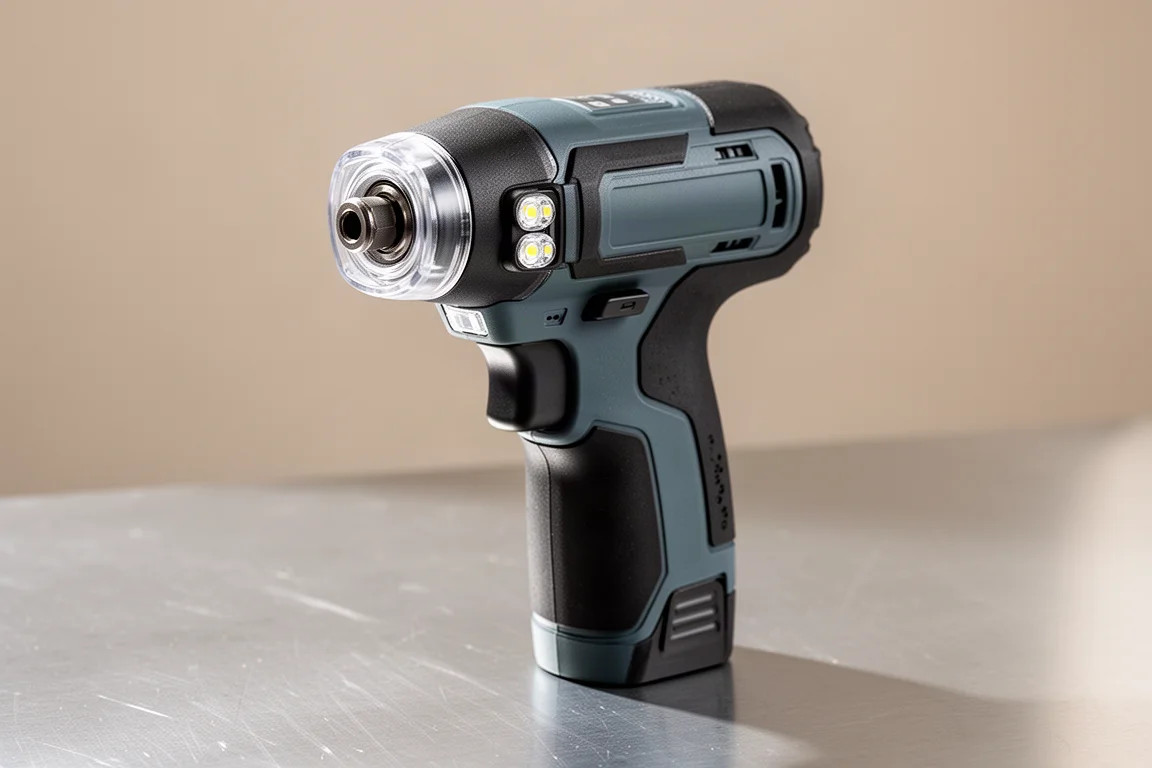
The TD172D and its predecessor the TD171D look similar but are genuinely different tools, a distinction that has been confused elsewhere. In the region-specific naming, these appear as the DTD171 and DTD172, or as the XDT16 in the United States. Both ran 5 Ah batteries on the highest setting, and across 100 mm and 150 mm batten screws there was not a lot separating them.
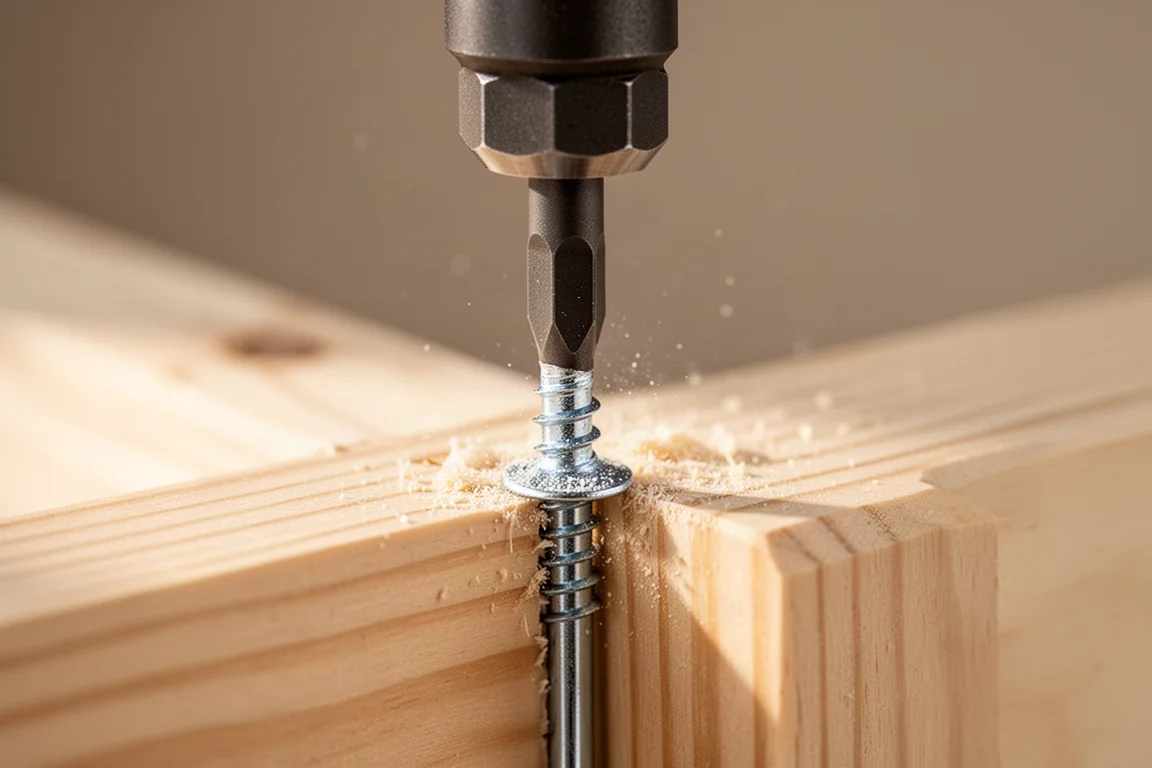
That leads to a practical conclusion: upgrading from the TD171D to the TD172D is probably not worth it if you already own the older tool. The newer model makes sense as a first purchase, but existing TD171D owners can keep their money.
Milwaukee M12 Surge
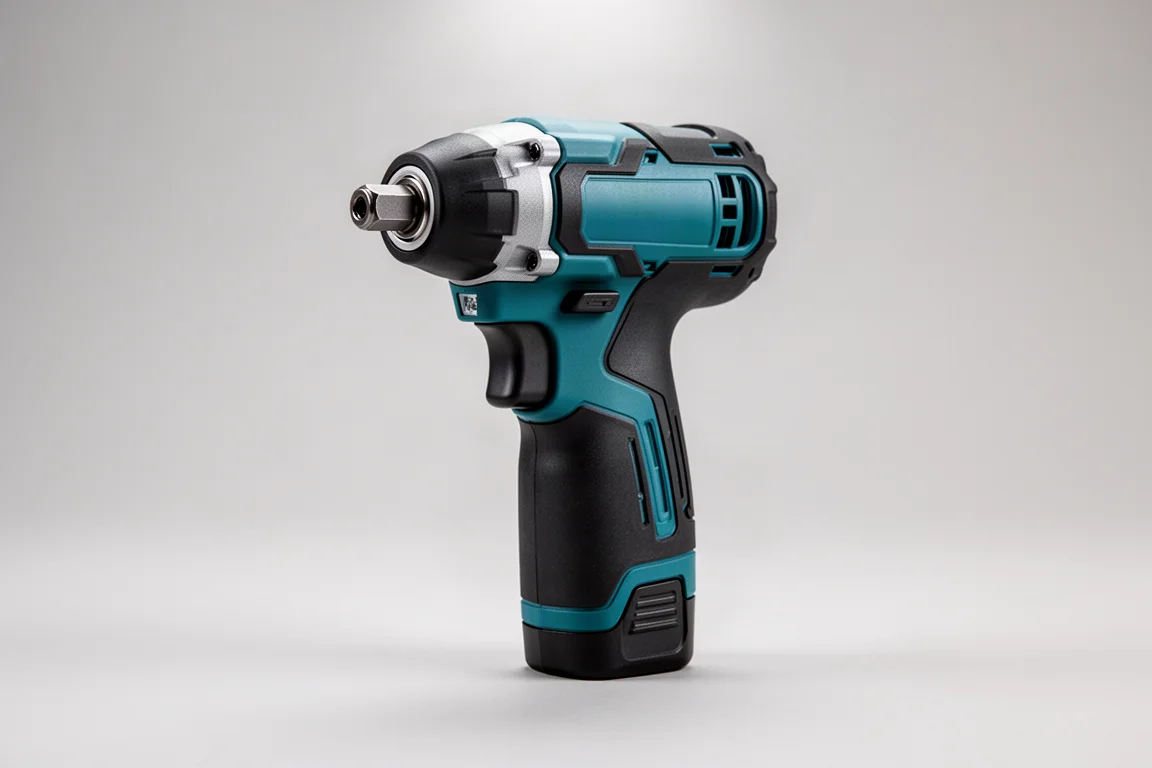
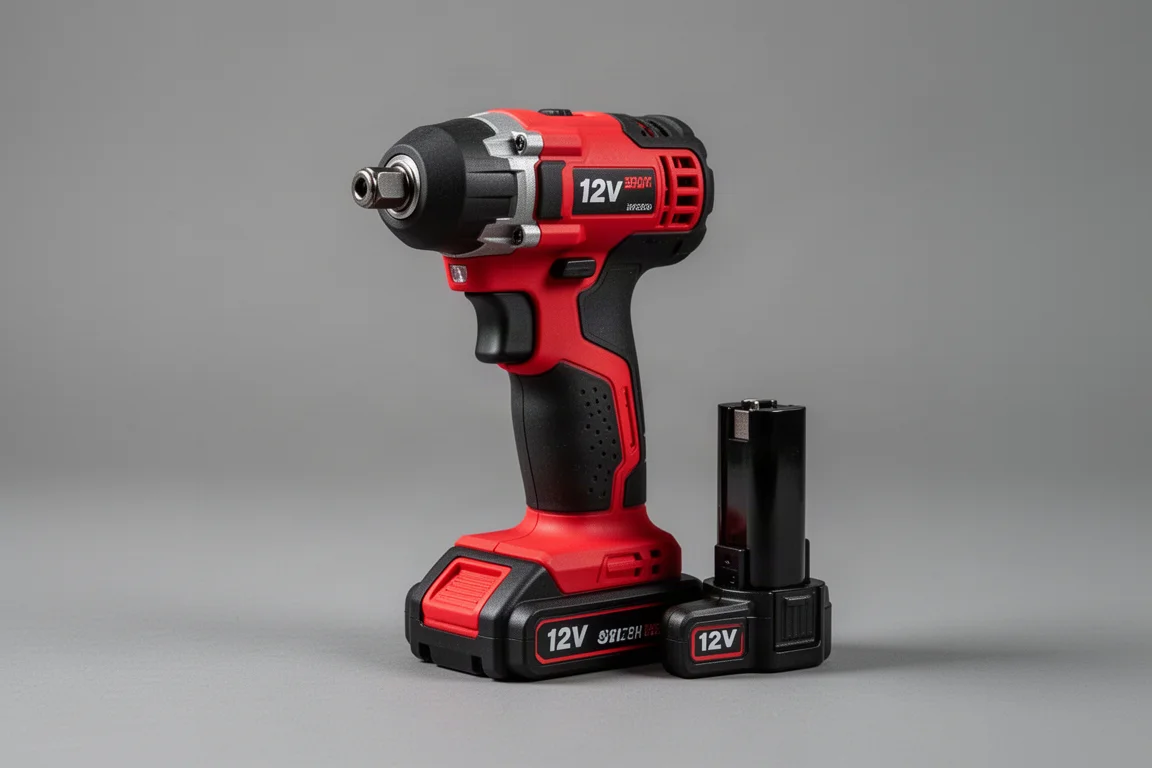
The M12 Surge went up against Makita’s top 18V impact driver, both running 6 Ah batteries, and held its own in a contest between a compact 12V class tool and a full-size 18V flagship. Its precision-oriented oil impulse mechanism is aimed at fastening quality as much as raw speed.
For a 12V platform tool, competing at that level against 18V hardware is notable. If you work in tight spaces or value quieter, cleaner fastening, the Surge is a genuinely capable alternative to bigger drivers.
Makita HP001G
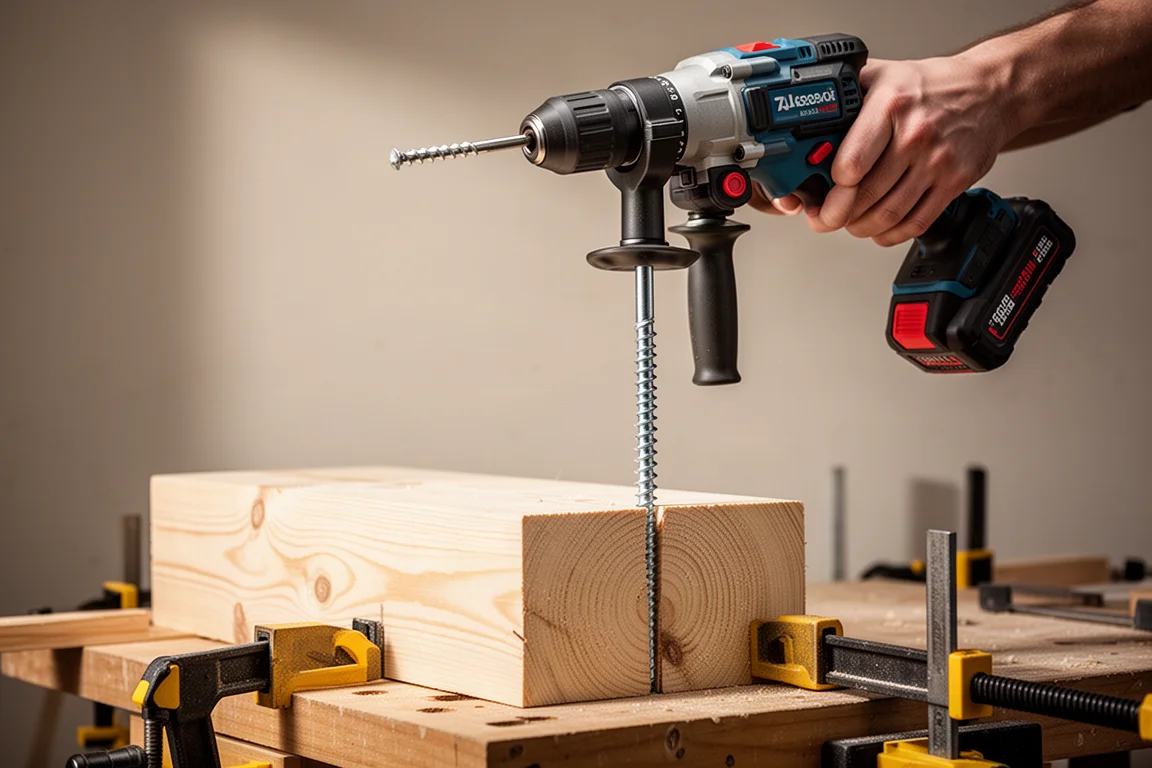
Makita’s 40V XGT HP001G hammer drill faced the long-serving 18V classic known as the XPH07 in the United States and DHP481 elsewhere. Both drove 200 mm stainless batten screws, and both were pushed further with a brutal extra test: 10 mm diameter, 280 mm long screws on the drill setting in high gear.
One detail worth knowing: the entry-level 40V sibling, the HP002G, cuts out when a screw is nearly fully seated, while the HP001G keeps driving right through the timber. A safety note from the testing also applies to anyone driving screws that large: always use the side handle, because these drills are powerful enough to twist out of your grip and cause real injury.
For heavy structural work, the HP001G is the one that does not blink.
Makita DTW300 and TW004G
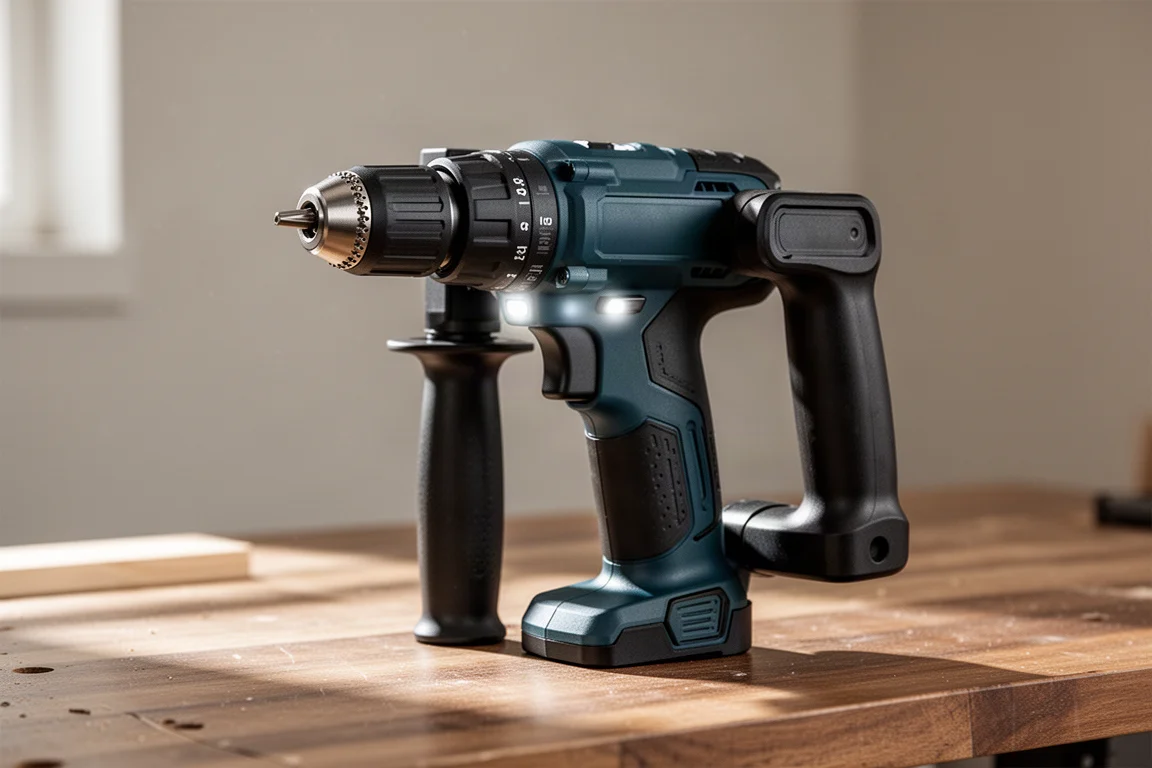
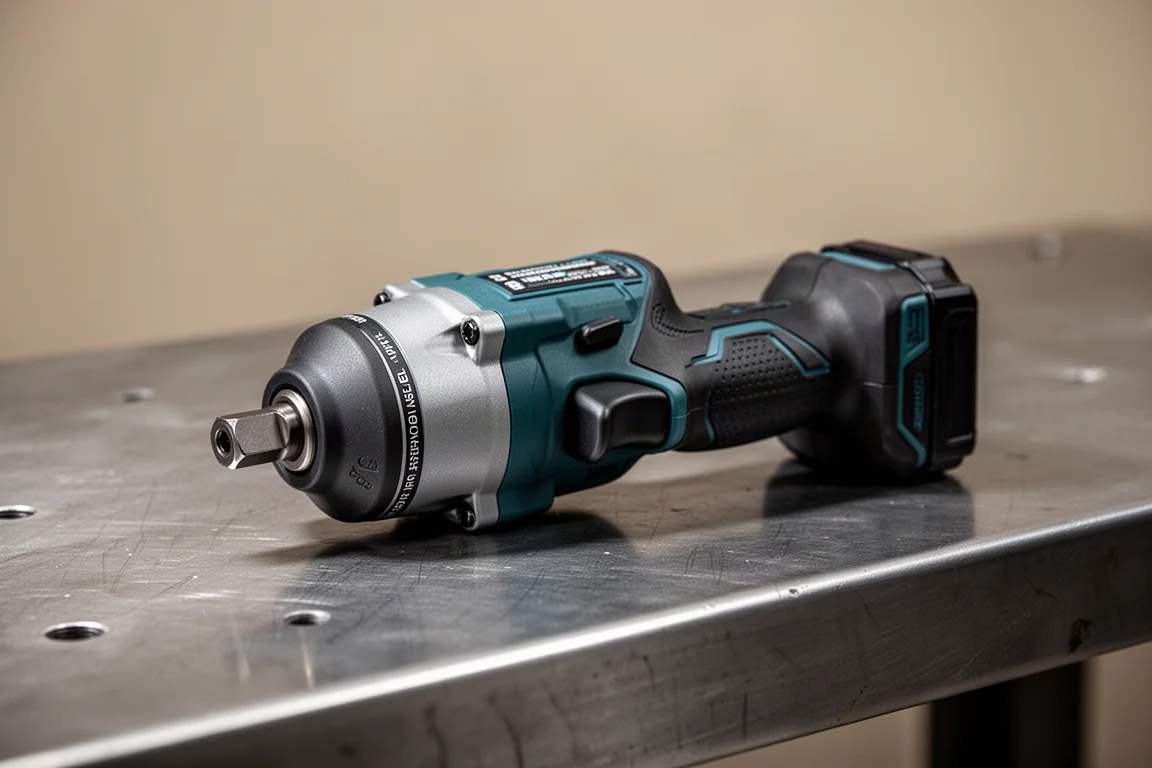
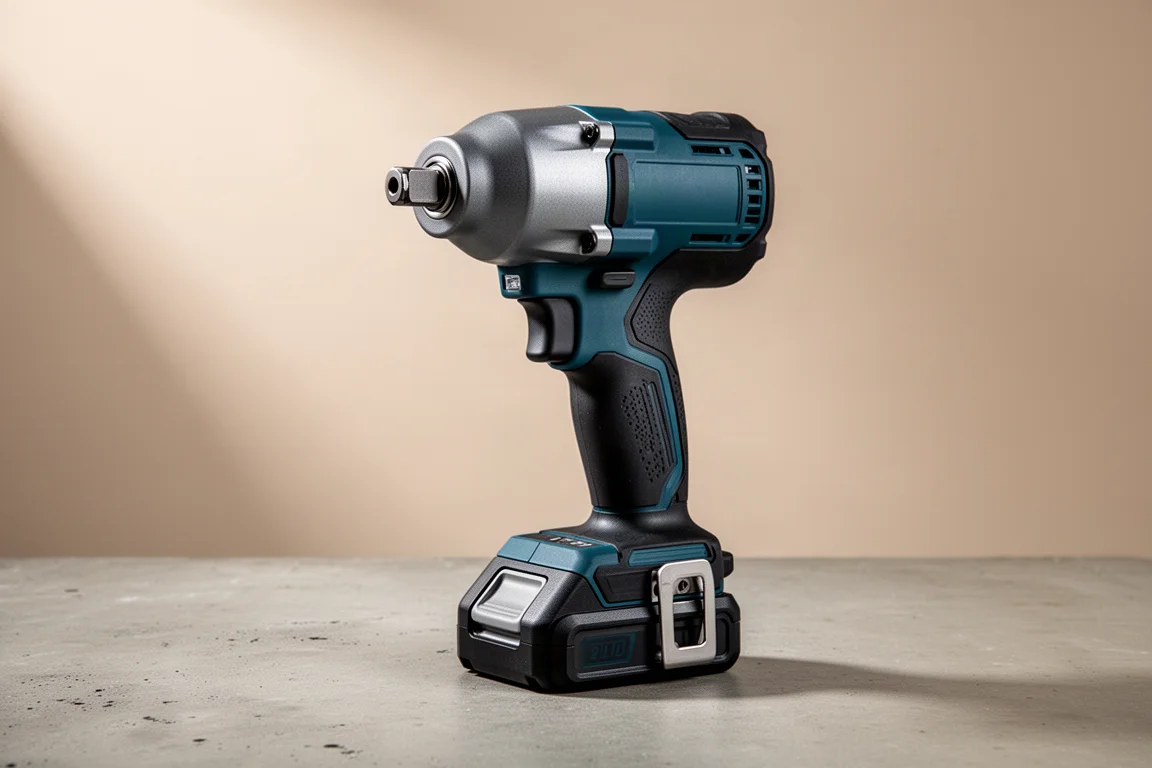
Makita’s two newest impact wrenches went directly against each other: the 18V DTW300 running a 5 Ah battery and the 40V XGT TW004G running a 2.5 Ah pack. With matched cell counts and identical power delivery, the pairing was effectively a platform comparison rather than a battery comparison.
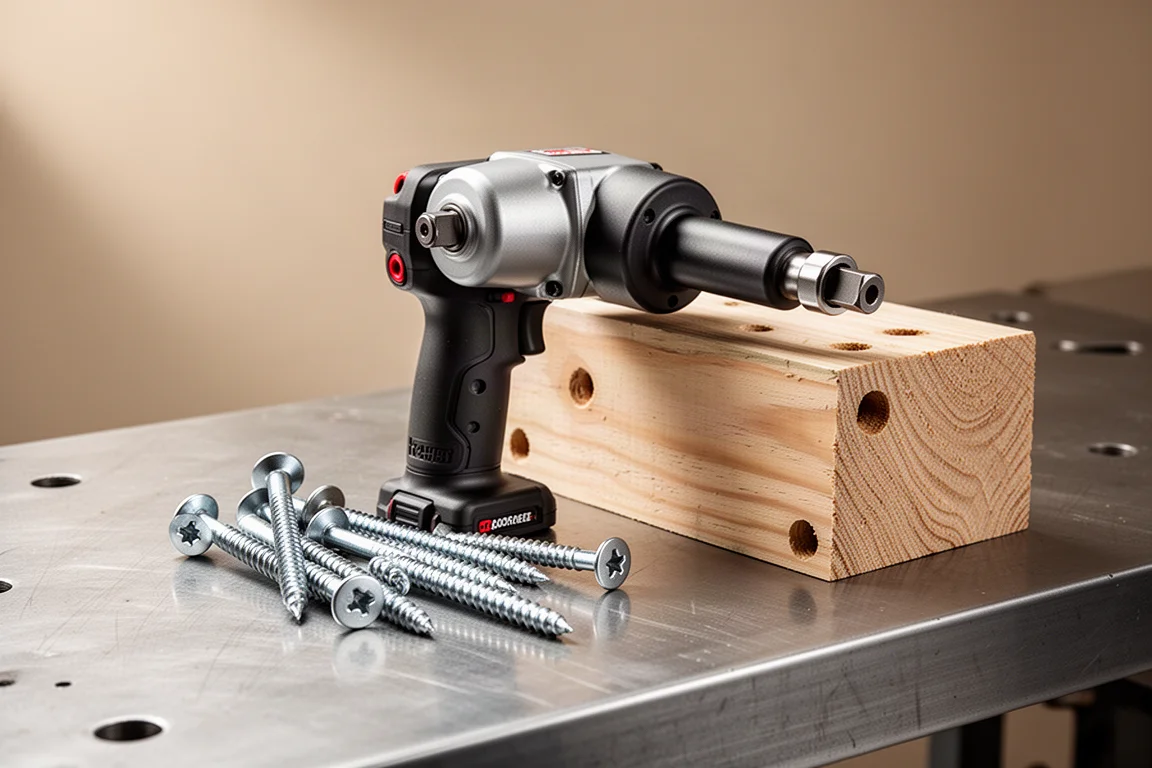
Across 100 mm and 200 mm batten screws, both proved they belong in serious fastening work. Choose based on which battery platform you already own rather than on raw performance, because the gap between them is small.
Buying Advice
Three lessons came out of a year of head-to-head testing. First, matched batteries matter more than most people expect; a high-capacity pack can transform a tool’s driving speed. Second, flagship status does not always justify an upgrade; the TD172D versus TD171D result is the clearest example. Third, for extreme fastening, keep an eye on how a tool behaves at the end of a long screw, because cut-out behavior and sustained torque under load separate the best from the rest.
If you are starting fresh, pick a platform and buy its top-tier tools. If you already own batteries, staying within your platform is almost always the smarter move.
Conclusion
From the Japan-versus-China build test to the brutal 280 mm screw drive, these six tools earned their spots through measurable performance under identical conditions. Match the tool to your platform and your workload, and any of them will serve you well.
Further reading
Related Reviews
Power Tools
Best 1-Inch Pistol Impact Wrenches: Three Heavy-Duty Options Compared
We compare three 1-inch pistol impact wrenches, from a budget-friendly Harbor Freight model to a premium Caterpillar unit, to help you choose the right one.
Power Tools
Best 3/4-Inch Impact Wrenches 2026: Five Contenders Compared
We compare five 3/4-inch impact wrenches across price and performance, from a budget Amazon option to Snap-on's most powerful model yet.
Power Tools
Best Budget Cordless Tools 2026: Walmart Finds That Punch Above Their Price
We tested five cordless tools from Walmart, including a high-torque impact wrench that trades blows with Milwaukee and a $35 duster that outperforms its price class.