Power Tools
Makita PH05 12V CXT Brushless Hammer Drill Review: A Compact Oddball That Surprises
A 12V hammer drill sounds like a compromise on paper, but the Makita PH05 turned in a masonry drilling performance that defied its low torque rating.
Introduction
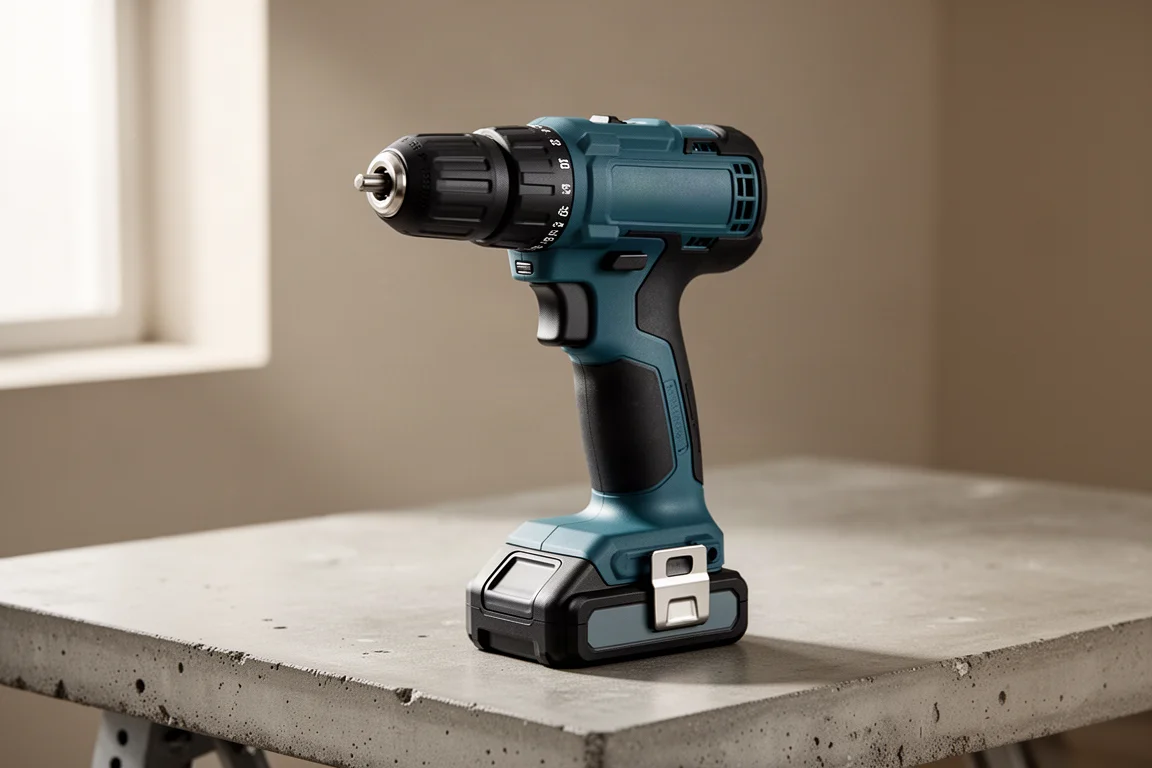
A 12V hammer drill sounds like a contradiction. Hammer drills exist to punch through masonry and drive large fasteners, and 12V tools are usually the ones you reach for when the job is small. Makita built the PH05 for its CXT line anyway, and the result is one of the odder tools in the segment: a compact, brushless hammer drill with a rated 280 inch-pounds of torque, 1,500 RPM, and 22,500 beats per minute of hammering action.
On paper, that torque figure is very low for a hammer drill. In practice, drilling into masonry told a more interesting story.
Who This Product Is For
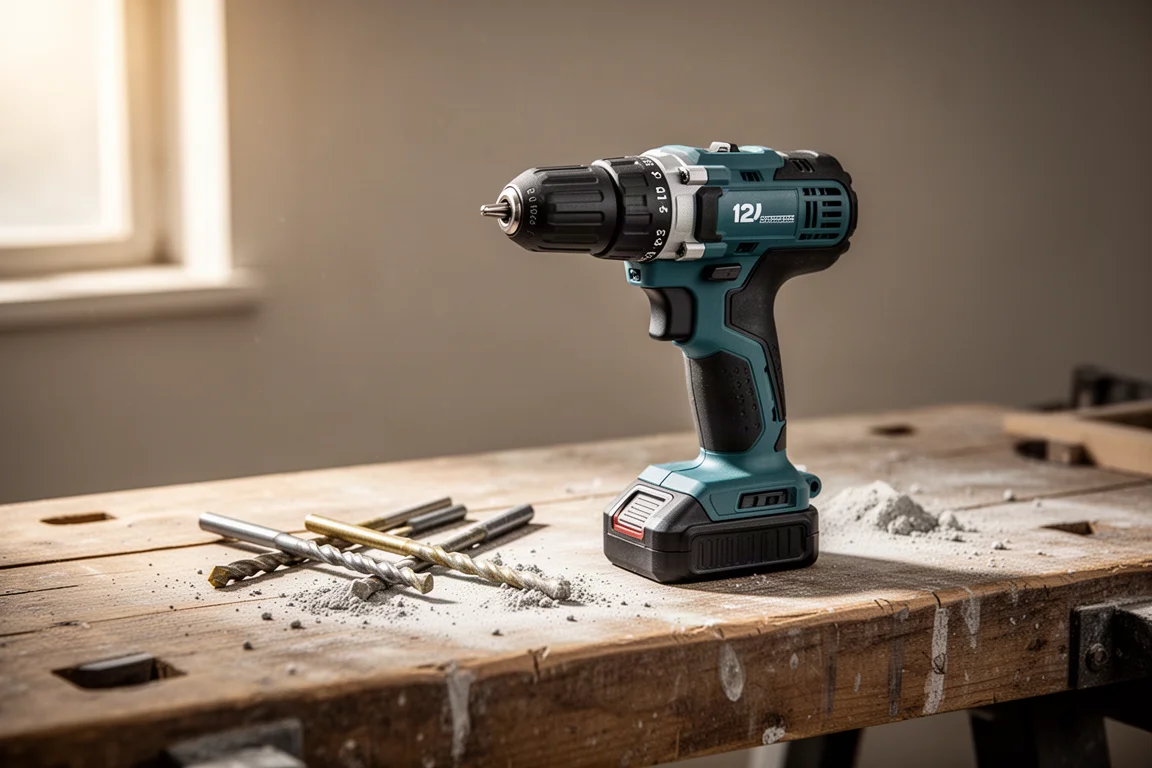
The PH05 makes the most sense for people already invested in Makita’s CXT 12V battery system. The CXT line covers drills, impact drivers, and a range of other tools, and anyone carrying those batteries already has a reason to consider this drill. It is genuinely compact and light, which matters when you are working overhead or on a ladder.
It is worth setting expectations honestly, though. Even capable 18V drills can struggle with larger bits in masonry, stone, or block, and a 12V tool starts from a much lower power baseline. If you regularly drive large lag bolts or drill big holes into concrete, a compact 12V hammer drill is not the right tool regardless of brand.
Main Strengths
The surprise here is real-world masonry performance. Drilling into concrete with a fresh 1/4-inch masonry bit, the PH05 kept pace far better than its specs suggest. The drilling time came out close to a far more powerful 18V hammer drill, and the tool punched through material quickly with an audible hammering action that is nearly as loud as its bigger sibling.
The brushless motor likely plays a part. Makita rates the drill at 280 inch-pounds of torque, but it felt more powerful than that number implies, to the point where an underrating would not be a shock.
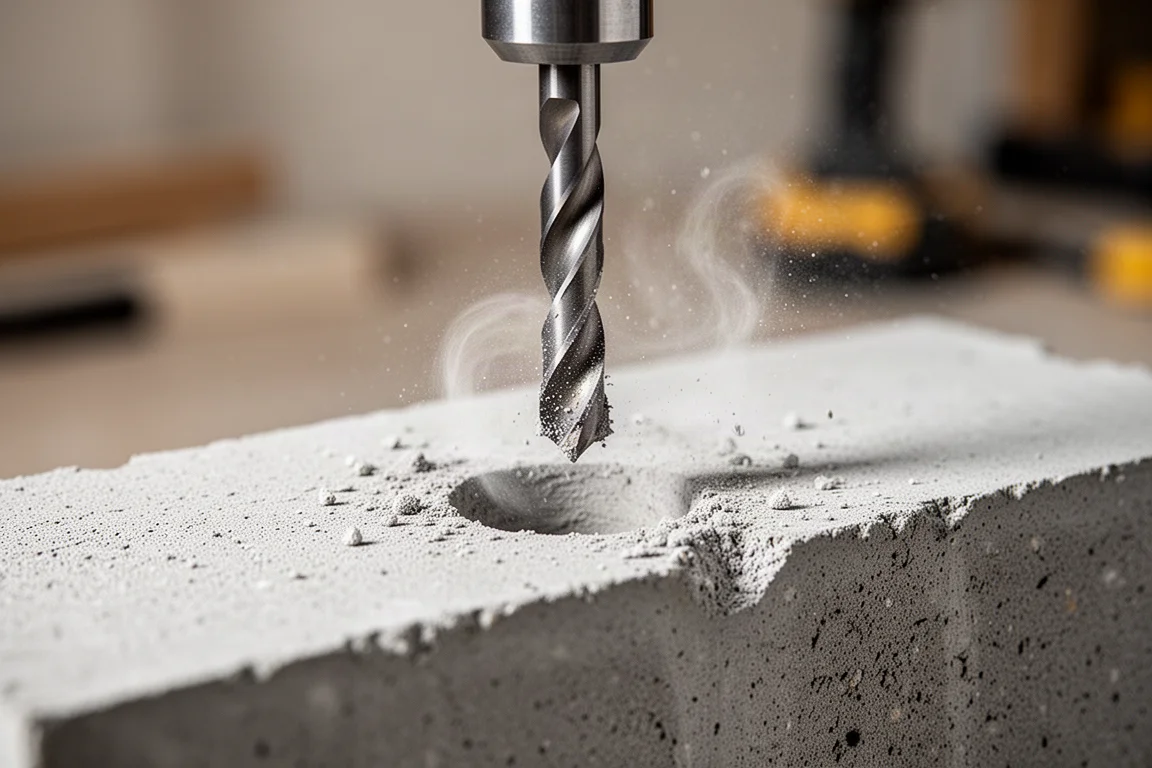
Weight is the other headline. The PH05 weighs 2 lb 6.9 oz, roughly half the weight of Makita’s flagship 18V hammer drill, which comes in at 4 lb 6.7 oz. For overhead work, ladder work, or long drilling sessions, that difference is dramatic and genuinely useful.
Things to Consider Before Buying
Price is the sticking point. The PH05 has typically sold for around $200 in a kit, which is in line with DeWalt and Milwaukee 12V kits. At that kind of money, an 18V drill is often available for a similar price, and the brushless CXT tools in general tend to feel overpriced for what they are.
Availability is another question mark. Makita does very little to promote the CXT line: few new tools, little advertising, and sales are essentially unheard of. The example tested here was picked up secondhand for about $45 shipped, with a February 2017 build date and a battery included, and it still worked well. Deals like that exist on the secondhand market even when retail pricing does not budge.
Battery life held up fine during testing, with the charge indicator still showing plenty of capacity after a drilling session.
How It Compares to the 18V Competition
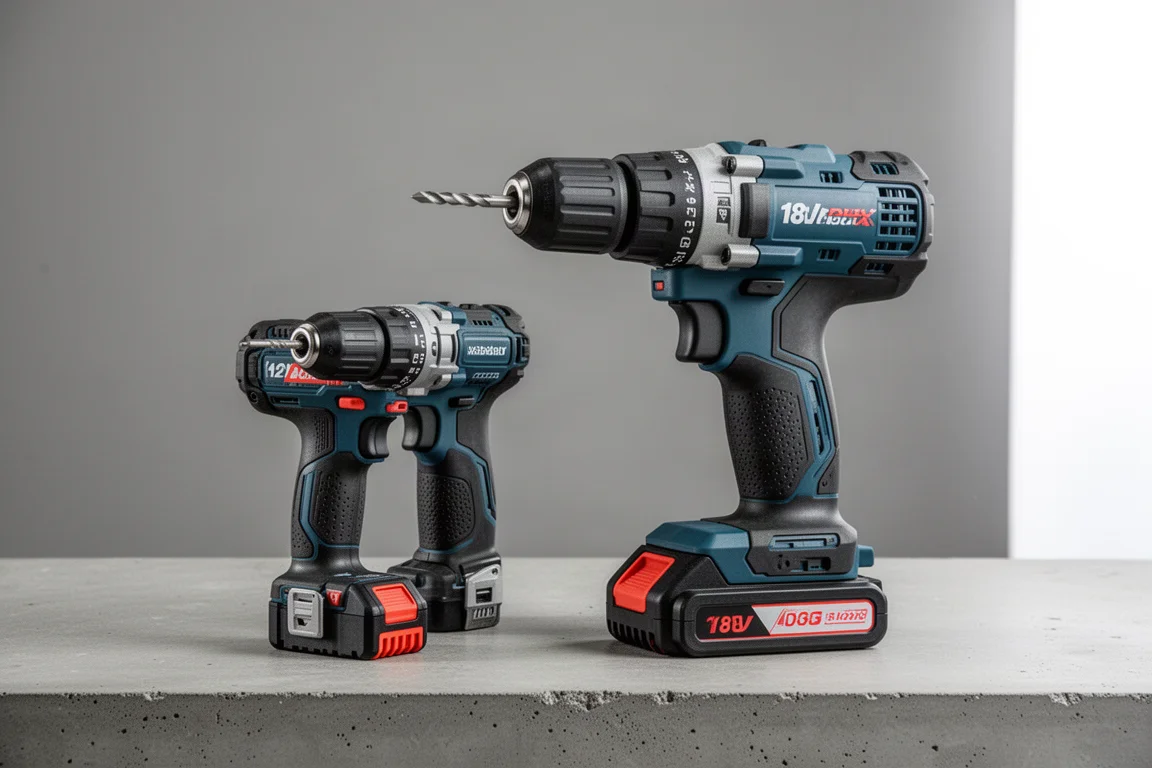
To stress-test the PH05, it went head to head against Makita’s XPH14 18V hammer drill running a small 1.5Ah battery, with both tools using the same masonry bit. That setup gave the 18V tool its worst-case configuration while handing the 12V tool its best case.
The XPH14 specs dwarf the little drill on paper: 31,000 beats per minute and 2,100 RPM versus 22,500 and 1,500. Yet the actual drilling times were closer than expected, and the PH05 finished with real authority rather than limping through the hole.
Against rival 12V platforms, the picture is muddier. Milwaukee’s M12 Fuel hammer drill claims around 400 inch-pounds of torque, while DeWalt quotes its 12V in UWO, a unit that does not convert cleanly to inch-pounds. All three brands make solid 12V lines: Milwaukee has the largest selection, DeWalt arguably has the most solid core lineup, and Makita offers a smaller, somewhat scattered mix of drills, impacts, and random specialty tools. Milwaukee’s 12V hammer drill kits have been available for around $99, a much friendlier entry point than Makita’s typical $200 kit pricing.
Buying Advice
If you need an expansive 12V tool line, Milwaukee is the safest bet. If you want a dependable core set, DeWalt is a strong pick. If you are already in Makita’s CXT ecosystem and want a light, surprisingly capable hammer drill for occasional masonry work, the PH05 is easy to like, as long as you find it at a sensible price.
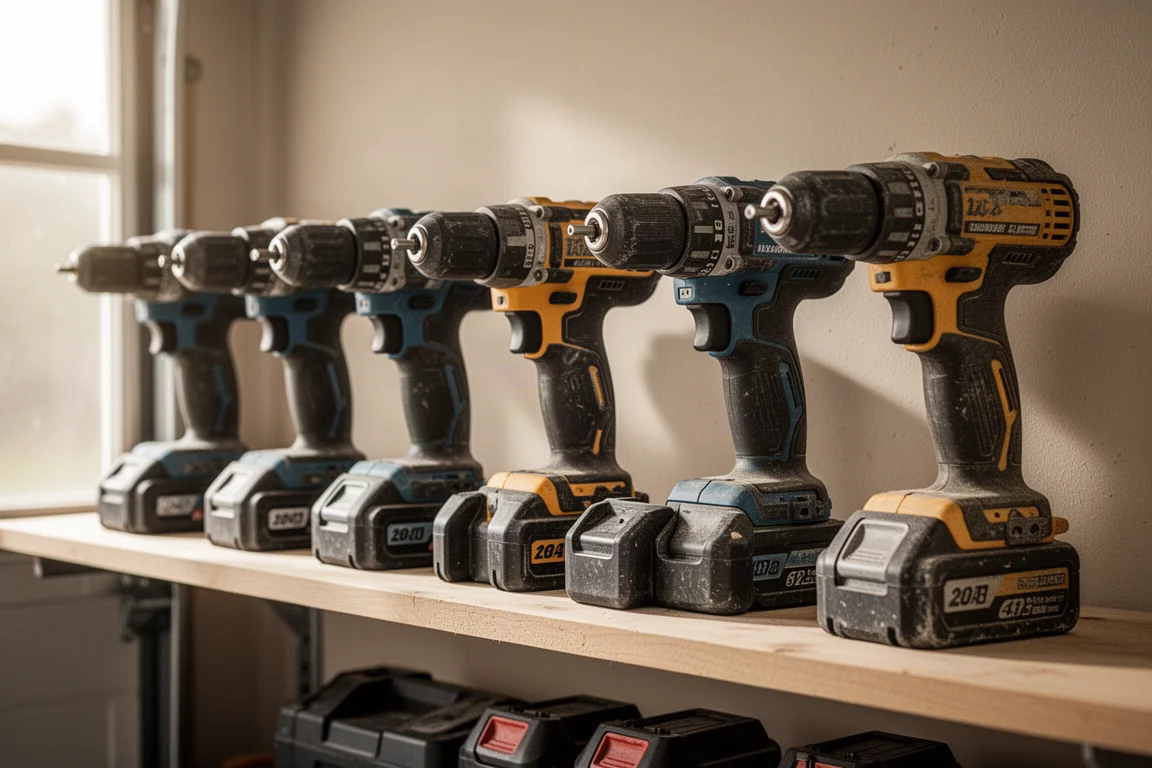
Try to avoid paying full kit pricing if you can. Between the lack of sales, the strong secondhand market for these tools, and the existence of cheaper competitor kits, patience pays off here.
Conclusion
The Makita PH05 is a strange tool on paper and a pleasant surprise in the hand. Its rated torque looks underwhelming, its price at retail is hard to justify, and the CXT line gets little support from Makita. But it drilled masonry nearly as quickly as a much larger 18V hammer drill, it weighs about half as much, and it slots neatly into an existing CXT battery collection. For the right buyer, at the right price, it is a genuinely useful little drill rather than a gimmick.
Product link
View more details for Makita PH05 12V CXT Brushless Hammer Drill
This product is mentioned in the review. Check the specifications, options, and compatibility before buying.
View more details for Makita PH05 12V CXT Brushless Hammer DrillFurther reading
Related Reviews
Power Tools
Best 1-Inch Pistol Impact Wrenches: Three Heavy-Duty Options Compared
We compare three 1-inch pistol impact wrenches, from a budget-friendly Harbor Freight model to a premium Caterpillar unit, to help you choose the right one.
Power Tools
Best 3/4-Inch Impact Wrenches 2026: Five Contenders Compared
We compare five 3/4-inch impact wrenches across price and performance, from a budget Amazon option to Snap-on's most powerful model yet.
Power Tools
Best Budget Cordless Tools 2026: Walmart Finds That Punch Above Their Price
We tested five cordless tools from Walmart, including a high-torque impact wrench that trades blows with Milwaukee and a $35 duster that outperforms its price class.