Outdoor Power Tools
Makita Outdoor Power Tools Reviewed: What Two Years of Use Reveals
Two seasons of real yard work with the Makita cordless lineup, plus a few DeWalt and Ryobi tools that fill the gaps.
Introduction
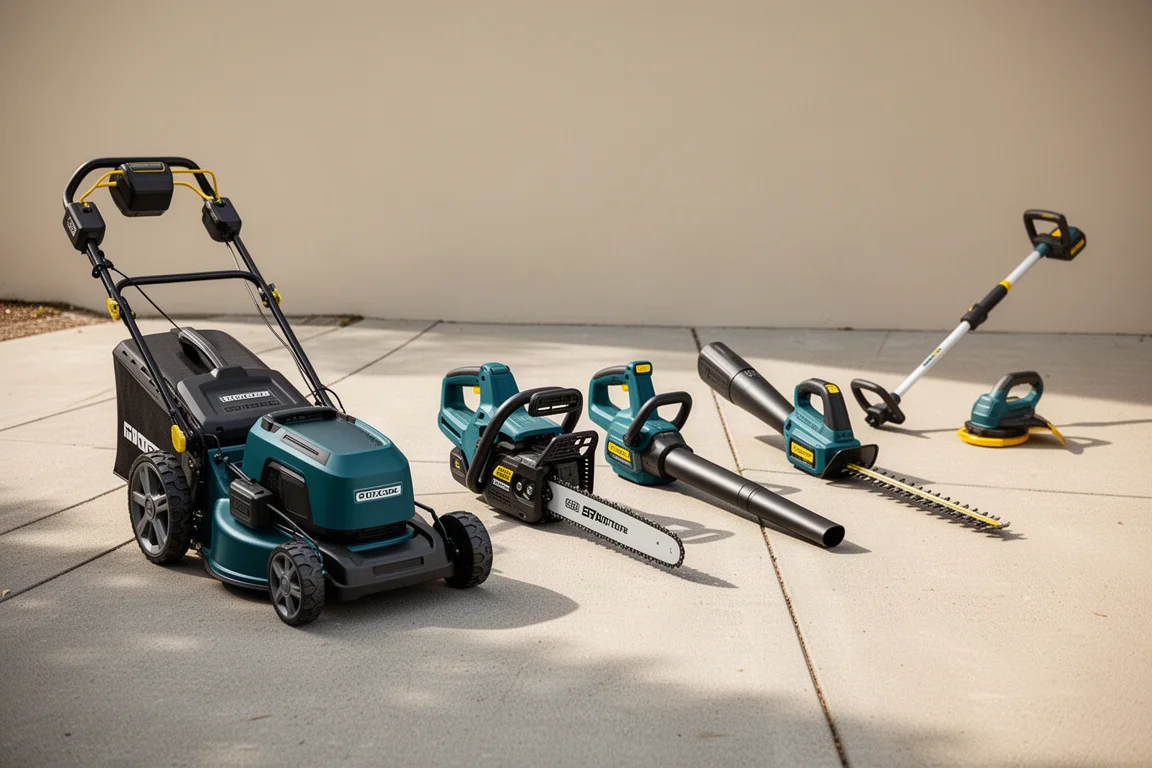
After close to two years of using nearly the full Makita cordless outdoor power tool lineup on a small but long Florida property, the picture is clear: these tools are genuinely good, with a few design quirks and one frustrating supply problem worth knowing about before you buy. This roundup covers the mower, chainsaws, blowers, hedge trimmers, string trimmers, plus a couple of DeWalt and Ryobi tools that earn their place alongside them.
One big theme up front: cordless outdoor tools burn through batteries fast. If you are building out this ecosystem, plan for at least six batteries from the start.
Makita 36V Mower: Strong Cuts With a Few Quirks
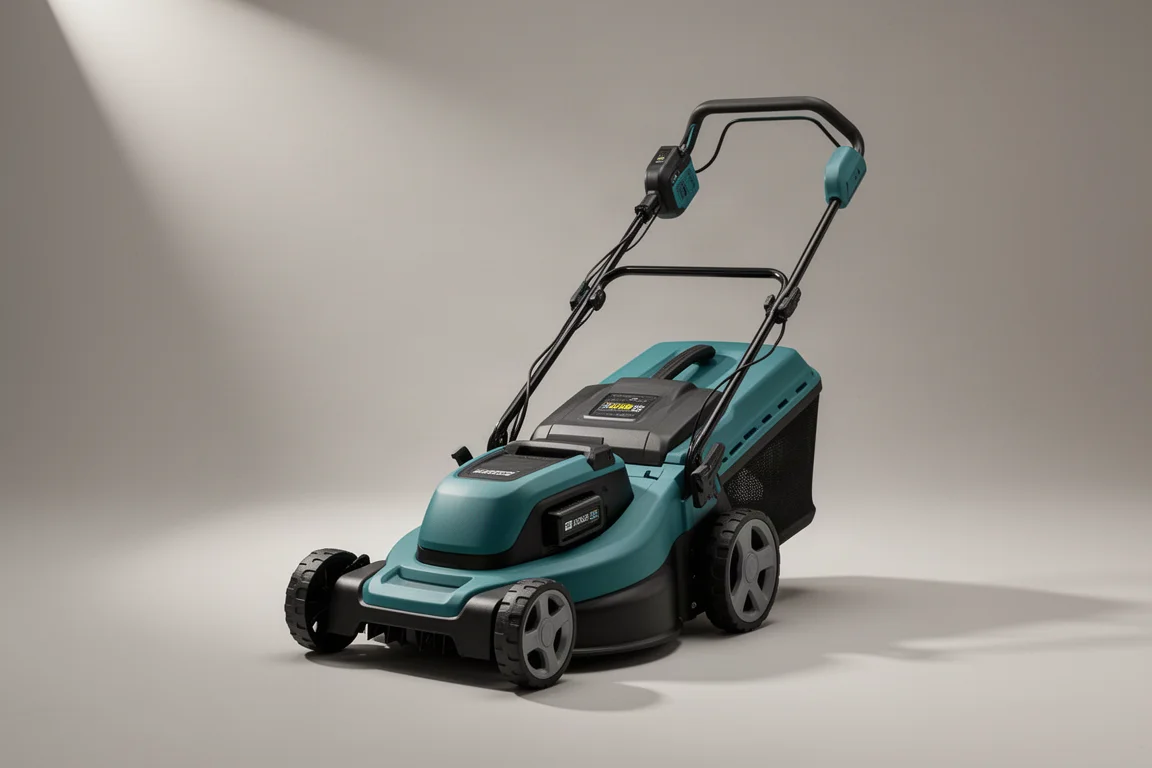
The Makita 36V mower was around $400 at purchase and came with four 4Ah batteries and a dual charger. It cuts cleanly, holds a nice line, and the height adjustment has been excellent all around. The commercial-style deck has held up phenomenally in Florida humidity where other mowers started showing rust within a year.
Battery life depends heavily on grass conditions. A normal lawn finishes on two 5Ah batteries. An overgrown, foot-tall backyard can take six pairs. There is a quiet mode that limits blade speed, but the bigger complaint is the opposite: there is no way to lock the blades at a permanently higher speed when moving from short grass into heavier patches, so the mower can bog down before the sensing catches up.
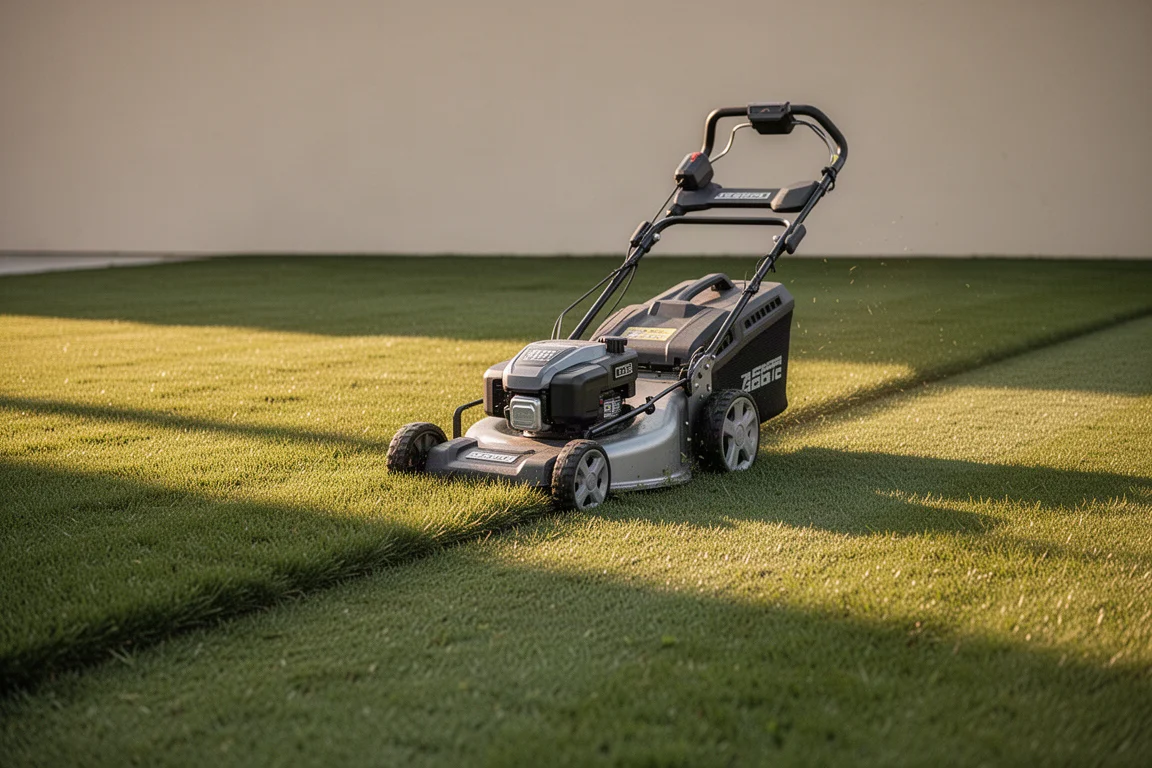
Minor issues include wheel covers that occasionally pop off (they snap back on), a loose safety key that caused intermittent cutouts until tech support diagnosed it, and clumps of grass accumulating under the deck unless you clean it out every time, especially with damp grass. The bagging system itself works well. The real criticism: Makita did not have replacement blades readily available for this mower, which is a strange gap. It would be great to see a dual-battery XGT version of this deck someday.
Makita 36V Chainsaws: Buy Two If You Cut Big Jobs
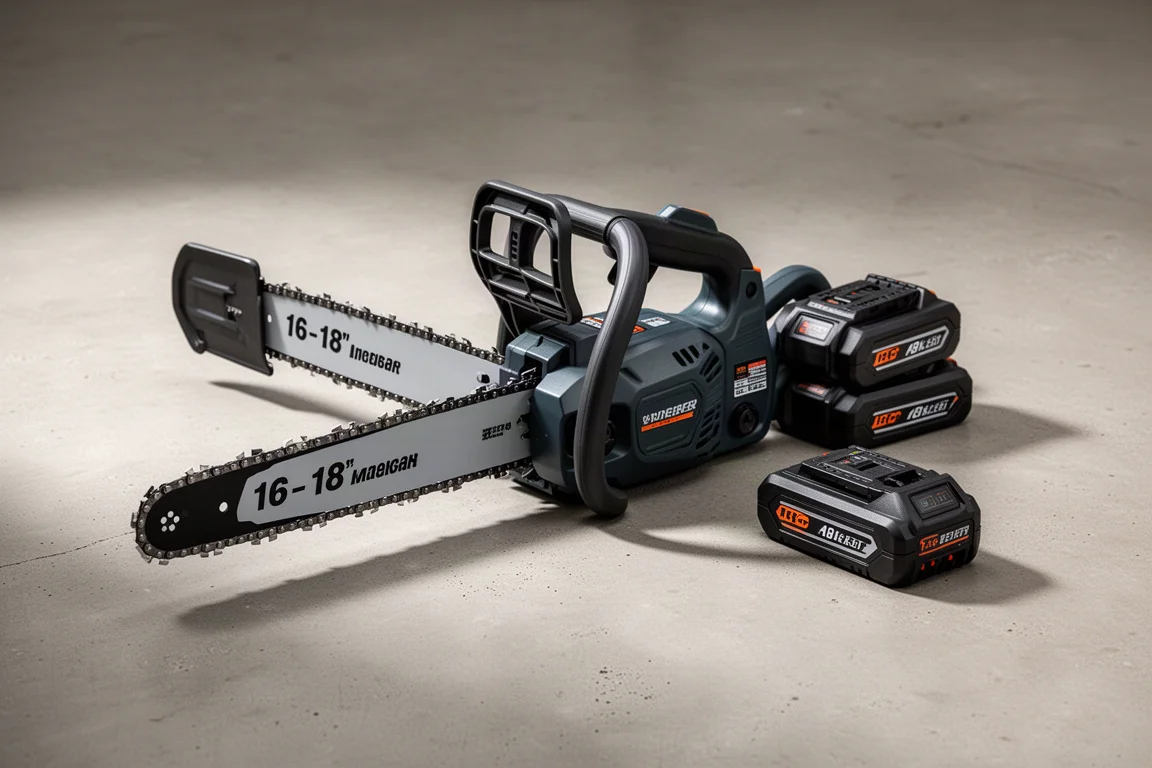
Two of the big 36V chainsaws might sound excessive, but the reasoning holds up. These are high-drain tools, and in Central Florida heat they overheat during long sessions. Running one while the other cools keeps the work going. The second saw came as part of a kit deal with batteries and a charger that brought the combined cost to roughly $500 for two saws and a stack of batteries.
The main design gripe: the tool-free chain tensioner and lock on the 36V saw is fiddly, does not love staying put, and adjusting a chain with gloves on is a pain. The simpler tensioning design on the smaller 18V saw is faster, more durable, and easier to use.
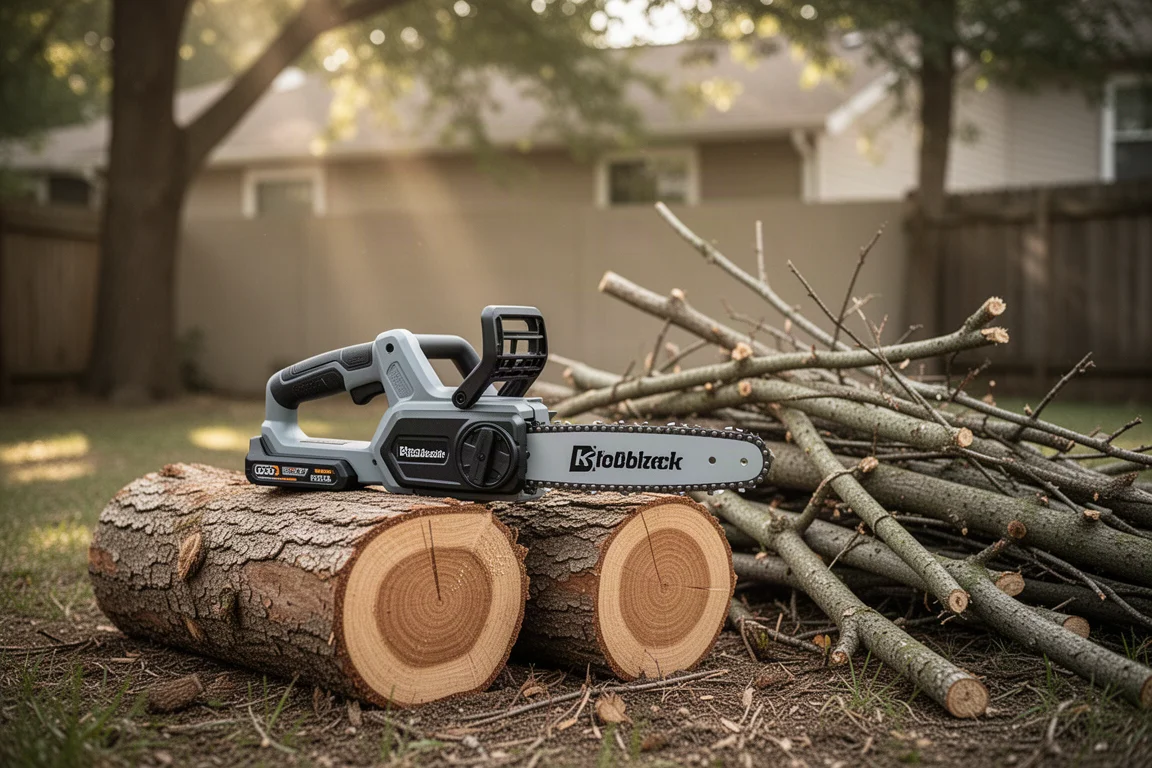
These saws suit hour-or-less jobs like cutting up downed limbs or clearing bushes, not full tree removal. For large properties with big trees, gas still wins. But if you want a saw that starts every time with no fuel mixing, the Makita cordless saws are a strong pick.
Makita 18V Top Handle Chainsaw: Small But Handy
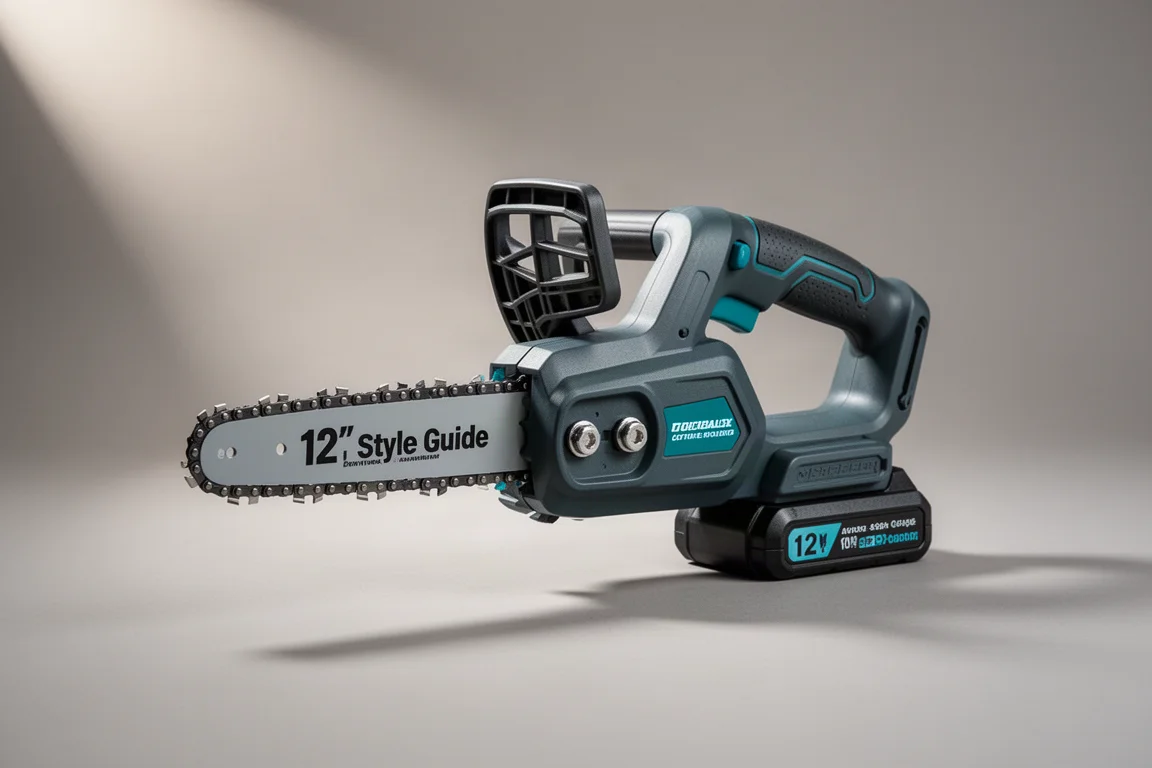
At around $200, this tiny saw had every reason to disappoint, and it does have limits. It overheats quickly, and anything thicker than four or five inches is beyond what it likes. Where it shines is light cleanup: trimming larger bushes, quick cuts on small trees, and getting into tight spots one-handed. It has been genuinely useful on client jobs where a bigger saw was overkill.
Makita Blowers: 18V for Light Work, 36V for Runtime
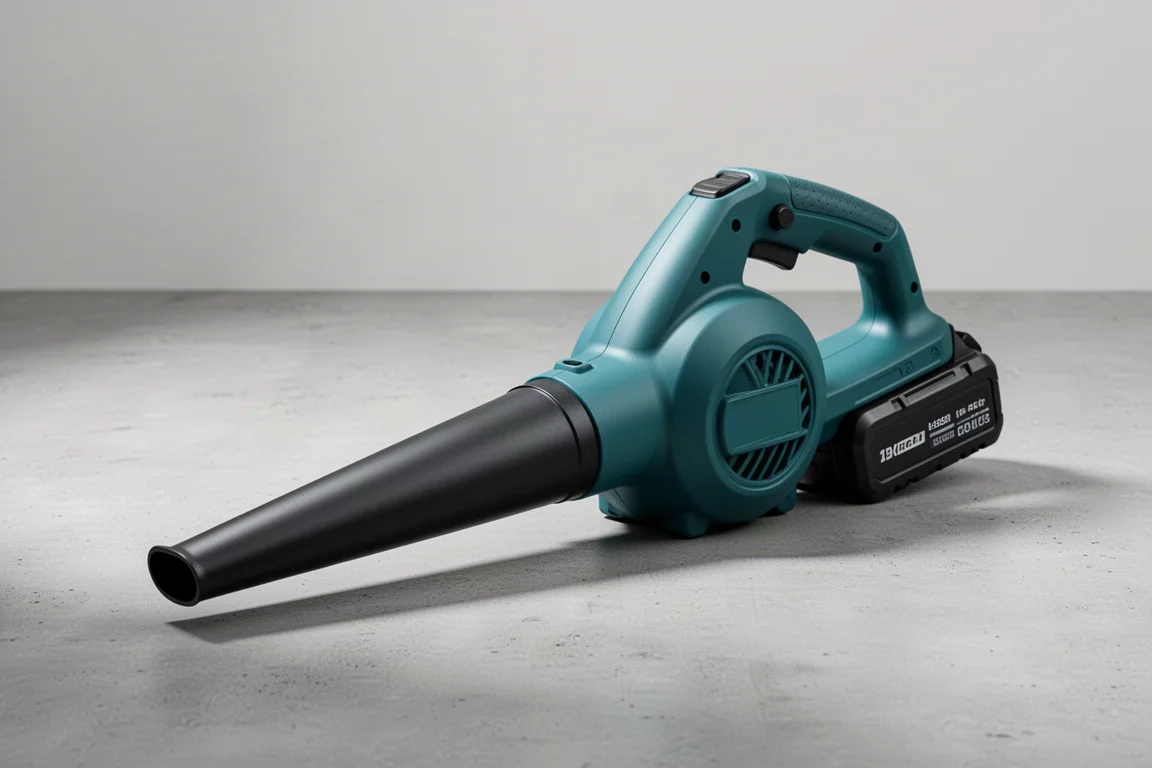
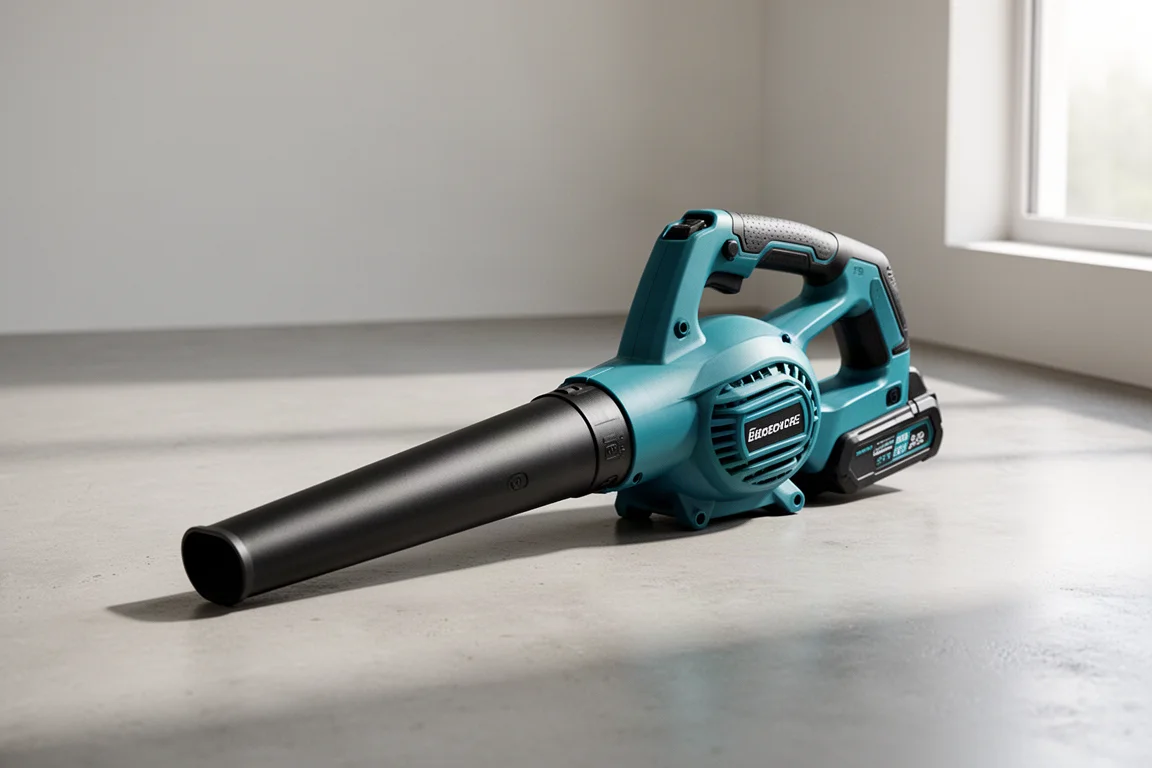
The 18V blower shows up on sale often, sometimes around $50 with free shipping. It is light, decently powerful, easy to one-hand, and works well for tasks like blowing out gutters. The wish list is short: some nozzle attachments would be nice, since none are included.

The 36V blower leans toward runtime rather than raw power, maybe 10 to 20 percent more powerful but delivering noticeably longer run time. It offers finer speed control through a dial plus a variable trigger, though getting to a set half speed is more fiddly than just pulling the 18V trigger halfway. It is heavier, and the hose design is better, removable, with two attachments included. Like everything else here, both blowers drain batteries quickly, so keep at least two spares on hand.
Hedge Trimmers: Makita for Light Touch-Ups, DeWalt for Thick Growth
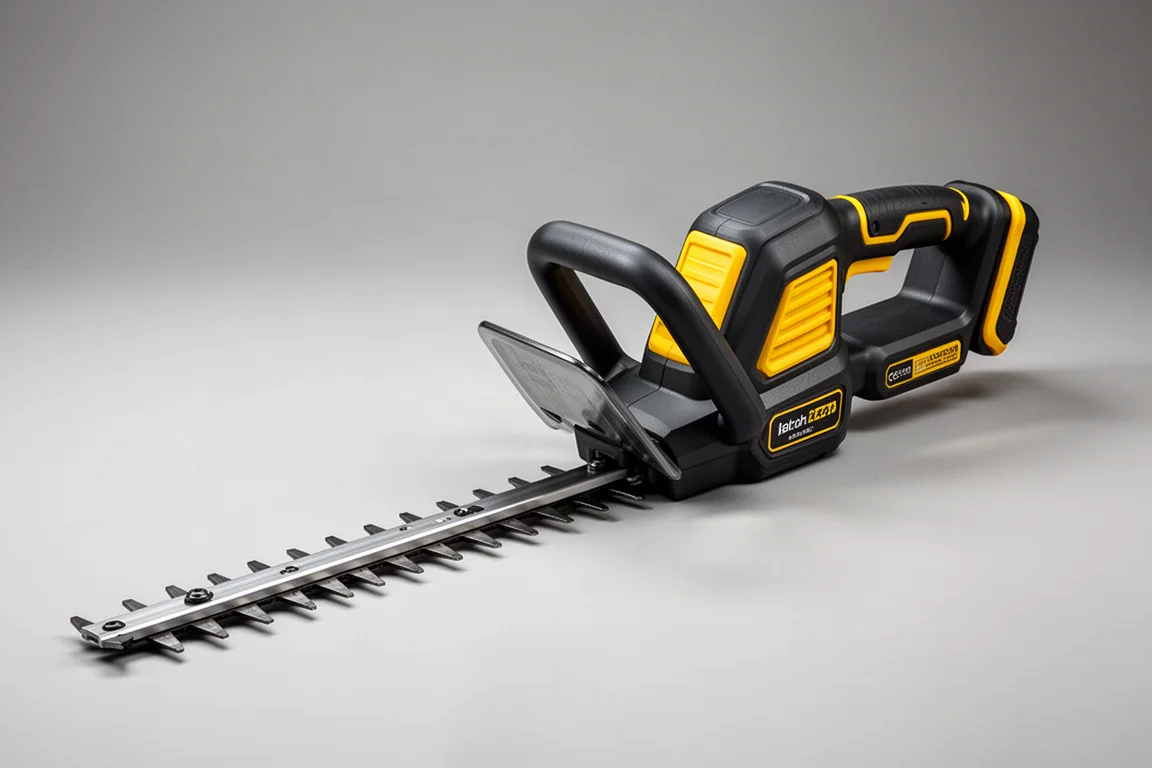
The Makita XHU02 is the brand’s budget-friendly 18V brushed hedge trimmer, and it does a good job on light hedge trimming only. Touch-ups and small hedges are its lane; thick, heavy growth is not. It is also notably lighter than the competing Milwaukee fuel model, with better ergonomics that keep hands from cramping during longer sessions, and it ships with a sleeve that many rivals omit.
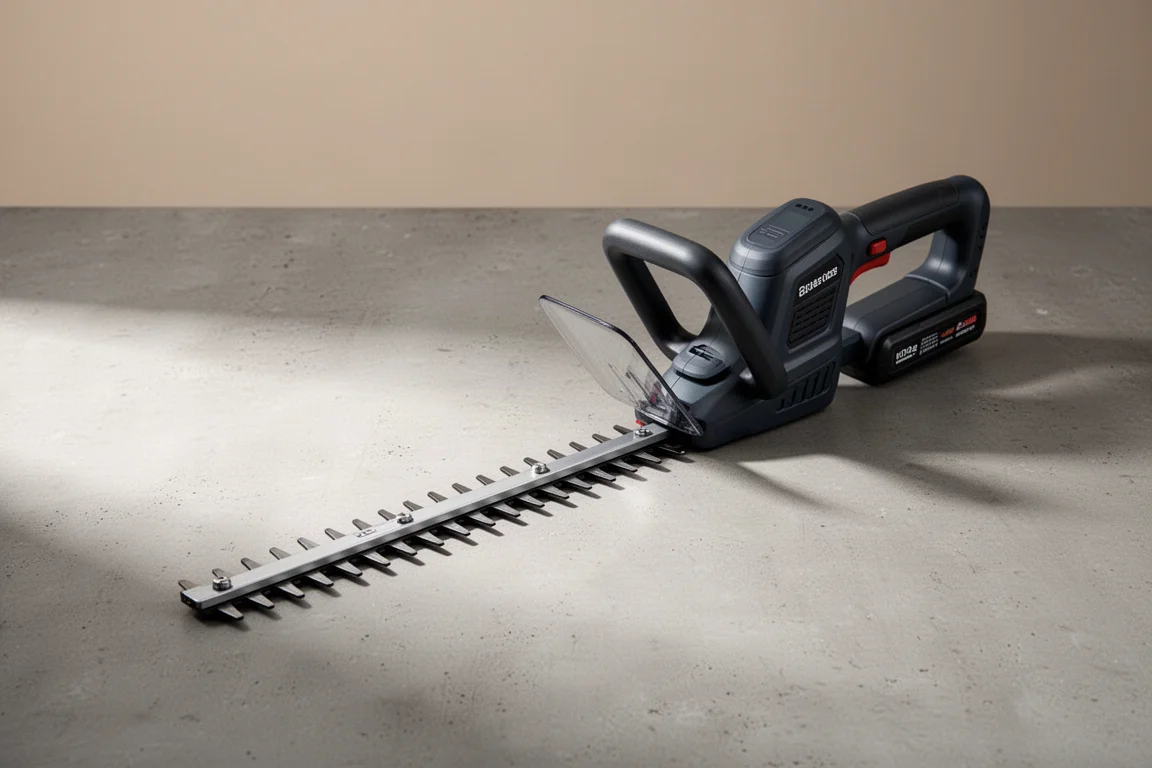
For thicker stuff, the DeWalt hedge trimmer earns its spot in the same shed. It is a bit bigger and more powerful and handles rougher work the Makita was never designed for. Owning both covers the full range without paying $300 to $400 for a heavy-duty single tool.
String Trimmers: Pick 18V for Small Yards, 36V for Bigger Ones
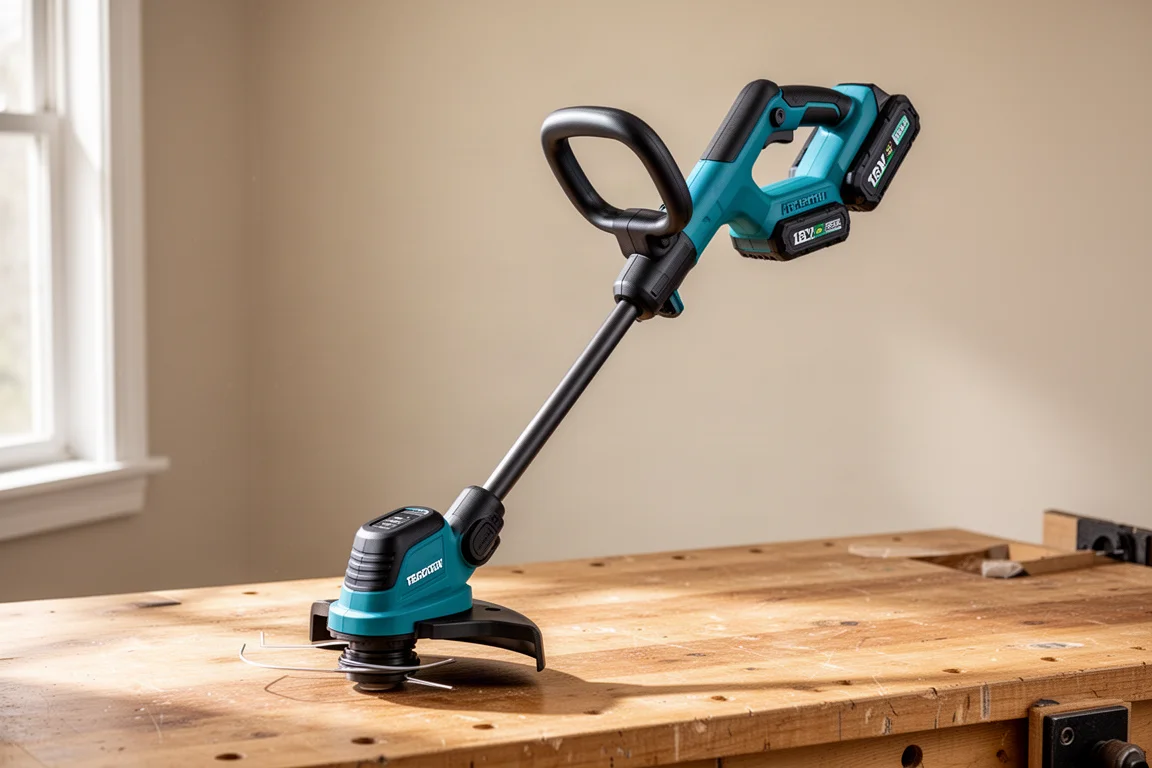
The Makita 18V string trimmer is the lightweight favorite here. Compared with earlier Milwaukee and DeWalt trimmers, the low weight wins, since you carry and swing the tool constantly. It still cuts with more authority than the DeWalt it replaced. Useful features include a reverse mode that helps free a tangled trimmer head, something gas trimmers cannot do, and lower speed settings that reduce the risk of damaging fences or siding when trimming close to a client’s property. Removing the brush guard improves performance, at some cost to battery life. A typical trim session uses about three 5Ah batteries.
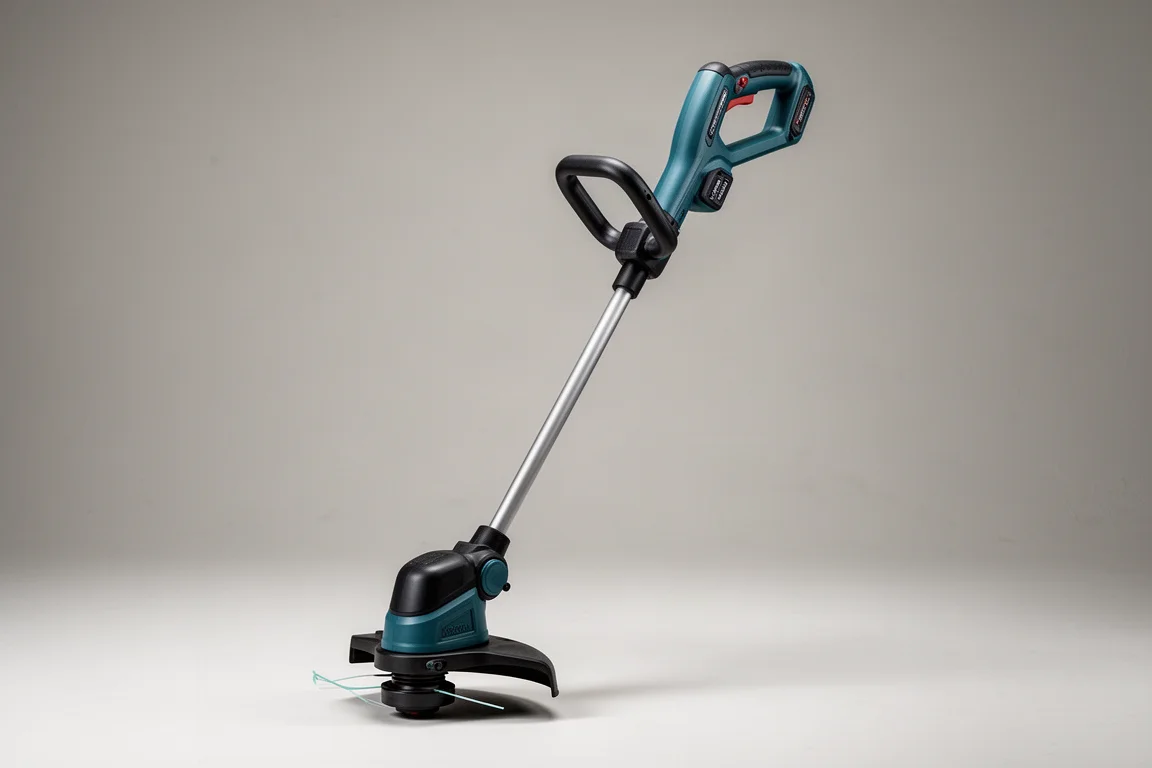
The 36V string trimmer runs roughly 500 RPM faster and feels significantly more powerful, making it the better match for regular to large properties. One caveat: the stock bump head jammed frequently even with Makita’s own string, enough that an 18V trimmer finished the job. A replacement head may fix it. Deal watchers should note that 36V trimmer kits with four batteries and a dual charger have appeared around $330, and 18V kits with a battery and charger have hit around $99 to $100 on clearance, which is excellent value.
Filling the Gaps: Pole Saw and Edger
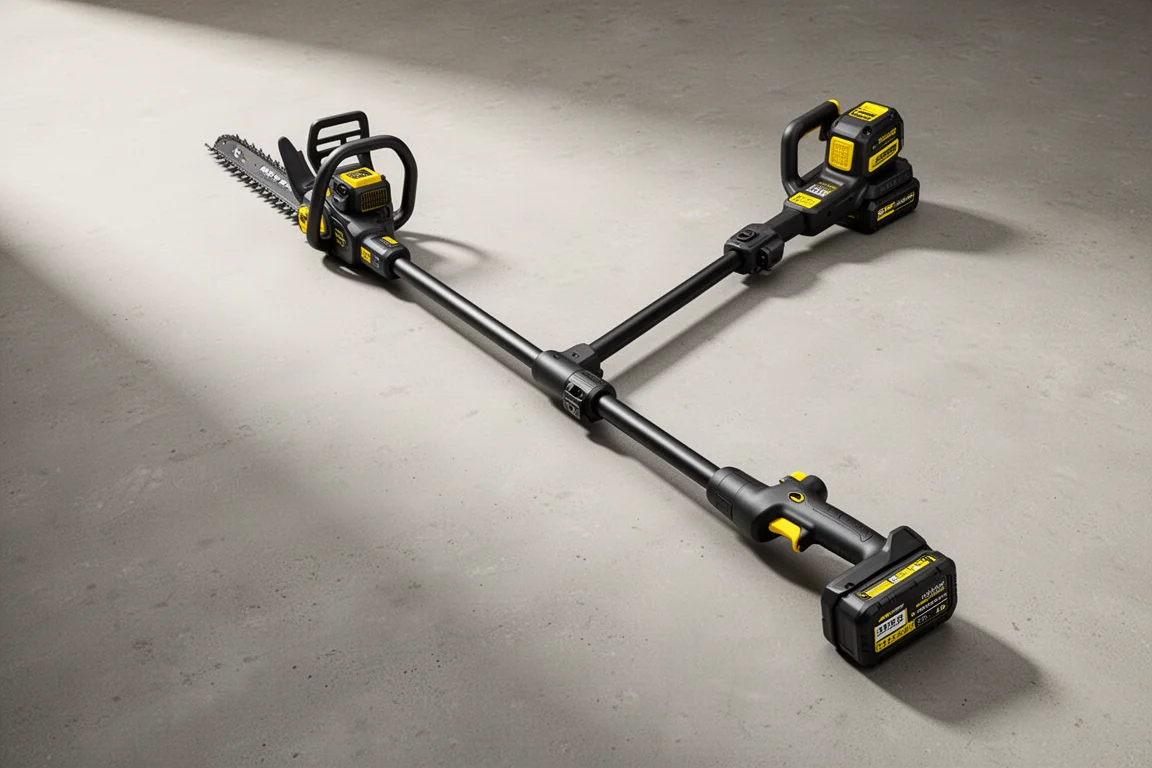
Neither Makita nor Milwaukee offers a standalone pole saw; both use attachment systems, and the spline drive inside those rods is a known weak point. The DeWalt brushless XR pole saw is a standalone tool with good reach, found around $140 to $150, while comparable Makita and Milwaukee setups run close to $400. For occasional use, the standalone approach makes more sense and tends to be more reliable.
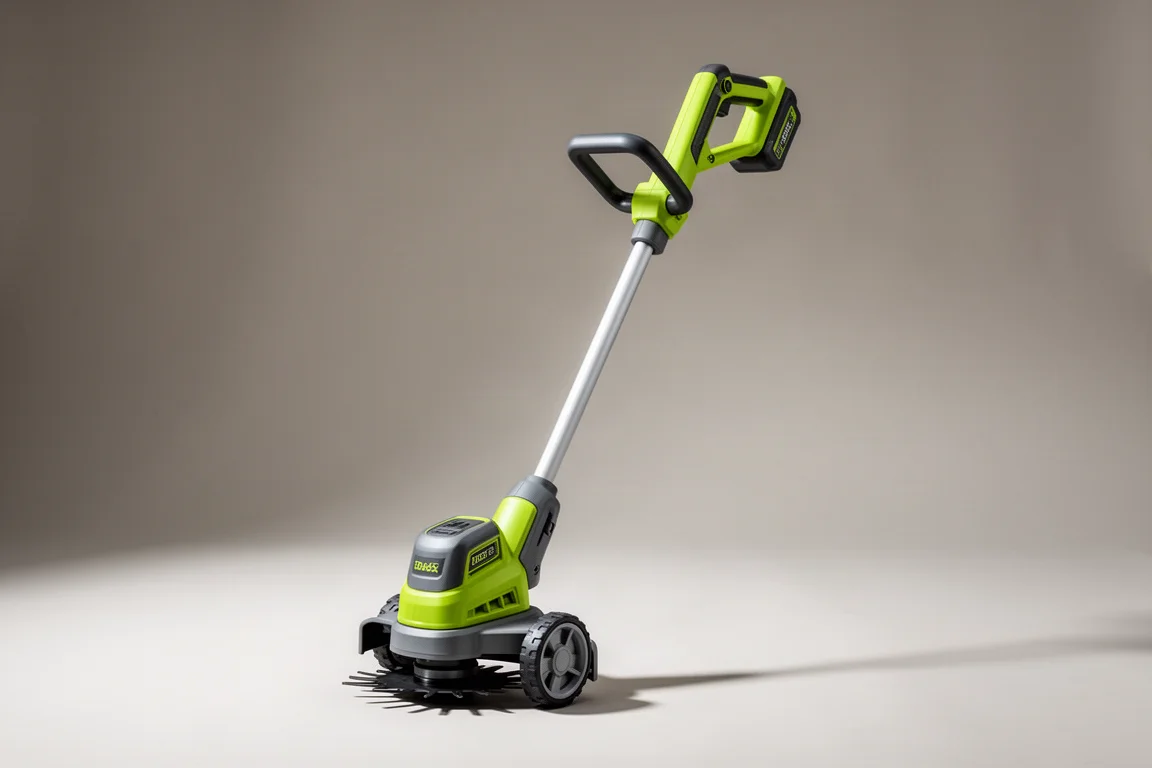
For edging, the Ryobi edger gets used maybe three or four times a year to establish a clean edge, then a string trimmer maintains it. Makita’s edging solution requires a power head plus an attachment at roughly $400 total, which is hard to justify for that kind of usage.
The Battery Question Nobody Warns You About
Across a full session of mowing, trimming, hedge trimming, and blowing, a small yard can consume at least five batteries. Add chainsaw work and a day can hit 12 to 15 batteries. A sensible starting strategy: buy the mower kit with its four batteries, add a 36V blower or chainsaw four-battery kit for eight total, then buy remaining tools bare. Six batteries is the practical minimum for this ecosystem.
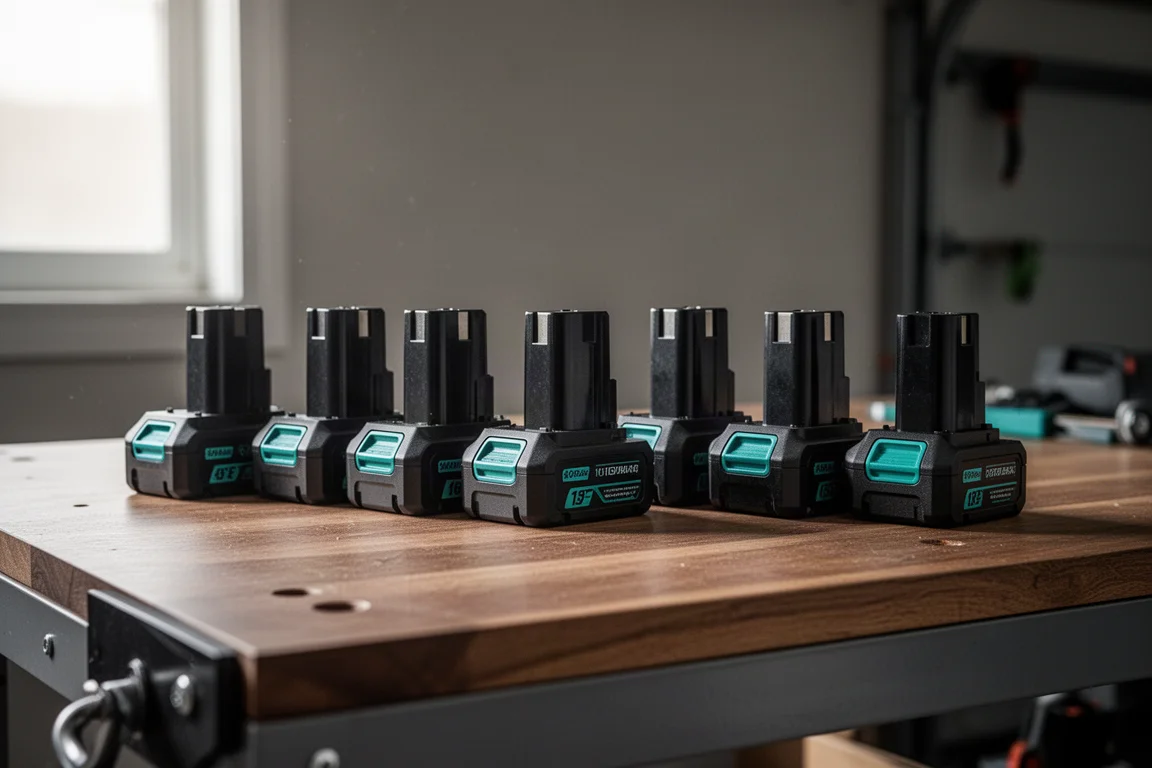
XGT outdoor tools exist in other markets and have been shown in the US, including a top handle chainsaw and a rear handle model, but they remain expensive, and the platform demands its own batteries, which pushes the real cost far higher. For now, LXT remains the value play.
Conclusion
The Makita cordless outdoor lineup earns its reputation through clean cutting, light weight, and strong reliability, with the 36V mower’s blade availability and the 36V trimmer’s bump head as the notable blemishes. Buy into the platform with battery-heavy kits first, add tool-only units after, and let a DeWalt pole saw or Ryobi edger fill the gaps where Makita’s pricing does not match your usage.
Further reading
Related Reviews
Outdoor Power Tools
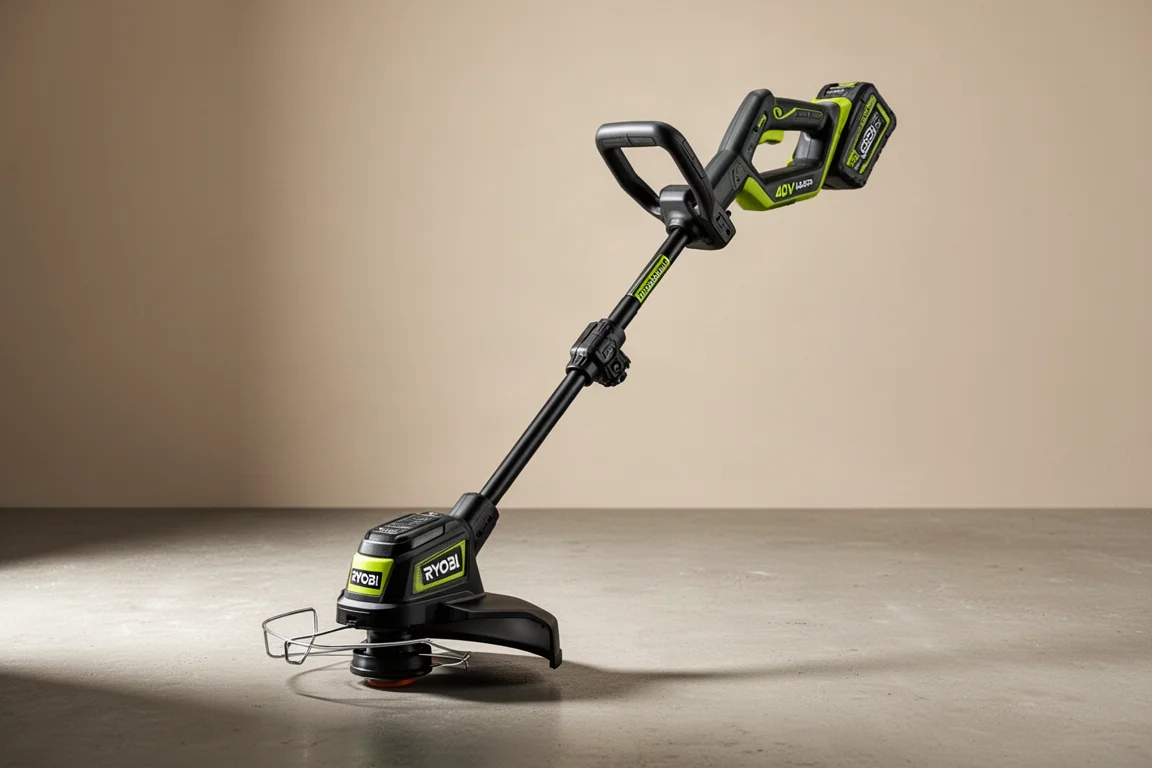
Ryobi 40V HP Attachment-Capable 17" String Trimmer Review
A close look at the Ryobi 40V HP attachment-capable string trimmer, covering power, balance, run time, and value.
Outdoor Power Tools
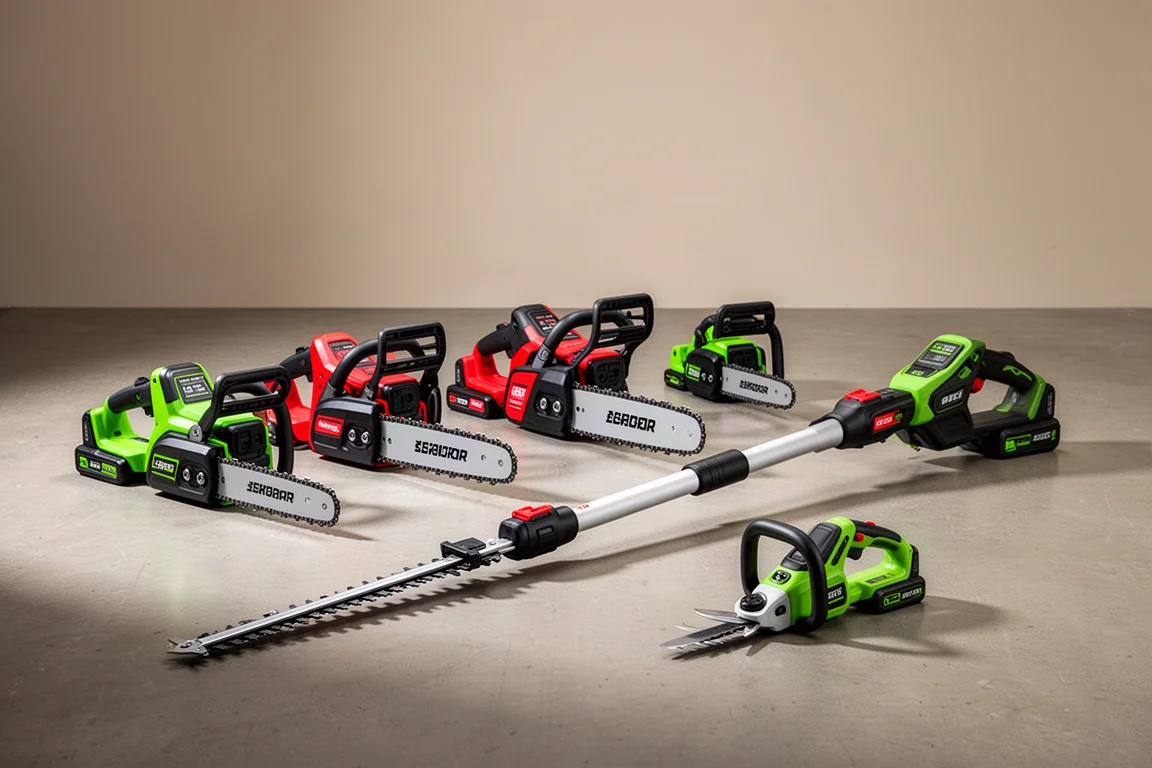
Best Battery Powered Chainsaws: Top Picks for Every Kind of User
From professional top-handle saws to budget-friendly home models, these are the battery chainsaws that stand out right now.
Outdoor Power Tools
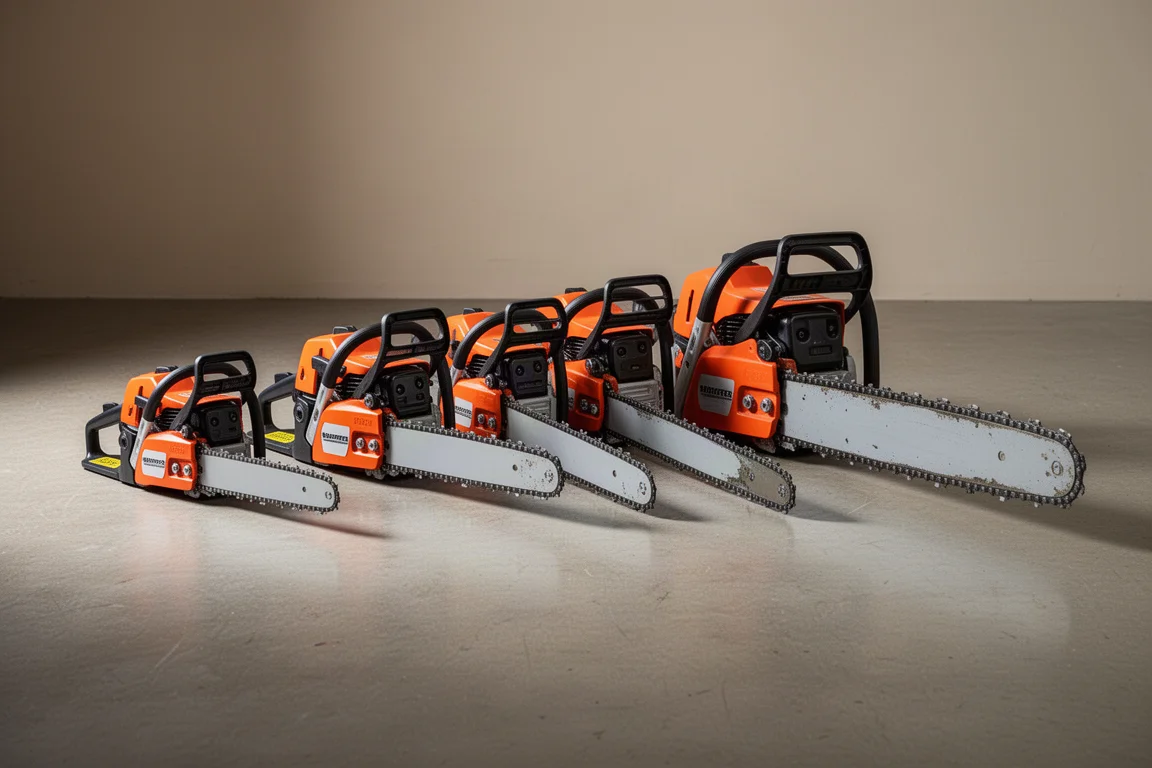
Best Professional Chainsaws 2026: Seven Gas-Powered Picks for Pros
Seven gas chainsaws covering lightweight climbing saws, mid-range workhorses, and the largest milling monsters, chosen for power and run time.