Power Tool Accessories
Makita ML013G vs DML819: Compact Work Lights Compared
Makita's new XGT work light is light in every sense: light weight, light price, and serious runtime. Here is how it stacks up against the 18V DML819.
Introduction
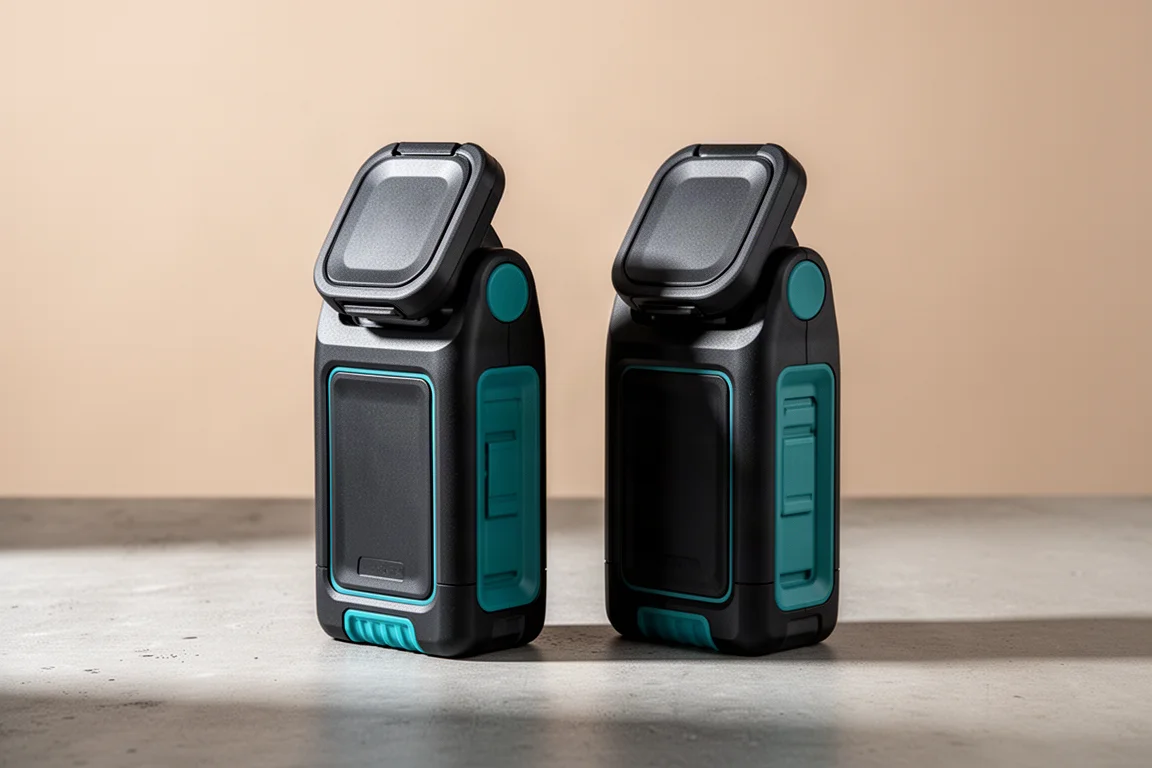
Most job site lights have drifted into questionable price territory lately, which makes Makita’s new XGT light a genuinely welcome surprise. It is compact, it is cheap by Makita standards, and it does the basics very well. There is also an 18V sibling, the DML819, that shares the same design, so it is worth looking at both before you pick.
The Makita ML013G: Light in Every Sense
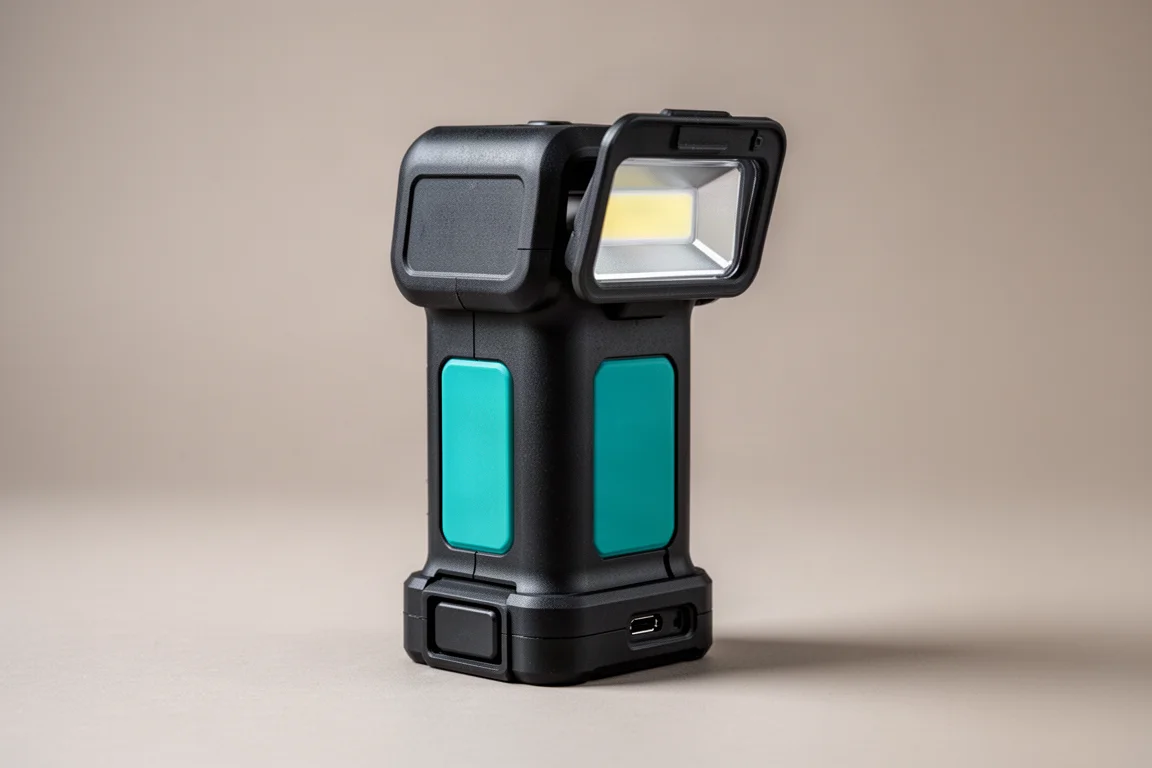
The first thing you notice is the weight. At roughly 868 g, this is a genuinely light light, and it keeps the price down too, making it one of the most affordable Makita lights around. There is a single power button on top that cycles through three brightness levels: 1,200 lm, 800 lm, and 500 lm. Turn it on and it defaults to full brightness, push again for each step down, and once more to switch off.
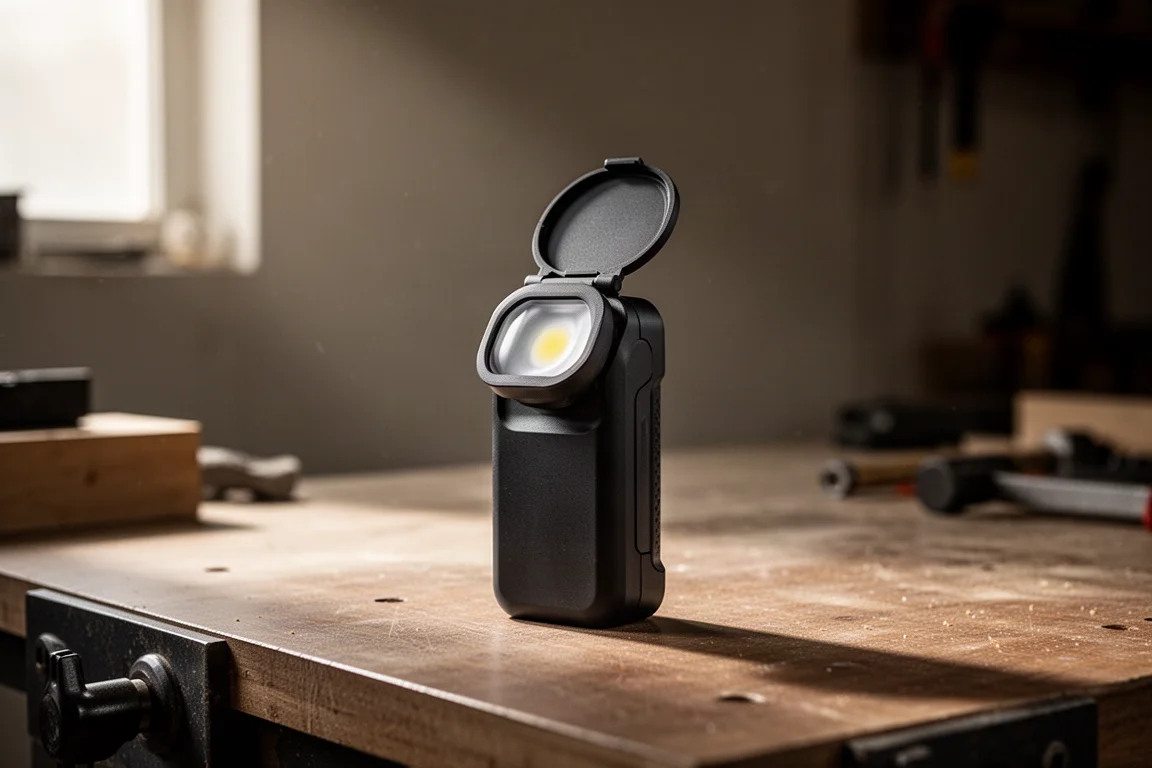
One nice touch is the soft start. The light gradually builds up to brightness rather than snapping on at full output. Closing the hinged lens cover over the front automatically switches it off, and the cover protects the lens when packed away.
Mounting Options: Magnets, Hook, and Tripod Thread
This is where the ML013G earns its keep. The base carries strong magnets that grip dense, thick steel surfaces so firmly that it is genuinely difficult to pull off. On top of that, you get a hook for hanging, a standard thread for tripod mounting, and the option to attach an optional clamp via that same thread. Stand it up, swivel it, tilt it all the way down, stick it to a steel beam, or hang it from a rafter. Very few lights offer this many mounting choices at this size.
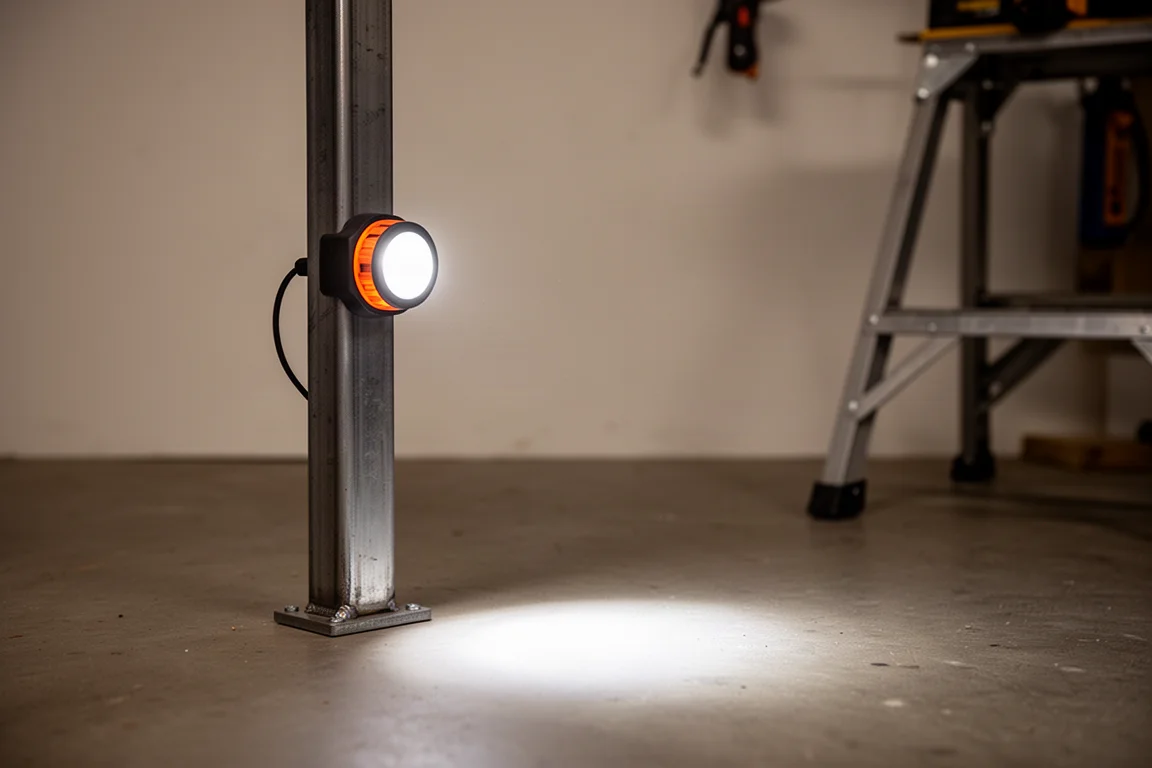
Makita also includes a cover that slides over the bottom to shield the magnets, which stops the base picking up metal filings or sticking to things you do not want it to. When you need the magnets, the cover slides over the back of the body instead so it is not lost. A small but thoughtful inclusion.
Real-World Brightness and Runtime
The light output is 5,000 K daylight white. Makita’s official throw figure is modest, around 2.4 m ahead, but real-world results are far more impressive. On the lowest 500 lm setting, a tree about 5 m away was clearly lit. The 800 lm middle setting is enough for basic work, especially indoors where you are closer to walls. At the full 1,200 lm, the light is genuinely bright, comfortably illuminating objects 3 to 4 m away.

Runtime is the strongest reason to buy. With an appropriate XGT battery you get around 12 hours on the 1,200 lm setting, 18 hours on 800 lm, and roughly 29 hours on the lowest 500 lm setting. After a month of regular use, one recurring verdict kept coming back: it runs for ages.
One Annoying Limitation
Here is the catch: the ML013G does not accept 8Ah batteries. The 5Ah packs fit, but the larger 8Ah variants physically will not attach. The likely reasoning is weight, either for drop safety or to protect the magnets from overload, but it is still disappointing. An 8Ah battery would push runtime toward 60 hours on the lowest setting.
One more caution: published specifications for this light contain errors, so the original product manual is the more reliable source for detailed figures.
The 18V Alternative: Makita DML819
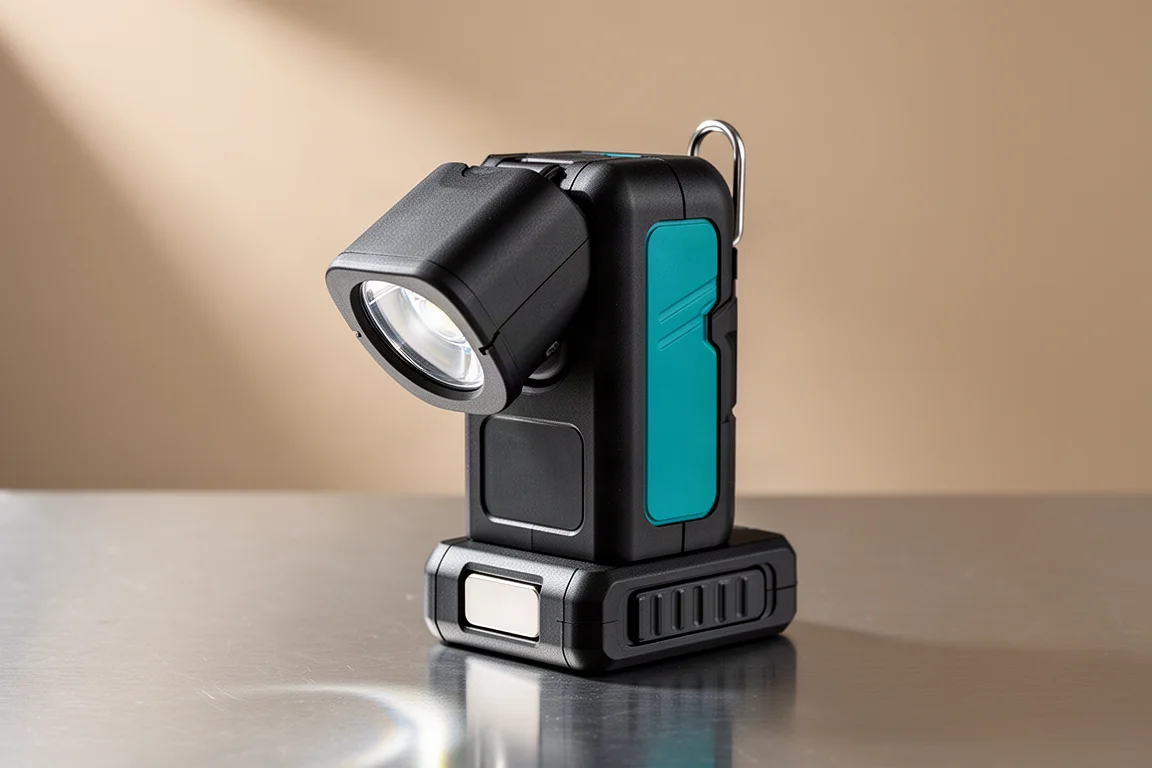
The DML819 is essentially the same light on the 18V LXT platform. The design and light output carry over, so the real difference is runtime. Using a 6Ah 18V battery, you get around 9 hours on full brightness compared to 12 on the XGT version, and 22 hours on the lowest setting versus 29. That is a meaningful gap if you regularly run long sessions without swapping batteries.
The upside is simple: if you already own an 18V LXT battery collection, the DML819 slots into your existing ecosystem without forcing a new platform purchase. If you are buying into XGT anyway, the ML013G’s extra runtime is worth having.
ML013G or DML819: Which Should You Buy?
Choose the ML013G if you are on the XGT platform and want the best runtime and the lowest price of Makita’s current light range. It is bright enough for real work, mounts just about anywhere, and sips power across long shifts.
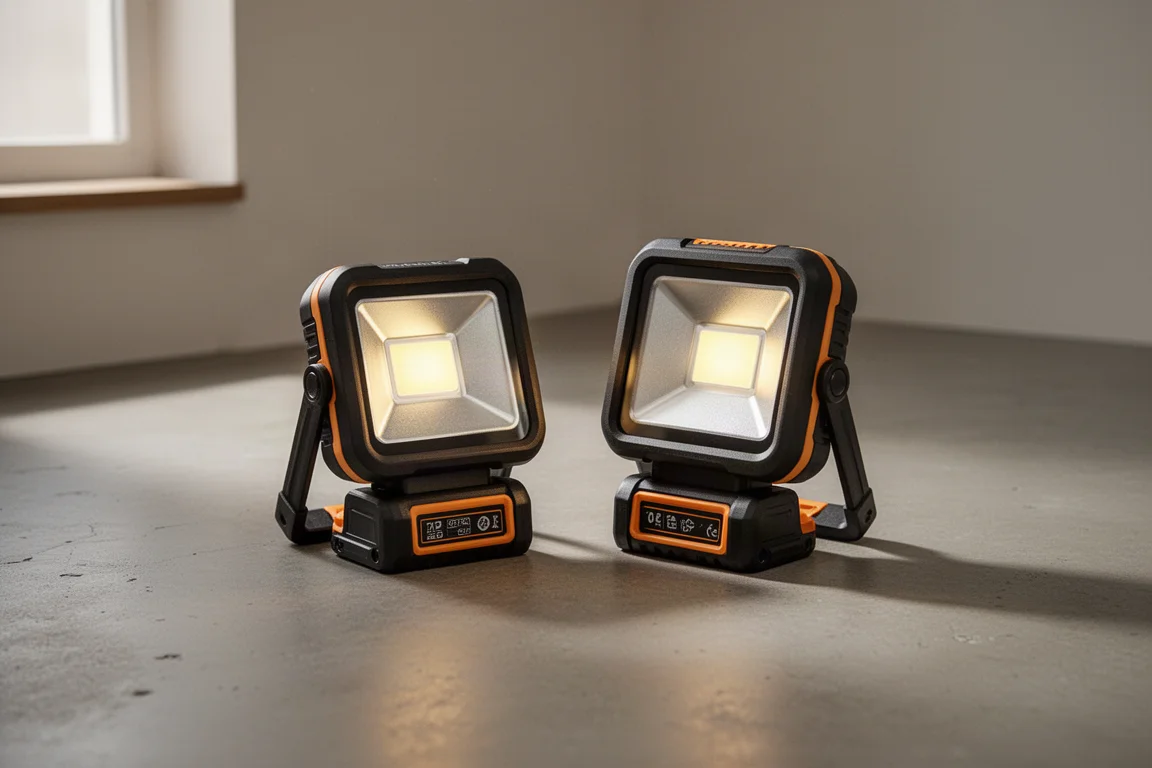
Choose the DML819 if your batteries are all 18V LXT and you want the identical design without investing in a new platform. You sacrifice roughly three hours on high and seven hours on low compared to the XGT version, but for many users that trade is worth avoiding duplicate battery ecosystems.
Conclusion
The Makita ML013G is a rare thing: a genuinely cheap Makita light that is actually good. Light body, three sensible brightness levels, strong magnets, a hook, a tripod thread, and excellent runtime make it easy to recommend. The 18V DML819 offers the same design for LXT users, with proportionally shorter runtimes. Either way, this compact light punches well above its price.
Further reading
Related Reviews

Power Tool Accessories
Best Drill Attachments 2026: Three DeWalt Tools Worth Buying
A practical look at three DeWalt drill attachments that deliver real value, plus the sketchy options you should skip.

Power Tool Accessories
Best Drill Bits 2026: 14 Sets Tested on Mild Steel, Spring Steel, and AR500 Armor
We tested 14 drill bit sets across mild steel, spring steel, and AR500 armor plating to find the best value, speed, and durability.

Power Tool Accessories
Best Right Angle Impact Adapters 2026: Five Options Tested for Speed, Torque, and Durability
We tested five right angle impact adapters from DeWalt, Milwaukee, Warrior, Titan, and Milescraft to see which ones deliver real performance without failing early.